Native plant landscaping in Edgewater, Colorado, uses plants suited to the local climate, soil, and rainfall to create attractive gardens that can need less water and support native wildlife.
Homeowners across the United States are looking for ways to make their yards more useful, colorful, and easier to care for. In Edgewater, Colorado, a native plant garden can be a smart way to replace part of a thirsty lawn with flowers, grasses, shrubs, and ground covers that fit the Front Range climate. The right choices can bring seasonal color and give local bees and butterflies places to feed.
The first step is to match plants to the site rather than choose flowers by looks alone. Colorado’s sunny days, dry spells, changing temperatures, and varied soils can challenge plants that need steady moisture. Native species are not all alike, though. Some favor dry, open ground, while others need shade or moist soil. A successful plan starts with your yard’s conditions, then builds a mix of plants around them.
Source: nelsonlandscapingok.com
What Is Native Plant Landscaping in Edgewater?
Native plant landscaping uses plant species that occur naturally in a region and have ecological ties to its local wildlife. For an Edgewater, Colorado, garden, that means looking at plants native to Colorado and the surrounding Front Range, rather than treating every plant sold as a native as suitable for the area. A species native to Florida or the Pacific Northwest may still struggle in Colorado’s climate.
This approach can work in a small front yard, a sunny side strip, a townhouse patio, or a larger backyard. It does not mean letting a yard grow wild or removing every patch of grass. A planned native garden can have clear borders, paths, neat plant groups, and flowers that change with the seasons.
Source: bluestem.ca
Local fit
Select species with natural ranges and growing needs that match the Colorado Front Range.
Water awareness
Group plants with similar moisture needs to avoid wasting water on plants that prefer dry soil.
Wildlife support
Include flowering plants, seed-producing grasses, and shrubs that can provide food or shelter for local wildlife.
Why Does Local Native Status Matter?
Native plants developed alongside local soils, weather patterns, insects, and other wildlife. That relationship can make them useful additions to a habitat-friendly yard. Some native flowers provide nectar and pollen, while certain plants serve as food for insect larvae. Grasses and shrubs can also offer cover and seeds.
Still, native status does not guarantee that a plant will thrive in every yard. A moisture-loving native can struggle in a hot, dry bed beside a driveway. A sun-loving prairie flower may grow poorly beneath a dense tree. Match the plant to both the region and the planting site.
Check the plant’s range
Use Colorado-focused plant references or ask a local native plant nursery to confirm that the species is appropriate for your area.
Check the growing conditions
Confirm the plant’s needs for sun, soil, drainage, water, and mature size before planting.
Best Native Plants to Consider for an Edgewater Garden
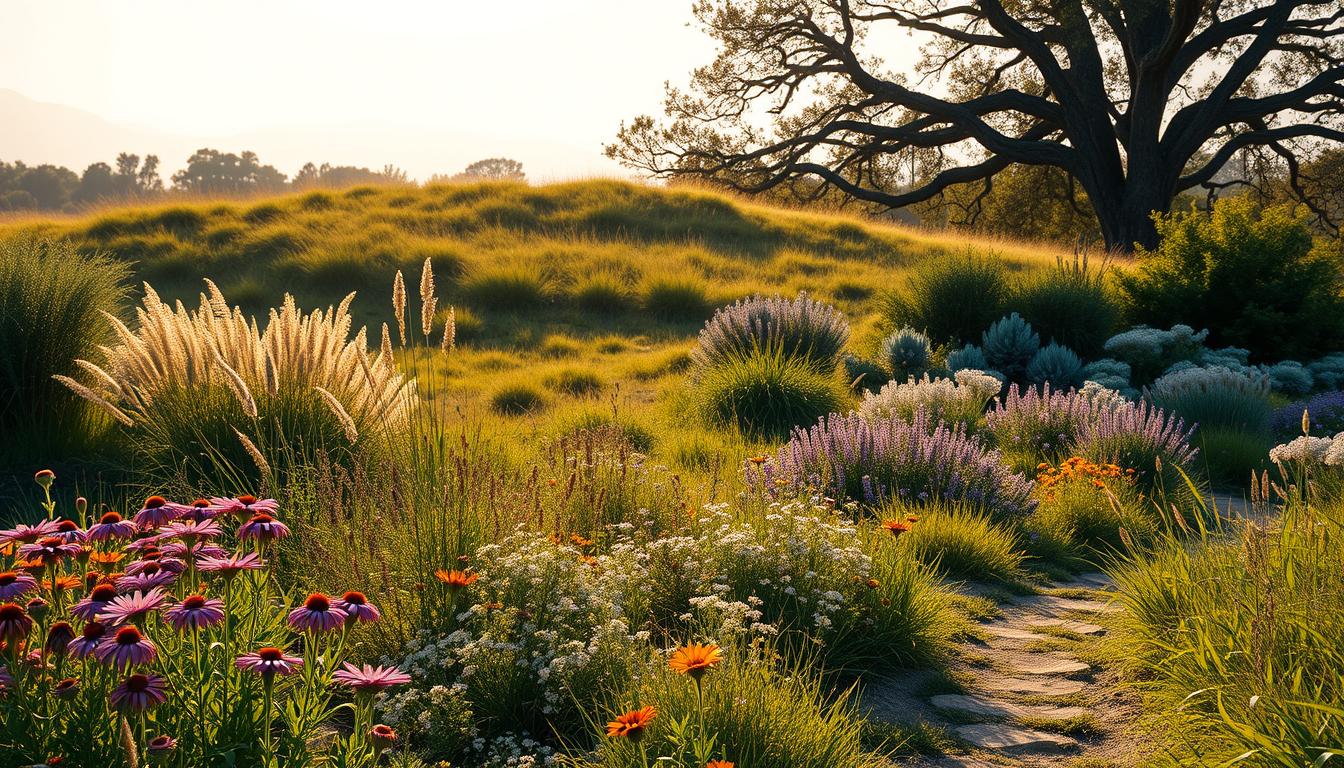
A useful native plant list for Edgewater should include different heights, bloom times, and growing habits. Flowers add color, grasses bring movement, and shrubs create structure through the seasons. The following species are starting points for a Colorado garden, not a guarantee that each one will suit every site. Check local plant references and nursery stock before making a final selection.
Think about the look you want as well as the work you can manage. A formal front bed may need low plants near the path and taller plants toward the back. A sunny backyard can support a more natural mix of grasses and flowering perennials. In both cases, leave enough room for plants to reach their mature width.
Source: ca.pinterest.com
Blue grama
This Colorado native grass has fine leaves and distinctive seed heads. It can suit sunny, well-drained areas and naturalistic garden designs.
Little bluestem
A native bunchgrass that adds upright form and seasonal color. Give it enough room and check its mature size before planting.
Blanketflower
Gaillardia aristata offers warm-colored blooms and can work in sunny beds with good drainage.
Rocky Mountain penstemon
Penstemon strictus produces blue-purple flower spikes and can bring vertical color to a sunny, well-drained planting.
Purple prairie clover
Dalea purpurea has purple flower heads and a light, open form that can fit prairie-inspired beds.
Yarrow
Achillea millefolium can suit sunny gardens, but confirm the selected plant’s origin and avoid assuming that every nursery variety is locally native.
Plants for Sunny, Dry Areas
Sunny areas near sidewalks, driveways, and south-facing walls can become hot and dry. Blue grama, little bluestem, and selected native flowering perennials may work in these spots when the soil drains well. Their varied forms help a planting look full without relying on a large number of thirsty flowers.
Do not stop watering just because a plant is drought-tolerant. Newly planted roots need time to grow into the surrounding soil. Water according to the plant’s needs, the weather, and the moisture in the root zone. Once plants are established, adjust irrigation as conditions change.
For a low, open look
Combine low-growing native flowers with a few compact grasses, keeping sightlines and walking space clear.
For height and movement
Use bunchgrasses as accents among flowering perennials instead of planting one tall grass across the whole bed.
Plants for Part Shade and Moist Soil
A shaded area beneath a tree or beside a north-facing wall needs a different plan. First check how much direct sun reaches the ground during the day. Then look for native plants that tolerate the actual light and moisture conditions. Do not force prairie plants into deep shade simply because they are native to Colorado.
Some yards also have low spots that stay damp after rain or irrigation. Choose plants that can handle the drainage pattern, and avoid adding more water before you understand why the soil stays wet. Persistent pooling may point to compacted soil, a grading issue, or a downspout that needs attention.
For shaded beds
Look for regionally appropriate native species that tolerate shade and the site’s soil moisture.
For damp areas
Choose plants suited to the wetness level, and address unwanted runoff rather than masking the cause with extra planting.
How to Design a Native Plant Landscape
The easiest way to plan a native garden is to draw the space before buying plants. Mark the house, paths, driveway, trees, fences, sunny areas, and places where water collects. Note the hours of direct sun and the spots where soil dries quickly. This simple map helps prevent costly mistakes and makes plant spacing easier to judge.
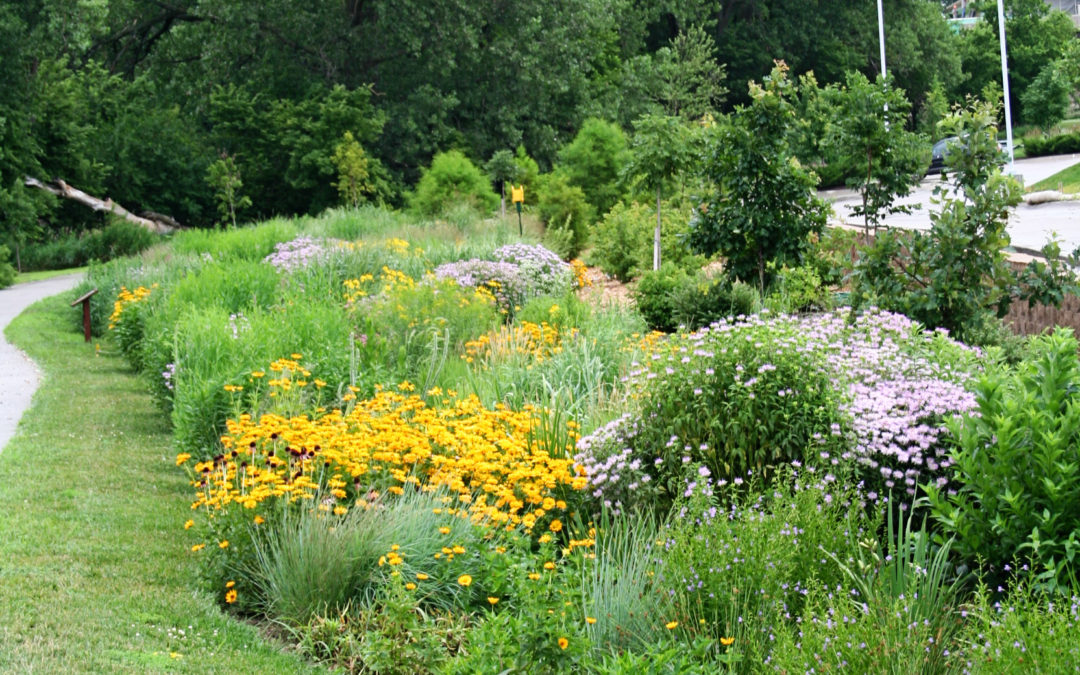
Next, decide how the garden should look from the street and from inside the home. Repeat a few plant types to create a clear pattern, then add smaller groups for seasonal color. Repeated shapes often look more intentional than a long row of unrelated plants. Keep the design simple enough to maintain as the garden matures.
Source: sarah-tkotsch.de
Map the site
Record light, slope, drainage, existing trees, utility features, paths, and nearby structures.
Set a clear goal
Decide whether the main aim is less lawn, more pollinator habitat, better seasonal color, or improved water management.
Plan mature spacing
Use the expected width and height of each plant, not its size in the nursery pot.
Keep access open
Leave room to reach windows, utility boxes, hose connections, gates, and outdoor seating.
A Simple Layout for a Small Front Yard
For a small front yard, place the lowest plants near the path and use medium-height flowers in the center of the bed. Put taller grasses or shrubs where they will not block windows, signs, or views needed for safe vehicle movement. A crisp edge can help a natural planting feel cared for.
For example, a sunny bed could use a small group of blue grama, several blanketflowers, and a few Rocky Mountain penstemons. This is a sample design, not a fixed plant count. Adjust the number and spacing to the bed’s size, the plants’ mature dimensions, and the needs of the site.
Repeat key plants
Plant small groups of the same species to create rhythm and make the layout easier to read.
Allow for growth
Leave space between plants so mature leaves and stems do not crowd paths or cover neighboring plants.
Design for Flowers Across the Seasons
A native garden can look bare if every plant blooms at the same time. Choose species with different flowering periods and include grasses that add shape after flowers fade. Early, middle, and late-season blooms can provide a longer period of interest and more varied food sources for wildlife.
Flowers are only one part of the design. Seed heads, stems, leaf color, and plant form also contribute to the garden. Where practical, leave some healthy stems and seed heads through winter, then tidy the bed when spring growth begins. Remove diseased material and weeds as needed.
Spring
Use suitable early bloomers and fresh foliage to bring life to the bed after winter.
Summer
Mix flowering perennials and grasses for color, pollinator activity, and texture.
Fall and winter
Keep selected seed heads and grass forms for structure, while removing plants that pose a disease or safety concern.
Prepare the Soil and Plant at the Right Time
Good soil preparation begins with checking what you already have. Colorado yards can contain sandy soil, clay, compacted fill, or a mix of materials left after construction. Test the soil when you need information about pH or nutrients, and look at how quickly water drains. These checks help you avoid adding amendments that a plant does not need.
Many native plants do well when their natural soil conditions are kept intact. Adding large amounts of rich compost or fertilizer can encourage unwanted growth in some species. Improve compacted ground only as needed, and follow soil-test guidance rather than assuming every bed needs the same treatment. Choose plants that suit the existing site whenever possible.
Source: zylmio.com
Check drainage
Notice whether water drains freely, runs off the surface, or remains pooled after normal watering.
Remove weeds
Clear invasive weeds and their roots where practical before planting, and plan follow-up checks for regrowth.
Prepare the planting holes
Dig to the depth needed for each root ball and follow the nursery’s instructions for the species.
Water the root zone
Water after planting to settle the soil around roots, then monitor moisture while plants establish.
When Should You Plant Native Species?
Spring and early fall can both be suitable planting periods in Colorado, but the best time depends on the species, weather, and type of plant material. Planting during extreme heat or when the ground is frozen makes establishment harder. Check local nursery advice and the plant’s growing guidance before setting a date.
New plants need attention during their first growing season and sometimes longer. Water when the root zone begins to dry according to the species’ needs. Do not use a rigid watering calendar without checking the weather and soil. A cool, rainy week calls for a different approach from a hot, windy stretch.
Before planting
Confirm the forecast, prepare the site, and water nursery plants if their potting mix is dry.
After planting
Check soil moisture near the roots and adjust watering based on weather and plant response.
During establishment
Watch for wilting, dry soil, standing water, or damaged leaves and respond to the likely cause.
Water-Wise Care for Native Gardens
Native plant landscaping can lower irrigation needs after plants establish, but it does not make every garden maintenance-free. Water use depends on plant choice, soil, exposure, planting density, and weather. A new planting in a hot, windy location may need more frequent checks than an established bed in a sheltered spot.
Water slowly enough for moisture to reach the roots, and avoid keeping drought-adapted plants constantly wet. A soaker hose or drip system can help direct water to the planting area. Check the system for leaks and blocked emitters, and change the schedule as the seasons shift. Rainfall may reduce the need for irrigation, but do not assume a brief shower soaked the full root zone.
Source: greenjaylandscapedesign.com
Water deeply when needed
Aim to moisten the root zone rather than lightly wetting the soil surface each day.
Use mulch with care
Apply a suitable layer where it helps control weeds and conserve moisture, keeping mulch away from plant crowns and woody stems.
Watch plant signals
Wilting can mean dry soil, excess water, root damage, or heat stress, so check the soil before changing irrigation.
How to Reduce Weeds Without Harming Native Plants
Weeds often appear while a new native bed is still filling in. Pull or dig out unwanted plants before they set seed, and learn to identify young native seedlings before removing them. A plant that appears in an unexpected spot may be a useful native, so confirm its identity when uncertain.
Do not assume that every weed can be controlled with one method. Hand removal can work in a small bed, while a large area may need staged preparation and repeated checks. Avoid spraying herbicides on windy days or near desirable plants, and follow the product label and all applicable directions if a chemical treatment is necessary.
Identify first
Learn the difference between intended plants, useful volunteer seedlings, and invasive weeds.
Check the bed often
Short, regular weed checks are easier than allowing unwanted plants to spread across the planting.
Support Pollinators and Local Wildlife
A native garden can support bees, butterflies, and birds when it offers suitable food and shelter. Different insects use different plants, so a varied planting is generally more useful than a bed filled with a single flower species. Include several plants with different bloom periods and allow some healthy seed heads to remain after flowering.
Wildlife-friendly landscaping also means reducing avoidable harm. Avoid routine pesticide use when it is not needed, and follow label directions if a treatment is required. Provide clean water only when you can maintain it, since standing water can attract mosquitoes. A shallow dish with stones can give small insects a place to land, but refresh the water often in warm weather.
Source: floranoir.us
Provide a range of flowers
Use suitable native plants with varied flower shapes and bloom times to serve a wider range of pollinators.
Keep some winter cover
Leave selected healthy stems, seed heads, and grasses standing where they will not obstruct paths or create hazards.
Limit chemical exposure
Use integrated pest management, identify the pest first, and choose the least harmful effective approach.
Avoid harmful plant choices
Check plant identity and local invasive-plant guidance before buying ornamental species.
Build a Small Pollinator Garden
You do not need a large yard to make a useful pollinator planting. Start with a sunny bed, select a few locally suitable flowering species, and leave enough space for each to mature. Add a native grass or compact shrub if the space allows, then observe which plants attract visitors through the season.
Flowers alone may not meet every wildlife need. Some insects need specific host plants, and birds may benefit from seeds, berries, or shelter. Keep expectations realistic: a small garden can contribute to local habitat, but it will not attract every species or solve broader habitat loss on its own.
Start with a manageable area
Choose a bed that you can water, weed, and observe without making the project feel like a second job.
Track what you see
Note flowering dates and visiting insects to help guide future planting choices.
Common Native Landscaping Mistakes to Avoid
One common mistake is buying plants because their labels say native without checking which region they belong to. A plant native to another part of the United States may have different needs and may offer less value to the local wildlife you hope to support. Verify the species and its natural range before purchase.
Another mistake is expecting a new garden to look full right away. Young plants need room to grow, and many native perennials change in size and form over several seasons. Planting too closely can lead to crowding, extra pruning, and poor airflow. Follow mature spacing guidance and fill gaps with suitable temporary cover only when needed.
Source: johnfrenchlandscapes.com.au
Overwatering established plants
Check the soil and plant needs before watering. Too much moisture can harm species adapted to dry conditions.
Ignoring mature size
Allow room for the full height and width of grasses, flowers, and shrubs.
Removing every seed head
Consider leaving healthy stems for seasonal structure and wildlife, unless they create a specific problem.
Planting without a weed plan
Expect to monitor new beds and remove unwanted plants during establishment.
Using the wrong regional list
Choose references for Colorado and the Front Range, not a generic national list alone.
Check Rules Before Changing a Front Yard
Before replacing a large lawn or changing a street-facing planting, check any applicable city rules, property restrictions, and homeowners association requirements. Rules can vary by location and property type. Keep sidewalks, street sightlines, access routes, and public utility features clear.
Edgewater, Colorado, homeowners should confirm current requirements with the relevant local office rather than assume that a planting allowed in another city is permitted at home. If a bed sits near a public right of way, utility line, or drainage feature, ask which rules apply before digging or changing the grade.
Confirm local requirements
Check current landscaping, visibility, and right-of-way rules before beginning a major project.
Protect underground utilities
Contact the appropriate utility-location service before digging, and follow its marking and clearance instructions.
A Practical Plan for Your First Native Garden
The simplest way to begin is to change one manageable part of the yard rather than replace every lawn area at once. A small bed lets you learn how local plants respond to your soil, sun, watering, and seasonal weather. You can then use those lessons to improve the next section.
Before spending money, set a clear budget for plants, soil work, edging, mulch, irrigation changes, and tools. Native plants may cost more upfront than seed for a lawn, depending on the size and type of planting. Smaller nursery plants can reduce the initial cost, but they still need suitable care while their roots establish.
Source: zerowastoliving.net
Step 1: Choose one area
Select a bed with clear edges and manageable access to water.
Step 2: Study the site
Record sun exposure, soil texture, drainage, slope, and existing plant cover.
Step 3: Pick suitable plants
Use local native plant references and confirm species, mature size, and growing needs.
Step 4: Prepare and plant
Remove weeds, address compaction if needed, and plant at the correct depth and spacing.
Step 5: Monitor the first season
Check moisture, remove weeds, and record which plants thrive or struggle.
Step 6: Expand carefully
Use what you learn to refine the plant mix before extending the garden to other areas.
How to Tell Whether the Garden Is Working
A healthy native garden does not need to look the same in every season. Look for new growth, roots that establish well, flowers at the expected time, and soil moisture that matches the needs of each plant. A few damaged leaves or a quiet week for pollinators does not automatically mean the garden has failed.
If plants repeatedly wilt, yellow, or fail to grow, check the site before replacing them. The cause may be poor drainage, excess irrigation, shade, heat, compacted soil, or incorrect plant identification. Change one factor at a time where practical, and ask a Colorado native plant nursery or local extension resource for help when the cause is unclear.
Signs of progress
Plants establish roots, show seasonal growth, and begin to fill their planned spaces without constant intervention.
Signs to investigate
Repeated wilting, persistent standing water, widespread leaf damage, or poor growth across several plants calls for a closer site check.
Frequently Asked Questions
Q
Which native plants grow well in Edgewater, Colorado?
Blue grama, little bluestem, blanketflower, Rocky Mountain penstemon, and purple prairie clover are useful plants to investigate for suitable Colorado garden sites. Their success depends on sunlight, drainage, soil, and care. Check regional native plant references or ask a local nursery to confirm the best species for your property.
Q
Does native plant landscaping use less water?
It can use less irrigation after plants establish, especially when you select species suited to the local climate and group them by water needs. Native plants still need water during establishment, and some naturally prefer moist soil. Your final water use depends on the plant mix, site conditions, weather, and irrigation practices.
Q
When is the best time to plant native flowers in Colorado?
Spring and early fall can be suitable periods, depending on the species, plant type, soil, and weather. Avoid planting when the ground is frozen or during extreme heat when possible. Ask the nursery for timing advice for the exact species and keep new plants watered as they establish.
Q
Can I replace my entire lawn with native plants?
Yes, a lawn can be converted in stages or as one larger project if the site and budget allow. Plan for weed control, soil preparation, access, plant spacing, and establishment care. Check local rules before making major front-yard changes, and consider keeping lawn where it serves a clear purpose, such as play or recreation.
Q
How do I find reliable native plant landscaping help near Edgewater?
Look for a Colorado landscaper or native plant specialist who can explain plant selection, soil preparation, irrigation, mature spacing, and ongoing maintenance. Ask for examples of projects in similar growing conditions and a written scope of work. Confirm that recommended plants are regionally appropriate rather than simply labeled native.
✦ Wrapping Up
Conclusion
Native plant landscaping in Edgewater, Colorado, can turn an ordinary yard into a colorful space that fits the local climate and offers habitat for wildlife. The best results begin with a close look at sun, soil, drainage, and the space available. Choose regionally appropriate plants, give them room to grow, and plan for regular checks while they establish.
You do not need to change the whole yard in one weekend. Start with a small bed, learn which plants thrive, and adjust the design as the seasons pass. With thoughtful plant choices and sensible care, a native garden can become an attractive part of your home while reducing the need for some routine lawn tasks.
💡 Key Takeaway
Map one sunny or partly shaded area of your yard today. Check its soil and drainage, then make a short list of Colorado-native plants that suit those conditions before buying anything.