Shade garden perennial plants return year after year and bring flowers, rich foliage, and texture to areas with limited sunlight. Hostas, ferns, astilbes, hellebores, and foamflowers are useful choices, but the best plants depend on your USDA growing zone, soil moisture, and the amount of light your yard receives.
In many American yards, tall trees, fences, porches, and homes cast deep shadows across parts of the garden. These spots can seem hard to plant, especially when grass grows poorly beneath trees. Shade-loving perennials offer a practical way to fill those spaces with green leaves, seasonal blooms, and natural layers.
The key is to match each plant to the conditions in your yard. A shady bed beneath a mature oak may be dry and full of tree roots, while a north-facing bed near a downspout may stay damp for much of the year. Both areas receive limited direct sun, yet they need different plants and care.
This guide covers dependable shade perennials for American gardens, explains how to choose between full shade and partial shade plants, and shares simple planting tips. It also addresses common problems, including dry soil, crowded roots, and leaves that turn brown during summer heat.
Source: ar.inspiredpencil.com
What Makes a Perennial Suitable for a Shade Garden?
A perennial is a plant that can live for several years and regrow after its normal dormant period. Many shade perennials die back in winter and return in spring, while others keep some foliage through mild winters. Their long life makes them useful for building a garden that gains fullness over time.
Shade tolerance means a plant can grow with less direct sunlight than sun-loving plants need. It does not mean every shade plant thrives in darkness. Many flowering perennials bloom best with some morning sun or bright, filtered light, while foliage plants often tolerate deeper shade.
Before buying plants, watch how sunlight moves across the bed. A spot under a tree may receive bright morning light and deep shade by noon. A bed beside a north-facing wall may receive very little direct sun throughout the day.
Source: narodnatribuna.info
Full shade
These areas usually receive less than three hours of direct sunlight per day, though they may still receive indirect or filtered light. Hostas, some ferns, and hellebores can suit many such sites.
Partial shade
These spots often receive about three to six hours of direct sunlight daily, depending on the gardening reference used. Astilbes, foamflowers, and many woodland perennials can perform well when moisture and climate are suitable.
Dappled shade
Sunlight passes through tree branches and creates shifting patches of light. Many woodland plants grow well here, although dense tree canopies may reduce the light available for flowering.
Dry shade
Areas beneath established trees often have strong root competition and little rainfall reaching the soil. Choose plants that tolerate these conditions and water new plantings carefully while they establish.
How to Check Your Garden Before Planting
Track the sunlight at different times of day for several clear days. Note whether the bed receives morning sun, afternoon sun, filtered light, or almost no direct sun. Also check the soil after rain and again during a dry spell, since drainage and moisture can change plant performance as much as light does.
Check the soil
Feel a small sample of soil after watering. Soil that stays soggy for long periods needs different plants and drainage management than soil that dries within a day or two.
Measure available space
Read the expected mature height and width on the plant label. Leave room for the plant to spread so it does not crowd its neighbors within a season or two.
Best Shade Garden Perennial Plants for American Yards
The best shade garden perennial plants offer a mix of leaf shape, flower color, height, and seasonal interest. A bed does not need dozens of species to look full. Start with two or three plants suited to the site, then add contrasting forms and bloom times as space allows.
The choices below suit a range of American gardens, but no plant is ideal for every region. Heat, winter cold, humidity, rainfall, soil type, and local pests all affect performance. Confirm each plant’s needs before purchasing it.
Source: ar.inspiredpencil.com
Hosta
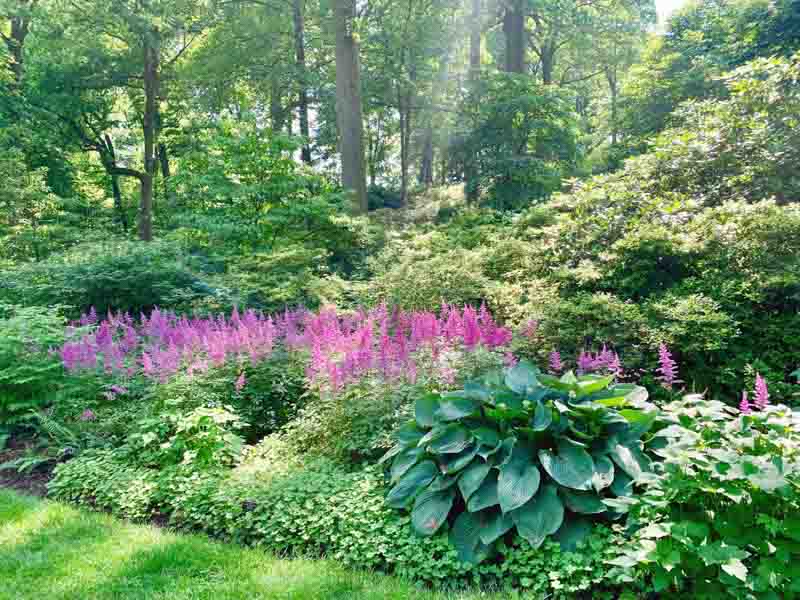
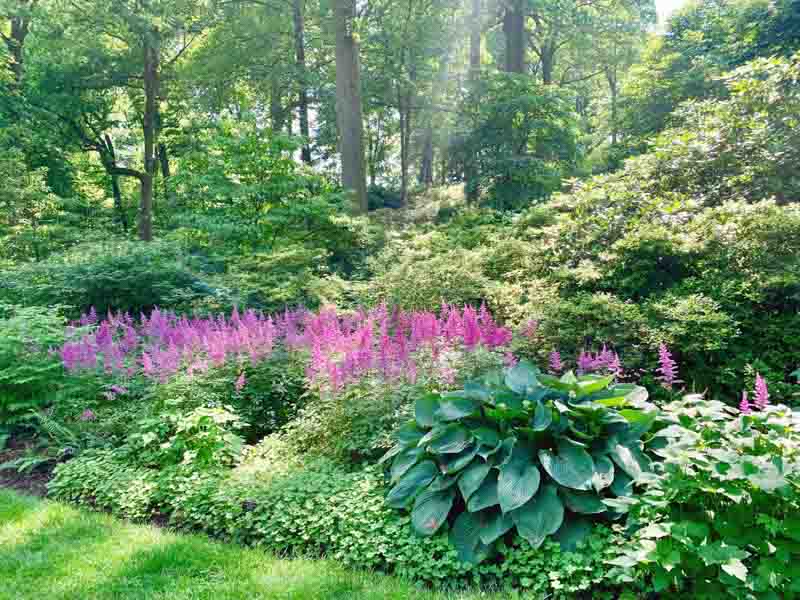
Hostas are grown mainly for their broad leaves, which come in shades of green, blue-green, gold, and cream-variegated patterns. They often thrive in partial to full shade and moist, well-drained soil. Slugs and deer can damage their foliage, and many varieties need protection from hot afternoon sun.
Astilbe
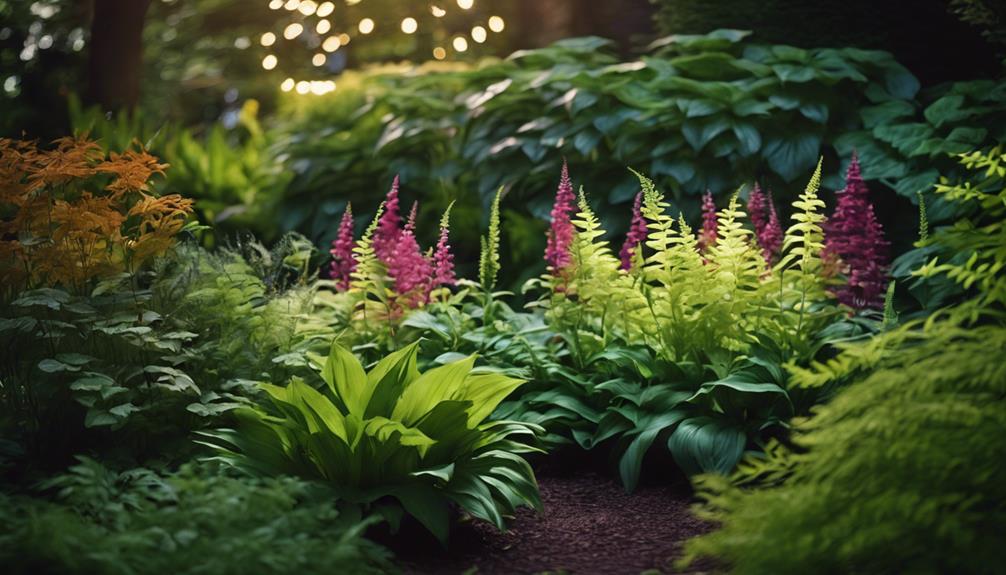
Astilbes produce feathery flower plumes in colors such as pink, white, red, and lavender. They are useful for adding vertical interest to partly shaded beds with consistently moist soil. Dry soil and intense heat can cause leaf edges to brown and reduce flowering.
Garden ferns
Ferns bring fine-textured foliage and a woodland feel to shady spaces. Lady fern and Christmas fern are options for suitable regions, while other species fit different moisture and climate needs. Select a species based on your growing zone and soil conditions rather than treating all ferns as interchangeable.
Hellebores
Hellebores offer leathery evergreen or semi-evergreen leaves and flowers that may appear in late winter or early spring, depending on the species and climate. They suit many shaded beds with well-drained soil. Wear gloves when handling them, because plant sap may irritate skin and all parts are poisonous if eaten.
Foamflower
Foamflower, in the genus Tiarella, is a woodland perennial with lobed leaves and small, airy flower spikes. It often works well in partial to full shade with humus-rich soil that stays evenly moist. Some selections spread by runners, making them useful as a low-growing ground cover.
Lungwort
Lungwort, or Pulmonaria, has spotted or silver-marked leaves and small spring flowers that may change color as they age. It prefers cool, shaded sites with moist soil and good drainage. Hot, humid summers can stress some varieties, so check regional suitability before planting.
Coral bells
Coral bells, or Heuchera, are valued for leaves in shades of green, burgundy, bronze, silver, and purple. Many varieties perform well in partial shade, though light needs differ among cultivars. They need good drainage and may struggle in heavy, waterlogged soil.
Japanese forest grass
Japanese forest grass, Hakonechloa macra, forms graceful mounds of arching foliage and can brighten shaded borders. It generally prefers moist, well-drained soil and protection from harsh afternoon sun. It grows slowly, so allow time for clumps to fill their space.
Bleeding heart
Old-fashioned bleeding heart, Lamprocapnos spectabilis, produces heart-shaped spring flowers on arching stems. It often thrives in cool, partly shaded gardens with moist, rich soil. The foliage may yellow and die back in summer, especially in warm regions, so plant it beside perennials that can cover the open space.
Solomon’s seal
Solomon’s seal, in the genus Polygonatum, has arching stems, neat leaves, and small hanging flowers. Many species suit woodland beds with partial to full shade and humus-rich soil. Check the mature spread, since established clumps can slowly occupy a larger area.
Which Shade Perennials Are Best for Beginners?
For a first shade bed, choose plants that match the moisture and light already present rather than trying to change the site to fit a plant. Hostas are useful for foliage, suitable ferns add fine texture, and foamflower can cover the ground in many woodland settings. Astilbe is a good option if you can keep the soil from drying out.
Beginners should also consider local pests and plant availability. A hosta may grow well in shade but suffer repeated deer damage. A moisture-loving astilbe may fail beneath a large tree if its roots compete for most of the available water.
For bold leaves
Choose a hosta variety whose mature size suits the bed.
For soft texture
Use a locally suitable fern to create a calm woodland look.
For spring flowers
Try foamflower, lungwort, or bleeding heart where climate and soil conditions suit the species.
Shade Perennials That Add Flowers and Seasonal Color
A shade garden can have more color than green leaves alone. The most reliable approach is to combine plants with different bloom periods and foliage colors. Spring flowers can start the display, summer blooms can carry it forward, and evergreen or long-lasting leaves can provide structure after flowering ends.
Flower production depends on light, plant age, water, and climate. A perennial may survive in deep shade yet bloom poorly. If flowers matter more than foliage, favor the brighter edge of the shade bed where plants receive some gentle direct sun.
Source: ar.inspiredpencil.com
Spring Bloomers for Shady Beds
Hellebores, lungwort, bleeding heart, and foamflower can provide spring interest in suitable regions. Their flowers offer different shapes, from the broad cups of hellebores to the delicate hanging blooms of bleeding heart. Pair them with ferns or hostas that will fill the bed as spring plants finish flowering.
Hellebores
Use them for early blooms and substantial leaves in well-drained shade.
Bleeding heart
Plant it where spring flowers are easy to see and summer dormancy will not leave a bare focal point.
Lungwort
Use its patterned leaves to keep visual interest after the small spring flowers fade.
Summer Flowers and Foliage
Astilbe can bring summer flower plumes to a moist, partly shaded border. Coral bells add color through their leaves, while Japanese forest grass creates a flowing shape near a path or the front of a bed. In warm regions, select cultivars suited to local heat and humidity rather than assuming every named variety will thrive.
For flower plumes
Choose astilbe if you can provide steady moisture and suitable drainage.
For leaf color
Mix coral bells with green hostas to create contrast without relying on blooms.
For movement
Place Japanese forest grass near the front of a shaded border where its arching leaves can be seen.
Choose Plants for Dry Shade, Damp Shade, or Deep Shade
Soil moisture is one of the biggest factors in shade garden success. Two beds may receive the same amount of light but need very different plants because one dries out beneath a tree and the other stays damp beside a building. Match the plant to the soil instead of relying on a broad label such as shade-loving.
Dry shade is common beneath established trees, where roots compete for water and the canopy intercepts rainfall. Damp shade occurs in places that retain moisture but still drain well. Deep shade receives little direct sun, so foliage-focused plants are often more dependable than plants grown mainly for abundant flowers.
Source: qaqooking.wiki
Plants for Dry Shade
Dry shade calls for plants that can handle root competition once established. Christmas fern may suit some regional woodland sites, and certain hostas can cope with light shade when given adequate water during establishment. Even shade-tolerant plants need moisture while roots grow into the surrounding soil.
Start small
Use young plants in manageable pockets between major tree roots. Avoid cutting large roots to make planting holes.
Water with care
Water new plants slowly and deeply when needed, but do not leave the root zone saturated.
Mulch lightly
Spread a modest layer of organic mulch while keeping it away from tree trunks and plant crowns.
Plants for Moist Shade
Astilbe, foamflower, and many woodland ferns can suit moist shade when the soil drains well. Moist soil should feel damp, not waterlogged for long periods. If water collects after rain, assess the drainage before adding more moisture-loving plants.
Improve soil structure
Use organic matter where appropriate to improve the structure of garden beds, but do not bury crowns or stems.
Watch for rot
Yellow leaves, soft crowns, and persistent soggy soil may indicate drainage trouble rather than a need for more fertilizer.
Plants for Deep Shade
Deep shade often favors plants grown for their leaves and form. Suitable hostas, certain ferns, and some hellebores may work, depending on the amount of indirect light and local conditions. Very dark spaces beneath dense evergreen canopies can limit growth, so consider whether a brighter nearby spot would give flowering plants a better chance.
Use leaf contrast
Pair light green or gold foliage with darker leaves to make the bed easier to see.
Keep expectations realistic
Few flowering perennials bloom heavily in very deep shade. Focus on texture and form if sunlight is scarce.
How to Plant a Shade Perennial Garden
A successful shade garden starts with site preparation, good plant spacing, and steady care during the first growing season. You do not need to dig up the whole yard or buy a large number of plants at once. A small bed with a few well-matched perennials can fill in over time.
Spring and fall are often good planting seasons in many parts of the United States because temperatures are milder and soil moisture may be easier to maintain. In colder areas, plant early enough for roots to establish before the ground freezes. In hot regions, avoid planting during periods of extreme heat whenever possible.
Source: ar.inspiredpencil.com
Step 1: Prepare the Site
Remove weeds and surface debris, then check how easily the soil drains. If the bed is under trees, work around major roots and avoid deep digging that could harm them. A thin layer of compost may help improve suitable garden soil, but avoid raising the soil level around tree trunks.
Keep tree roots safe
Do not sever large roots or pile deep soil over the root zone. Use small planting holes and choose plants that fit the available spaces.
Avoid excess fertilizer
Test the soil if growth is poor or the site has a history of nutrient problems. Too much fertilizer can harm plants and encourage soft growth.
Step 2: Arrange Plants by Height and Spread
Place taller ferns or large hostas toward the back of a border or near the center of an island bed. Set medium-sized flowering plants in the middle and low ground covers near the front. For a bed viewed from several sides, arrange taller plants toward the center instead of hiding them behind one edge.
Read the plant label
Use the expected mature width to determine spacing. Crowding plants to make the garden look full on day one can reduce airflow and create extra work later.
Repeat key plants
Planting the same hosta, fern, or foamflower in small groups creates a calmer look than using a different species in every gap.
Step 3: Plant at the Correct Depth
Water the nursery pots before planting, then make a hole as deep as the root ball and a little wider. Set the plant so the top of its root ball sits level with the surrounding soil, unless its specific planting instructions say otherwise. Fill the hole, firm the soil gently, and water to settle it.
Protect the crown
Keep the point where stems meet roots at the proper soil level. Burying crowns too deeply can contribute to rot in plants that need good airflow.
Check after watering
If the root ball sinks below the soil surface, lift and reset the plant before its roots settle.
Step 4: Water and Mulch
Water new plants after planting and check soil moisture regularly while roots establish. The exact schedule depends on rainfall, soil texture, temperature, and plant type. Water when the root zone begins to dry rather than following a rigid daily schedule.
Use organic mulch
A layer of shredded leaves or suitable bark can help conserve moisture and limit weeds. Keep mulch away from stems and crowns, and do not mound it against tree trunks.
Adjust for rainfall
Reduce watering after steady rain and check the soil before adding more. Shade slows drying in some places, but tree roots can still pull water from the bed quickly.
Native Shade Perennials for a More Natural Garden
Native plants can help a shade garden fit its local environment. Species native to a region may provide food or shelter for local wildlife, and they are often adapted to the area’s seasonal patterns. However, native status alone does not guarantee that a plant will thrive in every garden or need no care.
The United States contains many climates and plant communities, from humid Eastern woodlands to dry Western foothills. A plant native to one state may struggle in a different region with different rainfall, soils, or winter temperatures. Look for plants native to your local area and match their natural habitat to your yard.
Source: perfectfitliving.com
Examples of Native Woodland Plants
Wild ginger, foamflower, Christmas fern, and certain native woodland phlox species can be useful in appropriate parts of the country. Their suitability depends on the exact species and region, so check botanical names and local native plant resources before buying. Avoid collecting wild plants from public land or natural areas unless collection is explicitly allowed.
Check local origin
Use your state native plant society, cooperative extension service, or regional botanical garden to identify species that naturally occur near you.
Buy nursery-propagated plants
Choose plants grown by reputable nurseries rather than plants dug from wild populations.
Avoid invasive choices
Check state and local invasive plant lists before planting unfamiliar ground covers or spreading perennials.
Common Shade Garden Problems and How to Fix Them
When shade perennials struggle, the cause is often poor moisture balance, unsuitable light, root competition, or pests. Adding fertilizer is rarely the best first response. Check the site and the plant’s basic needs before changing several things at once.
Look at the pattern of damage, the condition of the soil, and the time of year. A few damaged leaves may be normal, while widespread yellowing, soft stems, or rapid decline calls for closer inspection.
Source: ar.inspiredpencil.com
Why Are My Shade Perennials Turning Yellow?
Yellow leaves can result from too much water, too little water, poor drainage, natural seasonal dieback, or a lack of nutrients. First, check soil moisture at root depth and look for signs of rot. If the soil is wet for long periods, improve drainage where feasible and avoid adding more water.
If soil is dry
Water deeply and check whether nearby tree roots are competing for moisture.
If soil is soggy
Pause unnecessary watering and assess drainage. Move susceptible plants to a better-drained site if the problem continues.
If only one plant declines
Check for pests, crown damage, and planting depth before treating the whole bed.
How to Handle Slugs, Deer, and Leaf Damage
Slugs often leave irregular holes and may leave a shiny trail, especially in damp conditions. Deer can remove leaves and flower stems from hostas and other soft-leaved perennials. Identify the likely cause before choosing a control method, since a solution for slugs will not stop deer.
Reduce slug shelter
Remove excess debris near damaged plants, water in the morning when practical, and inspect plants during damp evenings.
Protect plants from deer
Use suitable fencing or physical barriers where deer pressure is high. No plant is completely deer-proof in every setting.
Remove damaged leaves
Trim badly damaged foliage when needed, but keep healthy leaves that still support the plant.
Why Are My Plants Not Flowering?
A shade perennial may produce leaves but few flowers if the site is too dark, the plant is immature, or it receives too much nitrogen. Some species also flower at different times from one year to the next. Check the plant’s light needs and bloom season before moving it or adding fertilizer.
Check light levels
If the plant needs partial shade, try a brighter location with gentle morning sun if one is available.
Check the plant label
Confirm the expected bloom season and mature size, especially for newly planted perennials.
Simple Shade Garden Design Ideas
A well-planned shade garden uses contrast and repetition to make limited light feel inviting. Large leaves stand out beside fine fern fronds, while pale flowers and light foliage can brighten darker corners. You can build this effect with a small number of plants instead of filling every open space.
Think about how the bed looks in spring, summer, and fall. Some spring perennials go dormant before summer, and some deciduous plants lose their leaves in winter. Add evergreen or long-lasting foliage where the climate permits, and leave room for plants to mature.
Source: bloomyheaven.com
Create a Woodland Border
For a natural woodland look, group ferns, foamflower, Solomon’s seal, and suitable native plants beneath trees or along a shaded fence. Use curved planting lines and repeat a few species to avoid a scattered appearance. A narrow path or a few flat stepping stones can make the space easier to enjoy and maintain.
Layer the plants
Use taller forms at the back, medium plants in the middle, and low ground covers at the front.
Keep a clear path
Leave enough space to reach plants for weeding, watering, and pruning without stepping on their roots.
Brighten a Dark Corner
Gold or cream-variegated hostas, silver-marked lungwort, and pale flowers can stand out against deep green foliage. Place the lightest colors where you want the eye to rest, such as near a garden entrance or a bench. If the corner receives almost no indirect light, focus on plant shapes and textures rather than expecting abundant blooms.
Mix leaf sizes
Pair broad hosta leaves with delicate fern fronds for contrast.
Repeat color
Use the same light-leaved plant in two or three spots to connect separate parts of the bed.
Build a Low-Maintenance Shade Bed
A low-maintenance bed begins with plants that fit the site’s natural moisture and light. Group plants with similar needs so you do not have to water one corner often while keeping another nearly dry. Mulch, sensible spacing, and regular checks during the first growing season can also reduce future work.
Choose fewer species
Start with a small palette of plants that repeat across the bed.
Avoid overplanting
Allow room for mature growth to reduce crowding and the need for frequent division.
Review seasonal needs
Remove diseased material when needed and divide crowded clumps when the species and season make it suitable.
How to Choose Shade Perennials for Your USDA Zone
Your USDA plant hardiness zone is a useful starting point when choosing perennials for an American garden. It describes the average annual extreme minimum winter temperature for a location. It does not tell you whether a plant can handle summer heat, humidity, drought, wet soil, or deep shade.
Read the plant label for both its hardiness range and growing needs. If a plant is hardy in your zone but prefers cool summers, it may still struggle in a hot Southern garden. Likewise, a plant that handles summer heat may not survive winters in a colder Northern region.
Source: ar.inspiredpencil.com
Match the Plant to Your Local Climate
Gardeners in the Northeast and Upper Midwest can explore cold-hardy woodland perennials, while gardeners in the Southeast may need selections that tolerate warm, humid summers. In the Pacific Northwest, moisture and drainage may be major considerations, whereas parts of the Southwest require careful water planning and protection from harsh sun. These are broad regional patterns, not substitutes for checking the exact plant and site.
Check your zone
Use the USDA Plant Hardiness Zone Map to identify your local zone, then confirm the plant’s listed hardiness range.
Ask local growers
A nearby cooperative extension office or reputable nursery can help identify varieties that handle local heat, humidity, and rainfall.
Read cultivar details
Different cultivars of the same species may vary in mature size, sun tolerance, and cold hardiness.
Frequently Asked Questions
Q
What are the best perennial plants for a full shade garden?
Hostas, suitable ferns, hellebores, foamflower, and Solomon’s seal are useful options for many full shade gardens. The best choice depends on soil moisture, climate, and how much indirect light reaches the bed. Even plants that tolerate shade need suitable growing conditions to stay healthy.
Q
Can shade perennials grow without any direct sunlight?
Some shade perennials can grow in areas with no direct sunlight if they receive enough indirect or reflected light. Very dark spaces beneath dense evergreen trees or inside narrow courtyards may support limited growth. Foliage plants are often more practical than plants chosen for heavy flowering in these conditions.
Q
What shade perennials bloom all summer?
Few shade perennials bloom continuously throughout an entire summer in every climate. Astilbe may flower during part of the summer, while other plants provide shorter seasonal displays. For longer interest, combine species with different bloom periods and use foliage plants to fill the gaps.
Q
How often should I water shade garden perennials?
Watering frequency depends on rainfall, soil type, temperature, root depth, and nearby tree roots. Check the soil near the root zone and water when it begins to dry rather than following a fixed daily schedule. Newly planted perennials usually need closer attention until their roots establish.
Q
Are shade perennials low maintenance?
Many shade perennials need little care once established in the right location, but low maintenance does not mean no maintenance. You may still need to water during dry spells, remove damaged leaves, manage slugs or deer, and divide crowded plants. Choosing species suited to your local soil and climate reduces much of this work.
Q
Can I plant shade perennials under large trees?
Yes, but large trees create challenges because their roots compete for water and nutrients, and their canopies intercept rainfall. Choose plants suited to dry shade where needed, use small planting holes, and avoid cutting major roots or raising the soil level around trunks. Water new plants carefully while they establish.
✦ Wrapping Up
Conclusion
Shade garden perennial plants can turn a dim corner into a lush, colorful part of your yard. Hostas provide bold foliage, ferns add soft texture, astilbes bring flower plumes to moist soil, and hellebores can offer blooms when many other plants are still dormant. Foamflower, lungwort, and Solomon’s seal add more options for suitable woodland settings.
The best results come from matching plants to the real conditions in your garden. Check the light, soil moisture, drainage, mature plant size, and local hardiness zone before you buy. Start with a small group of well-suited perennials, give them room to grow, and adjust care as you learn how the bed changes through the seasons.
💡 Key Takeaway
Observe your garden’s sunlight and soil moisture for several days, check your USDA hardiness zone, and select three shade perennials that match those conditions. Plant them with enough room to reach mature size, water them as needed while they establish, and add more varieties once you know what thrives.