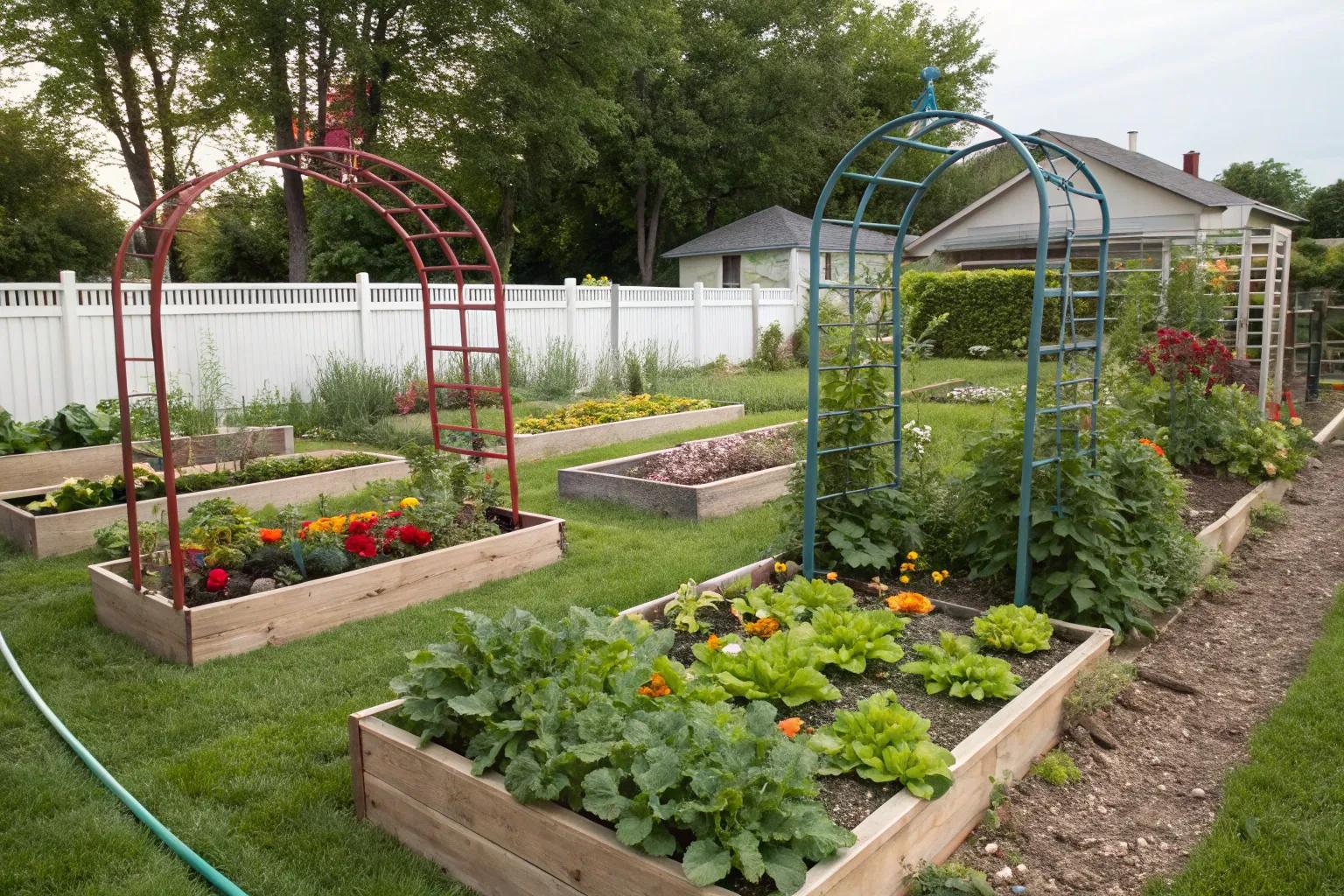
Small backyard vegetable gardens grow best when you use sunny spots, rich soil, compact plants, and a layout that makes watering and picking easy.
Across the United States, you can grow fresh vegetables in a small backyard without turning the whole yard into a farm. A sunny patio, a narrow strip beside a fence, or a few raised beds can provide room for useful crops. The trick is to match each plant to the space, sunlight, and growing season you have.
Start with a few crops you enjoy eating. Lettuce, radishes, bush beans, cherry tomatoes, and herbs can suit many small gardens when their light and space needs are met. Your local climate matters, too. A gardener in Florida may plant at a different time from someone in Michigan, so check local frost dates and planting guidance before you begin.
Source: storage.googleapis.com
How to Plan a Small Backyard Vegetable Garden
A useful garden plan starts with sunlight, water access, and the space you can reach with ease. Before buying seeds or lumber, walk around your backyard and note where the sun falls throughout the day. Watch for shade from fences, trees, sheds, and nearby homes. A spot that looks bright at noon may receive much less sun than you expect.
Most fruiting vegetables, such as tomatoes, peppers, and cucumbers, grow best with around six to eight hours of direct sunlight per day. Leafy crops like lettuce and some herbs can tolerate less, though growth may slow in deep shade. Check the needs of each crop and use the sunniest area for plants that need the most light.
Next, measure the space and sketch a simple plan on paper. Mark the beds, containers, paths, hose, and nearby trees. Leave enough room to reach the center of each bed from an edge. A small garden should feel easy to tend, not like a maze of plants you cannot reach.
Source: yourbackyardfarmer.com
Check sunlight
Track direct sun in the morning, around noon, and in the afternoon. Repeat on another day if nearby trees or buildings cast changing shadows.
Leave enough space to walk, kneel, carry a harvest basket, and move tools without damaging plants.
Pick a Layout That Fits Your Yard
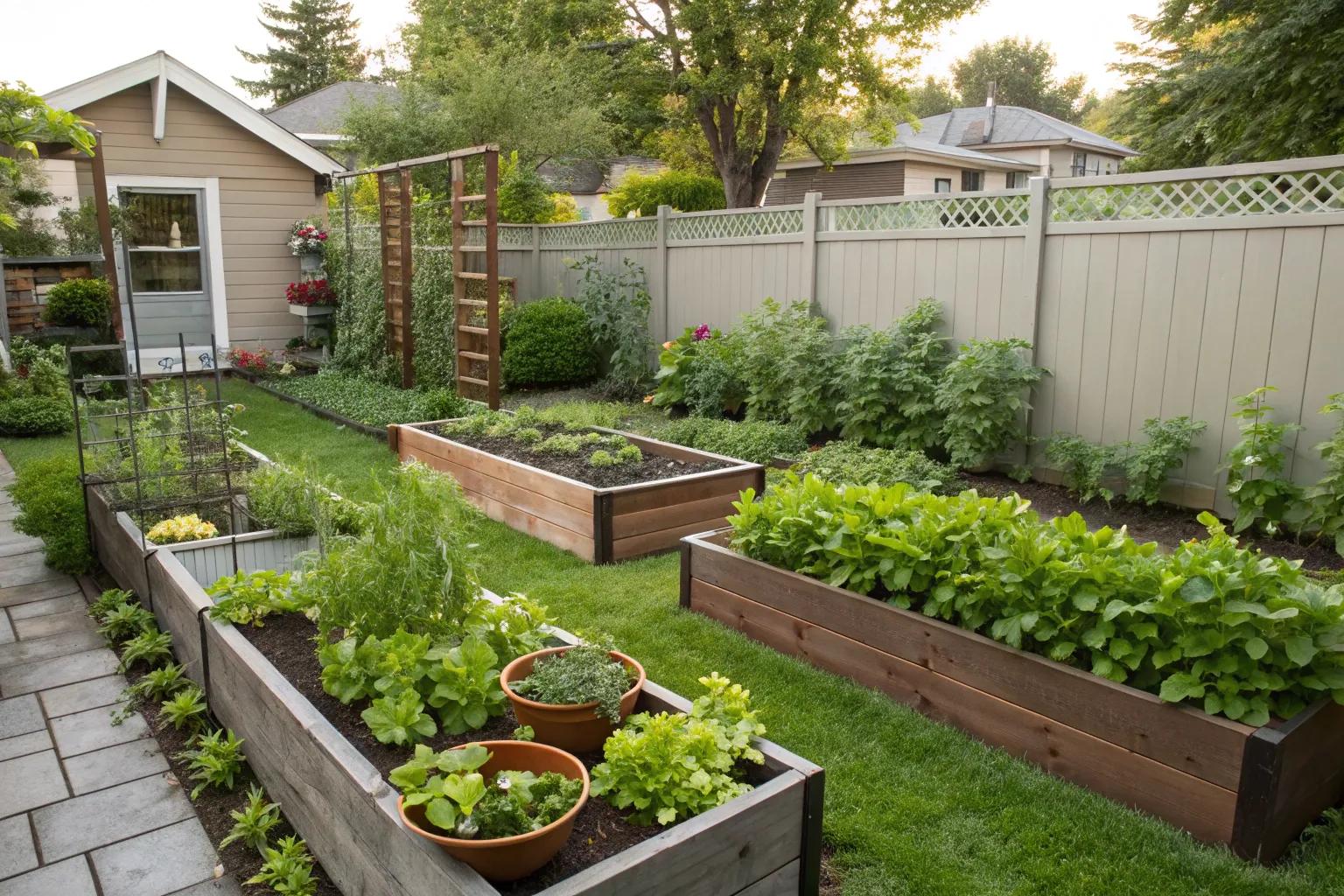
A simple rectangular bed works well in many small backyards because it is easy to measure and maintain. A narrow bed along a sunny fence can leave the center of the yard open. If the ground is hard or paved, containers or raised planters may be more practical. Choose a layout based on access, drainage, budget, and the crops you want to grow.
One raised bed
A bed about 4 feet wide can work well when you can reach it from both sides. Make it narrower if you can only reach plants from one side.
Several containers
Use separate pots for crops with different water needs. This also lets you move some plants when light or weather conditions change.
A fence-side garden
Grow suitable climbing crops on a sturdy trellis while keeping low-growing plants near the front for easy access.
Best Vegetables for Small Backyard Gardens
The best vegetables for a small backyard are crops that fit your space, grow well in your climate, and end up on your plate. You do not need to grow every type of vegetable. A few productive plants can give you a useful harvest without creating more work than you can manage.
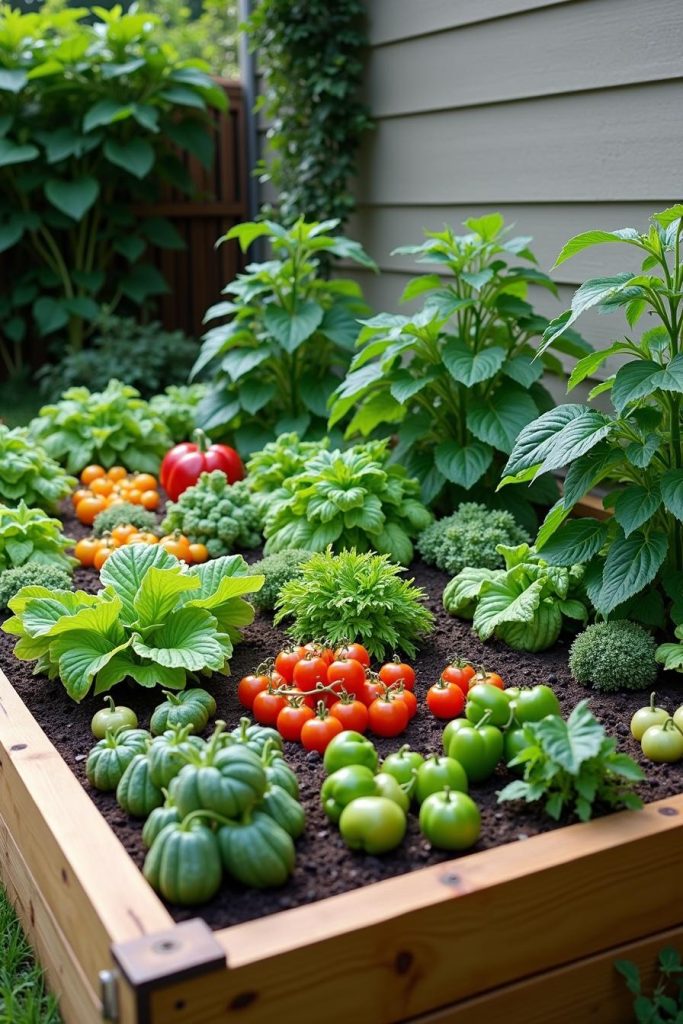
Cherry tomatoes, leafy greens, radishes, bush beans, and herbs are good starting points for many home gardeners. Their needs differ, so check the seed packet or plant label for mature size, sunlight, spacing, and days to harvest. Compact varieties can be especially useful when every square foot counts.
Think about how you cook, too. If you make salads often, grow lettuce, spinach during suitable weather, radishes, and small tomatoes. If you enjoy stir-fries, try bush beans, scallions, and compact peppers. A garden planned around your meals is more likely to stay useful throughout the season.
Source: storage.googleapis.com
Leafy greens
Lettuce, arugula, and suitable spinach varieties can provide repeated harvests. Many prefer cooler weather, and some bolt or turn bitter during heat.
Radishes
Radishes often mature quickly and can fit between slower-growing crops. Sow small batches at intervals to avoid having too many ready at once.
Bush beans
Bush beans grow without tall climbing supports and can suit a small bed. Plant them after frost danger has passed and the soil has warmed.
Cherry tomatoes
Compact or determinate varieties can work well in a suitable pot or bed. Provide strong support when needed and enough sunlight for fruit production.
Herbs
Basil, parsley, chives, and other suitable herbs can grow in small pots near the kitchen. Match each herb to its light, moisture, and temperature needs.
Choose Compact Varieties
Seed catalogs often list bush, dwarf, patio, or compact varieties for gardeners with limited room. These labels can help you narrow your choices, but they do not guarantee that a plant will fit every container or climate. Read the mature height and width before buying, then leave enough space for air to move around the leaves.
For pots
Look for vegetables labeled for patio or container growing, and check the recommended pot size.
For narrow beds
Choose bush crops or plants with a tidy growth habit. Avoid sprawling varieties unless you can guide them upward.
For steady harvests
Try succession planting by sowing a small new batch of quick crops after the first batch begins to grow.
Space-Saving Ideas for Small Backyard Vegetable Gardens
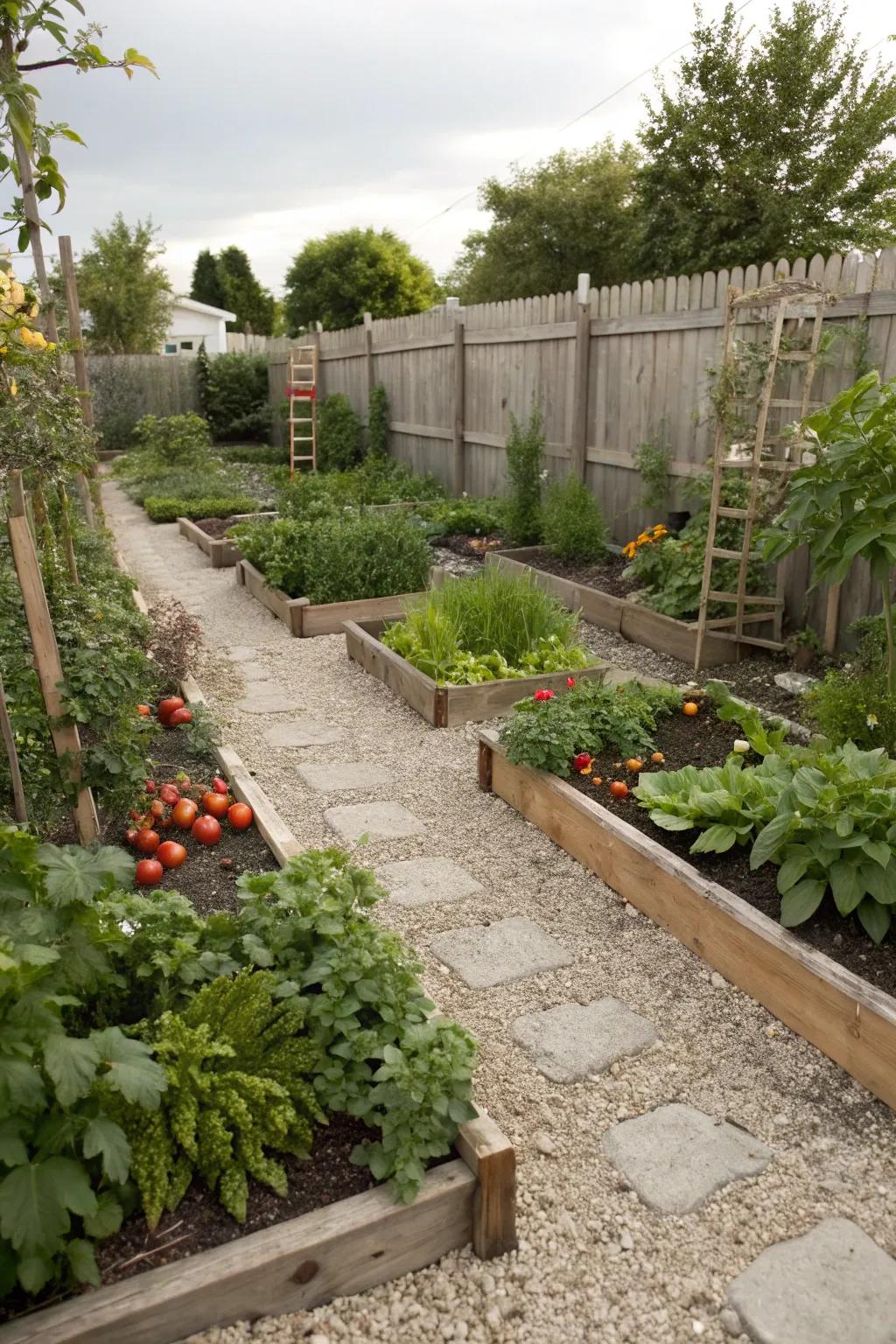
Smart garden design helps you grow more without crowding plants or making care difficult. Use height, containers, and carefully planned planting areas to make the most of your yard. The goal is not to squeeze as many plants as possible into a tiny space. Each crop still needs room for roots, leaves, air, and light.
Vertical gardening is useful for crops that climb or benefit from support. A sturdy trellis can guide pole beans, peas, and suitable cucumber varieties upward. Put taller supports where they will not cast unwanted shade over smaller plants, and secure them so wind or the weight of mature crops will not tip them over.
Containers can turn a patio, deck, or paved corner into a growing area. Use pots with drainage holes and enough room for the plant’s roots. Large containers usually hold moisture longer than small ones, while small pots may dry out quickly during hot or windy weather. Keep the extra watering needs in mind when choosing your setup.
Source: www.pinterest.com
Grow upward
Use trellises for suitable climbing crops. Tie plants loosely to their supports when needed, and check that the structure can carry the mature plant.
Use containers wisely
Group pots where they receive suitable light and can be watered with ease. Do not place heavy, wet containers on surfaces that cannot support their weight.
Use interplanting with care
Place quick-growing crops near slower-growing ones only when their light, water, and root needs fit. Remove quick crops before they crowd larger plants.
Use secure hanging pots for small herbs where light and watering access are suitable. Avoid putting large, heavy vegetable plants in supports that are not rated for the load.
Use Raised Beds Without Wasting Space
Raised beds can make a small garden easier to reach, weed, and organize. A bed about 4 feet wide is often manageable when you can work from both sides, while a one-sided bed should be narrow enough for you to reach the far edge. The right size depends on your reach, available paths, and the crops you plan to grow.
Fill the bed with suitable topsoil and finished compost rather than relying on a thin layer of rich material over poor soil. Avoid filling a bed with pure compost, since it may hold water and nutrients in ways that do not suit every crop. If you use treated or reclaimed materials, check that they are appropriate for a food-growing area.
Keep the center reachable
Do not make a bed so wide that you must step into it to weed or harvest. Walking on growing soil can compact it.
Match depth to the crop
Shallow-rooted greens need less depth than crops with larger root systems. Check the crop’s needs before building or buying a planter.
Small Vegetable Garden Layout Examples
A good layout keeps crops easy to reach and gives each plant the conditions it needs. The following examples are starting points, not fixed plans. Adjust them for your climate, sun exposure, mature plant size, and the space you have available.
For a sunny backyard corner, one raised bed can hold a mix of compact vegetables and herbs. For a paved patio, several large pots may work better than a permanent bed. A narrow garden beside a fence can support climbing crops, provided the fence area receives enough sunlight and the supports are safe and sturdy.
Source: www.pinterest.com
Layout A: One 4-by-4-foot bed
Use the bed for a small mix of leafy greens, radishes, and herbs, with spacing based on each crop’s label. Replace quick crops as you harvest them.
Layout B: Four large containers
Grow a compact tomato in one pot, herbs in another, and suitable leafy greens or peppers in the remaining pots. Choose pot sizes for the mature plants rather than appearance alone.
Layout C: A narrow fence-side strip
Place a secure trellis at the back for climbing beans or peas in their proper season. Keep low-growing crops near the front so you can reach them without stepping into the bed.
Example Planting Plan for a 4-by-4-Foot Bed
A 4-by-4-foot bed offers 16 square feet of growing area before you account for any space needed around the bed. You can use it for a small selection of crops, but avoid treating every square foot as interchangeable. A tomato plant needs far more room than a few radishes, and crop labels should guide final spacing.
One simple plan is to devote part of the bed to leafy greens, a small section to radishes, and a separate area to herbs. If you want a tomato, use a compact variety and reduce the number of other plants to allow enough room. This layout trades crop variety for easier care and less crowding.
Before planting
Draw the bed to scale and mark each plant’s expected mature size. Add a support where needed and leave a reachable edge around the bed.
After harvest
Remove spent plants, check the soil, and replant only if the next crop suits the current temperature and growing season.
Prepare Healthy Soil for Better Growth
Healthy soil gives vegetable roots access to air, water, and nutrients. Before planting in the ground, check whether the soil drains well and whether it has any known contamination concerns. In older urban yards, near busy roads, or around former buildings, consider a soil test that checks for lead and other risks relevant to the site.
A basic soil test can help you decide whether the soil needs a change in pH or nutrient levels. Local university extension services in the United States often provide guidance on soil sampling and testing. Do not add lime, fertilizer, or other amendments by guesswork when a test or local guidance can help you choose the right amount.
Finished compost can improve many garden soils by adding organic matter. Mix amendments into the root zone as recommended rather than piling them against plant stems. If you grow in containers, use a suitable potting mix designed for containers, since dense garden soil may drain poorly in a pot.
Source: theultimatehomestead.com
Test before major changes
Use a reputable soil-testing service when you need information about pH, nutrients, or possible contamination. Follow the test’s sampling instructions.
Use finished compost
Choose mature compost with a soil-like texture and no strong rotten smell. Fresh manure can damage plants and may carry harmful germs, so follow local food-garden safety guidance.
Protect soil structure
Avoid walking through beds or working very wet soil. Both can cause compaction that makes it harder for roots and water to move.
How to Fill a Container Garden
Start with a clean pot that has drainage holes. Fill it with a suitable container mix, leaving enough room at the top for watering. Choose the pot size based on the crop’s root needs and mature size, then follow the label for planting depth and spacing.
Do not add a layer of gravel to the bottom in an attempt to improve drainage. A pot with open drainage holes and a suitable growing mix is a better starting point. Empty standing water from outer trays when needed so roots do not sit in water for long periods.
Check drainage
Water should be able to leave the pot through its drainage holes. If water stays on the surface for a long time, check the mix and holes.
Feed according to need
Container nutrients can run low over time. Use a fertilizer labeled for edible crops and follow its rate and timing instructions.
Water and Maintain Your Garden
Steady moisture helps vegetables grow, but the right amount depends on the crop, soil, container size, weather, and stage of growth. Check the soil before watering instead of following a rigid daily schedule. The top may look dry while the root zone still holds enough moisture, especially in a deep bed.
Water near the soil rather than spraying the leaves when possible. This sends water toward the roots and can help keep foliage dry, which may reduce some disease problems. Water in the morning when practical, and give containers extra attention during hot or windy periods because they can dry out faster than garden beds.
Weeds compete with vegetables for light, water, and nutrients. Remove small weeds before they spread, and add a suitable mulch layer if it fits the crop and climate. Keep mulch away from stems and follow local advice about mulch materials and fire risk in dry regions.
Source: yourbackyardfarmer.com
Check soil moisture
Feel the soil a short distance below the surface near the root zone. Water when it has begun to dry to the level appropriate for the crop.
Inspect plants often
Look under leaves for pests, check stems for damage, and remove diseased plant parts when suitable. Identify the problem before choosing a treatment.
Harvest at the right stage
Follow crop-specific harvest guidance. Picking leafy greens, beans, and tomatoes at the right stage can encourage continued production for many varieties.
Troubleshoot Common Growing Problems
Yellow leaves, weak growth, and poor harvests can have more than one cause. Check watering, sunlight, drainage, plant spacing, and signs of pests before adding fertilizer or spraying a product. A change in one basic growing condition may solve the problem without extra cost.
Yellow leaves
Possible causes include overwatering, poor drainage, nutrient issues, or natural aging. Check the soil and the affected leaves before choosing a remedy.
Few flowers or fruits
Low light, excess nitrogen, heat, or other weather conditions may reduce fruiting. Review the crop’s growing needs and avoid adding more fertilizer without a clear reason.
Wilting plants
Dry soil can cause wilting, but waterlogged roots can also wilt. Check soil moisture first, then inspect drainage and roots if the problem persists.
Chewed leaves
Inspect both sides of leaves and nearby soil to identify the pest. Use physical barriers or other targeted controls when appropriate, following product labels if a pesticide is needed.
Plan Planting Times Across the United States
The right planting date depends on your local climate, frost risk, and the needs of each vegetable. A calendar that works in coastal California may not suit northern Minnesota or central Texas. Use your area’s typical last spring frost and first fall frost as a starting point, then check local forecasts and regional planting guidance.
Cool-season crops, such as lettuce, peas, and radishes, often grow best during cooler parts of the year. Warm-season crops, such as tomatoes, peppers, and beans, usually need warmer soil and protection from frost. Some areas allow spring and fall gardens, while hot southern regions may have a cooler growing season in winter.
Succession planting can help spread the harvest. Instead of sowing all your radishes or lettuce at once, plant a small batch, then sow another batch after an interval suited to the crop and weather. This reduces the chance of having more produce ready than you can eat at one time.
Source: garden.eco
Cool climates
Use the local frost calendar and choose crops that can mature during your shorter growing season. Start indoors only when the crop benefits from it and you can provide suitable light.
Warm climates
Check heat tolerance and local planting windows. In hot regions, shade during extreme heat may help some leafy crops, while tomatoes and peppers still need suitable growing conditions.
Long growing seasons
Plan more than one planting where temperatures and crop timing allow. Remove spent crops before they take space needed by the next planting.
Use Local Extension Guidance
A nearby land-grant university extension service can offer planting calendars, vegetable guides, soil-testing information, and pest advice for your region. These sources are often more useful than a national calendar with fixed dates. Search for your state or county extension service and the vegetable you plan to grow.
Before sowing
Check soil temperature needs, frost risk, and whether the crop should be direct-sown or started indoors.
During the season
Review local pest and disease alerts when a problem appears, and compare the symptoms with reliable regional guidance.
Common Mistakes to Avoid in a Small Garden
Small vegetable gardens can struggle when plants are packed too closely together. Crowded leaves block airflow, roots compete for water, and harvesting becomes harder. Follow spacing guidance for the mature plant, even if the bed looks bare during the first few weeks.
Another common mistake is choosing crops before checking the site’s light. Tomatoes and peppers may produce little fruit in a shady yard, even when they receive plenty of water. If your space gets limited direct sun, focus on crops that tolerate the available conditions instead of forcing sun-loving plants to grow there.
Too many crops can also make a small garden hard to manage. Each plant adds watering, feeding, pruning, and harvest needs. Start with a manageable selection, learn how it performs, and add more varieties after you understand your yard’s strengths and limits.
Source: www.pinterest.com
Do not overplant
Leave room for mature leaves, roots, and supports. More seedlings do not always lead to a larger harvest.
Do not ignore drainage
Waterlogged soil can harm roots. Improve drainage or choose a suitable container setup when the site stays wet.
Avoid excess fertilizer
Too much fertilizer can harm plants or encourage leaf growth at the expense of fruit. Use soil-test results and product directions to guide feeding.
Do not skip safe handling
Wash hands before harvesting and wash produce under clean running water before eating. Keep pets and contaminated materials away from growing areas.
Keep the Garden Safe for Food
Use clean water suitable for watering edible crops, and follow local guidance if you rely on a private well or reclaimed water. Keep chemical products in their original containers and follow all label directions. If you suspect soil contamination, seek appropriate testing and consider clean raised beds with a suitable barrier and growing medium rather than planting directly into uncertain soil.
Choose suitable materials
Use containers and bed materials intended for their setting. Avoid unknown reclaimed materials that may have held hazardous chemicals.
Follow pesticide labels
Use only products labeled for the crop and pest, and follow harvest intervals, protective measures, and all other directions.
Frequently Asked Questions
Q
What vegetables grow best in a small backyard garden?
Lettuce, radishes, bush beans, herbs, and compact cherry tomatoes can work well in small gardens. The best choices depend on sunlight, climate, available space, and how often you use each crop. Check mature plant size and local planting advice before choosing seeds.
Q
How much space do I need for a small vegetable garden?
You can start with a few containers or a small raised bed. A 4-by-4-foot bed provides 16 square feet of growing area, which can support a modest mix of vegetables when plant spacing is planned well. You can also begin with one or two pots and expand as needed.
Q
How many hours of sunlight does a backyard vegetable garden need?
Many fruiting crops, including tomatoes and peppers, need about six to eight hours of direct sunlight per day for good production. Some leafy greens and herbs tolerate less light. Check the needs of each crop and use the sunniest part of the yard for plants that need the most sun.
Q
Are raised beds or containers better for a small backyard?
Raised beds can provide a larger shared growing area and easier access to soil, while containers suit patios, paved yards, and flexible layouts. Containers need suitable potting mix, drainage, and close attention to watering. Choose the setup that fits your space, budget, mobility needs, and preferred crops.
Q
How often should I water a small backyard vegetable garden?
There is no single watering schedule for every garden. Check moisture near the roots and water when the soil begins to dry to a level suited to the crop. Containers may need more frequent checks during hot or windy weather, while beds with deeper soil may hold moisture longer.
Q
Can I grow vegetables in a backyard that gets only partial sun?
Yes, some crops can grow with partial sun, especially leafy greens and certain herbs. However, low light can slow growth and reduce harvests, and fruiting crops usually need more direct sun. Track the sunlight in your yard and choose crops that match the conditions.
✦ Wrapping Up
Conclusion
Small backyard vegetable gardens can supply fresh produce without taking over your outdoor space. Start by checking sunlight, measuring the area, and choosing a few crops that suit your climate and meals. Use raised beds, containers, or trellises when they help you grow within the limits of your yard.
Good soil, proper spacing, steady moisture, and regular checks will help you care for your plants. Do not worry about building a large garden in one weekend. A small, well-planned patch is a practical way to learn what grows well in your area and what your household enjoys eating.
💡 Key Takeaway
This week, track the sunlight in your backyard, measure one possible growing area, and choose three vegetables that suit your local planting season. Start small, follow crop spacing guidance, and add more plants once you know how the space performs.