Most outdoor gardenias grow well with about 4 to 6 hours of direct sunlight or bright, filtered light each day. Morning sun and afternoon shade are a good starting point, especially in hot parts of the United States. Gardenias can handle more sun in mild conditions, but strong afternoon heat can scorch their leaves and dry the soil quickly.
Across the United States, gardenias face very different growing conditions. A shrub in a humid Florida yard may get along well with more sun than a potted gardenia on a hot Texas patio. In cooler parts of the country, gardeners may grow gardenias indoors, where a bright window can make a big difference.
The goal is to give your gardenia enough light to support healthy growth and flowers without exposing it to harsh heat for too long. University extension guidance supports a flexible approach: gardenias can grow in full sun, partial shade, or filtered light, while deep shade can reduce flowering. Your local climate, the plant’s location, and soil moisture all help determine the best spot.
For an outdoor gardenia, start with about 4 to 6 hours of direct sunlight each day or a bright spot with filtered sun for much of the day. This is a practical starting range, not a strict rule for every gardenia variety or climate. Some established plants grow well with more sun, while others need shelter from intense afternoon rays.
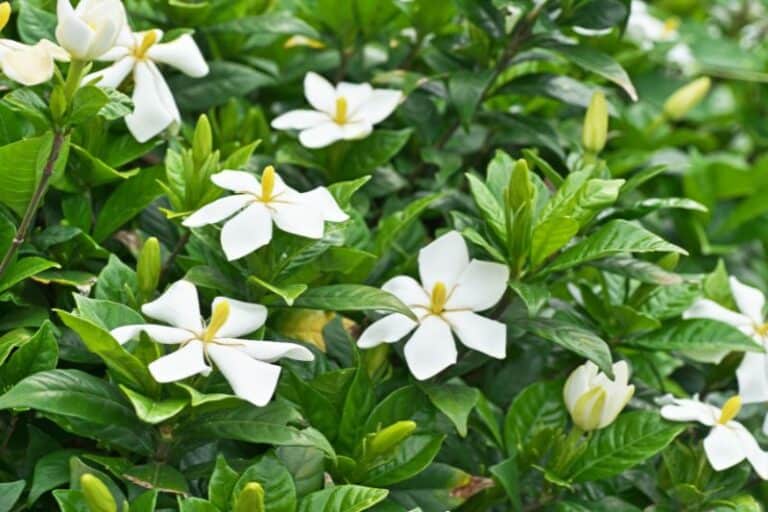
Gardenias are evergreen shrubs with glossy leaves and fragrant white flowers. They need enough light to make strong growth and support blooms. However, they do not always thrive in a hot, exposed spot where the soil dries out each afternoon.
University of Florida guidance says gardenias can produce flowers in full sun, partial shade, or shifting shade. North Carolina State University describes bright indirect light or partial shade as suitable conditions. These recommendations point to one useful rule: provide plenty of light, but account for the heat that comes with it.
Source: epicgardening.com
Morning sun
A few hours of early sun can provide useful light before the hottest part of the day.
Afternoon shade
Shade during the hottest hours can help limit leaf scorch and reduce moisture loss in warm regions.
Filtered sunlight
Light passing through a tree canopy or light shade cloth can work well when the plant still receives plenty of brightness.
Deep shade
A spot with very little usable light may keep a gardenia alive but can lead to sparse growth and fewer flowers.
What Counts as Full Sun or Partial Shade?
Full sun usually means at least 6 hours of direct sunlight a day. Partial shade commonly means about 2 to 6 hours of direct sun, although gardening references may define these terms a little differently. Filtered light is sunlight softened by leaves, a screen, or another barrier.
For gardenias, these labels are only part of the story. Six hours of mild morning sun may be easier on a plant than six hours of hot afternoon sun. Watch the strength of the light and the heat around the leaves, not just the number of hours.
Good starting point
Try morning sun followed by bright shade, then check how the plant responds over several weeks.
Hot, exposed site
Choose partial shade if afternoon sunlight is intense or the plant wilts despite suitable watering.
Is Full Sun or Partial Shade Better for Gardenias?
Partial shade is a dependable choice for many home gardens, especially in areas with hot summers. A site with morning sun and afternoon shade gives gardenias access to direct light while offering some relief during the hottest hours. This setup is a sensible first choice when you are unsure how much heat your plant can handle.
Full sun can also work in suitable conditions. Gardenias grown in mild climates or sites with steady soil moisture may handle more direct light. The plant’s variety, age, local weather, and growing conditions can change the result.
Do not assume that shade is always safer. A gardenia beneath a dense tree canopy may receive too little light and compete with tree roots for water. That combination can limit flowering and leave the shrub struggling even when the leaves do not look sunburned.
Source: i.pinimg.com
Choose partial shade
Use it as a starting point in hot summer regions, especially where afternoon sun hits hard.
Consider more sun
A brighter site may suit a gardenia in a mild climate if its leaves stay healthy and the root zone does not dry out too fast.
Avoid dense shade
Move away from dark corners and thick tree cover when the plant grows poorly or rarely flowers.
Why Morning Sun Often Works Well
Morning sun provides direct light before temperatures often reach their daily peak. Afternoon shade can then reduce the strain of heat and fast water loss. This is especially useful for plants growing beside a warm wall, driveway, or paved patio.
The direction of the sun changes with the season. A spot shaded in spring may receive stronger light in summer after the sun’s path shifts. Check the site during the season when your gardenia receives the most intense sunlight.
Best for many warm sites
Look for east-facing exposure or a location that receives early sun and later shade.
Check nearby surfaces
Walls and paving can reflect heat and make a sunny location hotter than an open lawn.
How Climate Changes Gardenia Sunlight Needs
The same amount of sunlight can affect gardenias differently across the United States. Air temperature, humidity, wind, and reflected heat all influence how quickly leaves and soil lose moisture. Match the light exposure to your local conditions rather than following a fixed schedule without checking the plant.
In warm southern states, gardenias often benefit from shade during the hottest part of the day. In cooler areas, a bright and sheltered site may provide enough warmth and light for outdoor growth during the growing season. Gardenias grown outside year-round also need a climate suitable for their variety.
Source: i.pinimg.com
Hot and sunny regions
Try morning sun and afternoon shade. Check soil moisture often during heat waves, especially for container plants.
Humid coastal areas
Provide good airflow and suitable drainage. Humidity does not remove the risk of leaf scorch during strong sun.
Cooler northern areas
Use a bright, sheltered location during warm months. Protect tender varieties from cold when the season changes.
Dry inland regions
Shelter the plant from hot afternoon rays and dry wind. Mulch can help keep the root zone cooler and conserve moisture.
Gardenias in Containers and on Patios
Potted gardenias often need closer attention than shrubs planted in the ground. A pot can heat up in direct sun, and a small amount of soil may dry faster during warm weather. A container placed on concrete can face added heat from the surface beneath it.
Set the pot where it gets bright morning light and some protection later in the day. Make sure the container has drainage holes, and check the soil with your finger before watering. Do not leave the pot standing in a tray of water for long periods.
Check the pot
If the sides become very hot or the plant wilts in afternoon sun, move it to a cooler bright spot.
Turn the plant
Rotate the pot from time to time so that light reaches the plant more evenly.
How Much Sun Does an Indoor Gardenia Need?
An indoor gardenia needs very bright light, but strong direct sun through glass can overheat the leaves. An east-facing window is often a useful place to start because it provides morning light. A bright south-facing window may also work if a sheer curtain softens the strongest rays.
Place the plant where daylight reaches much of its foliage. A room can look bright to your eyes while still offering too little light for a flowering plant. If the gardenia grows weakly or stops producing buds, check its light level along with watering, temperature, and humidity.
The New York Botanical Garden recommends bright, filtered light for indoor gardenias and warns that harsh direct sun can scorch the foliage. Its guidance also stresses that indoor gardenias need careful control of moisture and other growing conditions. Light alone will not solve every flowering problem.
Source: conserve-energy-future.com
East-facing window
A bright window with gentle morning sun is a good first location to try.
South-facing window
Use a sheer curtain or move the plant slightly back if direct sunlight makes the leaves too hot.
West-facing window
Watch for strong afternoon sun and heat. Filter the light if leaves begin to scorch.
Low-light room
Move the plant closer to a bright window rather than relying on ordinary room light alone.
Should You Put an Indoor Gardenia Outside?
An indoor gardenia may benefit from time outdoors during suitable warm weather, but do not move it straight from a dim room into strong midday sun. The sudden change can stress the leaves. Begin in a sheltered bright spot and increase direct exposure gradually if the plant responds well.
Bring the plant back inside before cold weather threatens it, based on the needs of the variety and your local climate. Check for insects before bringing it indoors, and avoid placing it beside heating or air-conditioning vents.
Acclimate slowly
Start with bright shade or gentle morning sun, then adjust over several days as conditions allow.
Watch the forecast
Do not leave a tender gardenia outdoors when temperatures may fall below its safe range.
Signs Your Gardenia Gets Too Much Sun
Too much direct sun and heat can damage gardenia leaves, especially when the plant has not adjusted to the exposure. The first clues may appear on the side that faces the sun. Look for leaf color changes, dry patches, and wilting during the hottest part of the day.
Sun damage is not the only reason gardenias wilt or develop yellow leaves. Dry soil, poor drainage, root stress, pests, and soil that is not acidic enough can cause similar symptoms. Check more than one clue before moving the plant or changing its care.
Source: i.pinimg.com
Brown or pale scorched patches
Leaves may develop dry, bleached, or brown areas after strong direct sun, particularly after a sudden move into brighter light.
Afternoon wilting
Leaves may droop when heat and water loss exceed what the roots can supply. Check the soil before adding water.
Dry leaf edges
Heat, dry air, irregular watering, and salt buildup can all contribute. Review the whole growing setup.
Dropped buds
Hot, dry weather can cause buds to fall, but pests, poor drainage, and other stresses may also be responsible.
How to Help a Sun-Stressed Gardenia
First, move a container plant to bright shade if strong sun is clearly damaging its leaves. For a gardenia planted in the ground, use temporary shade during a heat spell or consider a better planting site if the problem keeps returning. Avoid a sudden move into deep shade, which may reduce flowering.
Next, check the soil near the roots. If it is dry, water the root zone thoroughly and let excess water drain away. If it is soggy, do not add more water until you have checked drainage. Damaged leaves may not turn green again, so judge recovery by the condition of new growth.
Reduce harsh exposure
Block the hottest afternoon rays while keeping the plant in a bright location.
Keep moisture steady
Aim for evenly moist soil, not a cycle of severe drying followed by waterlogged roots.
Wait before pruning
Remove only dead or badly damaged growth when needed. Avoid heavy pruning while the plant is stressed.
Signs Your Gardenia Does Not Get Enough Sun
A gardenia that gets too little light may grow slowly, produce long or weak stems, and form fewer flowers. The foliage may remain green, so a lack of blooms can be the clearest clue. Deep shade can limit flowering even when the plant survives for a long time.
Before moving the shrub, check whether nearby trees, fences, or new structures block the sun for much of the day. Also consider the plant’s age, variety, recent pruning, and general health. Gardenias may fail to bloom for reasons other than low light, so do not treat every missing flower as a sunlight problem.
Source: epicgardening.com
Few flowers
Check whether the plant receives enough bright light and whether other growing conditions are suitable.
Long, weak stems
Sparse light can lead to stretched growth as the plant reaches toward a brighter area.
Dense shade all day
Consider a brighter location with gentle direct sun or filtered light.
How to Increase Sunlight Without Stressing the Plant
Make light changes in steps. For a potted gardenia, move it to a brighter spot for a few days and watch for leaf scorch or wilting. If it remains healthy, keep that location or make another small change. Avoid placing a shade-grown plant straight into full afternoon sun.
For a garden shrub, you may be able to reduce nearby shade without disturbing its roots. Do not cut large tree limbs or remove a mature tree without considering tree health, local rules, and safety. If the gardenia remains in deep shade, transplanting may be an option when conditions are suitable.
Track the light
Check the spot in the morning, at midday, and in the afternoon to learn when direct sun reaches the leaves.
Make one change at a time
Keep watering and feeding routines steady while you assess the new light level.
How Sunlight, Water, and Soil Work Together
Sunlight is only one part of gardenia care. More sun often means faster water loss, while poor drainage can leave roots short of air even when the soil stays wet. A plant may wilt in both dry and waterlogged soil, which is why checking the root zone matters.
Gardenias generally do best in moist, well-drained, acidic soil. University of Florida guidance gives a soil pH range of 5.0 to 6.5 for gardenias grown in Florida. Other regional guidance may use a narrower range, so a soil test is useful when the plant has persistent problems.
If new leaves turn yellow while the veins remain greener, low iron availability may be involved. Soil that is too alkaline can make iron harder for the plant to take up. Adding more sun will not correct that issue, and adding fertilizer without checking the cause can make matters worse.
Source: i.pinimg.com
Water when needed
Check the soil rather than following a fixed daily schedule. Water thoroughly when the root zone begins to dry, while allowing excess water to drain.
Use mulch outdoors
A suitable organic mulch can help conserve soil moisture and reduce temperature swings around the roots. Keep it away from direct contact with the main stems.
Check drainage
If the soil remains soggy, address the drainage problem instead of adding more water or fertilizer.
Test soil when symptoms persist
A local Cooperative Extension office can advise on soil testing and help interpret pH results.
Why More Sun Does Not Always Mean More Flowers
Gardenias need light to support growth and flowering, but the hottest, brightest location is not automatically the best one. When excess heat stresses the plant, it may wilt or drop buds. Too much shade can also reduce flowering, so the aim is a balance between useful light and manageable heat.
If your gardenia has healthy leaves but few flowers, review the light pattern, soil moisture, drainage, and recent pruning. Check for pests as well. Changing one factor at a time makes it easier to see which adjustment helps.
Healthy leaves, few blooms
Check for deep shade, plant maturity, variety, pruning timing, and other conditions that can affect flower production.
Yellow new leaves
Consider soil pH and nutrient availability rather than assuming the plant needs more sunlight.
A Simple Way to Find the Best Spot for Your Gardenia
You do not need special equipment to choose a suitable location. A short daily check can show how much direct sunlight reaches the plant and whether the spot becomes too hot. Take note of the sun’s path over several days rather than judging it from one quick look.
Use the steps below for a gardenia that is already planted or growing in a pot. If the plant is badly stressed, first protect it from harsh sun and correct obvious watering problems before making further changes.
Source: conserve-energy-future.com
Step 1: Watch the sun
Check the plant in the morning, around midday, and later in the afternoon. Note when direct rays hit the leaves.
Step 2: Check the soil
Feel the soil near the root zone. Very dry soil calls for water, while persistently soggy soil calls for a drainage check.
Step 3: Look at the leaves
Watch for scorched patches, repeated wilting, weak growth, or yellowing on new leaves.
Step 4: Make a small change
Shift a pot slightly or add temporary shade if needed. Avoid moving the plant between deep shade and intense sun in one step.
Step 5: Review new growth
Over the next few weeks, look for healthy new leaves and steady growth. Flower production may take longer to respond.
When Should You Move a Gardenia?
Move a potted gardenia if it receives harsh afternoon sun and shows repeated heat stress, or if it sits in deep shade and grows poorly. Choose a brighter but sheltered spot and allow the plant time to adjust.
For a gardenia in the ground, moving it is a bigger step because gardenias can resent root disturbance. First consider temporary shade, watering, drainage, and soil conditions. If the location is clearly unsuitable, seek advice from a local extension service or experienced nursery about the best season to transplant in your area.
Move for repeated scorch
Choose a location with gentler light if sun damage returns after watering and other causes have been checked.
Move for lasting deep shade
Consider a brighter site if the plant rarely gets direct or filtered light and produces little new growth.
Frequently Asked Questions
Q
Can gardenias grow in full sun?
Yes. Some gardenias grow well in full sun when the climate and soil moisture are suitable. In hot regions, strong afternoon sunlight can cause leaf scorch and rapid drying, so partial shade is often a safer choice.
Q
Will a gardenia bloom in the shade?
A gardenia may survive in shade, but deep shade can reduce flower production and lead to weak growth. Bright filtered light or some gentle direct sun is usually more useful than a dark spot.
Q
Is morning sun enough for a gardenia?
Morning sun can be a good fit, especially when afternoon heat is intense. The right amount depends on how many hours of light reach the plant, how bright the site is, and how well the soil holds moisture without becoming waterlogged.
Q
Can indoor gardenias sit in direct sunlight?
They can tolerate some gentle direct light, but harsh sun through a window may overheat or scorch the leaves. A bright east-facing window is a useful starting point. Filter strong southern or western exposure with a sheer curtain if needed.
Q
Why are my gardenia leaves turning yellow in the sun?
Yellow leaves do not always mean too much sun. Poor drainage, irregular watering, root problems, pests, and soil with a high pH can also cause yellowing. If new leaves turn yellow while their veins remain greener, check soil acidity and iron availability.
Q
How can I tell if my gardenia needs more sunlight?
Sparse flowers, weak or stretched stems, and slow growth may point to low light. Check the amount of direct and filtered light reaching the plant through the day, then make gradual changes. Rule out poor soil, root stress, pests, and unsuitable watering before assuming sunlight is the only problem.
✦ Wrapping Up
Conclusion
Gardenias need plenty of light to grow well and produce fragrant flowers, but they may struggle in harsh afternoon heat. For many outdoor plants, about 4 to 6 hours of direct sunlight or bright filtered light is a useful starting point. Morning sun and afternoon shade are often a good fit in warm parts of the United States.
The best spot depends on your climate, the variety, and whether the gardenia grows in a pot or in the ground. Watch the leaves, check the soil, and adjust the light in small steps. If yellow leaves or dropped buds continue, look at drainage, soil pH, pests, and watering as well.
💡 Key Takeaway
Check your gardenia’s sunlight at three times tomorrow: morning, midday, and afternoon. Aim for bright light with some protection from harsh heat, then watch new growth and soil moisture before making another change.