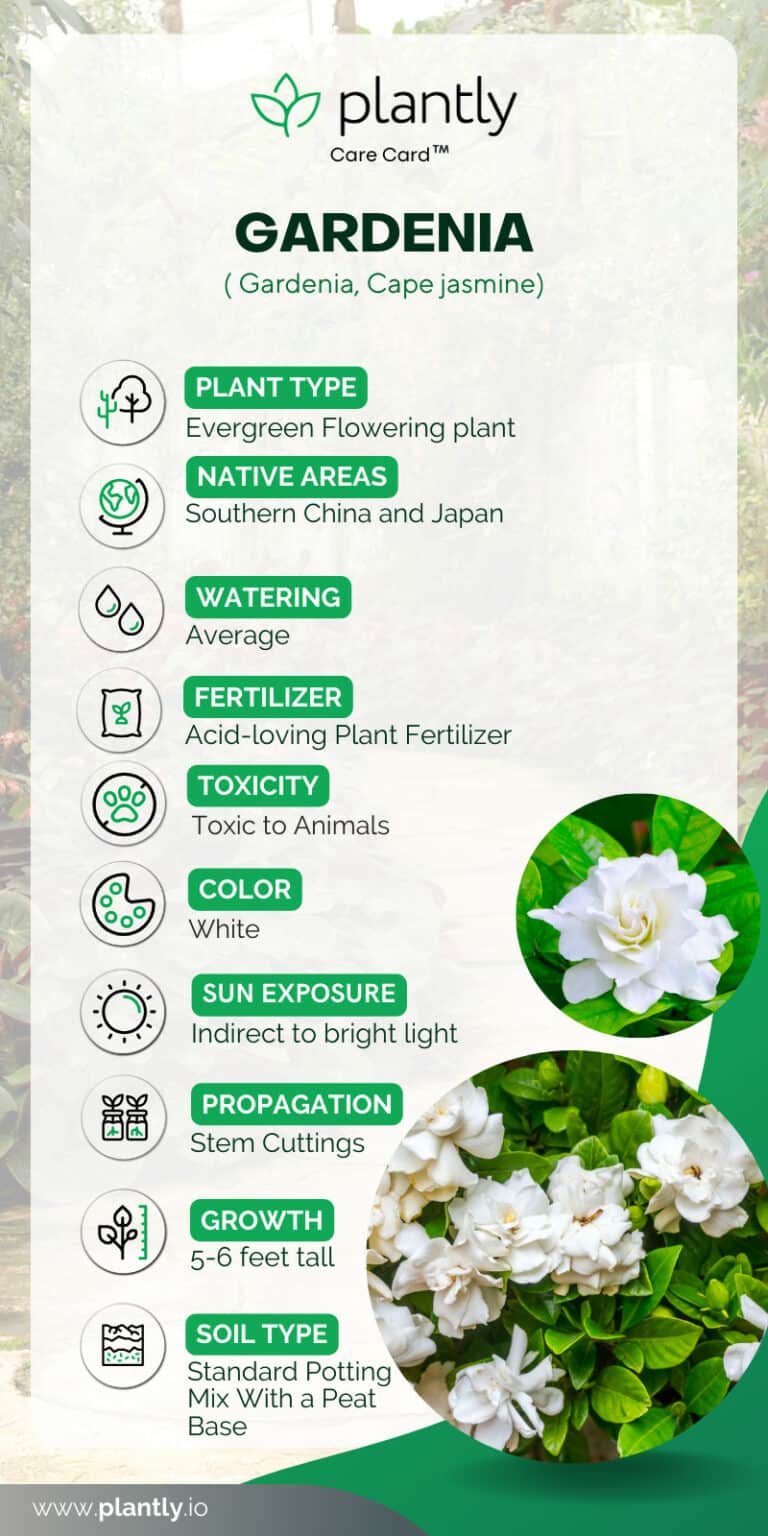
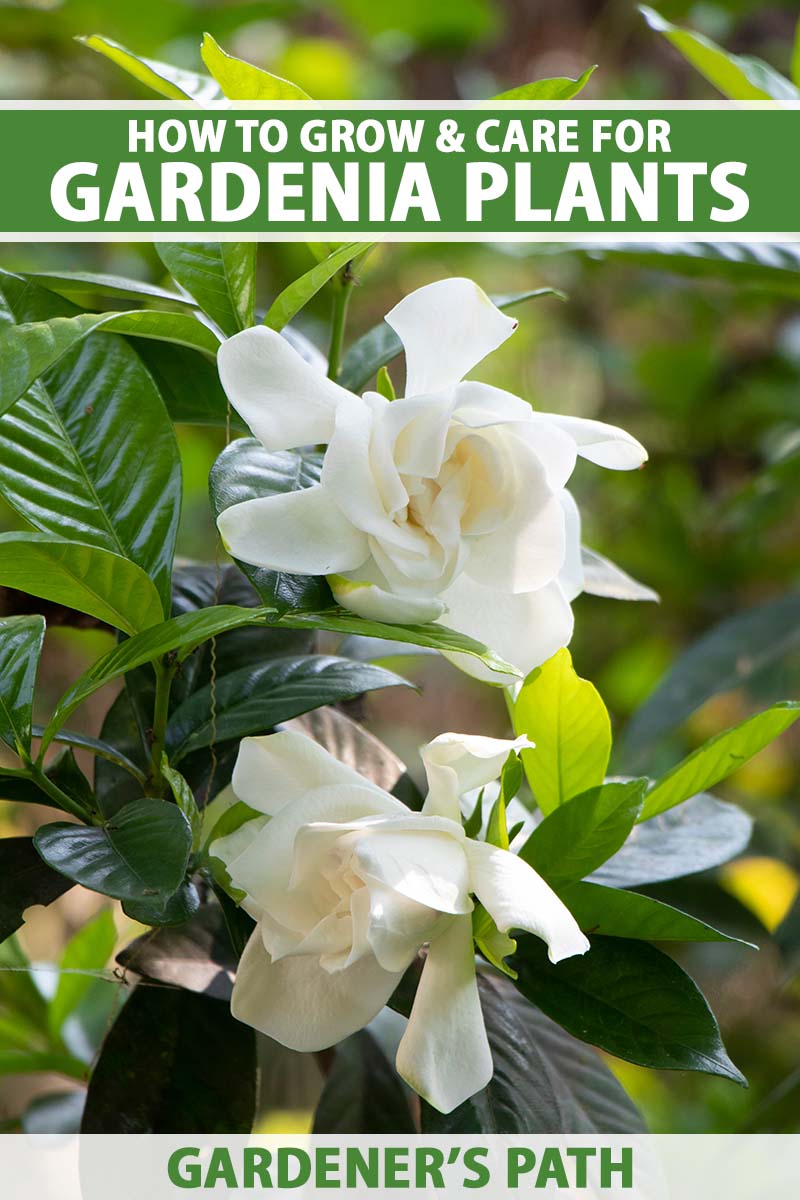
To care for a gardenia plant, give it bright light, moist but well-drained acidic soil, steady warmth, and regular feeding during active growth. Keep the roots from sitting in water, protect the plant from harsh weather, and check the leaves often for pests or signs of stress.
Gardenias are popular in American gardens for their glossy green leaves and sweet-smelling white flowers. They grow well in many warm parts of the United States, especially in the Southeast, where the climate suits their needs. In colder states, gardeners often grow them in pots and bring them indoors when the weather turns cold.
The main challenge is keeping the plant’s growing conditions steady. A gardenia may grow well for weeks, then drop its buds or develop yellow leaves after a change in light, water, or temperature. The good news is that many common problems can be prevented with a simple care routine.
This guide explains how to grow gardenias outdoors and indoors, when to water them, what soil to use, and how to help them bloom. It also covers common warning signs so you can find the likely cause before making changes.
Gardenias need bright light to grow well and form flower buds. In many parts of the United States, a spot with morning sun and light afternoon shade works well. This balance gives the plant enough light without exposing it to the strongest heat of the day.
The best location also depends on your local climate. A gardenia in coastal Georgia may grow outdoors for much of the year, while one in Minnesota will need protection from winter cold. Check the needs of your gardenia variety before planting it in the ground.
Look for a place with good air movement and some shelter from strong wind. Avoid low spots where water collects after rain. If you grow gardenias near a wall or walkway, leave room for the shrub to reach its mature size.
Source: s.alicdn.com
Morning sunlight
Aim for several hours of gentle morning sun when possible. This supports healthy growth and flowering.
Afternoon shade
Provide shade during intense afternoon heat, especially in hot Southern summers. Too much harsh sun can scorch leaves and dry the soil quickly.
Shelter from cold
Choose a protected outdoor spot in mild climates. In areas with freezing winters, grow a suitable variety in a container or provide protection based on its cold tolerance.
Room to grow
Check the expected height and width of your variety. Crowding plants can reduce air movement and make pest or leaf disease problems harder to manage.
Can Gardenias Grow in Full Sun?
Some gardenias can tolerate full sun when they receive enough water and grow in a suitable climate. However, intense afternoon sun can stress plants in hot regions. If leaves turn pale, develop scorched edges, or droop during the hottest hours, check the soil and consider providing afternoon shade.
Do not move a stressed gardenia into deep shade without checking its light needs. Too little light can reduce flowering and lead to weak growth. Make changes gradually when possible.
Best general approach
Start with bright light and gentle morning sun, then adjust based on your local weather and the plant’s response.
How Much Light Does an Indoor Gardenia Need?
Place an indoor gardenia near a bright window where it receives strong natural light without prolonged exposure to scorching glass-side heat. An east-facing window can work well, while a bright south- or west-facing window may need a sheer curtain during intense sun.
Rotate the pot from time to time if one side receives much more light than the other. Keep the plant away from heating vents, air conditioners, and cold drafts. If natural light is poor, a suitable grow light can help support healthy growth.
Watch the leaves
Pale growth and few flowers may point to low light, while dry, scorched patches can suggest excessive sun or heat.
2. Water Gardenias the Right Way
Gardenias prefer evenly moist soil, but their roots need air as well as water. The goal is to keep the root zone from drying out for long periods without making it soggy. Both too much water and too little water can cause yellow leaves, wilting, or dropped flower buds.
Do not water on a fixed schedule alone. A plant in a small pot may dry out quickly on a warm, sunny day, while a gardenia in heavy soil may stay wet for several days. Check the soil before watering and adjust your routine to the weather, pot size, and plant growth.
When the upper layer of soil begins to feel dry, water slowly around the root zone. For a potted gardenia, apply enough water for some to drain from the bottom. Empty the saucer afterward so the roots do not sit in standing water.
Source: gardenerspath.com
Check before watering
Feel the soil with your finger. If the surface is still wet, wait and check again later. If the upper layer is beginning to dry, assess whether the plant needs water.
Water the root zone
Direct water onto the soil instead of repeatedly wetting the leaves and flowers. This helps reduce prolonged moisture on the foliage.
Allow drainage
Use pots with drainage holes and soil that lets excess water escape. Never leave a gardenia sitting in a full saucer.
Adjust for the season
Plants often need more frequent watering during warm, active growth and less during cool weather. Check the soil rather than assuming the same schedule works all year.
How Often Should You Water a Gardenia?
There is no single watering schedule for every gardenia. Outdoor plants may need more frequent watering during hot, dry spells, while indoor plants can take longer to use the water in their pots. Soil type, pot size, sunlight, wind, and humidity all affect how fast the roots dry.
Check outdoor gardenias more often during their first growing season, when their roots are still becoming established. During a dry summer, water deeply enough to moisten the root zone. After steady rain, check the soil before adding more water.
During hot weather
Check the soil more often because heat and wind can speed up water loss.
During cool weather
Let the soil dry slightly more between waterings, but do not allow the root ball to become bone-dry.
What Water Is Best for Gardenias?
Gardenias can be sensitive to mineral buildup in the soil, especially when they are grown in pots. Rainwater can be a useful option when it is collected safely. If your tap water leaves a heavy white crust on the pot or soil, consider checking its mineral content and the potting mix.
Do not add vinegar or other acids to watering water by guesswork. The correct amount depends on the water’s chemistry, and too much acid can harm the roots. Test the soil and water before trying to change pH.
Avoid waterlogging
Poor drainage can damage roots even when the plant’s leaves appear thirsty.
3. Use the Right Soil and Pot
Gardenias grow best in acidic, well-drained soil that holds some moisture without becoming soggy. A soil pH around 5.0 to 6.0 is a useful target for common gardenias. When the soil is too alkaline, the plant may struggle to take up iron even when iron is present.
Before planting a gardenia outdoors, check whether the soil drains well and whether its pH suits the plant. A soil test can help you avoid adding the wrong amendment. If the ground is poorly drained or strongly alkaline, growing the plant in a container may be easier than trying to correct the entire planting area.
For container growing, use a quality potting mix labeled for acid-loving plants, such as a mix intended for azaleas and camellias. Do not use ordinary garden soil in a pot because it can compact and restrict drainage. Choose a pot with open drainage holes and enough room for the roots.
Source: m.media-amazon.com
Acidic soil
Aim for a soil pH near 5.0 to 6.0. Use a soil test to check whether the pH needs adjustment.
Good drainage
The soil should hold enough moisture for the roots but allow extra water to drain away.
Organic matter
Well-rotted organic matter can help improve suitable garden soil, but it should not replace proper drainage.
A suitable container
Pick a pot with drainage holes. Move up one pot size when roots fill the current container rather than placing a small plant in an oversized pot.
How to Repot a Gardenia
Repot a gardenia when its roots crowd the container, water runs through too quickly because the root ball fills the pot, or the mix has broken down and drains poorly. Choose a container only modestly larger than the old one and use fresh acidic potting mix.
Water the plant before repotting if the root ball is very dry. Slide it out gently, avoid tearing healthy roots, and set it at the same depth it grew before. Fill around the roots with fresh mix, water it in, and place the plant in bright, sheltered light while it adjusts.
Gardenias do not always respond well to unnecessary root disturbance. Repot only when there is a clear need, and avoid combining repotting with other major changes if the plant is already stressed.
Check the root ball
Look for crowded roots, sour-smelling wet mix, or roots circling the inside of the pot.
Keep the old planting depth
Do not bury the main stem deeper than it was before repotting.
Should You Add Mulch?
A layer of organic mulch can help outdoor gardenias hold moisture and keep root temperatures more stable. Apply it over the soil beneath the shrub, but leave a gap around the main stems. Mulch piled against stems can hold excess moisture against the plant and create other problems.
Keep mulch shallow
Use a modest layer and check the soil beneath it before watering, since mulched ground may stay moist longer.
4. Feed Gardenias Without Overdoing It
Gardenias benefit from suitable fertilizer while they are actively growing. Use a product labeled for acid-loving plants and follow its instructions for the plant’s size, growing method, and season. A product made for azaleas, camellias, and gardenias may suit this purpose.
Fertilizer helps supply nutrients, but it cannot fix every yellow leaf or poor bloom. If the soil pH is too high, gardenia roots may struggle to absorb iron. Adding more general fertilizer will not necessarily solve that problem and can lead to excess salts around the roots.
Feed outdoor gardenias during the active growing season according to the product label and local growing conditions. Container plants may need a different feeding plan from shrubs in the ground. Avoid late-season feeding that encourages tender new growth just before cold weather.
Source: i.pinimg.com
Choose the right formula
Select a fertilizer labeled for acid-loving plants and suitable for gardenias.
Follow the label
Use the stated dose and timing. More fertilizer does not mean more flowers.
Feed healthy roots
Water dry soil before applying fertilizer when the label calls for it, and never apply more than the stated amount.
Stop before cold weather
In areas with cool winters, avoid late-season feeding that could prompt soft new growth vulnerable to cold damage.
How to Spot an Iron Deficiency
Iron deficiency often shows up first on young leaves. The leaf tissue turns pale or yellow while the veins remain greener. This pattern differs from many other problems, although several causes can produce similar symptoms.
A high soil pH can make iron hard for the plant to absorb. Check the soil pH before adding iron products or soil acidifiers. If the soil is already within the suitable range, inspect watering, drainage, root health, and other possible causes.
Test first
Use a soil test to guide changes to pH and nutrient levels instead of adding several treatments at once.
Treat the cause
Correct an unsuitable pH or other confirmed problem before relying on repeated iron applications.
5. Help Your Gardenia Bloom and Prune It Correctly
Gardenias need suitable light, steady moisture, healthy roots, and the right growing temperatures to form and open their fragrant flowers. If a plant grows lots of leaves but produces few blooms, review its light and feeding first. Too much shade or excess fertilizer can limit flowering.
Flower buds may drop before opening when a gardenia experiences stress. Common causes include sudden temperature changes, dry soil, waterlogged roots, high heat, low humidity, poor light, or insect damage. Look for recent changes in care before trying to treat the plant with a product.
Prune gardenias to remove dead or damaged branches and maintain a useful shape. The safest general time for major shaping is after the main flowering period, because pruning at the wrong time may remove developing flower buds. Use clean, sharp pruning shears and avoid cutting back heavily without a clear reason.
Source: i.pinimg.com
Give enough light
Check whether nearby trees, fences, or curtains are blocking the light the plant needs.
Keep moisture steady
Avoid letting the root ball dry out fully, then flooding it with water.
Avoid excess fertilizer
Heavy feeding, especially with too much nitrogen, can encourage leafy growth instead of the flowering you want.
Prune after flowering
Remove dead or damaged growth and trim lightly after blooms fade, while keeping the plant’s natural shape.
What to Do When Flower Buds Fall Off
Start by checking the soil moisture. If it is dry well below the surface, water the plant thoroughly and adjust your routine. If the soil is already wet, stop adding water until the root zone begins to dry and check whether the pot or planting site drains properly.
Next, look for a sudden change in temperature, a move to a new location, or a sharp increase in afternoon heat. Inspect the buds and young leaves for tiny insects. Do not apply pesticide unless you have a reasonable idea of which pest is present and the chosen product is labeled for that use.
Gardenias may take time to form new buds after a period of stress. Correct the growing conditions and give the plant time to respond rather than changing its light, fertilizer, and watering all at once.
Check moisture first
Dry and waterlogged roots can both cause bud drop, so feel the soil before watering.
Inspect the buds
Look for damage, distorted growth, or small insects that may be feeding on the buds.
How to Deadhead Gardenia Flowers
Remove faded flowers when they look brown or spent. Pinch or snip the flower stalk without damaging nearby leaves or young growth. Deadheading helps keep the shrub tidy, but it will not fix bud drop caused by poor watering, unsuitable light, or root trouble.
Use clean tools
Clean pruning shears before use and between cuts when removing tissue that may be diseased.
6. Care for Gardenias Indoors and Through Winter
Indoor gardenias need bright light, moderate temperatures, steady soil moisture, and enough humidity to limit stress. They can be more demanding than many common houseplants, especially in homes with dry heated air. A bright room away from direct heat and cold drafts is a good starting point.
Keep the pot away from radiators, heating vents, and air conditioners. Check the soil often because indoor pots can dry at different rates depending on window light and room temperature. Make sure the container drains freely, and never leave excess water in the saucer.
If you live in a cold part of the United States, bring a container-grown gardenia indoors before frost threatens. Move it gradually when possible, and inspect the leaves and stems for pests before bringing it near other houseplants. A sudden change in light, temperature, and humidity may cause some leaf drop.
Gardenias vary in cold tolerance, so do not assume every variety can survive the same winter conditions. In warm regions, many gardenias can grow outdoors year-round, while colder areas may require container growing and seasonal shelter. Check the plant label for its variety and expected hardiness.
Source: i.pinimg.com
Keep the air suitable
Gardenias often benefit from moderate to high humidity. A room humidifier can help when indoor air is dry.
Avoid cold drafts
Do not place the plant against a cold window during winter or near an exterior door that opens often.
Inspect before moving indoors
Check leaf undersides and stems for whiteflies, scale, aphids, and other pests.
Reduce winter feeding
Growth often slows in winter, especially indoors with limited light. Do not keep feeding at the same rate if the plant is no longer growing actively.
Can a Gardenia Grow as a Houseplant?
Yes. A gardenia can grow indoors when its light, temperature, moisture, and soil needs are met. A sunny room with bright filtered light is often better than a dim corner. The plant may need extra care during winter because indoor air can be warm and dry while natural light is limited.
If the plant drops a few leaves after moving indoors, review the change in light, temperature, and watering. Some adjustment can occur after a move, but ongoing leaf loss, wilting, or sticky foliage deserves a closer check.
Choose a bright location
Provide strong natural light without placing the plant where leaves overheat against glass.
Should You Mist Gardenia Leaves?
Misting is not a reliable way to maintain humidity because its effect is brief. Repeatedly wet foliage may also stay damp for too long in a room with poor air movement. If humidity is a problem, use a room humidifier and keep enough space around the plant for air to move.
Use a humidifier if needed
Measure room humidity if you suspect the air is too dry, and avoid keeping the leaves constantly wet.
7. Fix Common Gardenia Problems
When a gardenia looks unhealthy, begin with the growing conditions before reaching for a treatment. Check soil moisture, drainage, light, recent weather, and the undersides of leaves. These simple checks often narrow down the likely cause and help prevent an unnecessary fertilizer or pesticide application.
A single symptom can have several causes. Yellow leaves, for example, may point to normal aging, poor drainage, drought, unsuitable soil pH, root damage, or pests. Look at which leaves are affected, how quickly the problem developed, and whether other symptoms appear at the same time.
Make one clear change at a time when possible. If you change the watering routine, repot the plant, apply fertilizer, and spray for insects on the same day, it becomes much harder to learn what helped or caused further stress.
Source: i.pinimg.com
Yellow leaves
Check whether the soil is too wet or too dry. Yellow young leaves with green veins may suggest an iron uptake problem, often linked to high soil pH.
Brown leaf edges
Review watering, dry air, fertilizer use, and mineral buildup. Do not assume the plant needs more water without checking the soil.
Dropped flower buds
Look for uneven watering, temperature swings, high heat, low light, or insects feeding on the buds.
Sticky leaves
Inspect for sap-feeding insects such as whiteflies, aphids, and soft scale. Sticky honeydew can also support black sooty mold.
Wilting in wet soil
Stop adding water and check drainage. Persistent wilting in soggy soil can indicate root damage or root rot.
How to Deal With Gardenia Pests
Whiteflies, aphids, scale insects, thrips, and spider mites can damage gardenias. Check the undersides of leaves, new shoots, flower buds, and stems. Whiteflies may flutter up when a plant is disturbed, while scale insects can look like small bumps attached to stems or leaves.
For a small infestation, isolate a potted plant if possible and remove pests with a gentle water spray or another suitable physical method. Insecticidal soap or horticultural oil may help when used according to its label. Test the product on a small part of the plant first if the label allows, and do not spray during conditions that could injure the foliage.
Avoid spraying open flowers when pollinators may be visiting. Never mix products or increase the labeled dose to make a treatment stronger. If the pest is hard to identify or the plant keeps declining, seek help from a local Cooperative Extension office or qualified plant-care professional.
Whiteflies
Look for tiny white insects under the leaves, yellowing foliage, and sticky residue.
Aphids
Check new shoots for small clusters of soft-bodied insects and curled or distorted leaves.
Scale insects
Look for fixed, shell-like bumps on stems or leaf undersides, sometimes with sticky honeydew.
Spider mites
Check for fine webbing and tiny pale speckles, especially in hot, dry indoor conditions.
When to Get More Help
Seek a more detailed diagnosis if the gardenia continues to wilt despite suitable watering, several branches die back, the base of a stem develops a dark sunken area, or yellowing spreads rapidly. Root rot, stem canker, and root-feeding nematodes can resemble ordinary watering or nutrient problems.
A local Cooperative Extension office can help interpret symptoms and recommend soil testing or further diagnosis. Bring clear photos of the whole plant, affected leaves, stems, and soil surface. Note recent watering, fertilizer use, weather changes, and any products already applied.
Check the roots carefully
If root trouble is suspected in a container, inspect the root ball gently. Healthy feeder roots are generally firm, while damaged roots may be dark, soft, or foul-smelling.
8. Follow a Simple Gardenia Care Routine
A regular check is often more useful than a complicated care calendar. Gardenias respond to their surroundings, so use the season and the plant’s condition to guide your work. The schedule below is a starting point, not a fixed rule for every climate or variety.
When you inspect the plant, look at the soil before watering, scan the leaves for pests, and note any new buds or leaf changes. These small checks help you spot trouble before the plant becomes badly stressed.
Keep a short note of watering, feeding, repotting, and changes in location. This can be especially helpful for container gardenias, which may react when moved between outdoor and indoor conditions.
Source: i.pinimg.com
Every few days in warm weather
Check soil moisture and look for wilting, scorching, or new pest activity. Water only when the soil needs it.
About once a week
Inspect the upper and lower leaf surfaces, stems, flower buds, and drainage area.
During active growth
Feed according to the fertilizer label, watch for new leaves and buds, and remove dead or damaged growth.
After flowering
Trim lightly if needed and remove spent flowers. Avoid pruning so heavily that you remove future flowering growth.
Before winter
Check the cold tolerance of your variety, protect outdoor plants where appropriate, and move containers before frost threatens.
Signs Your Gardenia Is Getting the Care It Needs
A healthy gardenia usually has firm, glossy green leaves, steady new growth during the active season, and no widespread wilting or leaf loss. Flowering depends on the variety, age, light, and growing conditions, so a plant without flowers is not always unhealthy.
The best sign of progress is steady growth without repeated stress. If the leaves stay healthy and the soil drains well, keep your routine consistent rather than adding extra water or fertilizer in the hope of speeding things up.
Healthy foliage
Most leaves should hold their shape and color, with no spreading yellow patches or extensive pest damage.
Steady new growth
New shoots should develop during the plant’s active growing period when conditions suit its variety.
No lasting wilt
The plant should not remain limp when the soil has suitable moisture and the roots are healthy.
Frequently Asked Questions
Q
Are Gardenias Easy to Care For?
Gardenias need more attention than many low-maintenance shrubs because they prefer acidic soil, steady moisture, bright light, and suitable temperatures. Once you find a good location and watering routine, care becomes easier. The most useful habit is to check the soil and leaves often instead of reacting to every small change.
Q
Why Are My Gardenia Leaves Turning Yellow?
Yellow leaves can result from overwatering, underwatering, poor drainage, unsuitable soil pH, nutrient problems, pests, or natural aging. If young leaves turn yellow while their veins remain green, an iron uptake problem is possible. Check the soil moisture and pH before applying fertilizer or iron.
Q
How Do I Get More Flowers on My Gardenia?
Give the plant enough bright light, maintain even soil moisture, and use a fertilizer made for acid-loving plants according to its label. Avoid excess nitrogen and sudden changes in temperature or location. If buds drop, look for stress or pests rather than adding more fertilizer straight away.
Q
Can I Grow a Gardenia in a Pot?
Yes. Use a container with drainage holes and a potting mix suited to acid-loving plants. Check the soil more often in warm weather and empty the saucer after watering. Container growing is also useful in colder regions because you can move the plant to a protected place when temperatures fall.
Q
Should I Cut Off Brown Gardenia Leaves?
You can remove leaves that are fully brown, dead, or badly damaged with clean scissors. However, trimming damaged leaves will not fix the cause. Check for dry soil, waterlogged roots, salt buildup, harsh sun, or pests so new leaves have a better chance of staying healthy.
Q
How Often Should I Fertilize a Gardenia?
The timing depends on the fertilizer, the plant’s growing conditions, and whether it is planted in the ground or a pot. Follow the product label and feed during active growth. Avoid late-season feeding in climates where winter cold may damage tender new shoots.
Q
Can Gardenias Survive Winter Outdoors?
That depends on the variety and the winter conditions in your area. Some gardenias tolerate mild winters, while others can suffer serious damage during freezes. Check the variety’s cold tolerance and your local growing zone. In colder areas, a container may let you protect the plant indoors.
✦ Wrapping Up
Conclusion
Gardenia care comes down to a few steady habits. Give the plant bright light, moist but well-drained acidic soil, suitable warmth, and the right amount of fertilizer during active growth. Protect it from harsh weather, avoid leaving its roots in standing water, and prune with care after flowering.
When a gardenia develops yellow leaves, drops buds, or stops growing well, check the growing conditions before trying a treatment. Soil moisture, drainage, light, temperature, and pests are useful places to start. Change the cause you can confirm and give the plant time to respond.
💡 Key Takeaway
Start today by checking your gardenia’s soil moisture, drainage, and light. If those conditions are suitable, inspect the leaves for pests and check the soil pH before changing its fertilizer. A steady routine is the best starting point for healthy leaves and fragrant blooms.