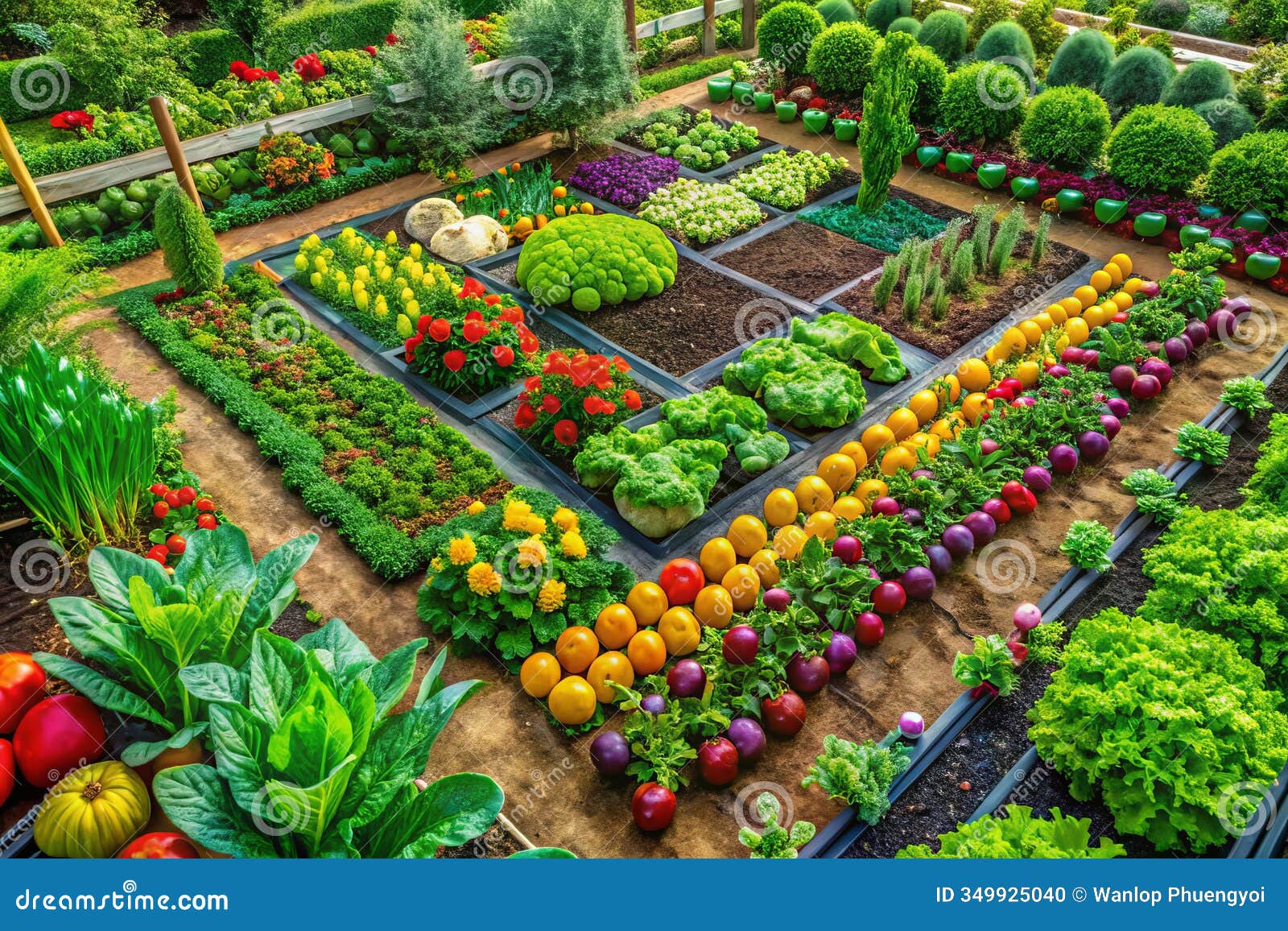
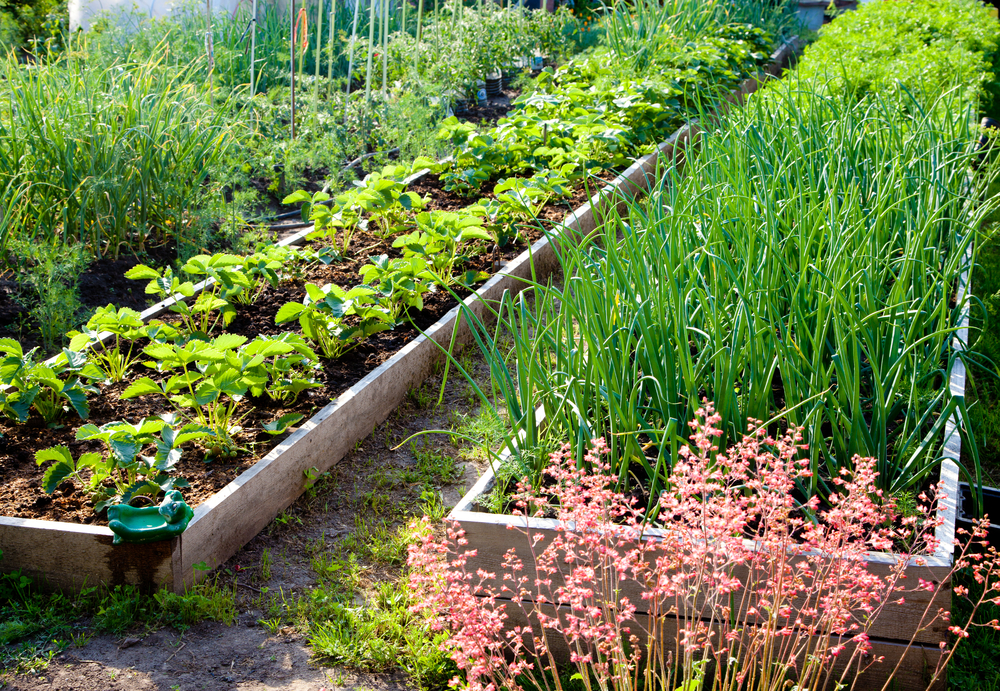
The best vegetable garden planting ideas combine crops you enjoy eating, a layout that fits your space, enough sunlight, and a planting schedule suited to your local climate. Raised beds, container gardens, mixed vegetable rows, and vertical growing can all help you grow fresh food at home.
Across the United States, a home vegetable garden can fit a sunny backyard, a small patio, a suburban side yard, or even a balcony. You do not need a large plot or costly supplies to get started. A few well-chosen plants can provide fresh tomatoes, crisp lettuce, sweet peppers, and herbs for your kitchen.
The smartest way to plan your garden is to start with your space and growing season. Much of the country has cold winters and warm summers, while parts of the South and Southwest face long, hot growing seasons. These differences affect when you plant, which crops thrive, and how often you water. Check your local frost dates and growing conditions before buying seeds or seedlings.
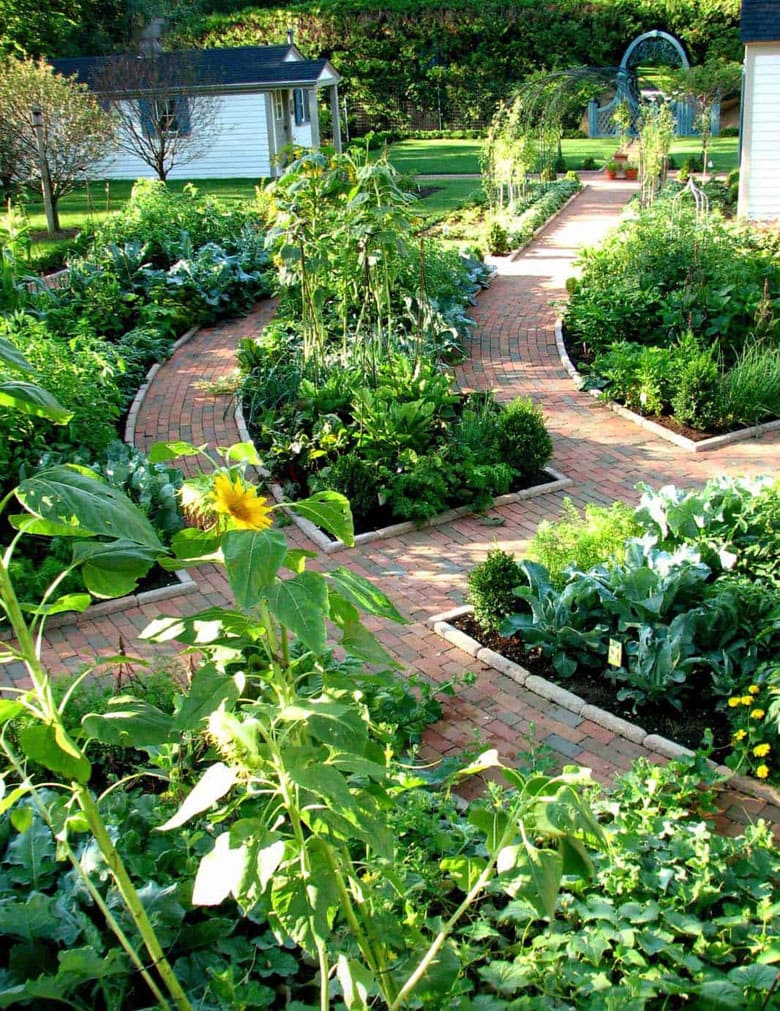
Source: apieceofrainbow.com
1. Plan a Vegetable Garden That Fits Your Space
A good vegetable garden starts with a simple plan. Before choosing plants, look at the space you have and note how much direct sunlight it receives. Most fruiting vegetables, including tomatoes, peppers, cucumbers, and squash, grow best with at least six to eight hours of direct sun each day. Leafy crops can often tolerate less, although their growth may slow in deep shade.
Watch the area throughout the day before you settle on a layout. Trees, fences, sheds, and nearby buildings can cast shadows that change with the season. Also check whether rainwater drains away or collects in low spots. A sunny, well-drained area near a water source usually makes daily care much easier.
Source: garden.eco
Measure the growing area
Record the length and width of the space, including room for paths, containers, and supports.
Check sunlight
Track direct sun over a typical day and choose crops that suit the light available.
Keep water close
Place the garden near a hose or other safe water source so watering does not become a chore.
Start small
A few beds or containers are easier to manage than a large plot filled with crops you have never grown.
Choose Vegetables Based on What You Eat
Think about the vegetables you buy most often. If you use tomatoes in salads and sauces, give them a place in the garden. If you make frequent salads, plant lettuce, radishes, and herbs. This approach helps prevent a common beginner problem: growing a large crop that nobody wants to eat.
Consider how much space each crop needs and how long it takes to mature. Radishes and many lettuce varieties can provide an early harvest, while tomatoes and winter squash need more room and a longer growing period. Read the seed packet or plant label for expected size, days to maturity, and planting guidance.
For quick harvests
Try radishes, baby lettuce, spinach, and other crops suited to your local season.
For summer meals
Consider tomatoes, peppers, cucumbers, green beans, and summer squash.
For frequent picking
Choose crops such as leaf lettuce, green beans, and herbs that can provide repeated harvests when cared for well.
2. Try Raised Beds for a Neat and Productive Garden
Raised beds give vegetables a defined growing area and can make planting, weeding, and harvesting easier. They are useful where the ground is rocky, compacted, or difficult to work. You can build a bed from suitable untreated lumber or use a ready-made garden bed, then fill it with a suitable growing mix.
A bed about three to four feet wide often lets you reach the middle from either side without stepping on the soil. Choose the length to fit your yard and budget. Keep paths wide enough to walk through with a watering can or harvest basket. Raised beds do not need to be tall for every crop, but deeper beds provide more root room for plants that need it.
Source: 1millionideas.com
Keep beds within reach
Choose a width that lets you reach the center from the sides without standing on the growing soil.
Fill with suitable soil
Use a quality garden soil or raised-bed mix that drains well and contains organic matter.
Plan crop height
Place tall crops where they are less likely to shade smaller plants, while accounting for your location and sun direction.
Protect the soil
Avoid walking inside the bed because foot traffic can compact the soil and limit root growth.
A Simple Raised Bed Planting Plan
A bed around four feet wide and eight feet long can hold a useful mix of vegetables when you follow the spacing instructions for each variety. For example, one end might hold a trellised cucumber, the center could contain peppers and lettuce, and an open section could support radishes or green onions. The exact number of plants depends on their mature size.
Avoid filling every inch with seedlings on planting day. Small plants grow, and crowded leaves can reduce airflow and make care harder. Leave enough room for each crop to reach its expected size, and plan a clear way to harvest from every part of the bed.
Back or north side
Place tall trellised crops here when possible so they cast less shade over shorter plants.
Middle section
Use this area for crops such as peppers, bush beans, or other vegetables that fit the available spacing.
Front or edges
Plant low crops such as lettuce, radishes, or compact herbs where they remain easy to reach.
3. Make the Most of a Small Backyard
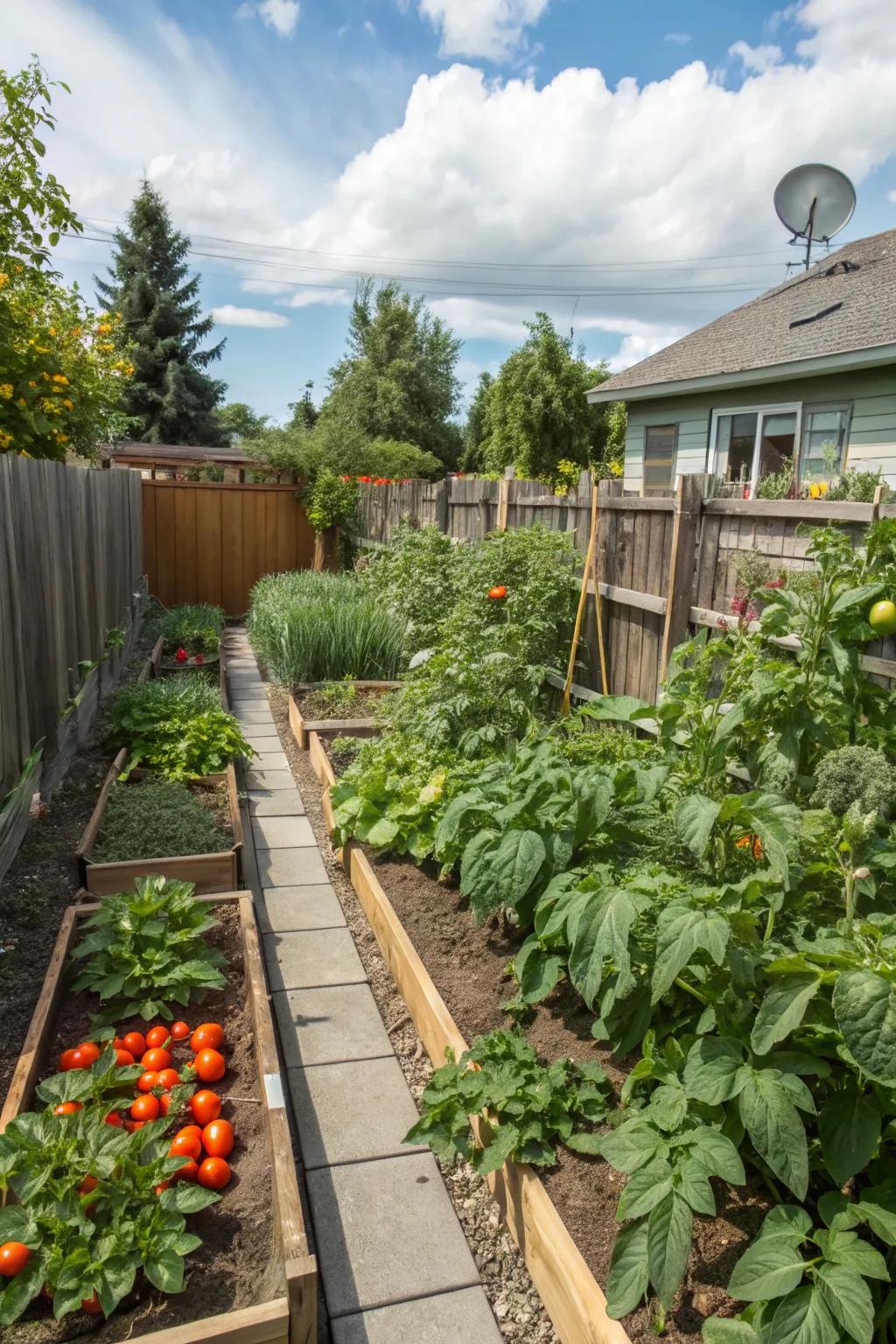
A small backyard can grow plenty of food when you use space with care. Instead of planting long rows with wide gaps, try compact beds, short crop rows, or square planting blocks. The best layout depends on the mature size of your vegetables and whether you need room to walk, kneel, or use garden tools.
For a narrow yard, place beds along a sunny fence or wall while leaving enough space to reach each plant. A compact garden near the kitchen can also make it easier to pick herbs and salad greens before a meal. Keep taller plants from blocking sunlight to low crops, and avoid planting directly beside a wall that reflects too much heat for sensitive vegetables.
Source: yourbackyardfarmer.com
Use compact beds
Create short, manageable growing areas instead of long beds that are hard to reach.
Grow upward
Use suitable trellises for peas, pole beans, and climbing cucumbers to save ground space.
Fill open spaces wisely
Plant quick crops between slower-growing vegetables only when both can receive enough light and root space.
Keep paths practical
Leave room to harvest, water, and remove weeds without stepping on plants or compacting the soil.
Use Block Planting Instead of Long Rows
Block planting groups the same crop in a compact area rather than spreading it across one long row. This layout can use garden space well for crops such as lettuce, carrots, beets, and bush beans. It also makes it easy to see which area needs water or attention.
Do not assume that every plant can grow close together just because the bed is small. Follow the recommended spacing for the variety you choose. Dense planting that blocks airflow or limits root growth can lead to weak plants and higher disease risk.
Group similar crops
Plant each type in a clearly marked block to simplify care and harvesting.
Mark the layout
Use labels or a simple garden sketch so you can track varieties and planting dates.
Leave enough room
Use mature plant spacing rather than the size of seedlings when planning each block.
4. Grow Vegetables in Containers on Patios and Balconies
Containers are a useful option for renters, apartment dwellers, and gardeners with limited ground space. You can place pots on a sunny patio, balcony, deck, or doorstep, provided the location receives enough light and can safely support their weight. Containers also let you move some plants when the weather changes, although large pots become heavy once filled with wet soil.
Choose containers with drainage holes and enough volume for the crop’s roots. Small pots dry out faster than large ones, so they may need more frequent watering during hot, dry weather. Use a potting mix designed for containers rather than dense garden soil, which may drain poorly in a pot.
Source: i.pinimg.com
For small pots
Try green onions, compact herbs, radishes, or leaf lettuce in containers suited to their roots.
For medium or large pots
Consider peppers, dwarf tomatoes, or bush beans, using the container size recommended for the variety.
For hanging or vertical space
Use sturdy planters or supports only when they are securely mounted and suitable for the building.
For hot weather
Check container moisture regularly, since pots can dry faster than garden beds.
Choose the Right Vegetables for Pots
Compact varieties are often easier to manage in containers than sprawling types. Look for labels that identify a tomato or pepper as suitable for pots, but still check its mature height and root needs. A compact plant may need a large container once it begins to grow and produce fruit.
Place each pot where the plant can receive the light it needs without blocking walkways or exits. Water until excess moisture drains from the bottom, and empty any outer tray that holds standing water for too long. During a heat wave, check pots each day and water when the mix needs it.
Tomatoes
Choose a suitable compact variety and provide a sturdy support if the plant needs one.
Leaf lettuce
Grow it in a shallow but suitably sized container during a cool period.
Peppers
Use a pot with enough root room and place it in a sunny spot.
Herbs
Grow basil, parsley, or chives in containers that provide good drainage and the right amount of sun.
5. Mix Vegetables for a Useful Kitchen Garden
A mixed vegetable garden combines crops with different growth habits, harvest times, and uses. You might plant lettuce near a row of green onions, place basil beside tomatoes, and grow radishes in a separate patch for an early crop. This can make the garden more useful throughout the season without relying on one large harvest.
The key is to group plants by their actual needs rather than appearance alone. Tomatoes and peppers both need warmth and plenty of light, while lettuce and spinach often prefer cooler conditions. Check the expected size and water needs of each crop before placing them together.
Source: ruralsprout.com
Combine different harvest times
Mix quick-growing crops with slower crops when there is enough room for both to mature.
Keep water needs in mind
Group plants with similar moisture needs so one crop does not stay too wet while another dries out.
Plan for harvest access
Place frequently picked vegetables where you can reach them without damaging nearby plants.
Rotate crop families
Keep a record of where crops grow so you can move related plants to a different bed in later seasons.
Try a Tomato, Basil, and Leafy Green Bed
A tomato bed can include basil and a short row of leafy greens, provided the plants receive enough light and space. Tomatoes need room for their stems and leaves, while basil benefits from warm conditions. Leafy greens may be best planted early or in a spot that receives less intense afternoon sun.
This mix is useful because each crop serves a different purpose in the kitchen. Still, companion planting should not be treated as a guarantee of higher yields or pest control. Healthy soil, proper spacing, good watering, and regular checks remain the main parts of sound garden care.
Tomatoes
Place them where they receive adequate sun and can be supported as they grow.
Basil
Allow enough space and sunlight, and avoid crowding it against the tomato stem.
Leafy greens
Grow them during suitable cool weather and harvest them before nearby plants shade them too heavily.
6. Add Vertical Supports for Climbing Vegetables
Vertical gardening lets climbing vegetables grow upward instead of spreading across the ground. It can help make a small garden easier to manage and improve access to fruit, depending on the crop and support. Pole beans, peas, and many cucumber varieties can grow on suitable trellises, while tomatoes may need cages or stakes rather than a climbing net.
Set up supports before planting or while seedlings are still small. This reduces the chance of damaging roots later. Make sure the trellis is firmly secured and can bear the weight of mature plants, wet foliage, and fruit. A flimsy support can bend or fall during wind or heavy rain.
Pole beans
Use a strong trellis or pole structure and harvest pods regularly as they mature.
Cucumbers
Select a climbing variety and provide a sturdy support that suits its growth habit.
Peas
Install a suitable net or frame and plant them during the cool season in your region.
Tomatoes
Use cages, stakes, or another suitable support based on the variety and its mature size.
Place Tall Supports Where They Cause Less Shade
In many parts of the United States, placing taller crops on the north side of a garden helps reduce the shade they cast over shorter crops. The best placement still depends on your latitude, season, and the path of the sun. Watch the actual shadows in your yard before fixing the layout.
Keep climbing stems tied loosely when needed, using soft garden ties that will not cut into the plant. Check supports after storms and as fruit grows heavier. Remove damaged ties or loose frames before they injure plants or become a hazard.
Install supports early
Place trellises before roots spread widely through the bed.
Check stability
Secure the frame to suitable stakes or another stable structure.
Prune with care
Follow crop-specific guidance rather than removing healthy leaves without a clear reason.
7. Use Succession Planting for Longer Harvests
Succession planting spreads sowing dates so a whole bed does not mature at once. It works well for crops such as lettuce, radishes, and some beans, depending on the variety and season. Instead of sowing all your seeds on one day, plant a small amount at intervals recommended for that crop.
This method helps match harvests to your household’s needs. It also makes better use of open space after a crop finishes. Before planting again, check the remaining season, soil moisture, and expected temperature. A late planting may not mature before frost or may struggle in extreme heat.
Plant small batches
Sow a manageable amount of a quick crop rather than filling the entire bed at once.
Track planting dates
Record sowing dates and expected maturity so you can plan the next batch.
Reuse open spaces
Replace harvested crops with suitable vegetables when the season and soil conditions allow.
Example of a Simple Succession Plan
Suppose you want fresh radishes over several weeks. You could sow a small section first, then sow another section about one or two weeks later if the seed packet and local weather support that interval. The first crop may be ready before the later planting reaches maturity, giving you a more spread-out harvest.
This is an example, not a fixed schedule for every region. Warm soil can speed growth, while cool conditions can slow it. In hot weather, some cool-season crops may become bitter or bolt, which means they flower and set seed sooner than you want. Adjust planting intervals to the crop and your local conditions.
Start with a small test
Try two sowing dates before committing a whole bed to the method.
Check crop maturity
Use the seed packet as a guide, then watch the plants for harvest signs.
Avoid unsuitable weather
Pause sowing when heat, frost, or other local conditions make successful growth unlikely.
8. Match Planting Times to Your US Growing Zone
Planting dates vary across the United States, so a calendar from another state may not suit your garden. Gardeners in northern areas often have a shorter frost-free season than gardeners in warm parts of the South. Coastal climates, high elevations, and local microclimates can also shift the best time to sow or transplant vegetables.
Use your local average last spring frost and first fall frost as starting points, not guarantees. Seed packets and regional university extension resources can help you decide when to plant each crop. Warm-season vegetables usually need settled warm weather, while many cool-season vegetables can grow during milder spring or fall conditions.
Cool-season crops
Lettuce, peas, spinach, and radishes often grow best in cooler conditions, although exact timing varies by variety.
Warm-season crops
Tomatoes, peppers, cucumbers, and beans generally need warmer soil and air than cool-season crops.
Hot-climate gardens
Use local guidance to time heat-sensitive crops and consider afternoon shade when suitable.
Short-season gardens
Choose varieties that mature within your available growing period and follow local transplanting advice.
Make a Planting Calendar Before You Buy Seeds
Write down the vegetables you want to grow and the suggested planting window for each one. Note whether the crop should be direct-sown or started indoors. Then add expected harvest times and space for follow-up sowings if you plan to use succession planting.
A calendar keeps you from planting every crop at once simply because the weather feels pleasant. It can also help you avoid buying more seed than you can use. Update the calendar when weather shifts or when a crop grows faster or slower than expected.
Find local frost dates
Use a reliable regional source and remember that average dates do not predict every year’s weather.
Read seed instructions
Check planting depth, spacing, soil temperature needs, and expected days to maturity.
Plan indoor starts carefully
Start seeds only when the crop and your local schedule support transplanting at the right time.
9. Improve Soil, Watering, and Daily Garden Care
Healthy soil and steady care matter more than a fancy layout. Most vegetables grow well in soil that drains properly and contains organic matter. If the soil is compacted, waterlogged, or very sandy, its texture may need improvement. A soil test can help you understand pH and nutrient levels before you add fertilizer or lime.
Water deeply enough to moisten the root zone, then adjust how often you water based on rainfall, soil, crop stage, and temperature. Young seedlings and container plants may need more frequent checks than established plants in the ground. Water near the soil when possible, and try to avoid wetting foliage late in the day because long periods of leaf wetness can favor some diseases.
Use compost wisely
Add finished compost when appropriate to improve soil structure and supply some nutrients.
Water based on need
Check soil moisture instead of following a rigid schedule that ignores rain and heat.
Mulch the soil
Use a suitable organic mulch to help conserve moisture and limit weeds, keeping it away from direct contact with plant stems.
Inspect plants often
Look for wilt, leaf spots, insect damage, and unusual growth so you can address problems early.
Know When a Vegetable Plant Needs Water
Dry soil near the roots, drooping leaves, and slow growth can signal a need for water, but wilting does not always mean the plant is dry. Some plants wilt during intense heat even when the soil holds enough moisture. Check the soil before watering so you do not add more water to already wet roots.
If the soil is soggy for long periods, improve drainage and review how often you water. Yellow leaves can have several causes, including excess water, nutrient problems, or pests. Look at the whole plant and its growing conditions before choosing a fix.
Check below the surface
Feel the soil a short distance below the top layer to judge whether the root zone needs water.
Look at the weather
Reduce watering after useful rainfall and check more often during hot, windy periods.
Use containers with drainage
Make sure water can leave the pot freely and that the growing mix does not remain waterlogged.
10. Avoid Common Vegetable Garden Planting Mistakes
Many garden problems begin with choices made before planting. Crowded seedlings, poor drainage, unsuitable varieties, and incorrect planting dates can all limit growth. A simple plan helps prevent these issues before they cost time, space, or a harvest.
When a plant struggles, check its growing conditions before adding more fertilizer or using a pest treatment. Extra fertilizer cannot fix every problem and may harm plants when applied in excess. If you suspect a serious pest or disease, identify it carefully and consult a trusted local extension resource for crop-specific advice.
Planting too close
Follow the recommended spacing so roots have room and leaves can dry after rain or watering.
Ignoring mature size
Allow for the full spread of squash, tomatoes, and other large plants instead of planning around tiny seedlings.
Using poor drainage
Choose a better site or improve the growing setup when water remains around roots for long periods.
Planting at the wrong time
Check local temperature and frost guidance before sowing or moving warm-season crops outdoors.
Skipping regular checks
Inspect plants and supports often so small issues are easier to correct.
What to Do When Plants Grow Poorly
Start by checking light, soil moisture, drainage, and plant spacing. Next, inspect the leaves and stems for insect activity, spots, discoloration, or physical damage. Compare what you see with a reliable local plant-health resource rather than guessing from one symptom alone.
Make one appropriate change at a time when possible and watch how the plant responds. Avoid applying pesticides or fertilizers without reading the full label. Follow all label directions, keep products away from children and pets as directed, and protect pollinators by following instructions about flowering plants and application timing.
If leaves turn yellow
Check watering, drainage, nutrient needs, and signs of pests before deciding on a treatment.
If seedlings become leggy
Review light levels, spacing, and the conditions in which the seedlings started.
If flowers fall without fruit
Check temperature stress, pollination conditions, watering consistency, and the needs of the specific crop.
If pests appear
Identify the pest, remove small infestations by suitable methods, and use a labeled treatment only when needed.
11. Build a Simple Planting Plan for Your First Garden
A first garden does not need a complicated design. Start with a sunny bed or a few containers, choose three to five crops, and make sure each crop fits the space. This keeps the work manageable while helping you learn how different vegetables respond to your local weather and soil.
For example, a small sunny bed might hold a compact tomato, a few pepper plants, a short row of green beans, and a section of lettuce planted during a suitable cool period. A container garden might use a large pot for a tomato, another for peppers, and a smaller planter for herbs. These are sample layouts, so adjust plant numbers and timing to the mature size of each variety.
Step 1: Choose your site
Find a sunny, accessible area with suitable drainage and a practical water source.
Step 2: Select your crops
Choose vegetables you eat often and check their light, spacing, and temperature needs.
Step 3: Draw your layout
Mark beds, paths, containers, tall supports, and the final space each crop will need.
Step 4: Prepare the soil or potting mix
Use suitable growing media, add amendments based on need, and avoid working wet soil when it would compact easily.
Step 5: Plant at the right time
Follow crop-specific instructions and local seasonal guidance.
Step 6: Keep simple records
Write down planting dates, watering notes, pest issues, and harvest results to improve next season’s plan.
A Sample Crop Plan for a Small Garden
The table below shows a simple example of how you might organize a small garden. It is not a universal planting calendar, and the best dates depend on your local climate, variety, and growing method.
Tomato
Give it a sunny position, suitable root space, and a sturdy cage or stake if needed.
Green beans
Choose bush types for a compact footprint or pole types when you can provide vertical support.
Leaf lettuce
Use a cooler planting window and sow small batches if you want repeated harvests.
Radishes
Use them for a quick crop when temperatures suit the variety and soil conditions.
Basil
Plant it in warm conditions with adequate light and enough room for airflow.
Frequently Asked Questions
Q
What vegetables are easiest to grow for beginners?
Radishes, leaf lettuce, green beans, and many herbs are useful starting choices when planted in suitable conditions. Compact tomatoes can also work well if they receive enough sun and have suitable support. The easiest crop for you depends on your climate, available space, and the amount of care you can provide.
Q
How much sun does a vegetable garden need?
Many fruiting vegetables, such as tomatoes, peppers, cucumbers, and squash, grow best with at least six to eight hours of direct sunlight each day. Some leafy vegetables tolerate partial shade, especially during warmer weather. Check the needs of each crop and remember that deep shade usually limits vegetable growth.
Q
Can I grow vegetables in a very small space?
Yes. Use containers, compact raised beds, vertical supports, and varieties suited to small spaces. Lettuce, herbs, radishes, peppers, and compact tomatoes may fit well in the right containers. Check mature plant size, root needs, drainage, and sunlight before planting.
Q
What vegetables should I plant together?
Choose vegetables that can share similar light, water, and soil conditions without crowding one another. Tomatoes and basil can grow in the same general bed when each has enough space. Leafy greens may fit nearby during cooler weather, but they can struggle when summer heat or shade becomes excessive. Companion planting does not guarantee better growth or pest control.
Q
When should I start planting my vegetable garden?
The right time depends on your location and the crop. Many cool-season vegetables can be planted during suitable spring or fall weather, while warm-season crops usually need warmer soil and air. Check local frost dates, seed packet instructions, and regional university extension guidance before planting.
Q
How often should I water a vegetable garden?
There is no single schedule that works for every garden. Water needs change with soil type, rainfall, temperature, wind, plant size, and whether vegetables grow in the ground or in containers. Check moisture near the roots and water when needed, keeping the soil moist enough for healthy growth without leaving it waterlogged.
✦ Wrapping Up
Conclusion
The best vegetable garden planting ideas are the ones that fit your yard, local growing season, and daily routine. Raised beds can create a tidy growing space, containers work well on patios, and vertical supports help climbing crops use less ground area. Mixed plantings and succession sowing can also help you enjoy a wider range of fresh vegetables over time.
You do not need to plant everything in one season. Begin with a few vegetables you enjoy, give them enough sunlight and room, and learn how your soil holds water. Keep notes about planting dates and harvests, then use what you learn to improve the garden next time. A small, well-planned garden can be a useful source of fresh food without becoming a full-time job.
💡 Key Takeaway
Choose three vegetables you enjoy eating, check their sunlight and spacing needs, find your local planting window, and sketch a simple layout before buying seeds or seedlings.