The best design of flower garden starts with the right site, a simple layout, and flowers that suit your climate, soil, and sunlight. Layer plants by height, group colors with care, and plan for blooms across the growing season.
A flower garden can make a plain front yard, small patio, or wide backyard feel warm and alive. Across the United States, the right design depends on local weather, the length of the growing season, and the plants that thrive in each region. A sunny yard in Texas needs a different plan from a shady lot in Oregon or a cold garden in Minnesota. Start with the space you have, then build a layout around its real growing conditions.
You do not need a large yard or a costly landscape plan to create a lovely flower bed. A clear shape, a few well-matched plants, and room for each flower to grow can make a big difference. Think about the view from your porch, the path to your front door, and the time you can spend on care. These choices help you create a flower garden that looks good and remains easy to manage.
Source: urbangardeningspace.com
How to Plan a Flower Garden Design
Start by studying the area where you want to grow flowers. Watch how sunlight moves across the yard, notice where water collects after rain, and check whether nearby trees cast shade. Look at the space from inside your home and from the places where guests enter. These views will help you choose a shape and decide which flowers deserve the best spots.
Next, set a clear goal for the garden. You might want a bright border along the walkway, a quiet bed near a seating area, or a patch of flowers that attracts bees and butterflies. Each goal calls for a slightly different layout. A garden near a front door may need tidy edges, while a natural-style backyard can use loose groups and winding curves.
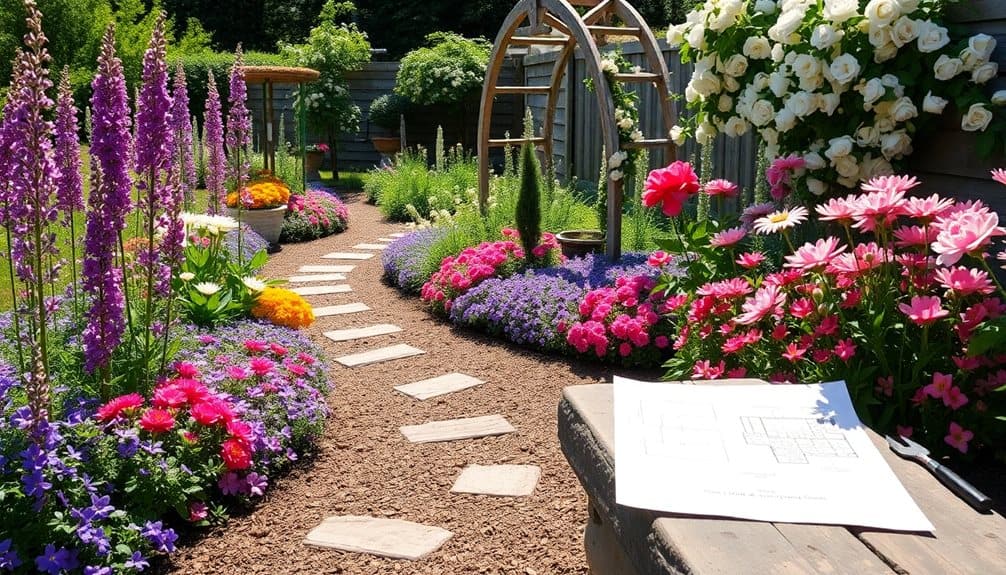
Measure the planting area and sketch it on paper. Mark doors, windows, paths, fences, trees, drains, and outdoor seating. Then draw the flower beds around these fixed features. A simple sketch helps you estimate plant numbers and avoid crowding the space with too many ideas.
Source: i.pinimg.com
Measure the space
Record the length and width of the bed. For a rectangle, multiply length by width to find its area in square feet.
Check the sun
Track direct sunlight through the day. Many flowering plants need at least six hours of sun, while others grow well in partial shade.
Test the soil
Use a soil test to check pH and nutrient levels. Improve drainage and soil structure based on the actual conditions rather than adding fertilizer by habit.
Set a care limit
Choose a garden size that fits your schedule, water access, budget, and ability to weed or prune.
Choose a Style That Fits Your Home
A formal flower garden uses clear lines, repeated shapes, and balanced planting. It often suits traditional homes, neat front yards, and spaces beside straight paths. A cottage garden feels fuller and more relaxed, with mixed flowers, soft edges, and blooms at different heights. A naturalistic garden uses plants that blend with the local landscape and may include native grasses or seed heads.
For a small yard, a simple modern design can work well. Use a narrow color range, repeat a few plant types, and keep the edges clear. The goal is not to copy a garden photo exactly. It is to choose a style that works with your home’s shape, your climate, and the amount of room you have.
Formal style
Use even spacing, repeated plants, and clear borders for a neat look.
Cottage style
Mix bloom shapes and heights for a soft, full effect, while leaving enough space for plants to mature.
Naturalistic style
Use suitable native plants and loose groupings to create a garden that fits the local setting.
Select the Best Layout for Your Yard
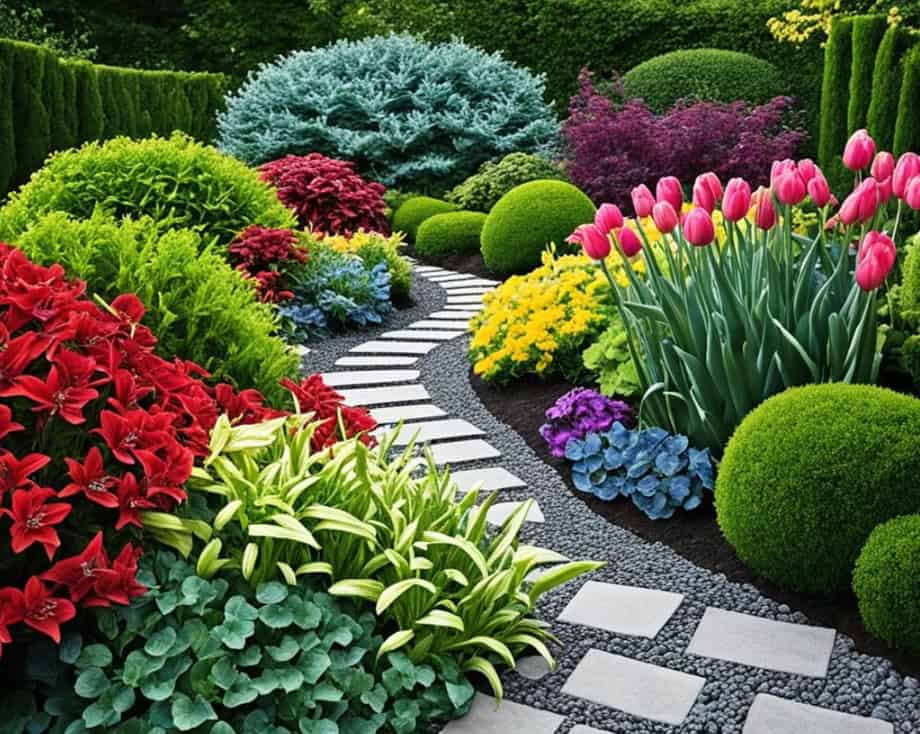
The shape of a flower bed affects how the whole garden feels. Curved beds can soften a broad lawn and suit informal spaces. Straight beds create a crisp border beside a house, fence, or walkway. Island beds stand alone within a lawn and can be viewed from several sides, so they need a planting plan that looks balanced from every angle.
Think about how people move through the yard before choosing a layout. Keep paths wide enough for comfortable walking and garden work. Leave space to reach plants for watering, deadheading, and pruning. Avoid placing a wide bed where it blocks a gate, hides a useful window, or makes routine lawn care difficult.
For most home gardens, a few connected planting areas are easier to manage than many tiny beds. Repeating the same flower in different spots can tie the design together. This repetition creates rhythm without requiring every section to look identical.
Source: decorhomeideas.com
Border garden
Place a long bed along a fence, wall, or house. Put taller flowers toward the rear when the bed is viewed from one side.
Island garden
Build a central bed that can be seen from all sides. Place taller plants near the center and lower plants around the outer edge.
Corner garden
Use an unused corner for a layered mix of shrubs, perennials, and seasonal flowers.
Small-space garden
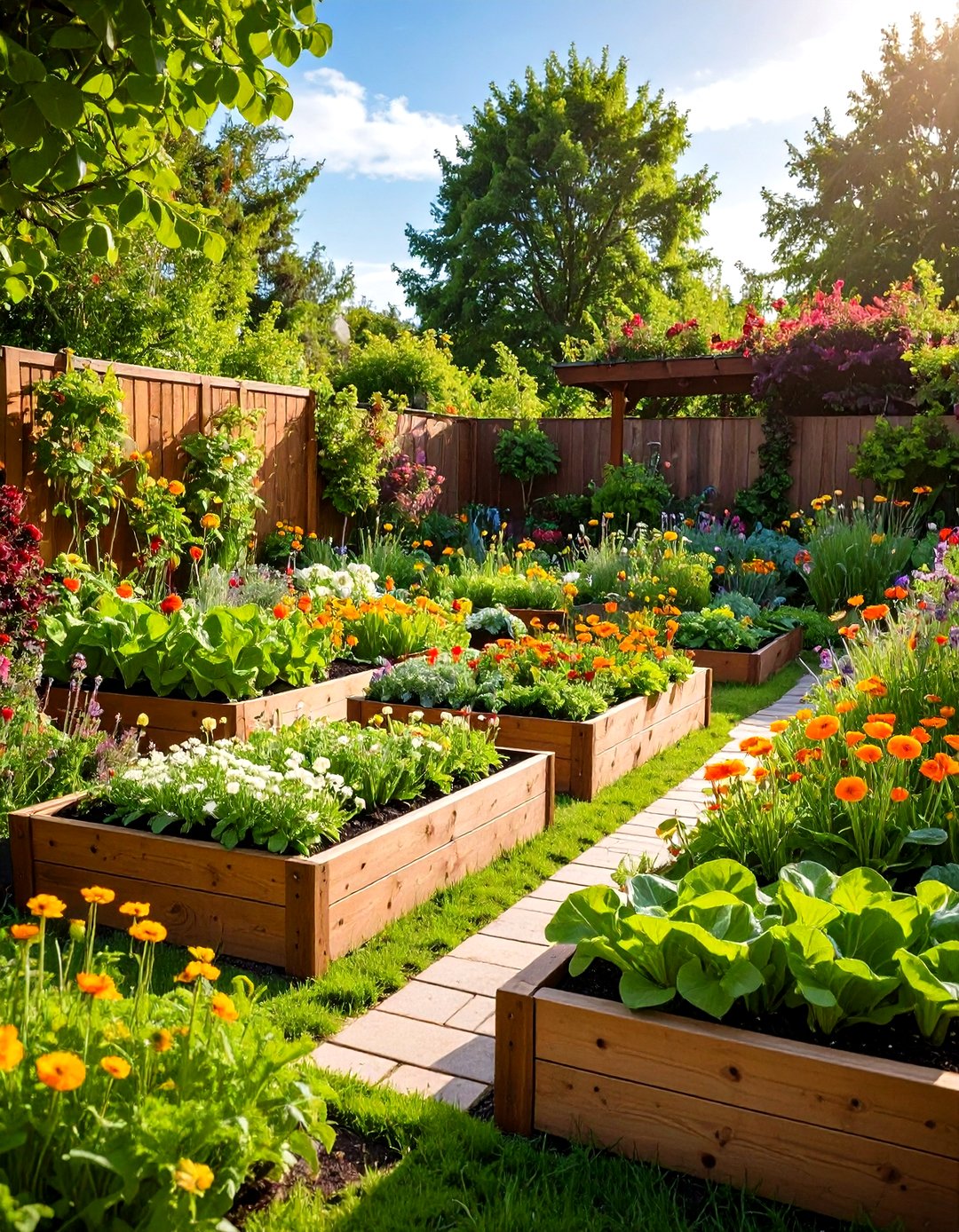
Use containers, narrow borders, or raised beds when ground space is limited. Check container drainage and watering needs.
How to Arrange Flowers by Height
Plant height is one of the easiest ways to make a flower bed look planned. In a border viewed from the front, tall flowers usually belong at the back, medium plants in the middle, and short flowers near the edge. This keeps the main blooms visible and creates a smooth change in height.
Do not follow this rule without checking the viewing angle. An island bed needs height near its center, while a bed against a wall may need tall plants behind shorter ones. Also check the mature height and spread on each plant label. A small nursery pot can grow into a large clump that shades its neighbors.
Back layer
Use tall plants such as suitable varieties of hollyhock, delphinium, or ornamental grasses where light and climate allow.
Middle layer
Try coneflowers, garden phlox, or other medium-height plants suited to your region.
Front edge
Use compact plants such as alyssum or low-growing native flowers that fit the site’s light and moisture.
Choose Flowers for Sunlight, Soil, and Climate
The right flowers are those that can thrive in your yard, not just those that look good in a photo. Plant labels often describe full sun, partial shade, or full shade, along with preferred soil moisture and mature size. Match these needs to your site before you buy. This simple step can save money and reduce the need to replace plants that struggle.
The United States covers many growing zones and climate types. A flower that returns each year in a mild coastal garden may not survive a harsh winter farther inland. Heat, humidity, drought, heavy rain, and late frosts can also affect plant growth. Use your USDA plant hardiness zone as a starting point for perennial choices, then check local extension guidance and the plant’s full growing needs.
Soil conditions matter just as much as weather. Some plants prefer moist, rich soil, while others need sharp drainage and can suffer in wet ground. If your site has heavy clay or compacted soil, improve it based on a soil test and drainage needs. Do not add sand to clay soil as a quick fix, because the mix can become dense and difficult to work.
Source: lifewithdj.com
Sunny beds
Consider sun-loving flowers such as zinnias, cosmos, blanket flower, or suitable coneflower varieties. Confirm local heat and water needs.
Part-shade beds
Look at begonias, impatiens, or woodland species suited to your climate. Some need morning sun, while others prefer filtered light.
Dry areas
Choose plants adapted to low moisture once established, and water new plants until their roots settle in.
Moist areas
Select flowers that tolerate the site’s moisture level, but fix standing-water problems if they indicate poor drainage.
Annuals, Perennials, and Native Flowers
Annual flowers usually complete their life cycle in one growing season. They can provide strong color for summer beds and containers, though many need to be replanted each year. Perennials live for more than one season and can return over time when the variety suits the climate and growing conditions. Some perennials bloom for only a short period, so plan for other flowers to take over later.
Native plants are species that occur naturally in a particular region. When matched to the site, they can support local pollinators and other wildlife. Native does not mean that every plant will thrive in every yard or need no care. Check the species, soil, sunlight, water needs, and mature size before planting.
For fast seasonal color
Use annuals such as zinnias or marigolds where they fit the local climate and light.
For long-term structure
Build the bed around suitable perennials, then fill gaps with seasonal flowers.
For local wildlife
Choose native flowering plants with different bloom times and avoid pesticide use when it is not necessary.
Use Color, Texture, and Bloom Time With Care
A strong flower garden design uses color with a clear plan. You can choose warm colors such as red, orange, and yellow for a lively look. Blue, purple, and white can create a cooler, calmer feel. Pink and soft purple pair well with white, while yellow flowers can brighten a bed filled with dark green leaves.
You do not need every flower to match. Instead, repeat a few colors across the bed so the garden feels connected. A simple mix of two main colors and one supporting color is an easy place to start. White flowers and green foliage can help link shades that might otherwise compete.
Texture adds interest even when flowers are not in bloom. Broad leaves, fine grass-like foliage, upright flower spikes, and rounded blooms create contrast. Choose plants with different forms but similar growing needs. This gives the bed depth without making care too complex.
Source: i.pinimg.com
For a bright look
Pair yellow and orange blooms with green foliage, then add white flowers to break up dense color.
For a calm look
Mix blue, purple, pink, and white flowers with soft leaf shapes.
For a bold contrast
Use one strong flower color against a quieter background, such as white blooms with deep purple flowers.
Plan Flowers That Bloom at Different Times
A garden can look bare when all its plants bloom at once and then fade together. To avoid this, choose flowers with early, midseason, and late bloom times. Exact timing depends on your region, the weather, and the variety, so use local plant labels and extension calendars when planning.
Spring bulbs may start the display, followed by late-spring perennials and summer annuals. Later in the season, suitable asters, goldenrods, or other late-blooming plants can keep color going into fall. Leave room for foliage and seed heads that add structure after petals drop, unless the plant needs cutting back for health or safety.
Early season
Consider crocuses, daffodils, or other bulbs that suit your winter conditions.
Midseason
Use suitable coneflowers, coreopsis, daylilies, or annuals for summer color.
Late season
Add region-appropriate asters, goldenrods, or other flowers that bloom later in the year.
Design a Flower Garden for Bees and Butterflies
A flower bed can offer food and shelter to pollinators as well as color for your yard. Bees, butterflies, and other insects often benefit from a mix of flowers that bloom at different times. Native plants can be useful because local insects may depend on particular plant species. Choose flowers that suit your region and provide nectar or pollen when pollinators need them.
Plant in groups rather than scattering a single flower of each kind across the yard. Groups of the same species can make blooms easier for pollinators to find and give the bed a more unified look. Include different flower shapes and heights to support a range of visitors. Keep some bare soil where appropriate for ground-nesting native bees, and avoid covering every open patch with landscape fabric or thick mulch.
Limit pesticide use, especially when flowers are open and pollinators are active. If treatment is necessary, first identify the pest and consider nonchemical controls. Follow the product label and avoid spraying flowering plants when bees are visiting. A pollinator garden works best when its design supports the whole growing space, not just the blooms.
Source: welovehomeblog.com
Use regionally suitable plants
Check native plant lists from your state extension service or a local native plant group.
Provide a long bloom season
Combine plants that flower in spring, summer, and fall.
Keep water shallow
If you add a small water source, include stones or other safe landing spots so insects can reach water without being trapped.
Reduce chemical exposure
Use integrated pest management and follow all pesticide label directions when treatment is needed.
Build a Useful Pollinator Plant Mix
A useful mix includes several flower species rather than one large patch of a single bloom. In many parts of the country, coneflowers, native asters, goldenrods, and other regionally suitable flowers can help provide seasonal food. The best list will vary by location, soil, moisture, and the pollinators you hope to support.
Plant labels and local guidance can help you avoid species that spread aggressively or are unsuitable for your region. Check whether a plant is native to your area rather than relying only on a general label such as wildflower. A well-chosen mix can support wildlife while still fitting the color and height plan for your garden.
Check local plant lists
Use state extension resources and regional native plant societies to select suitable species.
Avoid invasive plants
Check local invasive plant guidance before buying unfamiliar flowers or allowing them to spread.
Make a Small Flower Garden Look Bigger
A small yard can still support a rich flower display. The key is to use space with care and avoid filling every corner with a different plant. One clear bed shape, a few repeated flowers, and a limited color palette can make the area feel more open. Vertical growth can also add interest without taking up much ground space.
Containers can help where soil is poor or paved areas limit planting. Use pots with drainage holes and choose sizes that can hold enough soil for the plants. Small containers often dry out faster than garden beds, especially in hot or windy weather. Group pots by water needs so you can care for them with less effort.
Look for ways to combine beauty with access. A narrow path, a bench, or a simple stepping-stone route can make a compact garden feel like a place to spend time. Leave enough room to reach flowers for care, and keep plants from blocking doors, windows, or walkways.
Source: i.pinimg.com
Use vertical space
Grow suitable climbers on a sturdy trellis, or use tall containers where they will not block access.
Repeat a few flowers
Plant the same varieties in small groups to create a clear pattern instead of a scattered collection.
Choose compact varieties
Check mature height and width before buying plants for narrow borders or pots.
Keep the layout open
Leave clear paths and avoid oversized plants that cover the whole bed.
A Simple Example for a Small Front Yard
Picture a front bed that measures 6 feet by 10 feet. The total area is 60 square feet. For a bed viewed from the sidewalk, you could place a few taller flowers near the house, medium-height plants through the middle, and compact flowers along the front edge. The exact number of plants depends on their mature spread and the space needed between them.
Repeat two or three flower types across the bed to create a unified look. Add a small evergreen or ornamental grass only if its mature size fits the space. Before planting, place the nursery pots on the soil surface and step back to view the arrangement. Move them until the spacing and color balance look right, then plant according to the recommended spacing.
Area calculation
Six feet multiplied by ten feet equals 60 square feet. For an irregular bed, divide it into simple shapes and estimate each area separately.
Plant count
Estimate plant numbers from the mature spread and spacing guidance for each species rather than using one fixed number for the whole bed.
Prepare the Bed and Plant It Properly
Good planting starts before the flowers go into the ground. Remove weeds and unwanted grass, then check how quickly water drains from the site. If the soil is compacted, loosen it where appropriate without working it when it is very wet. Use soil test results to guide any changes to pH or nutrient levels.
Add compost when the soil needs more organic matter and the material is suitable for the site. Mix amendments into the planting area as recommended by local guidance rather than creating a rich pocket in each hole. Too much fertilizer can encourage leafy growth at the expense of flowers or harm plants. Follow the needs of the species you have chosen.
Set each plant at the depth recommended for its type. Most nursery-grown flowers should sit at a depth similar to their original container, though bulbs and certain other plants have their own planting rules. Firm the soil gently around the roots and water well after planting. Keep checking moisture while the plants establish.
Source: decorhomeideas.com
Clear the site
Remove weeds and debris, and identify any buried utilities before digging. Contact the appropriate utility-marking service when required in your area.
Improve soil as needed
Use a soil test and local advice to guide compost, lime, or fertilizer choices.
Check spacing
Use mature plant width to avoid crowding and reduce later pruning or transplanting.
Water after planting
Soak the root zone and adjust later watering to the weather, soil, and plant needs.
Choose Mulch and Edging With Care
A layer of suitable organic mulch can help reduce weeds and slow water loss. Keep mulch away from flower stems and crowns, and avoid piling it against the base of trees or shrubs. The right depth depends on the material and the site, so follow local recommendations and avoid burying small plants.
Edging gives a bed a clear shape and helps separate it from the lawn. You can use a shallow spade-cut edge, stone, brick, or another material suited to the yard. Keep edges level and paths safe to walk on. Avoid edging choices that trap water against a building or create a trip hazard.
Use mulch as a support
Keep a clear gap around plant crowns and check that mulch does not hide new growth.
Keep borders practical
Choose edging that is easy to maintain and does not block drainage or access.
Maintain the Garden Through the Seasons
A good flower garden design should be easy to care for after planting. During the first growing season, new plants often need closer checks for water and weeds while their roots develop. Water the root zone rather than wetting leaves when practical, and adjust the schedule after rain. Soil type, heat, wind, and container size all affect how fast plants dry out.
Remove weeds before they set seed, and deadhead flowers when doing so encourages more blooms or keeps the bed tidy. Not every plant needs deadheading. Some flowers offer seed for birds or attractive seed heads in fall, so leave them when that suits the design and the plant’s needs. Prune only when the species and season call for it.
Watch for signs of stress, such as yellow leaves, wilt, weak growth, or a lack of flowers. These signs can have several causes. Check soil moisture first, then inspect sunlight, drainage, pests, and plant spacing. Avoid adding fertilizer or pesticide before identifying the likely cause.
Source: i.pinimg.com
Water with purpose
Check soil moisture before watering and aim water at the root zone. Follow local watering rules during dry periods.
Control weeds early
Pull small weeds before they spread and use mulch where it suits the planting.
Support healthy growth
Remove damaged plant parts when needed and keep tools clean between plants when disease is a concern.
Review the design
At the end of the season, note which flowers bloomed well, which struggled, and where gaps appeared.
Common Flower Garden Design Mistakes
Many garden problems begin with choices made during planning. A flower that needs full sun will often struggle in deep shade, and a plant that spreads widely can crowd a narrow bed. Buying too many varieties can also make a small garden look busy and increase the time needed for care. A simple plan is often easier to maintain and improve.
Avoid planting only for the current bloom. Consider mature size, winter survival, seasonal changes, and how each plant fits with its neighbors. A flower bed may look sparse at first, but filling every gap can lead to crowding later. Follow recommended spacing and give plants time to grow.
Mistake: ignoring sunlight
Correction: match every plant to the actual light level where it will grow.
Mistake: planting too closely
Correction: use mature spread and spacing instructions, even when the bed looks empty at first.
Mistake: choosing only one bloom season
Correction: mix flowers with different bloom periods and foliage that remains attractive.
Mistake: watering every plant the same way
Correction: group plants by water needs and check soil moisture before watering.
Frequently Asked Questions
Q
How do I design a flower garden for beginners?
Start with one small bed and choose flowers that suit its sunlight, soil, and climate. Draw a simple layout, place taller plants behind shorter ones when the bed is viewed from one side, and repeat a few flower types for a unified look. Check mature plant sizes and plan for blooms across the season.
Q
What is the best shape for a flower garden?
There is no single best shape for every yard. Curved beds can soften a lawn, straight borders suit paths and walls, and island beds work in open spaces. Choose a shape that fits the house, leaves room to walk, and allows you to reach plants for care.
Q
How many flowers should I plant in a flower bed?
The number depends on the bed’s area and the mature spread of each plant. Measure the space, check plant labels, and follow recommended spacing. For a simple estimate, divide the bed into sections and calculate each section separately. Do not crowd plants just to make the bed look full on planting day.
Q
Which flowers are easiest to grow in the United States?
Easy flowers depend on local climate, sunlight, soil, and water. Zinnias and marigolds can suit many sunny summer gardens, while other regions may favor different annuals or native perennials. Check your local cooperative extension service for varieties that grow well in your area.
Q
How can I keep my flower garden blooming all summer?
Combine flowers with different bloom times, provide the right amount of water, and remove faded blooms when the species responds well to deadheading. Choose varieties known to bloom over a long period in your climate. Heat, drought, and local growing conditions can still affect flowering, so adjust care as the season changes.
Q
How do I make a flower garden low maintenance?
Choose plants suited to the site, group them by water needs, and favor well-adapted perennials or native species where appropriate. Keep the layout simple, leave enough room for mature growth, and use suitable mulch to limit weeds. Even a low-maintenance garden needs some watering, pruning, and seasonal checks, especially during establishment.
✦ Wrapping Up
Conclusion
A successful design of flower garden begins with the conditions you have and the look you want. Measure the space, check the sunlight and soil, choose flowers that suit your region, and arrange them by height, color, and bloom time. These basic steps can help you build a garden that feels balanced without making care too hard.
You can start with one bed and add more plants as you learn what grows well. Keep notes on bloom times, water needs, and plants that need more room. With a clear plan and steady care, even a small US yard can offer color, texture, and seasonal interest for much of the year.
💡 Key Takeaway
Measure one planting area today, record its sunlight and soil conditions, and sketch a simple layout with tall, medium, and short plants before buying flowers.