Make your garden pop with custom signs! They add charm and help you track what’s growing. Let me show you how they make gardening simple and fun.
Why Should I Use Garden Signs?
Honestly, when I first started my garden, I just stuck random bits of wood in the ground. Big mistake! I’d forget what I planted where.
One year, I mistook a weed for a special herb. Embarrassing! Then I discovered garden signs.
They’re not just pretty; they’re super useful. They keep things organized. They let you share your passion.
They even help protect your hard work. Think of them as your garden’s little helpers. They guide you and make your space look so much better.
What Kind of Signs Can I Use in My Garden?
You’ve got options! Lots of them. The best sign for you depends on your garden’s style and what you need it to do.
Some are purely decorative. Others carry vital information. I’ve tried a few myself.
Decorative Signs
These signs just add a bit of flair. They make your garden feel more like a special place.
- Charming Messages: Think “Welcome to my Garden” or “Happy Little Veggies.” They set a mood.
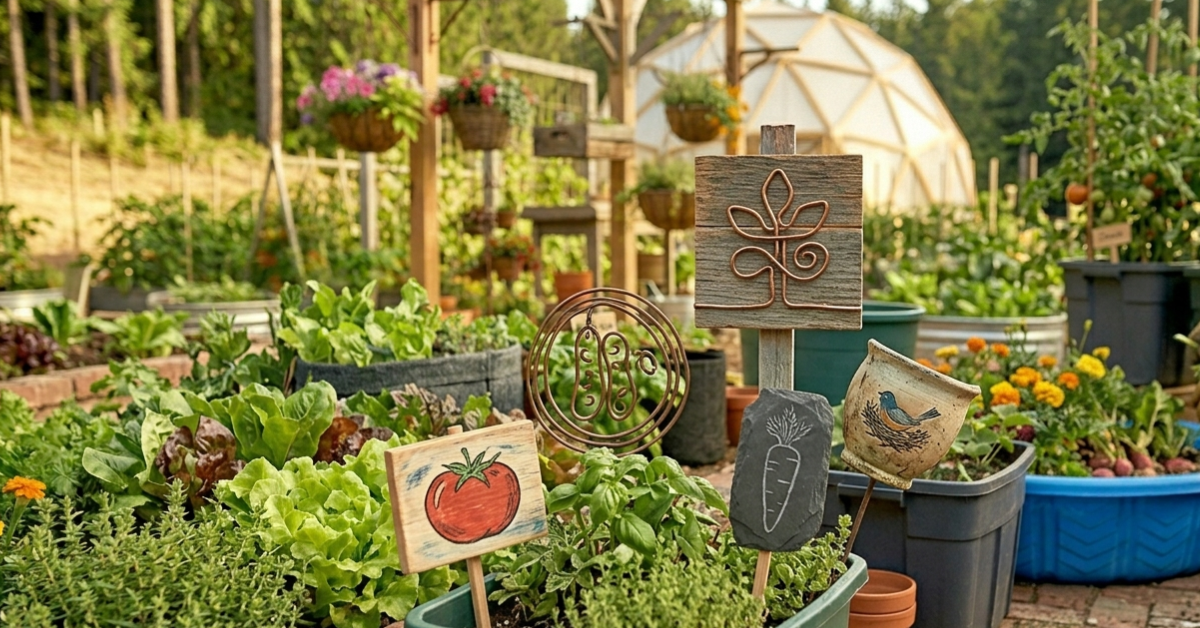
- Theme Signs: If you love a certain style, you can get signs to match. A rustic wooden sign fits a cottage garden. A sleek metal one suits a modern design.
- Personal Touches: I have a funny one that says “Beware of the Gnome.” It always makes me smile.
Informative Signs
These are the workhorses. They tell you and others what’s what.
- Plant Labels: This is the big one for me. Knowing “Tomato, Roma” versus “Tomato, Beefsteak” is key. It helps with watering and harvesting.
- Zone Markers: If you have different areas, like a herb patch or a cutting garden, labels make sense.
- Tips or Warnings: You can put up signs like “Water Often” or “Bumblebees Welcome.”
Material Matters
The material affects how a sign looks and lasts.
- Wood: This is a classic. It looks natural and warm. Treated wood lasts longer outdoors. I love how it ages.
- Metal: Metal signs are durable. They can be painted or etched. They give a more modern or industrial feel.
- Plastic: These are often lightweight and inexpensive. They’re good for temporary labels.
- Slate: Slate signs have a rustic, elegant look. They’re great for hand-painting.
- Ceramic: These are pretty but can be fragile. Best for sheltered spots.
I’ve found that a mix works best. I use durable metal for my main plant labels. Then I add a few whimsical wooden signs for fun.
How Do Garden Signs Help My Plants?
It sounds simple, but signs really benefit your plants. It’s all about organization and care.
Keeping Track of What’s What
This is my number one reason for using signs. I’m not as young as I used to be! Remembering every single seed I planted is tough.
- Variety Specificity: I grow several types of basil. Each needs a slightly different spot. A sign tells me which is which.
- Crop Rotation: To keep soil healthy, I rotate where I plant things each year. Signs help me remember previous crops. This is a game-changer for preventing soil diseases.
- Heirloom Varieties: If you’re growing rare or special types, labeling them is crucial. You don’t want to mix them up.
Proper Plant Care
Once you know what’s growing, you can care for it better.
- Watering Needs: Some plants love lots of water. Others prefer to dry out. Signs remind me of these needs.
- Sunlight Requirements: A sign can note if a plant needs full sun or shade. This helps placement.
- Feeding Schedules: For hungry plants, a reminder about fertilizing is handy.
Preventing Mistakes
We’ve all been there. Pulling up a seedling thinking it’s a weed.
- Distinguishing New Growth: Sometimes new weeds look a lot like young vegetables. Labels prevent accidental removal.
- Identifying Established Plants: In established beds, signs help avoid digging up perennials.
My friend Sarah once accidentally dug up her prize-winning dahlia bulbs. She was heartbroken. Now she labels everything.
It’s a small step with a big impact.
Making Your Own Garden Signs
Making signs is also a fun garden project! It lets you personalize your space. I’ve done this a few times.
Simple DIY Ideas
- Painted Rocks: Collect smooth stones. Paint them with plant names or cute pictures. They look lovely nestled in beds.
- Chopsticks/Dowels: Use wooden chopsticks or small dowels. Write plant names on them with a waterproof marker. Stick them in pots. This is great for seedlings. It’s a bit like https://gardeningtipsideas.com/simple-bamboo-st…ks-saved-my-plot/.
- Scrap Wood: Use old pieces of wood. Sand them down. Paint or wood-burn plant names onto them. Seal them for weather protection. This can look very charming.
Using Stamps and Stencils
For a more uniform look, stamps and stencils are your friends.
- Letter Stamps: Buy alphabet stamps. Use them with waterproof ink on wood or metal tags.
- Stencils: Stencils give a neat, clean look. You can buy pre-made ones or cut your own.
Weatherproofing Tips
- Sealant: For wooden signs, use outdoor-grade sealant or varnish. Apply a few coats.
- Outdoor Paint: Use acrylic paints or specialized outdoor paints. They hold up better to sun and rain.
- Waterproof Markers: If writing directly, use permanent, waterproof markers. Test them first.
I made some of my first signs from old fence pickets. They weren’t perfect, but they had character. They’ve held up surprisingly well over the years.
A Comparison of Garden Sign Options
Choosing the right sign depends on your needs and style. Here’s a quick look at some popular types.
| Sign Type | Material | Durability | Cost | Aesthetic | Best For |
|---|---|---|---|---|---|
| Plant Stakes | Metal, Wood | High | Medium | Classic, Rustic, Modern | Labeling individual plants/herbs |
| Hanging Signs | Wood, Metal | Medium | Medium | Charming, Decorative | Entrances, garden walls, large pots |
| Potted Labels | Plastic, Slate | Medium | Low-Medium | Varied | Small pots, seed starting trays |
| Painted Rocks | Stone | High | Low | Natural, Whimsical | Garden beds, paths, borders |
| DIY Wood Signs | Wood | Medium-High | Low-High | Rustic, Customizable | Personalized messages, garden themes |
When I’m starting new plants, I love using those little plastic stakes. They’re cheap and easy. But for the main garden beds, I prefer something a bit more substantial.
I’ve found that https://gardeningtipsideas.com/this-simple-gard…k-saved-my-plot/ were a bit fiddly, but looking back, they did help me identify my rows.
Do Garden Signs Really Make a Difference?
Yes, they really do. It’s about more than just looks. They bring order.
They bring clarity. They can even spark joy.
- Sense of Accomplishment: Seeing your garden neatly labeled can feel very satisfying. It’s a visual reward for your efforts.
- Sharing Your Garden: If you have guests over, they can appreciate what you’re growing. Signs make it easy for them to learn.
- Encouraging New Gardeners: For kids or beginners, signs are helpful. They make gardening less intimidating.
I remember one really hot summer day. I was so tired from weeding. I looked at my garden.
All the plants were clearly labeled. I knew exactly what needed a drink and what was happy. It was a small thing, but it felt like a huge relief.
It’s like that time my https://gardeningtipsideas.com/this-simple-gard…sy-backyard-plot/ were so helpful after a storm. It’s about making life easier.
Frequently Asked Questions About Garden Signs
What’s the best material for outdoor garden signs?
Metal and treated wood are very durable for outdoor use. They resist weather well. Learn more about…
How can I make my garden signs last longer?
Use outdoor paints, sealants, and waterproof markers. Proper sealing protects wood from rot and water damage. Learn more about…
Should I label every plant in my garden?
It’s not essential, but labeling vegetables, herbs, and special varieties is highly recommended. It helps with care and organization. Learn more about…
Are custom garden signs expensive?
Costs vary widely. Simple DIY signs are very cheap. Professionally made metal or slate signs can be pricier.
Many affordable options exist. Learn more about…
When is the best time to add garden signs?
Adding signs when you plant is ideal. It ensures you label correctly from the start. Fall is also good for marking perennials for next year.
Learn more about…