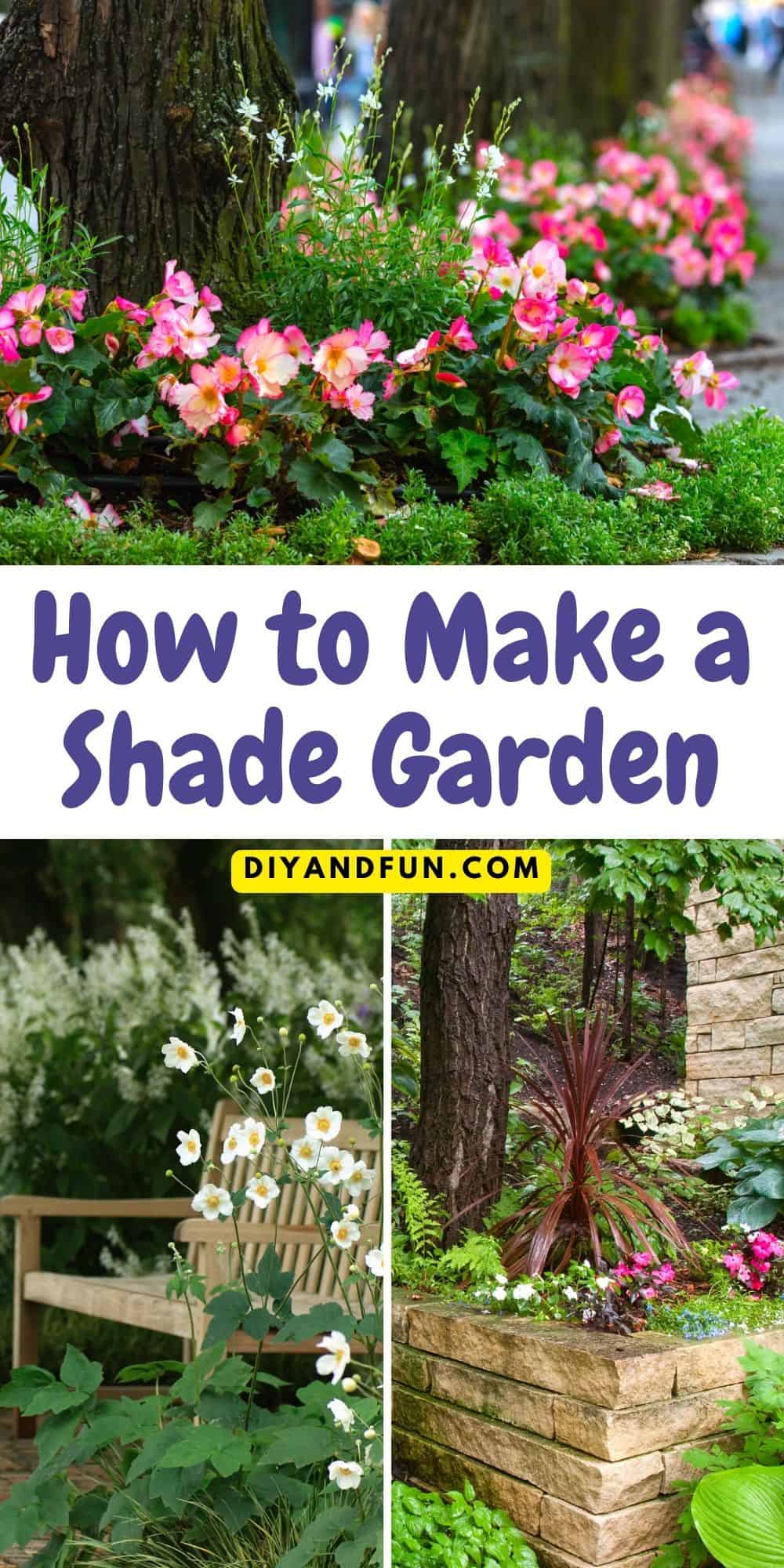
Creating a shade garden starts with checking how much sunlight your yard gets, improving the soil, and choosing plants that thrive in those conditions. Use layers of ground covers, leafy perennials, shrubs, and seasonal flowers to build a healthy garden with color and texture.
Across the United States, many backyards have spots that get little direct sun. Tall trees, fences, porches, and nearby homes can block light for much of the day. These shady spots may seem hard to plant, but they can support ferns, hostas, native woodland plants, and many other garden favorites.
The best way to start is to watch your yard before buying plants. A shady corner in a humid North Carolina yard may need different care from one beneath mature trees in Oregon or a dry yard in Arizona. Your local climate, soil, rainfall, and tree roots all affect which plants will grow well.
Source: gardendesign.com
1. Study Your Yard Before You Plant
Start by finding out how much direct sunlight reaches the space. This simple step can save money and prevent plants from struggling after planting. Watch the area in the morning, around noon, and in the afternoon on several clear days.
Sunlight changes with the season, too. A spot beneath a deciduous tree may receive spring sun before the leaves open, then become much darker in summer. Buildings and evergreen trees can cast shade throughout the year.
Also check what grows nearby and how quickly the soil dries. A bed beneath a large maple may have heavy root competition, while a north-facing wall may stay cool and damp. These details help you choose plants that fit the site rather than forcing the site to fit the plants.
Source: bhg.com
Full shade
The area receives less than three hours of direct sun each day, though it may still get bright indirect light.
Partial shade
The site gets about three to six hours of direct sun or a similar mix of sun and shade. Exact plant needs vary, so read each plant label.
Dappled shade
Sunlight passes through leaves and creates moving patches of light. Many woodland plants grow well in these conditions.
Deep shade
The space receives very little direct light and may stay dark for most of the day. Plant choices are more limited, so focus on species suited to low light.
Check More Than Sunlight
Look at drainage, wind, nearby tree roots, and access to water. After rain, note whether water drains away or sits on the surface. A dry bed beneath a tree calls for different plants from a damp bed beside a shaded wall.
Check the soil
Dig a small test hole where you can do so without cutting large roots or hitting buried utilities. Feel the soil and see whether it is sandy, sticky, or crumbly.
Watch for root competition
Large trees often take up much of the available water and nutrients. Choose smaller plants with suitable root habits and avoid deep digging near trunks.
2. Choose Plants That Thrive in Shade
Pick plants based on the light, moisture, soil, and winter conditions in your yard. A plant that thrives beneath a tree in the Pacific Northwest may struggle in a hot, dry Texas garden. Check the plant label and local extension advice before you buy.
Shade gardens do not need to rely on flowers alone. Leaf shapes, colors, and textures can carry the design from spring through fall. Combine broad leaves with fine fern fronds, low ground covers, and a few upright plants to create depth.
For a wildlife-friendly garden, look for native species suited to your region. Local native plants can support insects and other wildlife while fitting the climate and soil. Avoid choosing a plant just because it is sold as a shade plant; it must also suit your growing zone and moisture levels.
Source: lazypenguins.com
Hostas
Hostas offer broad leaves in shades of green, blue-green, and gold. Many prefer rich, moist soil and protection from strong afternoon sun. Slugs and deer may damage them.
Ferns
Ferns add soft, layered texture to shady beds. Choose a species suited to your region and soil moisture, since some tolerate dry shade while others need steady moisture.
Heuchera
Also called coral bells, many heucheras have purple, amber, green, or silver-toned foliage. They often grow well in partial shade, with exact needs varying by variety and climate.
Astilbe
Astilbe offers feathery flower plumes in suitable conditions. It usually performs best in partial shade and evenly moist soil, rather than dry shade beneath thirsty trees.
Native woodland plants
Depending on your region, options may include woodland phlox, wild ginger, foamflower, or native sedges. Check local guidance for the right species and whether it spreads aggressively.
Use Foliage to Add Color
Leaves can provide color even when few flowers are open. Mix light green, deep green, silver, and variegated foliage to brighten dark corners. Pale leaves often stand out against a darker background, while fine-textured plants soften the edges of a path.
For a bright look
Try plants with gold or cream markings where light levels suit them. Too little light can cause some variegated plants to lose their strong leaf patterns.
For a calm woodland feel
Use several shades of green with ferns, sedges, and native ground covers. Repeat a few plants instead of filling every gap with a different species.
Choose Plants for Your USDA Zone
The USDA Plant Hardiness Zone Map helps you compare winter temperatures with the range a perennial or shrub can tolerate. It does not tell you how much sun a plant needs or whether your soil stays wet, so use it alongside the plant label and local growing advice.
Cold winter regions
Choose hardy perennials and shrubs that can survive your area’s winter lows. Check whether containers need extra winter protection.
Hot or mild winter regions
Look for plants that can handle local heat and humidity, or the combination of heat and dry soil. Provide suitable shade and water while new plants establish.
3. Prepare the Soil Without Harming Trees
Healthy soil helps shade plants settle in, but preparation must suit the site. Start by removing weeds and loose debris by hand. If the bed sits under a mature tree, avoid deep digging because cutting large roots can weaken the tree and harm its stability.
Many garden plants grow well in soil that holds some moisture yet drains excess water. If the soil is compacted or low in organic matter, a thin layer of finished compost can help improve its structure over time. Work it into open beds only where digging will not damage roots.
Do not assume every shady bed needs rich soil or added fertilizer. Some woodland plants prefer lean soil, and excess fertilizer can cause weak growth or harm nearby water quality. A soil test from a local extension service can help you decide whether the soil needs changes.
Source: hawkslandscape.com
Remove weeds first
Pull small weeds before they set seed. For persistent weeds, identify the species and choose a control method that will not injure nearby plants or tree roots.
Add compost in moderation
Spread a modest layer over open planting areas and follow local soil advice. Keep compost away from tree trunks and avoid piling soil over exposed roots.
Check drainage
If water sits for long periods, choose plants that tolerate wet soil or address the drainage issue before planting. Do not redirect runoff toward a home or a neighbor’s property.
Protect tree roots
Use hand tools near surface roots and plant in existing gaps when possible. Do not cut major roots or raise the soil level around a mature tree without professional guidance.
How Much Mulch Should You Use?
A thin layer of organic mulch can help conserve moisture and limit weeds. Spread it evenly around plants, leaving space around stems and keeping it away from tree trunks. Thick piles can trap excess moisture and create problems for roots and stems.
Keep the layer modest
Use roughly two inches of loose organic mulch as a starting point, adjusting for the material and local advice.
Leave breathing room
Do not mound mulch against trunks, crowns, or plant stems. Keep the root flare of trees visible.
4. Design a Shade Garden With Layers and Texture
A strong shade garden uses height, leaf shape, color, and open space to create a clear layout. Place taller shrubs or large perennials toward the back of a border, medium plants in the center, and low ground covers near the front. If the bed can be seen from all sides, place taller plants near the center instead.
Repeat key plants to help the space feel calm and connected. A row of ferns along a path or several groups of hostas can guide the eye through the garden. Too many unrelated plant types may make a small bed look crowded.
Think about how the garden looks in different seasons. Spring bulbs and woodland flowers can start the display, leafy perennials can fill the summer, and plants with lasting foliage can keep the space attractive later in the year. Leave room for mature plant size so the bed does not become packed.
Source: gardendesign.com
Create a focal point
Use a small ornamental shrub, a stone feature, a bench, or a distinctive fern as a visual anchor. Make sure the feature fits the scale of the space.
Add a clear edge
Use a simple border, low plants, or a path to define the bed. Clear edges make even a small shade garden look planned.
Mix leaf shapes
Pair broad leaves with narrow grass-like foliage and delicate fern fronds. These differences add depth without needing constant blooms.
Leave room to grow
Follow the spacing listed for each plant’s mature width. Small plants may look far apart at first, but they need room to spread and good airflow.
Create a Small Shade Garden
A narrow side yard or shaded patio does not need a long plant list. Choose a few compact plants with different heights and leaf forms, then repeat them to create order. A small pot or simple seat can make the space useful without taking up much ground.
Use vertical space
Try a narrow trellis for a suitable shade-tolerant climber, or use shelves for containers where light and airflow are adequate.
Choose compact plants
Check mature size before buying. A shrub that grows several feet wide may soon overwhelm a narrow bed.
Keep access clear
Leave enough room to walk, water, and reach plants for pruning. Avoid blocking drains, vents, or access to utility equipment.
Add Paths and Natural Features
A stepping-stone path can make a shady garden easier to explore and help prevent soil compaction in planted areas. Set stones on a stable base and keep the walking surface level enough to reduce trip risks. Natural rocks, logs, and simple seating can also fit a woodland design when placed with care.
Use stable materials
Choose stones or pavers that do not rock underfoot, especially along routes used by children or older adults.
Respect drainage
Keep paths from trapping water against buildings or directing runoff into unwanted areas.
5. Plant at the Right Time and Water Well
Planting during mild weather often gives roots time to settle before summer heat or winter cold. In much of the United States, spring and fall can work well, but the best season depends on your region, plant type, and local weather. Avoid planting when the soil is frozen or waterlogged.
Before planting, water the root balls and arrange the pots on the soil surface. Step back and check the spacing, height, and color pattern. This small dry run makes it easier to move plants before you dig.
Set each plant at the same depth it grew in its nursery pot, unless the plant label gives other instructions. Firm the soil gently around the roots, then water well. Keep new plants watered as they establish, but adjust the schedule to rainfall, soil drainage, and each plant’s needs.
Source: thursd.com
Plan before digging
Lay out plants in their pots and leave room for mature growth. Confirm the location of buried utilities before digging into the ground.
Water the root zone
Apply water slowly near the roots instead of wetting only the top layer of soil. Check moisture below the surface before watering again.
Watch for stress
Drooping leaves may signal dry soil, excess water, heat, or transplant stress. Check the soil first rather than adding water automatically.
How to Water a Shade Garden
Shade does not always mean moist soil. Trees can take up large amounts of water, and covered patios may block rain. On the other hand, dense shade with poor drainage can leave roots too wet.
For dry shade
Use plants that tolerate dry conditions once established. Water new plants carefully while their roots spread into the surrounding soil.
For damp shade
Choose plants that tolerate the site’s moisture level. Avoid adding more water until you know whether the soil is already wet below the surface.
Use pots with drainage holes and a suitable potting mix. Containers may dry out faster than garden beds, even in shaded spots.
6. Maintain Your Shade Garden Through the Seasons
A shade garden needs less work when plants suit the site from the start. Still, new beds need regular checks for water stress, weeds, pests, and plant growth. Walk through the garden every week or two during the growing season and deal with small issues early.
Remove dead leaves and damaged stems when needed, but avoid cutting back every plant at the same time. Some perennials keep useful foliage through winter, while others benefit from a seasonal trim. Follow the needs of each plant and leave seed heads where they provide food or shelter for wildlife.
As the garden fills in, check whether plants crowd one another or block airflow. Divide spreading perennials when needed, and move plants that repeatedly struggle in their current spot. If weeds keep returning, check whether they are coming from seeds, creeping roots, or gaps in the ground cover.
Source: i.pinimg.com
Inspect for pests
Look for chewed leaves, sticky residue, or other signs of damage. Identify the cause before using any pest treatment, and follow the product label if treatment is needed.
Refresh mulch carefully
Add a little mulch when the layer thins. Keep it away from stems and tree trunks, and do not bury plant crowns.
Divide crowded plants
When a perennial outgrows its space or loses vigor, check whether division is suitable for that species. Divide during its recommended season and water the new sections.
Track seasonal changes
Note which plants bloom, spread, or struggle at different times of year. These notes help you make better choices for the next season.
Fix Common Shade Garden Problems
When a plant fails, check the site before replacing it. Poor growth may come from dry soil, too much moisture, unsuitable light, root competition, pests, or winter damage. Changing the cause is more useful than repeating the same planting choice.
Plants look pale or weak
Check light levels, soil moisture, drainage, and nutrient needs. Use a soil test before adding fertilizer.
Flowers do not bloom
The plant may need more light, a different pruning schedule, or more time to establish. Check its specific growing requirements.
Leaves turn brown at the edges
Dry soil, hot wind, root competition, or excess fertilizer may be responsible. Check moisture and recent care before making changes.
Weeds keep returning
Remove weeds before they set seed and identify any spreading roots. Use ground covers only when they suit the site and will not become invasive.
7. Make Your Shade Garden Better for Wildlife
A shady garden can offer food and shelter for local wildlife when it includes suitable native plants, a range of plant heights, and places to hide. Native flowers may support local pollinators, while shrubs and ground covers can provide shelter for small animals. Choose species that belong in your region and fit the amount of light available.
Avoid treating every fallen leaf as waste. A light layer of leaves in suitable beds can protect soil and provide habitat for small organisms. Keep paths, drains, and areas near buildings clear, and remove diseased plant material when needed.
Skip broad pest treatments unless they are needed and appropriate for the problem. First identify the pest and consider simple measures such as removing damaged leaves or adjusting plant care. When using a pesticide, follow its label and protect people, pets, pollinators, and nearby water.
Source: i.pinimg.com
Choose regional native plants
Ask a local native plant society, cooperative extension office, or reputable native nursery for species that thrive in your county or region.
Provide varied cover
Combine ground covers, leafy perennials, and suitable shrubs to create shelter at different heights.
Avoid invasive plants
Check state or local invasive plant lists before buying unfamiliar species, especially fast-spreading ground covers.
Use Local Guidance for Plant Choices
The United States has many climate zones and plant communities, so a single national plant list cannot fit every shade garden. A local cooperative extension service can help identify suitable species, common pests, and soil needs. This is especially useful for gardens beneath mature trees or in areas with hot summers and low rainfall.
Ask about local conditions
Share your light levels, soil type, moisture pattern, and approximate growing zone when asking for recommendations.
Confirm mature size
Check the expected height and width of each plant so the garden remains manageable as it grows.
Frequently Asked Questions
Q
What are the easiest plants for a shade garden?
Hostas, ferns, heucheras, and some native woodland plants can be good starting points. The easiest choice depends on your region, soil moisture, and light level. Choose plants suited to the site instead of relying on a general shade label.
Q
Can flowers grow in full shade?
Yes, some flowering plants can grow and bloom in full shade, but the range is smaller than in sunny areas. Certain woodland flowers and shade-tolerant perennials may work, depending on the climate and season. Check each plant’s light needs, since deep shade can reduce flowering.
Q
How do I create a shade garden under a large tree?
Start by checking the soil and identifying major surface roots. Use small plants that suit the available light and moisture, and plant in existing gaps with minimal digging. Avoid piling soil over roots, cutting large roots, or covering the tree’s root flare.
Q
Does a shade garden need less water?
Not always. Shade can reduce water loss from the soil, but large trees may use much of the available moisture. Check the soil below the surface and water based on plant needs, rainfall, and drainage.
Q
How can I make a shady garden look brighter?
Use plants with gold, silver, cream, or light green leaves where the light conditions suit them. Add varied leaf shapes, repeat a few plants, and use a pale path or simple garden feature to reflect light. Avoid overcrowding the bed, because open space helps foliage stand out.
✦ Wrapping Up
Conclusion
Creating a shade garden is easier when you work with the conditions you already have. Check the sunlight, learn how the soil holds water, and choose plants that fit your region. Then build a simple layout with layers of foliage, a few seasonal flowers, and enough room for each plant to grow.
You do not need to fill the whole yard at once. Start with one small bed, watch how it responds through the season, and adjust your care as needed. A thoughtful mix of shade-loving plants can turn a dark corner into a calm, green space that is useful and pleasing to visit.
💡 Key Takeaway
This week, track sunlight in one shady area, check its soil moisture, and make a short list of three plants suited to your local conditions before buying anything.