Introduction
Gardening made easy with simple tips, smart plant care, and easy fixes for new gardeners. Start growing healthy plants today.Gardening for Beginners is the meaning who start gardening and that’s which need his planning and working for his garden.
Gardening changed my slow, dull mornings in ways I did not expect. One small pot of mint on my porch felt like a tiny win after long work days and hot city dust. I have killed plants, learned from it, and found simple tricks that truly help plants grow well. In this guide, you will learn easy gardening tips, smart plant care, and how to avoid common mistakes without stress. Grab a cup of tea and let’s make your space feel alive.
Why Gardening Feels Different Once You Start
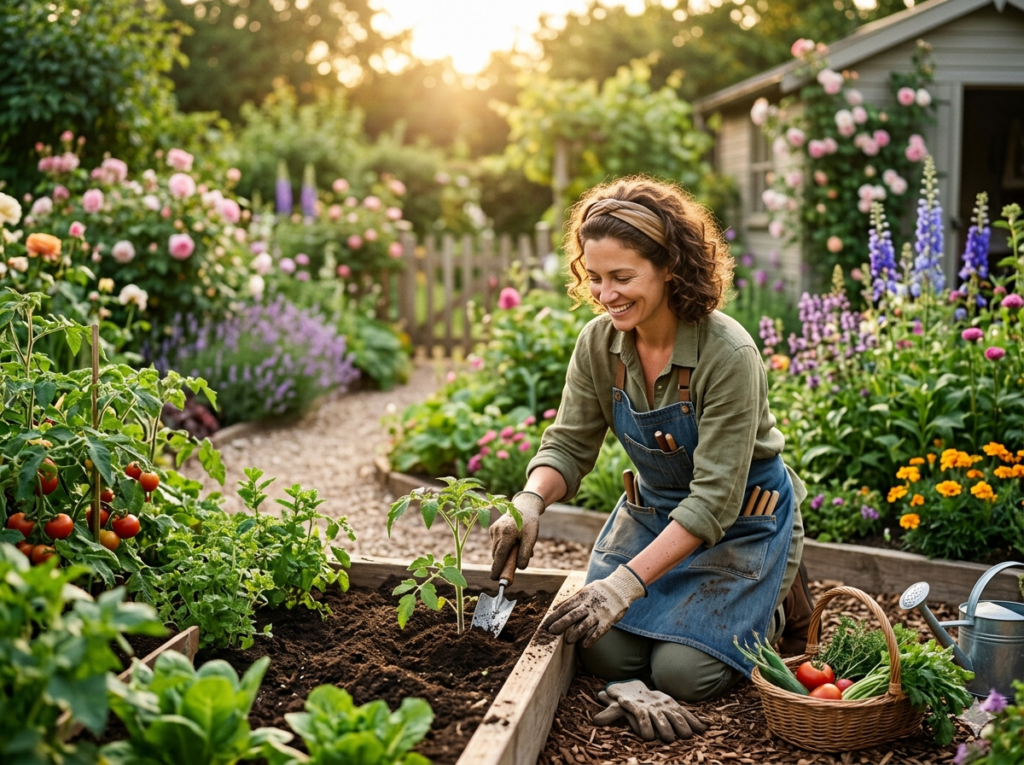
Gardening looked easy when I first saw it online. Clean pots. Bright flowers. Happy people with fresh herbs in neat rows. Real life felt much messier. I had dirt on my hands, sweat on my neck, and deep worry over one small tomato plant that started to bend for no clear reason.
Even then, gardening kept pulling me back outside. Each morning felt calm in a new way. The smell of wet soil after rain felt fresh and rich. Warm light on green leaves looked soft at sunrise. Bees moved from flower to flower with a low hum that made my small space feel alive.
One thing surprised me most. Gardening helped clear my mind. After long hours on my phone and laptop, watering plants gave my brain a break. I felt less tense. Some days, I spent only ten minutes with my plants, but those few minutes changed my mood.
Small habits slowly became part of my day:
- Checking leaves before breakfast
- Moving pots toward the sun
- Pulling weeds after rain
- Picking fresh mint for tea
- Watching tiny seedlings grow
Fresh herbs and vegetables also changed how food felt to me. Basil smelled strong and sweet right after watering. Warm cherry tomatoes tasted better straight from the vine. Mint made cold drinks feel fresh on hot days. Those small things made gardening feel personal and real.
I also noticed more bees and butterflies near my plants. A few flowers turned a quiet corner into a lively space. Pollinator-friendly plants brought color, sound, and movement into my small garden.
At first, I had the same fears most beginners have:
- “What if everything dies?”
- “What if I mess this up?”
- “What if my space is too small?”
Some plants did die. I gave mint too much water. I left one flower pot in strong afternoon heat and burned the leaves. It felt bad at the time, but those mistakes helped me learn faster.
Gardening does not need perfect skill. It needs care, patience, and close attention. The more time I spent watching soil, sunlight, and leaves, the easier gardening became.
A Tiny Balcony Garden Can Still Feel Huge
I started gardening on a tiny apartment balcony. There was barely enough room for one chair and a few pots. My setup was simple. Old buckets, used food cans, and two clay pots from a local shop.
I planted mint, green onions, and cherry tomatoes near the railing where sunlight stayed longest. Some evenings, I sat there with tea and checked new leaves like they were big news. Small growth started to feel exciting in a strange but good way.
Container gardening taught me one hard lesson very fast. Most beginners give plants too much water. I did the same thing. I thought more water would help plants grow faster. Instead, the soil stayed wet, and the roots struggled.
Now I keep things simple:
- Touch the soil first
- Water only when the top feels dry
- Use pots with drainage holes
- Skip late-night watering
That small balcony garden changed how I see empty spaces. A few healthy plants, fresh air, and ten quiet minutes outside can change the feel of an entire day.
Understanding Your Gardening Zone Before Planting Anything
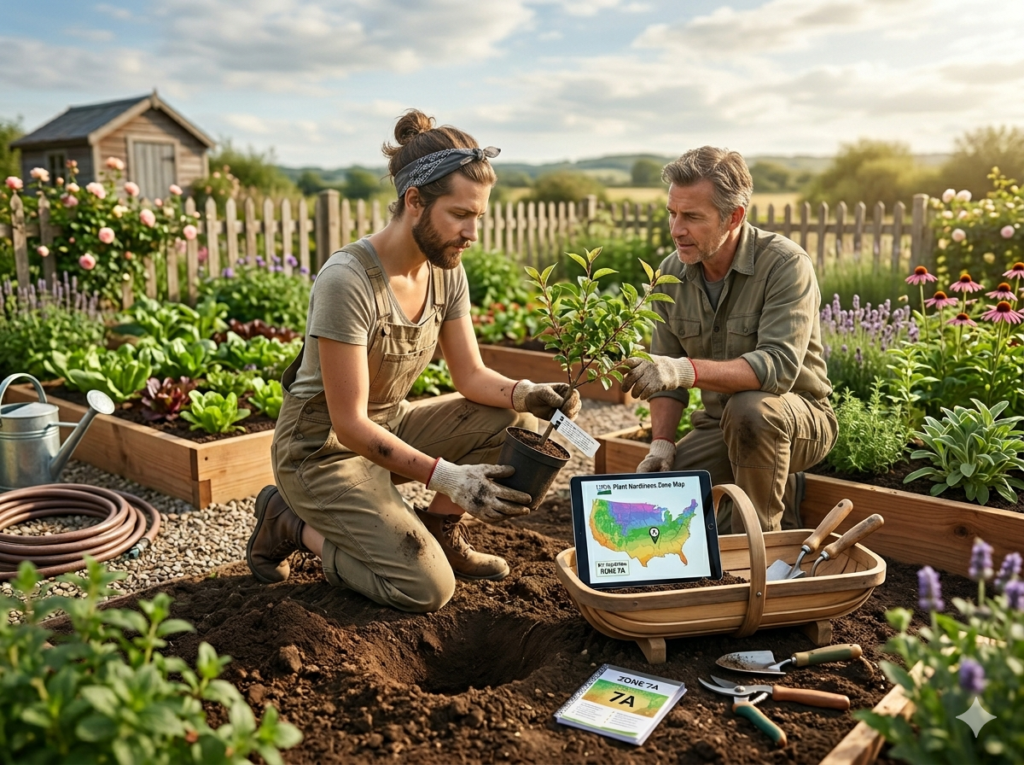
I made a big gardening mistake when I first started. I bought plants because they looked pretty, not because they matched my weather. By July, the leaves turned dry and brown. One flower plant died in less than two weeks. That was when I learned a hard truth. Good gardening starts with climate, not just water and sunlight.
Many new gardeners ask, “what gardening zone am i in” or “what is my gardening zone.” I asked the same thing after losing a few plants. Then I learned about USDA Plant Hardiness Zones. These zones show how hot or cold an area gets during the year. They help you pick plants that can grow well where you live.
Your gardening zone affects many things:
- Winter survival
- Summer heat stress
- Planting time
- Frost risk
- Water needs
At first, gardening zones sounded hard to understand. Later, they made perfect sense. Some plants love cool air and mild sun. Others grow best in strong heat. A healthy plant in one zone may struggle badly in another.
I learned this with lavender. I bought one because it looked great in photos. My balcony stayed hot and humid most days, and the plant slowly failed. Mint, on the other hand, grew fast and spread everywhere with almost no effort.
Warm and cold regions also change how gardening feels. In cool zones, spring planting starts later. In hot zones, summer heat can burn leaves very fast.
Now I check a few simple things before planting:
- Summer heat
- Winter cold
- Frost dates
- Rain levels
- Daily sunlight
Checking your gardening zone is easy now. I use a ZIP code gardening zone map online. I type my ZIP code, and the tool shows my USDA zone in seconds. That one step helps avoid many beginner mistakes.
I also learned that frost dates, heat tolerance, and humidity all matter in different ways.
- Frost dates show when cold weather may hurt plants
- Heat tolerance shows how much heat plants can handle
- Humidity affects soil and leaf health
Zone 5 gardening feels very different from Zone 9 gardening. Zone 5 has colder winters and a shorter growing season. Zone 9 stays warm much longer, but strong summer heat can stress many plants.
Plants That Grow Well in Different Gardening Zones
Once I learned my gardening zone, plant shopping became much easier. I stopped wasting money on plants that could not survive my weather.
Cooler climates often grow these plants well:
- Spinach
- Kale
- Peas
- Chives
- Lettuce
Warmer zones usually do better with heat-loving plants:
- Tomatoes
- Peppers
- Rosemary
- Okra
- Zinnias
Some flowers also handle strong sun better than others. Marigolds and sunflowers stayed healthy on my balcony even during very hot days.
I also started using more native plants in my gardening space. Native plants already match the local climate. They often need less water and less care, which makes life easier for beginners.
Beginner Mistake: Ignoring Sunlight
I once thought all sunlight was the same. I was wrong. One side of my balcony got soft morning light. The other side got strong afternoon heat that dried the soil much faster.
Some plants need full sun, which means about six hours of direct light each day. Others grow better in partial shade, especially in hot weather.
Now I watch sunlight before placing any plant. I check:
- Morning sun
- Afternoon heat
- Shady spots
- How long light stays in one area
This small habit improved my gardening more than any tool I bought. One simple move from harsh sun to soft light saved several plants on my balcony.
Essential Gardening Tools That Actually Help
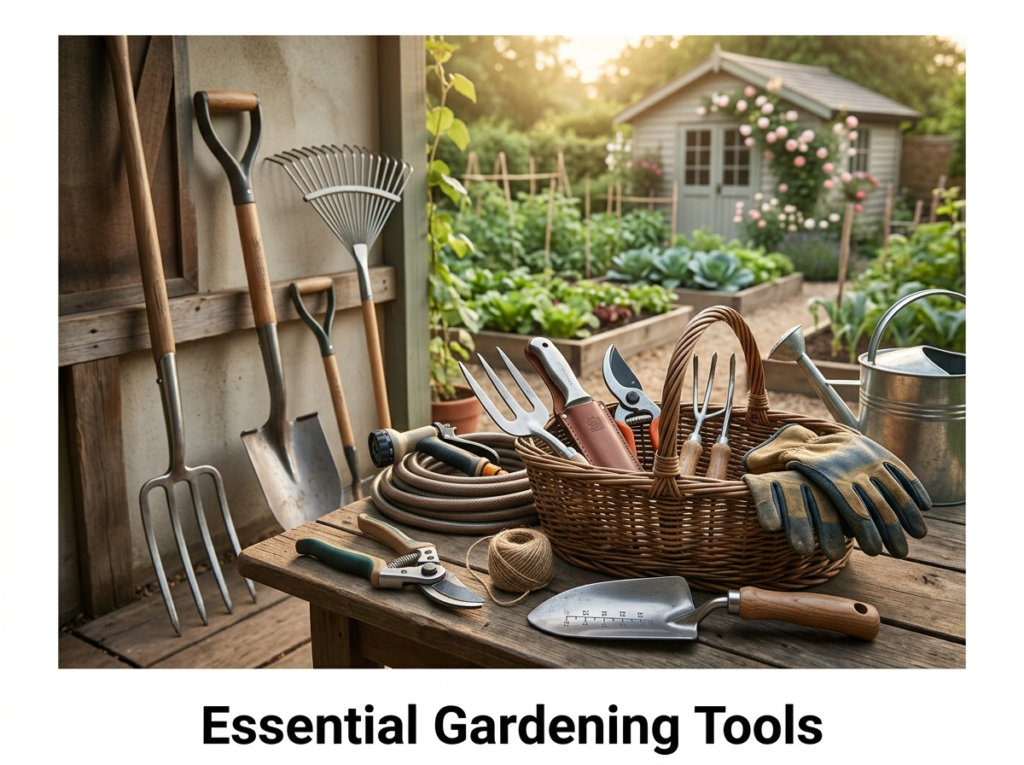
When I first started gardening, I thought I needed lots of tools. Online videos showed huge gardening sets with shiny gear and fancy bags. Real life felt very different. I used the same few tools again and again. Once I kept things simple, gardening became less stressful and much more fun.
My hand trowel became my most-used tool. It helped me dig small holes, move soil, plant herbs, and fix crowded roots. It was not expensive, but it made daily gardening much easier.
Pruning shears also helped a lot. At first, I used old kitchen scissors to cut dry stems. The cuts looked rough, and some plants stayed weak after trimming. Later, I bought sharp pruning shears, and the plants looked healthier after each cut.
These are the gardening tools I use most:
- Hand trowel
- Pruning shears
- Gardening gloves
- Watering can
- Garden hose
- Raised beds
- Plant pots and containers
- Organic mulch
Gardening gloves mattered more than I expected. Soft soil feels nice, but rough stems and dry branches can hurt your hands fast. I learned that after trimming a rose plant with bare hands one hot day.
Watering tools also make a big difference. My first watering can leaked from the bottom after a few weeks. Later, I bought a simple metal watering can with a long spout. It gave better control and wasted less water near seedlings.
Raised beds and containers helped me deal with poor drainage on my balcony. Pots dried faster and gave roots more protection during heavy rain. Raised beds can also help people who have hard soil or back pain.
I ignored compost at first because it sounded messy. Later, I tried a small compost bin with dry leaves, tea bags, and fruit peels. After some time, the soil looked darker and softer. My plants grew better with less effort.
Organic mulch helped during hot weather too. I spread dry leaves around my plants to keep moisture in the soil. That simple step reduced watering and kept roots cooler during summer heat.
Tools Worth Spending More Money On
Some gardening tools are worth the extra money. I learned this after buying cheap tools that broke very fast.
These tools made the biggest difference for me:
- Sharp pruning shears
- Strong gardening gloves
- Rust-resistant tools
Cheap pruners became dull very quickly. They damaged stems instead of making clean cuts. Thin gloves also ripped after only a few days.
Rust-resistant tools last longer too. I once left a cheap trowel outside after rain. Rust covered it in less than a week. Now I dry my tools after use and buy stronger metal when possible.
Things Beginners Buy but Rarely Use
I wasted money on several gardening items that looked useful online. Most stayed in a corner after the first week.
These are the tools I rarely use now:
- Decorative gardening gadgets
- Cheap plastic watering tools
- Complex irrigation kits
One plastic spray bottle broke after one small fall. Another watering tool clogged all the time and became annoying to clean.
Complex irrigation kits also caused problems for me. I spent more time fixing pipes than caring for plants. For small gardening spaces, simple watering methods often work best.
Now I keep my gardening setup simple. Fewer tools mean less stress and more time with healthy plants. That balance made gardening feel calm again.
Choosing the Right Plants for Your Space
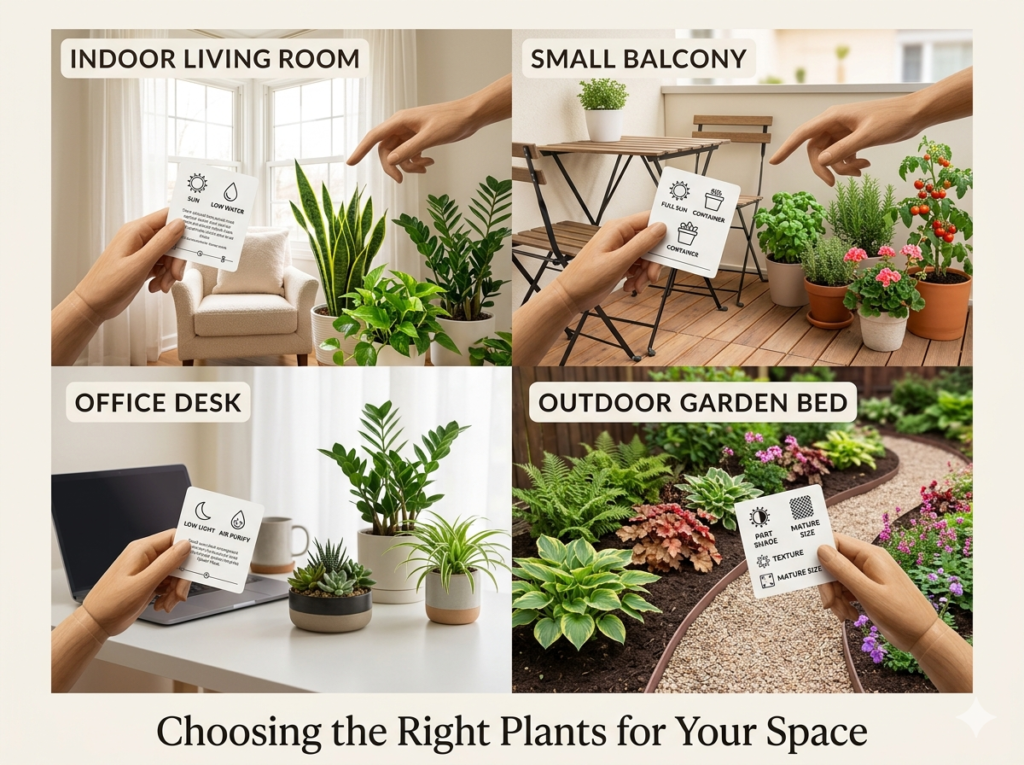
Gardening taught me one lesson very fast. Not every plant fits every space. Some plants grow well with little care. Others start looking sad after one hot day or too much water. I learned this after buying a pretty plant that looked great in the store but struggled on my balcony a few days later.
Now I think about space, sunlight, air, and time before buying new plants. That one habit made gardening much easier for me.
Indoor gardening feels very different from outdoor gardening. Indoor plants need steady light and careful watering. Outdoor plants deal with rain, wind, heat, and bugs. I enjoy both, but outdoor gardening taught me more patience.
Some vegetables are much easier for beginners to grow. These gave me the best results early on:
- Lettuce
- Tomatoes
- Green onions
- Spinach
Lettuce grew fast during cool weather. Green onions needed very little care. Tomatoes took more sunlight, but fresh tomatoes from the vine tasted amazing.
Flowers also changed the feel of my gardening space. I started with simple flowers because I wanted plants that could handle small mistakes.
These flowers worked best for me:
- Marigolds
- Zinnias
- Sunflowers
Marigolds handled strong heat well. Zinnias added bright color for weeks. Sunflowers made my small balcony feel warm and cheerful.
Herbs became my favorite plants because they smelled good and helped with cooking too.
These herbs stayed easy to grow:
- Basil
- Mint
- Rosemary
Mint grew so fast that I had to move it into its own pot. Basil loved warm mornings and sunlight. Rosemary grew more slowly but needed less water over time.
I also learned about companion planting. Some plants grow better near each other. Basil near tomatoes worked well in my containers. Flowers near vegetables helped bring bees and pollinators into the garden.
Native plants helped me the most in the long run. These plants already match the local weather, so they often need less water and less care.
Best Plants for Small Spaces
I once thought gardening needed a big yard. Later, I learned small spaces can still grow a lot of healthy plants.
My balcony stayed tiny, but I found simple ways to use the space better.
These ideas helped me most:
- Vertical gardening shelves
- Hanging baskets
- Window boxes
- Stackable planters
Vertical gardening saved space and gave plants more sunlight. Hanging baskets worked well for herbs and flowers. Window boxes turned empty corners into growing spots. Stackable planters helped me fit more plants into one small area.
Even a small balcony or window can hold a healthy garden with the right setup.
Plants That Beginners Accidentally Kill Often
Some plants look easy but become hard for beginners very fast. I learned this through trial and error.
Lavender was one of my first mistakes. I kept it indoors where the air stayed humid and still. The plant slowly became weak and dry.
Succulents also gave me trouble. I watered them too often because the top soil looked dry. The roots stayed wet underneath and started to rot.
Orchids looked beautiful, but they needed careful light, water, and humidity. They were harder to manage than I expected.
These plants often cause problems for beginners:
- Lavender indoors
- Overwatered succulents
- Sensitive orchids
That does not mean you should avoid these plants forever. It just helps to start with easier plants first. Small gardening wins build confidence much faster.
Soil, Water, and Sunlight: The Three Things Plants Constantly Need
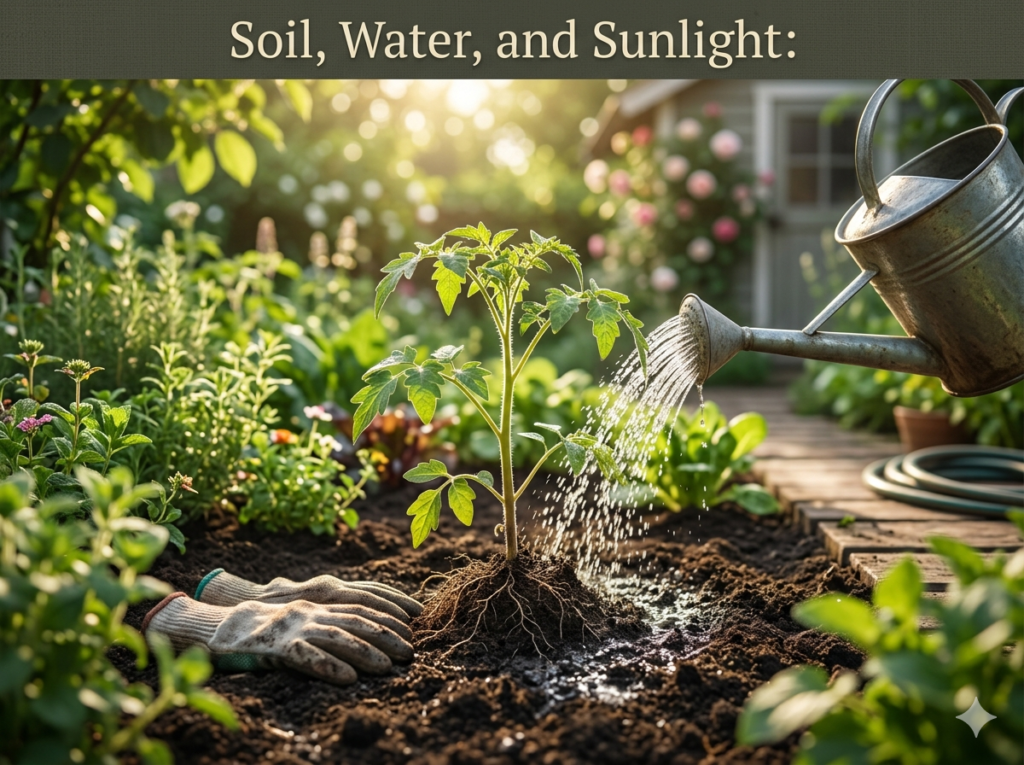
Gardening taught me one simple truth. Healthy plants usually start with healthy soil. At first, I blamed weak plants on bad seeds or bad luck. Later, I learned the real problem was often under the roots.
In my first few months of gardening, I used heavy garden soil in small pots. The soil stayed wet for too long, and some roots started to rot. Later, I switched to light potting mix. My plants looked healthier within days.
Garden soil and potting mix work in different ways.
- Garden soil works best in outdoor beds
- Potting mix works better in pots and containers
- Potting mix drains water faster
Good drainage matters a lot in gardening. If water sits around roots for too long, plants can turn weak very fast. Leaves may droop, turn yellow, or stop growing.
I learned this after giving basil too much water during a humid week. The soil stayed wet, and the plant looked tired after only a few days.
Now I pay close attention to drainage. Pots with holes at the bottom helped more than I expected. I also keep soil loose because roots need air too.
Compost changed my gardening results in a big way. I started adding dry leaves, tea bags, and fruit peels to a small compost bin. After some time, the soil became darker, softer, and easier to work with.
Organic matter helps soil in many ways:
- Holds water longer
- Improves airflow
- Feeds plant roots slowly
- Keeps soil healthy
I also learned a little about soil pH. Some plants like slightly acidic soil. Others grow better in neutral soil. I do not test soil often, but I pay attention when plants keep struggling.
Watering took me the longest time to learn. In the beginning, I watered almost every day because I thought more water meant faster growth. That idea caused many problems.
Now I water based on the soil, not the date.
These simple habits helped me most:
- Check soil before watering
- Water deeply, not lightly
- Use pots with drainage holes
- Avoid watering late at night
Morning watering works best for me. The air feels cooler, and leaves dry faster after sunrise. Early watering also helped reduce fungus problems during humid weather.
Over time, I learned how plants react to too much or too little water.
Signs of overwatering:
- Yellow leaves
- Soft stems
- Wet soil for days
- Mold smell
Signs of underwatering:
- Dry soil
- Crispy leaf edges
- Drooping plants
- Slow growth
How Soil Feels When It Needs Water
I used to guess when plants needed water. That caused many mistakes. Now I touch the soil first.
Dry soil feels loose and crumbly. Damp soil feels cool and soft but not muddy. If the soil sticks heavily to my fingers, I wait before watering again.
The finger-test method became one of my best gardening habits. I place one finger about an inch into the soil.
- Dry soil means water now
- Damp soil means wait a little longer
- Muddy soil means too much water
That one small habit saved several plants on my balcony.
Mulching Makes Gardening Easier
I ignored mulch for a long time because it looked boring. Later, I realized mulch quietly solves many gardening problems.
Now I place dry leaves, bark, or straw around my plants. Mulch helps soil stay moist longer and slows weed growth.
Mulch also helps by:
- Keeping roots cool
- Slowing water loss
- Protecting soil in heat
- Reducing watering needs
During hot summer days, mulched pots stayed damp much longer than bare soil. That small change made gardening feel easier and less stressful.
Seasonal Gardening Tips Throughout the Year
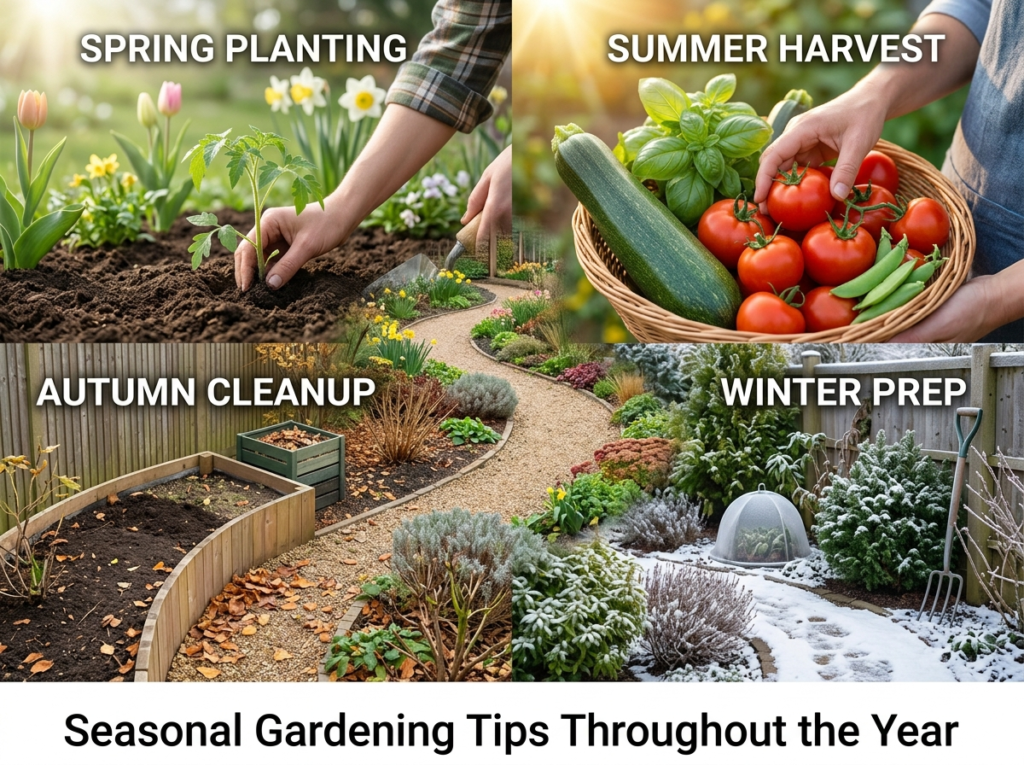
Gardening changes with each season. A cool spring morning feels very different from a hot day in late summer. I learned this after caring for plants the same way all year long. Some plants loved spring rain. Others struggled badly in summer heat.
Spring became my favorite time for gardening. Fresh leaves showed up everywhere, and the air felt soft after winter. I used spring to clean pots, refresh soil, and plant new herbs and flowers.
My simple spring gardening checklist looks like this:
- Clean old pots
- Remove dry leaves
- Add fresh compost
- Start seeds
- Check soil drainage
- Watch frost dates
I once planted tomatoes too early because the weather felt warm for a few days. Then cold rain came back, and the plants turned weak fast. That mistake taught me to check the weather more carefully.
Summer gardening needs more attention. Soil dries out much faster during heat waves, especially in pots and containers. During my first summer, I watered too lightly and lost several herbs.
Now my summer gardening habits stay simple:
- Water deeply in the morning
- Check soil every day
- Add mulch around plants
- Move weak plants into shade
Hot weather can stress plants quickly. Leaves may droop even when the soil still feels damp. During very hot weeks, I focus more on keeping roots cool than growing new plants fast.
Fall gardening feels slower and calmer. The air cools down, and plants stop growing so quickly. I use this season to clean up the garden and prepare for colder months.
My fall gardening routine includes:
- Remove dead plants
- Pull weeds
- Save healthy seeds
- Add compost to soil
- Clean gardening tools
Fall also taught me about crop rotation. I once planted the same herbs in the same container again and again. The soil became weak over time. Moving plants to different spots helped the soil stay healthier.
Winter gardening looks quiet, but there is still work to do. One year, I ignored my balcony garden during winter. By spring, several pots had cracked from cold weather.
Now I prepare for winter by:
- Covering weak plants
- Bringing tools indoors
- Emptying damaged pots
- Adding mulch to soil
Small winter tasks make spring gardening much easier later.
Morning Gardening vs Evening Gardening
I used to garden whenever I had free time. Later, I noticed morning and evening gardening felt very different.
Morning gardening became my favorite in summer. The air felt cool, and plants looked fresh after sunrise. I also saw fewer bugs early in the day.
Morning gardening helps with:
- Cooler air
- Less water loss
- Fewer pests
- Faster drying leaves
Evening gardening feels calm in another way. After long work days, watering plants at sunset helped me relax. Soft evening light made the garden feel peaceful.
Still, I try not to water too late at night. Wet leaves can lead to fungus problems during humid weather.
What Gardeners Usually Do on Rainy Days
Rainy days changed my gardening routine. At first, I thought gardening stopped when rain started. Later, I found many useful things to do indoors.
Now rainy gardening days usually include:
- Organizing seed packets
- Cleaning tools
- Washing old pots
- Planning next season
- Reading gardening tips
Seed organization helped me more than I expected. I once lost several herb packets because I tossed them into one drawer. Now I label everything before each season starts.
Tool cleaning also matters a lot. Dirty tools rust faster and may spread plant disease. A few quiet minutes cleaning tools during rain can save problems later.
Some of my best gardening ideas started on slow rainy afternoons with tea, notebooks, and muddy shoes near the door.
Common Gardening Problems and Easy Fixes
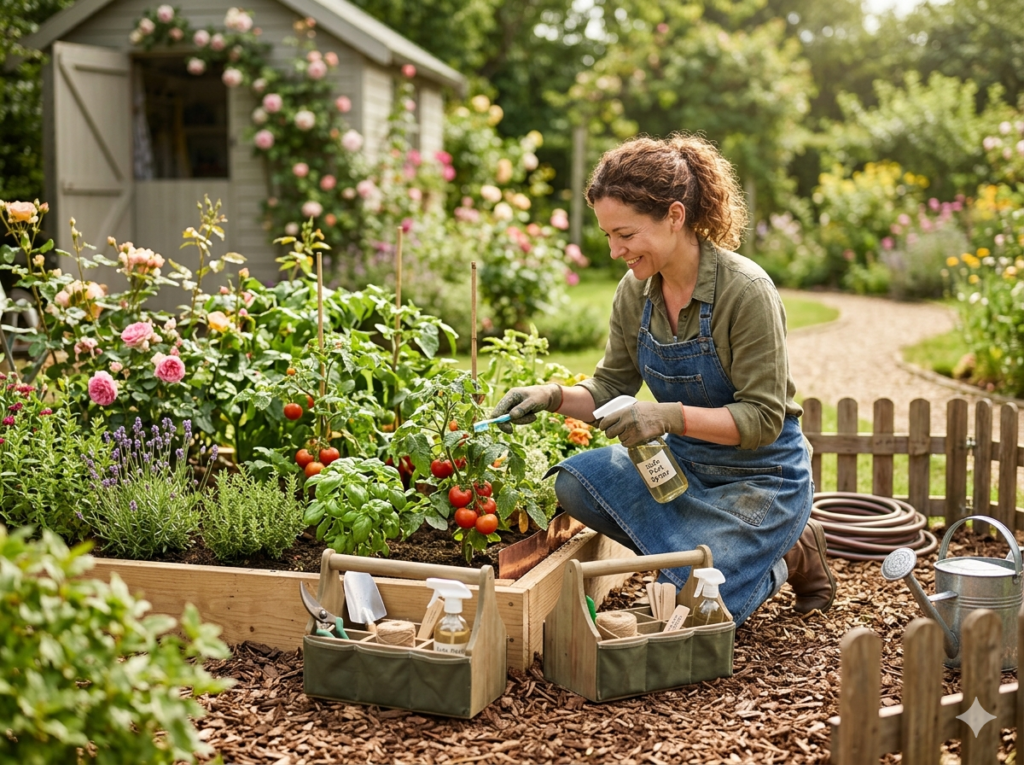
Every gardener faces problems. I still search things like “why are my leaves turning yellow” late at night sometimes. One week, my basil looked fresh and healthy. A few days later, the leaves turned pale and soft. Gardening can change very fast.
Yellow leaves confused me at first. I thought yellow leaves always meant a dying plant. Later, I learned many small things can cause the problem.
Yellow leaves may happen because of:
- Too much water
- Dry soil
- Poor drainage
- Weak sunlight
- Low nutrients
I once watered mint too often during rainy weather. The soil stayed wet for days, and the leaves turned yellow very fast. Another time, summer heat dried my tomato pots too quickly, and the leaves curled from stress.
Wilting plants also fooled me in the beginning. I thought drooping leaves always meant dry soil. That is not always true. Plants can wilt from too much water too.
Now I check a few simple things before watering:
- Soil moisture
- Sunlight
- Drainage holes
That small habit helped my gardening more than I expected.
Pests became part of gardening life very quickly. One morning, I found tiny holes all over my spinach leaves. Another day, small aphids covered the soft stems on my pepper plant.
The pests I see most often are:
- Aphids
- Slugs
- Spider mites
Aphids hide under leaves and near fresh growth. Slugs chew rough holes through soft leaves. Spider mites leave pale dots and thin webs on plants.
I try natural pest control first before using strong sprays.
These methods helped me most:
- Spray leaves with water
- Remove pests by hand
- Use neem oil
- Grow flowers near vegetables
Neem oil helped with aphids in my container garden. Still, I learned not to spray it during hot afternoon sun because some leaves became stressed.
Marigolds also helped my gardening space. Bees visited more often, and pest problems seemed smaller near those flowers.
Fungus problems showed up during humid weather. I once watered plants late at night for several days. Soon after, white spots appeared on a few leaves.
Now I prevent fungus by:
- Watering early
- Keeping leaves dry
- Giving plants more space
- Removing weak leaves fast
Good airflow matters more than many beginners think. Crowded plants stay wet longer and create problems faster.
Signs Your Plant Is Healthier Than It Looks
Some plants look weak for a short time and still recover well. Gardening taught me not to panic over every yellow leaf.
These signs usually mean the plant is still healthy:
- New leaves near the base
- Firm stems
- Strong roots
One tomato plant on my balcony looked terrible after a heat wave. The leaves drooped badly for two days. Then small new leaves appeared near the stem, and the plant slowly recovered.
Strong roots matter more than perfect leaves. Healthy roots help plants recover faster after stress.
Small Gardening Wins That Feel Weirdly Exciting
Gardening problems feel frustrating sometimes, but small wins feel exciting in a strange way too.
My first tomato harvest felt much bigger than it should have. I stood on my balcony holding one warm tomato like it was a prize.
These small moments changed gardening for me:
- First tomato harvest
- Tiny seedlings pushing through soil
- Bees visiting flowers
- Fresh basil picked for dinner
One morning, I watched bees move around my marigolds while soft sunlight hit the leaves after rain. My whole balcony felt calm and alive.
Those small moments made gardening feel less about perfect plants and more about slow, happy progress.
Where to Learn Gardening Online Without Feeling Overwhelmed
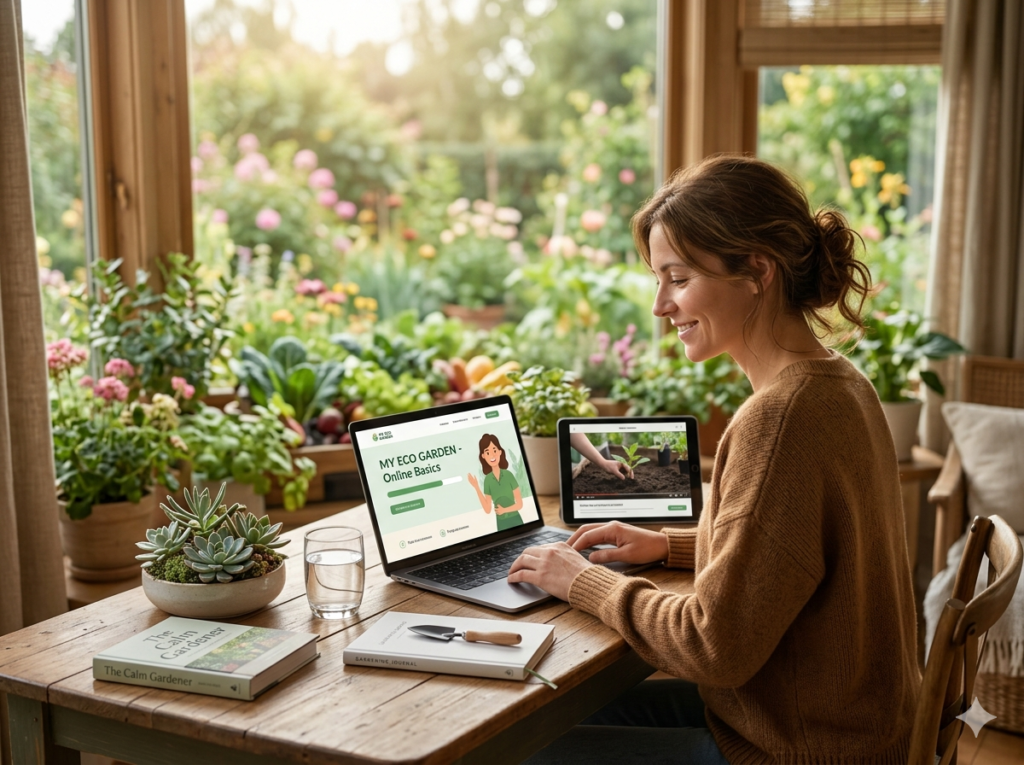
Gardening advice online can feel endless. One video says water every day. Another says water once a week. I remember sitting on my balcony late at night, reading tips about one yellow leaf and feeling more confused than before.
If you are asking where to learn gardening online, start small. That helped me more than trying to learn everything at once. I stopped chasing perfect advice and focused on simple lessons from real gardeners.
These gardening sources helped me most:
- YouTube gardening channels
- Local extension office websites
- Gardening forums
- Facebook gardening groups
- Seasonal gardening newsletters
YouTube became my favorite place to learn gardening basics. Watching someone mix soil, trim herbs, or fix weak plants felt easier than reading long guides. Real garden updates also showed me that mistakes happen to everyone.
Local extension office websites helped me a lot too. The advice matched my weather and growing season better than random online tips. That made gardening problems easier to solve.
Gardening forums helped in a different way. I could read real questions from beginners and see honest answers from other gardeners. Still, I learned to be careful. Advice that works in cool weather may fail in hot, humid places.
Now I always check:
- Climate
- Humidity
- Gardening zone
- Plant type
- Sunlight levels
Facebook gardening groups also surprised me. People shared dead plants, bug problems, and slow growth instead of only perfect flowers. That made gardening feel less stressful and more real.
Seasonal gardening newsletters became useful too. Small reminders about frost dates, pruning, and planting times helped me stay organized.
Gardening Communities That Teach Through Experience
Some of the best gardening lessons came from other gardeners, not expert articles.
Reddit gardening groups showed me many simple fixes for common problems. One gardener used mulch to stop dry soil. Another shared tips for saving weak herbs during summer heat.
Local gardening clubs taught me useful habits too. One older gardener showed me how to check soil with my finger before watering. That one tip saved several plants on my balcony.
Community gardens helped me learn faster because I could watch real people grow plants in real conditions.
These places helped me most:
- Reddit gardening groups
- Local gardening clubs
- Community gardens
- Small gardening forums
The best part was seeing honest trial-and-error learning instead of perfect results all the time.
Learning by Watching Real Gardens
Watching real gardens changed how I think about gardening. Perfect photos online often hide the hard parts. Real gardens show dry leaves, crowded pots, slow growth, and bug damage too.
I learned a lot from:
- Seasonal garden tours
- Before-and-after garden projects
- Balcony garden updates
- Trial-and-error videos
One gardener shared how summer heat damaged tomato plants. Another showed how overwatering hurt indoor herbs. Those honest stories helped me stay patient with my own gardening mistakes.
Before-and-after garden projects also gave me ideas for small spaces. I learned that healthy gardening does not need a huge yard or expensive setup. A few pots, fresh soil, sunlight, and time can still create a calm and happy space.
Visiting Famous Gardens Can Change How You Garden at Home
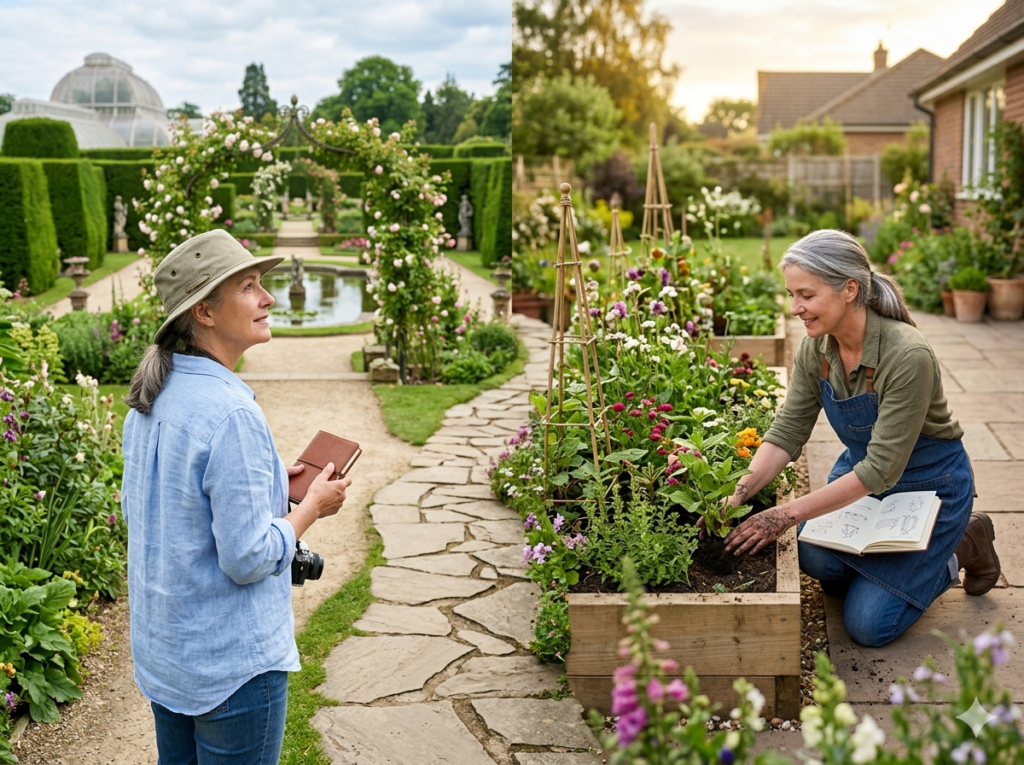
The first time I visited a public garden, I stayed much longer than I planned. Photos online looked nice, but real gardens felt very different. I could smell wet soil after watering. Bees moved around flowers. Warm light hit the leaves in soft ways.
That visit changed how I think about gardening.
Before that day, I copied random ideas from social media. Some worked. Many failed. Public gardens helped me see how real plants grow together in real spaces.
I started noticing simple things like:
- Plant spacing
- Shade areas
- Flower colors
- Garden paths
- Pollinator plants
One garden used bright flowers beside soft green plants. Another mixed herbs and flowers in a calm way. The layouts looked natural and easy to follow.
I also learned that plant size matters. Some plants looked small in photos but grew much wider in real life. I made that mistake once with mint and basil in the same pot. The mint took over everything.
Public gardens also gave me ideas for:
- Small garden layouts
- Balcony gardening setups
- Native plant areas
- Flower bed shapes
- Quiet seating corners
Seeing these ideas in person helped me understand gardening better than pictures alone.
Why People Visit Will Roger Gardens
I understood why people visit “will roger gardens” after walking through large garden spaces myself. Famous gardens give people fresh ideas for flowers, colors, and outdoor spaces.
One thing stood out right away. Every section felt different. Some areas looked bright and cheerful. Others felt cool and quiet under trees and shade.
I learned a lot by slowly walking and watching how plants worked together.
These details helped me most:
- Flower color mixes
- Tall and short plant layers
- Pollinator-friendly gardening
- Outdoor decor ideas
- Seasonal flower displays
Some plants handled strong sun very well. Others grew better in cooler shade. That helped me understand why a few of my balcony plants struggled during summer heat.
I also noticed how gardens mix texture and color. Soft grasses beside bright flowers looked simple but beautiful. Later, I tried that same idea at home with herbs and marigolds.
Seasonal displays taught me another lesson. Gardens change all year long. A space that looks full in spring may look very different in fall.
Taking Notes During Garden Visits
Now I always take notes during garden visits. Small ideas are easy to forget later.
I usually take:
- Photos of garden layouts
- Pictures of plant labels
- Notes about shade areas
- Color combination ideas
One visit helped me fix a big mistake at home. I noticed taller plants protected smaller plants from harsh afternoon sun. After that, I moved a few pots on my balcony, and the leaves stopped burning.
I also started paying attention to spacing. I used to place plants too close together because empty soil looked strange to me. Public gardens showed me that healthy plants need room to breathe.
Plant labels helped me too. I once found a flower that stayed healthy during strong summer heat. I wrote down the name and later planted it at home.
Now garden visits feel less like sightseeing and more like learning. I always come home with new ideas, too many photos, and fresh excitement for gardening.
Simple Gardening Habits That Make a Big Difference
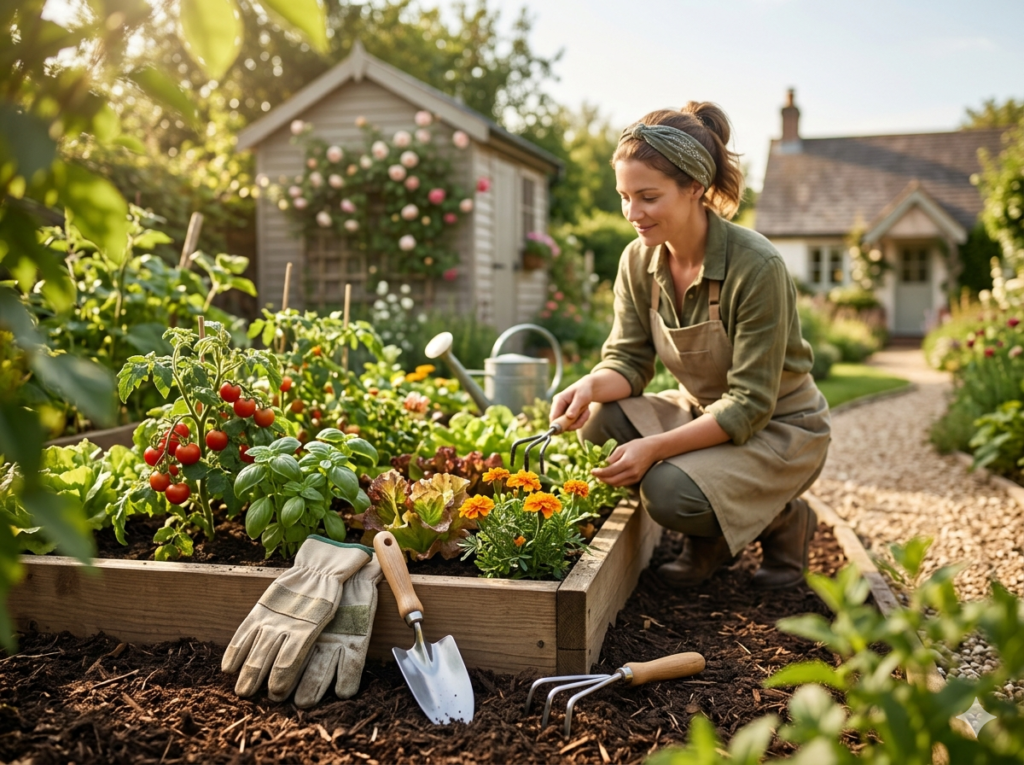
Most of my gardening success came from small daily habits. Not perfect skill. I once thought good gardeners had special talent. Later, I learned they mostly stayed steady.
Some days, I spent only five quiet minutes with my plants. Even that small effort helped more than long weekend work.
One habit changed my gardening very fast. I started checking my plants each morning before breakfast. I looked at the leaves. I touched the soil. I noticed small changes early.
That quick check helped me spot:
- Dry soil
- Yellow leaves
- Tiny pests
- Weak stems
- Burned leaves
Before that, I often found problems too late.
Watering also became easier once I stopped watering a little each day. I learned to water deeply instead. Deep watering helped roots grow strong.
Now I try to:
- Water slowly
- Let soil drain well
- Check soil first
- Keep leaves dry at night
That simple habit solved many gardening problems on my balcony.
Turning containers also helped a lot. One side of my balcony got more sun, so some plants leaned toward the light.
Now I turn my pots every few days for:
- Even sunlight
- Straight growth
- Healthier leaves
- Better balance
I also started keeping a small gardening notebook. At first, it felt silly. Later, it saved me from making the same mistakes again.
I write down things like:
- Planting dates
- Water changes
- Pest issues
- Fast growers
- Failed plants
One summer, I forgot which herbs hated strong heat. My notes helped me avoid the same problem the next year.
Labeling seedlings early became another good habit. I once mixed up basil and mint because the tiny leaves looked alike. Later, the mint spread fast and took over the pot.
Now I label pots as soon as seeds grow.
Gardening also taught me to stop chasing perfect results. Some leaves turn yellow. Some flowers fade fast. Some plants fail no matter how careful you are.
Small progress matters more.
Now I celebrate little wins like:
- New leaves
- Strong roots
- Fresh herbs
- Tiny flowers
- Healthy seedlings
Those small moments made gardening feel calm instead of stressful.
Gardening Slowly Becomes Personal
Gardening became personal over time. At first, plants were only small decor on my balcony. Later, each plant held a memory.
Mint reminds me of hot days and cold tea. Basil reminds me of rainy mornings and simple dinners. One sunflower still reminds me of the summer it finally bloomed after weeks of slow growth.
Over time, favorite plants changed with each season.
Some plants stayed special because they grew well. Others mattered because they survived hard weather.
Gardening also helped me connect with people. One evening, I shared extra tomatoes with a neighbor. Another time, someone gave me rosemary cuttings after seeing my balcony garden.
Those small moments stayed with me.
Long gardening days also started feeling peaceful. After watering plants at sunset, I often sat quietly and watched leaves move in the soft wind.
No perfect garden gave me that feeling. Small daily care did.
FAQ About Gardening
What is the best way to start gardening at home?
Start gardening with easy plants, small pots, and good soil. Focus on sunlight and watering first. Learn more about beginner-friendly gardening tips.
How often should I water plants in gardening?
Gardening plants need water only when soil feels dry. Too much water can harm roots fast. Learn more about simple plant watering habits.
Which plants are best for beginner gardening?
Mint, basil, lettuce, and marigolds are great for beginner gardening. They grow fast and need simple care. Learn more about easy plants.
Why do leaves turn yellow in gardening?
Yellow leaves in gardening often mean too much water, weak sunlight, or poor drainage. Check soil first. Learn more about plant care fixes.
Does gardening need full sunlight every day?
Many gardening plants need 6 hours of sunlight daily, but some grow well in shade too. Learn more about choosing the right plant spots.