Images of herb gardens can help you plan a space that looks good and supplies fresh herbs for everyday cooking. Look for layouts that fit your yard, sunlight, climate, and available room. You can grow useful herbs in a backyard bed, a row of pots, a raised planter, or a sunny kitchen window.
Across the United States, herb gardens take many forms. A homeowner in Texas may have room for a sunny outdoor bed, while someone in a Chicago apartment may rely on pots near a bright window. Gardeners in Maine face a different winter than those in Florida, so plant choice and garden design need to fit the local climate.
The best images of herb gardens show more than neat rows of green plants. They can help you judge plant spacing, pot size, paths, colors, and the way herbs grow together. Still, a photo cannot tell you every detail about soil, drainage, or daily light. Use each image as a starting point, then match the idea to the real conditions in your own space.
Source: storage.googleapis.com
15 Images Of Herb Gardens To Inspire Your Design
The most useful herb garden images give you a clear idea of how to arrange plants. Some show compact pots for small homes, while others feature long beds, stone paths, or lush borders. Compare several styles before you buy plants or build a planter.
Think about what you want the garden to do. A cooking garden should keep common herbs close at hand. A decorative garden may focus on leaf color, shape, scent, and flowers. You can combine both goals without making the layout hard to care for.
Source: mrplanter.com
1. Classic Backyard Herb Bed
Look for images with herbs planted in clear rows or curved groups. This layout suits gardeners who have open ground and want room for several plants. Keep taller herbs toward the back or center, depending on where you view the bed.
2. Herb Garden In Large Pots
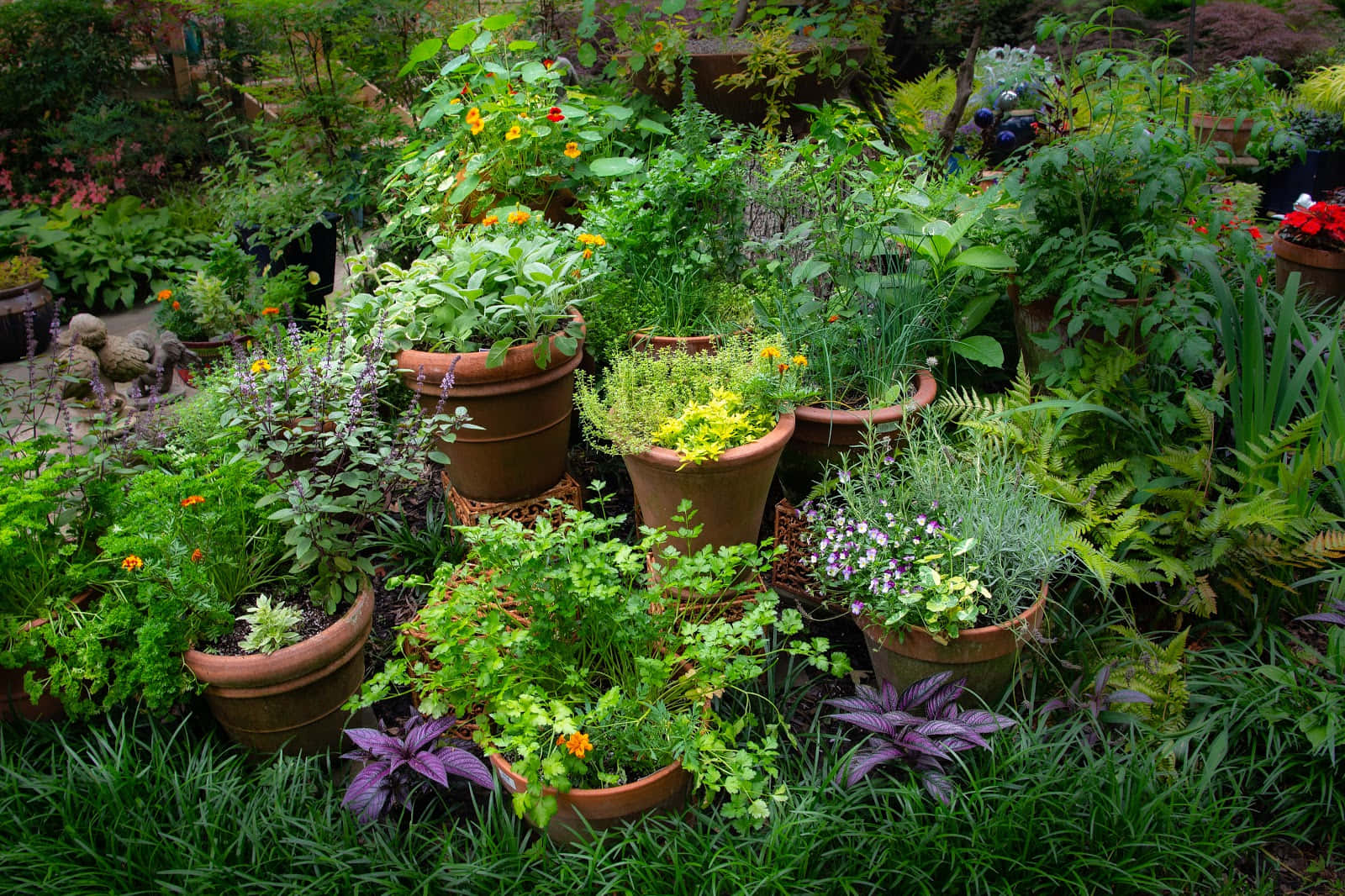
A large pot can hold several compatible herbs in one spot. Choose a container with drainage holes and enough room for mature roots. Check each plant’s water needs before mixing varieties.
3. Raised Herb Garden
Raised beds make it easier to reach plants and manage the soil. They work well in yards with poor native soil, but they can dry out faster than in-ground beds. Plan for regular watering during hot weather.
A few pots on a patio can supply fresh basil, parsley, thyme, or chives. Set them where they receive suitable light without blocking doors or walking paths. A wheeled plant stand may help if you need to move pots.
5. Indoor Kitchen Herb Garden
Images of herbs on a bright kitchen sill can inspire a simple indoor setup. The key is enough light, a pot with drainage, and a way to catch excess water. Many kitchen windows provide less sun than they seem to, so watch how plants respond.
6. Rustic Herb Garden
Wood planters, old clay pots, and simple stone paths can give a garden a relaxed look. Make sure reused containers are clean and safe for growing edible plants. Avoid materials that may leach harmful substances into the soil.
7. Herb Garden Along A Fence
A narrow bed beside a fence can make good use of unused yard space. Check how much sun the fence casts during the day. Place plants according to their light needs, not just the neat look of the border.
8. Spiral Herb Garden
A spiral bed creates different heights and small growing zones in a compact footprint. Its raised sections and lower pockets may hold different moisture levels. Plan the soil and water pattern before adding herbs.
9. Vertical Herb Garden
Wall-mounted planters and tiered stands can help gardeners use limited floor space. Choose a sturdy support and check the weight of wet soil and pots. Water may drain from one level to another, so make sure lower plants can handle the extra moisture.
10. Herb Garden In A Window Box
Window boxes suit small homes, balconies, and sunny kitchen windows. They are especially useful for shallow-rooted herbs and compact varieties. Secure the box well and confirm that the window or balcony receives enough light.
11. Raised Bed With Stone Edging
Stone edging creates a defined border and may help hold soil in place. Leave enough space to reach every plant without stepping into the bed. Use stones that are stable and safe to walk beside.
12. Herb Garden With A Gravel Path
A simple gravel path gives you access to plants after rain and helps define the garden. Keep gravel away from plant crowns and avoid layouts that send runoff toward your home. The path should be wide enough for easy harvesting.
13. Pollinator-Friendly Herb Garden
Flowering herbs such as thyme, oregano, and chives can attract bees and other pollinators when allowed to bloom. Mix flowering plants with herbs you harvest often. Check local guidance before adding species that may spread aggressively.
14. Herb Garden With Colorful Foliage
Purple basil, silver-leaved sage, and bright green parsley can create visual contrast. Match plants by growing needs first, then use color to shape the design. Leaf color alone does not tell you whether two plants can share a pot.
15. Herb Garden Near The Back Door
A small bed or set of pots near the kitchen door makes fresh herbs easy to pick. Keep the path clear and place the plants where they receive the right light. Convenience matters because a garden you can reach easily is simpler to use.
How To Choose The Right Herb Garden Layout
Choose a layout by checking sunlight, available space, water access, and the herbs you plan to use. A design that looks lovely in a photo may not suit a shady yard or a windy balcony. Start with the site you have rather than trying to copy every detail.
Walk around the space at different times of day. Note where direct sunlight falls and where nearby trees, walls, or buildings cast shade. Also check whether a hose or watering can can reach the plants with little effort.
Source: vecteezy.com
Measure the available area
Record the length and width of the bed, patio, or windowsill. Leave room for doors, steps, paths, and access to nearby fixtures. A small, well-planned garden can be more useful than a crowded large one.
Check the sunlight
Many culinary herbs grow best with several hours of direct sun. Basil, rosemary, thyme, and oregano generally prefer bright conditions. Parsley, mint, and chives can tolerate some partial shade, although growth still depends on the variety and local conditions.
Plan for mature size
Small nursery plants can grow much wider than their pots suggest. Check the plant label for expected height and spread. Give larger herbs enough room so they do not crowd smaller plants.
Make harvesting easy
Place herbs you use often near the door or along the front edge of a bed. Put less-used plants farther back if you can still reach them. Avoid layouts that force you to step on soil or crush nearby stems.
Which Garden Style Fits Your Space?
A container garden is often the easiest starting point for renters and people with limited space. You can move the pots, change the arrangement, and grow different herbs as your needs change. A raised bed may suit a homeowner who wants more growing room and easy access.
Choose containers
Use them for patios, decks, balconies, and small yards. Check drainage, pot weight, and how fast the soil dries.
Choose a raised bed
Use it when you want a defined planting area with a clear edge. Make sure you can reach the center without leaning too far.
Choose an in-ground bed
Use it when the soil drains well and the location has suitable sun. Improve the soil based on its condition rather than adding large amounts of fertilizer by default.
Choose an indoor setup
Use it when outdoor space is limited. Pick the brightest suitable window or consider a grow light if natural light is weak.
Best Herbs To Include In Your Garden Design
The best herbs for your garden are the ones that suit your climate, growing space, and meals. Common choices include basil, parsley, mint, thyme, rosemary, oregano, sage, dill, and chives. Each has a different growth habit, so a little planning can prevent crowding and uneven watering.
Annual herbs usually complete their life cycle in one growing season, while perennial herbs can return for several years under suitable conditions. Some herbs behave differently across US climate zones. Rosemary, for example, may survive outdoors year-round in mild areas but need winter protection or indoor care in colder regions.
Source: tmimn.com
Basil
Basil likes warmth, fertile soil, and good light. It is often grown as an annual in US gardens. Pinch the growing tips to encourage branching and harvest leaves before the plant becomes too leggy.
Parsley
Parsley grows well in containers and garden beds. It can tolerate some shade and likes evenly moist soil that does not stay waterlogged. Its leafy form works well along the front of a bed.
Mint
Mint spreads through underground stems and can take over a garden bed. Growing it in a separate pot helps keep it under control. Check the pot often because mint can still fill its container quickly.
Thyme
Thyme is a low-growing herb that often suits the edges of sunny beds and containers. It prefers good drainage and usually needs less water once established than herbs that like moist soil.
Rosemary
Rosemary grows as a woody shrub in warm conditions. Give it strong light and well-drained soil. Check the expected mature size and local winter conditions before planting it in the ground.
Oregano
Oregano can form a spreading mound and works well near the edge of a sunny bed. Good drainage helps limit root problems. Trim it as needed to keep the plant within its space.
Chives
Chives grow in narrow clumps and produce round flowers when allowed to bloom. They fit small beds and pots and can be divided when clumps become crowded.
Sage
Sage has broad, textured leaves that add structure to a garden. It prefers sun and well-drained soil. Allow room for its woody growth and avoid keeping the roots wet.
Dill
Dill grows upright and can become tall. Put it where it will not shade small herbs. It may self-seed, so remove seed heads if you do not want new plants to appear.
Group Herbs By Water Needs
Grouping plants by water needs makes care simpler. Thyme, rosemary, sage, and oregano generally prefer soil that drains well and dries somewhat between waterings. Basil and parsley tend to need more even moisture, so they may do better in a separate pot or section.
Dryer soil group
Consider thyme, rosemary, sage, and oregano in a sunny, well-drained spot. Do not let young plants dry out completely while their roots establish.
More even moisture group
Consider basil and parsley in soil that stays lightly moist without becoming soggy. Check containers more often during hot, dry weather.
Separate spreading herbs
Keep mint in its own container. Give dill and other tall plants enough space to avoid shading their neighbors.
How To Make A Small Herb Garden Look Full
A small herb garden can look full without packing every pot with plants. Use a mix of leaf shapes, heights, and shades of green, then leave enough room for each herb to grow. The goal is a balanced arrangement, not a wall of crowded leaves.
Place upright herbs toward the back and low-growing herbs near the front. A few pots in different heights can add depth to a patio or deck. Keep the tallest plants from blocking the light needed by smaller ones.
Source: fity.club
Mix plant shapes
Combine upright dill, rounded basil, and low thyme where their growing needs match. Shape contrast can make a simple garden more interesting.
Repeat a few plants
Repeating basil or thyme in more than one pot creates a linked look. Repetition often feels calmer than using a different pot and plant in every spot.
Use matching containers
Pots in similar colors can make a small space feel organized. Make sure each pot still has enough volume for the plant inside.
Keep edges tidy
Remove dead leaves and trim herbs that block paths. Harvesting often can also encourage new growth in many culinary herbs.
A Simple Layout For A Tiny Patio
Start with three or four containers rather than buying a large set at once. Put basil and parsley in pots that can hold enough soil for steady growth. Place thyme or oregano in a separate container with good drainage, then add mint in its own pot if you use it often.
Back row
Place taller herbs where they will not block the main light source.
Front row
Keep low herbs and the plants you harvest most within easy reach.
Open space
Leave room to water, turn pots, and trim leaves without knocking plants over.
How To Read Herb Garden Photos Before You Copy Them
A garden photo can help you picture a layout, but it does not show every condition that made the plants grow well. A picture may be taken during peak summer growth, after careful pruning, or in a climate unlike yours. Use the image to study the design, then check plant needs from reliable growing guidance.
Look closely at the soil surface, the space between plants, and the size of the containers. If all the herbs appear packed together, the image may show young plants or a short-term display. Mature plants need enough room for airflow and root growth.
Source: animalia-life.club
Check the growing zone
Look up your USDA plant hardiness zone to understand average winter extremes. The zone does not tell you everything about summer heat, rainfall, wind, or soil, so use it alongside local growing advice.
Look for drainage
Outdoor beds should not hold water around herb roots for long periods. Containers need drainage holes, and saucers should not remain full of water after routine watering.
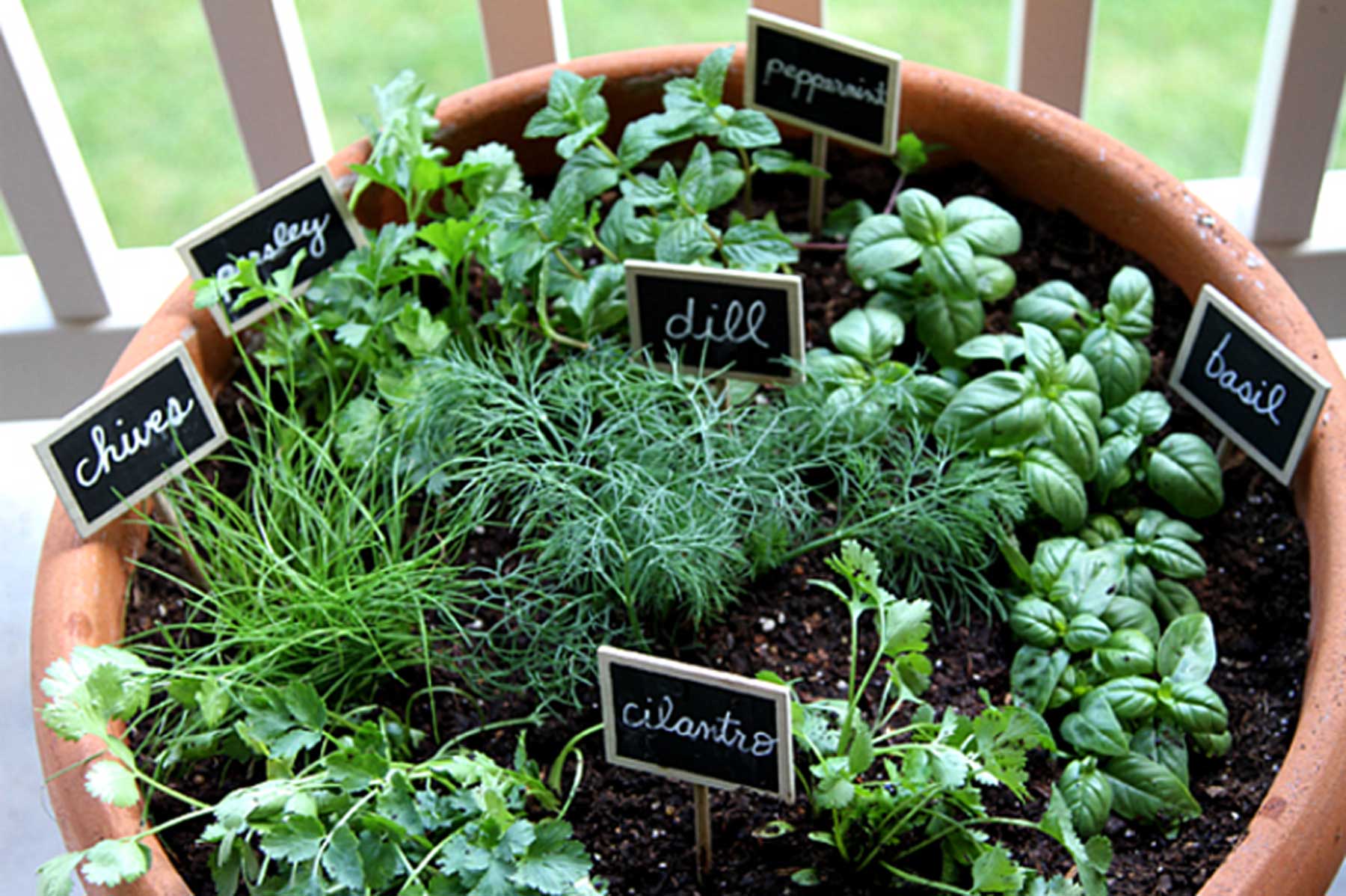
Notice plant labels
If the image identifies varieties, check the same variety’s mature size and growing needs. A broad plant name may cover varieties with different habits.
Check the image source
Use photos as visual references, but check image licensing before republishing them on a website or social media account. Credit alone does not always grant permission to reuse a photo.
Questions To Ask Before Using A Photo As A Plan
Ask whether the image shows a real garden, a staged display, or a computer-generated scene. Then ask whether the plants, containers, and layout suit your climate and available care time. If key details are missing, treat the picture as inspiration rather than a full planting guide.
Can I reach every plant?
A bed that looks balanced from above may be hard to harvest if its center is out of reach.
Will the plants compete?
Check mature width and light needs before placing herbs close together.
Can I maintain the design?
Choose a setup you can water, trim, and protect through the local growing season.
How To Start An Herb Garden From Scratch
Starting an herb garden is easier when you build it in stages. Begin with a few herbs you use often, learn how they grow in your space, and add more once you know what works. This approach also helps you avoid spending money on plants that do not suit your conditions.
Before planting, gather suitable containers or prepare a garden bed, choose a growing medium, and check the expected weather. Follow the plant label for spacing and local planting dates. Warm-season herbs such as basil should not be rushed outdoors when cold weather remains likely.
Source: fity.club
Step 1: Pick a location
Choose a place with enough light for your herbs and easy access to water. For an indoor garden, watch the window over the course of the day rather than judging it from one glance.
Step 2: Choose a few herbs
Start with two to five varieties that you use in meals. Read the plant labels and group varieties with similar light and water needs.
Step 3: Prepare the soil or potting mix
Use a well-drained growing medium suited to the planting site. Garden soil can be heavy in pots, while some raised beds may need a mix designed for raised-bed use.
Step 4: Plant with enough space
Follow the spacing guidance for each herb. Set roots at the recommended depth and firm the soil gently without packing it hard.
Step 5: Water carefully
Water after planting to settle the soil around the roots. After that, check soil moisture before watering again instead of following a rigid daily schedule.
Step 6: Watch for new growth
Healthy plants should begin to show growth suited to their type and the season. If leaves wilt, turn yellow, or develop spots, check water, light, pests, and drainage before adding fertilizer.
Signs Your Herb Garden Is Doing Well
New leaves, firm stems, and steady growth are useful signs that herbs are settling in. The exact growth rate depends on the species, season, temperature, and light. Some herbs grow slowly at first while their roots establish.
Fresh new leaves
Look for new growth that matches the normal leaf color and shape of the herb.
Soil drains as expected
Water should move through container soil rather than leave the roots sitting in a pool.
Plants have room to grow
Leaves should not remain pressed tightly against every neighboring plant as they mature.
Harvesting supports growth
For many leafy herbs, careful trimming encourages branching. Avoid removing too much foliage from a small or stressed plant.
Common Herb Garden Problems And Simple Fixes
When herbs struggle, check the growing conditions before changing several things at once. Yellow leaves, weak stems, slow growth, and dry leaf edges can have more than one cause. The plant type, weather, soil, and watering pattern help narrow down the likely issue.
Make one sensible change at a time and watch how the plant responds. Adding more water to a plant with wet roots can make the problem worse. Extra fertilizer is not a cure for poor light or bad drainage.
Source: stockcake.com
Yellow leaves
Possible causes include overwatering, poor drainage, low light, or natural aging of older leaves. Check the soil and roots before deciding what to change.
Long, weak stems
The plant may not receive enough light or may be crowded. Move the pot to a brighter suitable location if possible, and trim or space plants as needed.
Dry, brown leaf edges
Heat, inconsistent watering, wind, or salt buildup may contribute. Check moisture, recent weather, and whether the pot drains freely.
Slow growth
Low temperatures, poor light, root crowding, and the normal growth rate of the herb may all play a role. Compare the conditions with the plant’s needs before feeding it.
Spreading mint
Move mint into its own container if it begins taking over the bed. Remove unwanted shoots and check nearby soil for new growth.
Pests on leaves
Inspect the undersides of leaves and new shoots. Identify the pest before using a treatment, and follow the label on any product intended for edible plants.
Why Indoor Herbs May Fail
Indoor herbs often struggle because a window provides less usable light than expected. Warm rooms can also dry pots quickly, while decorative pots without drainage may trap excess water. Move plants toward suitable light, use containers with drainage, and check soil moisture on a regular basis.
Improve light
Try a brighter window or a suitable grow light when natural light is weak. Follow the light maker’s guidance for distance and daily use.
Check the pot
Make sure water can escape and roots have enough room. Do not leave the base of the pot standing in water.
Allow airflow
Give leaves some space and avoid keeping foliage wet for long periods. Good airflow may help reduce some leaf disease problems.
Seasonal Care For Herb Gardens Across The United States
Herb garden care changes with the local season. A planting date that works in coastal California may not suit a cold spring in Minnesota. Use local frost dates, the plant’s cold tolerance, and current weather to decide when to plant or move herbs outdoors.
The USDA plant hardiness zone map can help you judge winter cold for perennial herbs. It does not replace advice about heat, humidity, rainfall, or the length of the growing season. Local Cooperative Extension offices can provide guidance for conditions in your county or state.
Source: fity.club
Spring
Prepare beds, check drainage, and plant herbs when conditions suit their needs. Wait until frost risk has passed before moving tender warm-season herbs outdoors, unless you can protect them.
Summer
Check pots more often during hot or windy weather. Harvest leafy herbs as needed and trim plants that become crowded, while avoiding heavy cuts on stressed plants.
Fall
Review which herbs can remain outside and which need protection. Bring suitable container plants indoors before damaging cold arrives, and check them for pests first.
Winter
Cold-hardy perennial herbs may survive outdoors where the climate suits them. Indoor plants still need enough light and careful watering, since growth may slow in winter.
Adapting Garden Images To Your Local Climate
A photo of a lush outdoor rosemary plant may come from a region with mild winters. In a colder area, the same plant may need a pot that can be moved indoors or a protected growing spot. In hot, humid areas, drainage and airflow can matter as much as sun exposure.
Cold regions
Check hardiness and winter protection needs before planting perennial herbs in the ground.
Hot, dry regions
Watch container moisture closely and consider afternoon shade for herbs that struggle in intense heat.
Warm, humid regions
Choose a site with good airflow and drainage. Check local advice for varieties suited to the region.
Mild coastal regions
Use local planting guidance because wind, cool nights, and rainfall can still affect growth.
Planning A Useful Herb Garden On A Budget
You do not need a large budget to create an attractive herb garden. Start with a few plants, use containers you already own when they are safe for growing edible plants, and expand after you learn what thrives. Spend first on the items that affect plant health, such as suitable growing medium and pots with drainage.
Seeds may cost less than buying mature plants, but they take more time and care. Nursery plants offer a faster start and can be useful for herbs that are slow or tricky to grow from seed. The best choice depends on your budget, schedule, and comfort with starting plants.
Source: storage.googleapis.com
Reuse suitable containers
Clean food-safe pots and planters before use. Add drainage only when it can be done safely, and do not use containers that may contain harmful residues.
Start with common herbs
Pick plants you use in meals each week. Growing useful herbs reduces the chance that the garden becomes a collection of plants you rarely harvest.
Grow from seed when practical
Basil, dill, and parsley can be grown from seed with suitable care. Read the seed packet for timing, depth, and spacing.
Expand in stages
Add new herbs only when the first plants have enough space and you understand their water and light needs.
Frequently Asked Questions
Q
What should I look for in images of herb gardens?
Look for a layout that fits your space, light, and preferred herbs. Check the size of the containers, the space between plants, access for watering, and how the garden handles paths or walls. A useful photo should inspire a plan you can care for, not just a look you like.
Q
What is the easiest herb garden for beginners?
A few containers are often the easiest way to begin. Choose herbs you use often, such as basil, parsley, chives, or thyme, and match each plant to suitable light and water conditions. Separate mint because it can spread quickly.
Q
Can I grow herbs indoors all year?
Many herbs can grow indoors through the year if they receive enough light, have suitable drainage, and get the right care. A bright window may work, but some homes need a grow light. Growth may slow during winter, and not every outdoor herb adapts well to indoor life.
Q
How much sunlight does an herb garden need?
Many common culinary herbs grow best with several hours of direct sun each day, often around six hours or more. Exact needs vary by species, climate, and season. Check the plant label and observe the site before choosing a layout.
Q
Which herbs should not be planted together?
Herbs with very different water or growth needs may be hard to maintain in the same pot. Rosemary, thyme, sage, and oregano usually prefer well-drained soil, while basil and parsley often need more even moisture. Mint is best kept in a separate container because it can spread beyond its space.
Q
Are raised beds or pots better for herb gardens?
Neither option is best for every gardener. Pots suit patios, small yards, and people who need to move plants, while raised beds offer more room for a larger collection. Pots may dry out faster, and raised beds need a suitable soil mix and enough space to reach the plants.
Q
How do I make my herb garden look full without crowding it?
Use plants with different heights, leaf shapes, and colors, then leave enough room for mature growth. Repeat a few herbs or pot colors to create a planned look. Trim plants as needed and avoid packing roots into containers that are too small.
Q
Can I use herb garden photos on my own website?
Only use a photo when its license or the owner’s permission allows your intended use. Giving credit does not always grant reuse rights. Check the image source, license terms, and any conditions for commercial use before publishing.
✦ Wrapping Up
Conclusion
Images of herb gardens can help you turn a bare corner, sunny windowsill, or small patio into a useful growing space. Study the layout, plant height, container size, and access to light before choosing a design. Then adapt the idea to your local climate and the herbs you enjoy using in the kitchen.
Start small and give each plant the conditions it needs. A few healthy herbs in well-placed pots can be more useful than a large bed that is hard to water or harvest. As you learn what grows well, you can add new varieties and shape the garden to fit your home.
💡 Key Takeaway
Choose three herbs you use often, measure the space available, check its daily sunlight, and sketch a simple layout before buying plants or containers.