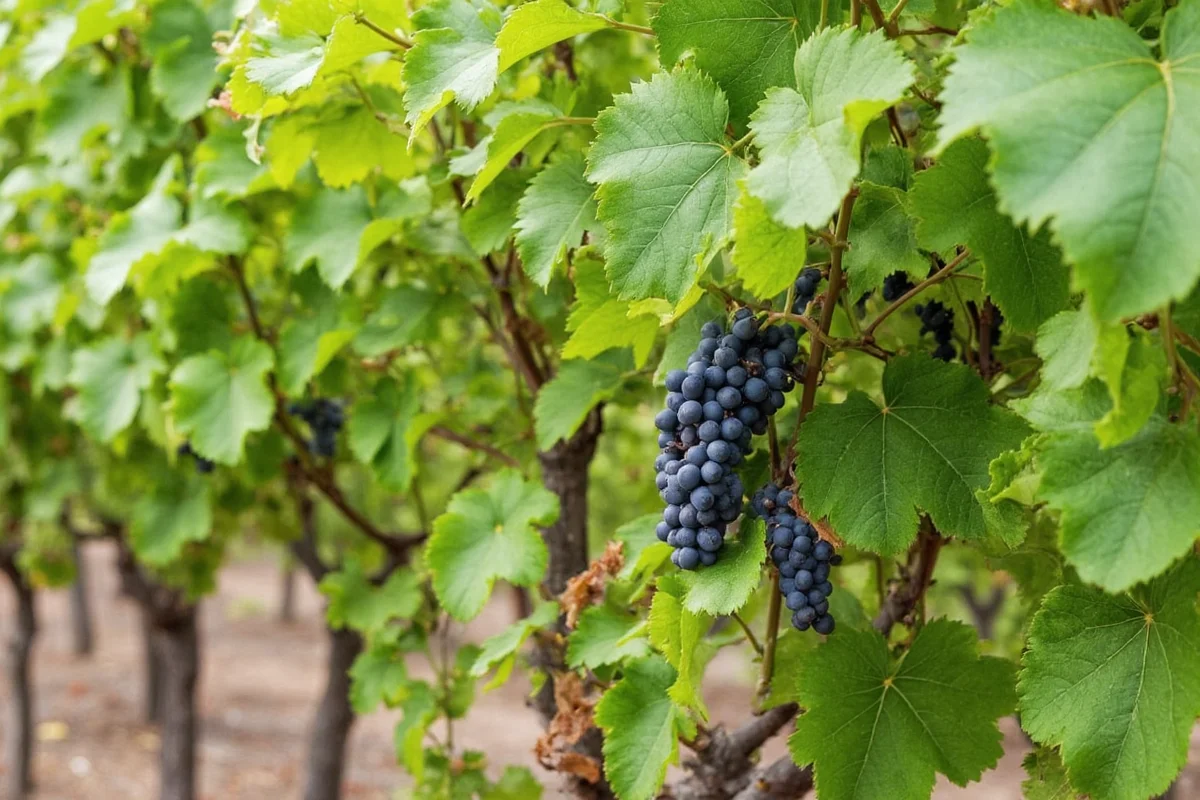
To care for a grape plant, give it full sun, well-drained soil, steady water while it grows, strong support, and yearly pruning. Choose a grape variety suited to your local climate, keep weeds away from the base, and watch for pests and disease. Good care helps the vine grow strong and produce healthy fruit.
Grape plants can grow in many parts of the United States, from home gardens in California to backyards in Virginia and cooler areas of the Midwest. The right care depends on your local weather, the grape variety, and whether you grow the vine in the ground or in a pot. A sunny spot and a sound support system are good places to start.
A grapevine is not a plant you can leave alone for years and expect to crop well. It needs water while young, room for its roots, and regular pruning to control its growth. Once you understand its yearly growth cycle, the work becomes easier to plan. This guide explains how to care for a grape plant from planting through harvest, with practical steps for common problems.
Start with a grape variety that can handle your local winters, summer heat, and common diseases. A grape that thrives in a dry California garden may struggle in a humid part of the Southeast. The best variety is one that matches your climate and the kind of fruit you want to eat.
Grapes are commonly grouped into European grapes, American grapes, and hybrids. European grapes include many familiar wine and table grapes. American types often have useful cold tolerance, while hybrids combine traits from different grape species. These are broad patterns, not guarantees for every variety.
Before you buy a vine, check its mature size, disease resistance, chilling needs, and recommended growing zone. Your local university extension service can help you compare varieties for your county or state. If you want fruit for fresh eating, choose a table grape. If you plan to make juice or wine, look for a variety suited to that use.
Source: i.ytimg.com
Cold winters
Look for varieties rated for your winter conditions. Severe cold can damage buds, canes, and trunks, especially on less cold-hardy grapes.
Hot summers
Choose a variety that can ripen in your area’s growing season. In very hot locations, keep young vines watered and avoid placing containers where roots overheat.
Humid weather
Favor varieties with useful disease resistance and give the vine plenty of airflow. Damp leaves and crowded growth can raise the risk of fungal disease.
Limited space
A compact training system or a large container may suit a patio, but even a small grape plant needs strong support and regular pruning.
Do You Need More Than One Grape Plant?
Many common grape varieties have flowers that can pollinate themselves, so one vine may produce fruit without a second plant. However, flowering and fruit set depend on the variety and growing conditions. Check the plant label or ask the nursery before buying a pair of vines just for pollination.
Check the variety label
Confirm whether the vine is self-fruitful and whether it needs a compatible pollinizer.
2. Give Your Grape Plant Enough Sunlight
Grape plants grow and fruit best in a sunny place. Aim for at least six to eight hours of direct sunlight per day, with more sun often helpful where summer heat and water supply allow. Sunlight supports shoot growth, flower development, fruit ripening, and the formation of healthy buds for the next season.
Pick an open site rather than a narrow space between tall buildings or dense trees. Shade can slow fruit ripening and leave leaves wet for longer after rain. A site with good airflow helps the canopy dry and makes it easier to inspect the leaves and bunches.
In a very hot region, strong afternoon sun can increase heat stress, especially for a newly planted vine in a pot. Do not move the plant into deep shade to solve that problem. Instead, protect the root zone from overheating, water based on soil moisture, and use a variety suited to the local climate.
Source: i.ytimg.com
Look for morning sun
Morning light helps dry dew from leaves and supports healthy growth through the day.
Avoid heavy shade
Nearby trees, walls, and roofs can block light or compete with the grapevine for water.
Watch reflected heat
A south- or west-facing wall may add warmth but can also increase heat stress in very hot climates.
What If Your Grape Plant Gets Too Little Sun?
A vine in deep shade may grow long, thin shoots and produce fewer flowers or poorly ripened fruit. Move a potted plant to a brighter location if you can do so without damaging its roots. For a vine planted in the ground, assess nearby shade and consider a better planting site before the plant becomes established.
Check the sun through the day
Observe the planting spot in the morning, midday, and afternoon rather than judging it from one quick visit.
3. Plant Grapes in Well-Drained Soil
Grapevines need soil that holds enough moisture for the roots but drains well after watering or rain. Deep, well-drained loam is often suitable, though grapes can grow in different soil types when drainage and other conditions are right. Waterlogged soil can damage roots and make the vine weak.
Before planting, loosen the soil across the planting area and remove weeds and grass that would compete with the young roots. If the ground stays wet long after rain, choose a better-drained site or consider a raised bed where practical. Adding a small amount of compost to improve the soil structure may help, but do not fill a planting hole with a rich, isolated pocket that differs sharply from the surrounding ground.
A soil test can show the soil pH and nutrient levels. Grapes generally grow well in slightly acidic to near-neutral soil, although the preferred range varies by rootstock and site. Use local extension guidance to interpret the test instead of adding lime, sulfur, or fertilizer without a clear reason.
Source: i.ytimg.com
Test drainage
Notice how quickly water leaves the site after heavy rain. Persistent puddles are a warning that the location may drain poorly.
Remove competing weeds
Keep a weed-free area around the vine, especially during its first few growing seasons.
Use mulch with care
A thin layer of organic mulch can reduce weeds and help retain moisture. Keep mulch a few inches away from the trunk to limit constant dampness and rot.
Should You Add Fertilizer to the Planting Hole?
Do not put concentrated fertilizer in direct contact with new roots. High salt levels can injure them, and heavy feeding may push leafy growth before the vine is established. Prepare the soil first, plant at the correct depth, water well, and use a soil test to guide later nutrient needs.
Prioritize soil structure
Good drainage and a healthy root zone are more useful than adding fertilizer without knowing what the soil lacks.
4. Water Your Grape Plant the Right Way
Water a grape plant deeply enough to moisten its root zone, then let the soil begin to dry before watering again. The right amount depends on the vine’s age, soil type, temperature, rainfall, container size, and stage of growth. A fixed daily schedule can lead to either dry roots or soggy soil.
Newly planted vines need closer attention because their roots have not spread far. During dry weather, check the soil near the root ball every few days and water when it begins to dry. Mature vines usually have a larger root system and may need less frequent watering in the ground, although long dry spells can still affect growth and fruit.
Apply water at the soil surface rather than spraying the leaves whenever practical. A soaker hose or drip system can direct water to the roots and help keep the foliage dry. Do not assume that a dry soil surface means the full root zone is dry; check a little below the surface before watering.
Source: growinginthegarden.com
Young vines
Check soil moisture often during the first growing season, especially during warm, dry weather.
Established vines
Adjust watering to rainfall, soil depth, and visible plant stress rather than following a fixed daily routine.
Container vines
Check pots more often because they dry faster than garden soil. Make sure excess water can escape through drainage holes.
During fruit growth
Avoid severe swings between very dry and very wet soil. Water stress can affect shoot growth and fruit development.
Signs Your Grape Plant Needs Water
Dry soil in the root zone, wilted leaves, and slowed shoot growth can signal a need for water. However, wilting can also occur when roots are damaged by waterlogged soil. Check the soil before adding more water, especially if the plant looks weak after rain.
Check before watering
Feel the soil several inches below the surface near the root zone. If it is still wet, investigate drainage and root health before watering again.
Can You Overwater a Grape Plant?
Yes. Roots need oxygen as well as water, and soil that stays saturated can limit oxygen supply. Yellowing leaves, weak growth, and a persistently wet root zone may point to overwatering or poor drainage. Correct the drainage problem instead of adding more fertilizer to a struggling vine.
Let the soil guide you
Water when the root zone needs it, not just because a certain day of the week has arrived.
5. Support and Train the Growing Vine
A grapevine needs a sturdy support system because its shoots spread and its fruit adds weight. Set up a trellis, suitable fence, or arbor before the vine becomes large. The support should handle mature growth and local wind, rain, and snow loads.
During the first growing season, choose a strong shoot to form the main trunk and tie it loosely to a stake or support. Remove competing shoots when needed, while keeping enough healthy leaves for the young plant to grow. As the trunk reaches the intended height, train it along the chosen trellis system.
Use soft plant ties and leave room for the stem to thicken. Tight wire or thin string can cut into the bark as the vine grows. Check ties during the season and loosen or replace any that begin to pinch.
Source: cdn.eathappyproject.com
Install support early
A trellis is easier to build before the vine spreads through a fence or nearby plants.
Keep shoots spaced
Good spacing helps light reach the leaves and air move through the canopy.
Secure loose growth
Tie selected shoots to the support so wind is less likely to snap them.
Can Grapes Grow on a Fence or Arbor?
Yes, if the structure is strong and gives the vine enough room for its shoots. A fence may suit a small home crop, while a trellis with wires makes pruning and fruit care easier. An arbor can provide shade, but dense overhead growth may be harder to manage and can reduce airflow if left crowded.
Plan for maintenance
Choose a design that lets you reach the fruit, remove old wood, and inspect leaves without unsafe climbing.
6. Prune Your Grape Plant Every Year
Annual pruning is one of the most useful parts of grape care. Grapevines can produce long runs of new growth, but leaving all of that growth in place can crowd the canopy and make fruit care difficult. Pruning directs growth into a manageable structure and helps maintain the fruiting wood needed for the next crop.
Most grapes are pruned during dormancy, often in late winter before new growth begins. The exact timing depends on the local climate and risk of frost. In very cold regions, delaying pruning can help you assess winter damage, while in milder regions the vine may begin growing earlier.
Two common methods are cane pruning and spur pruning. Cane pruning keeps selected one-year-old canes, while spur pruning leaves short sections of one-year-old wood along permanent arms. The suitable method depends on the variety and its fruiting habit. If you are unsure, use the variety’s pruning guidance or ask a local extension service.
Source: sainursery.com.au
Remove dead wood
Cut out dead, broken, diseased, or badly damaged wood with clean, sharp pruning tools.
Keep the vine’s structure
Retain the main trunk and the arms or canes needed for the selected training system.
Thin crowded growth
Remove unwanted shoots so the vine does not become a dense tangle.
Avoid random cutting
Learn whether the variety needs cane or spur pruning before removing large amounts of wood.
How to Prune a Young Grape Plant
During the first year, focus on building a healthy trunk and root system rather than trying to get a large harvest. Train a strong shoot upward and remove competing growth as needed. If a young plant is weak or damaged, keep the pruning plan simple and follow advice suited to its age and variety.
In the next dormant season, begin shaping the vine to fit its trellis. A well-formed structure makes future pruning easier and helps keep fruiting wood in useful positions. Do not leave every cane simply because it looks healthy; a grapevine needs a planned structure, not unlimited growth.
Use sharp tools
Clean cuts help you remove wood without crushing stems. Keep fingers clear of the blade and use stable footing.
Should You Prune Grapes in Summer?
Light summer pruning can help control unwanted shoots and improve access to the fruit. Avoid removing too much healthy foliage at once because leaves feed the plant and shade bunches from harsh sun. In hot regions, sudden exposure can cause sunburn on grapes that developed under shade.
Make selective cuts
Remove growth that blocks airflow or interferes with the trellis, while keeping enough leaf cover to support fruit and protect bunches.
7. Feed Your Grape Plant Without Overdoing It
Grapevines need nutrients for roots, leaves, shoots, and fruit, but extra fertilizer does not always lead to a better harvest. Too much nitrogen can produce excessive leafy growth, which shades the fruit and can make disease management harder. Base feeding decisions on plant growth and, where possible, a soil test.
If a young vine grows very little despite adequate sun, water, and drainage, check for root problems, weeds, and planting stress before assuming it needs fertilizer. If a soil test shows a nutrient shortage, use a suitable product at the recommended rate and time for your area. Keep granular fertilizer away from direct contact with the trunk.
Mature vines do not all need the same feeding schedule. Soil type, past fertilization, crop load, and local rainfall affect nutrient needs. A consistent soil test is more useful than feeding every vine heavily each spring.
Look at shoot growth
Very weak growth can have several causes, while long, soft, leafy shoots may indicate excess nitrogen or too much shade.
Follow the label
Apply only the amount stated for the intended use and keep fertilizer away from waterways.
Avoid feeding a stressed plant blindly
Correct poor drainage, dry soil, or damaged roots before adding nutrients that may not solve the problem.
Does Compost Help Grapevines?
Finished compost can help improve soil structure and add organic matter. Apply it as a modest surface layer around the root zone rather than piling it against the trunk. Compost does not replace a soil test, and its nutrient content can vary based on the materials used to make it.
Use mature compost
Avoid fresh, unfinished material that may contain unstable compounds or create other problems around the roots.
8. Care for Grapes in Pots
You can grow some grape varieties in containers if the pot is large, drains well, and gives the roots enough room. Container growing takes more attention than planting in the ground because pots dry out faster and their roots face greater temperature swings. A young vine may also need repotting as its root system grows.
Choose a sturdy container with several drainage holes and a suitable potting mix. Do not use garden soil alone in a pot because it may compact and drain poorly. Set up a trellis or other support that can handle the vine without tipping the container over.
Place the pot in a sunny location and check moisture often during hot weather. Water thoroughly when needed, allowing excess water to drain. If the container dries too fast, consider a larger pot or a location that reduces extreme root heat without depriving the leaves of needed sun.
Use a stable pot
A heavy container can help prevent a mature vine and its support from tipping in the wind.
Check drainage holes
Blocked holes can leave roots sitting in water even when the top of the pot looks dry.
Plan for winter
Container roots are more exposed to cold than roots in the ground. Use variety-specific winter guidance for your climate.
Can a Potted Grape Plant Produce Fruit?
Yes, a grapevine in a container can bear fruit if the variety, sunlight, root space, nutrition, and pruning are suitable. Fruit production may be lower than on a well-established vine in the ground, and a pot limits the root area. Let a young plant establish itself before asking it to carry a large crop.
Keep expectations realistic
A container vine can be useful for a patio or small yard, but it still needs seasonal pruning and a strong support system.
9. Protect Your Grape Plant From Pests and Diseases
Inspect your grapevine often so you can catch trouble before it spreads. Look at the upper and lower leaf surfaces, new shoots, stems, and grape clusters. Check more often during warm, wet weather because some grape diseases spread quickly when conditions favor them.
Powdery mildew can appear as pale, powder-like growth on leaves or fruit. Downy mildew may cause yellow areas on the upper leaf surface and growth on the underside when conditions are favorable. Black rot and other fruit diseases can damage clusters. Similar symptoms can have different causes, so identify the problem before applying a treatment.
Common pests may include Japanese beetles in some regions, grape berry moths, leafhoppers, and mites. Which pests matter depends on your location and grape variety. Do not treat every insect as a threat; some insects are harmless or beneficial, and broad pesticide use can harm pollinators and other useful species.
Improve airflow
Train shoots and remove excess growth when appropriate so leaves and clusters are less crowded.
Remove badly affected material
Where suitable, remove diseased leaves or fruit and dispose of them according to local guidance rather than leaving infected material around the vine.
Water at the soil
Avoid repeated overhead watering when practical, particularly late in the day.
Identify the problem first
Use local extension resources or a plant diagnostic service when symptoms are unclear or spreading.
What to Do About Yellow Grape Leaves
Yellow leaves do not point to one single problem. They may result from too much water, drought, nutrient shortages, poor drainage, root injury, or normal aging of older leaves. The pattern matters: yellowing between leaf veins, yellow leaves near the base, and sudden yellowing across the whole vine can suggest different causes.
Start by checking soil moisture and drainage, then look for insects, spots, damaged roots, and changes in recent care. If the issue continues, compare the symptoms with guidance from your local extension service. Avoid adding several fertilizers or sprays at once because that makes it harder to learn what is wrong.
Check the soil first
A wet root zone calls for a different response from dry soil. Match the action to the condition you find.
Use Pesticides Carefully
If a pesticide is needed, choose a product labeled for grapes and for the pest or disease you have identified. Follow all label directions, including protective equipment, application timing, harvest intervals, and restrictions on use. Never assume that a product safe for an ornamental plant is suitable for edible fruit.
Protect people and pollinators
Keep children and pets away as directed on the label, avoid drift, and do not spray open blooms when the label or pollinator guidance warns against it.
10. Adjust Grape Care Through the Seasons
Grapevines change their needs throughout the year. Dormant-season work focuses on pruning and planning, spring brings new shoots and flowers, summer supports fruit development, and fall allows the vine to finish the season and prepare for dormancy. Your local climate may shift these stages by several weeks.
Use the vine’s growth stage rather than the calendar alone. A warm spring can bring early growth, while a late freeze can damage tender shoots. Local frost dates and variety guidance help you decide when to prune, protect young growth, or harvest.
Late winter
Prune the dormant vine at the recommended time for your variety and climate. Inspect the trellis and replace worn ties.
Spring
Watch for frost, guide new shoots, manage weeds, and check for early signs of disease or pests.
Summer
Monitor water needs, tie in shoots, keep the canopy manageable, and inspect fruit clusters.
Fall
Harvest ripe fruit, remove fallen or diseased material when appropriate, and plan any changes needed for the next season.
Winter
In cold areas, follow local advice on protecting vulnerable varieties and container roots from severe cold.
How Do You Know When Grapes Are Ready to Harvest?
Color alone does not tell you whether grapes are ripe. Taste, sweetness, flavor, seed development, and the variety’s normal ripening period are more useful clues. Some grapes turn color before their flavor fully develops, so sample fruit from several parts of the vine.
Harvest time varies by variety and region. In the United States, some grapes ripen in summer while others are ready later in the season. Pick when the fruit has reached the desired flavor and ripeness for its intended use, and handle bunches gently to avoid crushing berries.
Sample several clusters
Fruit exposed to more sun may ripen at a different rate from fruit deeper inside the canopy.
Use clean tools
Cut bunches carefully and avoid pulling hard on the vine or crushing nearby fruit.
11. Common Grape Plant Care Mistakes to Avoid
Many grape problems start with a small care mistake that continues for weeks. A vine may look fine at first even when its roots are too wet, its canopy is too crowded, or its support is too weak. Check the growing conditions before reaching for fertilizer or pest treatments.
Planting in deep shade
Low light can reduce fruit production and slow ripening. Choose an open, sunny site before planting whenever possible.
Watering on a rigid schedule
Rain, heat, soil type, and pot size change how often the plant needs water. Check the root zone instead.
Skipping winter pruning
Unmanaged vines can become crowded and difficult to train. Learn the right pruning system for your variety.
Adding too much nitrogen
Excess nitrogen can encourage leafy shoots at the expense of a balanced canopy and useful fruit production.
Letting the vine grow unsupported
Heavy growth can bend or break shoots. Install support early and secure the main stems as they grow.
Ignoring early symptoms
Small spots, unusual leaf color, or damaged fruit are easier to assess before a problem spreads through the vine.
Expecting a large first-year crop
A young vine needs time to establish roots and its permanent structure. Prioritize healthy growth over early fruit production.
A Simple Weekly Grape Plant Check
Set aside a few minutes each week during active growth to inspect the vine. Check soil moisture, look for new shoot damage, guide loose growth, and scan leaves and fruit for changes. After heavy rain, a heat wave, or a strong storm, check sooner if conditions call for it.
Soil
Check whether the root zone is dry, moist, or waterlogged.
Leaves and shoots
Look for spots, unusual color, wilting, insect damage, and crowded growth.
Support
Check ties, wires, posts, and any shoots that need to be guided.
Fruit
Inspect clusters for damage, rot, or uneven ripening as the crop develops.
12. A Practical Grape Plant Care Checklist
A short care routine can help you catch problems without turning grape growing into a daily chore. Use this checklist as a starting point, then adjust it for your climate, soil, plant age, and variety.
At planting
Choose a suitable variety, pick a sunny and well-drained site, prepare the support, and water the new vine thoroughly.
During dry weather
Check soil moisture and water the root zone when needed. Give extra attention to newly planted vines and container plants.
During active growth
Train shoots, control weeds, check leaves and fruit, and keep the canopy from becoming too crowded.
Before adding fertilizer
Review growth, drainage, and soil test results so you can address the actual cause of weak growth.
During dormancy
Prune using the correct system, inspect the trellis, and remove dead or damaged wood.
Near harvest
Taste fruit for ripeness, watch for rot or pests, and harvest gently when the grapes reach the right flavor.
When Should You Ask for Local Growing Advice?
Ask your county extension office or a qualified local grape grower for help if the vine repeatedly fails to set fruit, develops widespread leaf symptoms, suffers winter damage, or has a pest problem you cannot identify. Local advice is useful because grape varieties, disease pressure, and growing seasons differ across the United States.
Bring clear details
Share the grape variety if known, your location, the plant’s age, recent weather, watering routine, and clear photos of both healthy and affected growth.
Frequently Asked Questions
Q
How often should I water a grape plant?
There is no single watering schedule for every grapevine. Check the soil near the roots and water when it begins to dry, adjusting for rainfall, temperature, soil type, and plant age. Young vines and grape plants in pots usually need more frequent checks than established vines growing in the ground.
Q
How much sunlight does a grape plant need?
Aim for at least six to eight hours of direct sunlight each day. More sun can support fruit ripening when water and heat conditions are suitable. A very hot site may need extra attention to root moisture and fruit sunburn, but deep shade usually makes growing and ripening grapes harder.
Q
How long does a grape plant take to produce fruit?
A grapevine may produce a small crop within a few years of planting, but the timing varies by variety, climate, plant quality, and care. Many growers focus on building roots and a sound trunk during the first year or two. Allowing the vine to establish before carrying a heavy crop can support better long-term growth.
Q
Why is my grape plant growing leaves but no grapes?
Possible causes include a vine that is too young, insufficient sunlight, excessive nitrogen, poor pruning, frost damage to buds, or conditions that interfere with flowering and fruit set. Check the variety’s fruiting habit and pruning needs, review the site’s sun exposure, and consider what happened during the previous growing season before changing the care routine.
Q
Can I grow a grape plant indoors?
Growing grapes indoors for fruit is difficult because vines need strong sunlight, ample space, airflow, and a suitable seasonal growth cycle. A sunny window usually does not provide the same light as an outdoor site. A large pot on a sunny patio or in a suitable outdoor space is generally more practical for a fruiting grapevine.
Q
Should I remove grapes from a young vine?
Removing flowers or fruit from a very young vine can help it direct energy toward roots and permanent structure. The right approach depends on the plant’s age, vigor, and training stage. If the vine is weak or has not yet formed a sound trunk, favor establishment over a large early crop.
Q
Why are my grapes splitting or rotting?
Fruit splitting can follow changes in water availability as berries expand, while rot may be linked to fungal disease, insect injury, damaged berries, or a crowded canopy. Check drainage and watering patterns, improve airflow where appropriate, and remove affected fruit when recommended. If the problem spreads, seek a diagnosis from a local extension service before using a pesticide.
✦ Wrapping Up
Conclusion
Learning how to take care of a grape plant starts with a sunny site, well-drained soil, and a variety suited to your climate. Water the roots based on soil moisture, train shoots along a sturdy support, and prune the vine each dormant season. Regular checks for pests, disease, and signs of stress help you address small problems before they grow.
Grape growing takes patience, especially during the first few years. Build a strong vine before expecting a large crop, and change your routine as the plant matures and the weather shifts. When a problem is hard to identify, use local extension guidance rather than guessing at a treatment.
💡 Key Takeaway
Start by checking your grape plant’s sunlight, soil drainage, and support. Then set a simple routine for soil moisture checks, shoot training, seasonal pruning, and pest inspection. For the best results, match each step to your grape variety and local growing conditions.