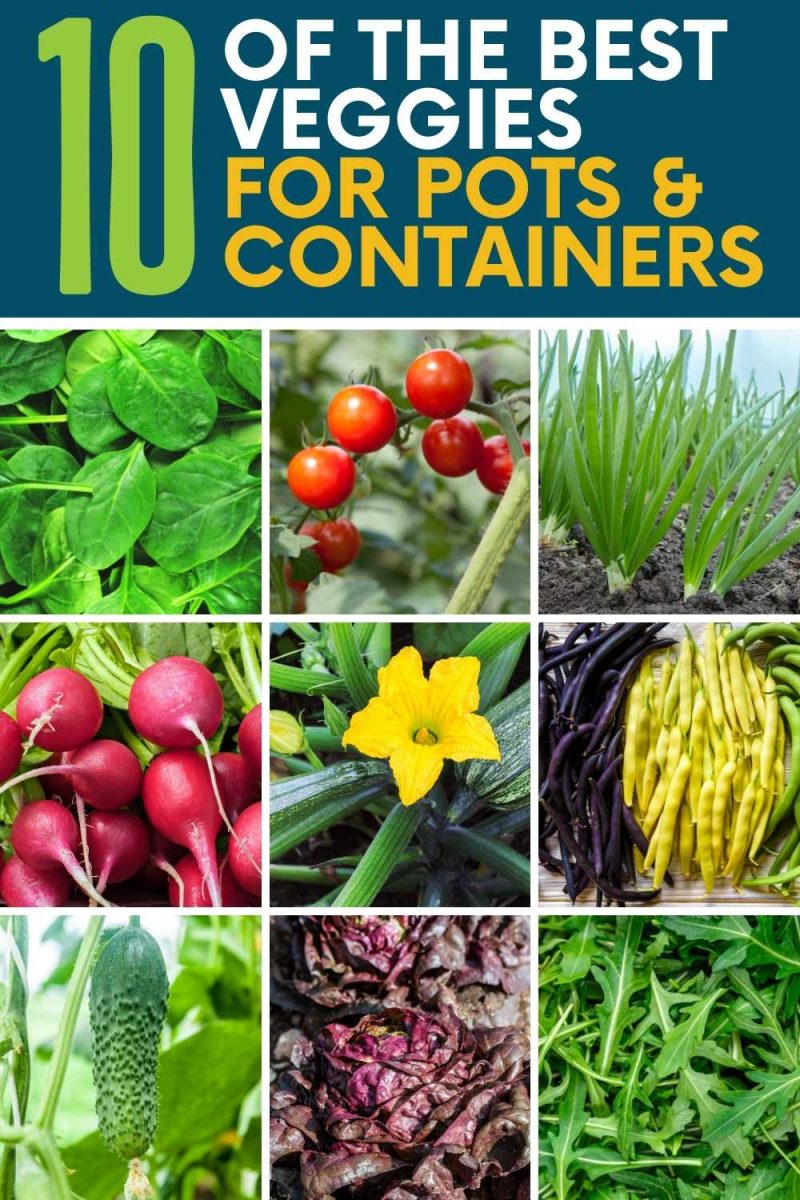
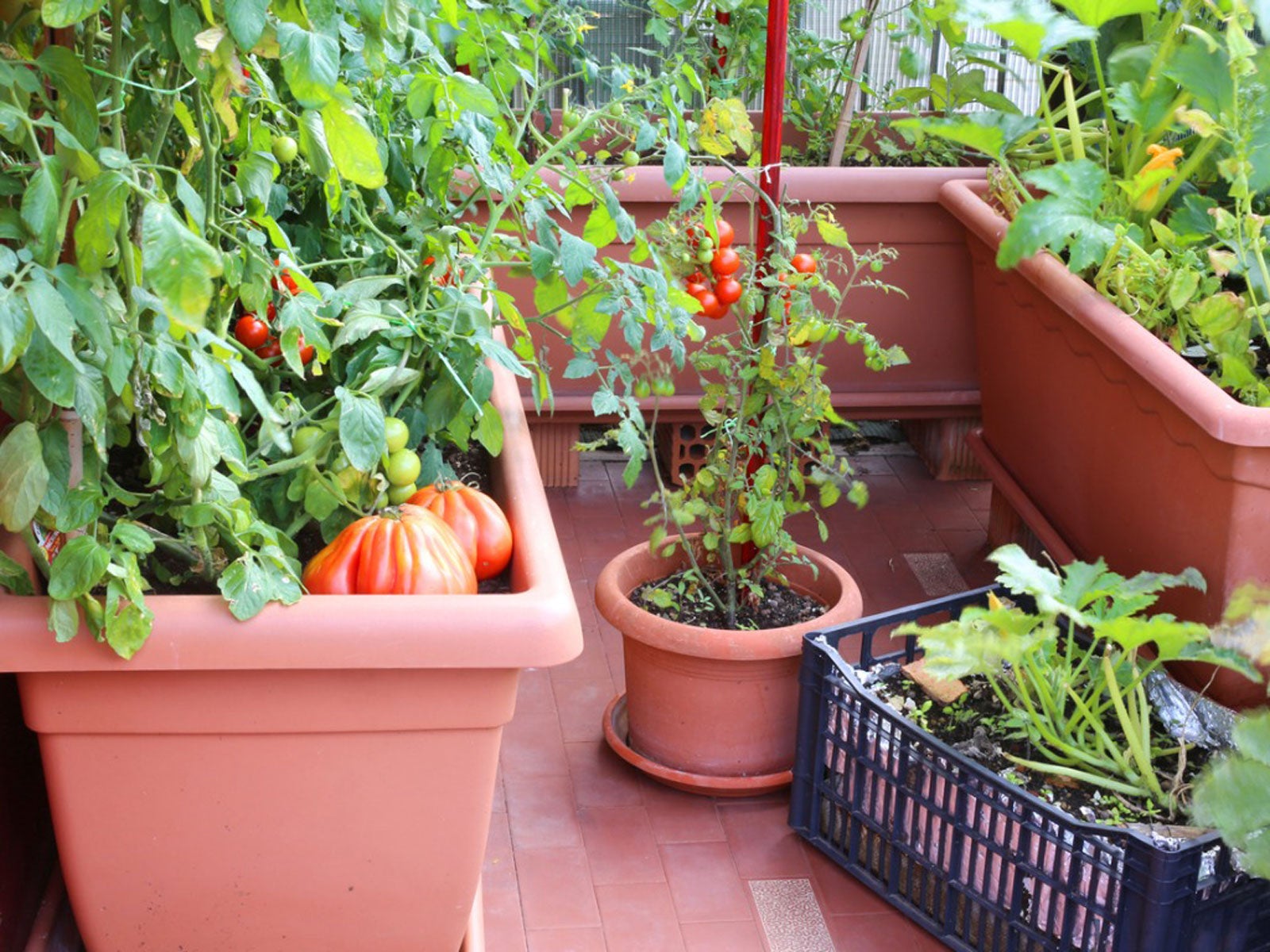
Tomatoes, lettuce, spinach, radishes, carrots, peppers, green onions, beans, peas, and compact cucumbers are vegetables that can grow in pots. Choose a pot with drainage, use a quality potting mix, and match the container size to the plant.
Across the United States, you can grow fresh vegetables on a sunny patio, apartment balcony, porch, or small backyard. You do not need a large garden plot to pick crisp lettuce or ripe tomatoes. A few well-placed pots can give you fresh food through much of the growing season. The best choices depend on your local climate, available sunlight, and the space your containers provide.
Container gardening works well for beginners because you can start with just one or two plants. Leafy greens and radishes offer simple starting points, while tomatoes and peppers suit gardeners who want summer crops. Each plant has different needs, so pot depth, water, and light matter more than the number of containers you own. This guide explains which vegetables grow well in pots, how to choose containers, and how to care for your plants from seed to harvest.
Source: greenwashingindex.com
Best Vegetables That Can Grow in Pots
The best vegetables for pots are plants that fit the space, produce useful crops, and grow well in a loose potting mix. Leafy greens, small root crops, and compact fruiting plants offer a good mix for new gardeners. Start with vegetables your household enjoys eating. Growing a crop you like makes it easier to keep up with watering and care.
The table below gives practical starting points. Pot sizes are general guidelines, not strict limits. A larger mature plant or a long growing season may call for more soil volume, while several small greens can share a wider container.
Source: gardenerspath.com
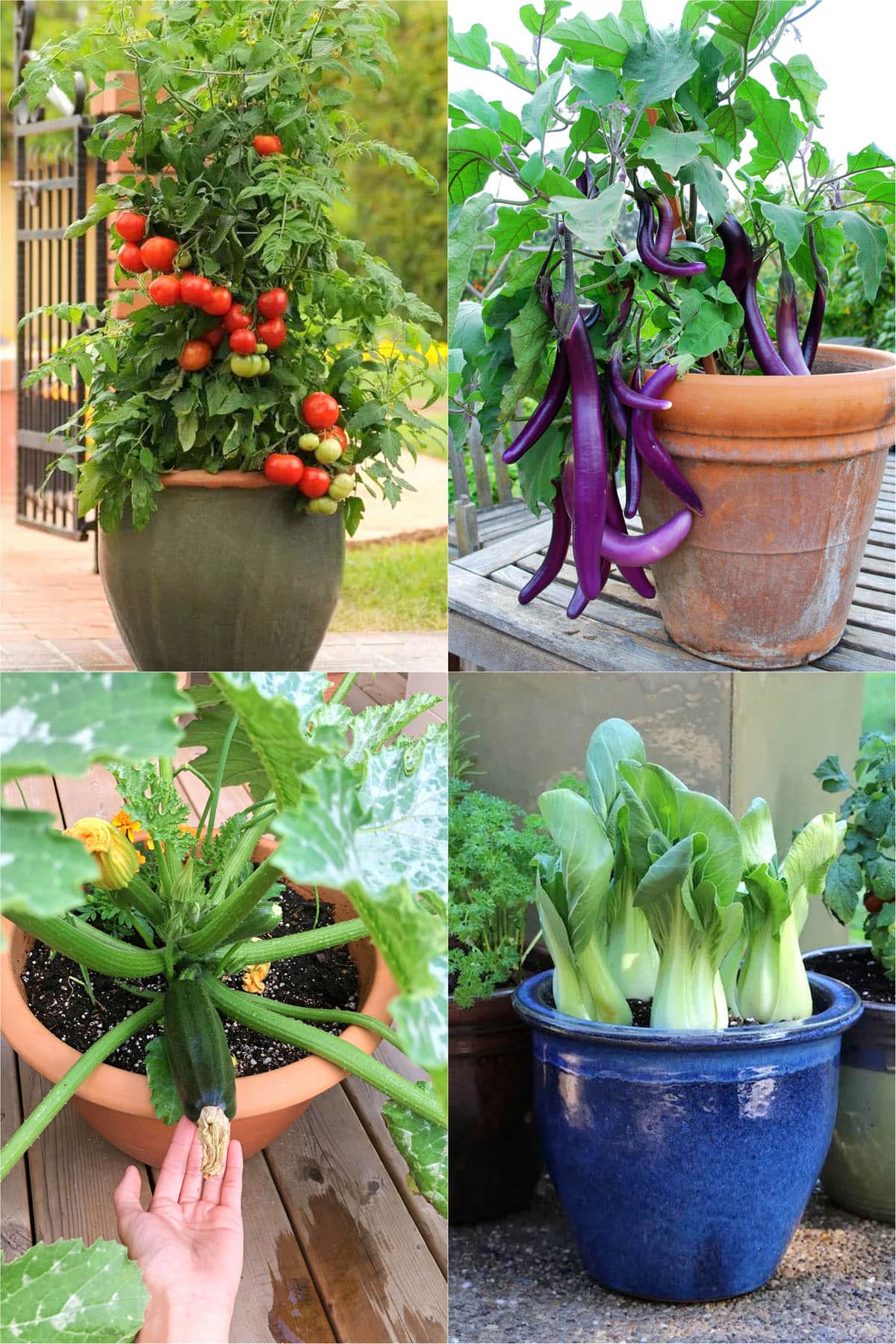
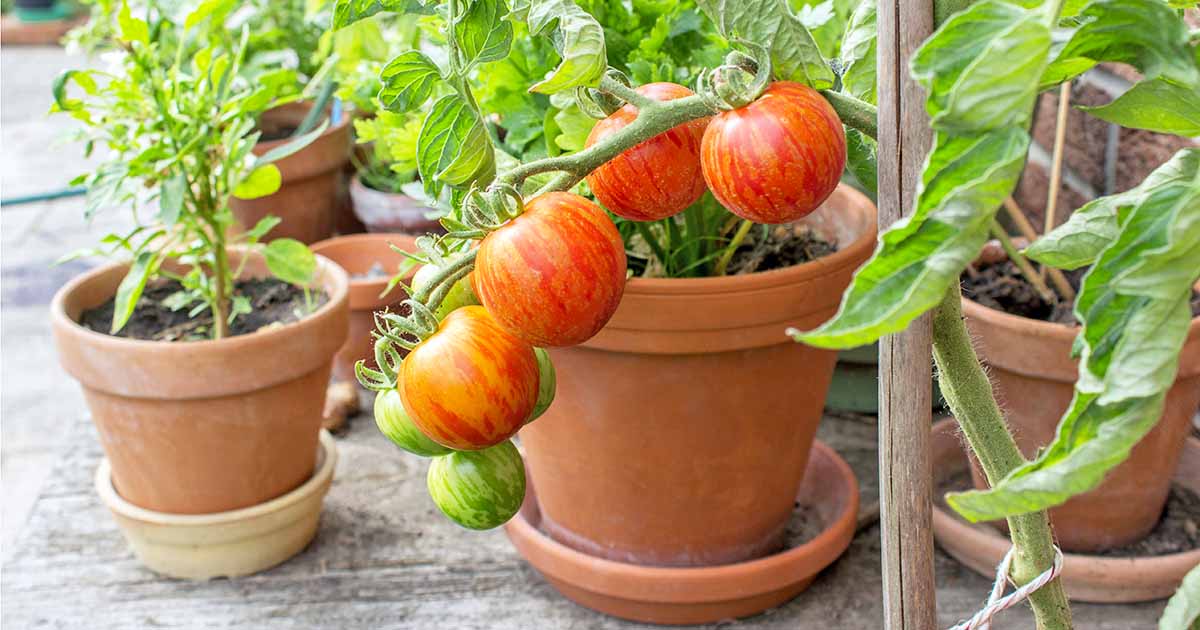
Tomatoes
Choose a compact patio or determinate variety for easier care. A container of about 5 gallons or more per plant is a useful starting point, and many larger varieties do best in bigger pots with a stake or cage.
Lettuce
Lettuce has shallow roots and grows well in a wide pot about 6 to 8 inches deep. Sow small batches over time for a steady supply of tender leaves.
Spinach
Spinach grows well in cool weather and suits containers about 6 to 8 inches deep. It may bolt when days grow hot, so spring and fall are often better seasons in many US regions.
Radishes
Radishes grow quickly in loose soil and can fit in pots around 6 to 8 inches deep, depending on the variety. Give the roots steady moisture to help them stay crisp.
Carrots
Short or round carrot varieties can grow in containers about 8 to 12 inches deep or deeper. Long-rooted varieties need more depth and loose, stone-free potting mix.
Bell peppers and chili peppers
Compact pepper plants can grow in pots around 3 to 5 gallons or larger. They need warmth, regular moisture, and plenty of sun to flower and set fruit.
Green onions
Green onions fit in shallow containers and can grow close together. They are handy for cooks who want to snip a few fresh stems for salads, soups, and other meals.
Bush beans
Bush bean plants grow upright without the tall support needed by many pole beans. A container around 8 to 12 inches deep can work when it also offers enough width for the plants.
Peas
Peas prefer cool weather and can grow in a deep container with a small trellis. Compact varieties suit small spaces, while taller types need stronger support.
Cucumbers
Choose a compact or container-friendly cucumber variety and provide a large pot, often 5 gallons or more per plant. A sturdy trellis can keep vines off the ground and save floor space.
Which Vegetables Are Easiest for Beginners?
Lettuce, radishes, green onions, and bush beans are friendly choices for a first container garden. They need less space than sprawling crops, and several grow from seed without special equipment. Lettuce and radishes also let you see progress within a relatively short time, although harvest speed depends on the variety and weather.
If you want a fruiting crop, try a compact tomato or pepper after you have a sunny place and a suitable pot. These plants need more care than leafy greens, but they can reward you with repeated harvests when growing conditions are right.
For a small balcony
Start with lettuce, green onions, radishes, and one compact pepper plant.
For a sunny patio
Try a patio tomato, bush beans, and a compact cucumber with a trellis.
For a cool-season garden
Grow spinach, lettuce, peas, and radishes when local temperatures suit them.
How to Choose the Right Pot Size
The right pot gives roots room to spread and holds enough moisture to support healthy growth. A pot that is too small may dry out fast and restrict the plant. A large pot can be useful for tomatoes, cucumbers, and peppers, while shallow containers suit many leafy greens and small root crops.
Check the mature size of the vegetable before planting. The container should have drainage holes, enough width for the planned number of plants, and enough depth for their roots. A wide pot can grow several lettuce plants, but a single tomato often needs its own larger container.
Source: growfully.com
Shallow containers
Use containers about 6 to 8 inches deep for lettuce, spinach, and many green onion varieties.
Medium containers
Pots around 8 to 12 inches deep may suit radishes, short carrots, bush beans, and compact leafy crops.
Large containers
Use pots around 5 gallons or more for many tomatoes, peppers, and cucumbers. Larger plants may need more soil volume for steady growth.
Trellis support
Plan support for peas and climbing cucumbers before planting so you do not damage roots when adding a stake later.
Why Drainage Holes Matter
Drainage holes let excess water escape and help keep roots from sitting in waterlogged soil. Without drainage, roots may lack oxygen and become more prone to rot. A pot with no holes is best used as an outer decorative cover rather than the direct planting container.
If you use a saucer beneath a pot, empty standing water after watering or rain. Do not add a thick layer of gravel to the bottom as a substitute for drainage holes. A suitable potting mix and open drainage holes are more useful for managing excess water.
Before planting
Check that the holes are open and that water can drain freely.
For heavy pots
Place the container where it can stay for the season, or use a stable plant caddy designed for its weight.
Can You Grow Vegetables in Buckets?
Food-safe buckets can work for some container vegetables if they are clean, sturdy, and large enough for the crop. Drill suitable drainage holes in the bottom before adding potting mix. Do not use containers that held paint, fuel, pesticides, or other hazardous chemicals.
Dark buckets can heat up in direct summer sun, which may warm the roots. Where heat is a concern, use a light-colored outer cover or place the pot where its sides receive some protection without blocking the plant’s needed sunlight.
Use food-safe materials
Choose a container made for food contact or intended for growing edible plants.
Keep the bucket stable
Large pots become heavy when wet, so place them on a sound, level surface.
Choose the Best Potting Mix for Vegetables
Use a potting mix made for containers rather than filling pots with dense soil from the yard. Garden soil can pack down in a container and slow drainage. A good container mix helps hold water while leaving air spaces around the roots.
Look for a mix labeled for vegetables, herbs, or general container planting. Some blends include compost or a starter fertilizer, while others do not. Read the package directions so you know whether you need to feed your plants after planting.
Source: agrifarming.in
Should You Add Compost?
Compost can add organic matter and nutrients to a container mix, but more is not always better. Use a balanced mix intended for pots and follow its directions. Too much fine or heavy material may reduce airflow and make the container stay wet for too long.
Avoid using fresh manure in pots of edible vegetables. It can harm roots, create odor problems, and introduce food-safety risks if it is not properly treated. Choose finished compost from a reliable source when you want to add it.
Start with a clean mix
Use fresh potting mix for new plantings, especially when previous plants had disease or serious pest problems.
Check fertilizer labels
Do not add extra fertilizer blindly if the mix already contains nutrients.
How Much Sunlight Do Potted Vegetables Need?
Sunlight needs depend on the crop. Tomatoes, peppers, cucumbers, beans, and peas generally grow best with plenty of direct sun. Many fruiting vegetables need about six to eight hours of direct sunlight daily, though growth and yield vary with variety and local conditions.
Lettuce and spinach can often grow with less sun, especially during mild weather. In hot regions of the United States, some afternoon shade may help cool-season greens last longer before they bolt. Shade cannot fully offset high heat, so season and temperature still matter.
Source: thespruce.com
How to Find a Good Spot
Watch your patio, balcony, or porch during the day before placing every pot. A spot that looks sunny at noon may be shaded by a building in the morning or late afternoon. Move a small container if needed, but keep larger pots in a stable position where they receive suitable light.
Remember that sunlight changes with the season. A location that works well in spring may get much hotter in midsummer. Check leaves and soil moisture during heat waves, and protect plants from strong winds that can tip pots or dry leaves.
Sunny sites
Reserve these spots for tomatoes, peppers, cucumbers, and beans.
Partly shaded sites
Try lettuce, spinach, or green onions, depending on local temperatures.
Windy balconies
Use stable containers and secure trellises without blocking sunlight.
Watering and Feeding Vegetables in Pots
Potted vegetables need regular checks because containers can dry out faster than garden beds. Warm weather, wind, small pots, and large plants all increase water loss. Instead of following a fixed daily schedule, feel the potting mix and water when the crop needs it.
Water slowly until excess moisture drains from the bottom. This helps wet the root zone rather than just the surface. During hot weather, you may need to check containers each morning and again later in the day, but avoid keeping roots constantly waterlogged.
Source: hips.hearstapps.com
Signs Your Vegetables Need Water
Dry mix a little below the surface is a useful sign that a container may need water. Wilting can also signal thirst, but it may occur when roots are too wet or damaged. Check the soil before watering a wilted plant so you do not make a drainage problem worse.
Fruit and leafy crops can suffer when moisture swings from very dry to very wet. A steady watering routine supports healthy growth and helps reduce stress during flowering and fruit development.
Check below the surface
Use a finger to check the top inch or two of mix, adjusting for the crop and pot depth.
Water the root zone
Apply water to the soil instead of repeatedly soaking the leaves.
Improve drainage
If the mix stays wet for days, inspect the holes and review the potting mix.
Do Container Vegetables Need Fertilizer?
Many container vegetables need extra nutrients because frequent watering can carry some nutrients out through the drainage holes. Use a fertilizer labeled for edible crops and follow the stated rate and timing. More fertilizer does not mean more vegetables; excess nutrients can damage roots or encourage leafy growth at the expense of fruit.
Plants growing in a mix that already contains fertilizer may not need an immediate feed. Read the mix and fertilizer labels, and consider the crop’s growth stage. If leaves turn pale or growth slows, check watering, sunlight, temperature, and root health before assuming a nutrient shortage.
Follow the label
Use only the listed amount and keep fertilizer away from children and pets.
Avoid feeding dry roots
Water as directed before applying fertilizer if the product label calls for moist soil.
When to Plant Vegetables in Pots Across the United States
The best planting time depends on your region, local frost dates, and the temperature each vegetable needs. Much of the United States has a spring and summer growing season, while warmer southern areas can support fall and winter crops. Mountain regions and northern states may have shorter warm seasons.
Cool-season vegetables such as lettuce, spinach, peas, and radishes generally do best in mild weather. Warm-season crops such as tomatoes, peppers, beans, and cucumbers need warmer conditions and are sensitive to frost. Check your local forecast and planting guidance rather than using one national calendar date.
Source: gardeningknowhow.com
Use Your Local Frost Dates
Your average last spring frost and first fall frost can help you plan outdoor planting. Plant cool-season crops when local conditions suit them, and wait until frost danger has passed and the soil and nights are warm enough for tender crops. A sheltered balcony may differ from an exposed yard, but containers can still cool quickly on cold nights.
The USDA Plant Hardiness Zone Map describes average annual extreme minimum winter temperatures. It helps gardeners understand perennial plant survival, but it does not tell you the exact date to sow every vegetable. Use local frost dates and crop-specific planting guidance for annual vegetables.
Spring
Try lettuce, spinach, radishes, and peas when the weather is cool enough.
Summer
Grow tomatoes, peppers, beans, and cucumbers after suitable warm conditions arrive.
Fall
Plant another round of leafy greens and radishes where the remaining season is long enough.
Common Container Gardening Problems and Fixes
Most container gardening problems come down to water, light, temperature, container size, or pests. Look at the whole plant and its growing conditions before adding fertilizer or spraying anything. A single yellow leaf is not enough to diagnose a serious problem.
Check the simplest causes first. Feel the mix, inspect drainage holes, look for insects under leaves, and compare the plant’s sunlight with its needs. Change one condition at a time when possible so you can tell which adjustment helps.
Source: dianfarmer.com
Yellow Leaves
Yellow leaves can result from overwatering, underwatering, low nutrients, poor drainage, or normal aging. If the potting mix stays soggy, allow excess water to drain and check that the holes are clear. If the mix is dry, water thoroughly and then review how quickly the container dries.
When several leaves turn yellow despite suitable watering, inspect the roots and review the fertilizer history. Avoid adding extra fertilizer until you have ruled out water and root problems.
Check moisture first
Do not water by the calendar alone.
Inspect the whole plant
Look for patterns such as older leaves yellowing first or new growth becoming pale.
Flowers but No Fruit
Tomatoes and peppers may flower without setting much fruit when temperatures are too hot or too cold, watering is uneven, or plants receive too little light. Some crops also need help from pollinators. Check the variety’s growing requirements before assuming the plant needs more fertilizer.
Keep the root zone evenly moist, provide enough sunlight, and avoid excess nitrogen. For plants grown on enclosed balconies, gentle movement of flowering stems may help release pollen in some cases, but it cannot correct unsuitable temperatures or poor plant health.
Review the weather
Check whether heat or cold is affecting flower development.
Check light and nutrients
Make sure the plant receives suitable sun and is not getting excess nitrogen.
Pests on Potted Vegetables
Aphids, spider mites, caterpillars, and other pests can affect container crops. Inspect leaf undersides and tender shoots often. A small pest problem may be manageable by hand removal or a gentle stream of water, depending on the plant and pest.
If you use a pesticide, choose a product labeled for the specific edible crop and pest, and follow every direction for application and harvest intervals. Never assume a product is safe for vegetables simply because it is marketed for garden use.
Inspect weekly
Look for sticky residue, webbing, holes, curled leaves, and visible insects.
Keep tools clean
Clean pruning tools between plants when disease is suspected.
Remove badly affected leaves carefully
Dispose of diseased plant parts as appropriate for your local waste guidance rather than adding them to a home compost pile without checking.
How to Start a Small Pot Vegetable Garden
A small garden can begin with three containers and a few seed packets or young plants. Choose crops that match your available light, climate, and cooking habits. It is better to care for a few healthy pots than to crowd a small space with plants that need more room.
Set up the containers before sowing or transplanting. Make sure each pot drains well, has the right mix, and sits in a spot that can support its mature size. Add trellises early for climbing crops, and leave enough space to water and harvest without damaging leaves.
Source: epicgardening.com
A Simple Starter Plan
For a sunny patio, start with one large pot for a compact tomato, one medium pot for peppers or bush beans, and one wide shallow container for lettuce or radishes. This mix gives you a fruiting crop and quick greens without demanding a large garden area. If your space gets only a few hours of sun, favor leafy crops and reassess the spot before buying tomatoes.
Sow seeds at the depth listed on the packet and space them according to the crop. Thin seedlings when needed so each plant has enough room. For transplants, handle the root ball gently and water after planting to settle the mix around the roots.
Step 1: Pick the crops
Choose two or three vegetables that suit your light and the season.
Step 2: Prepare the containers
Check drainage, add fresh potting mix, and set up supports.
Step 3: Plant at the right depth
Follow the seed packet or transplant label for depth and spacing.
Step 4: Check moisture
Water thoroughly at planting, then check the mix often.
Step 5: Watch for new growth
Look for healthy leaves and steady growth, and adjust care when conditions change.
When Are Vegetables Ready to Harvest?
Harvest time varies by crop and variety, so use the seed packet as a guide. Leaf lettuce can often be picked a few leaves at a time, while radishes should be pulled when their roots reach a useful size. Tomatoes and peppers are usually harvested when they reach the variety’s expected size and color.
Pick crops with clean hands or clean garden tools, and avoid damaging the main stem when removing fruit. Regular harvesting can encourage continued production in crops such as beans, but let some plants finish their natural cycle when you want to collect seed from suitable open-pollinated varieties.
Leafy greens
Pick outer leaves when they are large enough to use, leaving the center to keep growing where appropriate.
Root crops
Check the expected root size and harvest before roots become overly large or woody.
Fruiting crops
Use color, size, and variety guidance to judge ripeness.
Frequently Asked Questions
Q
What vegetables grow best in pots for beginners?
Lettuce, radishes, green onions, spinach, and bush beans are good starting choices because they fit many containers and do not require a large garden bed. A compact tomato or pepper is another option if you have a sunny location and a large enough pot.
Q
Can vegetables grow in pots without direct sunlight?
Most vegetables need some direct sunlight, but leafy greens such as lettuce and spinach can often manage with less than fruiting crops. If your space is deeply shaded all day, vegetable growth and harvests may be limited. Consider a brighter spot or a suitable indoor grow light.
Q
How deep should a pot be for growing vegetables?
Many leafy greens grow in containers about 6 to 8 inches deep, while radishes and short carrots often need around 8 to 12 inches, depending on the variety. Tomatoes, peppers, and cucumbers usually need larger containers with more soil volume. Always check the mature plant size and root depth before choosing a pot.
Q
How often should I water vegetables in pots?
Check the potting mix daily during warm or windy weather and water when the root zone begins to dry. Some containers may need water every day during hot spells, while larger pots in mild weather may need less frequent watering. Water until excess moisture drains, and avoid leaving roots in standing water.
Q
Can I grow different vegetables in the same pot?
Yes, if the vegetables have similar light, water, and temperature needs and the container has enough room. Leaf lettuce and green onions can share a wide pot, for example. Avoid crowding large tomatoes or cucumbers with many other plants because they need more root space and can shade nearby crops.
Q
Is regular garden soil suitable for pots?
Garden soil is usually not the best choice for containers because it can compact and drain poorly in a confined space. A potting mix designed for containers offers a better balance of water retention and air space. Choose a mix suitable for edible plants and follow its directions for fertilizer and watering.
✦ Wrapping Up
Conclusion
Many vegetables that can grow in pots are easy to fit into a small US home garden. Lettuce, radishes, spinach, and green onions offer simple ways to begin, while tomatoes, peppers, beans, peas, and cucumbers can provide larger harvests when given enough room. The right choice depends on sunlight, season, pot size, and the vegetables you enjoy eating.
You do not need to buy every container or grow every crop at once. Start with a few plants, use a suitable potting mix, and check water and light often. As you learn how your space behaves through the seasons, you can add new crops and build a container garden that fits your routine.
💡 Key Takeaway
Choose three vegetables suited to your local season, prepare containers with drainage holes and fresh potting mix, and place them where they receive the right amount of sunlight. Check moisture each day and record what grows well so your next planting is easier.