Growing a backyard garden starts with a sunny spot, healthy soil, and a few plants suited to your local climate. Choose easy crops, water them as needed, and build your garden one small step at a time.
Across the United States, a backyard garden can look very different from one home to the next. A yard in Florida may stay warm well into fall, while a garden in Minnesota must cope with a much shorter growing season. Your local climate, first and last frost dates, sunlight, and soil all shape what you can grow and when you should plant it.
You do not need a large yard or costly tools to get started. A small patch of ground, a raised bed, or a few large containers can support herbs, leafy greens, tomatoes, peppers, and other useful plants. The best plan is one you can water, weed, and care for without turning your free time into a long list of chores.
Start by checking your yard, choosing a few crops, and preparing the soil. Plant at the right time for your area, watch how your plants respond, and adjust your care as the season changes. With a simple plan, growing a backyard garden can help you enjoy fresh food, make better use of outdoor space, and learn what grows well at home.
Source: imperfectlyhappy.com
1. Choose the Right Spot for Your Backyard Garden
The best garden site gets enough sunlight, drains well, and sits close to a water source. Before you dig, watch the yard at different times of day. A spot that looks sunny in the morning may sit in shade for most of the afternoon.
Many common fruiting vegetables, including tomatoes, peppers, cucumbers, and squash, grow best with about six to eight hours of direct sun each day. Leafy crops such as lettuce and spinach can often manage with less sun, especially in warm climates where afternoon shade may help reduce heat stress.
Think about access, too. A garden at the far end of a large yard can be harder to water and inspect. A site near the house may be easier to maintain, as long as roof runoff, tree roots, and building shade do not cause problems.
Source: vecteezy.com
Sunlight
Record how many hours of direct sun reach the site. Match crops to the light you have instead of expecting every plant to thrive in shade.
Drainage
Avoid spots where water remains for long periods after rain. Many garden plants struggle when their roots sit in saturated soil.
Water access
Choose a site where a hose or watering can can reach without much effort. Easy access makes regular care more practical.
Nearby trees
Large trees can block sunlight and compete for water and nutrients. Their roots may also spread into beds.
Check Sunlight Before You Plant
Use a simple notebook to track the hours when direct sunlight reaches your proposed garden. Check the site on more than one clear day if possible. Record shade from fences, sheds, trees, and nearby buildings.
If your yard gets limited sun, consider lettuce, spinach, arugula, parsley, and other crops that tolerate partial shade. Fruit crops such as tomatoes and peppers usually need a sunnier site to produce well.
Full-sun crops
Tomatoes, peppers, cucumbers, squash, and many herbs usually need a bright site with several hours of direct sunlight.
Partial-shade options
Leafy greens and some herbs may grow well with less direct sun, although growth and harvest size can vary.
Check for Possible Soil Contamination
If your home is older, the yard has an unknown history, or the garden site is near a busy road or an old painted structure, consider testing the soil for lead and other contaminants that may be relevant to the site. A basic garden soil test for nutrients does not always include these hazards.
Use a qualified soil testing laboratory or your local cooperative extension office to find the right test. If contamination is a concern, do not grow edible crops in the soil until you understand the risk. A properly built raised bed with clean soil and a suitable barrier may be an option, depending on the site.
2. Decide What Type of Backyard Garden to Build
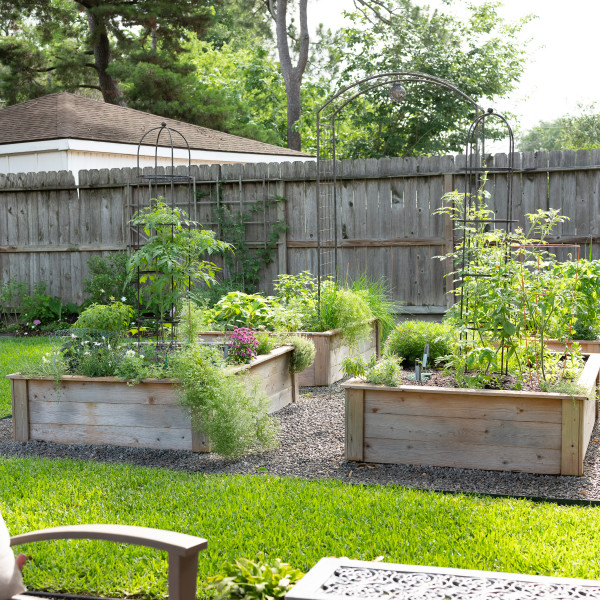
You can grow a backyard garden in the ground, in raised beds, or in containers. Each method can work well when it matches your space, budget, soil, and ability to care for the plants.
An in-ground garden can provide plenty of room for crops and may cost less to set up if the soil is suitable. Raised beds make it easier to define planting areas and fill them with a known soil mix. Containers work well on patios and in small yards, but they often need more frequent watering because their soil volume is limited.
Start with the simplest setup that meets your needs. A single small bed is easier to manage than several large beds filled with crops you have never grown before.
Source: qaqooking.wiki
In-ground garden
Best when the site has suitable soil, good drainage, and enough room for beds or rows. You may need to remove grass and improve the soil before planting.
Raised beds
Useful when you want a defined growing area or need to avoid unsuitable native soil. Use clean materials and a suitable growing mix, and allow enough depth for the crops.
Container garden
A practical option for patios, balconies, and small yards. Choose containers with drainage holes and enough room for the mature roots of each plant.
How Large Should a Beginner Garden Be?
Choose a size you can keep weeded and watered during your busiest week. A small bed or a few containers can provide useful harvests without demanding hours of work each day.
Leave enough room to reach every plant without stepping on the growing soil. If you build a raised bed, keep it narrow enough to reach the center from the sides. Paths should be wide enough for your usual tools and safe movement.
Start small
Plant a few herbs and two or three vegetables before expanding. Add more crops after you learn how much care your first garden needs.
Plan the paths
Leave space to walk, carry a watering can, and harvest without crushing plants or compacting the soil.
Choose Safe Materials and Growing Mixes
Use untreated materials intended for garden use when building beds. Avoid wood or other materials with an unknown chemical treatment history. Make sure containers are suitable for growing food plants and have holes that allow excess water to drain.
For containers, use a potting mix made for container growing rather than dense soil dug straight from the yard. Garden soil can compact in a pot and may drain poorly. Raised beds need a growing mix suited to the crops and local conditions.
Drainage holes
Check that water can escape freely from every container. Empty saucers after heavy watering if water remains around the roots.
Enough root space
Match the pot size to the mature plant. A large tomato needs more room than a small herb, and crowded roots can make watering harder.
3. Prepare the Soil Before Planting
Healthy soil gives garden roots air, water, and nutrients. Before planting, learn what your soil needs instead of adding fertilizer, lime, or compost at random. Soil texture, pH, nutrient levels, and drainage all affect plant growth.
A soil test can help show whether the garden needs changes to its pH or nutrient levels. Your local cooperative extension office can often explain how to collect a sample and where to send it. Follow the lab’s instructions so the results reflect the area you plan to plant.
Compost can add organic matter and help improve soil structure. Spread suitable, finished compost over the growing area and mix it into the upper layer if recommended for your soil and planting method. Avoid using fresh manure on crops that will be eaten soon, because it can carry harmful germs.
Source: dianfarmer.com
Test first
Use soil test results to guide pH and fertilizer choices. Different crops have different needs, so one amendment plan may not suit every bed.
Improve soil gently
Add suitable organic matter when needed, and avoid working wet soil. Digging or tilling soil while it is very wet can damage its structure.
Protect soil life
Limit unnecessary digging, keep soil covered when practical, and avoid repeated foot traffic over growing areas.
Use safe compost
Choose finished compost from a reliable source. If making your own, manage the pile properly and avoid adding materials that may contain chemicals or persistent weed seeds.
What If Your Yard Has Heavy Clay or Sandy Soil?
Clay soil can hold a lot of water and may become hard when dry. Sandy soil drains quickly and may lose water and nutrients faster. Both can support a garden, but the best approach depends on the degree of the problem and the crops you plan to grow.
Adding suitable organic matter over time can help improve many soils. Do not assume that adding sand will fix clay soil; the wrong amount and type can make the soil harder to manage. If drainage is poor, consider raised beds or another site rather than continually adding amendments.
For clay soil
Avoid digging when wet, add organic matter as appropriate, and use raised beds if water remains in the growing area.
For sandy soil
Add organic matter when suitable, monitor moisture more often, and use mulch to help reduce water loss.
4. Pick Easy Crops That Suit Your Climate
The easiest plants to grow are those that match your local weather, soil, sunlight, and available space. For a first backyard garden, choose a short list of crops you already enjoy eating. Growing food you like makes it easier to keep up with watering and harvests.
Lettuce, radishes, green beans, zucchini, and many herbs can be good starting points when planted in the right season. Cherry tomatoes may suit a sunny bed or a large container, while bush beans can fit smaller plots. No crop is easy in every region, so check local planting dates before buying seeds or seedlings.
In much of the United States, warm-season crops such as tomatoes, peppers, cucumbers, and beans grow during the frost-free part of the year. Cool-season crops such as peas, spinach, lettuce, and radishes often grow best in cooler weather. Southern areas may have different planting windows from northern states, and hot summers can make some cool-season crops bolt or turn bitter.
Source: healthyfamilyproject.com
Leafy greens
Lettuce, spinach, and arugula can provide quick harvests in suitable cool weather. Some varieties tolerate partial shade, but heat can cause early flowering.
Green beans
Bush beans need sunlight, suitable soil warmth, and room to grow. They can be a useful option for a first garden because many varieties do not need tall supports.
Radishes
Radishes can mature quickly in cool conditions. Keep the soil evenly moist and harvest at the recommended size to avoid overly sharp or woody roots.
Tomatoes
Tomatoes need a sunny site and steady care. Choose a variety that fits your growing season and available support, and allow room for air to move around the leaves.
Herbs
Basil, parsley, chives, and other herbs can fit small beds or containers. Match each herb to its sunlight and water needs rather than treating them all the same.
Use Your Local Frost Dates
The average last spring frost and first fall frost can help you plan the growing season. These dates are estimates, not guarantees, so check the local forecast before moving tender plants outdoors.
Start warm-season seeds indoors only when you can provide enough light, suitable temperatures, and room for healthy growth. Some crops, including many root crops, are often easier to sow directly into the garden. Follow the seed packet for depth, spacing, and timing.
Before spring planting
Check local frost guidance, soil warmth, and the crop’s preferred planting conditions.
For fall crops
Count backward from your expected first fall frost using the crop’s days to maturity, then allow extra time for slower growth in cool weather.
Read Seed Packets and Plant Labels
Seed packets list details such as planting depth, spacing, days to maturity, and preferred growing conditions. These directions are a starting point, but local climate and garden conditions can affect the result.
Plant labels can help you avoid crowding. A seedling that looks small at the store may become a wide plant later in the season. Give each crop the space it needs for roots, airflow, and harvest.
Look for varieties adapted to your region and the length of your growing season.
5. Plan the Layout and Plant at the Right Spacing
A clear garden layout helps you use space well and care for plants without damaging them. Draw a simple map before planting. Mark each crop, its mature size, the path you will use, and any support needed for climbing plants.
Place taller plants where they will not cast unwanted shade over smaller crops. The best direction depends on your yard and the sun’s path, but a common approach is to keep tall crops toward the north side of a bed when that arrangement reduces shading of shorter plants.
Follow the spacing on seed packets and plant labels. Crowded plants compete for light, water, and nutrients, and dense foliage can make it harder to spot pests or allow leaves to dry. A neat layout is useful, but leave room for plants to reach their full size.
Source: artofit.org
Group crops by need
Place plants with similar sunlight and water needs near each other. This can make watering and routine care simpler.
Add supports early
Install suitable cages, stakes, or trellises before plants become large. Adding supports later can damage roots or stems.
Keep paths clear
Plan walking space so you can reach the center of each bed without stepping on the soil around plant roots.
Label your crops
Mark seed rows and varieties with weather-resistant labels. Young seedlings can look alike, especially when several crops sprout at once.
Try Succession Planting for Longer Harvests
Succession planting means sowing a crop in small batches at different times rather than planting the entire supply at once. It can help you avoid a single large harvest that is difficult to use.
For example, you might sow a short row of radishes, then sow another row after the first batch has begun to grow. This approach works best when the crop and weather allow repeated planting. Heat-sensitive crops may stop producing well during hot spells.
Plant in small batches
Sow only as much as you expect to eat or share, then plant again when conditions remain suitable.
Track planting dates
Write down each sowing date and expected harvest window so you can plan the next batch.
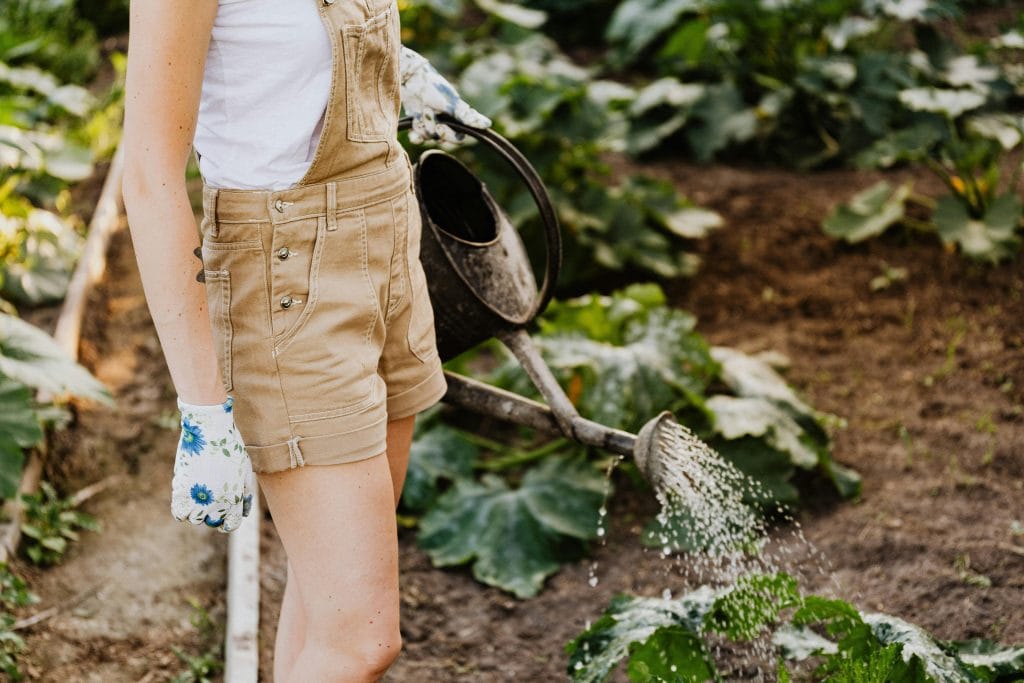
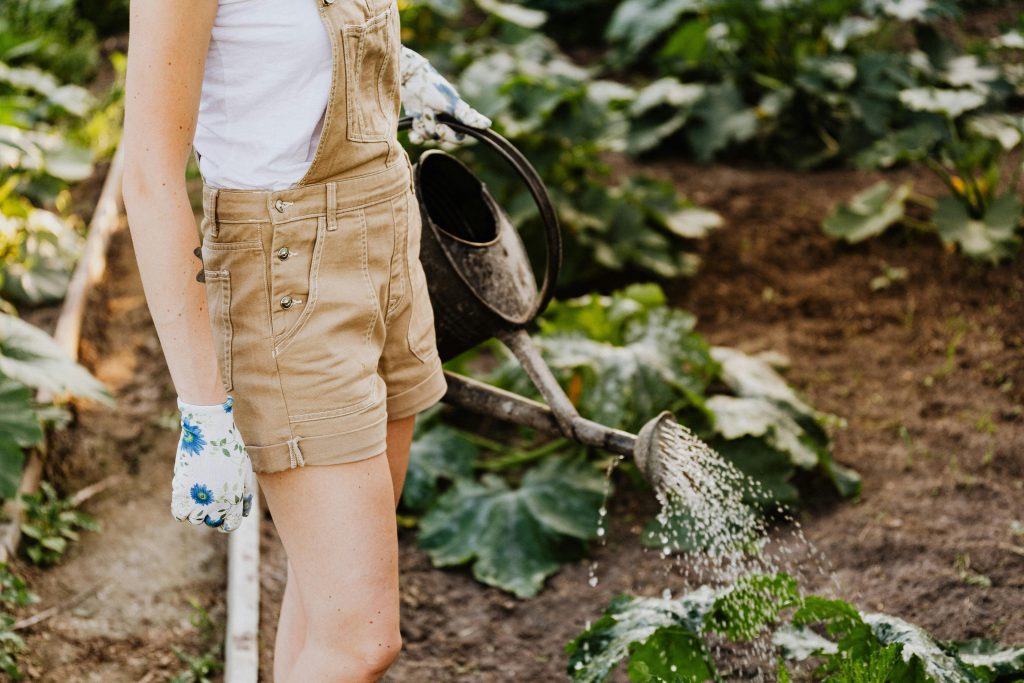
6. Water Your Backyard Garden the Right Way
Water the root zone when the soil needs moisture, rather than following a rigid schedule every day. Water needs change with temperature, wind, rainfall, plant size, soil type, and container size. A hot, windy afternoon can dry a small pot much faster than a shaded garden bed.
Check the soil before watering. Press a finger into the soil near the plant or use another suitable method to assess moisture below the surface. The top can look dry while the soil below remains damp, especially in heavier soil or shaded beds.
When watering is needed, apply water slowly enough for it to soak into the root zone. Watering early in the day can reduce the time foliage stays wet overnight and gives plants moisture before daytime heat. Avoid frequent shallow watering that only wets the top layer when the crop needs deeper moisture.
Source: ntnews.com
Water the base
Direct water toward the soil around the roots. This helps reduce water waste and can keep foliage drier than overhead watering.
Check containers often
Small pots may dry quickly in warm weather. Check them more often than in-ground beds and make sure excess water can drain.
Adjust after rain
Do not water automatically after rainfall. Check soil moisture first because rain may wet the surface without reaching deeper roots, or it may provide enough water for several days.
Watch for water stress
Wilting can result from dry soil, waterlogged roots, heat, or disease. Check the soil before deciding to add more water.
How to Tell Whether Plants Need Water
Dry soil around the root zone, drooping leaves that do not recover as temperatures ease, and stunted growth can signal a watering problem. However, these signs do not always mean the soil is dry. Roots in saturated soil may also struggle to take up water.
Check the soil and drainage first. If the ground is wet, pause watering and look for poor drainage or damaged roots. If it is dry at root depth, water slowly and recheck the soil later.
Dry soil
Water thoroughly enough to wet the root zone, then check how quickly the soil dries again.
Wet soil with wilting
Avoid adding more water until you have checked drainage and considered root or disease problems.
7. Use Mulch and Feed Plants When Needed
Mulch covers bare soil and can help reduce evaporation, limit weeds, and protect soil from heavy rain. Organic mulches such as clean straw, shredded leaves, and suitable untreated plant material can also break down over time and add organic matter.
Keep mulch a little away from plant stems to reduce the risk of rot and provide space for airflow. Apply a layer suited to the material and crop rather than piling it into a thick mound. In cool spring soil, wait until conditions suit the crop before adding a heavy layer that may slow warming.
Fertilizer needs depend on the crop, soil test results, and growing conditions. Too much fertilizer can cause excessive leaf growth, poor fruit production, or damage to roots. Follow the label rate and method, and do not assume that more plant food will produce a better harvest.
Source: storage.googleapis.com
Use clean mulch
Choose material that is free of trash, harmful chemical residues, and unwanted seeds when possible.
Keep stems clear
Leave a small open space around stems and trunks rather than pressing wet mulch against them.
Base fertilizer on need
Use soil test results and crop guidance to select a suitable product and amount.
Follow the label
Do not exceed the stated rate or apply fertilizer in a way that risks runoff into drains, streams, or ponds.
Can You Grow a Garden Without Chemical Fertilizer?
A garden may grow well without added synthetic fertilizer when the soil already supplies enough nutrients and the plants have suitable growing conditions. Compost and other organic materials can support soil health, but their nutrient content varies and they are not always a complete fertilizer.
Organic products can still cause harm if used incorrectly. Choose amendments based on the crop and soil needs, follow product directions, and avoid adding materials simply because they are labeled natural.
Build soil over time
Use suitable compost and mulch as part of a broader soil care plan.
Watch plant growth
Poor growth can have many causes, including light, water, temperature, pests, and root problems. Do not treat every symptom as a nutrient shortage.
8. Control Weeds and Check for Garden Pests
Regular checks help you spot garden problems while they are still manageable. Walk through the garden often and look at both sides of leaves, new growth, stems, and the soil around plant bases. Check for holes, sticky residue, discolored patches, chewed stems, and changes in growth.
Not every insect is a pest. Bees and other pollinators help many garden crops produce fruit, while lady beetles and some other insects feed on pests. Identify an insect or plant symptom before choosing a treatment.
Pull small weeds before they set seed, and remove them when the soil is moist enough to make the roots easier to lift. Mulch can suppress many weeds, but persistent weeds may still need repeated removal. Avoid digging deeply around shallow plant roots.
Source: urbangardeningideas.com
Inspect leaves
Look for chewing, spots, curled edges, webbing, and clusters of insects. Check whether the damage is spreading before taking action.
Remove weeds early
Small weeds are often easier to pull and less likely to have produced seeds.
Protect helpful insects
Avoid broad pesticide use when a less disruptive method can solve the problem. Read and follow the label if a pesticide is needed.
Keep tools clean
Remove soil and plant debris from tools, especially after working with diseased plants. Clean and disinfect tools when appropriate for the suspected pathogen and product directions.
What to Do When a Plant Looks Sick
Yellow leaves, spots, wilting, and slow growth can have several causes. Water stress, nutrient problems, insect feeding, and plant diseases can produce similar symptoms. One symptom alone is rarely enough to identify the cause with confidence.
Start by checking soil moisture, drainage, sunlight, and recent weather. Inspect nearby plants to see whether the problem is limited to one plant or spreading. Take clear photos and seek help from your local cooperative extension office if the symptoms remain unclear or continue to worsen.
Check growing conditions
Review water, light, soil, temperature, and plant spacing before applying treatments.
Remove badly affected material when suitable
Dispose of diseased plant parts according to local guidance. Do not place suspected diseased material in a home compost pile unless the process is known to manage that pathogen.
Identify the problem first
Use a reliable plant diagnostic service or local extension resource rather than treating every leaf spot as the same disease.
9. Maintain Your Garden Through the Growing Season
A little regular care is easier than trying to fix every problem at once. Set aside time to inspect plants, check soil moisture, pull weeds, and harvest ready crops. The amount of work will change with the weather and the size of the garden.
As plants grow, tie climbing crops to suitable supports, guide vines where they have room, and remove dead or damaged material when appropriate. Some crops benefit from pruning, while others should be left to grow naturally. Follow crop-specific advice rather than cutting plants just to make the bed look neat.
Keep a simple garden record. Write down what you planted, when you planted it, how it grew, and when you harvested it. These notes help you spot patterns, such as a crop that needs more sun or a planting date that came too early for your area.
Source: opengatesfarm.com
Check the garden often
Look for changes in leaves, stems, soil moisture, and plant growth. Early checks can help you respond before a problem spreads.
Harvest at the right stage
Follow crop guidance for size and ripeness. Regular harvesting can encourage continued production in crops such as beans and some summer vegetables.
Support growing plants
Use sturdy supports suited to the plant’s size and expected fruit load.
Record what works
Keep notes about weather, watering, pests, and harvests to improve next season’s plan.
Prepare for Heat, Storms, and Frost
Weather can change a garden quickly. During hot periods, check soil moisture more often, provide suitable shade for sensitive crops when needed, and avoid unnecessary disturbance of dry soil. Containers may need closer attention than in-ground beds.
Before strong winds or storms, secure trellises, stakes, and lightweight containers. After heavy rain, check for standing water, damaged supports, and broken stems. Before a frost, use crop-appropriate protection when practical, but remember that covers provide limited protection and must be used correctly.
During hot weather
Monitor moisture and plant stress, and water when the root zone needs it.
Before a storm
Secure supports and move portable containers to a safer spot when possible.
Before frost
Check the forecast and protect tender plants with suitable covers when appropriate. Remove covers when conditions allow.
Clean Up at the End of the Season
When annual crops finish producing, remove spent plants and assess whether they appear healthy or diseased. Healthy plant material may be composted if suitable for your compost system. Handle diseased plants with care and follow local disposal guidance.
Store tools clean and dry, empty or protect containers as needed, and make a short list of changes for next year. Covering bare soil with suitable mulch or a cover crop can help protect the soil during the off-season, depending on the climate and the garden’s next use.
Remove spent crops
Clear finished plants and weeds before they become a source of pests or unwanted seeds.
Protect the soil
Use an appropriate mulch or cover crop where climate and planting plans allow.
Store tools safely
Clean tools, dry metal parts, and store sharp or powered equipment where children cannot reach it.
10. Common Backyard Gardening Mistakes to Avoid
Many garden problems begin with a mismatch between the plant and its growing conditions. A crop may struggle because it gets too little sun, sits in wet soil, or grows in a container that dries too fast. Check the cause before adding fertilizer, pesticide, or more water.
A beginner garden also needs realistic limits. Planting too many crops at once can make it hard to keep up with weeding and harvests. A small garden that gets steady care often serves a new gardener better than a large bed that becomes difficult to manage.
Source: vecteezy.com
Planting too much too soon
Start with a few crops, learn their needs, and expand when you know how much time the garden takes.
Ignoring mature plant size
Read spacing and growth information before planting. Overcrowding can reduce airflow and make harvesting difficult.
Watering by habit alone
Check the soil before watering. A fixed daily schedule may leave some plants too dry and others too wet.
Adding fertilizer without a plan
Use soil test results and crop guidance. Excess nutrients can harm plants and may wash into nearby waterways.
Treating every insect as harmful
Identify insects and assess the damage first. Some garden insects pollinate plants or feed on pests.
Skipping local planting guidance
Use your regional frost dates and crop recommendations. A planting date that works in Texas may not suit a northern state.
A Simple Troubleshooting Checklist
When a plant begins to decline, work through the basic growing conditions before making several changes at once. Changing one factor at a time can make it easier to understand which action helps.
If the problem continues, collect useful details such as the plant variety, planting date, recent weather, watering pattern, and clear photos of the symptoms. These details can help a local extension service or plant diagnostic specialist narrow down the cause.
Step 1: Check soil moisture
Determine whether the root zone is dry, evenly moist, or waterlogged.
Step 2: Check light and temperature
Look for shade, heat stress, cold injury, or conditions that do not suit the crop.
Step 3: Inspect leaves and stems
Look for insects, feeding damage, spots, rot, and changes in new growth.
Step 4: Review recent care
Check whether you recently added fertilizer, transplanted the plant, changed watering, or applied a treatment.
11. Estimate Your Backyard Garden Budget
The cost of a backyard garden depends on the size, materials, soil needs, and crops you choose. A garden planted in suitable existing soil may need little more than seeds, a hand tool, and a watering method. Raised beds and large containers add setup costs, especially when you need to buy soil or compost.
Before buying supplies, list what you already own and what you truly need. A trowel, watering can or hose, gloves if desired, seeds or seedlings, and suitable soil amendments may be enough for a small first garden. You can add extra tools later when a clear need appears.
Avoid setting a budget based on an assumed harvest value. Crop yields vary with weather, pests, growing conditions, and skill. For a beginner, a useful first goal is to grow healthy plants, learn the local season, and harvest a few crops you enjoy.
Source: dianfarmer.com
Plan setup costs
Include bed materials or containers, soil or compost, seeds or seedlings, and any required support structures.
Allow for ongoing needs
Plan for water, replacement seeds, mulch, and suitable pest or plant care supplies if needed.
Reuse safe materials
Use suitable existing containers and tools where practical, but avoid unknown chemical residues and containers that cannot drain.
What Tools Do You Need to Start?
You do not need a shed full of gear to begin growing food. A hand trowel, a way to water the garden, pruning shears for suitable tasks, and a tool for removing weeds can cover many basic needs. The exact set depends on whether you are growing in pots, beds, or open ground.
Buy tools that fit the size of your garden and feel safe to use. Keep blades clean, store tools dry, and follow the instructions for powered equipment. Do not use a tool for a task it was not designed to perform.
Hand trowel
Useful for planting seedlings, making small holes, and working in containers.
Watering can or hose
Choose a method that lets you water the root zone without washing soil away.
Weeding tool
A hand fork or hoe can help remove weeds, depending on the size and layout of the garden.
Pruning shears
Useful for suitable stems and harvesting tasks when the tool is sized correctly and kept sharp and clean.
12. Make Your Backyard Garden Work for Your Household
A useful garden should fit your daily life. If you cook often, grow herbs and vegetables you use in regular meals. If you have little free time, choose a few crops with manageable care needs and use mulch to reduce some weeding. If children help, give them simple tasks suited to their age and keep sharp tools, fertilizers, and pesticides out of reach.
Think about what happens after harvest, too. Pick crops in quantities your household can eat, share, or preserve safely. Fresh produce can be washed with clean running water before use, and damaged or spoiled items should be handled with care.
A backyard garden does not need to supply every vegetable you eat. Even a small herb bed or a few productive plants can be worthwhile. The aim is to build a routine that gives you useful harvests and lets you enjoy the space.
Source: urbangardeningideas.com
Grow what you eat
Choose crops that match your usual meals and taste preferences so the harvest is more likely to be used.
Match the garden to your schedule
Choose a size and crop mix you can care for during busy weeks, not just when you have spare time.
Make safe tasks for children
Children can help water, plant larger seeds, or pick suitable produce with supervision. Keep sharp tools and garden chemicals secured.
Plan for the harvest
Pick crops at the right stage and make a plan for using or preserving extra produce. Follow reliable food preservation guidance for methods such as canning.
A Practical First-Month Plan
A simple first-month plan can keep the work manageable. The exact schedule depends on your local season, so use it as a sequence of tasks rather than a fixed calendar. Do not plant warm-season crops outdoors while frost or cold soil remains a risk for your area.
Spend the first part of the month choosing the site and testing the soil. Next, prepare the growing area and choose suitable seeds or seedlings. After planting, focus on moisture, weeds, and early signs of stress instead of adding more crops right away.
Week 1: Plan
Check sunlight, drainage, water access, local planting dates, and any possible soil contamination concerns.
Week 2: Prepare
Review soil test results, clear the growing area safely, and prepare beds or containers.
Week 3: Plant
Sow seeds or transplant suitable seedlings at the recommended depth and spacing.
Week 4: Check and adjust
Inspect moisture, remove small weeds, check for pests, and record how the plants respond.
13. Research Notes and Reader Question Gap Map
This guide focuses on the main task of planning, planting, and caring for a home backyard garden. The main practical choices are the site, garden type, soil condition, crop selection, watering method, and ongoing care. These factors affect one another, so the advice is organized in the order a beginner is likely to use it.
A live competitor-page audit and a review of current People Also Ask results were not completed for this draft. No current search positions, keyword volumes, or verified audience questions are claimed here. The next-question map below separates needs inferred from the gardening task from questions that would need live search or reader data to confirm.
Source: qaqooking.wiki
Main entity and role
The main entity is a backyard food garden. This article serves as a broad beginner guide that can support narrower pages on soil preparation, planting calendars, watering, and garden tools.
Evidence boundary
The gardening guidance is general and should be adapted to local climate, crop variety, soil test results, and current conditions. No hands-on garden test or original field study is claimed.
Next-Question Gap Map
The following questions are inferred from the steps a new gardener must take. Their actual search demand and competitor coverage have not been checked. They are included because they can affect a reader’s next decision.
Stage: planning. Basis: inferred next need. Competitor coverage: not checked. Reader benefit: helps match crops to available space. Evidence needed: regional crop guidance and mature plant sizes. Priority: high. Placement: crop selection section.
How do I know whether my garden soil is safe?
Stage: before planting. Basis: inferred next need. Competitor coverage: not checked. Reader benefit: helps prevent exposure to possible contaminants. Evidence needed: local soil testing guidance and relevant public health recommendations. Priority: high. Placement: site selection and soil preparation sections.
How often should I water a backyard garden?
Stage: after planting. Basis: inferred next need. Competitor coverage: not checked. Reader benefit: reduces both drought stress and overwatering. Evidence needed: crop, soil, climate, and container-specific watering guidance. Priority: high. Placement: watering section.
Should I use raised beds or plant directly in the ground?
Stage: garden setup. Basis: inferred next need. Competitor coverage: not checked. Reader benefit: helps readers compare cost, drainage, access, and soil quality. Evidence needed: extension guidance and site-specific limitations. Priority: high. Placement: garden type section.
What should I do when garden plants turn yellow or wilt?
Stage: troubleshooting. Basis: inferred next need. Competitor coverage: not checked. Reader benefit: discourages incorrect treatment based on one symptom. Evidence needed: reliable plant diagnostic resources and crop-specific information. Priority: high. Placement: pest and troubleshooting sections.
Which garden tools are essential for beginners?
Stage: purchasing and setup. Basis: inferred next need. Competitor coverage: not checked. Reader benefit: limits unnecessary spending. Evidence needed: task-based tool guidance and safe-use instructions. Priority: medium. Placement: garden budget section.
Frequently Asked Questions
Q
How do I start growing a backyard garden for beginners?
Start by choosing a sunny, well-drained site with easy access to water. Check the soil and local planting dates, then choose a few crops that suit your climate and the space you have. Prepare the soil, plant at the recommended spacing, and check moisture and plant health on a regular basis.
A small garden is often easier to manage while you learn. Add more crops after you understand the time, water, and care your first plants need.
Q
What is the easiest vegetable to grow in a backyard?
Radishes, lettuce, bush beans, and some herbs can be good choices for beginners when planted in suitable conditions. The easiest option depends on your climate, season, sunlight, and soil. For example, lettuce usually prefers cooler weather, while bush beans need warm soil and a frost-free growing period.
Choose a crop you like to eat and follow the seed packet for planting depth, spacing, and harvest timing.
Q
How much sunlight does a backyard vegetable garden need?
Many fruiting vegetables, such as tomatoes, peppers, and cucumbers, grow best with around six to eight hours of direct sunlight per day. Leafy greens and some herbs can tolerate partial shade, though their growth may change with the amount of light they receive.
Track sunlight at the proposed garden site before planting. Consider nearby trees, fences, and buildings that cast shade during the growing season.
Q
How often should I water my backyard garden?
There is no single watering schedule that suits every backyard garden. Check the soil around the roots and water when it needs moisture. Hot weather, wind, sandy soil, small containers, and young plants can increase watering needs, while cool weather and wet soil can reduce them.
Water slowly so moisture reaches the root zone. If a plant wilts while the soil is wet, check drainage and root health before adding more water.
Q
Is a raised bed better than an in-ground garden?
Neither method is always better. An in-ground garden can be economical when the native soil is suitable and drains well. Raised beds can provide more control over the growing mix and can help when the existing soil is unsuitable, but they need materials, soil, and regular moisture checks.
Compare the condition of your soil, available space, budget, and mobility needs before choosing. If contamination is possible, test the soil and follow local guidance rather than assuming a raised bed alone solves every risk.
Q
Can I grow a backyard garden without a large yard?
Yes. Containers, small raised beds, and narrow planting areas can support herbs, leafy greens, and selected vegetables. Choose compact varieties where suitable, provide enough root space, and make sure containers drain well.
Place containers where the crops receive suitable sunlight and where you can reach them easily for watering. Small pots may dry quickly, so check their moisture more often during warm or windy weather.
Q
When is the best time to plant a backyard garden in the United States?
The best planting time depends on your state, local climate, crop type, and frost dates. Many warm-season vegetables are planted after the risk of frost has passed and the soil has warmed. Cool-season crops such as peas, lettuce, and spinach often grow best in cooler parts of the year.
Use local cooperative extension recommendations and the seed packet as your guide. A planting calendar for one region may not fit another, even within the same state.
Q
Why are my backyard garden plants turning yellow?
Yellow leaves can result from overwatering, underwatering, poor drainage, nutrient shortages, pests, disease, or normal aging. The leaf color alone does not identify the cause. Check soil moisture, light, recent weather, and the pattern of symptoms before applying fertilizer or pesticide.
If the problem spreads or remains unclear, photograph the affected plant and seek help from a local cooperative extension office or a qualified plant diagnostic service.
✦ Wrapping Up
Conclusion
Growing a backyard garden becomes easier when you begin with the basics. Choose a site that suits your crops, check the soil, and decide whether an in-ground bed, raised bed, or containers fit your space. Then plant a small selection of vegetables and herbs that match your local growing season.
Keep the routine simple. Check soil moisture, remove weeds while they are small, look for pests, and harvest crops at the right stage. Use local planting guidance instead of relying on one calendar for the whole country. When a plant struggles, check its growing conditions before making several changes at once.
Your first garden does not have to be large or flawless. Start with a few plants, learn from each harvest, and keep notes about what works. Those small steps can help you build a backyard garden that fits your home, your schedule, and the foods you enjoy.
💡 Key Takeaway
This week, choose one garden site, track its sunlight, and check your local planting calendar. Select two or three crops you enjoy, assess the soil, and prepare only the space you can care for. A small, well-planned start is more useful than a large garden without a clear plan.