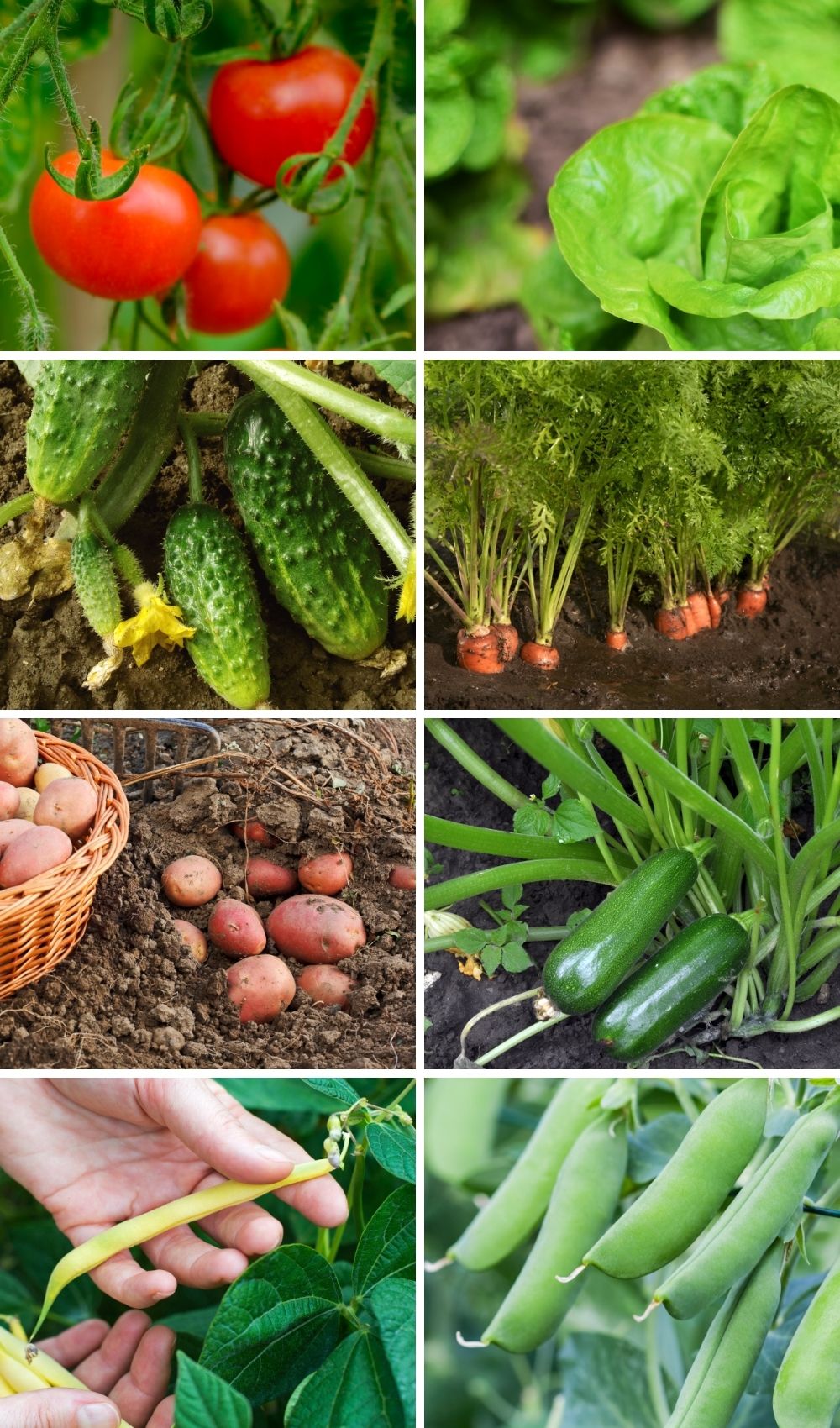
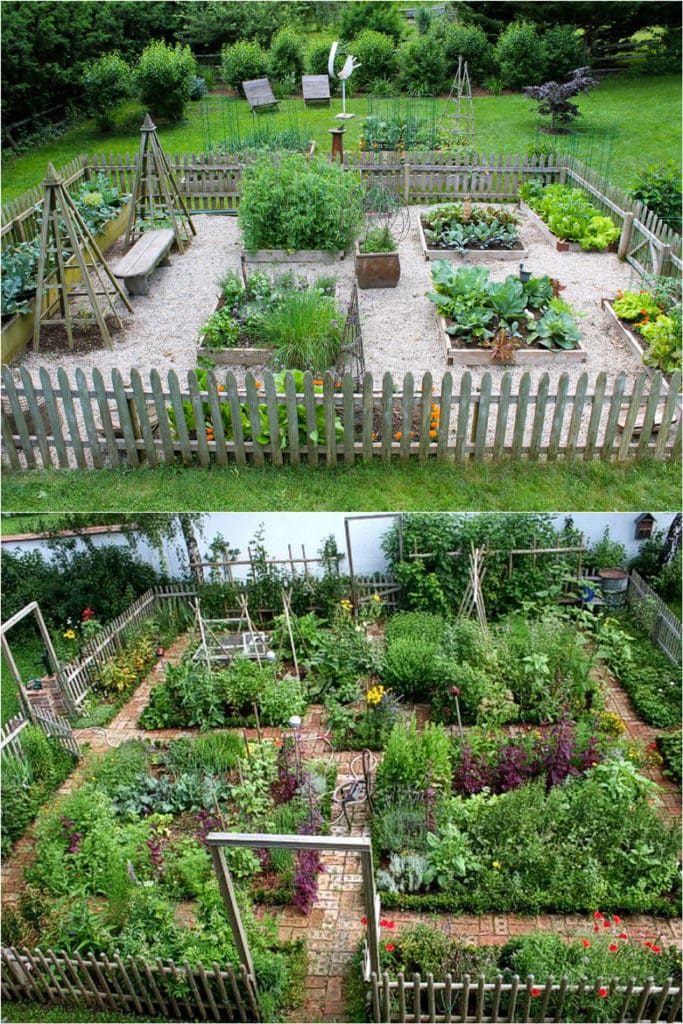
The easiest vegetables for beginner gardeners are lettuce, radishes, green beans, zucchini, cucumbers, spinach, kale, carrots, cherry tomatoes, and peas. Start with three or four crops that suit your local climate, available sunlight, and growing season. Choose easy seeds, prepare healthy soil, and water your plants on a steady schedule.
In the United States, a first vegetable garden can be as small as a few pots on a sunny apartment balcony or a raised bed beside a suburban home. You do not need a large yard, costly tools, or years of skill to grow fresh food. The best place to start is with vegetables that grow well in your region and fit the time you have to care for them.
Your USDA hardiness zone can help you understand winter cold, but it does not tell you every planting date. Local frost dates, summer heat, and the length of your growing season matter too. A gardener in Florida may plant cool-season crops while someone in Minnesota waits for the last spring frost. Start small, check local planting advice, and add more crops as you gain skill.
The best first vegetables offer a clear path from planting to harvest without demanding expert care. Some grow from seed in just a few weeks, while others need a longer season but provide fruit over many weeks. Your climate, garden space, and sunlight will help you decide which crops belong in your first bed.
The growing times below are rough guides, not promises. Seed type, weather, soil, and care can change the time to harvest. Read the seed packet for the variety you choose, and use local planting calendars to plan your garden.
Source: www.pinterest.com
Lettuce
Lettuce grows well in cool weather and can be harvested as baby leaves or full heads. Sow seeds in loose soil, keep the soil moist, and pick outer leaves as needed. Many varieties can provide baby leaves in about three to four weeks. Hot weather can cause plants to turn bitter or send up flower stalks.
Radishes
Radishes are a good choice when you want a quick result. Many types mature in about three to five weeks. Sow seeds directly in the garden, space them as directed, and keep the soil evenly moist. Crowded plants or hard, dry soil can lead to small or misshapen roots.
Bush beans
Bush beans grow in compact plants and usually need no tall support. Plant seeds outdoors after frost danger has passed and the soil has warmed. Many varieties produce pods in roughly 50 to 60 days. Pick beans while the pods are still tender, and avoid working among wet plants.
Zucchini
Zucchini is a productive summer squash that can give a large harvest from a small number of plants. Give it warm soil, full sun, rich soil, and enough room for broad leaves. Harvest young fruit often, usually when it is about six to eight inches long or as your variety recommends. One or two plants may produce more squash than a small household can use.
Cucumbers
Cucumbers are easy to grow when they have warm weather, steady moisture, and enough sunlight. Bush types suit smaller spaces, while climbing types can grow on a sturdy trellis. Pick fruit before it becomes oversized or yellow. Check the seed packet for the expected mature size and harvest window.
Spinach
Spinach is a cool-season crop that can grow from seed in beds or large containers. Sow it in spring or fall when temperatures suit the variety. Keep the soil moist and harvest outer leaves as they grow. Hot weather often causes spinach to bolt, which means it sends up a flower stalk and leaf quality may decline.
Kale
Kale is a hardy leafy crop that can give repeated harvests. Plant it in a sunny spot with fertile soil and steady moisture. Cut older outer leaves first and leave the center growing point intact. Watch for caterpillars and other leaf-eating pests, especially in warm weather.
Carrots
Carrots grow best in loose, stone-free soil that lets their roots lengthen. Sow seeds directly where they will grow because carrots do not transplant well. Keep the surface moist until seedlings emerge, and thin them to the spacing listed on the packet. Many types need about 60 to 80 days to mature.
Cherry tomatoes
Cherry tomatoes are a rewarding choice for sunny gardens and large containers. Young transplants can save time compared with starting seeds indoors. Choose a variety suited to your space, then provide a sturdy cage or stake when needed. Water the root zone regularly and harvest the fruit when it reaches its mature color.
Peas
Peas grow best in cool weather and are often planted early in spring. Sow seeds directly in the soil and give climbing varieties a suitable trellis. Keep the soil moist while the plants establish. Heat can shorten the harvest, so plant peas according to your local spring or fall growing window.
Which vegetables are easiest for a very small garden?
For a small patio or balcony, start with lettuce, radishes, bush beans, and a compact cherry tomato variety. Lettuce and radishes can grow in modest containers, while bush beans need a pot large enough to support healthy roots. A tomato needs a deeper container and a stable support system, so check the variety’s space needs before buying a pot.
Best for quick crops
Try radishes and baby-leaf lettuce for an early harvest in suitable weather.
Best for vertical space
Try peas or climbing cucumbers with a secure trellis that fits your growing area.
Best for a summer container
Try a compact cherry tomato or bush bean in a container with drainage holes.
How to Choose the Right Vegetables for Your Climate
The easiest vegetable to grow is the one that suits your season. Cool-season crops such as lettuce, spinach, and peas prefer milder weather. Warm-season crops such as tomatoes, beans, cucumbers, and zucchini need warmer soil and are sensitive to frost.
Across the United States, planting dates vary widely. A gardener in the Pacific Northwest may have a mild spring but a shorter warm season. A gardener in the Southeast may enjoy a long growing season but need to protect lettuce and spinach from summer heat. Use a local extension service or regional planting calendar rather than relying on one national date.
Source: www.msn.com
Check your frost dates
Find your average last spring frost and first fall frost. These dates are planning guides, not guarantees, so watch the forecast before planting tender crops.
Match crops to the season
Plant peas and spinach during cool weather, and wait for warmer soil before sowing beans, cucumbers, and squash.
Read the seed packet
Look for days to maturity, recommended spacing, planting depth, and whether the crop should be direct-sown or started indoors.
Your county’s Cooperative Extension office can offer regional advice on planting dates, common pests, soil testing, and varieties suited to your area.
What does your USDA hardiness zone tell you?
The USDA Plant Hardiness Zone Map groups areas by their average annual extreme minimum winter temperature. It is useful when choosing perennial plants and understanding winter survival, but it does not provide a full vegetable planting calendar. Annual crops are often more affected by frost dates, soil temperature, summer heat, and the number of frost-free days. Use your zone as one planning tool rather than the only one.
How much sunlight does a beginner vegetable garden need?
Most vegetables that produce fruit, such as tomatoes, cucumbers, beans, and zucchini, grow best with at least six to eight hours of direct sun per day. Leafy crops such as lettuce and spinach can tolerate some shade, especially when the weather is warm. Watch your proposed garden spot during the day because a location that looks sunny in the morning may sit in shade by the afternoon.
Full sun
Choose this spot for tomatoes, beans, cucumbers, and most summer squash.
Partial shade
Try lettuce, spinach, or other leafy greens, while allowing for slower growth if light is limited.
How to Start a Beginner Vegetable Garden
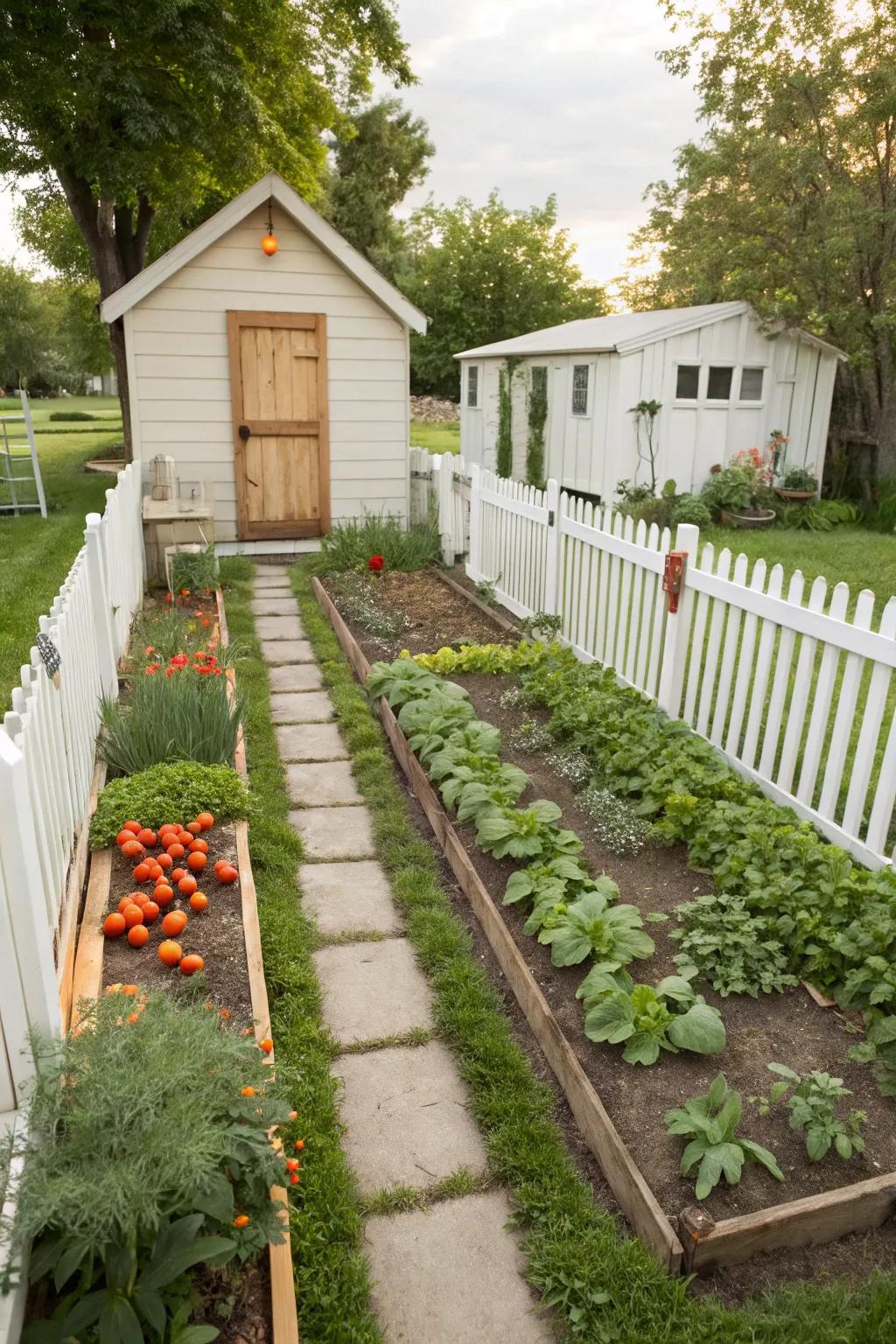
You can start a vegetable garden with a small bed, a few pots, or a sunny patch of ground. Begin by choosing a place with suitable light and access to water. A manageable garden is easier to weed, water, and observe than a large bed filled with crops you do not yet know how to grow.
Before you plant, check your soil and plan where each crop will go. Give plants enough space for air to move between leaves, and leave room to reach the center of the bed. These small choices make daily care easier and can reduce some common problems.
Source: goodhomegarden.com
Choose a manageable space
Start with a small raised bed or a few containers. Make sure the area receives enough sunlight for your chosen crops and has a reliable water source.
Check the soil
Vegetables generally grow best in well-drained soil with organic matter. A soil test from a local extension service can help identify pH or nutrient issues before you add fertilizer.
Improve the growing medium
Mix suitable finished compost into garden soil when needed. For containers, use a quality potting mix made for growing plants rather than dense garden soil alone.
Plan plant spacing
Follow the seed packet or plant label. Crowded plants compete for light, water, and nutrients, and leaves that stay wet may face a higher risk of disease.
Keep basic tools nearby
A hand trowel, watering can or hose with a gentle nozzle, gloves, and a small pair of garden snips are enough for many beginner gardens.
Should beginners grow vegetables from seeds or transplants?
Both methods work, but the right choice depends on the crop. Radishes, carrots, peas, lettuce, and beans are commonly sown directly in the garden. Tomatoes are often easier for beginners to grow from healthy young transplants because they need a longer warm growing period in many parts of the country. Follow the seed packet or plant label because some varieties have different needs.
Choose seeds
Seeds usually offer more variety and work well for crops that dislike root disturbance or grow quickly from direct sowing.
Choose transplants
Young plants can save time for crops such as tomatoes and peppers, but inspect them for pests, yellow leaves, and damaged roots before planting.
Can you grow easy vegetables in pots?
Yes. Containers work well when they are large enough for the crop, have drainage holes, and receive suitable light. Lettuce, radishes, bush beans, and compact tomatoes are practical choices. Large plants such as zucchini and full-size cucumbers need more root space than many small pots can provide, so check the recommended container size before planting.
Use pots with drainage
Water must be able to escape so roots do not remain in soggy soil.
Choose the right potting mix
A suitable container mix helps hold moisture while allowing air to reach the roots.
Check pots often
Containers can dry out faster than garden beds, especially during hot or windy weather.
Watering, Feeding, and Caring for Young Plants
Consistent care helps easy vegetables grow well, but you do not need to follow a rigid daily watering schedule. Soil dries at different rates depending on weather, plant size, soil type, and container size. Check the soil before watering and give extra attention to new seedlings, which have small root systems.
Water the soil near the roots rather than spraying the leaves whenever possible. Deep watering can help roots grow down into the soil, while frequent shallow watering may leave the lower root zone dry. The right amount depends on the crop and conditions, so watch the soil and the plants instead of following a fixed number of minutes.
Source: ar.inspiredpencil.com
Check soil moisture
Feel the soil a short distance below the surface. If it is dry where the roots grow, water slowly and thoroughly. Do not let seedlings dry out while they establish.
Water early when practical
Morning watering gives plants time to take up water before the hottest part of the day and can help leaves dry if they become wet.
Use mulch when suitable
A layer of clean organic mulch can help reduce water loss and weeds. Keep it away from direct contact with plant stems, and wait until the soil has warmed before using thick mulch around warm-season crops.
Feed plants based on need
Use soil-test results and crop guidance to choose fertilizer. Too much nitrogen can encourage leafy growth at the expense of fruit or roots, and excess fertilizer can harm plants.
Check leaves and stems
Look for yellowing, holes, spots, wilting, or unusual growth. Check the undersides of leaves as well, since some pests hide there.
How can you tell whether a vegetable plant needs water?
Dry soil around the root zone is a better guide than a strict calendar. Wilting can signal a lack of water, but some plants also wilt during extreme heat even when the soil is moist. Check the soil before adding more water because soggy roots can also cause drooping, yellow leaves, and poor growth. If the soil is wet, improve drainage and allow excess water to drain rather than watering again.
How do you prevent common beginner garden problems?
Many early problems come from crowded plants, poor drainage, inconsistent moisture, or planting a crop in the wrong season. Give each plant enough space, water the root zone, and remove badly damaged plant material when appropriate. Identify a pest or disease before choosing a treatment, and follow the product label if you use a garden pesticide.
Yellow leaves
Check watering, drainage, light, and nutrient needs before adding fertilizer. Yellow leaves can have several causes.
Small or misshapen roots
Check whether carrots or radishes have enough space and loose soil. Stones, crowding, and uneven moisture can affect root shape.
Holes in leaves
Inspect both sides of the leaves for caterpillars, beetles, or other pests before taking action.
Flowers but little fruit
Check temperature, sunlight, watering, and pollination. Heat or cold can affect fruit set, and some crops need insect pollinators.
When to Harvest Beginner-Friendly Vegetables
Harvest vegetables when they reach the size, color, or texture described for your variety. Picking crops at the right stage can improve taste and encourage continued production in plants such as beans and zucchini. Do not rely on size alone because varieties differ, and an oversized vegetable is not always a better one.
Check your garden every day or two during peak growth. Radishes can mature quickly, beans may produce many pods at once, and zucchini can grow much larger in a short time. Use clean garden snips or a suitable knife when cutting fruit, and avoid pulling hard on stems that could damage the plant.
Source: artofit.org
Leafy greens
Pick outer lettuce, spinach, or kale leaves when they are large enough to eat. Leave the growing point intact if you want the plant to keep producing.
Radishes and carrots
Check the expected root size on the seed packet. Pull one test plant if needed to see whether the roots are ready.
Beans and peas
Harvest pods when they are tender and have reached the expected size. Pick regularly to encourage continued production where the variety allows.
Cucumbers and zucchini
Pick fruit while it is young and tender, using the variety’s guidance as your size reference. Remove fruit carefully to avoid tearing stems.
Cherry tomatoes
Harvest when the fruit reaches its expected mature color and comes away with gentle handling. Protect ripe fruit from birds and pests by checking plants often.
Which vegetables give the quickest harvest?
Radishes and baby-leaf lettuce are among the quickest options for a first harvest in suitable conditions. Many radish varieties are ready in about three to five weeks, while baby lettuce leaves may be ready in about three to four weeks. Beans, cucumbers, tomatoes, and squash usually take longer, but they can offer larger or repeated harvests once established.
For a quick result
Sow radishes and loose-leaf lettuce in the right season.
For repeated picking
Choose leafy greens, bush beans, or cherry tomatoes suited to your growing conditions.
For a long warm season
Try cucumbers or zucchini if you have enough room and can keep up with regular harvesting.
Common Beginner Gardening Mistakes to Avoid
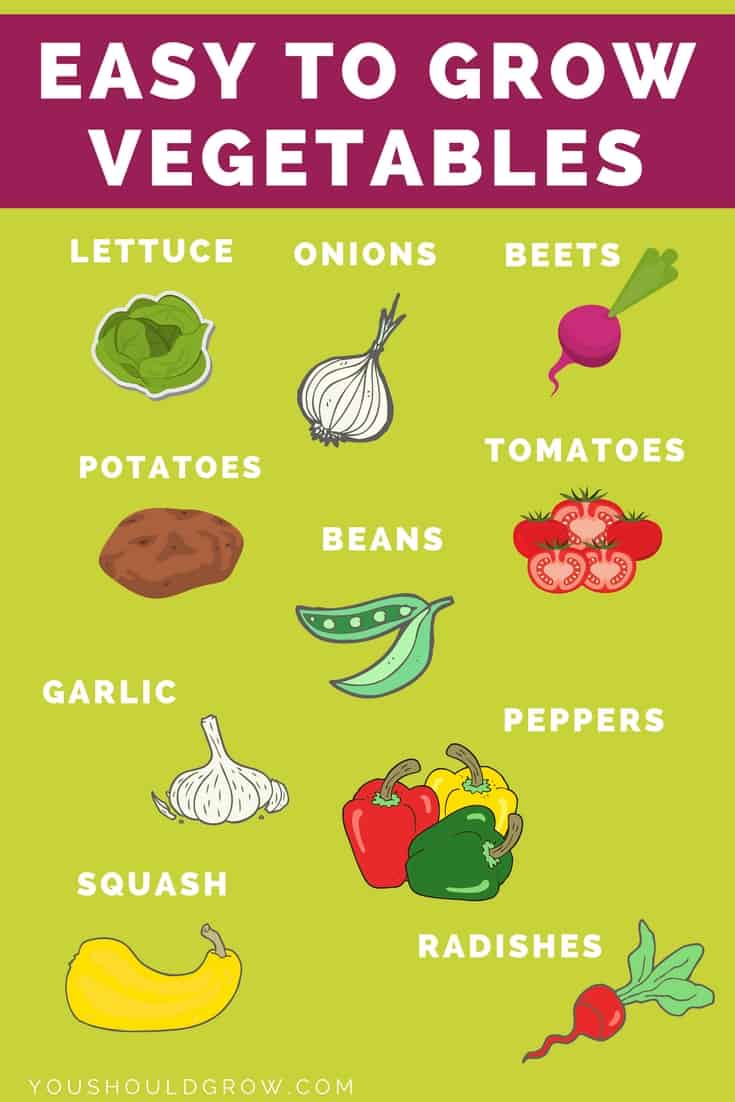
A first garden may not grow exactly as planned, and a few problems are normal. You can avoid many setbacks by planting at the right time, giving crops enough space, and checking soil moisture often. Start with a few simple crops instead of trying to grow every vegetable at once.
The goal is not to make every plant look perfect. It is to learn which crops suit your garden, notice problems early, and improve your next planting. Keep short notes about planting dates, weather, watering, and harvests so you can make better choices next season.
Source: youshouldgrow.com
Planting too early
Tender crops may suffer in cold soil or after a late frost. Check local forecasts and planting guidance before putting warm-season plants outdoors.
Growing too many vegetables
A large garden can take more time and water than a beginner expects. Begin with three or four crops, then expand when you understand their needs.
Ignoring plant spacing
Crowded crops compete for light and air. Follow the spacing guidance and thin seedlings rather than keeping every seedling.
Watering without checking the soil
A fixed daily schedule can lead to dry roots or waterlogged soil. Check the root zone and adjust for rainfall, heat, and container size.
Using too much fertilizer
Extra fertilizer does not always improve growth. Test the soil when practical and follow product directions for the crop and growing area.
Leaving crops unharvested
Some vegetables become tough, bitter, or oversized when left too long. Check fast-growing crops often during warm weather.
What should you do if your first crop fails?
Start by looking for the most likely cause rather than changing everything at once. Check whether the crop was planted in the right season, received enough light, had steady moisture, and grew in suitable soil. If seedlings never appeared, check seed depth, soil moisture, and the packet’s germination guidance. Replant a small area with a suitable crop after correcting the main problem.
Keep a garden record
Write down what you planted, when you planted it, and what happened. A few simple notes can help you spot patterns over time.
Try one change at a time
Adjust planting dates, spacing, or watering based on the symptoms. Changing several things at once makes it harder to learn what worked.
Ask for local help
Your county Cooperative Extension office may help identify soil problems, pests, or diseases that are common in your region.
A Simple First Garden Plan for Beginners
A small, planned garden is a practical way to learn without buying too many seeds or tools. Choose crops with different harvest times so you can enjoy an early result while waiting for slower plants. For a sunny garden, radishes, lettuce, bush beans, and cherry tomatoes make a useful starting mix when their seasons match your local weather.
Before buying plants, measure the space and check the mature size of each crop. If you only have partial sun, focus on leafy greens and choose varieties that tolerate your conditions. A garden plan should fit your real space and time, not an ideal picture of a large backyard.
Source: aka.pv-witten-ost.de
Week 1: Choose and prepare the site
Check sunlight, drainage, and access to water. Prepare a small bed or select containers with drainage holes.
Week 2: Plant suitable crops
Sow seeds or set out transplants according to local seasonal guidance. Label rows or pots so you remember what you planted.
Weeks 3 and 4: Check growth
Keep the seedbed moist, thin crowded seedlings, remove small weeds, and inspect leaves for pests. Actual germination and growth times depend on weather and variety.
Following weeks: Maintain and harvest
Adjust watering to soil moisture, add support where needed, and harvest crops as they mature. Record what worked and use those lessons for your next planting.
Example planting plan for a sunny beginner garden
For a hypothetical small garden in a region with a mild spring, you could sow a short row of radishes and loose-leaf lettuce, plant bush beans after frost danger has passed, and set out a cherry tomato transplant once the weather is warm enough. This plan offers a quick crop, a cool-season leafy crop, and two warm-season options. Change the timing to match your local climate rather than following these steps by calendar week alone.
Radishes
Sow a short row for an early harvest, and leave enough space for roots to develop.
Loose-leaf lettuce
Plant in cool weather and pick outer leaves as needed.
Bush beans
Direct-sow in warm soil after frost danger has passed.
Cherry tomatoes
Choose a suitable transplant and provide enough room, sunlight, water, and support.
Frequently Asked Questions
Q
What is the easiest vegetable to grow for beginners?
Radishes and loose-leaf lettuce are good choices if you want a quick first harvest. Bush beans are also simple to grow once the soil is warm and frost danger has passed. The easiest option for you depends on the season, sunlight, soil, and space available.
Q
Which vegetables grow in 30 days?
Some radish varieties can mature in about 21 to 35 days, and baby lettuce leaves may be ready in roughly three to four weeks. These times depend on the variety, temperature, moisture, and growing conditions. Check the seed packet for the expected harvest window.
Q
Can beginners grow vegetables without a backyard?
Yes. Many vegetables grow in containers on a sunny balcony, patio, or porch. Lettuce, radishes, bush beans, and compact cherry tomatoes can work well when their pots provide enough root space and drainage. Check building rules and make sure containers are secure, especially on elevated balconies.
Q
How often should beginner gardeners water vegetables?
There is no single watering schedule that fits every garden. Check the soil near the roots and water when it begins to dry, taking rainfall, heat, wind, and container size into account. Keep newly planted seeds and young seedlings from drying out, but avoid leaving roots in waterlogged soil.
Q
What vegetables can beginners grow in partial shade?
Lettuce, spinach, and some other leafy greens can tolerate partial shade better than most fruiting crops. They may grow more slowly when light is limited. Tomatoes, cucumbers, beans, and zucchini usually need more direct sun to produce a good harvest.
Q
Is it cheaper to grow vegetables at home?
It can be cheaper when you grow productive crops, reuse suitable containers, and use tools you already own. The first season may cost more because you may need soil, compost, pots, seeds, or supports. Grow vegetables your household enjoys and can harvest before they spoil to get more value from your garden.
Q
Should beginners use raised beds or grow vegetables in the ground?
Both methods can work. In-ground beds may cost less when the soil drains well and is suitable for vegetables. Raised beds can help where native soil drains poorly or is difficult to work, but they need suitable fill and may dry out faster in hot weather. Test or assess your soil before deciding.
✦ Wrapping Up
Conclusion
Easy beginner garden vegetables can turn a small patch of soil or a few pots into a steady source of fresh food. Start with radishes, lettuce, bush beans, or another crop that suits your local season. Add tomatoes, cucumbers, or zucchini when you have enough sunlight and room for larger plants.
A successful first garden does not need to be large or perfect. Give your crops the right season, enough space, suitable soil, and steady care. Watch how they grow, harvest them at the right stage, and keep notes so your next planting gets easier.
💡 Key Takeaway
Choose three vegetables that suit your climate and sunlight, check your local planting calendar, prepare a small bed or containers, and plant only what you can care for and harvest.