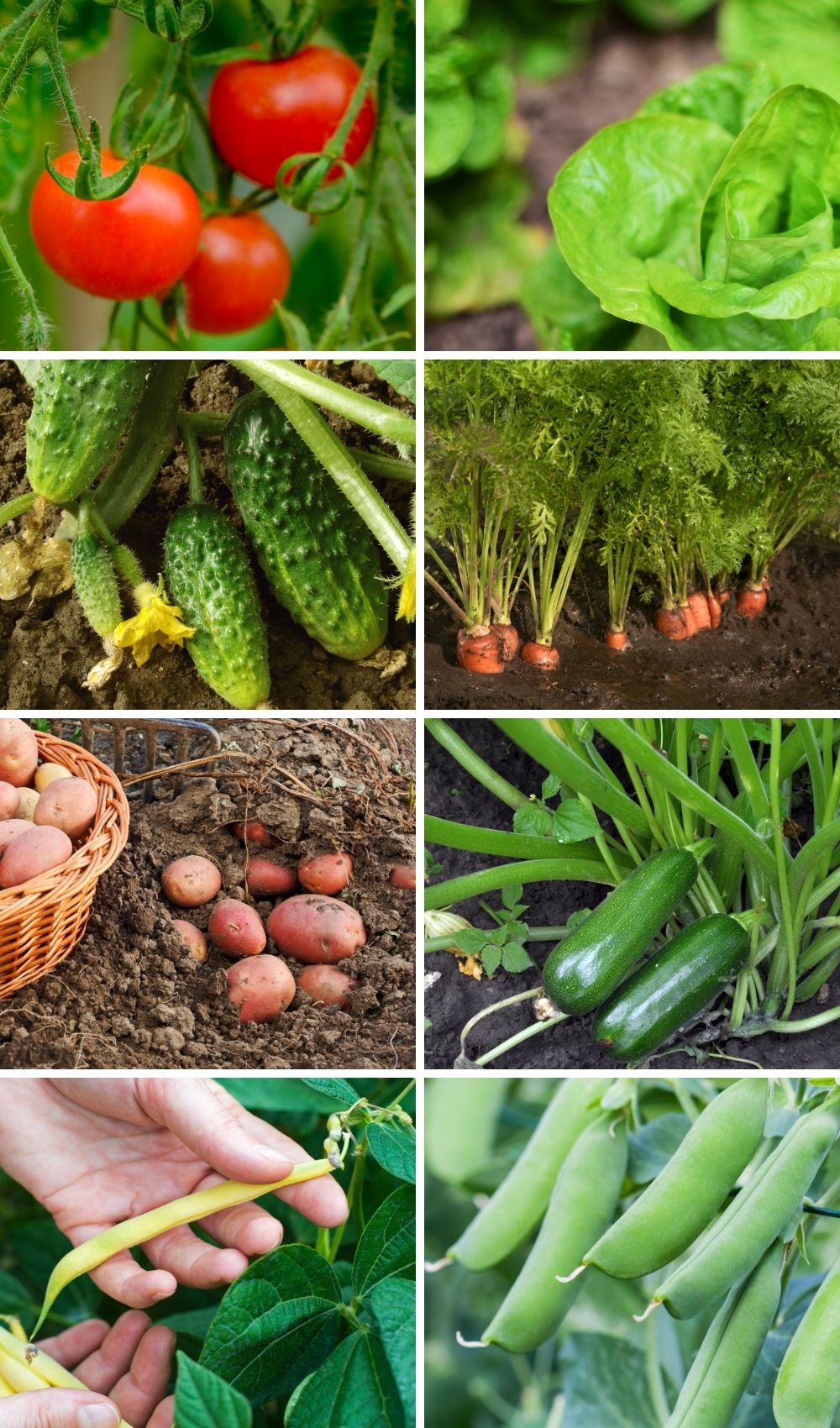
Lettuce, radishes, green beans, zucchini, peas, carrots, and cherry tomatoes are beginner friendly vegetables to grow. They offer simple ways to learn basic garden care, with options for raised beds, small yards, and sunny patios across the United States.
Starting a vegetable garden in the United States does not require a large yard or years of practice. A few pots on a sunny patio can grow fresh food, while a small backyard bed can support several crops. The best place to start is with vegetables that suit your local climate, available sunlight, and the time you can give them each week.
Some crops sprout in days, while others need weeks of care before harvest. Radishes grow quickly in cool weather, lettuce provides tender leaves, and green beans can produce a steady supply during warm months. Cherry tomatoes take longer, but a healthy plant can reward you with ripe fruit through much of the growing season. Choose two or three crops first, learn how they grow, and add more when you feel ready.
Source: simplynourishedjourney.com
What Makes a Vegetable Easy for Beginners?
Easy vegetables grow well under ordinary garden care and do not need complex pruning or special equipment. Many sprout from seed, tolerate small mistakes, and show clear signs when they need water or more space. Crops that mature quickly also let new gardeners see results without waiting through an entire season.
Still, no vegetable is easy in every place. Lettuce can struggle in a hot Southern summer, while tomatoes may grow poorly during a short, cool Northern season without suitable timing. Match the crop to your weather, soil, and sunlight instead of choosing a vegetable based on popularity alone.
Source: artofit.org
Quick growth
Radishes and leafy greens often provide visible progress within a few weeks under suitable conditions.
Simple care
Bush beans, peas, and leafy greens need basic watering, suitable soil, and enough room to grow.
Flexible growing space
Lettuce, radishes, and compact tomatoes can work in suitable containers as well as garden beds.
Useful harvests
Leafy greens and many bean varieties let you pick food in portions instead of harvesting everything at once.
How Much Sunlight Does a Beginner Garden Need?
Most fruiting vegetables, including tomatoes, peppers, cucumbers, and zucchini, grow best with at least six to eight hours of direct sunlight each day. Leafy crops such as lettuce and spinach can tolerate partial shade, especially when afternoons are hot. Root crops vary, but most still need several hours of sunlight for good growth.
Watch the proposed garden spot for a full day before planting. Trees, fences, and nearby buildings can cast more shade than you expect. If your only outdoor space gets limited light, begin with leafy greens and choose varieties suited to partial shade.
Sunny site
Choose tomatoes, beans, zucchini, cucumbers, and other warm-season crops.
Partly shaded site
Try lettuce, spinach, and some radish varieties, while adjusting expectations for harvest size.
10 Beginner Friendly Vegetables to Grow
The following vegetables are practical choices for a first garden because they cover different seasons, growing spaces, and harvest times. Some grow from seed with little fuss, while others are easier to start with a young plant from a garden center. Your local frost dates and summer temperatures will help determine which ones to plant first.
Use the harvest estimates as general planning guides, not guarantees. Variety, weather, soil, and care can all change how long a crop takes to mature. Check the seed packet or plant label for details about the variety you select.
Source: epicgardening.com
1. Lettuce
Lettuce is a strong first crop because it grows quickly in cool weather and can fit in containers or raised beds. Sow seeds shallowly in moist soil and thin seedlings as they grow. Pick outer leaves when the plant is large enough, or harvest the whole head when ready. In hot weather, lettuce may turn bitter or flower early, so spring and fall are often better seasons.
2. Radishes
Radishes suit gardeners who want a quick first harvest. Many varieties mature in about three to five weeks, depending on conditions. Sow seeds directly in loose soil, keep the bed evenly moist, and leave enough room for the roots to swell. Crowded plants or dry soil can lead to small, tough, or split roots.
3. Green Beans
Bush beans are easy to manage because they stay fairly compact and do not need a trellis. Plant seeds outdoors after frost danger has passed and the soil has warmed. Water during dry spells and pick the pods while they are young and tender. Pole beans also work well, but they need a sturdy support structure.
4. Cherry Tomatoes
Cherry tomatoes are rewarding because a healthy plant can produce many small, sweet fruits. In most US regions, transplant young plants after the danger of frost has passed. Give them a sunny site, steady water, and a suitable cage or stake. They need more support and feeding than radishes or lettuce, but they are a good choice for gardeners who want a summer crop.
5. Zucchini
Zucchini plants grow fast and can produce more fruit than a small household needs. Sow seeds outdoors in warm soil or plant healthy starts after frost danger has passed. Give each plant plenty of room and water near the soil rather than wetting the leaves often. Check the plant regularly and harvest young zucchini before the fruit becomes oversized.
6. Peas
Peas grow best in cool weather, making them a useful spring crop in many parts of the United States. Sow seeds directly into the garden when the soil can be worked. Many types climb, so a simple trellis can help keep vines upright. Hot weather can shorten the harvest, so plant them early enough to mature before summer heat arrives.
7. Carrots
Carrots are a good learning crop if your garden has loose, stone-free soil. Sow seeds directly because young carrot roots do not transplant well. Keep the surface moist until the seeds sprout, then thin seedlings to the spacing listed on the packet. Heavy, compacted soil can cause forked or misshapen roots, but these are often still edible.
8. Spinach
Spinach is a useful cool-season vegetable for spring and fall gardens. Sow seeds in fertile soil and keep the bed moist while the seedlings establish. Pick outer leaves as needed, or harvest the whole plant while leaves are tender. Warm weather and long days can cause spinach to bolt, which means it sends up a flower stalk and leaf quality may decline.
9. Cucumbers
Cucumbers grow well in warm weather and reward regular picking. Plant seeds after frost danger has passed, and give the vines rich soil, steady water, and enough sunlight. Bush varieties can suit smaller spaces, while climbing types benefit from a strong trellis. Watch for pests and disease, and avoid letting the soil swing between very dry and very wet.
10. Swiss Chard
Swiss chard is a useful choice for gardeners who want leafy greens over a long harvest period. It tolerates more heat than spinach in many conditions and can grow in a large container or garden bed. Pick the outer leaves while leaving the center intact for continued growth. Keep the soil moist and inspect leaves for chewing insects.
Which Vegetables Grow Fastest?
Radishes are among the fastest choices for a first garden, with many varieties ready in roughly three to five weeks. Baby lettuce leaves may be ready in about three to four weeks, although full heads need longer. Spinach and some other leafy greens can also provide an early harvest when weather and growing conditions suit them.
Fast growth does not always mean the easiest crop in every climate. A radish bed can fail if the soil dries out or seedlings are crowded. For the best result, follow the seed packet, water consistently, and sow small batches at intervals when the season permits.
Fast harvest
Try radishes and baby lettuce for a quick first result.
Longer harvest
Choose Swiss chard, leaf lettuce, or beans that produce over time when picked regularly.
Which Vegetables Are Best for Pots?
Lettuce, radishes, Swiss chard, bush beans, and compact cherry tomatoes can grow in containers if the pot provides enough root space and drainage. A container needs drainage holes, a suitable potting mix, and a location with enough light. Large plants, especially zucchini and full-size tomatoes, need bigger pots than small leafy crops.
Container soil often dries faster than garden soil, especially in warm or windy weather. Check moisture with a finger and water when the mix begins to dry, rather than following a rigid daily schedule. Do not let the pot sit in standing water for long periods.
Small pots
Use appropriately sized pots for lettuce and radishes, following the variety’s root-depth needs.
Larger containers
Choose roomy, stable pots for tomatoes, beans, and other plants with larger roots or heavy growth.
How to Choose Vegetables for Your US Climate
The best vegetables for your garden depend on the length of your growing season and the temperatures in your area. The United States includes cool northern regions, hot southern states, dry western areas, and humid climates with long summers. A crop that thrives in Maine in June may struggle in Florida during the same month.
Use your local average last spring frost and first fall frost dates as a starting point. The USDA Plant Hardiness Zone Map helps explain average winter cold, but it does not tell you everything about summer heat or the best planting date for annual vegetables. Local university extension services can provide planting calendars that fit your region.
Source: www.pinterest.com
Cool-season crops
Lettuce, spinach, peas, and radishes generally prefer cooler weather. Plant them in early spring or fall when local conditions are suitable.
Warm-season crops
Tomatoes, zucchini, cucumbers, and green beans generally need warmer soil and protection from frost.
Hot-summer gardens
In warmer regions, grow cool-season greens during milder months and schedule warm-season crops around local heat and rain patterns.
Short growing seasons
Select early-maturing varieties and use healthy transplants for crops such as tomatoes when appropriate.
A Simple Seasonal Planting Guide
In much of the northern United States, spring is a good time to sow peas, spinach, lettuce, and radishes as the soil becomes workable. After the last expected spring frost, warm-season crops such as beans, cucumbers, zucchini, and tomatoes can go into the garden when temperatures are suitable. Local frost dates matter more than a fixed national calendar.
In many southern areas, gardeners can grow cool-season vegetables in fall and winter, depending on local temperatures. Warm-season vegetables often do best after the coldest part of winter has passed and before extreme summer heat sets in. In areas with mild winters, local extension planting calendars are especially helpful for planning several harvests each year.
Spring
Start peas, lettuce, spinach, and radishes when the soil and weather suit these cool-season crops.
Summer
Grow beans, tomatoes, cucumbers, and zucchini after frost danger has passed.
Fall
Sow suitable cool-season crops in time for them to mature before severe cold arrives.
How to Start Your First Vegetable Garden
A first garden works best when you keep the plan small and make each step easy to manage. You can begin with a raised bed, a patch of suitable ground, or several containers. Before buying seeds, check how much sunlight the site gets and decide how often you can water it.
You do not need every gardening tool at once. A hand trowel, watering can or hose, basic garden gloves, and a few seed packets are enough for many small gardens. Good soil, sensible spacing, and regular checks will matter more than a large collection of tools.
Source: www.pinterest.com
Step 1: Pick a sunny site
Choose a spot with the amount of sunlight your selected crops need. Check access to water and make sure plants will not block paths or other useful space.
Step 2: Prepare the soil
Use loose, well-drained soil with organic matter. A soil test from a local extension service can help identify pH or nutrient issues before you add fertilizer.
Step 3: Choose two or three crops
Start with a mix such as radishes, lettuce, and bush beans. This gives you a quick crop, leafy greens, and a warm-season vegetable without creating too much work.
Step 4: Plant at the right depth
Follow the seed packet or plant label for depth, spacing, and planting time. Planting seeds too deep can delay or prevent sprouting.
Step 5: Water with care
Keep the soil evenly moist while seeds sprout and seedlings establish. Water near the soil when practical, and adjust for rain, heat, wind, and container size.
Step 6: Check plants often
Look for new leaves, firm stems, and steady growth. Inspect both sides of leaves for insects and check whether the soil is too dry or waterlogged.
Step 7: Harvest at the right time
Use the seed packet or variety guide to judge maturity. Pick beans and zucchini while tender, and take leafy greens without damaging the growing center when you want repeated harvests.
Should You Start From Seeds or Buy Young Plants?
Seeds are often the simplest and least costly way to grow radishes, lettuce, peas, carrots, and beans. They also offer more varieties to choose from. Direct sowing works especially well for root crops such as carrots, whose roots can be damaged during transplanting.
Young plants can save time for crops such as tomatoes and peppers, especially in areas with shorter growing seasons. Look for sturdy plants with healthy leaves and no obvious pests. Avoid plants with badly damaged stems, severely tangled roots, or signs of disease.
Best crops for direct sowing
Try radishes, carrots, peas, lettuce, and beans, following the planting instructions for each variety.
Best crops to consider as transplants
Tomatoes and peppers are commonly sold as young plants and can be easier to manage that way.
How to Care for Beginner Vegetables
Most vegetables need steady moisture, enough light, and soil that drains well. The right care depends on the crop and the weather, so check the soil rather than watering by habit alone. Small gardens are easier to manage when you spot problems early and make modest changes.
Healthy plants do not need constant feeding or daily fussing. Too much fertilizer can encourage leafy growth at the expense of fruit or roots, while excess water can leave roots short of oxygen. Use the instructions on any fertilizer you choose and avoid applying more than the label recommends.
Source: ar.inspiredpencil.com
Water deeply when needed
Water the root zone and aim for even moisture. Sandy soil, hot weather, wind, and small pots can increase how often you need to water.
Use mulch where suitable
A layer of clean organic mulch can help reduce moisture loss and weeds. Keep mulch away from direct contact with plant stems and follow crop-specific guidance.
Remove weeds early
Pull small weeds before their roots spread. Take care around shallow-rooted crops such as lettuce.
Feed based on need
Use a soil test and crop guidance to choose a suitable fertilizer. More fertilizer does not always mean a larger or better harvest.
Common Beginner Gardening Problems and Fixes
When a plant struggles, check sunlight, soil moisture, spacing, and planting time before buying treatments. Many early problems come from conditions that can be corrected with a small change. Keep notes about the weather and your watering routine so you can spot patterns.
Pests and plant diseases can look similar, so identify the problem before using a pesticide. Read product labels carefully, follow all directions, and use only products approved for the crop and problem. If the cause is unclear, a local cooperative extension service may be able to help identify it.
Seeds do not sprout
Check seed age, planting depth, soil temperature, and moisture. Some seeds take longer to germinate than others, and waterlogged soil can cause seed decay.
Leaves turn yellow
Check for overwatering, poor drainage, nutrient issues, and pests. Yellow leaves alone do not prove a plant needs fertilizer.
Plants wilt
Check soil moisture and root conditions. A wilted plant in wet soil may have a root problem, so adding more water can make matters worse.
Tomatoes produce few fruits
Review sunlight, watering consistency, heat, and plant health. Very high or low temperatures can interfere with fruit set in some varieties.
Roots are small or misshapen
For carrots and radishes, check crowding, soil compaction, stones, and moisture changes. Thin seedlings as directed on the seed packet.
Common Mistakes to Avoid in Your First Garden
New gardeners often plant too much at once, crowd seedlings, or choose crops that do not suit the local season. These mistakes are common because small seeds and young plants can make a garden look empty at first. Give each crop room to reach its mature size rather than filling every gap right away.
Another mistake is treating a watering schedule as a fixed rule. A container may need water more often than a garden bed, while rain can reduce the need for extra watering. Check the soil and the plants before you decide what to do.
Source: artofit.org
Planting too many crops
Begin with a small selection that you enjoy eating. A manageable garden is easier to water, weed, and harvest.
Ignoring spacing instructions
Crowded plants compete for light, water, and nutrients. Thin seedlings as directed, even if removing healthy sprouts feels wasteful.
Planting at the wrong time
Use local frost dates and crop-specific planting guidance. Warm-season crops may fail in cold soil, while cool-season crops can bolt in heat.
Watering too often
Check the soil before watering. Roots need both moisture and air, so persistently soggy soil can harm plant health.
Harvesting too late
Check plants regularly and pick vegetables at the stage recommended for their variety. Large zucchini and overmature beans may become less tender.
How Can You Keep Your First Garden Manageable?
Set aside a short time several days each week to check soil moisture, remove small weeds, and inspect leaves. During hot weather, you may need to check container plants more often. Harvest crops as they mature instead of waiting until every vegetable is ready at once.
Keep a simple garden record with planting dates, crop names, watering notes, and harvest dates. This will help you learn which varieties perform well in your yard and when to plant them again. Your first season is as much about learning your space as it is about growing food.
Keep the first plan small
A few healthy plants can teach you more than a crowded garden that needs constant attention.
Record what happens
Write down planting dates and problems so you can improve your next crop.
A Simple Vegetable Garden Plan for Beginners
A small garden with three crops can provide a useful first harvest without taking over your free time. For a sunny bed, consider radishes, lettuce, and bush beans, adjusting the planting dates to your local season. These crops have different growth habits, so you can learn about root crops, leafy greens, and pod vegetables in one space.
For a patio garden, try lettuce in a suitable container, radishes in a deeper pot, and a compact cherry tomato in a larger container with support. Make sure every pot drains well and receives the light its crop needs. Container gardens require close attention to moisture because small amounts of soil can dry quickly.
Source: www.pinterest.com
Small backyard bed
Plant a short row of radishes, a small patch of lettuce, and a row of bush beans when each crop’s season is right.
Sunny patio
Use a container for lettuce, another for radishes, and a roomy pot for a compact tomato variety.
Cool-season garden
Start with lettuce, spinach, peas, or radishes when local temperatures suit these crops.
Warm-season garden
Try bush beans, zucchini, or tomatoes after frost danger has passed and the soil has warmed.
How to Know Your Garden Is Doing Well
Healthy seedlings usually develop new leaves and firm stems as they establish. The soil should remain moist enough for the crop without staying waterlogged. As plants grow, you should see new leaves, flowers, or developing roots and fruits at the expected stages for the variety.
Not every plant will thrive, and one poor harvest does not mean you lack gardening skills. Weather, pests, seed quality, and planting dates can all affect the result. Use what you learn to adjust the next planting rather than changing several things at once.
Look for steady growth
Check whether plants are making new leaves and whether their color and stems look healthy for the crop.
Watch for expected development
Follow the variety’s guidance for flowering, root growth, pod formation, or harvest maturity.
Make one change at a time
If growth slows, check the most likely causes first and record any adjustment you make.
Frequently Asked Questions
Q
What Is the Easiest Vegetable to Grow for Beginners?
Radishes, lettuce, and bush beans are useful choices for new gardeners. Radishes often mature quickly, lettuce grows well in suitable containers and beds, and bush beans need little support. The easiest choice depends on your climate, planting season, soil, and sunlight.
Q
Which Vegetables Grow Fastest From Seed?
Radishes are among the fastest vegetables to grow from seed, with many varieties ready in about three to five weeks. Baby lettuce leaves can also be ready within a few weeks under suitable conditions. Read the seed packet for the variety’s expected harvest time.
Q
Can Beginners Grow Vegetables in Pots?
Yes. Lettuce, radishes, Swiss chard, bush beans, and compact cherry tomatoes can grow in pots of suitable size. Use containers with drainage holes and a suitable potting mix, then place them where the plants receive enough sunlight. Check moisture often because container soil can dry out quickly.
Q
What Vegetables Can I Grow With Little Sunlight?
Lettuce and spinach can tolerate partial shade, and some radish varieties may also grow in less sunny spaces. However, very deep shade can limit growth and harvest size. Check how many hours of direct sunlight your space receives and choose crops suited to those conditions.
Q
When Should I Start a Vegetable Garden in the United States?
The best planting time varies by region and vegetable. Sow cool-season crops such as peas, lettuce, spinach, and radishes when local conditions are suitable. Plant warm-season crops such as tomatoes, cucumbers, beans, and zucchini after frost danger has passed and the soil has warmed. Use local frost dates and your university extension’s planting calendar to choose the right time.
Q
How Many Vegetables Should a Beginner Plant?
Start with two or three crops so you can learn their watering, spacing, and harvest needs. For example, plant lettuce, radishes, and bush beans in a small bed, or use three suitable containers on a sunny patio. Add more crops after you understand how much time and space your first plants require.
✦ Wrapping Up
Conclusion
Growing vegetables at home can be simple when you start with crops that suit your space and local weather. Lettuce, radishes, green beans, peas, and Swiss chard are useful first choices, while cherry tomatoes and zucchini offer rewarding warm-season harvests. You do not need a large garden or special equipment to begin.
Focus on a few basics: choose the right planting time, prepare suitable soil, give each plant enough light, and keep moisture steady. Read seed packets, check your plants often, and harvest when the vegetables are ready. Small, steady steps will help you learn what works in your garden.
💡 Key Takeaway
Choose two or three beginner friendly vegetables to grow, check your local planting calendar, prepare a sunny bed or suitable containers, and plant your first seeds or young plants this season.