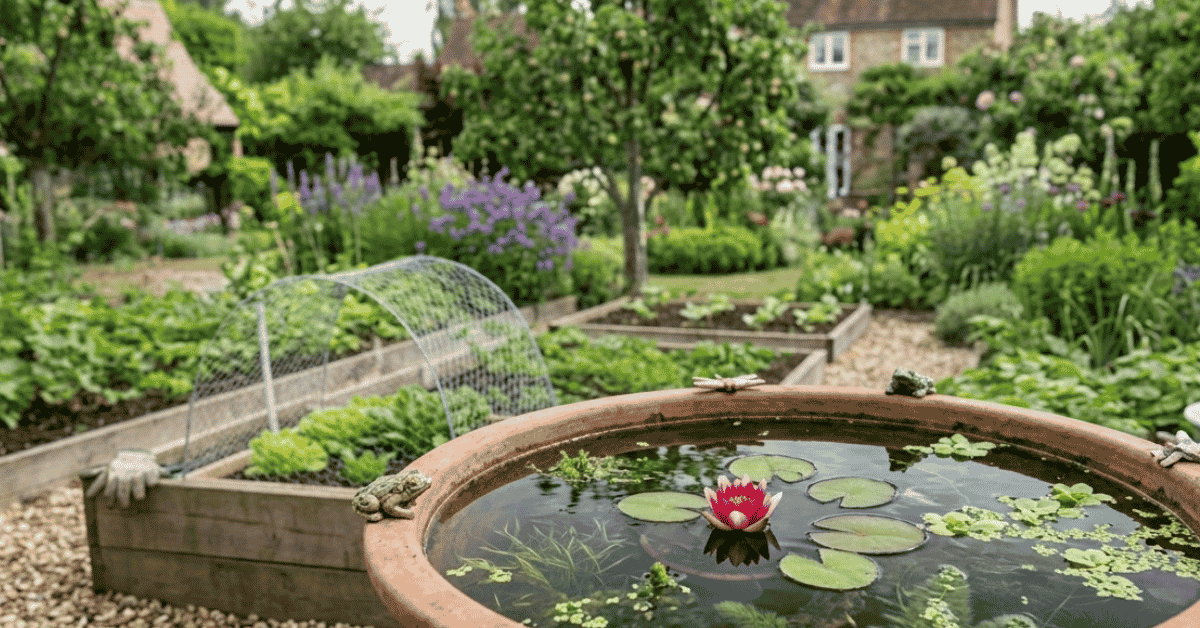
Creating a water garden is easier than you think. You don’t need a huge pond. A simple container can bring so much peace.
I’ve found that the right water gardening container makes all the difference for a beautiful, thriving water feature. Let’s dive in!
Why Choose a Water Gardening Container?
Honestly, when I first thought about a water garden, I pictured a giant hole in the ground. That seemed like way too much work. Then I discovered water gardening containers.
They’re amazing for so many reasons. You can put them almost anywhere. A small patio, a balcony, even a sunny corner of your porch.
It’s like having a little piece of nature right outside your door. It completely changed my outlook on gardening. My backyard feels so much more alive now, thanks to these simple setups.
They can really save a plot if you’re short on space.
The Best Water Gardening Container Options
There are many types of containers you can use. Each has its own charm and best uses. Thinking about what you want is key.
Preformed Ponds
These are rigid, plastic or fiberglass shells. You dig a hole and set them in.
- Pros: Very durable. They hold their shape well. Easy for beginners.
- Cons: Limited by shape and size. You have to dig, which might not be for everyone.
- My Experience: I started with a preformed pond. It was a round one. It was super simple to install. Just dig, level, and fill. My little goldfish were happy in it for years. It was a good way to test the waters, so to speak. It showed me how much joy a small water feature could bring.
Flexible Pond Liners
You create your own shape by digging a hole and lining it with a flexible material.
- Pros: Endless shape and size possibilities. Can fit awkward spaces.
- Cons: Takes more effort to install. Can be punctured if not careful.
- My Experience: Later on, I wanted a more natural look. I used a flexible liner to create an irregular shape. It felt much more organic. I had to be really careful not to snag the liner on any roots or sharp rocks. A layer of sand underneath helps protect it. This approach allows for much more creativity. It’s a step up from the preformed options.
Large Pots and Tubs
Think old whiskey barrels, large ceramic pots, or galvanized tubs.
- Pros: Instant water garden look. Very decorative. Can be moved if needed (when empty).
- Cons: Can be heavy. May need extra care to ensure they hold water (e.g., sealing). Surface area might limit plant types.
- My Experience: One of my favorite water gardens is in an old wooden whiskey barrel. I sealed it myself with pond sealant. It looks rustic and charming. I love how it fits into my garden’s theme. It’s a perfect size for a few small water plants and maybe a tiny fish. These can really transform a mundane spot. It’s a fantastic way to add beauty to an already nice backyard plot.
Stock Tanks
Metal troughs, often used for livestock, make surprisingly stylish water gardens.
- Pros: Durable, modern look. Available in many sizes.
- Cons: Metal can get hot in direct sun. Rust can be an issue over time if not treated.
- My Experience: I saw a friend use a galvanized stock tank. It looked so chic! We filled it with gravel for the bottom and added water plants. It was a quick setup that looked really sophisticated. It definitely changed my mind about what a “container” could be. It’s a great option for a modern aesthetic.
Ponds Direct Kits
These are small, all-in-one kits often designed for patios.
- Pros: Everything you need is in the box. Designed for easy setup.
- Cons: Can be expensive for what you get. Limited customization.
- My Experience: I helped a neighbor set up one of these kits once. It was incredibly fast. They had it running in under an hour. It was a good way for them to get into water gardening without a big commitment. Perfect for someone who wants instant gratification.
Key Features to Look For
When picking your perfect container, consider these things.
- Size: How much space do you have? How big do you want your water feature to be? Bigger is usually better for plant and animal health.
- Depth: For plants like water lilies, you need adequate depth. At least 18 inches is good for many aquatic plants.
- Material: Plastic, fiberglass, metal, ceramic. Each has pros and cons for durability and aesthetics.
- Sunlight: Does the spot get full sun, partial shade, or mostly shade? This will affect plant choice.
- Stability: Will it be stable if placed on uneven ground? Will it tip over?
What I look for: I always check the thickness of the plastic if I’m buying a preformed liner or pot. Thicker means more durable. I also think about the shape.
Does it allow for different levels for plants? That’s important for creating layers.
Setting Up Your Water Gardening Container
It’s not complicated, I promise! Here’s how I usually do it.
Choosing the Right Spot
This is crucial for plant success. My best water gardens get at least 6 hours of sun daily. This supports flowering plants like water lilies.
Too much shade means fewer blooms. Too much intense sun can lead to algae problems. That’s not fun to deal with.
Preparing the Container
Clean it thoroughly. Remove any dirt or debris. If you’re using a pot or tub that might leak, seal it now.
Silicone sealant or pond sealant works well. Make sure it’s completely dry before applying.
Adding Substrate (Optional but Recommended)
A layer of pea gravel or aquatic plant substrate at the bottom helps anchor plants. It also provides a home for beneficial bacteria. I usually add about 2-3 inches.
It keeps things tidy.
Filling with Water
Use dechlorinated water if possible. Tap water often has chlorine that can harm fish and some plants. Let it stand for a day or two, or use a product to remove chlorine.
I fill mine slowly to avoid disturbing the substrate too much.
Adding Plants
This is the fun part! Submerge your potted aquatic plants. Use bricks or stones to adjust their height.
Deeper water plants go at the bottom. Shallow ones go on shelves or higher up.
Introducing Fish (Optional)
If you plan on fish, make sure your container is large enough and fully established. Start with just a few small fish. Goldfish are a common choice for containers.
Ensure they have enough space. My fish always seem happier when there’s room to swim. I’ve learned that simpler setups often work best for fish.
Container Water Garden Plants
You have so many beautiful choices.
- Water Lilies: The classic! Come in many colors and sizes. Need about 18-24 inches of water depth.
- Marginals: These grow at the edges, with their roots submerged. Think irises or marsh marigolds.
- Oxygenators: Submerged plants that help keep the water clean. Hornwort is a good example.
- Floating Plants: Duckweed or water hyacinth. They offer shade and can help with algae.
A quick tip: Don’t overcrowd your container garden. Plants need room to grow. Too many plants can lead to issues.
A Quick Comparison of Container Types
This table lays out common container types for water gardening.
| Container Type | Best For | Ease of Setup | Durability | Customization |
|---|---|---|---|---|
| Preformed Ponds | Beginners, small spaces, stable shape | Easy | High | Low |
| Flexible Liners | Irregular shapes, custom sizes | Moderate | Medium | High |
| Large Pots/Tubs | Decorative, small features, patios | Easy to Medium | Varies | Medium |
| Stock Tanks | Modern look, larger container gardens | Easy | High | Medium |
| Pond Kits | Instant setup, small feature | Very Easy | Medium | Very Low |
Troubleshooting Common Issues
Even the best water gardens have bumps.
Algae Blooms
This is common, especially in newly set up gardens. Too much sun or too many nutrients can cause it.
- Solutions: Add more plants to compete for nutrients. Introduce floating plants for shade. Use an algaecide if necessary, but aim for natural solutions first. My best trick is to add more oxygenating plants. They really help. This strange garden trick can save my crops from algae.
Unhappy Plants
Lack of sun, wrong depth, or poor water quality can affect plants.
- Solutions: Adjust plant positions. Ensure they are at the correct depth. Check water quality. Sometimes, a simple repotting into aquatic soil helps. This simple garden hack saved my plot from dying plants.
Pests
Slugs and snails can be a nuisance.
- Solutions: Handpick them. Introduce natural predators if you have fish. There are also humane traps available. Trying to manage pests without harsh chemicals is always my goal.
Container Leaks
If your container starts losing water, find the source.
- Solutions: For pots, reapply sealant. For liners, patches are available. For preformed ponds, check for cracks. A small leak can turn into a big problem quickly. This simple garden solution can fix minor leaks.
Enjoying Your Water Gardening Container
The best part is simply relaxing and watching it. The sound of trickling water is so soothing. The dragonflies that visit are a bonus!
My water feature is my favorite spot to unwind. It’s amazing how much life a small water garden can attract. It’s a small change that brings great joy.
Real joy demands this for gardening now.
Frequently Asked Questions About Water Gardening Containers
Are water gardening containers hard to maintain?
Maintenance is usually simple. Regular plant pruning and occasional water checks are key.
Can I put any plant in a water gardening container?
No, you need aquatic plants. They are adapted to wet conditions.
How often should I change the water in my container garden?
You don’t need to change all the water. Top it off as it evaporates. Partial water changes may be needed if it gets murky.
Do I need a pump or filter for a small container garden?
For very small containers, often no. Larger ones might benefit from a small pump for circulation.
Can I put fish in a small water gardening container?
Yes, but only small fish in a large enough container. Ensure good filtration and oxygenation. Learn more about pond fish.