My vegetable patch used to roast under the summer sun with nowhere to hide. Then I discovered the simple magic of shade cloth for gardening. It’s not just about blocking sun; it’s about creating the perfect microclimate for my plants to thrive, year after year.
Want to save your sensitive crops and boost your harvest? Let’s dig in!
Why Is Shade Cloth for Gardening So Important?
Honestly, I used to think shade cloth was just for fancy nurseries or protecting expensive cars. Then one brutal July, my prized tomatoes looked like wilted rags by noon, no matter how much I watered. It was heart-breaking.
That’s when I finally gave in and got some shade cloth for gardening. It felt like a lightbulb moment for my garden. It truly made all the difference, turning my struggling plants into happy, productive ones.
It’s a game-changer for anyone battling intense heat or unpredictable weather.
Protecting Plants from Sunburn
Plants, just like us, can get sunburned. Especially young seedlings or delicate leafy greens, they have it rough when the sun beats down relentlessly. I’ve seen leaves turn yellow or even brown where the sun hits them hardest.
Shade cloth acts like a gentle umbrella, diffusing that harsh sunlight. It’s like giving them a cool, comfortable spot to relax and grow without the stress.
Preventing Bolting in Leafy Greens
This was a big one for me. My lettuce and spinach would shoot up a flower stalk (bolt) the second things got too hot. Suddenly, my tender leaves turned bitter.
Shade cloth significantly slows down this process. It keeps the soil a bit cooler and the air a bit more humid, telling your greens, “Hey, it’s not time to go to seed yet; keep putting out those delicious leaves!”
Reducing Water Needs
This is a fantastic bonus. When plants are stressed by heat and sun, they drink up water like crazy. By using shade cloth, I noticed my garden didn’t dry out as quickly.
This means less watering for me, and more importantly, less stress on my water supply during those parched summer months. My this simple garden shade cloth saved my plot taught me this valuable lesson.
Extending the Growing Season
Think about it: if your plants are happier and cooler for longer, they’ll keep producing. In the spring, it can help guard against unexpected frosts. In the fall, it can keep your plants from getting too cold too soon.
It’s like giving your garden a cozy blanket or a cool drink, depending on the season.
What Type of Shade Cloth for Gardening Should I Choose?
This is where it can get a little confusing, but stick with me. The main difference is the “shade percentage.” This tells you how much sun the cloth blocks. For most common garden veggies, a 30% to 50% shade cloth is a sweet spot.
Understanding Shade Percentages
- 10-20%: This is very light shade. Good for plants that love sun but could use a little break during peak heat, like some flowering annuals.
- 30-40%: This is my go-to for most vegetables. It’s enough to make a real difference for lettuce, spinach, kale, and even for protecting young tomato or pepper plants.
- 50-60%: This is for more sensitive plants. Think about shade-loving herbs, certain delicate flowers, or protecting baby seedlings that are extra fragile.
- 70-80%+: This is heavy shade, usually for plants that need very little direct sun or for creating really cool, protected areas.
Different Materials and Weaves
Most shade cloth is made from knitted or woven polyethylene. Knitted stuff is usually more durable and stretchy, which is great for creating custom shapes or wrapping around structures. Woven shade cloth is generally cheaper but can be more prone to unraveling.
I’ve found knitted to be worth the slightly higher cost for its longevity.
Where to Use Your Shade Cloth
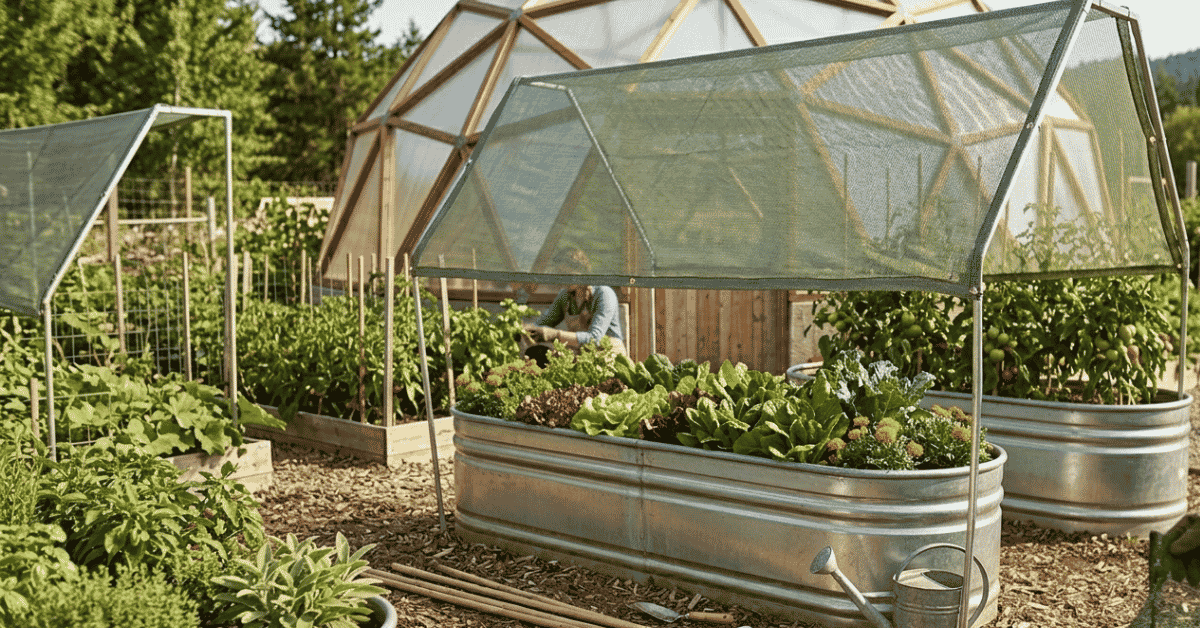
You can use shade cloth in so many ways! Drape it over a hoop house frame. Stretch it over a simple wooden structure.
Attach it to stakes or posts. Even just tying it loosely over a bush can help. It’s all about creating that cool zone where your plants need it most.
My simple bamboo stakes saved my plot by providing a perfect frame to drape my shade cloth over.
Setting Up Your Shade Cloth for Maximum Benefit
Getting the shade cloth up is the next step. You want it to be secure but also easy to remove or adjust if needed. I’ve learned a few tricks over the years that make this much less of a chore.
Simple Support Structures
Hoop Houses: These are fantastic. You can buy kits or make your own with PVC pipes or even sturdy branches bent into arches. You simply drape the shade cloth over the hoops and secure the edges.
A-Frames or Arches: Similar to hoop houses, these create a raised canopy. Use lumber, metal conduits, or even strong garden stakes to build your frame.
Simple Frames: For smaller garden beds, a few stakes at the corners with poles across the top can work wonders.
Securing Your Shade Cloth
This is crucial. You don’t want a strong breeze turning your shade cloth into a kite!
- Clips: Heavy-duty garden clips are amazing for attaching cloth to stakes, poles, or hoops. Get plenty!
- Grommets and Ties: Many shade cloths come with grommets (little metal rings) along the edges. You can use these with rope, bungee cords, or zip ties to secure the cloth firmly.
- Burying Edges: For ground-level setups, lightly burying the edges of the cloth in the soil can help hold it down.
- Weights: Large rocks, bricks, or sandbags placed along the edges can also add extra stability.
Placement Matters!
Think about the sun’s path. Where does your garden get the hottest during the day? Usually, it’s in the afternoon.
So, you want your shade cloth set up to block that intense late-day sun. I tend to orient my shade structures to cover my garden beds from about noon or 1 PM until the sun dips low.
My Personal Experience with Shade Cloth: A Case Study
I remember one summer, I was growing a patch of basil. Normally, basil loves a bit of sun, but this year was record-breaking hot. My potted basil plants were crisping up even in the morning.
So, I rigged up a small, 30% shade cloth over them using some old garden stakes and twine. Within a day, the leaves perked up. They went from looking sad and droopy to lush and green again.
It felt like a miracle! I even noticed the flavor seemed more intense.
That same year, my peppers were struggling. They looked stressed, with leaves curling. I extended a piece of 50% shade cloth over part of my pepper bed.
The difference was stark. The plants under the shade cloth grew bigger, with more flowers and ultimately more peppers. It was a clear win.
This experience really solidified my belief in this strange garden shade cloth saved my crops.
A Word on Over-Shading
While shade cloth is great, too much shade can be a bad thing. Tomatoes, peppers, and squash generally need a good amount of direct sun (at least 6-8 hours). So, don’t blanket your whole garden in heavy shade unless you’re specifically growing shade-loving plants.
It’s about finding that balance. I learned this the hard way when I put 70% shade cloth over my cucumbers, and they stopped producing flowers. Oops!
Here’s a quick look at how common garden plants respond to shade:
| Plant Type | Sun Needs (Hours/Day) | Shade Cloth % Recommended | Notes |
|---|---|---|---|
| Leafy Greens | 3-6 | 30-50% | Helps prevent bolting, improves tenderness. |
| Root Vegetables | 6+ | 20-30% | Can help keep soil cooler in hot climates. |
| Fruiting Veggies | 6-8+ | 20-40% | Protects from sunscald, reduces stress. |
| Herbs (most) | 5-7 | 30-50% | Depends on the herb; some tolerate more sun. |
| Delicate Flowers | 4-6 | 40-60% | Prevents petal burn and wilting. |
| Sun-Loving Fruits | 8+ | 10-20% | Minimal shade or only during peak heat. |
Common Pitfalls and How to Avoid Them
- Buying the wrong percentage: Too little and it won’t help. Too much and you’ll stunt growth. Always check the label and consider your specific plants.
- Poor installation: Loose cloth can get damaged or blow away. Make sure it’s taut and securely fastened.
- Forgetting about airflow: While shade cloth cools, it can also reduce air circulation. This can sometimes encourage fungal diseases. Ensure your setup allows for some air movement.
- Not adjusting for the season: You might need more shade in the peak of summer than in early spring or late fall. Be prepared to adjust or remove your shade cloth as needed. My this hidden dark garden shade cloth changed my plot because I learned from overdoing it.
Frequently Asked Questions About Shade Cloth for Gardening
What is the best shade percentage for most gardens?
For typical vegetables like tomatoes and greens, 30% to 50% shade cloth is usually ideal, offering a good balance of sun protection and light. Learn more about plant needs.
Can shade cloth help my plants survive extreme heat?
Yes, shade cloth significantly reduces plant stress by lowering temperatures and preventing sunburn, helping them survive intense heat waves. Learn more about heat-tolerant gardening.
How do I attach shade cloth to my garden beds?
You can use clips, grommets with ties, stakes, or even drape it over a simple frame or hoop structure for secure attachment. Learn more about garden structures.
Will shade cloth stop my plants from growing?
No, it helps plants thrive by preventing heat stress and sunburn. It only hinders growth if the percentage is too high for the specific plant’s needs. Learn more about plant requirements.
Is shade cloth worth the investment for a small garden?
Absolutely! Even a simple setup can save your sensitive plants, reduce watering, and improve your harvest, making it a very worthwhile investment for any gardener. Learn more about gardening value.