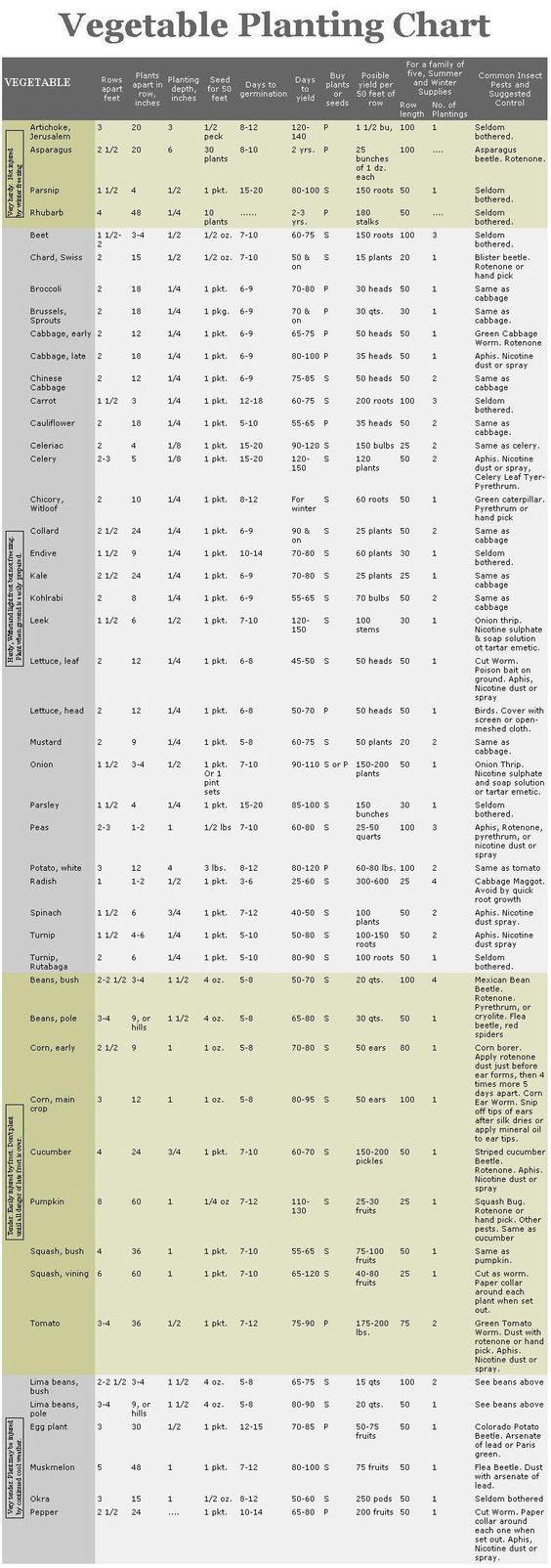
A vegetable yield per square foot chart helps you estimate how much food a small garden can produce. Leafy greens, radishes, carrots, and green onions can make good use of tight spaces. Tomatoes, peppers, and other large plants need more room. Actual harvests depend on the crop, variety, season, soil, water, and care.
Across the United States, home gardeners grow vegetables in backyard beds, patio planters, community plots, and small urban spaces. A clear yield chart can help you decide what to plant before you buy seeds or fill a raised bed. It also helps you match the size of your garden to the amount of fresh food your household uses.
There is one key detail to keep in mind. Plant count and food yield are not the same thing. Sixteen radishes may fit in a square foot, while one tomato plant may need that same area or more. Yet a tomato plant can produce fruit over many weeks, while radishes usually provide a smaller, shorter harvest. The best plan balances space, harvest weight, growing time, and the food you enjoy eating.
The chart below gives practical planning estimates rather than guaranteed results. It combines common square-foot planting densities with broad, illustrative harvest ranges. These estimates are not a single controlled trial, and the pound ranges are not established averages for every crop or climate. Use them to compare crops and build a first plan, then refine your estimates with your own harvest records and local growing guidance.
Source: A Piece Of Rainbow
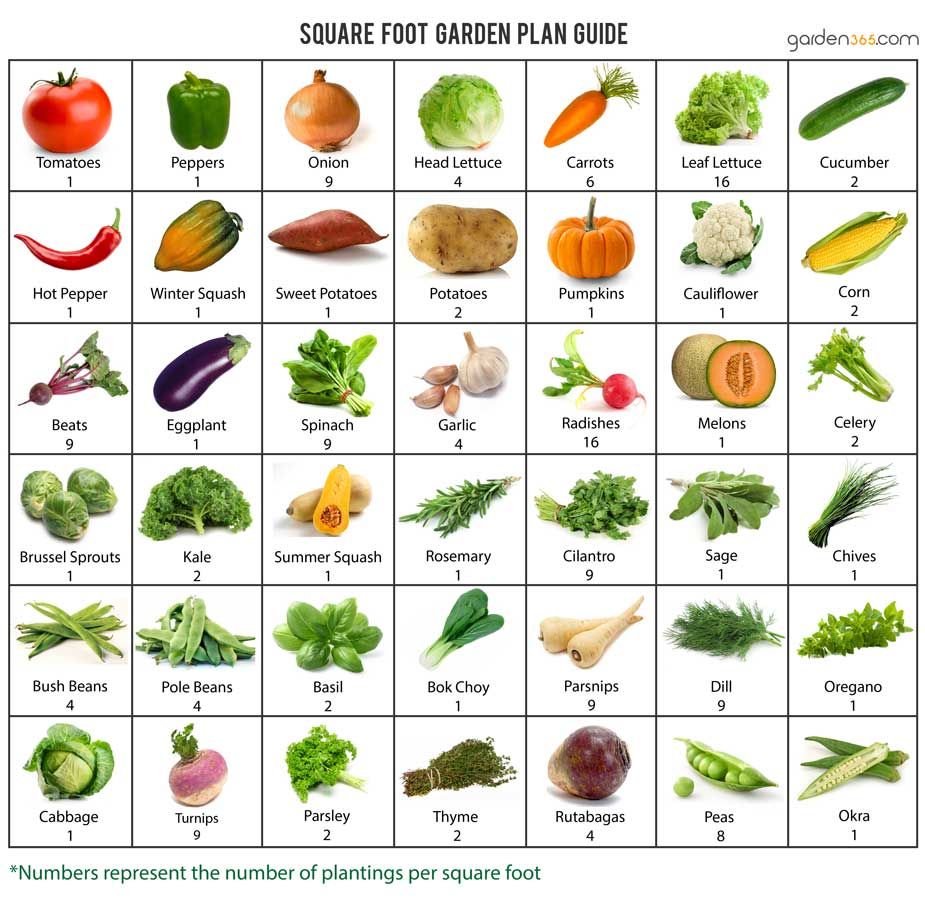
Vegetable Yield Per Square Foot Chart
The chart below gives a starting point for planning a home vegetable garden. The plant counts are approximate square-foot spacing guides, not a promise that every plant will thrive at that density. Harvest ranges are broad planning examples for a reasonably managed garden, not verified universal averages. Some crops are better measured by number, such as lettuce heads or ears of corn, while others are easier to track by weight.
For this chart, one square foot means a planting area measuring 12 inches by 12 inches. A bed measuring 4 feet by 4 feet has 16 square feet of planting space if the entire surface is planted. Do not count paths or other areas that cannot support crops.
Source: mossyrockgardens.com
How to read the chart
Plant count means the approximate number of plants or growing positions in one square foot. Harvest guidance describes a broad possible outcome under suitable conditions. The figures are planning ranges, not guarantees or results from one shared experiment.
Quick planting and harvest reference
Use the following table to compare common crops. For leafy greens, a harvest may consist of repeated leaf picking or one full head. For root crops, the final count and size depend on spacing and variety. For fruiting crops, total yield can continue over a longer period.
Radishes
Approximate spacing: 9 to 16 plants per square foot, depending on variety and final root size. A simple planning target is 9 to 16 roots per planting, with a shorter harvest period than many fruiting crops.
Carrots
Approximate spacing: 9 to 16 plants per square foot. Fine roots and small varieties can fit at higher densities than large storage carrots. Thin seedlings so roots have room to grow.
Green onions
Approximate spacing: 9 to 16 plants per square foot, depending on the variety and intended size. Harvest size matters more than the initial number of seedlings.
Leaf lettuce
Approximate spacing: 4 to 9 plants per square foot for many home garden layouts. Repeated leaf picking may extend the harvest if the growing point remains healthy.
Head lettuce
Approximate spacing: about 4 plants per square foot for many compact types. Larger varieties may need more room. One plant usually provides one main head.
Spinach
Approximate spacing: 4 to 9 plants per square foot, depending on the variety and whether you want baby leaves or larger plants. Heat can shorten the useful harvest.
Bush beans
Approximate spacing: around 4 to 9 plants per square foot in an intensive layout, adjusted for the variety and airflow needs. The crop can provide multiple pods over its picking period.
Peas
Approximate spacing: about 8 to 9 plants per square foot for suitable compact or supported types. Use the seed packet and trellis instructions to set the final spacing.
Beets
Approximate spacing: 4 to 9 plants per square foot for many varieties. Each plant can produce one main root, and the leaves can also be used when harvested responsibly.
Broccoli
Approximate spacing: 1 plant per square foot is a common intensive-garden starting point, but many varieties need more room. Expect one main head, with possible side shoots depending on the variety and growing conditions.
Cabbage
Approximate spacing: 1 plant per square foot for some compact varieties. Larger heads may need wider spacing. Plan around the expected mature plant size, not the size of a young transplant.
Bell peppers
Approximate spacing: 1 plant per square foot may be used in some compact layouts, but wider spacing is often useful for full-size plants. Each plant can produce several fruits when conditions are favorable.
Tomatoes
Approximate spacing: 1 plant per square foot is a tight starting point for certain intensively managed systems, not a universal recommendation. Indeterminate tomatoes often need more space and sturdy support.
Cucumbers
Approximate spacing: 1 plant per square foot may work in a supported, intensive layout. Bush types and sprawling types differ. A trellis can move much of the vine growth above the bed.
Zucchini and summer squash
Approximate spacing: one plant may need several square feet, especially for sprawling varieties. Compact cultivars can use space more efficiently, but their mature size still matters.
Potatoes
Approximate spacing: about 1 plant per square foot is a possible starting point for some small-bed plans. Final spacing depends on the variety and growing method. Harvest weight varies widely with soil, water, and growing conditions.
Why the chart gives ranges instead of exact yields
University extension resources publish yield estimates using different systems, including pounds per row, pounds per plant, and expected harvest per bed. Those figures cannot be converted into one reliable pounds-per-square-foot number without knowing the planting area, row spacing, growing method, and conditions. For that reason, use the plant counts above to plan space and use local crop guides to develop more specific weight estimates.
Plant count is easier to estimate
Spacing guidance provides a useful starting point for how many plants fit in a square foot.
Harvest weight needs more context
A tomato plant grown in a long season with a support system may yield differently from one grown in a short season or a small container.
How Many Vegetables Can You Plant in One Square Foot?
The number of plants that fit in one square foot depends on their mature size and the spacing they need. Small roots and compact greens can share a small area, while large fruiting plants need room for leaves and roots. Square-foot gardening uses this difference to make a bed easier to plan and manage.
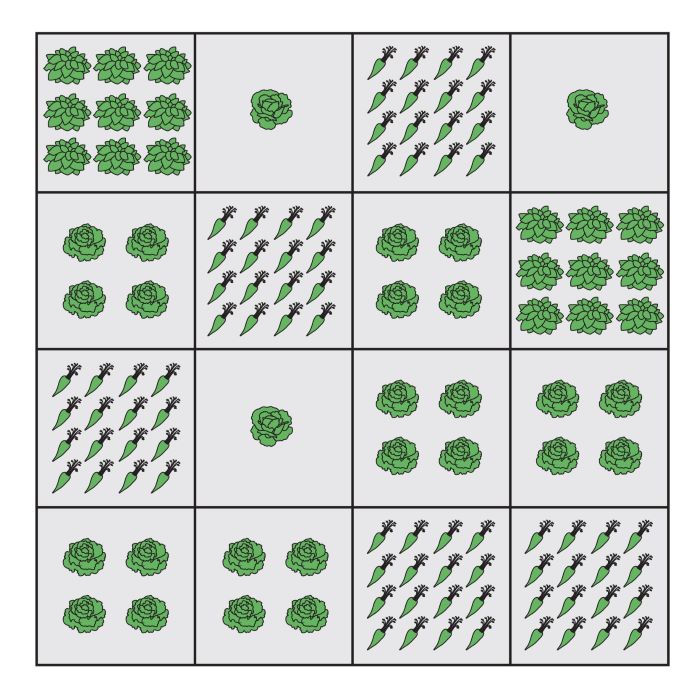
A useful rule is to start with the spacing printed on the seed packet or plant label. If a crop needs 6 inches between plants in both directions, a square foot can hold four planting positions. If it needs 4 inches, nine positions may fit. If it needs 3 inches, sixteen positions may fit. These are geometric estimates, so adjust them for mature plant size and local growing advice.
Source: nourishproject.ca
16 plants per square foot
This density can suit small crops such as radishes, some carrots, and green onions when the variety and seed instructions support close spacing.
9 plants per square foot
This can suit crops that need about 4 inches between plants, such as some beets, spinach, or compact bush beans. Check whether the variety needs more room.
4 plants per square foot
This is a common starting point for crops spaced about 6 inches apart, including some lettuce and leafy greens.
1 plant per square foot
This suits some larger crops in intensive layouts, but tomatoes, squash, cabbage, and other big plants may need more space than the grid allows.
Calculate planting density from spacing
To estimate a square-foot plant count, divide 12 inches by the planned spacing in inches, then multiply that result by itself. This works as a simple grid estimate when the same spacing applies in both directions. The final count may need to be lower when plants spread wide or need better airflow.
Example at 6-inch spacing
12 divided by 6 equals 2. Two positions fit along each side, giving 2 multiplied by 2, or 4 positions per square foot.
Example at 4-inch spacing
12 divided by 4 equals 3. Three positions fit along each side, giving 3 multiplied by 3, or 9 positions per square foot.
Example at 3-inch spacing
12 divided by 3 equals 4. Four positions fit along each side, giving 4 multiplied by 4, or 16 positions per square foot.
Give large plants the room they need
Do not force every crop into the same grid. A tomato may shade nearby greens, and a squash plant can spread well beyond its original planting square. Crowding can limit airflow, make harvest harder, and increase competition for light, water, and nutrients. A lower plant count can produce a better total harvest when the remaining plants grow well.
Check mature width
Use the plant label to find expected spread and growth habit before choosing the final spacing.
Plan for access
Leave room to reach fruit, remove damaged leaves, and inspect plants without crushing nearby crops.
Which Vegetables Give the Best Harvest From Small Spaces?
Leafy greens, radishes, green onions, and compact root crops are useful choices when you want to grow many individual plants in a small area. Beans, cucumbers, tomatoes, and peppers can also make good use of a bed because they can provide repeated harvests. The best crop depends on how much food you use, how long your growing season lasts, and how much care the plants need.
A high plant count does not always mean a high food yield. Some crops take a long time to mature, while others produce for weeks. A bed with several small crops can provide a steady supply, but a few well-managed fruiting plants may produce more total weight over a longer period. Compare harvest type and growing time, not just the number of plants.
Source: fascinatewithzea.com
Leafy greens
Leaf lettuce, spinach, and chard can suit small beds. Some types allow repeated picking, though hot weather can cause certain cool-season crops to bolt or decline.
Root vegetables
Radishes, carrots, and green onions can fit into narrow spaces. Thin seedlings as needed and keep the soil loose enough for the roots to develop.
Climbing crops
Pole beans and supported cucumbers can grow upward, leaving more of the bed surface available for other crops. Use supports that can bear the mature plant and its harvest.
Long-season fruiting crops
Tomatoes and peppers may yield over an extended period in suitable weather. Choose varieties that fit the available space and the length of the local growing season.
Use vertical space without overcrowding the bed
A trellis can help climbing beans and cucumbers grow above the soil rather than spreading across it. Secure the support before vines become heavy, and place it where it will not block access to other crops. Tall supports can cast shade, so put them where their shadow will cause the least trouble for sun-loving plants.
Vertical growing does not remove the need for root space. Plants still need water, nutrients, and room for healthy growth. Pair crops only when their light and water needs are compatible.
Good use of a trellis
Grow pole beans or suitable cucumber varieties upward to reduce the amount of bed surface covered by vines.
Avoid unsuitable pairings
Do not place a shade-sensitive crop where a tall, dense plant will block the light it needs for healthy growth.
Plant more than one crop over the season
Succession planting means sowing a crop in stages or replacing it after harvest. For example, a quick radish crop may finish before a warm-season vegetable needs the same space. In cooler regions, early greens can sometimes be replaced with beans or another warm-season crop. In hotter regions, the best timing may be different, and some cool-season crops may need to wait until temperatures fall.
Use the space twice when possible
Choose crops whose harvest dates allow one planting to finish before the next crop needs the bed.
Match planting to local weather
Use your state’s cooperative extension planting calendar and the seed packet’s maturity range to plan sowing dates.
How to Estimate Harvest Weight for Your Garden
The most useful yield estimate starts with a crop-specific figure and the actual area planted. If a reliable local guide gives yield per plant, multiply that value by the number of plants you expect to harvest. If it gives yield per row, first identify the row length and spacing system before converting the result to a bed area.
Do not treat yield per row and yield per square foot as interchangeable. A row may use a large amount of space between plants or between rows. Raised beds with multiple close rows may produce more per foot of bed length than a traditional garden with wide paths. The planting area used in the calculation must match the source’s method.
Source: storage.googleapis.com
Step 1: Measure the planted area
Multiply the bed’s length in feet by its width in feet. A 4-foot by 8-foot bed has 32 square feet of total surface area.
Step 2: Count the planned plants
Use the spacing guide to estimate how many plants fit. For mixed beds, calculate each crop separately rather than assuming every square foot has the same density.
Step 3: Find a suitable yield estimate
Use a cooperative extension guide for your region or a source that describes its crop variety, production method, and units. Prefer estimates that match your climate and planting system.
Step 4: Calculate a planning range
Multiply the planned plant count by the low and high per-plant yield estimates, if both are available. Keep the result as a range because actual harvests vary.
Step 5: Track the actual harvest
Weigh the vegetables you collect or count usable heads, roots, or fruits. Record losses separately so the next estimate reflects food you can actually use.
A hypothetical example for a 16-square-foot bed
Suppose a 4-foot by 4-foot raised bed has 16 square feet of planting area. You set aside 4 square feet for lettuce, 4 for radishes, 4 for bush beans, and 4 for peppers. This is a sample layout, not a tested recommendation for every climate or variety.
If each section follows its chosen spacing guide, you can estimate the number of plants in each part of the bed. You would then look up suitable crop-specific yield data and calculate each section separately. Add the results only after making sure the estimates use compatible units and growing methods.
This approach is more useful than multiplying 16 square feet by one general yield figure. Lettuce may be harvested by the head or by individual leaves, radishes by root count or weight, beans by pod weight, and peppers by fruit count or total weight. Keep the units clear throughout the calculation.
Example of a weight calculation
If a reliable guide estimates 1 to 2 pounds of harvest per plant under a method that matches your garden, and you plan to grow 3 such plants, the calculated range is 3 to 6 pounds. This is hypothetical arithmetic, not a yield prediction for a particular vegetable.
Example of a count calculation
If you plant 8 lettuce plants and each produces one usable head, the harvest would be 8 heads. Damaged plants, small heads, pests, and weather can reduce the final count.
Keep yield records that improve next year’s plan
A notebook or spreadsheet can turn a broad estimate into a garden-specific guide. Record the variety, planting date, number of plants, bed area, harvest dates, and total usable yield. Add notes about heat, heavy rain, pests, and any crop problems. After a few plantings, you can compare which crops provide the most useful food for the space and time they require.
Record marketable or usable food
Track the vegetables you would actually eat or store, not only the total growth produced by the plants.
Keep crop comparisons fair
Compare the same variety and similar growing conditions where possible. A spring crop and a hot midsummer crop may behave very differently.
What Changes Vegetable Yield Per Square Foot?
Plant spacing is only one part of a good harvest. Soil quality, sunlight, moisture, weather, crop variety, pests, and the length of the growing season all affect how much food a small bed can produce. A dense planting can make good use of space, but it cannot make up for poor light or unhealthy roots.
The United States has many growing climates, from cool northern summers to hot southern growing seasons. A crop that thrives in a spring bed in Pennsylvania may struggle during a hot summer in Texas or Florida. Use local planting dates and crop guidance rather than assuming one national schedule fits every garden.
Source: storage.googleapis.com
Sunlight
Most fruiting vegetables need plenty of direct sun to grow and produce well. Leafy greens can tolerate some shade, but their growth still depends on light and temperature.
Soil and drainage
Healthy soil with suitable structure, organic matter, and drainage supports root growth. Waterlogged soil can harm roots, while very dry soil can limit growth and fruit development.
Water supply
Keep soil moisture as steady as practical. Water needs vary by crop, weather, bed depth, and soil type. Containers and raised beds may dry faster than ground-level beds.
Plant nutrition
Use a soil test when practical and apply nutrients based on crop needs. Too much fertilizer can harm plants or encourage excess leaf growth instead of the harvest you want.
Weather and season length
Frost, heat waves, and long periods of wet weather can reduce yield. Choose varieties suited to your growing season and plant them at a locally appropriate time.
Pests and disease
Inspect plants regularly for damaged leaves, wilt, spots, or signs of insects. Early identification helps you respond before a problem affects more of the bed.
Why close planting sometimes fails
Plants that are packed too tightly compete for light, water, and nutrients. Their leaves may stay wet longer, and it can become harder to inspect stems or reach ripe vegetables. The result may be fewer usable vegetables even when the bed looks full.
Thin seedlings when the planting instructions call for it. Remove weak or crowded plants, and give larger crops enough room for their mature size. When a plant repeatedly performs poorly in a dense layout, try a wider spacing next time and compare the harvest.
Signs of crowding
Look for stretched stems, poor airflow, weak growth, roots that cannot develop normally, or fruit hidden beneath dense foliage.
A practical fix
Thin plants to the recommended spacing, improve access for watering and harvest, and avoid adding fertilizer unless the crop actually needs it.
Choose varieties that fit your garden
Compact varieties can be useful for patios, small raised beds, and container gardens. Some climbing types save ground space, while bush types can be easier to manage without tall supports. Read the seed packet or plant label for mature size, days to harvest, and spacing before deciding which crop to grow.
For narrow beds
Consider compact greens, radishes, carrots, and green onions where the soil and light suit them.
For supported beds
Consider suitable pole beans or climbing cucumbers when you can provide a stable trellis and keep the plants accessible.
For longer harvests
Consider tomatoes, peppers, and beans that suit your climate and give you enough time to pick them as they ripen.
Plan a Productive Square-Foot Vegetable Garden
A productive garden starts with a clear goal. Decide whether you want fresh salads, vegetables for cooking, food for freezing, or a mix of all three. Then choose crops that fit your available light, climate, time, and eating habits. A small bed can provide useful harvests without growing every vegetable at once.
For a first layout, divide the bed into one-foot squares and label each crop before planting. Place crops that need the most space where they will not crowd smaller plants. Keep paths wide enough to reach the bed, and avoid stepping on the growing soil.
Source: www.pinterest.com
Start with crops you use often
Choose vegetables that appear in your regular meals. A smaller harvest of food you enjoy is more useful than a large harvest that goes to waste.
Mix quick and slow crops
Pair quick crops with a later planting plan so that an empty square can be used again after harvest.
Check the sun before planting
Watch the bed through the day and note which areas receive direct sun. Use that information to place crops with different light needs.
Keep watering practical
Group plants with similar moisture needs where possible, and make sure you can water every square without damaging leaves or stems.
A simple four-by-four-foot bed plan
A 4-foot by 4-foot bed gives you 16 one-foot squares. One possible beginner plan is to reserve four squares for leafy greens, four for radishes or carrots, four for bush beans, and four for compact peppers or another crop suited to the season. This is a flexible example, not a universal layout; plant counts and crop choices must follow local guidance and variety labels.
In a cooler season, greens and roots may be a sensible focus. When warmer weather arrives, you can replace finished crops with heat-loving vegetables if the season is long enough. In hot regions, adjust the timing to avoid placing cool-season crops into conditions that cause rapid bolting or poor growth.
Before sowing
Measure the bed, check drainage, confirm sunlight, and mark the one-foot grid.
During the growing season
Check moisture, thin seedlings, inspect for pests, and harvest crops when they are ready.
After harvest
Remove unhealthy plant material, refresh the soil as needed, and decide whether the square is ready for another crop.
How to judge whether your plan worked
A useful garden is not judged by plant count alone. Consider the weight or number of usable vegetables, the time spent caring for the bed, the cost of inputs, and how much of the harvest your household eats. A crop that produces steadily and is easy to pick may be more valuable to you than one that yields a large amount all at once.
If the harvest falls below your estimate, look for the cause before changing the whole plan. Check planting dates, light, watering, spacing, pests, and crop health. Change one or two factors in the next planting so you can see which adjustment makes a difference.
Success looks like a useful harvest
The plants grow in line with their expected size, produce healthy vegetables, and fit the time and space you can provide.
Low yield calls for a check
Compare actual growing conditions with the conditions behind your estimate before deciding that the crop or variety is unsuitable.
Frequently Asked Questions
Q
What vegetable produces the most food per square foot?
There is no single vegetable that produces the most food in every garden. Leafy greens and small roots can provide many harvestable plants in a tight area. Tomatoes, cucumbers, beans, and peppers may provide repeated harvests over a longer period. The best comparison depends on whether you measure plant count, pounds, individual vegetables, or harvest over the full season.
Q
How many vegetables can grow in one square foot?
The number depends on the crop and its mature size. Some small roots and green onions can fit at densities of 9 to 16 plants per square foot. Many leafy greens fit at around 4 plants per square foot, while larger crops may need one square foot or more per plant. Check the variety’s spacing instructions before planting.
Q
How much food can a 4-by-4-foot vegetable garden produce?
A 4-by-4-foot bed contains 16 square feet of growing area, but its total harvest cannot be predicted from area alone. The result depends on which vegetables you grow, how many plants fit, your growing season, and how well the plants do. Use crop-specific yield estimates, calculate each section separately, and keep a harvest log to develop a reliable estimate for your own bed.
Q
Can I grow tomatoes in a square-foot garden?
Yes. Tomatoes can grow in a square-foot garden if the bed provides enough soil, sunlight, water, and support. Compact or determinate varieties may fit small spaces more easily than large indeterminate vines. Do not assume that every tomato variety should be planted one per square foot. Follow the plant label and allow room for airflow and access.
Q
Does square-foot gardening always produce a higher yield?
No. Square-foot gardening can make efficient use of space by placing crops at suitable close spacing, but it does not guarantee a larger harvest. Crowding, poor soil, inadequate light, water stress, and disease can reduce production. Compare harvests from similar crops and growing seasons before deciding which layout works best for your garden.
Q
How can I increase vegetable yield without making the garden bigger?
Start by correcting problems with sunlight, watering, soil health, and plant spacing. Use a trellis for suitable climbing crops, pick vegetables regularly, and sow quick crops in stages. Replace finished plants with crops that fit the remaining season. These steps can help you make better use of the area you already have, although the result will depend on your local conditions.
✦ Wrapping Up
Conclusion
A vegetable yield per square foot chart is a useful way to plan a garden before planting. It helps you compare crops, work out how many plants fit in a bed, and decide which vegetables suit your space. Small roots and leafy greens can make good use of dense planting, while large crops need more room to grow and produce.
Treat every yield estimate as a starting point. Local climate, variety, sunlight, soil, water, and pest pressure all affect the final harvest. The most useful plan is one that combines sound spacing, realistic crop estimates, and a record of what your garden actually produces.
💡 Key Takeaway
Measure your bed, divide the planting area into square feet, choose crops that suit your climate, and check their spacing on the seed packet. Use a local cooperative extension guide to estimate harvest weight, then record each harvest so you can improve your vegetable yield per square foot chart next season.