9 Secrets of New Square Foot Gardening
I’ve finally cracked the code to a bountiful harvest with minimal effort. If you’re dreaming of fresh veggies without back-breaking work, this is for you. Let’s dig into the magic of new square foot gardening.
What is New Square Foot Gardening All About?
Square foot gardening. It sounds simple, right? And it is!
But “new” square foot gardening takes those core ideas and injects some modern twists. It’s about growing more food in less space. Think raised beds, a grid system, and smart plant choices.
I started this method after struggling with my old, sprawling garden. Weeds were my constant enemy. This system changed everything for me.
My little garden plot now produces way more than my old quarter-acre ever did. It’s intensely satisfying.
The Core Idea: Divide and Conquer Your Garden
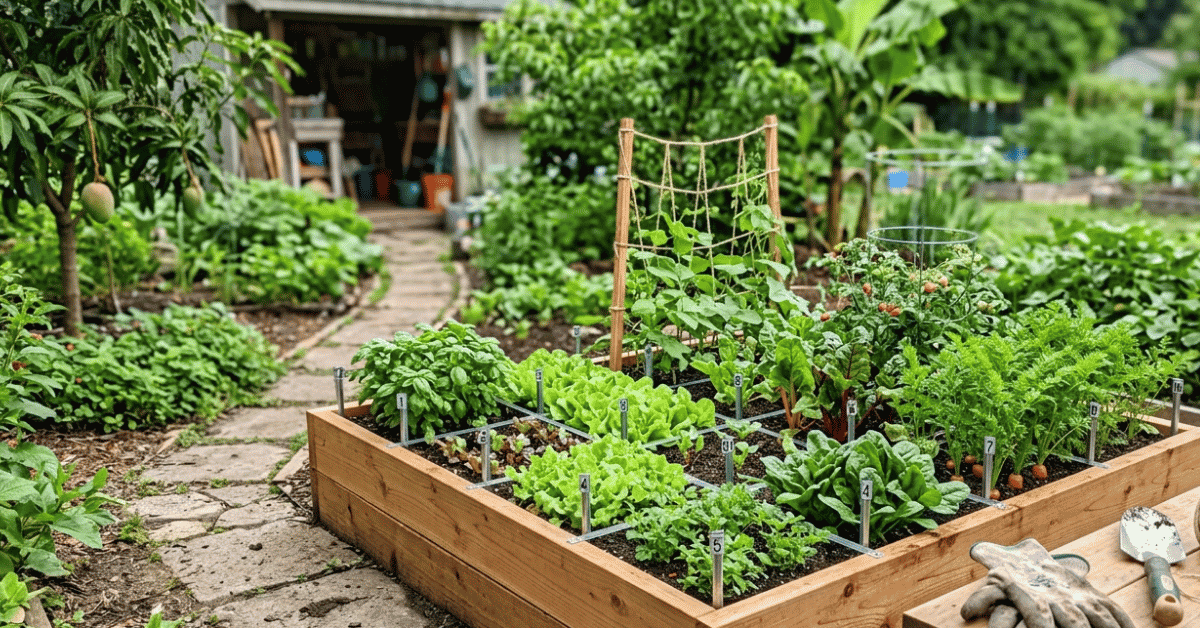
The main concept is taking a raised garden bed and dividing it into one-foot squares. Each square is then planted with specific things. This grid system makes planning easy.
It also helps you maximize every inch. I did this in my backyard last spring. It was a sunny weekend, and the soil was still a bit cool.
But the setup was so quick, I was planting seedlings by afternoon.
Why This Method Works So Well
It works because it’s efficient. You use less water. You need less fertilizer.
And you drastically cut down on weeding. I used to spend hours pulling weeds. Now, it takes maybe ten minutes a week.
My plants are healthier too. They have plenty of room to grow in their own little square. They aren’t competing as much.
This leads to better yields.
Who is This For?
This is for everyone! Seriously. Beginners will find it’s super easy to start.
Experienced gardeners will love the efficiency. Anyone with limited space can do this. It’s perfect for small yards, patios, or even balconies if you use containers.
I showed my neighbor, who only has a small patio, how to do it with large pots. She’s now growing her own herbs and tomatoes!
The Magic of the Square Foot Grid
The grid is the heart of square foot gardening. It’s what makes everything so organized and productive. I remember the first time I laid out my grid.
It felt like I was creating a tiny, edible masterpiece.
Understanding the Grid Layout
You divide your raised bed into one-foot by one-foot sections. You can use wood strips, string, or even PVC pipes to mark these squares. Most standard raised beds are four feet wide.
This means you can easily get four squares across. If your bed is eight feet long, you get eight squares down. That’s thirty-two squares in total!
It’s a clean, visual system.
Planting Density: Square Counts
Each square has a specific number of plants. This depends on how big the plant gets. Small plants, like carrots or radishes, can have up to 16 per square.
Medium plants, like beets or spinach, get 4-9 per square. Larger plants, such as tomatoes or peppers, usually get just one per square, sometimes with a cage. Knowing these “square counts” is key to not overcrowding.
Here’s a quick look at common plant counts per square:
| Plant Type | Example Plants | Number Per Square Foot |
|---|---|---|
| Tiny Seeds/Plants | Carrots, Radishes, Lettuce | 16 |
| Small Plants | Bush Beans, Spinach, Beets | 4-9 |
| Medium Plants | Broccoli, Cabbage, Peas | 1-4 |
| Large Plants | Tomatoes, Peppers, Corn | 1 |
Companion Planting Within Squares
You can also get clever with companion planting. This means planting different crops together that help each other. For example, planting basil with tomatoes can deter pests.
You can mix these into one square. My tomato plants seem happier when they have some basil pals nearby. It also means I get fresh basil for my Caprese salads right next to my tomatoes.
Smart Soil and Bed Construction
The foundation of a great square foot garden is the soil and the bed itself. This isn’t just dirt; it’s a specially formulated mix.
Building Your Raised Bed
You can build a raised bed from wood, stone, or even metal. The key is that it should be sturdy and at least 6-8 inches deep. This allows enough room for root growth.
I opted for untreated pine for my first bed. It was affordable and easy to work with. I sealed the inside edges with food-safe sealant just in case.
The Perfect Soil Mix
This is where the “new” part really shines. A common mix is one-third peat moss or coco coir, one-third compost, and one-third vermiculite or perlite. This creates a light, airy, and nutrient-rich soil.
It drains well. I use a local organic compost. It’s really fluffy.
My plants seem to love it. This mix is much better than heavy garden soil. It prevents compaction and lets roots breathe.
I found a great recipe for this mix in my ultimate encyclopaedia of square foot gardening review.
Amending Your Soil Over Time
Even with a great initial mix, your soil will need refreshing. Each year, I add a good layer of compost. This replenishes the nutrients.
It keeps the soil light and healthy for the next planting season. Think of it as giving your garden its yearly vitamin boost.
Planting Strategies for Maximum Yield
Now for the fun part: putting seeds and seedlings in the ground! The square foot system makes this super organized.
Succession Planting for Continuous Harvest
Don’t plant everything at once! With succession planting, you sow seeds every few weeks. This ensures a steady supply of your favorite crops.
I do this with my lettuce. I plant a row of seeds one week. Then, a week or two later, I plant more.
By the time the first batch is gone, the next is ready to harvest. It’s a game-changer for salad lovers. This is a great technique for gardening for beginners successfully.
Vertical Gardening Integration
To really up your game, go vertical! Trellises, stakes, and cages allow you to grow vining plants upwards. This saves valuable square footage.
Cucumbers, pole beans, and even some squash varieties do well this way. My cucumbers go way up my fence. It saves so much space on the ground.
It also makes harvesting easier. I always get more from them when they grow tall.
Choosing the Right Crops for Your Squares
Some plants are better suited for square foot gardening than others. Stick to compact varieties. Avoid plants that spread wide uncontrollably.
Think about what you actually like to eat! Here are some favorites:
- Leafy Greens: Lettuce, spinach, kale, arugula.
- Root Vegetables: Carrots, radishes, beets, onions.
- Fruiting Vegetables: Tomatoes, peppers, cucumbers, bush beans.
- Herbs: Basil, parsley, cilantro, mint.
I’ve found that mixing up a few different types in each bed is best. It creates a nice ecosystem. It also gives you a variety of harvests.
This is core to my all-new square foot gardening success secret.
Watering and Feeding Wisely
With efficient gardening comes efficient care. You don’t need a lot of water or fertilizer.
Watering Techniques
Because your soil is light and drains well, you’ll water more frequently than a traditional garden. However, you’ll use less water overall. Water the soil, not the leaves.
This helps prevent disease. Drip irrigation or soaker hoses are ideal. I use a watering can early in the morning.
I focus on getting water right to the base of the plants. On hot days, I might water twice.
Fertilizing Needs
With a good soil mix, you won’t need much extra fertilizer. I usually add some balanced organic fertilizer once or twice during the growing season. Compost tea is also a great natural option.
It gives the plants a gentle boost. It’s like a nice healthy drink for them.
Common Issues and How to Tackle Them
Even with this system, you might run into a few snags. But they’re usually easy to fix.
Pests and Diseases
Keep an eye out for common garden pests. Inspect plants regularly. Often, you can just pick bugs off by hand or spray them off with water.
For more serious issues, try organic insecticidal soaps or neem oil. Healthy plants are less susceptible. Good soil and proper spacing help a lot here.
My biggest pest problem last year was slugs. I used beer traps, and they worked like a charm.
Weeding Still Happens
While square foot gardening greatly reduces weeds, they can still pop up. Pull them as soon as you see them. They are easiest to remove when they are small.
Mulching around your plants can also help suppress weeds. I try to be disciplined about pulling any weeds that dare show their faces.
Overcrowding Mistakes
This is a common newbie error. Remember those square counts! If plants are too close, they won’t thrive.
They’ll compete for light, water, and nutrients. If you accidentally overplant a square, thin them out. It’s better to have fewer healthy plants than many struggling ones.
I definitely made this mistake with my radishes my first year. They were tiny!
Extending Your Growing Season
Don’t let the cooler months stop you. A few tricks can extend your harvest.
Using Row Covers and Cold Frames
Row covers can protect plants from light frost. Cold frames and small hoop houses can extend the season well into fall. Even a simple sheet draped over plants can make a difference on a chilly night.
I used a row cover on my spinach last fall. I was picking fresh leaves well into November!
Choosing Cool-Season Crops
Focus on plants that love the cold. Spinach, kale, and some varieties of lettuce can handle cooler temperatures. Root vegetables often sweeten with a touch of frost.
These are perfect for late-season harvests.
The Joy of a Smart Garden
New square foot gardening isn’t just about efficiency. It’s about a simpler, more rewarding way to grow your own food. You get more from your efforts.
You feel more connected to your food. And you waste less. It’s a method I’ve come to love deeply.
My little garden provides so much fresh produce. I’ve even started giving some away to friends. It’s a great feeling.
This method really makes vegetable gardening accessible to everyone.
Is New Square Foot Gardening Worth the Effort?
Absolutely. The initial setup takes a little time. But the ongoing effort is minimal.
The rewards are huge. You’ll have fresh, healthy food readily available. And you’ll have more time to enjoy it.
I recommend it wholeheartedly. You can find more insights in my honest encyclopaedia of square foot gardening review.
Final Thoughts on Getting Started
Start small. Pick one or two raised beds. Get your soil mix right.
And have fun with it! Don’t be afraid to experiment. The system is forgiving.
You’ll learn so much as you go. It’s a journey, and a delicious one at that. I keep a journal of what works and what doesn’t.
My best all-new square foot gardening book review has some great tips on that.
Do you need a special tool for square foot gardening?
No, you don’t need fancy tools. Basic gardening supplies like a trowel, watering can, and a way to mark your squares (like string) are all you need. Learn more about essential tools…
How deep should my square foot garden beds be?
Your beds should be at least 6 to 8 inches deep to allow enough room for root growth. Learn more about bed construction…
Can I do square foot gardening with regular soil?
It’s best to use a special soil mix. A blend of compost, peat moss, and vermiculite provides the aeration and nutrients plants thrive on. Learn more about soil mixes…
What are the best plants to grow in the first year?
Start with easy-to-grow crops like lettuce, radishes, bush beans, and herbs. They tend to be forgiving and offer quick rewards. Learn more about beginner crops…
How often should I water my new square foot garden?
Water when the top inch of soil feels dry. The frequency depends on weather, but consistent, deep watering is key. Learn more about watering techniques…