Amazing New Square Foot Gardening Mel Bartholomew Guide
Square foot gardening, perfected by Mel Bartholomew, is a game-changer for any gardener. I’ve found it simple, efficient, and incredibly rewarding. Read on to learn how this method can transform your garden space and yield.
What Exactly Is All New Square Foot Gardening Mel Bartholomew?
Simply put, it’s a highly organized and efficient way to grow a lot of food in a small space. Mel Bartholomew’s system breaks your garden into one-foot by one-foot squares. Each square has specific planting guidelines.
This means you waste no space and get maximum harvest. I first heard about it years ago and was skeptical. Could I really grow so much in so little room?
Turns out, yes! It changed how I garden forever. My tiny backyard plot now produces more than my old, sprawling garden ever did.
The Genius Behind Square Foot Gardening
Mel Bartholomew developed this method to make gardening easy and accessible. He saw how much space traditional gardens wasted. Paths took up so much room!
He also noticed how confusing planting charts could be. With square foot gardening, everything is simplified. You build a raised bed, usually 4 feet wide by 4 feet long, or any size really, but 4×4 is common.
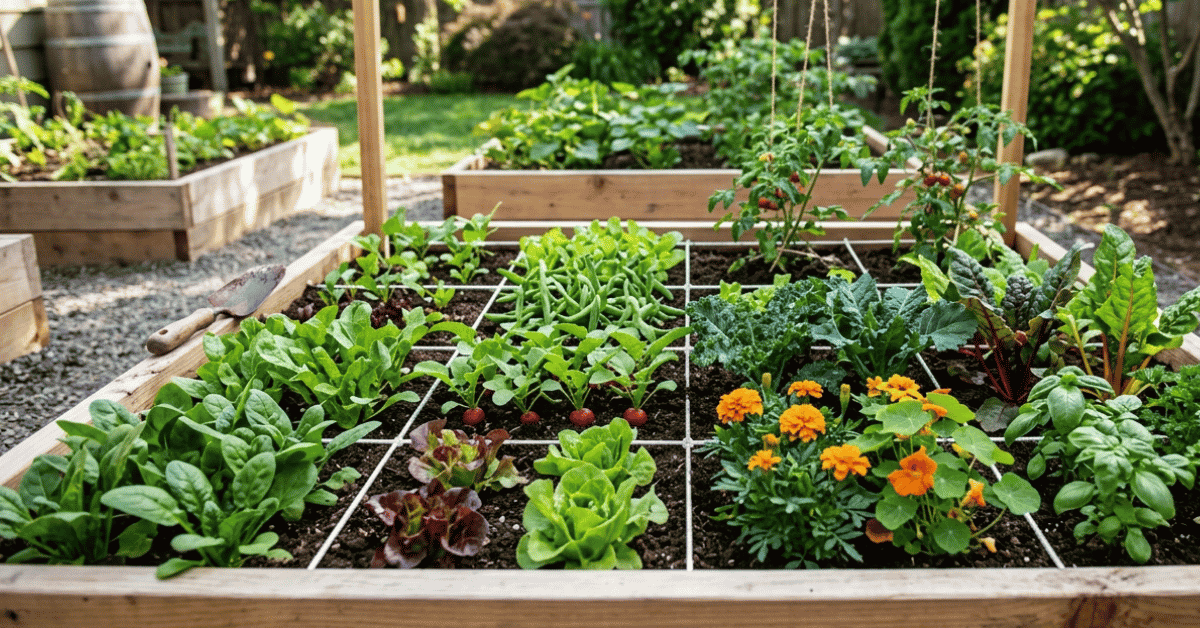
Then you divide it into 1-foot squares using simple framing. From there, you plant according to a grid. It’s brilliant because it’s logical and visual.
Why It’s a “Game Changer” for Home Gardeners
This isn’t just a little gardening trick. It’s a whole new way to think about growing food. You use way less soil than a traditional garden.
You use less water, too, because the raised beds hold moisture so well. And weeding? It’s a breeze!
With plants packed densely in their squares, there’s little room for weeds to pop up. Plus, you can grow a huge variety of things in a small area. I’ve grown tomatoes, lettuce, carrots, beans, and herbs all in one 4×4 bed.
It’s true magic for small spaces.
Key Principles of All New Square Foot Gardening Mel Bartholomew
The beauty of Mel Bartholomew’s method lies in its simplicity and structure. There are a few core ideas that make it work so well. Get these right, and your garden will thrive.
Building Your Raised Bed Framework
The foundation of square foot gardening is the raised bed. Mel suggested building a sturdy frame, often from wood. A 4-foot width is crucial.
It allows you to reach the center of the bed from either side without stepping into it. This keeps your soil from getting compacted. The length can vary, but 4 feet is a good starting point.
You can go longer, like 8 feet, for more space. I built my first bed out of cedar. It’s held up for years, and the wood still looks great.
The depth of the bed is also important. Mel recommended at least 6 inches deep. This gives roots enough room to grow.
If you have poor native soil, you might want to go deeper, maybe 10-12 inches, to ensure good drainage and healthy soil.
The Magic Grid System
Once your bed is built and filled with soil, you create the grid. This is super simple. You can use wood strips, twine, or even chalk to mark out your one-foot squares on top of the bed.
This grid is your planting map. Each square has a specific number of plants. For example, a single square might hold:
- 1 tomato plant or cucumber plant
- 4 pepper plants
- 9 bush beans
- 16 carrots or radishes
This density is key to the high yield. It looks different from a traditional garden, but it really works. My first year using the grid, I was amazed at how many carrots I pulled from just a few squares.
Soil Mix: The Foundation for Success
Mel Bartholomew stressed the importance of a good soil mix. This isn’t just dirt from your yard. He recommended a blend that is light, fluffy, and full of nutrients.
The common mix, often called the “Mel’s Mix,” is:
- 1/3 peat moss
- 1/3 vermiculite
- 1/3 blended compost
This mix provides excellent drainage and aeration. It also holds moisture well and feeds your plants. I buy my compost in bulk.
It makes a huge difference compared to using bags from the garden center. I always make sure I have plenty of this mix before I start planting. It’s the lifeblood of the square foot garden.
Companion Planting and Crop Rotation
While not strictly part of the initial setup, Mel’s philosophy embraces smart planting. Companion planting, where you grow certain plants together for mutual benefit, is encouraged. For instance, planting basil near tomatoes is said to improve tomato flavor and deter pests.
Crop rotation is also vital for long-term soil health. You shouldn’t plant the same family of vegetables in the same square year after year. This helps prevent soil-borne diseases and nutrient depletion.
I started rotating my crops after my first season. My plants seemed healthier, and I noticed fewer problems.
Getting Started: Your First Square Foot Garden
Thinking about starting your own? It’s easier than you might imagine. Here’s how I approach it.
Step 1: Choose Your Location
Find a spot that gets at least 6-8 hours of direct sunlight each day. Most vegetables need this to produce well. Make sure the ground is relatively level where you plan to build your raised bed.
Also, consider access to water. You’ll be watering regularly, so being near a hose spigot is very handy. My first garden was a bit too shady.
My tomatoes didn’t get very ripe. I moved it the next year to a sunnier spot. Big difference!
Step 2: Build or Buy Your Bed
You can build a simple 4×4 foot raised bed quite easily. You’ll need four boards, usually 2 inches thick and 6 inches wide, for the sides. A few 4-foot-long screws or nails will hold them together.
Just make sure the corners are square. If building isn’t your thing, you can buy pre-made raised bed kits. They are a bit more expensive but save you time.
For my first one, I hired a handyman. He did a great job, and it was worth the cost for me.
Step 3: Fill with Soil Mix
Now, fill your bed with that magic soil mix: 1/3 peat moss, 1/3 vermiculite, and 1/3 compost. You can mix it all in the bed or mix batches in a wheelbarrow first. Make sure the soil level is about an inch or two below the top edge of the bed.
This prevents soil from washing out when you water. I always buy my compost from a local farm. It’s much richer and cheaper than bagged stuff, and my plants love it.
Step 4: Create Your Grid
Using wood strips or twine, mark out your 1-foot squares on top of the soil. A 4×4 bed will have 16 squares. A 4×8 bed will have 32 squares.
This grid is your guide for planting. It’s important to get these squares clearly defined before you start planting. I use thin wooden laths for my grid.
They stay put and look neat.
Step 5: Planting Time!
Now for the fun part! Consult a square foot gardening planting chart. These charts tell you how many plants of each type go in a single square.
You plant seeds or small plants directly into the soil within their designated squares. Remember, proper spacing within the square is critical. For very small seeds like carrots or radishes, you might plant them more densely in their square.
Follow the chart for the best results. It’s surprising how many plants you can fit!
Comparing Square Foot Gardening to Other Methods
I’ve tried a few different ways of gardening over the years. Square Foot Gardening really stands out. Let’s look at how it stacks up.
| Feature | Square Foot Gardening (Mel Bartholomew) | Traditional Row Gardening | Intensive Planting (e.g., Market Gardening) |
|---|---|---|---|
| Space Efficiency | Very High | Moderate | High |
| Soil Usage | Low | High | Moderate |
| Water Usage | Low | Moderate to High | Moderate |
| Weeding Effort | Low | High | Moderate |
| Initial Setup Cost | Moderate (for raised bed) | Low (if using existing ground) | Moderate to High (often commercial beds) |
| Ease for Beginners | Very High | Moderate | Moderate to Difficult |
| Harvest Yield | Very High | Moderate | High |
Traditional row gardening feels like a lot of wasted space. You’ve got wide paths between rows. Square foot gardening uses every inch.
You plant densely, so there’s less room for weeds. Intensive planting can be similar, but Mel Bartholomew’s method is much more structured and beginner-friendly. It really simplifies things.
If you’re new to gardening or short on space, it’s absolutely the way to go. I found my gardening for beginners successfully efforts paid off much faster with this method too.
Tips for Maximizing Your Harvest
Once you’ve got your square foot garden set up, there are always little tricks to get even more from it. I’ve learned these through trial and error, and they really make a difference.
Succession Planting
This is a big one for maximizing yield over the season. Once a crop finishes producing, you immediately replant that square with something else. For example, you might harvest spring peas, then plant bush beans in those squares for a summer crop.
Or you harvest lettuce, then plant some quick-growing radishes. This keeps your garden producing from early spring until frost. I plan my succession plantings in a notebook.
It’s a bit of work, but the payoff is huge. You’re essentially getting multiple harvests from the same square foot.
Vertical Gardening Integration
Even within the square foot system, you can grow upwards! Plants like cucumbers, pole beans, and some types of squash can be trained to grow vertically on trellises or cages within their allocated squares. This frees up valuable ground space for other crops.
I built a simple trellis system for my pole beans. They climb right up, and I can fit more plants in the squares below them. It looks neat too.
Mulching for Moisture and Weed Control
While square foot gardens have fewer weeds naturally, a good layer of organic mulch is still beneficial. Mulch helps retain soil moisture, which is crucial, especially during hot spells. It also suppresses any weeds that do manage to sprout.
I use straw or shredded leaves as mulch. It breaks down over time and adds nutrients to the soil.
Harvesting at the Right Time
Don’t wait too long to harvest your vegetables. For example, picking beans when they are young and tender encourages the plant to produce more. Harvesting lettuce heads before they bolt (go to seed) means you get more tender leaves.
Getting this timing right is key to consistent harvests. I check my garden daily during peak season. That’s usually when things are ready to pick.
Addressing Common Square Foot Gardening Concerns
I’ve talked to a lot of people about square foot gardening. Some have questions or worries. Here are a few things that come up often.
My initial setup cost was a bit higher than just digging a plot. However, the long-term benefits, less soil, less water, fewer weeds, and higher yields, make it incredibly cost-effective over time. You can really see the value in my honest encyclopedic gardening review.
Is it really hard to build the raised beds?
Not at all! Simple wooden beds are quite easy to construct with basic tools and a bit of DIY spirit. There are many online tutorials to guide you if you’re unsure.
My first bed was built in an afternoon.
Will my plants get enough nutrients in a small space?
Yes, if you use Mel’s recommended soil mix and add compost regularly. This blend is nutrient-rich and provides excellent drainage. Keeping up with your compost is key.
What if I don’t get enough sun?
While most vegetables need full sun, some leafy greens and root vegetables can tolerate partial shade. You might need to adjust your crop selection slightly if your garden area is less sunny. I learned this the hard way.
Can I use square foot gardening for flowers too?
Absolutely! It’s a fantastic way to arrange flowers for maximum impact in a small space. You can intersperse flowers with vegetables for a beautiful and productive garden.