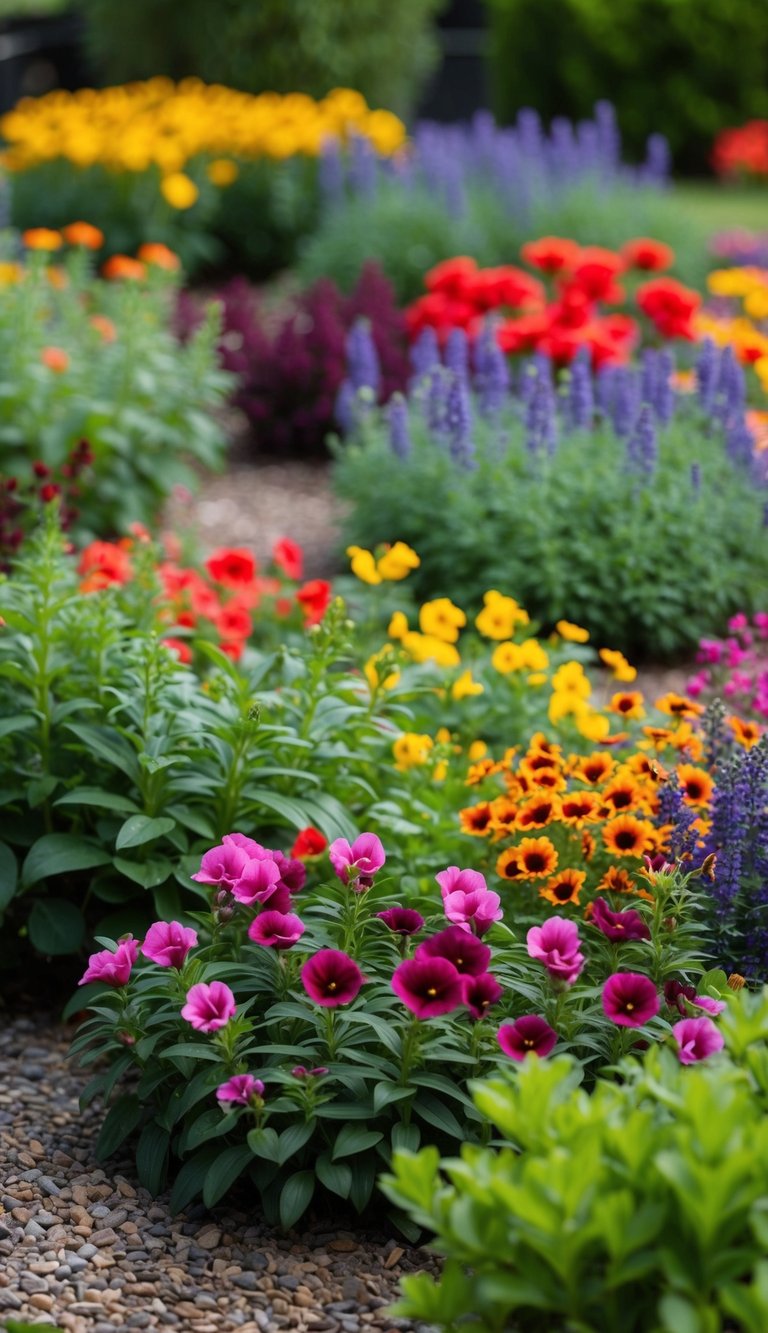
Small perennial garden design works best when you match plants to your sunlight, soil, and space, then arrange them in layers. Use a few long-blooming flowers, compact shrubs, and low ground covers to create color and texture without crowding your yard.
A small garden can add color and life to a front yard, patio, or backyard in the United States. Even a narrow strip beside a walkway can hold a mix of flowers that return each year. The key is to choose plants that fit your local climate and leave enough room for them to grow.
Before you buy plants, look at the space during the day. Some beds get hot afternoon sun, while others sit beneath trees or beside a north-facing wall. These differences affect which perennials will thrive, how often you need to water, and how much care the garden will need. A simple plan can help you avoid wasted space and costly plant swaps.
Source: i.pinimg.com
What Is Small Perennial Garden Design?
Small perennial garden design is the art of arranging plants that live for several years in a limited outdoor space. Unlike annual flowers, which usually complete their life cycle in one growing season, many perennials return from their roots or crowns when conditions suit them. Their leaves, flowers, and growth habits can give a small bed a changing look throughout the year.
The aim is not to fit as many plants as possible into the bed. A good plan balances plant size, color, texture, and bloom time. It also leaves enough room for roots to grow and for you to reach each plant when it needs care.
You can use this approach in a small suburban yard, an urban townhouse garden, a narrow side yard, or a sunny patch near a porch. A raised bed can work too, provided its depth, drainage, and soil suit the plants you select.
Source: images.suite101.com
Perennial border
A long, narrow bed along a fence, wall, driveway, or path. Repeated plant groups help it look neat.
Island bed
A planted area surrounded by lawn or paving. Place taller plants near the center and lower plants around the edge.
Foundation garden
A bed beside a home. Choose mature plant sizes that will not block windows, vents, paths, or utility access.
A compact option for patios and balconies. Use containers with drainage holes and plants suited to the pot’s size and exposure.
Start With the Space You Have
Measure the planting area before you sketch a layout. Record the length and width, note nearby paths and walls, and mark any doors or windows that need clear access. A rough drawing on paper is enough to help you compare layouts and estimate how many plants you can fit.
Next, watch the light over a typical day. Morning sun, hot afternoon sun, dappled light, and deep shade are different growing conditions. A spot that looks bright at noon may still receive limited direct sun because a tree or building blocks the light for much of the day.
Soil and drainage matter just as much. After rain or watering, check whether water drains away or remains pooled. Many perennials dislike constantly wet roots, while others prefer moist soil. Match the plants to the site rather than trying to force every plant into the same conditions.
Source: bluestem.ca
Measure the bed
Write down the usable planting length and width. Subtract areas needed for paths, steps, and access.
Track direct sunlight
Record the hours of direct sun and note where shade falls in the morning and afternoon.
Check soil texture
Clay soil may hold water, while sandy soil may dry quickly. Add organic matter when suitable, but do not assume every plant needs the same soil mix.
Look for site limits
Account for tree roots, roof runoff, utility lines, salt from winter road care, and areas where people or pets often walk.
Choose Plants for Your USDA Hardiness Zone
The USDA Plant Hardiness Zone Map helps gardeners estimate which perennial plants may survive local winter lows. Check the zone for your location, then compare it with the plant label. The zone is a useful starting point, not a full climate guide. It does not tell you how much summer heat, rain, humidity, or shade a plant needs.
A plant listed for your zone may still struggle in heavy clay, dry shade, or intense afternoon heat. Local extension services and regional botanical gardens can help you find plants that suit your area.
Cold winters
Check winter hardiness and whether the plant needs protection in exposed beds or containers.
Hot summers
Look for plants that tolerate local heat and match the bed’s moisture level.
Humid regions
Allow good airflow and select plants suited to humid summers to help reduce some leaf disease problems.
Choose a Layout That Makes a Small Garden Feel Bigger
A small garden often looks better when its layout is simple. Pick one main shape, such as a straight border, curved bed, or compact island. Repeating a few plant types creates a clear pattern, while too many unrelated plants can make the area feel busy.
Use the shape of the space to guide the design. A narrow border benefits from plants arranged in layers along its length. A square bed may suit a balanced group of plants around a central feature. A curved edge can soften a rigid fence or paved patio, but the curve should still leave enough planting room.
Keep the main view in mind. If you see the bed from a kitchen window, arrange the plants so their forms and flowers look good from that angle. If people walk beside it, keep the lowest plants near the path and leave enough width for safe movement.
Source: garden.eco
Narrow border
Place taller plants toward the wall or fence, medium plants in front, and low edging plants beside the path.
Compact island bed
Put taller plants near the center, surround them with medium plants, and use low plants along the outer edge.
Corner bed
Use the corner for one taller focal plant, then spread lower plants outward along both sides.
Small courtyard
Combine a restrained planting palette with pots or a narrow border to keep open space for seating and movement.
Use Height and Layers
Layering gives a small bed depth without needing a large number of plants. In a border viewed from one side, place the tallest plants at the back, medium plants in the middle, and short plants near the front. In an island bed, the tallest plants usually work best near the center.
Always check the mature height and width on plant labels. A young perennial may look tiny in its pot, yet spread several feet as it matures. The right spacing may leave bare soil at first, but it reduces crowding and makes future care easier.
Back layer
Use upright, well-behaved perennials that fit beneath nearby windows or branches.
Middle layer
Add plants with rounded forms or sturdy flower stems to connect the tall plants and the border.
Front layer
Choose compact clumps or low ground covers that will not spill too far into a walkway.
Repeat Plants for a Calm Look
Repeating the same plant in several places helps the bed feel connected. For example, use three small clumps of one flower along a border instead of planting a different species at every point. Odd-numbered groups can be a useful design tool, but mature size and the bed’s shape matter more than a fixed number.
Limit the main color palette to two or three flower colors, then use green, silver, or dark foliage to link them. This does not mean every plant must match. It means each plant should have a clear role in the overall design.
Best Perennial Plants for a Small Garden
The best perennials for a small bed are plants that fit the space at maturity and suit the local growing conditions. Compact growth, long bloom periods, attractive leaves, and manageable care can all be useful traits. No single plant is best for every US garden, since winter lows, summer heat, soil, and moisture vary widely.
Before buying, read the plant label for mature size, sun needs, water needs, and hardiness. A dwarf form of a plant may be more suitable than its full-size relative. Native plants can also be useful when chosen for the exact site and region, especially when they support local pollinators and other wildlife.
Source: images.ctfassets.net
Coneflower
Many Echinacea varieties have daisy-like blooms and a central cone. They often suit sunny, well-drained beds, but mature size and local heat tolerance vary by cultivar.
Black-eyed Susan
Rudbeckia can bring bright yellow flowers to sunny borders. Some types spread readily or self-seed, so check the growth habit before planting in a very small bed.
Garden phlox
Phlox paniculata offers summer flowers in suitable conditions. Choose a variety with a size that fits the bed and allow airflow in humid areas.
Catmint
Many Nepeta varieties have aromatic foliage and long bloom periods. Compact forms can suit sunny edges, though spreading habits differ.
Coral bells
Heuchera is valued for its colorful leaves. Many varieties prefer part shade and well-drained soil, but their heat and moisture needs vary.
Hosta
Hostas add broad leaves to shaded beds. They need suitable moisture and may attract slugs or deer in some locations.
Creeping phlox
Phlox subulata forms a low mat and can bloom in spring. It generally needs sun and well-drained soil, making it useful for sunny edges or slopes.
Sedum
Many stonecrop varieties handle sunny sites and drier soil once established. Select a compact form rather than a tall variety that could overwhelm the bed.
Plants for Sunny Small Perennial Gardens
Sunny beds can support a wide range of flowering perennials. Coneflowers, compact catmint, suitable sedums, and some black-eyed Susans may work well when the soil and climate fit. Choose plants with different bloom periods to avoid relying on a single burst of color.
In hot parts of the South and Southwest, check heat tolerance and water needs with extra care. A plant that thrives in a cooler northern summer may struggle during prolonged heat or in a dry bed beside pavement.
For bright color
Combine one main flowering perennial with a second plant that blooms at a different time.
For dry soil
Look for plants adapted to well-drained soil and lower water needs after establishment.
For pollinators
Include flowers that offer nectar or pollen, and avoid pesticide use that could harm visiting insects.
Plants for Shady Small Perennial Gardens
Shade does not have to mean a plain green bed. Hostas, coral bells, and other shade-tolerant perennials can bring varied leaf shapes and colors to a small area. Ferns may also add texture where moisture and shade suit them.
Dry shade beneath mature trees can be challenging because tree roots compete for water. Choose plants that tolerate the actual conditions, water carefully while they establish, and avoid cutting large tree roots to make room for the bed.
For leaf color
Mix light green, dark green, silver, or burgundy foliage to create contrast when few flowers bloom.
For moist shade
Choose shade plants that suit the site’s soil moisture, with enough airflow to limit disease.
For dry shade
Seek regionally suitable plants that tolerate root competition rather than assuming all shade plants need the same care.
Three Simple Small Perennial Garden Design Plans
A basic planting plan can help you decide what to buy before you visit a garden center. The examples below are starting points, not fixed recipes. Adjust each plant choice to your climate, mature size, sunlight, soil, and available width.
The plant counts are illustrative. A narrow bed may need fewer plants than a broad bed of the same length, and spacing recommendations differ by variety. Use the mature spread on each plant label to work out the final layout.
Source: stevewilliamskitchens.co.uk
Plan A: Sunny Border
For a hypothetical bed about 6 feet long and 3 feet deep, place two or three compact upright perennials toward the back, two small groups of medium flowering plants in the middle, and low edging plants near the front. Use a restrained palette, such as purple, yellow, and green.
Plan B: Shady Corner
For a partly shaded corner, use a small group of hostas or other suitable foliage perennials as the main feature. Add coral bells and a low ground cover where the soil and light suit them. Leave open pockets for airflow and easy watering.
Plan C: Pollinator Patch
For a sunny spot, combine locally suitable native flowering perennials with different bloom periods. Use compact clumps near the edge and taller plants farther back. Avoid filling the entire bed with one species if a varied bloom season is the goal.
How to Calculate Plant Spacing
Plant spacing depends on mature width, growth habit, and the look you want. If a plant is expected to spread about 18 inches, placing its center 18 inches from the next plant center may allow the two mature forms to meet. That is a planning example, not a universal spacing rule.
For a more open look, leave extra space between plants. For a dense look, use the recommended spacing for the variety and keep an eye on airflow. Avoid crowding plants simply to make the bed look full on planting day.
Read mature width
Use the expected spread rather than the size of the nursery pot.
Mark plant centers
Set pots on the soil before digging so you can adjust the balance and check the distance from paths.
Keep access open
Leave room to reach plants for pruning, watering, and weed removal without stepping on the bed.
Create Color From Spring Through Fall
A perennial bed can look lively for more of the year when plants bloom at different times. Early flowers may begin the season, summer blooms can carry the main display, and late-season flowers can extend color toward fall. In cold regions, the growing season may be short, while warm areas may have different bloom windows.
Flowers are only one part of the design. Leaf shape, plant height, seed heads, and evergreen foliage can keep the bed interesting between bloom periods. Some gardeners leave healthy seed heads standing through winter for visual interest and wildlife, while others prefer a tidier look.
Build your plan around a few reliable plants, then add seasonal interest where space allows. This approach makes it easier to see which plants perform well and which ones need replacement.
Source: stevewilliamskitchens.co.uk
Spring
Use regionally suitable spring-blooming perennials and early foliage growth to wake up the bed.
Summer
Choose plants with overlapping bloom times so the garden does not depend on one short flowering period.
Fall
Add suitable late-blooming perennials or plants with attractive foliage and seed heads.
Winter
Keep selected seed heads or evergreen foliage if they suit your climate and preferred garden style.
Use Foliage to Fill Quiet Gaps
Leaves give a garden shape even when flowers are not open. Broad hosta leaves, fine fern fronds, narrow grass-like foliage, and rounded coral bells can create contrast in a small bed. Choose only plants suited to the site’s light and water conditions.
Leaf color can also guide the eye. Pale or silver foliage may stand out in some shaded settings, while dark green leaves can help bright flowers appear more vivid. Test the combination with nursery pots before planting if you are unsure.
Make the Garden Easier to Maintain
A low-maintenance perennial garden starts with good plant choices and sound soil preparation. Plants suited to the site’s sunlight and moisture usually need fewer corrections than plants grown in the wrong place. A simple layout also makes routine tasks less time-consuming.
Perennials still need care. Newly planted roots need steady moisture while they establish, weeds compete for water and nutrients, and some plants need deadheading or division. The exact workload depends on the species, local weather, and how formal you want the bed to look.
Mulch can help conserve soil moisture and limit weeds. Apply an appropriate layer around plants while keeping mulch away from crowns and stems. Follow local guidance for suitable mulch depth and avoid burying the base of plants.
Source: plantparadiso.com
Group plants by water needs
Place plants with similar moisture needs together so one area is not kept too wet for its neighbors.
Water the root zone
Water slowly enough to moisten the root area. Check soil moisture rather than following a rigid schedule in every season.
Remove weeds early
Pull small weeds before they spread or set seed, taking care not to damage nearby perennial roots.
Deadhead when useful
Remove spent flowers if it improves the appearance or encourages more blooms in that variety.
Divide overcrowded plants
Divide suitable perennials when they outgrow the bed or lose vigor, following the plant’s preferred season and care needs.
How to Prepare the Soil
Clear weeds and debris before planting. Loosen the soil where needed without working it when it is very wet, since wet soil can compact or smear. Add compost or other soil amendments only when they suit the soil and the plants you plan to grow.
A soil test can help identify pH and nutrient issues. Adding fertilizer without a clear need may encourage excess leaf growth or waste money. Some native plants adapted to lean soils may perform poorly when given too much added fertility.
Remove existing weeds
Clear the bed carefully and identify persistent weeds before planting.
Improve drainage only when needed
Address standing water based on the site’s conditions. A thin layer of gravel at the bottom of a planting hole does not solve poor drainage in surrounding soil.
Check soil pH and nutrients
Use a soil test when the site or planned plants make pH or nutrient levels a concern.
Keep Plant Growth Under Control
Some perennials spread by underground stems or self-seed freely. These plants can be useful in a large naturalized area but may crowd a small border. Choose clump-forming or compact varieties when space is tight, and check whether a plant is known to spread aggressively in your region.
If a plant becomes too large, do not assume it needs more fertilizer or water. It may need division, pruning, or a different location. Replace a plant if its mature size consistently exceeds the space available.
Common Small Perennial Garden Design Mistakes
The most common design problems come from choosing plants before checking the site, planting too closely, or trying to use too many colors and shapes. These issues can make a small bed harder to maintain and less balanced as plants mature. A quick review before planting can prevent much of this trouble.
A new garden may look sparse during its first season. That does not always mean the plan has failed. Many perennials need time to develop strong roots and reach their expected size, so judge the layout over time rather than filling every gap at once.
Source: images.suite101.com
Ignoring mature plant size
Check both height and width. Move or replace plants that would block a path, window, or neighboring plant when fully grown.
Choosing plants by flower color alone
Check light, water, soil, and hardiness before selecting a plant for its blooms.
Using too many plant types
Repeat a small number of reliable plants, then add a few accents for texture and seasonal interest.
Watering every plant the same way
Adjust watering to the plant’s needs, soil, weather, and stage of establishment.
Forgetting winter conditions
Consider winter hardiness, wind exposure, drainage, and container insulation where relevant.
Planting too close to structures
Keep vents, foundations, drains, utility access points, and walkways clear.
What to Do When a Plant Struggles
Start by checking the growing conditions rather than adding fertilizer right away. Look for dry or waterlogged soil, signs of pest damage, leaf spots, poor light, and roots crowded by neighboring plants. Compare the symptoms with reliable plant-care guidance for the exact species.
If the plant is in the wrong place, moving it during a suitable season may help. If disease is suspected, avoid moving affected soil or plant material around the garden, and clean tools after use. Seek local extension advice when the cause remains unclear or the problem spreads.
Yellow leaves
Check moisture, drainage, light, and normal seasonal leaf changes before assuming the plant needs fertilizer.
Few flowers
Review sunlight, plant age, pruning, and nutrient levels. Some perennials also need time to settle in.
Drooping leaves
Check soil moisture and recent heat. Both dry roots and overly wet roots can cause wilting.
Crowded growth
Compare current spread with the plan and divide, prune, or relocate plants when suitable.
A Practical Planting Plan for Your First Weekend
You can begin a small perennial garden without buying every plant at once. Start with a measured sketch and a short list of plants that match the site. This keeps the design focused and gives you time to confirm each plant’s mature size and care needs.
The best planting time depends on your region and the species. Many perennials can be planted in spring or fall when temperatures are moderate, but local heat, frost, and rainfall may change the best window. Check local planting advice before setting a date.
Source: garden.eco
Step 1: Sketch the bed
Draw the bed to scale if possible. Mark paths, walls, trees, drainage issues, and the direction of the main view.
Step 2: List site conditions
Record direct sunlight, soil texture, drainage, moisture, and your USDA hardiness zone.
Step 3: Choose a short plant list
Pick a few plants with suitable mature sizes and overlapping seasonal interest. Check whether they are invasive or aggressive in your region.
Step 4: Set out the pots
Arrange nursery pots on the soil before digging. Check the view from the house and make sure paths remain clear.
Step 5: Plant and water
Follow the plant labels for planting depth and spacing. Water the root zone and keep checking soil moisture while plants establish.
Step 6: Review as plants grow
Keep brief notes on bloom time, growth, pests, and watering. Adjust the design when you have seen how the plants perform through a season.
How to Tell Whether the Design Is Working
A successful small perennial garden does not need to look full on day one. Look for healthy new growth, suitable flower production for the plant and season, and enough open space for each plant to develop. The bed should also remain easy to reach and should not block normal use of the yard.
Review the garden at several points in the year. Note where color is missing, where one plant dominates, and where water tends to collect or drain too quickly. Make small changes based on what you observe instead of replacing the whole layout after one poor week.
Healthy growth
Plants show growth that is normal for their species and season, without persistent stress symptoms.
Balanced spacing
Mature plants have room for airflow and maintenance, with no unwanted spread into paths.
Seasonal interest
Flowers, leaves, or seed heads provide visual interest at more than one point in the growing season.
Manageable care
The bed can be watered, weeded, and pruned without damaging nearby plants or hard surfaces.
Planning Questions Worth Answering Before You Buy
A few extra checks can make the difference between a garden that grows well and one that needs constant repair. Consider who uses the space, whether pets visit the bed, and whether you can reach the plants without stepping on the soil. Check plant toxicity when children or pets may chew leaves or flowers.
Also consider the garden’s long-term purpose. A bed meant to attract pollinators may need a mix of suitable flowering plants and a less tidy winter look. A bed beside a formal front entrance may call for compact forms, repeated colors, and a clear edge.
Source: bluestem.ca
Pet and child safety
Check reliable plant toxicity information before planting where children or pets may have access. Avoid assuming a plant is safe because it is common in gardens.
Pollinator value
Choose flowers that suit local pollinators and bloom at different times. Avoid pesticide use that could harm bees and other beneficial insects.
Water access
Make sure you can reach the bed with a hose or watering can, especially during the first growing season.
Future growth
Leave room for plants to spread and for shrubs or trees nearby to increase in size.
Frequently Asked Questions
Q
How do I design a small perennial garden?
Measure the bed, track sunlight, and check soil drainage first. Choose a few perennials that suit your region, then arrange them by mature height and width. Repeat plant groups for a calm look, leave room for growth, and include flowers or foliage with different seasons of interest.
Q
What are the best perennials for a small garden?
The best choices depend on your climate and site. Compact catmint, coral bells, hostas, coneflowers, suitable sedums, and creeping phlox may work in the right conditions. Check mature size, sunlight needs, soil moisture, and local hardiness before buying.
Q
How many plants do I need for a small perennial bed?
There is no fixed number because beds and plants vary in size. Measure the planting area and use each plant’s mature spread to estimate spacing. Place nursery pots on the soil before planting so you can adjust the design and keep paths clear.
Q
Can perennials grow in a small garden with little sunlight?
Yes, many perennials grow in part shade or shade. Hostas, coral bells, and suitable ferns can add leaf color and texture when their soil and moisture needs are met. Dry shade beneath trees may be harder to manage because roots compete for water.
Q
How can I make a small perennial garden low maintenance?
Choose plants that suit the site, group plants with similar water needs, use mulch carefully, and leave room for mature growth. Remove weeds while they are small and divide plants only when needed. A simple design with a few well-chosen species is often easier to manage than a crowded bed.
Q
When should I plant perennials in the United States?
Spring and fall are common planting times in many US regions because temperatures may be less stressful than during peak summer heat. The best time varies by local frost dates, rainfall, heat, and plant type. Follow regional extension guidance and the plant label for your area.
Q
Should I use mulch in a small perennial garden?
Mulch can help retain soil moisture and reduce weed growth. Apply it in a suitable layer and keep it away from plant crowns and stems. The right material and depth depend on the plants, soil, and local conditions.
✦ Wrapping Up
Conclusion
A small perennial garden can bring years of color and texture to a limited space. The strongest design starts with the site, not the plant catalog. Measure the bed, check the light and soil, and choose plants that fit the space at maturity.
Use simple layers, repeat a few plants, and plan for flowers or attractive leaves across the growing season. Give new plants room to grow and adjust the layout after you see how they perform. A garden does not need dozens of plant types to look full and inviting.
💡 Key Takeaway
Measure your planting area today, record its sunlight and drainage, and sketch a simple layout. Choose three to five suitable perennial types as a starting point, then confirm their mature sizes and local growing needs before you buy.