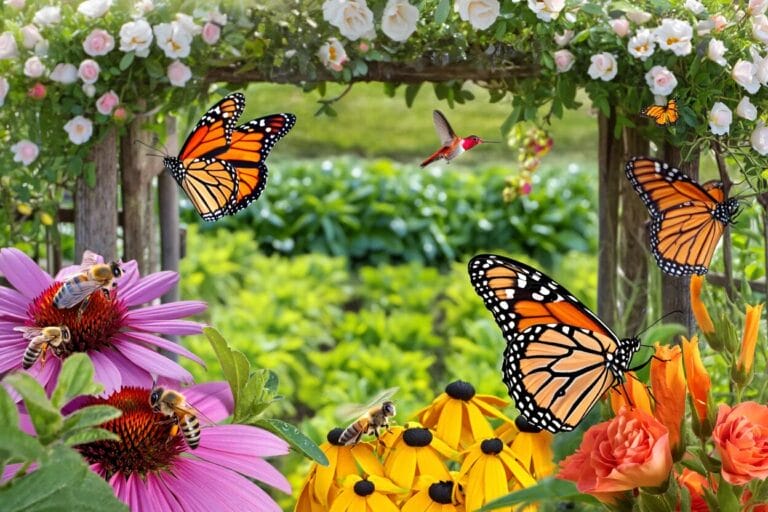
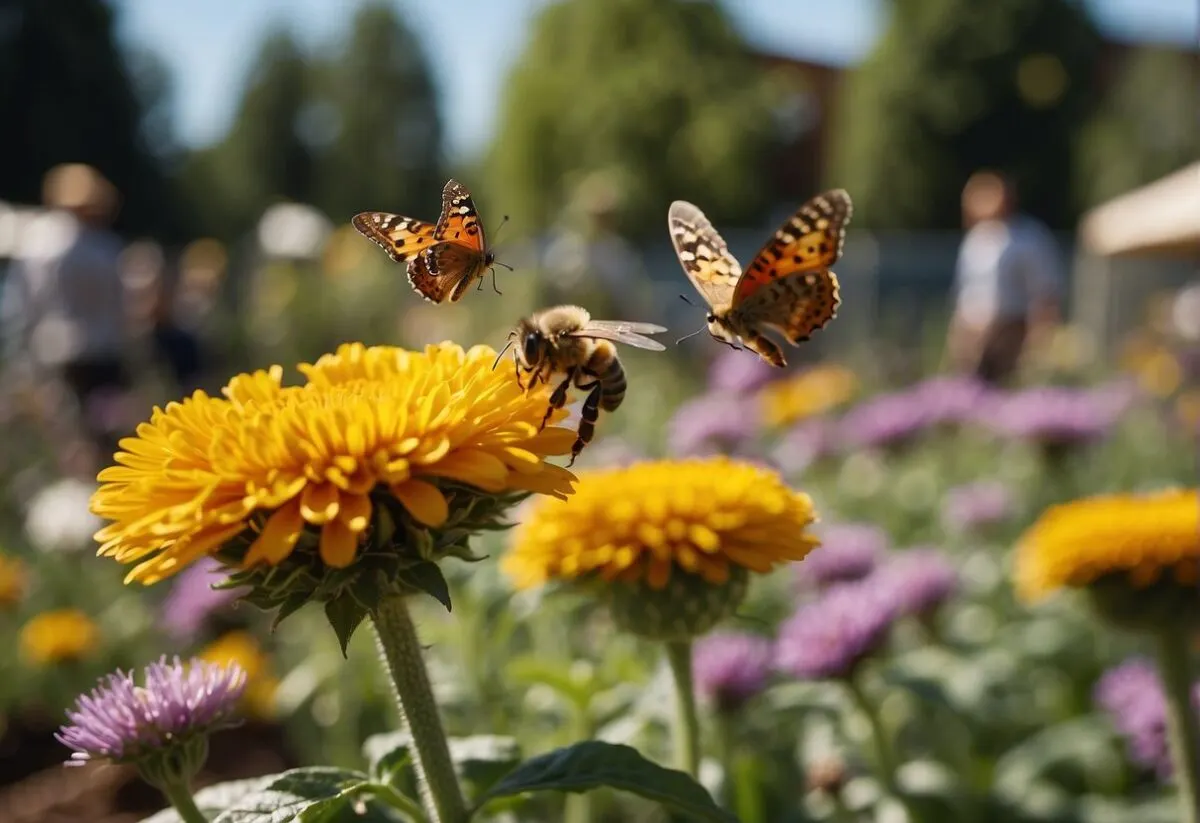
A garden with bees and butterflies needs nectar-rich flowers, native host plants, fresh water, sunny spots, and safe shelter. Choose plants that bloom in different seasons, avoid harmful pesticides, and let parts of the garden grow naturally.
Across the United States, a small backyard, front lawn, patio, or community plot can become a welcoming place for bees and butterflies. You do not need acres of land or a costly garden makeover. A few well-chosen flowers can offer food, while native plants help local pollinators find the resources they need. The best design starts with your local climate, soil, and growing season.
A pollinator garden does more than add color. Bees move pollen between flowers, helping many plants form seeds and fruit. Butterflies also visit flowers for nectar, and their caterpillars need particular host plants to grow. When you plan for both adult insects and young ones, your garden can support more stages of their lives. This guide explains how to choose plants, arrange your space, provide water, and care for your garden through the seasons.
Source: mossystreets.com
What Makes a Garden With Bees and Butterflies Work?
A garden with bees and butterflies works best when it offers food, shelter, water, and places to raise young. Flowers supply nectar, while many bees also collect pollen to feed their young. Butterfly caterpillars need leaves from specific host plants. A garden that offers all these resources supports more than adult insects passing through.
Sunlight matters because many flowering plants grow and bloom best in sunny spaces. Bees and butterflies also tend to visit flowers more often in warm, calm weather. A sheltered corner near a fence, hedge, or shrub can reduce wind and give insects a place to rest. Even a few large pots can help if you choose suitable plants and keep them healthy.
Think of your garden as a small habitat rather than a display of flowers. Neat rows of blooms can look attractive, but a mix of plant heights, flower shapes, leaves, and natural cover can offer more resources. You can still keep paths, seating areas, and trimmed edges while allowing one section to grow in a more natural way.
Source: ohgardener.com
Food
Grow nectar-rich flowers for adult pollinators and host plants for caterpillars and bee larvae.
Shelter
Keep suitable shrubs, hollow stems, leaf litter, or patches of bare soil where local species can nest or overwinter.
Water
Offer a shallow dish with pebbles or stones so insects can drink without landing in deep water.
Safe conditions
Reduce pesticide use and avoid disturbing nests or caterpillars while doing routine garden work.
Bees and Butterflies Need Different Plants
Many adult bees visit flowers for nectar and pollen, but the needs of their young vary by species. Some bees nest underground, while others use hollow stems or small cavities. Butterflies feed on nectar as adults, yet their caterpillars often depend on certain host plants. Milkweed, for example, is a host plant for monarch caterpillars in North America.
This difference matters when you choose plants. A garden filled with nectar flowers may attract adult butterflies but still lack the leaves their caterpillars need. Add a few suitable host plants alongside flowers, and check which species are native to your area before planting.
For adult pollinators
Use a range of flower shapes and colors, with bloom times spread across the growing season.
For young insects
Include host plants and preserve suitable nesting or shelter sites instead of removing every natural feature.
Choose Flowers That Feed Pollinators All Season
Choose several plants that bloom at different times instead of relying on one short burst of color. Early flowers can help insects that become active in spring, while summer and fall blooms provide food later in the year. The right choices depend on your USDA plant hardiness zone, local rainfall, soil, and the pollinators found in your area.
Native plants are often a strong starting point because local insects have evolved alongside regional plant communities. Still, native status alone does not guarantee that every plant will suit every garden. Check the mature size, sunlight needs, water needs, and local growing advice before buying seeds or young plants.
Whenever possible, choose plants that have not been treated with systemic insecticides that can harm pollinators. Ask the nursery about pesticide treatments if the label does not provide clear details. A healthy mix of untreated plants gives you a better starting point for a garden that welcomes visiting insects.
Source: butterflybeegarden.com
Spring flowers
Consider locally suitable native willows, serviceberries, wild geraniums, or other early bloomers where they naturally grow well.
Summer flowers
Look into native coneflowers, bee balm, mountain mint, asters, or regional wildflowers suited to your site.
Fall flowers
Native asters and goldenrods can provide late-season blooms in many parts of the United States.
Long-blooming choices
Use locally appropriate plants with long flowering periods, but keep a mix so the garden does not depend on one species.
Pick Plants for Your Region
A plant that thrives in a damp New England garden may struggle in a dry Arizona yard. In the Pacific Northwest, rainfall and shade may shape your choices. In much of the Southeast, heat, humidity, and summer storms can affect which flowers thrive. Use your state extension service, local native plant society, or a regional botanical garden to identify plants that fit your area.
Before planting, check whether a species is invasive or unsuitable for your region. Some popular garden plants spread beyond beds and crowd out local vegetation. Native alternatives can often provide similar color while offering better habitat value for local wildlife.
Check the growing zone
Use your USDA hardiness zone as a starting point, then account for shade, drainage, rainfall, and local heat.
Read plant labels
Check mature height, spacing, bloom time, water needs, and whether the plant is native to your region.
Buy from trusted local sources
Ask about pesticide treatments and choose reputable nurseries or native plant suppliers.
Design a Colorful Pollinator Garden in a Small Space
You can create a useful pollinator garden in a small yard, narrow border, or group of containers. Start by marking the areas that receive the most sun, then place plants according to their height and water needs. Put taller flowers toward the back of a border and shorter plants near the front so each group gets enough light.
Plant several individuals of the same flower together when space allows. A patch of blooms can be easier for a passing pollinator to find than one isolated plant. Repeat a few plant groups through the bed for a natural look, and leave enough space for mature growth so you do not need to keep dividing or pruning them.
For a patio, use pots with drainage holes and a suitable potting mix. Group containers in a sunny, sheltered area, and choose plants that can handle the heat and drying that often occur in pots. Containers need more frequent checks than garden beds because their soil holds less water.
Create a compact bed with early, midseason, and late flowers, plus a host plant suited to local butterflies.
Apartment patio
Use several containers with different flower heights and a shallow water dish that can be cleaned often.
Front yard
Replace a small section of lawn with native flowers while keeping clear paths and access to doors.
Large yard
Link flower beds, shrubs, and natural areas so insects can find food and shelter across the property.
Build a Simple Three-Layer Layout
A simple layout can make a pollinator bed easier to plan and maintain. Place low-growing flowers near the edge, medium plants in the center, and taller flowers or suitable shrubs at the back. Adjust the plan for sun direction and plant height, since a tall plant can shade flowers that need full sun.
Keep a small open patch of soil if it is suitable for local ground-nesting bees. Do not cover every bare spot with mulch, but keep the area away from heavy foot traffic and garden digging. Some bees nest in the ground, so avoid treating every patch of exposed soil as a problem.
Front layer
Use low native flowers that will not spill over paths or block access.
Middle layer
Add medium-height flowers with varied bloom times and shapes.
Back layer
Use tall blooms or suitable shrubs that offer flowers, shelter, or host leaves.
Add Water and Shelter Without Creating Hazards
Pollinators need safe places to rest and, for some species, a way to find water. A shallow dish filled with clean water and partly covered with pebbles can give bees and butterflies places to land. Keep the water level low, refill it as needed, and clean the dish to prevent algae and mosquito breeding.
Shelter can be as simple as a group of shrubs, a patch of undisturbed ground, or old plant stems left in place through winter. Many native bees do not live in large colonies. Some nest alone in soil or plant cavities, so a tidy garden with every stem cut and every open patch covered may remove useful habitat.
Avoid moving insects, opening nests, or handling caterpillars unless you have a clear reason and know the species. If you add a bee hotel, choose a design that can be cleaned or replaced, and maintain it carefully. Poorly managed nesting blocks can collect parasites or disease, so a bee hotel is not a must-have for every garden.
Source: i.pinimg.com
Provide shallow water
Use pebbles or stones as landing spots and change the water often.
Keep natural cover
Leave some stems and leaf litter where they will not create a fire risk or conflict with local rules.
Protect nesting areas
Avoid tilling suitable bare soil or disturbing hollow stems that may contain nesting insects.
Use bee hotels with care
Choose manageable designs and follow sound maintenance advice instead of assuming every decorative hotel helps.
Keep Water Clean and Easy to Reach
A birdbath or deep bowl can pose a drowning risk if insects cannot find a safe place to land. Use a shallow saucer or a shallow section filled with stones, and make sure some stones sit above the water line. Place it near flowers but away from spots where pets may knock it over.
Check the dish during hot weather because shallow water can evaporate quickly. Empty and scrub it at regular intervals, then refill it with fresh water. If mosquitoes are a concern, do not let water sit neglected for long periods.
Use a stable dish
Choose a shallow container that will not tip in wind or when a pet walks nearby.
Add landing spots
Set stones or pebbles partly above the water so insects can drink safely.
Protect Bees and Butterflies From Pesticides
The safest starting point is to avoid routine pesticide use in a pollinator garden. Some insecticides can harm bees and other beneficial insects through direct contact or exposure to treated plants. Risk depends on the chemical, dose, timing, application method, and the insect involved, so never assume a garden product is harmless just because it is sold for home use.
First, identify the pest and decide whether it is causing meaningful harm. A few chewed leaves or aphids on one plant may not need treatment. Hand-pick larger pests when practical, remove badly affected plant parts, use row covers where appropriate, or encourage natural predators. These steps can reduce the need for chemical control.
If a pesticide is truly needed, read and follow the product label and all local requirements. Do not apply products to blooming plants when pollinators may be visiting unless the label specifically permits that use under the stated conditions. Avoid spraying in windy weather, near open flowers, or where runoff could reach ponds, drains, or waterways.
Source: ourendangeredworld.com
Identify the pest first
Check whether the insect is harmful, beneficial, or simply passing through before taking action.
Try nonchemical steps
Use hand removal, pruning, physical barriers, and suitable cultural controls where they work.
Follow the label
Use only approved products and application methods, and follow all warnings about flowers and pollinators.
Avoid blanket spraying
Treat only the affected area when appropriate rather than spraying the whole garden as a routine.
What If a Plant Has Pests?
Start by checking the undersides of leaves and looking for signs of real damage. Aphids, caterpillars, and beetles are not all managed in the same way, and some caterpillars may belong to butterflies you want to support. If you cannot identify the insect, take a clear photo and ask your local cooperative extension service for help.
Choose a control that targets the problem with the least effect on other wildlife. Even products described as natural can harm non-target insects. Keep pollinator activity, flowering time, and the product label in mind before acting.
Check before treating
Identify the pest and confirm that the damage calls for action.
Protect open blooms
Avoid exposing visiting pollinators to pesticide sprays or residues.
Care for Your Pollinator Garden Through the Seasons
A pollinator garden changes through the year, so its care should change too. In spring, prepare the soil only where needed, plant suitable flowers, and look for early blooms. Avoid clearing every leaf and stem at once because some insects may still be sheltering there. Wait until the weather is consistently warm enough for local insects to become active before doing a major cleanup.
During summer, water new plants while their roots establish and check containers more often than beds. Remove invasive weeds before they spread, but learn to tell them apart from native seedlings. Deadhead flowers when doing so encourages more blooms, yet leave some seed heads if they provide food or winter interest.
In fall, plant suitable native perennials when local conditions allow and leave some healthy stems standing. Many pollinators use plant debris or soil for shelter during cold months. In winter, avoid unnecessary disturbance and plan any changes for the next growing season. A less tidy garden can be useful habitat, not a sign of neglect.
Source: thumbs.dreamstime.com
Spring
Check for early flowers, plant at the right local time, and preserve undisturbed shelter where practical.
Summer
Water young plants, watch for heat stress, and remove invasive weeds before they set seed.
Fall
Add suitable plants, leave some seed heads, and avoid cutting every stem to the ground.
Winter
Keep useful stems and leaf litter in safe areas, and plan next year’s flowers and host plants.
How to Tell Whether the Garden Is Working
Success does not mean seeing a butterfly or bee every time you step outside. Pollinator activity changes with temperature, wind, rain, bloom time, and the species that live nearby. Look for a mix of signs over several weeks rather than judging the garden on one quiet afternoon.
Record which plants bloom and which insects visit them. A simple notebook or a few dated photos can show where flowers are missing and whether the garden offers enough food through the season. If visits remain low, check sunlight, plant health, pesticide exposure, and whether the flowers suit your local pollinators.
Look for repeat visits
Note whether bees or butterflies return to certain flowers during suitable weather.
Check bloom gaps
Add plants that flower during periods when little else is blooming.
Watch plant health
Poor growth or few flowers may point to unsuitable light, soil, watering, or plant choice.
Common Mistakes to Avoid
A garden can look full of flowers yet offer limited value to local pollinators. One common mistake is choosing plants only for color without checking whether they provide accessible nectar, pollen, or host leaves. Another is planting everything at once, leaving a long gap before the next flowers open.
Over-cleaning is another problem. Removing every fallen leaf, cutting all stems in fall, and covering all exposed soil can remove places where insects shelter or nest. You can keep a tidy garden by defining clear paths and neat edges while leaving a small area for natural growth.
Do not assume that a butterfly bush or a decorative bee hotel alone will create a complete habitat. Plant value varies by region and species, and one feature cannot replace a range of food and shelter. Build diversity into the garden, and check whether each plant is suitable and noninvasive where you live.
Source: i.pinimg.com
Planting only one flower type
Mix bloom times and plant forms to serve a broader range of pollinators.
Ignoring host plants
Add suitable leaves for caterpillars instead of focusing only on adult butterfly nectar.
Using pesticides by habit
Identify pests first and use targeted control only when needed.
Cleaning every natural area
Preserve some stems, leaf litter, and suitable soil for shelter and nesting.
Choosing plants without local checks
Confirm regional suitability and invasive status before buying or spreading plants.
Can You Keep a Pollinator Garden Neat?
Yes. A pollinator garden does not need to look wild from every angle. Keep a clear border, mow the lawn around the bed, trim plants that block paths, and group natural habitat in a planned section. A simple sign or low edging can help visitors understand why some stems or leaves remain.
The aim is to balance useful habitat with the way you use your yard. Keep natural material away from building vents and areas where it could create fire or pest concerns. Follow local rules for yard care, invasive plants, and fire safety.
Set clear edges
Use paths, edging, or a mown strip to separate flower beds from lawn.
Choose a natural corner
Keep suitable leaves and stems in one managed area rather than leaving debris everywhere.
Frequently Asked Questions
Q
What flowers attract both bees and butterflies?
Many native coneflowers, bee balm, asters, and other nectar-rich flowers can attract both bees and butterflies when they suit the local climate. The best mix depends on your region, soil, sunlight, and bloom season. Choose several plant types and include host plants for local butterfly caterpillars.
Q
How do I attract butterflies without attracting too many bees?
Bees and butterflies often visit some of the same flowers, so it is difficult to attract one group while fully excluding the other. If you want more butterfly activity, add host plants for local butterfly species and nectar flowers they use. If anyone in the household has a serious bee-sting allergy, plan seating and paths carefully and seek appropriate medical guidance rather than relying on plant choice to keep bees away.
Q
Does a bee and butterfly garden need full sun?
Many popular pollinator flowers grow best in full sun, but the whole garden does not need to receive direct sun all day. Choose plants that match the light in each spot. A partly shaded area may suit certain native flowers and shrubs, while sunny containers can support plants with higher light needs.
Q
Can I make a garden with bees and butterflies in pots?
Yes. Use pots with drainage holes, suitable potting mix, and plants that fit the container size and local climate. Group containers where they receive the light they need, provide shallow water with safe landing spots, and check soil moisture often. Include a range of flowering plants, and remember that pots may dry out faster than garden beds.
Q
Should I leave dead flowers and leaves in the garden?
Leave some healthy stems, seed heads, and leaf litter where they can provide food or shelter and do not create a safety problem. Some insects use plant debris or soil to survive the winter. Remove diseased material, manage invasive plants, and keep paths and building edges clear. Delay major cleanup until local insects are more likely to be active.
✦ Wrapping Up
Conclusion
A garden with bees and butterflies can start with just a few well-chosen plants. Add flowers that bloom at different times, choose native plants suited to your region, and include host plants for caterpillars. A shallow water dish, safe nesting areas, and less pesticide use can make the space more welcoming to pollinators.
You do not need to change your whole yard at once. Start with one sunny bed or a few pots, then watch what grows well and which insects visit. Use those observations to fill bloom gaps and improve the habitat over time. Small, steady changes can turn an ordinary outdoor space into a useful part of your local ecosystem.
💡 Key Takeaway
Choose three locally suitable flowering plants with different bloom times, add one host plant for a local butterfly, and set up a shallow water dish with stones. Avoid routine pesticides, then track blooms and pollinator visits for a month.