What soil is best for vegetable garden? Learn how to choose the right soil, improve fertility, and grow healthier vegetables with simple, practical steps.
A few years ago, I planted tomatoes in soil that looked perfectly fine. The plants struggled all season. Leaves turned yellow. Growth slowed. The harvest was disappointing. That experience taught me something every gardener should know. Soil is the foundation of a successful vegetable garden. Seeds, water, and sunlight matter, but healthy soil often makes the biggest difference. Through years of gardening, I have learned what works, what fails, and how the right soil can transform an average garden into a productive one.
What Soil Is Best for Vegetable Garden?
Many beginners assume dirt is dirt. I once thought the same thing. After several growing seasons, I realized that vegetable gardens perform best when soil contains the right balance of nutrients, organic matter, moisture retention, and drainage.
The best soil supports root growth while providing access to water and oxygen. It should hold moisture without becoming waterlogged. It should drain excess water while keeping nutrients available. Healthy soil also supports beneficial organisms that improve plant health naturally. Understanding these qualities helps gardeners build stronger foundations for long-term success and larger harvests.
Key Characteristics of Good Garden Soil
Look for soil that offers:
- Good drainage
- Rich organic matter
- Balanced nutrients
- Loose texture
- Healthy microbial activity
Ideal Soil Features
| Soil Feature | Why It Matters |
|---|---|
| Drainage | Prevents root rot |
| Organic Matter | Improves fertility |
| Air Space | Supports roots |
| Moisture Retention | Reduces drought stress |
| Nutrients | Encourages growth |
Strong soil creates stronger plants.
Understanding Soil Types Before Planting
Every garden starts with a particular soil type. Understanding what you already have helps determine what improvements are needed.
Most garden soils fall into three basic categories. Clay soil contains tiny particles. Sandy soil contains larger particles. Loam combines the benefits of both.
My first garden grew in heavy clay soil. Water drained slowly. Roots struggled. Adding organic matter gradually improved structure and performance.
Clay Soil
Clay soil often:
- Holds water well
- Retains nutrients
- Compacts easily
- Drains slowly
Advantages exist, but improvement is usually needed.
Sandy Soil
Sandy soil tends to:
- Drain quickly
- Warm up faster
- Lose nutrients easily
- Dry out rapidly
Organic matter greatly improves sandy soil.
Loamy Soil
Many gardeners consider loam ideal because it:
- Drains effectively
- Holds nutrients
- Retains moisture
- Supports healthy roots
Loamy soil creates excellent growing conditions for vegetables.
Soil Comparison Table
| Soil Type | Drainage | Fertility | Improvement Need |
|---|---|---|---|
| Clay | Slow | High | Moderate |
| Sand | Fast | Low | High |
| Loam | Balanced | Balanced | Low |
Most soils can become productive with proper care.
Simple Soil Texture Test
Grab a handful of moist soil.
Then:
- Squeeze it gently.
- Form a ball.
- Observe how it behaves.
Clay remains sticky. Sand falls apart quickly. Loam feels soft and crumbly.
Organic Matter Creates Better Garden Soil
Organic matter may be the most important ingredient in a vegetable garden. It improves nearly every soil type.
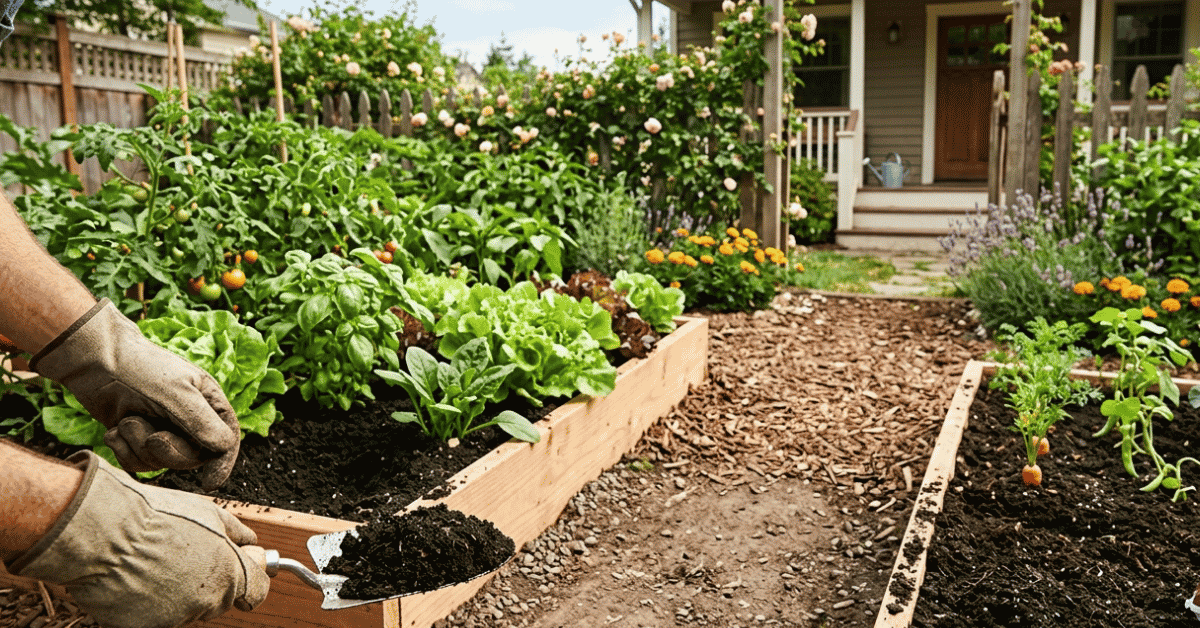
When I began adding compost consistently, plant growth improved noticeably. Water retention increased. Drainage improved. Harvests became larger and more reliable.
Organic matter feeds soil life. Healthy soil life supports healthy vegetables.
Best Sources of Organic Matter
Popular options include:
- Compost
- Aged manure
- Leaf mold
- Grass clippings
- Shredded leaves
These materials gradually improve soil quality.
Benefits of Compost
Compost helps:
- Increase fertility
- Improve structure
- Support microbes
- Retain moisture
- Reduce compaction
Most vegetable gardens benefit from annual compost applications.
How Much Compost to Add
A common recommendation involves:
- Adding 2 to 4 inches annually
- Mixing into the top soil layer
- Repeating each growing season
Consistent improvement produces long-term results.
Organic Matter Benefits
| Benefit | Result |
|---|---|
| Better Drainage | Healthier roots |
| Improved Moisture | Less watering |
| Added Nutrients | Strong growth |
| Enhanced Structure | Easier planting |
| Increased Microbes | Healthier ecosystem |
Healthy soil continues improving year after year.
Testing and Improving Soil for Maximum Harvests
Even good-looking soil may hide nutrient problems. Testing provides useful information before planting begins.
A soil test revealed several deficiencies in my garden years ago. Correcting those issues dramatically improved plant performance.
Testing removes guesswork.
Important Soil Measurements
Most tests evaluate:
- pH level
- Nitrogen
- Phosphorus
- Potassium
- Organic matter content
These measurements guide future improvements.
Ideal Soil pH
Most vegetables prefer:
- pH between 6.0 and 7.0
This range allows nutrients to remain available.
Improving Low Fertility
Helpful amendments include:
- Compost
- Organic fertilizers
- Aged manure
- Cover crops
These options support long-term soil health.
Improving Drainage
Poor drainage may require:
- Raised beds
- Compost additions
- Soil loosening
- Better site selection
Roots need oxygen as much as they need water.
Annual Soil Maintenance Plan
A simple routine works well:
| Season | Task |
|---|---|
| Spring | Add compost |
| Summer | Mulch plants |
| Fall | Plant cover crops |
| Winter | Review soil test |
Consistent maintenance keeps soil productive.
Signs of Healthy Garden Soil
Healthy soil usually:
- Smells earthy
- Drains well
- Contains worms
- Supports vigorous growth
- Holds moisture appropriately
Those signs indicate a thriving underground ecosystem.
The best soil for a vegetable garden combines fertility, structure, drainage, and organic matter. Perfect soil rarely exists naturally. Most successful gardens result from gradual improvement over time. Compost, soil testing, and regular maintenance help create ideal growing conditions. Healthy soil rewards gardeners with stronger plants, better harvests, and fewer growing problems throughout the season.
Frequently Asked Questions
What type of soil is best for a vegetable garden?
Loamy soil is generally considered the best option because it balances drainage, moisture retention, nutrient availability, and root development.
Can clay soil grow vegetables successfully?
Yes. Adding compost and organic matter improves structure, drainage, and root growth, making clay soil much more productive.
How often should I add compost to garden soil?
Many gardeners add compost annually. Regular additions improve fertility, moisture retention, soil structure, and overall plant performance.
Do I need a soil test before planting vegetables?
A soil test provides valuable information about pH and nutrients, helping gardeners make informed decisions before planting begins.
What pH level is ideal for vegetable gardens?
Most vegetables grow best in soil with a pH between 6.0 and 7.0 because nutrients remain readily available within that range.