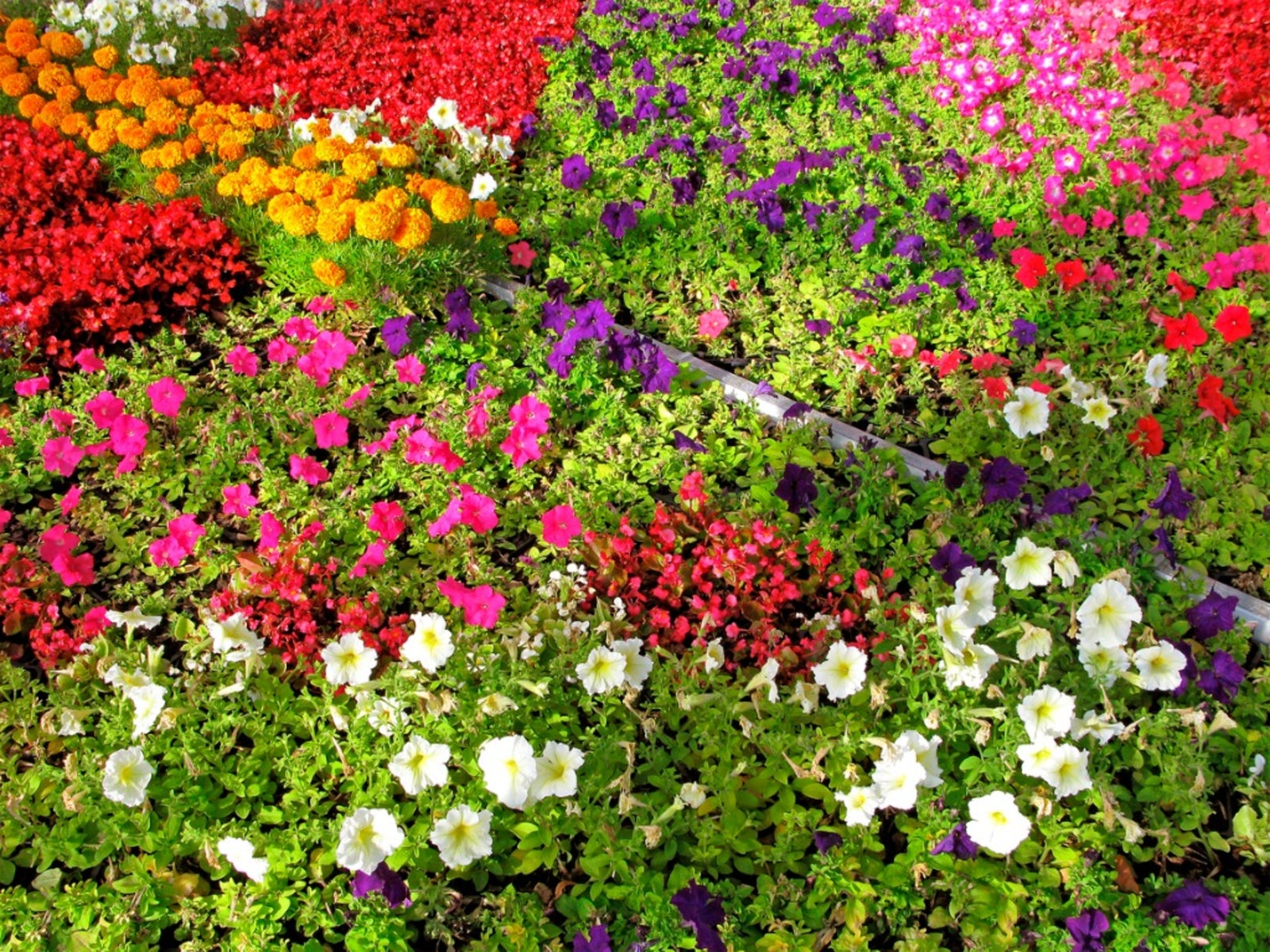
Annuals in the garden add bright color for one growing season. Choose plants that suit your local climate, sunlight, and soil, then water them well and remove faded blooms as needed. With the right care, annual flowers can fill beds, borders, pots, and hanging baskets with color from spring until frost.
Across the United States, annual flowers help gardeners bring quick color to outdoor spaces. A sunny front yard in Texas has different needs from a shady porch in Ohio or a cool coastal garden in Maine. The best plants depend on your local weather, the amount of sun your garden gets, and when frost usually arrives.
Annuals are useful when you want to change your garden each year. You can try new colors, fill empty spots between shrubs, or grow flowers in pots near a front door. Many annuals bloom for months when their basic needs are met, but no single plant suits every garden. Start with the growing conditions you have, then choose flowers that fit them.
Annuals are plants that complete their life cycle in one growing season. They grow from seed, develop leaves and roots, produce flowers, and often form seeds before dying. Many familiar garden annuals are grown mainly for their flowers, though some are valued for their leaves or edible parts.
Gardeners often choose annuals because they can provide a strong display of color in a short time. A tray of young petunias can fill a bare container, while zinnias can add height and color to a summer flower bed. Some annuals also attract bees, butterflies, and other pollinators when their flowers provide accessible nectar or pollen.
The word annual describes a plant’s life cycle, not how long its flowers stay open. Some annuals bloom for much of the warm season, while others have a shorter display. Temperature, water, light, pests, and plant care all affect how long they look good.
Source: tools.couchsurfing.com
Annuals
These plants complete their life cycle in one growing season. Common examples include marigolds, zinnias, cosmos, and many petunias.
Perennials
These plants can live for several years. Their tops may die back in winter, depending on the species and climate, before new growth appears.
Biennials
These plants usually grow leaves and roots in their first year, then flower and set seed in their second year.
Tender perennials
Some plants treated as annuals in cold parts of the United States can live for several years in warm climates or indoors.
Why Do Gardeners Grow Annual Flowers?
Annual flowers offer flexibility. You can change the color scheme every year, test a new layout, or fill a gap while shrubs and perennials become established. Many are sold as young plants, so you can get a full-looking display without waiting for seeds to sprout and mature.
Annuals also suit small spaces. A few compact plants can brighten a balcony, apartment entrance, or narrow patio. If you have limited ground space, pots and window boxes make it possible to grow flowers where the soil is poor or absent.
Quick garden color
Many nursery-grown annuals begin flowering soon after planting when growing conditions are suitable.
Flexible design
Change flower colors, plant heights, and combinations from one season to the next.
Useful gap fillers
Place annuals between shrubs or perennials to cover bare soil and add seasonal interest.
How to Choose the Best Annuals for Your Garden
The best annuals are the ones that suit the conditions in your yard. Before buying plants, check the amount of sunlight, the way water drains from the soil, and the expected temperatures during the growing season. These details matter more than choosing a flower because it looks good at the garden center.
Start by watching your garden on a clear day. Note which areas get direct sun in the morning and afternoon, and which stay shaded. A spot that gets only a little early morning light may not support the same flowers as an open bed that receives direct sun for much of the day.
Next, consider how much time you can give the plants. Some annuals need regular deadheading, feeding, or watering to keep flowering well. Others need less attention once their roots are established. If you travel often or forget to water, choose plants suited to your local weather and avoid small containers that dry out quickly.
Source: alamy.com
Sunlight
Choose full-sun plants for bright, open areas and shade-tolerant plants for spots with limited direct sunlight. Check the light needs of each variety.
Climate
Match planting time to your region. Cool-season annuals and warm-season annuals do not tolerate the same temperatures.
Soil and drainage
Most flowering annuals need soil that holds some moisture but drains well. A few species have different needs, so check the plant label.
Plant size
Look at the mature height and spread. Compact flowers suit the front of a border, while taller plants can stand near the back.
Maintenance
Consider whether you can water often, remove spent flowers, and check plants for pests.
Annuals for Full Sun
Many popular annual flowers grow well in a sunny bed that receives about six or more hours of direct sunlight a day. Zinnias, marigolds, cosmos, celosia, and many petunias are common options. Their needs still vary by species and variety, so use the label as a guide.
In hot regions, intense afternoon heat can stress plants even when they enjoy full sun. In the southern United States, flowers may need more attention during long hot spells, especially in pots. A layer of suitable mulch around garden plants can help reduce water loss from the soil.
Zinnias
A popular choice for sunny beds, cutting gardens, and pollinator-friendly spaces. Provide good airflow and avoid keeping the foliage wet for long periods.
Marigolds
Available in several sizes and colors, these flowers work well along borders and in containers with good drainage.
Cosmos
Often suited to sunny sites, cosmos can grow tall and may need room to branch without crowding nearby plants.
Annuals for Shade and Partial Shade
Shady gardens can support colorful annuals, but plant choice matters. Impatiens and begonias are common options for beds and containers with shade or partial shade. Some varieties tolerate more sun than others, so check the growing instructions before planting.
Partial shade means a plant receives some direct sunlight or bright filtered light for part of the day. Deep shade beneath dense trees can be more challenging because the plants may receive too little light and compete with tree roots for water. In these spots, focus on shade-tolerant varieties and check soil moisture often.
Impatiens
Many types grow well in shaded or partly shaded areas with evenly moist soil.
Begonias
Several bedding and container types offer colorful flowers or attractive leaves in partial shade.
Torenia
Wishbone flower is a useful option for many partly shaded beds and containers, especially where afternoon sun is limited.
Cool-Season and Warm-Season Annuals
Cool-season annuals prefer milder weather and may struggle when summer heat arrives. Pansies, sweet alyssum, and calendula are common examples, though their performance depends on the local climate and variety. In colder regions, they can provide color in spring or fall.
Warm-season annuals need warmer soil and air to grow well. Zinnias, marigolds, and many celosias are often planted after the danger of frost has passed. In warm parts of the country, the planting window can begin earlier, but heat and local rainfall still shape the best choices.
Cool-season flowers
Use them during mild spring or fall weather, and protect them from extreme heat when required.
Warm-season flowers
Wait for suitable temperatures and local frost conditions before planting tender varieties outdoors.
How to Plan an Annual Flower Garden
A good annual garden begins with a simple plan. Decide where you want color, how tall the plants should grow, and whether you prefer one main color or a mix. You do not need a large bed to make a strong display. A narrow border or a few well-placed containers can be enough.
Think about the garden from the places where you will see it most often. Flowers near a porch or walkway can be enjoyed up close, while taller plants may work better along a fence. Leave space for paths, doors, and garden tasks so the flowers do not block access as they grow.
Group plants with similar needs together. A flower that prefers evenly moist soil may not be a good partner for a plant that needs the soil to dry between waterings. Grouping by light and water needs makes routine care easier and can reduce stress on the plants.
Source: fity.club
Use height to create layers
Place taller flowers toward the back of a border or near a fence, medium plants in the center, and compact flowers near the front.
Repeat a few colors
Repeat two or three flower colors across a bed to create a clear design rather than scattering every color at random.
Check mature spread
Allow plants to reach their expected width. Crowded flowers compete for light and airflow and can be harder to maintain.
Leave room to work
Keep access to water sources, paths, and nearby plants clear enough for watering, pruning, and weeding.
Simple Color Schemes for Annuals
A limited color scheme can make a garden look planned without much effort. Pink and white flowers create a soft display, while orange and yellow give a warm, bright feel. Purple and white can offer a clear contrast, especially when green leaves provide a steady background.
Flower color is only one part of the design. Leaf shape, plant height, and flower size also affect the result. Combine a few different forms, such as upright flowers, rounded mounds, and trailing plants, to create depth in beds or containers.
For a calm look
Try white flowers with pale pink or lavender blooms and green foliage.
For a bright border
Combine yellow, orange, and red flowers, while repeating each color in more than one spot.
For a small space
Choose a compact group of flowers with similar light and water needs instead of mixing too many plant types.
How Many Annual Plants Do You Need?
Use the mature spread on the plant label to estimate how many flowers will fit. A simple planning method is to divide the length and width of a planting area by the spacing recommended for the selected plant. This gives a rough grid estimate, not a guarantee of the final number.
For example, a hypothetical bed that is 6 feet long and 3 feet wide has an area of 18 square feet. If a plant label recommends about 1 foot between plants in both directions, a rough grid may hold around 18 plants, although edge spacing and the shape of the bed can change the actual count. Always follow the recommended spacing for the specific variety.
Small beds
Choose compact varieties and use the label’s spacing guide to avoid overcrowding.
Large borders
Plan groups of the same flower for a repeated look, then add other plants where their needs and mature sizes fit.
How to Plant Annuals Step by Step
Plant annuals when the weather and soil suit the selected flowers. Warm-season plants can suffer if they go outdoors too early, while cool-season types may struggle during hot weather. Check your local frost dates and the plant label before setting out seedlings.
Choose healthy plants with firm stems and leaves that show no clear signs of pests or disease. Roots should be developed but not badly tangled or decaying. If you start with seeds, follow the packet instructions for sowing depth, spacing, and the time needed before transplanting.
Source: ar.inspiredpencil.com
Step 1: Prepare the Planting Site
Remove weeds, dead plant material, and large stones from the bed. Loosen compacted soil without working it when it is very wet, because wet soil can be damaged by digging or walking on it.
If the soil is poor, adding finished compost can improve its structure and help it hold moisture while still allowing drainage. Avoid adding large amounts of fertilizer or soil amendments without a reason. A soil test can help identify pH or nutrient problems when plants repeatedly struggle.
Check drainage
Water should soak into the bed rather than remain pooled around the roots for long periods.
Remove weeds first
Weeds compete with young annuals for light, water, and nutrients.
Step 2: Set Out the Flowers
Arrange the pots on the soil before planting. This makes it easier to see the final pattern and adjust the spacing. Keep taller plants behind shorter ones where possible, and check that each flower has enough room to reach its expected size.
Dig a hole that suits the root ball. Remove the plant gently from its container and loosen tightly circling roots without tearing them apart. Set the plant at about the same depth it grew in its pot, then fill the hole with soil and firm it gently.
Avoid deep planting
Keep the base of the stem at the proper level for the species. Burying too much of the stem can cause problems for some plants.
Handle roots gently
Support the root ball rather than pulling a plant out by its stem.
Step 3: Water After Planting
Water each new plant soon after setting it in place. Apply enough water to moisten the root ball and nearby soil, helping the roots make contact with the surrounding ground. Newly planted flowers need closer checks than established plants because their roots have not spread far.
For containers, water until excess moisture drains through the holes. Empty standing water from saucers when needed, because roots should not remain in waterlogged conditions. During the first week or two, check soil moisture often and adjust for heat, wind, and rainfall.
Check the root zone
Feel the soil near the roots instead of watering only because the surface looks dry.
Watch for wilting
Wilting can signal dry soil, excess water, heat stress, or root trouble. Check the soil before deciding what to do.
Step 4: Add Mulch Where Suitable
A layer of organic mulch can help garden beds retain moisture, limit weeds, and reduce soil splash onto leaves. Keep mulch away from direct contact with plant stems, and do not cover the crowns of plants that need them exposed. Use a lighter hand in areas where the soil already stays wet.
Container flowers usually do not need the same deep mulch layer as a garden bed. Leave enough room around the stems for airflow and water to reach the growing medium.
Use a suitable material
Clean organic mulch, such as shredded bark or leaf mulch, can work around many garden annuals.
Do not bury stems
Keep mulch from piling against the base of plants, where excess moisture can encourage rot.
Watering and Feeding Annual Flowers
Annual flowers need enough water to support leaf growth and repeated blooms, but excess water can damage roots. The right amount depends on the plant, soil, weather, and growing location. A sandy bed may dry faster than a heavy clay bed, while a small pot can lose moisture quickly on a hot, windy day.
Check the soil before watering. For plants in the ground, feel the soil a short distance below the surface near the root zone. If it is still moist, you may be able to wait. If it is dry and the plant needs steady moisture, water deeply enough to reach the roots.
When possible, water near the base of the plant rather than spraying the foliage late in the day. This can reduce prolonged leaf wetness and help limit some fungal disease problems. Morning watering often gives leaves time to dry if they get wet.
Source: Flipboard
Water according to soil moisture
Use the condition of the root zone, recent rainfall, and plant needs to guide watering instead of following a fixed schedule.
Check containers daily in hot weather
Small pots and hanging baskets may dry fast. They may need water more often than flowers planted in the ground.
Avoid waterlogged soil
Poor drainage can deprive roots of oxygen and lead to yellow leaves, wilting, or root decay.
Adjust for rain and wind
Skip or reduce watering when rainfall has already moistened the root zone, and check exposed pots after dry, windy weather.
Do Annuals Need Fertilizer?
Many annuals benefit from nutrients during active growth, particularly when they grow in containers or in soil with low fertility. However, fertilizer needs vary. Too much nitrogen can produce lush leaves at the expense of flowers in some plants, while excessive fertilizer can damage roots or contribute to nutrient runoff.
Use the plant label and soil conditions to choose a suitable fertilizer and rate. A slow-release product may provide nutrients over time, while a water-soluble fertilizer can be used according to its directions. Do not combine products or increase the dose in an attempt to force more blooms.
For garden beds
Improve the soil when needed and use soil-test results or product directions to guide fertilizer use.
For containers
Potting mix nutrients may decline as plants grow and repeated watering drains nutrients away. Follow the fertilizer label for the type of plant and container.
When growth is poor
Check light, water, drainage, roots, and pests before assuming the plant needs more fertilizer.
How to Keep Annuals Blooming Longer
Many annuals produce more flowers when they receive enough light, suitable water, and room to grow. Removing faded blooms can also help certain types continue flowering. This practice is called deadheading, and it prevents some plants from putting much of their energy into forming seeds.
Deadheading does not work the same way for every plant. Some annuals bloom freely without it, while others benefit from regular removal of spent flowers. A plant grown for its seed heads should be allowed to finish that part of its life cycle. Check the needs of each flower before making deadheading part of your routine.
Healthy plants can still slow down during extreme heat, cold snaps, or periods of poor growing conditions. A short break in flowering does not always mean something is wrong. Check the growing environment first, then remove damaged parts and make small care changes as needed.
Source: www.pinterest.com
How to Deadhead Annual Flowers
Look for flowers that have faded, wilted, or begun to form seed heads. Use clean fingers or sharp, clean garden snips to remove the spent flower. Cut back to a healthy leaf or side shoot when the plant’s growth pattern calls for it, and avoid removing healthy buds by mistake.
For flowers with many small blooms, such as some petunias, care may involve removing faded flowers and trimming weak or overgrown stems. Follow the variety’s instructions because modern cultivars can differ in how much deadheading they need.
Remove faded blooms
Cut or pinch off spent flowers when the species benefits from deadheading.
Keep healthy leaves
Leaves make food for the plant, so avoid stripping healthy foliage just to make the bed look tidy.
Clean tools when needed
Remove plant debris from snips and clean them between plants when disease is suspected or confirmed.
Pinching and Light Pruning
Some annuals grow bushier when their growing tips are pinched early in the season. This encourages branching in plants that respond well to the method. It can also delay flowering, so avoid pinching when you want an immediate display or when the plant does not benefit from it.
If an annual becomes leggy, remove weak or overly long growth only when the plant can respond well to pruning. Provide enough light and suitable spacing to prevent weak growth from returning. Heavy pruning during extreme heat or severe plant stress may cause further damage.
Pinch suitable young plants
Follow variety-specific guidance for plants that benefit from early tip removal.
Improve growing conditions
Check sunlight, crowding, and watering when stems stretch or lean.
Growing Annuals in Pots and Small Spaces
Annuals grow well in many containers when the pot has drainage holes and enough room for roots. Pots suit patios, balconies, porches, and other places where garden soil is limited. They also let you move some plants to a better light level when the location is suitable and the containers are manageable.
Use a quality potting mix made for containers rather than dense garden soil. Garden soil can compact in pots and may drain poorly. Choose a container that suits the mature plant size, and make sure extra water can escape through the drainage holes.
Container plants often need more frequent checks than plants in the ground. Sun, wind, pot size, and material all affect how quickly the mix dries. A small dark pot in full afternoon sun may heat up and dry faster than a larger container in a sheltered spot.
Source: fity.club
Choose Flowers for the Container’s Location
Match flowers to the light at the exact spot where the pot will sit. Petunias and many compact marigolds can work in sunny containers, while some begonias and impatiens suit shadier locations. For hanging baskets, consider trailing plants that can spread over the edge without blocking nearby paths.
Mixing several annuals in one pot can create a full display, but choose plants with similar needs. A sun-loving flower and a shade-loving flower may not thrive together if the pot receives intense afternoon light. Check the mature height and spread so that one plant does not overwhelm the others.
Thriller plants
Use one taller or upright plant to provide height in a mixed container.
Filler plants
Add compact flowers or leafy plants around the central plant to fill the space.
Spiller plants
Place suitable trailing plants near the edge so their stems can hang over the rim.
Container Care That Prevents Common Problems
Do not let pots sit in water for long periods. Empty saucers when needed, and avoid placing containers where rainwater cannot drain. If a plant wilts despite wet soil, check for poor drainage or damaged roots rather than adding more water.
Rotate pots when the plants lean toward one-sided light, provided the change does not expose shade-loving plants to harsh sun. Remove dead leaves, check beneath foliage for pests, and refresh the potting mix when reusing a container for a new season.
Use pots with drainage holes
Drainage helps prevent roots from remaining in excess water.
Choose the right pot size
A pot that is too small can dry out quickly and limit root growth.
Check water more often
Containers exposed to sun and wind may dry out much faster than garden beds.
Common Annual Flower Problems and How to Fix Them
When annuals look unhealthy, start with the growing conditions before reaching for a treatment. Yellow leaves, weak stems, faded flowers, and wilting can have more than one cause. Check the soil moisture, sunlight, drainage, and recent weather, then inspect the leaves and stems for signs of pests or disease.
Make one change at a time when possible. If you add water, fertilizer, and pesticide all at once, it becomes harder to tell which issue caused the problem. A careful check can prevent the use of products that do not address the real cause.
Source: storage.googleapis.com
Yellow Leaves
Yellow leaves can result from excess water, dry soil, low light, nutrient problems, root damage, or natural aging. Check whether the soil is soggy or dry and look at the pattern of yellowing. Leaves near the base of an otherwise healthy plant may age naturally, while widespread yellowing may point to a larger issue.
Improve drainage or adjust watering if the soil condition supports that diagnosis. If the problem continues, check for root damage, pests, or nutrient issues. A soil test is more useful than guessing when a nutrient deficiency is suspected.
Wet soil
Allow excess moisture to drain and correct persistent drainage problems.
Dry soil
Water thoroughly when the plant needs moisture, then check the soil again as the weather changes.
Older lower leaves
Look for other symptoms before treating normal leaf aging as a disease.
Few Flowers or No Blooms
Annuals may produce few flowers when they receive too little light, too much nitrogen, or unsuitable temperatures. Crowding can also reduce light and airflow. Check the variety’s growing needs before changing fertilizer or pruning the plant.
If a plant has plenty of leaves but few blooms, confirm that it receives enough sunlight for its type. Review the fertilizer label if you have been feeding it often, and give the plant time to respond after making a suitable change.
Too little light
Move a container to a brighter suitable location or choose a more shade-tolerant flower for the bed.
Excess fertilizer
Stop adding extra nutrients and follow the correct rate for future feeding.
Crowded plants
Use proper spacing when planting and remove only the growth that needs correction.
Pests and Leaf Damage
Aphids, spider mites, caterpillars, and other pests can damage annual flowers. Look beneath leaves and along new stems for insects, webbing, holes, sticky residue, or distorted growth. Some leaf damage also comes from weather, physical injury, or disease, so identify the likely cause before treating it.
For a small pest problem, removing affected leaves or using a gentle stream of water may help, depending on the plant and pest. Protect beneficial insects and avoid spraying flowers that pollinators are visiting. If a pesticide is needed, use a product labeled for the specific plant and pest, and follow all directions and precautions.
Inspect both sides of leaves
Small pests often gather under leaves or near tender new growth.
Remove badly damaged material
Dispose of infected or heavily infested plant parts appropriately rather than leaving them in the bed.
Use pesticides carefully
Follow the product label, protect pollinators, and never assume a product is safe for every plant or setting.
Wilting Despite Regular Watering
Wilting does not always mean a plant needs more water. Roots damaged by soggy soil may fail to take up water, while intense heat can cause temporary drooping. Check the soil before watering, and inspect drainage if the ground or potting mix stays wet for a long time.
If the soil is dry, water the root zone thoroughly. If it is wet, allow excess moisture to drain and check for signs of root decay. Plants with severe root damage may not recover, so replacing a badly affected annual can be more practical than repeated treatment.
Dry root zone
Water deeply enough to moisten the soil around the roots.
Wet root zone
Improve drainage and avoid adding more water until the plant’s needs are clear.
Heat stress
Check the plant again during cooler hours and consider temporary shade for container plants that are suffering from extreme heat.
Seasonal Care for Annuals Across the United States
Annual flower care changes with the seasons and local climate. Much of the northern United States has a shorter warm growing season than the southern states, while hot southern summers can stress flowers that prefer mild temperatures. Coastal areas, mountain regions, and places with unusual rainfall patterns may need different timing from nearby inland areas.
Use local frost information and plant-specific instructions to decide when to plant. A national calendar cannot give the right date for every garden. Your local cooperative extension office can provide region-specific planting guidance, including suitable varieties and common local pests.
Spring
Spring is a common time to plant annuals, but wait until conditions suit the flowers. Cool-season types can often handle mild spring weather, while tender warm-season flowers may be damaged by late frost. Prepare beds, check drainage, and harden off indoor-grown seedlings before transplanting them outdoors.
Hardening off means gradually exposing young plants to outdoor conditions over several days or longer, depending on the plants and weather. This helps them adjust to stronger sunlight, wind, and changing temperatures. Avoid moving tender seedlings straight from a protected indoor space into harsh outdoor conditions.
Prepare the bed
Clear weeds and dead growth, assess drainage, and amend the soil only when needed.
Check frost risk
Delay planting tender annuals until local conditions are suitable.
Summer
Summer care focuses on water, plant health, and continued flowering. Check containers often during hot weather and look for signs of heat stress. Remove faded blooms from plants that benefit from deadheading and keep weeds from competing with flowers.
In very hot regions, some flowers may slow down even when they receive suitable care. Use varieties adapted to your local climate, and consider morning sun with afternoon shade for plants that tolerate partial shade but struggle in intense afternoon heat.
Check moisture
Adjust watering to heat, rainfall, soil, and container size.
Watch for pests
Inspect leaves and stems before damage spreads through the planting.
Fall
Fall can be a useful season for annual flowers, especially where summer heat eases and the weather becomes mild. In some regions, gardeners can plant cool-season flowers for a fresh display. In colder areas, watch for frost forecasts and decide whether containers can be moved to shelter when appropriate.
At the end of the growing season, remove dead or diseased annuals and clear fallen plant material that may harbor pests or disease. Healthy plants can sometimes be composted, but diseased material should be handled according to local composting guidance.
Use the mild weather
Plant suitable cool-season annuals when temperatures and local conditions allow.
Clean beds
Remove dead growth and weeds before preparing the garden for the next season.
Winter
In areas with freezing winters, many warm-season annuals die after frost. Clear the beds when plants are finished and plan which flowers to try next year. You can also note which varieties handled the local weather well and which needed more water or care than expected.
In frost-free parts of the United States, some plants grown as annuals elsewhere may keep growing through winter. Even there, seasonal changes in temperature, daylight, and rainfall can affect flowering. Follow local planting advice rather than assuming that every annual will bloom all year.
Review the season
Record successful varieties, planting dates, and problems to guide next year’s choices.
Protect suitable containers
Move plants to a sheltered place only when their temperature and light needs allow it.
Annuals, Perennials, or a Mix: Which Is Better?
Annuals and perennials serve different roles in a garden, so neither is always the better choice. Annuals offer flexible seasonal color, while perennials can return for several years when suited to the site. A mixed planting can provide a stable base with changing color around it.
If you want a garden that changes each year, annuals make that easy. If you prefer plants that return with less need for replanting, suitable perennials may be a better fit. A combination often works well because established perennials provide structure while annuals fill gaps and refresh the display.
Choose mostly annuals
This suits gardeners who enjoy changing the layout or want seasonal color in containers and beds.
Choose mostly perennials
This suits gardeners who want plants that can return each year and are willing to plan around their seasonal growth and bloom times.
Combine both
Use perennials for lasting structure and annuals to fill open spaces or add color between bloom periods.
Do Annuals Cost More Over Time?
Annuals often need to be purchased or grown again each season, so repeated planting can add to the cost over time. The amount depends on plant prices, how many flowers you grow, whether you start from seed, and what supplies you already have.
Starting annuals from seed can reduce plant costs, but it requires suitable timing, light, moisture, and space for young plants. Nursery-grown plants offer a quicker start but usually cost more per plant. Perennials may reduce repeat planting needs, although they can require division, pruning, or replacement when conditions are unsuitable.
For a low starting cost
Compare seed packets with young plants and choose varieties that suit your growing setup.
For less yearly replanting
Use suitable perennials as the main structure and add a smaller number of annuals where you want extra color.
Can You Save Seeds From Annual Flowers?
You can save seeds from many annual flowers, but success depends on the species and variety. Let healthy flowers mature and form dry seed heads, then collect the seeds when they are ready. Store them in a labeled paper envelope or another suitable container in a cool, dry place after they have dried fully.
Seeds from hybrid varieties may not grow into plants that look like the parent. Some flowers also cross-pollinate with nearby varieties, producing seedlings with different traits. If you want plants that closely match a named variety, check whether the variety breeds true from seed or whether you need to buy new seed or plants.
Do not collect seed from a plant that appears diseased or has serious pest problems. Remove unwanted weeds and check that the plant is correctly identified before saving seed. Some garden plants spread readily, so avoid collecting or sowing seeds from species that are invasive in your area.
Choose healthy plants
Collect seed only from vigorous plants that show no obvious signs of disease.
Wait for mature seed
Allow seed heads to develop fully, following the needs of the selected flower.
Label the seed
Record the plant name and collection year so you know what you have stored.
Check local concerns
Avoid spreading plants that are listed as invasive or restricted in your area.
A Simple Annual Garden Care Checklist
A short routine makes annual flower care easier. You do not need to complete every task each day. Instead, check the garden often enough to catch dry soil, faded blooms, weeds, and early signs of plant stress.
Use the plant’s condition to guide each task. A cool, rainy week may require little watering, while a hot, windy stretch can dry containers quickly. Regular checks help you respond to the actual needs of the flowers instead of following a rigid schedule.
Every few days
Check soil moisture, look for wilted plants, and inspect leaves for pests or unusual spots.
As flowers fade
Deadhead annuals that benefit from removing spent blooms.
When weeds appear
Remove weeds while they are small and before they set seed.
When growth slows
Review sunlight, water, drainage, plant spacing, and nutrient needs before changing care.
At the end of the season
Remove dead plants, handle diseased material carefully, and record which flowers performed well.
Research Gap Map: Questions Worth Answering
The main purpose of this guide is to help US gardeners choose, plant, and care for annual flowers. The following questions arise naturally as gardeners move from choosing plants to maintaining them. They are inferred next needs, not verified search-volume findings.
No live competitor-page audit or current search-query dataset is claimed here. The coverage notes below describe how this guide handles each question rather than asserting that the topic is absent from competing websites.
Which annuals suit my sunlight?
Reader stage: planning. Basis: inferred next need. Competitor coverage: not checked. Reader benefit: choosing plants that fit the site. Evidence needed: species and variety growing instructions. Placement: choosing annuals for sun and shade.
When should I plant annuals in my state?
Reader stage: before planting. Basis: inferred next need. Competitor coverage: not checked. Reader benefit: reducing frost and heat damage. Evidence needed: local frost information and cooperative extension guidance. Placement: planting steps and seasonal care.
Why are my annuals wilting in wet soil?
Reader stage: troubleshooting. Basis: inferred next need. Competitor coverage: not checked. Reader benefit: avoiding excess watering and spotting drainage issues. Evidence needed: plant-specific moisture needs and root-health guidance. Placement: common annual flower problems.
Can annuals grow in pots?
Reader stage: choosing a growing method. Basis: inferred next need. Competitor coverage: not checked. Reader benefit: growing flowers in small spaces. Evidence needed: container size, drainage, and species requirements. Placement: growing annuals in pots.
Can I save seeds for next year?
Reader stage: after flowering. Basis: inferred next need. Competitor coverage: not checked. Reader benefit: understanding seed maturity and the limits of hybrid seed. Evidence needed: species-specific seed-saving guidance. Placement: saving seeds from annual flowers.
Frequently Asked Questions
Q
What are the easiest annuals to grow in a garden?
Marigolds, zinnias, cosmos, and some petunias are common choices for gardeners who want seasonal color. They still need suitable light, soil, water, and planting temperatures. Choose varieties recommended for your region, and start with a small group before adding more types.
Q
Do annual flowers come back every year?
Most true annuals die after completing their life cycle, so gardeners usually plant them again each season. Some may drop seeds that sprout the following year if conditions are suitable. These volunteer seedlings are not guaranteed, and hybrid varieties may produce offspring that differ from the original plant.
Q
How often should I water annual flowers?
There is no single watering schedule that works for every annual. Check the soil near the roots and consider recent rain, temperature, wind, soil type, and container size. Water when the plant’s root zone needs moisture, and make sure excess water can drain away.
Q
Can annuals grow in shade?
Yes. Many begonias, impatiens, and torenia varieties can grow in shade or partial shade. The amount of light they need varies by species and variety. Deep shade under dense trees can still limit flowering and increase competition for water.
Q
Should I remove dead flowers from annuals?
Deadheading helps many annuals produce more flowers by removing spent blooms before they form seeds. Some varieties need little or no deadheading, while others benefit from regular attention. Leave flowers in place if you want to collect their seeds or provide seed for wildlife where appropriate.
Q
When is the best time to plant annuals in the United States?
The best time depends on the flower, local frost dates, and regional weather. Cool-season annuals often grow best during mild spring or fall conditions, while warm-season annuals usually need warmer soil and air. Check local cooperative extension guidance and the plant label before planting.
Q
Can I mix annuals and perennials in one flower bed?
Yes. Perennials can provide lasting structure, while annuals add color between bloom periods or fill gaps as established plants grow. Choose plants with compatible light, water, and soil needs, and leave enough space for each plant to reach its mature size.
✦ Wrapping Up
Conclusion
Annuals in the garden offer a simple way to add seasonal color to beds, borders, pots, and small outdoor spaces. The best results begin with the right plant for your climate, sunlight, and soil. Good spacing, suitable watering, and basic care help flowers grow well through the season.
You do not need to grow dozens of varieties to create an attractive display. Start with two or three annuals that suit your garden, then build on what works. Pay attention to local planting dates, check the soil before watering, and remove faded blooms when the plants benefit from it.
💡 Key Takeaway
Choose one sunny or partly shaded spot, check its soil and light, and select two or three annual flower varieties suited to your local climate. Read their plant labels, plant at the recommended spacing, water after planting, and check soil moisture regularly.