
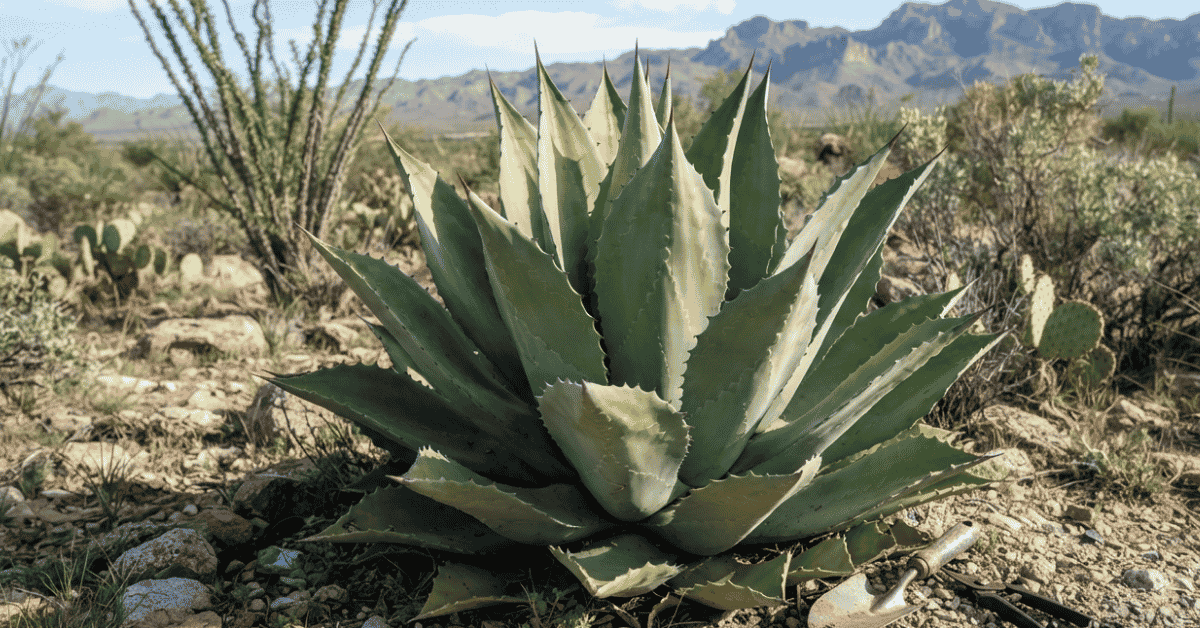
Century Plant Care gets easy with sun, dry soil, good drain, and room to grow. Learn smart tips for strong leaves, safe pots, and long plant life at home.
I first saw a century plant near a dry stone wall. Its leaves looked like thick green blades. Each tip had a sharp point that made me pause.
I liked its bold look at once. Still, I had no clue how to care for one.
Soon, I learned this plant likes less fuss. Too much water can cause more harm than good.
This guide shares the care tips I now trust. Grab a drink, check your plant, and let’s start.
Can Century Plant Care Really Be That Easy?
My first century plant sat in a small clay pot. I placed it near a bright glass door.
The sun felt warm on the floor each noon. The plant seemed fine, so I left it there.
Then I made my first big care mistake. I gave it water on a set plan.
The soil stayed wet for far too long. The leaves soon lost their firm look.
That made me stop and rethink my plan. Maybe this plant did not need much water.
A quick soil check gave me the answer. The root zone was still damp below.
Century plants store water in their thick leaves. They can deal with dry soil far better.
Since then, I let the soil dry well. I also give the plant lots of bright sun.
Life Before I Found This
Before I learned good care, I guessed too much. I treated my plant like a soft house fern.
The room felt warm, yet the soil stayed wet. I could smell damp earth near the pot.
Each leaf felt thick beneath my hand. Still, some tips began to look dull.
I kept staring at those small marks. My mind ran through each care step.
Maybe the pot was too small. Maybe the light was too strong.
The real issue was far less strange. I had used too much water.
That lesson stuck with me for good. Dry soil is not always a plant crisis.
For this plant, dry roots can be quite normal. Wet roots for too long can cause real harm.
Why This Matters Right Now
Century plants fit well in dry, sunny yards. They can also grow well in large pots.
Many folks want plants with low care needs. This plant can suit that goal quite well.
It has thick leaves that hold water. That lets it cope with dry spells.
Still, low care does not mean no care. The right pot, soil, and light still matter.
A sunny patio can be a great spot. A dry rock bed can work well too.
The plant can also add bold shape to a plain yard. Its stiff leaves give strong form all year.
I like that part most. The plant can look good with little daily fuss.
The First Big Lesson
My first big lesson was about water. Century plants need far less water than most plants.
Their thick leaves act like small tanks. They hold water for dry days and warm spells.
That means wet soil can be a real risk. Roots need air, and soggy soil blocks that air.
I now wait until the soil dries out well. Then I give the plant a deep drink.
Water should flow out from the pot base. I never let the pot sit in a tray.
Rain can also change the care plan. A wet week may mean no extra water at all.
Winter needs even less water in cool spots. Growth slows, so the plant uses less water.
I used to fear dry soil. Now, I fear wet roots more.
Small Tactics That Actually Work
I start each care check with the soil. I press one finger down near the root zone.
Dry soil means the plant may need water. Damp soil means I wait a bit longer.
A pot with drain holes is a must. I would never skip that small detail.
I also use soil that drains with ease. A mix made for cactus can work well.
Bright sun is another key part of care. I give my plant many hours of strong light.
New plants may need time to face full sun. I let them build sun strength bit by bit.
Sharp tips also need care during each trim. I use thick gloves and keep kids away.
A stable pot helps stop the plant from tippling. Large plants can get quite heavy over time.
A Strange Detail I Noticed
One odd thing about century plants still grabs me. Their leaves seem almost built from wax.
I first noticed this after a light rain. Water sat on the leaf surface like small beads.
I touched one leaf with care. It felt firm, cool, and quite smooth.
The plant looked almost fake in that light. Yet, each leaf was packed with life.
I also noticed dust tends to sit on top. A soft dry cloth can clean it with care.
Still, I avoid rubbing the sharp leaf tips. One small slip can bring a nasty jab.
Maybe that tough leaf design explains its dry care needs. It feels made for sun and drought.
Style Comparison & Data
Care style can change the plant’s long-term health. I learned this through small tests at home.
| Care style | Likely result | My pick |
|---|---|---|
| Full sun | Strong, firm leaves | Best |
| Low light | Weak, slow growth | Skip |
| Wet soil | Root rot risk | Avoid |
| Dry soil | Usually well-tolerated | Fine |
| Fast drain soil | Healthier roots | Best |
These are broad care tips, not strict laws. Heat, rain, and pot size can shift the need.
I watch the plant before each change. That keeps me from making fast care calls.
Non-Obvious Gains
Century plant care can give more than low work. I found a few perks I did not expect.
-
Dry soil means less daily plant work.
-
Thick leaves can handle short dry spells.
-
Bold form can shape a plain yard.
-
Pots let you move young plants with ease.
-
Slow growth means less need for trim.
-
Strong leaves can hold up in warm sun.
-
Soil checks build a simple care habit.
The last point means more to me now. Plant care can teach you to slow down.
I often check my plants at dusk. The air feels cool, and the yard gets still.
That small pause feels good after a long day. The plant needs less fuss than I once thought.
Myths vs. My Reality
I used to think more water meant more growth. But then the roots stayed wet.
I used to think dry soil meant plant stress. But then the leaves stayed firm.
I used to think shade would keep leaves safe. But then growth became thin and weak.
I used to think small pots were always best. But then large roots had no room.
I used to think the plant needed lots of feed. But then I saw little gain from it.
Those lessons changed my whole care plan. I now keep things plain and dry.
Bright light, good soil, and smart water do most. The rest comes down to time.
Maybe that sounds too simple. In my case, simple worked far better.
Essential Principles for Mastery
I use five basic rules for century plant care. They keep my plan clear and safe.
First, give it strong light. A bright, sunny spot can help. Young plants may need a slow sun shift.
Second, keep the soil dry between drinks. Let the root zone dry well. Then water deep and let it drain.
Third, pick the right soil. A gritty cactus mix can work well. Heavy soil can hold too much water.
Fourth, use a pot with good drain. Drain holes are not a small extra. They help keep roots from sitting in water.
Fifth, give the plant room. Large plants can need a wide, firm pot. Keep sharp leaves away from busy paths.
Feed is not a big part of my plan. A mild feed may help during active growth.
Still, I would rather fix light first. Good light and dry roots matter far more.
Cold months also call for less water. I cut back once growth slows.
FAQs about Century Plant Care
How often should I water a century plant?
Let the soil dry well before each drink. Then water deep and let it drain. Warm weather may need more water, while cool months may need far less.
Does a century plant need full sun?
Century plants tend to thrive in bright sun. Strong light helps keep their leaves firm and full. Young plants may need a slow shift into full sun to avoid leaf burn.
Can a century plant grow in a pot?
Yes, a century plant can grow in a pot. Use a firm pot with drain holes and gritty soil. Give the roots room, and keep sharp leaves away from paths.
What type of soil does a century plant need?
A gritty mix with fast drain works best. Cactus or succulent soil can be a good choice. Heavy clay soil may hold too much water around the roots.
Does a century plant need much fertilizer?
Century plants need little feed compared with many plants. A mild feed during active growth may help. Too much feed can cause weak growth and may harm the roots.
My Final Takeaway
Century plant care is mostly about restraint. Give it sun, dry soil, good drain, and room.
I learned that after trying to do too much. Now, I check the soil before I reach for water.
That small habit changed my whole care style. Maybe your plant needs less help than you think.
Let the soil dry. Let the sun shine. Give those roots air.
Then step back and let the plant do its thing.