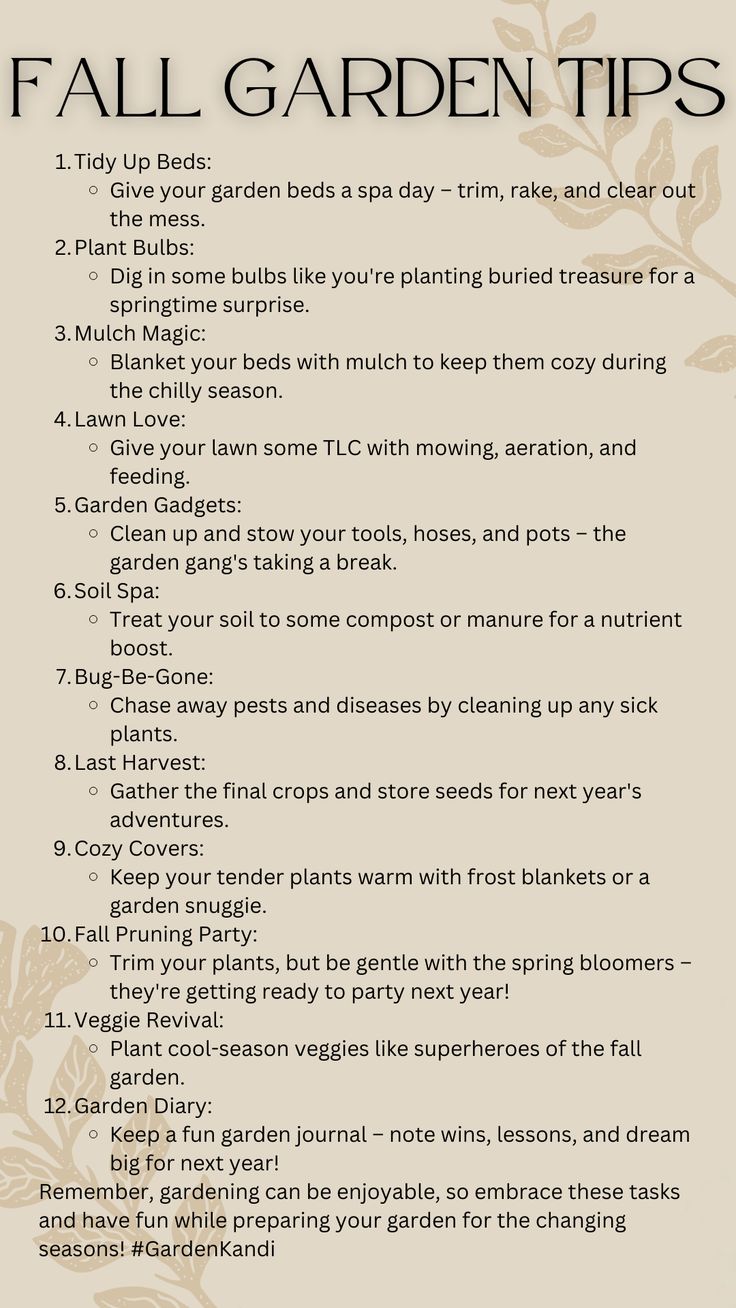
Fall garden cleanup means removing diseased plant waste, clearing weeds, managing fallen leaves, protecting soil, and preparing plants and tools for winter. The best approach is to clean up problems while leaving healthy plant material that supports soil life and wildlife.
Across the United States, fall brings a different set of garden chores. A gardener in Minnesota may face frozen soil and early snow, while someone in Georgia may still pick tomatoes in November. Garden clean up fall tasks should match your local weather, plant types, and the time your garden stops growing.
You do not need to strip every bed bare. Some dead stems shelter helpful insects, fallen leaves can feed the soil, and healthy roots help hold the ground in place. Focus first on diseased plants, weeds with mature seeds, damaged growth, and anything that could cause trouble next spring. Then protect the soil and store your tools before cold weather sets in.
Begin fall cleanup when annual plants fade, perennial growth slows, and the weather starts to change. In colder parts of the country, this may happen in early fall. In warmer states, the main cleanup may continue well into winter.
Use your local frost outlook and the condition of your garden as guides. A single cold night may damage tender crops, but hardy greens and some root crops can keep growing through cool weather. Do not pull healthy plants simply because the calendar says fall has arrived.
A dry day is often easier for cutting back plants, collecting leaves, and moving compost. Wet leaves can be heavy, and soggy soil is easier to compact when walked on. If your yard is waterlogged, wait until the ground can support your weight without deep footprints.
Source: frugalfamilyhome.com
Cold climates
In northern states and higher elevations, finish frost-sensitive jobs before a hard freeze. Keep suitable winter mulch ready for plants that need protection.
Mild climates
In the Southeast and parts of the Pacific Coast, keep checking for active growth, fall vegetables, and weeds. Cleanup can happen in stages instead of all at once.
Warm climates
In areas with mild winters, use fall to remove tired summer crops, improve beds, and plant suitable cool-season crops when local conditions allow.
Check Your Local Frost Dates
Frost dates are estimates, not promises. Your garden may cool faster in a low spot, near an exposed fence, or in a raised bed. A sheltered wall can hold warmth longer, although it does not remove the risk of frost.
Check a local forecast before you remove covers or leave tender plants outside. If you still have productive crops, plan around their needs rather than clearing the whole garden at once.
Before the first frost
Harvest ripe produce, remove diseased annuals, and gather covers for tender plants that you plan to protect.
After frost damages plants
Check whether plants are dead or only damaged. Remove soft, rotting growth, but leave healthy roots in place when they can safely break down.
Gather the Right Tools and Supplies
A few basic garden tools make fall cleanup easier. Gather them before you start so you can work through each bed without repeated trips to the shed. Choose tools that fit the job instead of using a sharp blade for every task.
Check each tool for loose handles, cracked parts, or damaged blades. Wear sturdy shoes and gloves, especially when clearing thorny growth, rough stems, or debris that may hide sharp objects. Eye protection helps when you cut woody stems or move branches that can spring back.
Source: thisismygarden.com
Rake
Use a leaf rake to collect loose leaves from lawns and paths. A hand rake works better in tight beds where a wide rake may damage plants.
Pruning shears
Use sharp, clean shears for suitable small stems. Loppers or a pruning saw may be needed for larger branches, depending on the cut and plant.
Garden fork or hand trowel
Loosen compacted surface debris and lift unwanted plants without digging deeply through healthy roots.
Buckets, bags, or a garden cart
Move leaves, weeds, and plant waste to a compost area or approved yard-waste collection point.
Compost and mulch supplies
Keep healthy organic matter for composting and use suitable mulch to cover exposed soil after cleanup.
Clean Tools Before and After Use
Brush soil and plant residue off blades and handles. Wash tools when needed, then dry metal parts before storage. A thin coat of suitable protective oil can help limit rust on compatible metal surfaces.
If you cut a plant with a known or suspected disease, clean the cutting surfaces before moving to a healthy plant. Use a disinfectant suited to the tool and task, and follow its label. Never mix cleaning chemicals, and keep products away from children and pets.
Inspect handles
Tighten loose fittings and replace badly cracked handles before they fail during use.
Protect blades
Dry metal blades and store sharp tools with covers where available.
Remove Diseased Plants, Weeds, and Garden Debris
Start with plant waste that could carry pests or disease into the next growing season. Look for spotted or mildewed leaves, soft stems, rotting fruit, and plants that have collapsed for reasons you can identify. Removing affected material reduces the amount of infected debris left in the garden, although it cannot guarantee that a disease will not return.
Do not assume every brown leaf signals a problem. Normal seasonal aging, frost damage, drought stress, and disease can look similar. Check the pattern of damage and compare it with the plant’s usual growth before deciding what to remove.
Pull weeds before they set and spread seeds. Remove invasive plants according to local guidance, since some can regrow from small root pieces. Collect fallen fruit from under fruit trees, especially fruit that is rotting or visibly affected by pests.
Source: ambrosiolandscapes.com
Remove diseased material
Bag or dispose of infected plant waste according to local yard-waste rules. Do not add it to a home compost pile unless your composting method is known to destroy the relevant pathogen.
Pull mature weeds
Remove weeds with seed heads before seeds scatter. Shake loose soil back into the bed when doing so will not spread invasive roots or disease.
Clear fallen produce
Pick up rotten fruit and damaged vegetables. Dispose of pest-infested material in a way that does not leave the pests in a nearby pile.
Remove broken growth
Cut out broken or dead stems when appropriate for the plant, and avoid large cuts that are not needed for winter preparation.
Can You Compost All Fall Garden Waste?
No. Healthy leaves, many spent vegetable plants, and soft garden trimmings can often go into a well-managed compost pile. Diseased plants, weeds carrying mature seeds, and invasive roots may need separate handling.
Home compost piles do not always reach the heat needed to kill every weed seed or plant pathogen. If you are unsure about a specific disease, check guidance from your state university extension service or local waste program before composting the material.
Usually suitable
Healthy fallen leaves, noninvasive plant trimmings, and many disease-free annual plants can be composted when balanced with other compost materials.
Use caution
Avoid adding plants with serious disease symptoms, persistent invasive roots, or mature weed seeds unless your composting process and local guidance support it.
Manage Fallen Leaves Without Stripping the Garden Bare
Fallen leaves can become a useful garden resource. They add organic matter as they break down, help protect soil from erosion, and provide shelter for some small animals and beneficial insects. The goal is to put leaves where they help rather than letting thick, wet layers cover everything.
On lawns, a heavy mat of whole leaves can block light and damage grass. Rake them away, shred them with suitable equipment, or move them to a compost area. A light layer of finely chopped leaves may break down on the lawn, but the grass should remain visible.
In garden beds, keep some healthy leaves beneath shrubs and trees or use them as a loose seasonal cover. Avoid burying the crowns of perennials or piling leaves against tree trunks. Wet, packed leaves around small plants can trap moisture and block air.
Source: vancouversun.com
On lawns
Remove thick leaf mats before they remain wet for long periods. Shredded leaves may be left in a thin layer if the grass still receives light and air.
In perennial beds
Leave or spread a moderate layer of healthy leaves in suitable spots, keeping plant crowns and paths clear.
Around trees
Use leaves as a loose ground cover under the canopy when appropriate, but keep them away from direct contact with the trunk.
For compost
Mix dry leaves with greener materials when available. Turn or manage the pile so it stays moist but not waterlogged.
Should You Leave Leaves for Wildlife?
Leaving some leaves and standing stems can give insects and other small wildlife places to shelter during cold weather. Not every part of the yard needs to look perfectly tidy to be healthy.
Keep leaf cover away from storm drains, walkways, outdoor equipment, and areas where pests or plant disease are a concern. A small leaf pile in a quiet garden corner can be more useful than a thick blanket spread across every bed.
Create a quiet corner
Keep a modest pile of healthy leaves in a sheltered spot if it does not block drainage or create a nuisance.
Keep key areas clear
Remove leaves from drains, steps, narrow paths, and places where slippery surfaces could cause falls.
Cut Back Perennials and Prepare Flower Beds
Cut back perennials based on plant health, winter needs, and wildlife value. Some plants benefit from having diseased or collapsing foliage removed in fall. Others are best left standing until late winter or early spring because their stems and seed heads offer shelter and food.
Do not cut every perennial to the ground just to make the bed look neat. Some plants have evergreen foliage, sensitive crowns, or stems that help catch leaves and snow. Check care guidance for the species before making major cuts.
For plants you do cut, use clean, sharp tools and make cuts that suit the plant. Remove dead foliage without injuring the crown or nearby new growth. Mark plants that disappear underground during winter so you do not dig into them by mistake.
Source: tidytimesaver.com
Cut back diseased foliage
Remove leaves and stems with clear signs of a disease that can persist in garden debris. Follow species-specific advice when the cause is uncertain.
Leave useful seed heads
Keep healthy seed heads on suitable flowers when they feed birds or add winter shelter.
Protect tender crowns
Wait for suitable weather and use a loose mulch when a plant needs added winter protection.
Mark dormant plants
Use simple labels or garden markers for bulbs and perennials that are hard to see after their tops die back.
What About Roses and Woody Shrubs?
Avoid heavy pruning of many roses and spring-flowering shrubs in fall unless there is a clear need, such as removing broken or diseased wood. Major pruning at the wrong time can remove flower buds or encourage growth that is vulnerable to cold.
Remove dead, damaged, or crossing branches when the plant’s needs and weather make the work suitable. Check the pruning requirements for the exact rose or shrub, since flowering time and growth habit affect the best schedule.
Remove hazards
Address broken branches that could fall or cause injury. Use a qualified arborist for large, high, or difficult limbs.
Delay major shaping
Check species-specific guidance before doing major fall pruning, especially on shrubs that bloom on old wood.
Clean Up the Vegetable Garden
A fall vegetable garden cleanup starts with harvesting usable produce and checking which crops are still healthy. Remove spent annual crops once they stop producing, but leave hardy vegetables in place if they are suited to your local growing season.
Look under leaves and along stems for pests, eggs, rot, and signs of disease. Collect fallen tomatoes, squash, and other damaged produce rather than leaving it to decay in the bed. If a crop had a serious disease, remove the affected debris and avoid planting a closely related crop in the same spot until you have checked suitable rotation advice.
After removing old plants, clear weeds and add organic matter only when the soil and crop plan call for it. Fall is also a useful time to take a soil test. The results can guide any lime or nutrient needs before spring planting, but do not add fertilizer or lime without a reason.
Source: rootsidaho.com
Harvest first
Pick ripe vegetables and store them under the conditions each crop needs. Do not leave usable produce buried under cleanup debris.
Inspect plant health
Check leaves, stems, and fruit for signs of disease or pests before deciding what can be composted.
Plan crop rotation
Record which crop families grew in each bed. Rotating crops can help reduce some recurring pest and disease problems.
Test the soil
Use a soil test to guide changes in pH and nutrient levels rather than adding amendments by guesswork.
Should You Dig Up Vegetable Beds in Fall?
Not always. Deep digging can disturb soil structure and bring buried weed seeds closer to the surface. If the soil is compacted, use a suitable method to loosen it when conditions are dry enough to avoid smearing and compaction.
Many home beds can be prepared by removing unwanted plants, adding suitable compost, and covering the soil. Raised beds, heavy clay soils, and beds with perennial crops may need a different approach.
For healthy, loose soil
Remove debris, add suitable organic matter if needed, and protect the surface without unnecessary digging.
For compacted soil
Assess the cause and loosen the affected area when the soil is not wet. Avoid working heavy clay when it sticks to tools and forms dense clods.
Protect Garden Soil for Winter
Protect exposed soil before winter rain, snow, and wind can erode it. A cover of suitable mulch or a living cover crop can help reduce erosion, limit weed growth, and support soil health. The right choice depends on your climate, the time left before freezing weather, and what you plan to grow next.
Mulch is often the simpler option for small home beds. Use healthy leaves, clean straw suited to the garden, or another appropriate organic material. Spread it loosely enough to allow air and water to reach the soil, and keep it away from woody stems and plant crowns.
Cover crops can be useful in vegetable beds and larger open areas. Suitable choices vary by region and planting date. Some cover crops die in winter, while others survive and need to be managed before spring planting. Check local extension guidance before choosing seed.
Source: silverandsmart.com
Use organic mulch
Apply a suitable layer over bare soil to reduce erosion and temperature swings. Adjust the depth to the material and plant needs.
Consider a cover crop
Choose a crop suited to your region, planting window, and spring plans. Make sure you know how and when to terminate it.
Keep drainage open
Do not pile mulch over drainage outlets or against building foundations. Correct standing-water problems rather than covering them.
Mulch or Cover Crop: Which Is Better?
Mulch is often easier when you need a quick cover and want to plant the bed early in spring. A cover crop can add living roots and biomass, but it needs the right planting window and a plan for termination.
For example, a small bed that will hold spring lettuce may be easier to cover with leaves or another suitable mulch. A larger vegetable plot with enough time before winter may suit a locally recommended cover crop. Neither option works equally well in every climate.
Choose mulch when
You want a simple surface cover, have limited time, or need to keep a bed ready for early spring planting.
Choose a cover crop when
Your region and planting date support establishment, and you can manage the crop before the next planting.
Care for Trees, Shrubs, and Container Plants
Trees, shrubs, and potted plants need different fall care from annual flowers and vegetables. Focus on removing damaged material, checking moisture, and protecting roots where winter conditions pose a risk. Avoid heavy pruning or large changes to established plants without checking their specific needs.
Newly planted trees and shrubs may need more attention than well-established plants, especially if the weather stays dry before the ground freezes. Water when the soil is dry and conditions allow, but do not keep soil saturated. Follow local guidance for watering during dormancy and before winter.
Containers can expose roots to colder temperatures than garden soil does. Move vulnerable pots to a sheltered spot when practical, check that drainage holes remain open, and use containers suited to the plant and climate. Some plants need to come indoors before frost, while others can remain outside with suitable protection.
Source: www.pinterest.com
Check tree ties and supports
Make sure stakes and ties are not cutting into trunks. Remove supports when they are no longer needed, following guidance for the tree.
Water when needed
Check soil moisture around recently planted trees and shrubs during dry fall weather. Avoid watering frozen or waterlogged soil.
Move sensitive containers
Bring frost-sensitive plants into a suitable indoor space or protected area before damaging cold arrives.
Inspect pots
Clear blocked drainage holes and check for cracked containers before freeze-thaw cycles begin.
Should You Fertilize Plants Before Winter?
Do not fertilize every plant as part of a routine fall cleanup. The right timing and nutrient needs vary by species, soil, and region. Late applications of some fertilizers can encourage tender growth that may be damaged by cold.
Use soil test results and plant-specific advice to decide whether an amendment is needed. If the soil already has enough nutrients, adding more may waste money and increase the risk of nutrient loss.
Test before adding nutrients
Use a reliable soil test for garden beds and follow the recommendations that match the crop or landscape plants.
Follow plant-specific timing
Check guidance for lawns, trees, shrubs, and perennials separately instead of using one schedule for the whole yard.
Prepare Garden Equipment and Outdoor Areas
Before winter sets in, clear paths, check irrigation parts, and store tools where they will stay dry. These small tasks reduce damage from moisture and freezing weather and help you start spring with less work.
Disconnect and drain garden hoses before freezing temperatures arrive. Follow the instructions for your irrigation system, since some systems need more than a simple shutoff to prevent freeze damage. Store hose reels and accessories according to their material and manufacturer guidance.
Clean pots and seed trays before reuse, especially if they held plants with disease symptoms. Remove old potting mix when appropriate, wash containers, and use a suitable disinfecting method if disease risk warrants it. Let everything dry before storage.
Source: www.pinterest.com
Drain hoses
Disconnect hoses, drain remaining water, and store them out of direct weather where practical.
Check irrigation
Follow the system maker’s winterization steps, especially where pipes, valves, or backflow devices could freeze.
Store tools dry
Brush off soil, dry metal parts, and keep sharp tools covered and out of reach of children.
Clear paths and drains
Remove leaves and loose debris that can make surfaces slippery or block water flow.
What Should You Avoid During Fall Cleanup?
Avoid doing every job at once without checking plant health and weather. Wet soil can compact underfoot, broad pruning can remove next season’s flowers, and excessive cleanup can remove useful habitat. A tidy garden is not always a healthier garden.
Do not burn yard waste unless local rules allow it and conditions are safe. Dry leaves can ignite quickly, and smoke can affect neighbors. Use approved collection, composting, or disposal options instead.
Do not strip every bed
Keep healthy plant material when it supports wildlife and does not pose a disease or pest concern.
Do not work soaked soil
Wait until the ground is firm enough to work without leaving deep footprints or sticky clods.
Do not mix chemicals
Use cleaning and pest-control products only as labeled, and never combine household chemicals.
Do not ignore local rules
Check municipal guidance for yard waste, invasive plants, burning, and irrigation winterization.
A Simple Fall Garden Cleanup Checklist
A checklist helps you finish the work that matters most without spending every mild weekend in the yard. Use it as a flexible plan rather than a strict schedule. Skip tasks that do not fit your climate or the plants you grow.
Step 1: Harvest and inspect
Collect ripe produce, look for diseased plants, and note which crops and flowers are still healthy.
Step 2: Remove problem debris
Clear diseased foliage, rotting fruit, mature weeds, and damaged plant parts that should not remain in the bed.
Step 3: Manage leaves
Remove thick leaf mats from lawns and paths. Keep or move healthy leaves to suitable beds and compost areas.
Step 4: Prune with care
Remove only the growth that needs attention now. Check the needs of each perennial, shrub, or tree before major pruning.
Step 5: Protect soil
Add suitable mulch or plant a regionally appropriate cover crop where the season allows.
Step 6: Check water needs
Water newly planted plants during suitable dry weather, and prepare hoses and irrigation equipment for freezing conditions.
Step 7: Store tools and supplies
Clean and dry tools, store pots and supplies, and keep paths and drains clear.
Step 8: Make a spring note
Write down plant losses, pest issues, empty beds, and repairs to handle before the next growing season.
How to Tell When Cleanup Is Done
Your garden is ready for winter when major disease sources and troublesome weeds have been handled, soil is protected where needed, water systems are prepared for local weather, and tools are stored safely. The garden does not need to be bare or spotless.
Walk through the yard once more after the main work. Check for blocked drains, loose stakes, unprotected containers, and piles of wet leaves on grass or paths. Make a short list of anything that needs attention after the next dry spell.
Good signs
Beds are free of major problem debris, useful healthy plant material remains where appropriate, and exposed soil has suitable protection.
Jobs still needed
Standing water, clogged drains, diseased debris, or vulnerable plants left in exposed containers may need attention before winter.
Adjust Cleanup for Your Region and Garden Type
The best fall cleanup plan depends on your growing zone, rainfall, soil, and the plants in your yard. USDA hardiness zones describe average annual extreme minimum winter temperatures and help with plant selection, but they do not tell you every detail about frost timing, rainfall, or local growing conditions.
Use regional extension services and local weather forecasts to adjust planting, pruning, watering, and winter protection. A plan that works in a dry inland garden may be unsuitable in a wet coastal area or a region with a long, cold winter.
Cold and snowy regions
Focus on frost-sensitive plants, safe storage, suitable root protection, and clearing paths and drains before snow and ice arrive.
Wet winter regions
Keep drainage open, avoid compacting wet soil, and remove diseased debris that could persist in damp conditions.
Hotter southern regions
Check whether summer crops can be replaced with cool-season vegetables, and keep monitoring weeds and soil moisture.
Small urban gardens
Use containers or a compact compost system where permitted, and keep leaves and plant waste from blocking shared paths or drains.
What If Your Garden Is Still Growing in Late Fall?
Keep productive crops in place if they suit your climate and are free of serious disease. Remove only the plants or parts that need attention, and clean the open spaces around crops without damaging their roots.
You can still prepare nearby beds, clean tools, and clear paths while vegetables grow. In mild regions, fall cleanup may be a series of small jobs spread over several weeks rather than one big end-of-season event.
Keep healthy crops
Continue normal care for crops that can handle the weather, and harvest before conditions exceed their tolerance.
Work in sections
Clean one bed or area at a time so active plants remain undisturbed.
Common Fall Garden Cleanup Mistakes
The biggest cleanup mistakes come from treating every plant and every region the same. Removing too much healthy growth can reduce wildlife shelter, while leaving diseased material or thick leaf mats in the wrong place can create avoidable problems.
A slower, selective approach often works better. Identify what must go, what can be reused, and what should remain until spring. When a plant has an unfamiliar disease or a tree has a large damaged limb, seek suitable local or professional guidance rather than guessing.
Cutting everything back
Some stems and seed heads provide winter shelter and food. Check the plant’s needs before cutting it to the ground.
Leaving diseased plants in the bed
Some pathogens can survive in plant debris. Remove affected material when recommended for the disease.
Piling mulch against trunks
Keep mulch away from direct contact with tree trunks and shrub stems to reduce moisture-related problems.
Adding amendments without a plan
Use soil test results and plant needs to guide compost, lime, or fertilizer use.
Ignoring personal safety
Wear suitable gloves and footwear, use tools as intended, and get help with heavy branches or unsafe work at height.
Working soil when it is too wet
Wait for better conditions to avoid compaction and damage to soil structure.
Frequently Asked Questions
Q
What should I do first during fall garden cleanup?
Start by harvesting usable produce and checking plants for disease, pests, and damage. Remove diseased debris, rotting fruit, and weeds with mature seeds before moving on to leaves, mulch, and tool storage.
Q
Should I clean my garden completely before winter?
No. Remove diseased plants, invasive weeds, and debris that could create problems, but leave suitable healthy stems, seed heads, and leaf cover when they provide shelter or protect soil. The right balance depends on plant health and local conditions.
Q
Can I leave fallen leaves in my flower beds?
Yes, if the leaves are healthy and do not form a thick, wet mat over plant crowns. Loose leaf cover can protect soil and provide wildlife shelter. Keep paths, drains, and sensitive plants clear.
Q
Is fall a good time to add compost to garden soil?
Fall can be a good time to add mature compost to suitable garden beds, especially when the soil is workable and the compost fits the next crop plan. Avoid working wet soil, and do not use compost made from material that may carry persistent disease or invasive weed seeds.
Q
Should I cut back all perennials in autumn?
No. Remove diseased or collapsing foliage when needed, but some perennials benefit from being left standing until spring. Their stems and seed heads may shelter wildlife, and species-specific care needs should guide the decision.
Q
How do I prepare garden tools for winter?
Brush away soil, wash tools when needed, dry metal parts, and store them in a dry place. Protect suitable metal surfaces from rust, cover sharp blades, and follow the maker’s instructions for powered tools and batteries.
Q
Do I need to water my garden before winter?
Some plants, especially recently planted trees and shrubs, may need water during dry fall weather before the ground freezes. Check soil moisture and local guidance. Do not water frozen or waterlogged soil, and prepare hoses and irrigation systems for freezing temperatures.
✦ Wrapping Up
Conclusion
A good fall garden cleanup protects plants, soil, and tools without removing every sign of life from the yard. Focus on diseased debris, weeds, fallen leaves, soil cover, and the needs of your specific plants. Leave healthy material where it serves a purpose, and adjust the work to your region’s weather.
You do not have to finish the whole garden in one day. Work through one bed at a time, use local guidance for plant-specific questions, and save a short list of spring tasks. A few careful steps now can make the next growing season easier to start.
💡 Key Takeaway
Start with a 20-minute walk around your garden. Mark diseased plants, collect rotting produce, clear blocked paths, and decide which healthy leaves and stems can stay. Then complete the remaining jobs as weather and plant needs allow.