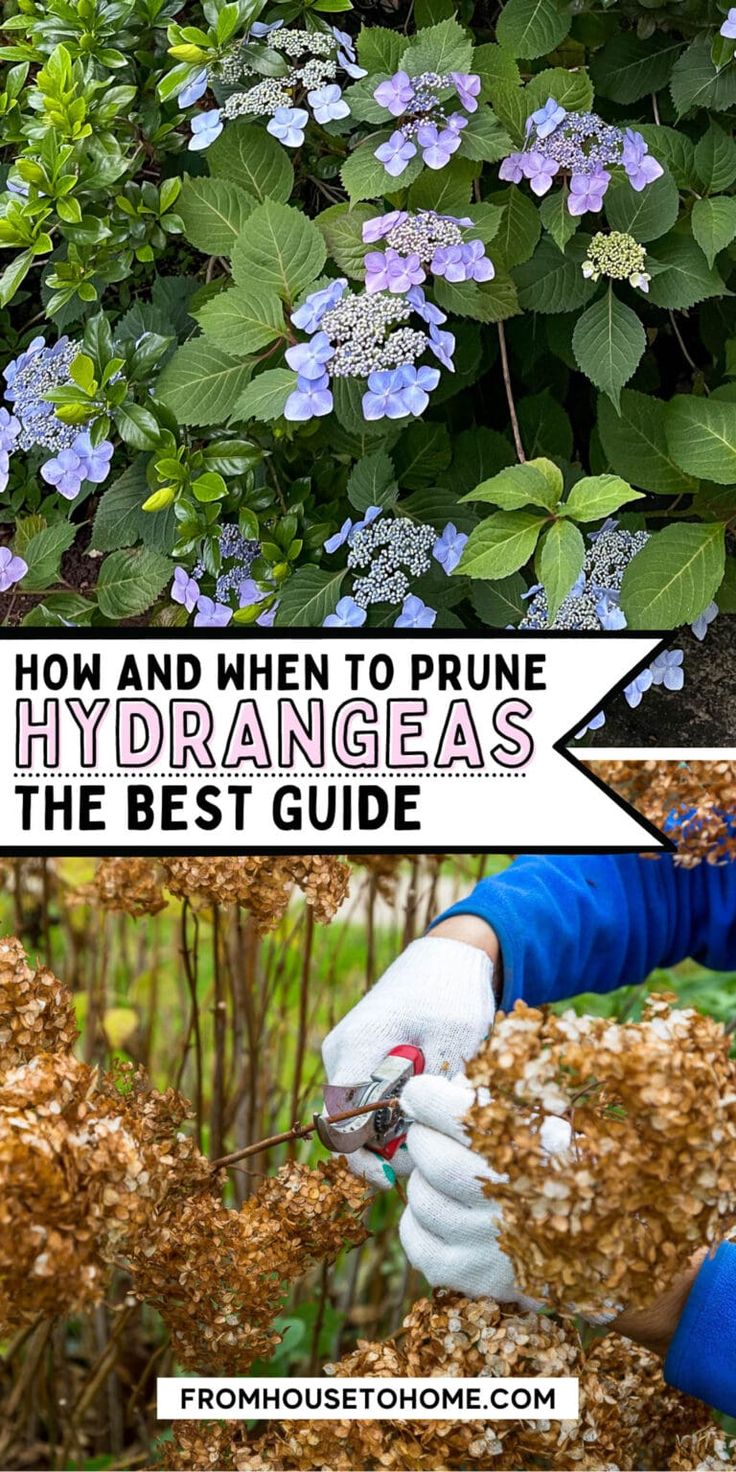
Yes, you can trim hydrangeas, but most do not need heavy pruning every year. The right time depends on the type of hydrangea and whether it blooms on old or new wood.
Across the United States, hydrangeas bring color to front yards, porch beds, and shady spots beneath trees. Their large flower heads look great through summer, and some stay attractive into fall. Yet a common question comes up when the blooms fade: should you cut the whole shrub back, or leave it alone?
The answer depends on the plant. Some hydrangeas form next year’s flower buds on older stems, while others bloom on growth made in the current season. Cut the wrong type at the wrong time, and you may remove buds that were ready to open next summer. A light, careful trim is often all the plant needs.
Before you reach for your pruning shears, identify your hydrangea if you can. Then check the stems, the flower heads, and the season. These simple steps help you remove dead growth, keep the shrub in shape, and protect future blooms.
No, annual pruning is not required for every hydrangea. A healthy shrub can grow and flower well for years with little more than the removal of dead wood and faded blooms. Pruning should solve a problem or support a clear goal, not become a task you do just because the calendar says so.
Some shrubs benefit from a yearly trim. Panicle hydrangeas can handle regular pruning because they flower on new growth. Bigleaf hydrangeas often need a lighter touch because their flower buds may already be set before spring arrives.
Look at the plant before deciding what to cut. A shrub with a good shape, healthy stems, and plenty of flowers may need no major work. A shrub with dead branches, crowded growth, or stems that cross and rub may benefit from selective pruning.
Source: galpal.net
Trim for plant health
Remove dead, broken, or diseased stems when needed. Cut back to healthy tissue or to the base of a dead stem, using clean tools.
Trim for shape
Shorten selected stems when a shrub blocks a path or grows beyond its space. Check the hydrangea type first so you do not remove flower buds.
Trim faded blooms
Remove old flower heads if you prefer a tidy look. This step is often optional, and it does not require cutting back the whole branch.
Deadheading Is Not the Same as Pruning
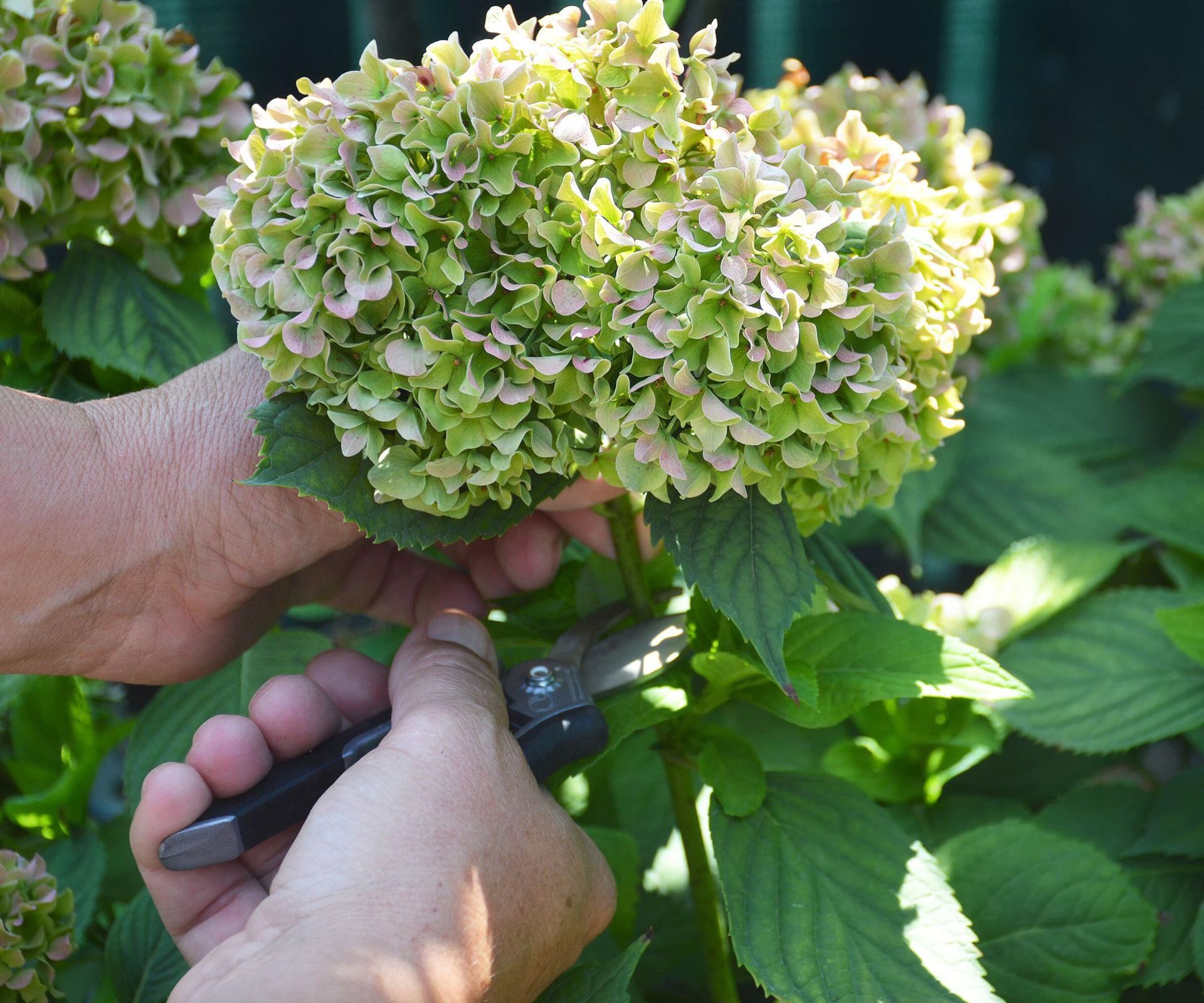
Deadheading means removing spent flowers. Pruning means cutting stems to manage the plant‘s size, shape, health, or growth. You can deadhead a hydrangea without giving it a full trim.
For many gardeners, deadheading is enough after summer blooms fade. Others leave the dry flower heads on the plant through fall and winter. The old blooms can add texture to the garden, though they may bend under heavy snow or ice.
For a tidy garden
Snip off faded flower heads when they no longer look good to you, taking care not to cut into the stem below them.
For winter interest
Leave sturdy flower heads in place if you like their look and they are not causing a problem.
When Is the Best Time to Trim Hydrangeas?
The best time to prune hydrangeas depends on when they form flower buds. In much of the United States, late winter or early spring works for hydrangeas that bloom on new wood. Hydrangeas that bloom on old wood usually need pruning soon after flowering, if pruning is needed at all.
The terms old wood and new wood describe when the flowering stems grew. Old-wood bloomers set flower buds on stems formed in a prior growing season. New-wood bloomers form flowers on shoots that grow during the current season.
Do not use fall as a universal pruning date. Fall pruning can remove buds from old-wood bloomers before winter, and fresh growth may not have time to harden before cold weather. If you are unsure of the type, wait until you can identify it rather than cutting the whole shrub back.
Source: thelittle.garden
Late winter to early spring
Usually suits panicle and smooth hydrangeas, which flower on new growth. In cold regions, wait until the worst winter weather has passed but prune before strong new growth takes off.
Soon after flowering
Usually suits bigleaf, mountain, oakleaf, and climbing hydrangeas when shaping is needed. This timing helps preserve buds that may form for the next season.
Any season for clear damage
Dead, broken, or hazardous stems can be removed when necessary. Avoid unnecessary heavy cutting during heat, drought, or other plant stress.
Does Your Local Climate Change the Timing?
Yes. A hydrangea growing in Minnesota faces a different winter from one growing in Georgia or the Pacific Northwest. Cold can damage flower buds on old-wood types, while a warm spell may prompt new growth earlier in southern areas.
Use the plant’s flowering habit and local growing conditions together. In colder parts of the country, old-wood hydrangeas may lose buds to winter injury even when you do not prune them. In warmer areas, the plant may start growing earlier, so late pruning can delay the season’s flowers or remove fresh growth.
Cold-winter regions
Keep healthy old-wood stems until you can assess winter damage. Wait for signs of life before deciding which stems need removal.
Mild-winter regions
Follow the same plant-type rules, but watch for early bud break. Do not delay planned pruning on new-wood types until long shoots have formed.
How to Tell Which Hydrangea You Have
Identifying your hydrangea is the safest way to decide how much to trim. Check the leaf shape, flower form, stem growth, and plant habit. A nursery label or the plant’s original tag can help, but you can often narrow it down by looking at a few clear features.
Bigleaf hydrangeas often have broad, toothed leaves and rounded or flattened flower clusters. Panicle hydrangeas form cone-shaped flower heads. Smooth hydrangeas tend to have broad flower clusters, while oakleaf hydrangeas have leaves with deep lobes that resemble oak leaves.
Climbing hydrangeas grow as woody vines that attach to supports. Mountain hydrangeas resemble bigleaf types but are a separate group. Since flower shape alone can be misleading, compare several features before making a major cut.
Source: i.pinimg.com
Bigleaf hydrangea
Often has large leaves and round or lacecap flower heads. Many traditional varieties bloom on old wood, though some newer cultivars can flower on both old and new growth.
Panicle hydrangea
Has cone-shaped flower clusters and often grows into a large shrub. It blooms on new wood and generally tolerates late-winter or early-spring pruning.
Smooth hydrangea
Often has broad, rounded flower clusters. It blooms on new wood, so pruning before spring growth is usually suitable.
Oakleaf hydrangea
Has deeply lobed leaves and cone-shaped flower clusters. It usually blooms on old wood and often needs little pruning.
Mountain hydrangea
Often resembles a small bigleaf hydrangea. Many varieties bloom on old wood, so avoid hard pruning unless the variety’s care guidance supports it.
Climbing hydrangea
Grows as a woody vine and may take several years to establish. Trim only when needed, usually after flowering, and avoid cutting back the main framework without a clear reason.
What If You Cannot Identify the Plant?
Treat an unknown hydrangea as an old-wood bloomer until you have better information. Remove clearly dead or broken stems, but leave healthy branches in place. This cautious approach helps protect flower buds while you work out the plant’s identity.
Take clear photos of the leaves, flower heads, and whole shrub. A local extension office or knowledgeable nursery may be able to help identify it. A reliable identification is more useful than guessing from the flower color alone.
Keep healthy stems
Avoid cutting all stems to the same height when you do not know the variety.
Check the plant label
Look for the cultivar name and its pruning instructions, especially if the plant was sold as a reblooming type.
How to Trim Hydrangeas Without Losing Blooms
A good hydrangea trim starts with a clear goal and a sharp pair of bypass pruning shears. You do not need to shorten every branch. Work slowly, remove only what needs to go, and check the plant’s shape after each cut.
Choose a dry day when practical, especially when removing several stems. Clean blades help reduce the spread of plant disease. Wear gloves and eye protection when working around stiff branches, and use loppers or professional help if a stem is too thick to cut safely with hand shears.
Source: i.pinimg.com
Step 1: Identify the type
Find the plant label or check its leaves, flower heads, and growth habit. Use old-wood or new-wood flowering behavior to choose the right pruning time.
Step 2: Inspect the shrub
Look for dead stems, broken branches, rubbing stems, and shoots that block a path. Decide which issues need attention before you start cutting.
Step 3: Remove dead wood
Trace each dead stem toward its base. Cut it back to healthy tissue or remove it at the base if the whole stem is dead. Do not mistake a dormant stem for a dead one.
Step 4: Deadhead if desired
Follow the faded flower stem down to a suitable pair of healthy buds or leaves. Make a clean cut above that point without shortening more of the branch than needed.
Step 5: Thin crowded growth
On a mature shrub that needs thinning, remove selected stems at the base instead of shearing the whole plant into a ball. Keep the natural form and retain healthy flowering wood.
Step 6: Step back and check
Look at the plant from several sides. Stop when the dead growth is gone and the shrub has enough space and a balanced shape.
Where Should You Make Each Cut?
For a small dead tip, cut back to healthy tissue. For a live stem you are shortening, make the cut just above a healthy bud when the plant’s pruning needs call for it. Avoid leaving long, ragged stubs, but do not cut so close that you damage the bud.
When removing a whole branch, cut near its point of origin without cutting into the main stem or crown. Large, heavy branches may need staged cuts to prevent bark from tearing. If the shrub has a thick woody framework or a large damaged limb, seek suitable help rather than forcing a hand tool.
Use sharp bypass shears
These make clean cuts on small live stems. If the blades crush or tear the stem, sharpen or replace the tool before continuing.
Clean the blades
Remove sap and plant debris, and disinfect the cutting surfaces when disease is suspected or you move between affected plants. Follow the disinfectant label.
Do not overcut
Keep healthy stems unless the plant type and your goal call for more extensive pruning. One careful cut is better than several unnecessary ones.
How Much Should You Cut Off a Hydrangea?
The amount to remove depends on the hydrangea type, its health, and your goal. For a bigleaf or oakleaf hydrangea, the safest routine trim is often limited to dead stems and spent flowers. Avoid cutting healthy stems simply to make the shrub shorter.
Panicle and smooth hydrangeas can usually take more pruning because they bloom on new growth. Even so, a hard cut is not always needed. Excessive pruning can lead to weak shoots, an awkward shape, or large flower heads that bend under their own weight.
Do not use one fixed percentage for every hydrangea. A young shrub, a mature shrub, and a plant recovering from damage may need different care. Follow the variety’s instructions when available, and make gradual changes if size control is the goal.
Source: i.pinimg.com
For old-wood bloomers
Keep healthy stems and focus on deadwood, light shaping, and faded flower heads. If the plant is overgrown, spread any major renovation over time where practical.
For new-wood bloomers
Shorten selected stems in late winter or early spring to control size or encourage a framework of strong shoots. The exact cut height depends on the cultivar and the shrub’s natural habit.
For young plants
Avoid heavy pruning while the plant is establishing unless you need to remove damage. Let it develop a healthy root system and natural structure.
Can You Cut a Hydrangea Back to the Ground?
Do not cut an unknown hydrangea to the ground. That can remove most or all of the flower buds on old-wood types, leaving you with few blooms the following season. The shrub may survive, but survival does not mean it will flower well.
Some smooth hydrangeas can be cut back quite hard because they flower on new wood, but cultivar growth habits differ. Severe cutting can also produce long shoots that struggle to support large flower heads. Check the variety’s care guidance before making a drastic cut.
Before a hard cut
Confirm the species or cultivar, check its mature size, and consider whether moving the shrub or pruning it gradually would solve the problem.
After accidental hard pruning
Do not keep cutting in an attempt to fix the shape. Water during dry spells, maintain normal care, and allow new growth to develop.
Should You Trim Hydrangeas in Fall or Winter?
For most hydrangeas, fall is not the best time for a major trim. Faded flowers and bare stems can make a shrub look untidy, but cutting healthy growth may remove buds or expose the plant to added winter stress. In many gardens, waiting until the right pruning window is the better choice.
Leaving flower heads in place can add structure to a winter garden. Dry blooms may catch frost or light snow, and the stems can make the bed look less bare. In places with heavy snow or ice, however, damaged or dangerously bent branches may need attention.
Winter is a useful time to inspect the plant, clear away fallen debris, and plan spring care. Do not assume a brown stem is dead. Some hydrangeas remain dormant for months, and live stems may not show fresh leaves until spring weather settles.
Source: cdn.mos.cms.futurecdn.net
Avoid routine fall cutbacks
Keep healthy stems on old-wood types unless a specific issue requires removal. Save planned shaping for the proper window.
Leave sturdy flower heads
Keep them for winter interest if you like their look and they do not pose a problem.
Remove clear hazards
Address broken stems that threaten people or property. Get help with high, heavy, or difficult branches.
How Can You Tell If a Stem Is Dead?
Check for broken bark, shriveled tissue, or a stem that has clearly died back. A gentle scratch on a small stem can reveal green tissue beneath the bark, while dry brown tissue may indicate that the section is dead. Do not scratch many stems, since the test itself damages the bark.
When the result is unclear, wait for buds to swell or leaves to appear. You can then cut back confirmed dead sections with less risk of removing living wood. In a cold climate, patience in early spring can protect buds that are slow to wake.
Green beneath the bark
This is a sign that the stem section may still be alive, so leave it unless there is another clear reason to prune it.
Dry and brown throughout
The section may be dead. Confirm where living tissue begins, then remove only the dead portion.
Common Hydrangea Pruning Mistakes to Avoid
The most common mistake is treating every hydrangea the same. A pruning method that suits a panicle hydrangea may remove the next season’s buds from a bigleaf hydrangea. Learn the plant type before making cuts that change the whole shrub.
Another mistake is pruning only because the flowers have faded. Old blooms do not mean the stems need to go. A shrub can carry dry flower heads through winter and still grow well the next season.
Over-shaping is another problem. Cutting every branch to one height can leave a dense outer shell and an unnatural form. Selective cuts usually give better control while keeping the plant’s natural shape.
Source: bobvila.com
Cutting at the wrong time
Pruning old-wood bloomers in fall, winter, or early spring can remove flower buds. Time planned pruning around the plant’s flowering habit.
Removing healthy stems without a reason
Every cut changes the plant’s structure. Keep sound stems unless they crowd, rub, or interfere with the shrub’s intended form.
Confusing dormancy with death
Leafless stems may still be alive. Wait for clearer signs before removing questionable branches.
Using blunt or dirty tools
Blunt blades can crush stems, while contaminated tools may spread disease. Keep tools clean, sharp, and suited to the branch size.
Trying to fix poor flowering with pruning alone
Low bloom counts can also result from winter injury, shade, drought, or other growing conditions. Check these factors before cutting more.
What If Your Hydrangea Does Not Bloom After Pruning?
First, consider whether you removed old wood. If the shrub belongs to an old-wood type and you cut its stems before flowering, you may have removed the buds for that season. The plant may grow fresh leaves and stems but produce few flowers until the next suitable flowering cycle.
If the hydrangea is a new-wood type, check its growing conditions. Too much shade, dry soil, poor establishment, or excessive nitrogen can limit flowering. Do not respond by cutting it harder. Give the plant time and correct the likely growing issue.
A late frost can also damage flower buds on old-wood hydrangeas. If buds or young shoots turn black after a cold snap, wait to see what remains alive before trimming. Some plants may recover from lower buds, but the timing and amount of bloom will vary.
Check the pruning date
Compare the date of your last trim with the flowering habit of the plant.
Review light and water
Check whether the site has suitable light and whether the root zone dries out during warm weather.
Allow time to recover
Avoid repeated corrective cuts. Keep normal care steady and reassess the shrub during its next growth cycle.
A Simple Hydrangea Pruning Decision Guide
Use the table below to choose a starting point for common hydrangea types. It is a general guide, not a substitute for the care instructions for a named cultivar. Reblooming varieties and local growing conditions can change the best approach.
If you know only that the plant is a hydrangea, start with the low-risk option: remove clearly dead or broken wood and leave healthy stems until you can identify the plant. A little patience is often safer than a large cut made on the wrong day.
Source: thespruce.com
Bigleaf and mountain
Usually old wood. Prune lightly after flowering if needed, and protect healthy stems that may carry next season’s buds.
Oakleaf
Usually old wood. Remove dead or damaged stems and shape soon after flowering only when necessary.
Panicle
New wood. Prune in late winter or early spring before active growth, based on the variety and desired shape.
Smooth
New wood. Late-winter or early-spring pruning is generally suitable, but the degree of cutting should match the cultivar.
Climbing
Usually old wood. Prune sparingly after flowering when needed to control spread or remove unwanted growth.
Quick Comparison by Hydrangea Type
This comparison summarizes the usual pruning approach for common garden hydrangeas. When the exact variety is known, use its instructions to settle questions about how far back to cut.
Old-wood types
Bigleaf, mountain, oakleaf, and climbing hydrangeas usually need light pruning after flowering. Heavy cuts can reduce the next bloom.
New-wood types
Panicle and smooth hydrangeas can usually be pruned before spring growth. They form flowers on shoots made in the current growing season.
Reblooming types
Some bigleaf cultivars can flower on both old and new wood. They may still bloom after some old buds are lost, but pruning time and severity matter.
Frequently Asked Questions
Q
Should I cut the dead flowers off my hydrangea?
You can remove faded flower heads if you prefer a tidy look, but you do not have to. Leave them through winter if you like the added texture. When deadheading an old-wood type, avoid cutting farther down the stem than needed.
Q
Can I trim hydrangeas in October?
October is usually not the best time for major hydrangea pruning, especially for old-wood types. You may remove a clearly broken or dead stem, but leave healthy growth in place unless your variety’s instructions say otherwise.
Q
Will hydrangeas bloom again if I cut them back too far?
They may, but it depends on the type and the timing of the cut. Old-wood hydrangeas can lose their next season’s flowers when healthy stems are removed. New-wood types often have a better chance of flowering on fresh shoots, though severe pruning can still affect growth and plant shape.
Q
Should hydrangeas be cut back before winter?
Most hydrangeas do not need a full cutback before winter. Leave healthy stems, especially on types that bloom on old wood. Remove clear damage when needed, and plan routine pruning for the right season.
Q
Why does my hydrangea have leaves but no flowers?
Possible causes include pruning at the wrong time, winter or late-frost damage, too much shade, dry soil, or excessive nitrogen. Check the type first, then review its light, water, and recent weather. Avoid heavy extra pruning until you have a better idea of the cause.
✦ Wrapping Up
Conclusion
Yes, you can trim hydrangeas, but the right approach depends on the type. Bigleaf, mountain, oakleaf, and climbing hydrangeas usually need light pruning after flowering because they often bloom on old wood. Panicle and smooth hydrangeas usually handle late-winter or early-spring pruning because they bloom on new wood.
You do not need to cut a hydrangea back just because its flowers have faded. Start by removing clearly dead or damaged growth, then decide whether shaping or deadheading is needed. When you cannot identify the plant, leave healthy stems in place until you know more.
💡 Key Takeaway
Before pruning, identify your hydrangea, check whether it blooms on old or new wood, and choose the correct season. If you are unsure, make only essential cuts and protect healthy stems.