Gardenias grow best outdoors in bright, filtered sunlight, moist but well-drained acidic soil, steady warmth, and shelter from harsh winds and cold. Water when the top inch of soil begins to dry, feed with a fertilizer made for acid-loving plants, and avoid moving or disturbing the roots too often.
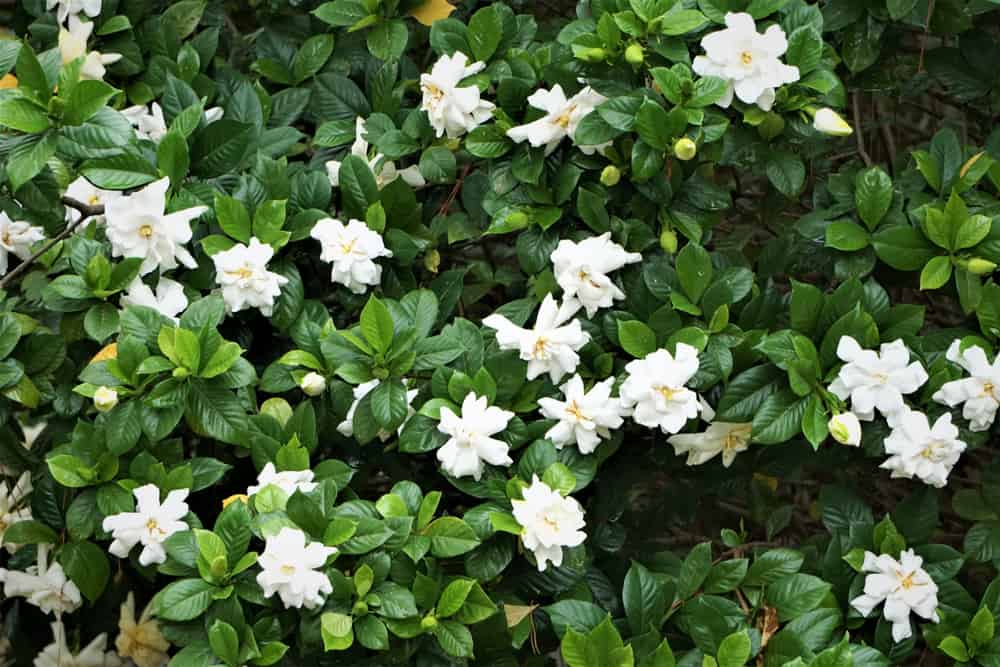
Gardenias can bring glossy green leaves and sweet-smelling white flowers to gardens across the United States. In warm parts of Florida, Georgia, Louisiana, and the Carolinas, these shrubs can grow outdoors for much of the year. Gardeners in cooler states can also grow them, but winter care may take more work.
The key to gardenia plant care outdoors is to keep several growing conditions in balance. These shrubs need enough light to form flower buds, yet strong afternoon sun can stress them in hot weather. They also need steady moisture, but their roots can suffer when water sits around them.
Gardenias are often treated as fussy plants because yellow leaves and dropped buds can appear when conditions change. Most care problems become easier to manage when you check the soil, light, watering habits, and local weather before adding fertilizer or other treatments. Start with the growing site, then build a simple care routine around the season.
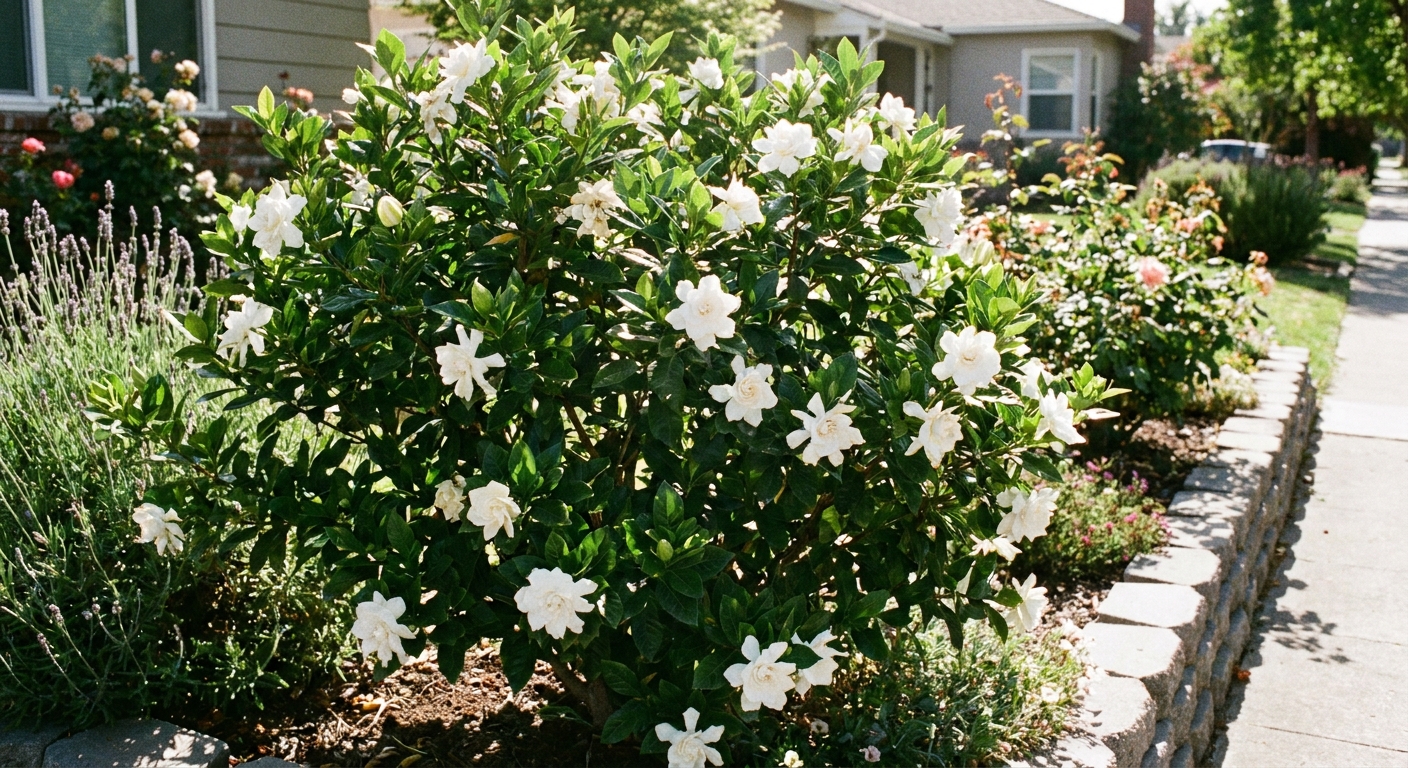
A good planting site makes gardenia care much easier. Gardenias grow best in a spot that offers bright light, some protection from harsh afternoon sun, and soil that drains well after rain. A sheltered area near a building or beneath the light shade of a tree can work if the plant still receives enough light.
Before planting, watch the proposed site during the morning and afternoon. A spot that looks sunny at breakfast may sit in deep shade by midday. On the other hand, a south- or west-facing wall can become very hot in summer and reflect extra heat onto the leaves.
Gardenias prefer warm, fairly humid conditions, but they do not need to sit in stagnant air. Give each shrub enough room for mature growth and airflow. Good spacing helps foliage dry after rain and makes it easier to inspect leaves for pests.
Source: epicgardening.com
Look for morning sunlight
Morning sun with light afternoon shade is a useful starting point, especially in the southern United States where summer heat can be intense.
Avoid low, soggy spots
Do not plant gardenias where rainwater collects or where heavy soil stays wet for long periods.
Allow room to grow
Check the mature size of your gardenia variety and leave space around the shrub for airflow and future pruning.
How Much Sun Do Outdoor Gardenias Need?
Most gardenias grow well with about four to six hours of bright sunlight, although the best amount depends on the cultivar, climate, and heat exposure. In cooler areas, more direct sun may help flowering. In hot southern gardens, morning sun followed by afternoon shade often gives better results.
Too little light can lead to weak growth and fewer flowers. Too much intense sun, especially when the soil is dry, can cause scorched leaf edges and wilt. If your shrub receives very little light and rarely blooms, consider a brighter site before increasing fertilizer.
Signs of too little light
Long, weak stems, sparse growth, and few flowers can point to a site that is too shady.
Signs of excess sun or heat
Crispy brown leaf edges, midday wilt, or scorched foliage may mean the plant needs shade during the hottest part of the day.
Can Gardenias Grow in All US Regions?
Gardenias are best suited to warm regions, and cold tolerance varies by species and cultivar. Many common garden gardenias are most reliable in warmer parts of the Southeast and along sections of the Gulf Coast. Some selected cultivars tolerate colder conditions than others, but no single hardiness range applies to every gardenia.
Check the plant label for its USDA hardiness zones before planting it in the ground. Gardeners in colder regions can grow gardenias in containers and move them to a protected place when frost threatens. Even in warm states, a sudden cold snap can damage tender growth.
Warm climates
Plant gardenias outdoors in a suitable sheltered site and protect roots from extreme heat and prolonged dry weather.
Cold-winter climates
Choose a container-grown plant when you need to move it indoors or into a frost-free space during winter.
Prepare Acidic Soil That Drains Well
Gardenias need acidic soil to take up nutrients properly. A soil pH of about 5.0 to 6.0 is a useful target for many common gardenias. If the soil is too alkaline, the plant may struggle to absorb iron even when iron is present in the ground.
Drainage matters just as much as acidity. Gardenia roots need both moisture and oxygen. Dense soil that stays waterlogged can damage the roots, while very sandy soil may dry too quickly during hot weather.
Test the soil before adding amendments. A home soil test can provide a useful first check, while a laboratory test can offer more detailed guidance. Do not add large amounts of sulfur, lime, or other pH-changing materials without knowing the starting pH and the needs of the soil.
Source: home.ripperdesignandmultimedia.com
Aim for a suitable pH
Keep soil mildly to moderately acidic, usually around pH 5.0 to 6.0, unless the cultivar’s care instructions recommend otherwise.
Improve drainage
If the ground drains poorly, consider a raised planting area or another location rather than placing the roots in a persistently wet hole.
Add organic matter when useful
Well-decomposed organic matter can improve soil structure. Mix amendments across the wider planting area instead of creating a small pocket with very different soil conditions.
How to Plant a Gardenia in the Ground
Planting depth and root care affect how well a gardenia settles into its new home. Choose a mild day when the soil is workable, and water the plant before removing it from its nursery pot if the root ball is dry.
Dig a hole about as deep as the root ball and wider than the container. Set the shrub so the top of the root ball sits level with the surrounding soil or slightly above it in ground that drains slowly. Backfill with the soil you removed, firm it gently, and water well to settle the soil around the roots.
Spread a thin layer of organic mulch over the root zone, leaving a gap around the stems. Keep the mulch away from the trunk because constant contact with damp material can encourage decay. Water regularly while the plant establishes, checking the soil rather than following a rigid daily schedule.
Handle roots gently
Avoid breaking apart the root ball unless roots are severely circling and the plant’s condition calls for careful correction.
Do not bury the stem base
Planting too deeply can keep the base wet and interfere with healthy growth.
Water after planting
Soak the root zone thoroughly, then check moisture often as the shrub begins to establish.
Should You Grow Gardenias in Pots or in the Ground?
Growing gardenias in pots gives you more control over the growing mix and makes winter protection easier. This can be a useful choice in northern states or places where garden soil is too alkaline. A container also lets you move the shrub away from harsh afternoon sun when needed.
In-ground gardenias usually need less frequent watering once their roots are established, provided the soil holds moisture without becoming soggy. They can also grow larger than many container plants. The trade-off is that a poorly chosen planting site is harder to correct after the roots spread.
For container growing, choose a pot with drainage holes and a growing mix labeled for acid-loving plants. Avoid garden soil in containers because it can become dense and drain poorly. Repot when roots crowd the pot or water passes through too quickly because the root ball has become tightly packed.
Choose pots for flexibility
Containers are useful where winter frost is common or garden soil does not suit gardenias.
Choose in-ground planting for space
A suitable garden bed gives the shrub more room to spread and can reduce the need for frequent watering after establishment.
Water Gardenias the Right Way
Gardenias need consistent soil moisture, especially during active growth and flower bud development. The goal is to keep the root zone from drying out completely without leaving the roots in standing water. Both drought and waterlogged soil can cause leaves to yellow or buds to drop.
Check the top inch of soil with your finger before watering. If it feels dry, water slowly around the root zone until the soil is moist through the depth of the roots. If it still feels damp, wait and check again later. A newly planted shrub may need more frequent checks than an established plant.
Weather changes the watering schedule. Hot sun, dry wind, sandy soil, and a small container can all speed up moisture loss. Rain, cool weather, heavy soil, and shade slow it down. A fixed rule such as watering every day can lead to overwatering during wet weather and underwatering during a heat wave.
Source: plantnative.org
Water the soil, not just the leaves
Direct water toward the root zone so moisture reaches the roots instead of running off the foliage.
Check containers more often
Pots dry faster than many garden beds, particularly during hot summer weather.
Use mulch to slow moisture loss
A layer of organic mulch can help keep soil moisture more stable and protect shallow roots.
How Often Should You Water Outdoor Gardenias?
There is no single watering interval that works for every gardenia. A new shrub may need close attention during its first growing season, while an established plant in suitable soil can often go longer between waterings. Check soil moisture every few days during hot, dry periods and less often when rain keeps the ground moist.
Container-grown gardenias may need water daily during extreme heat, but only if the growing mix is drying out that quickly. Water thoroughly and let excess water drain from the pot. Never leave a container sitting in a full saucer for long periods.
Dry soil and drooping leaves
Water the root zone deeply and check whether the plant recovers as the soil moisture improves.
Wet soil and yellow leaves
Pause watering and check drainage before adding more water or fertilizer.
Does Water Quality Matter?
Water with high alkalinity can gradually raise the pH of the root zone, especially in containers. This can make iron and other nutrients less available. Hard water does not always cause a problem, so look at the soil pH and the plant’s condition before changing your water source.
If repeated soil tests show that irrigation water is pushing the pH upward, ask a local extension service or soil laboratory about suitable options. Do not add vinegar or other acids to watering cans by guesswork. An incorrect dose can harm roots and make soil conditions harder to manage.
Watch the soil pH over time
Test the root-zone soil if yellow leaves keep returning despite sensible watering and feeding.
Avoid unmeasured acid treatments
Use products intended for garden soil only as directed and base pH corrections on a soil test.
Fertilize Gardenias Without Overfeeding
Gardenias benefit from feeding when they are actively growing, but extra fertilizer will not fix every yellow leaf or missing flower. Start with the soil’s needs and the plant’s condition. A fertilizer made for acid-loving plants can be suitable when its label lists gardenias or gives directions for similar shrubs.
In many warm US regions, gardeners feed during the growing season, often in spring and again later if the product label and plant growth support it. Timing depends on climate, the type of fertilizer, and whether the plant is growing in a pot or in the ground. Avoid heavy feeding when the plant is dormant or when cold weather is approaching.
Apply fertilizer at the rate listed on the label. Too much can burn roots, increase salt levels around the root zone, and encourage leafy growth at the expense of flowers. Water according to the label after feeding, and keep granules away from direct contact with stems.
Source: leafyzen.com
Choose a suitable fertilizer
Use a product labeled for gardenias, azaleas, camellias, or other acid-loving plants when appropriate for your soil and growing conditions.
Follow the label
Do not increase the dose or feeding frequency to force faster growth or more flowers.
Test before adding iron
Yellow leaves can result from high soil pH, wet roots, drought, or other problems. Confirm the likely cause before using an iron supplement.
When Should You Fertilize Outdoor Gardenias?
Spring is a common time to begin feeding gardenias as new growth starts. In areas with a long warm season, a second application may be suitable if the fertilizer directions allow it and the plant continues to grow. In colder areas, stop feeding early enough to avoid encouraging tender new growth before frost.
Newly planted gardenias may not need immediate fertilizer, especially if the planting soil has already been amended or the roots are under stress. Let the plant settle in and follow the product label for newly planted shrubs. If growth remains poor, check light, drainage, and soil pH before assuming the plant needs more nutrients.
Feed during active growth
Apply fertilizer when the shrub can use nutrients to support healthy leaves, stems, and future flowers.
Do not feed a stressed root system blindly
Correct waterlogging, severe drought, or planting problems before adding more nutrients.
Prune Gardenias at the Right Time
Prune gardenias to keep the shrub neat, remove damaged growth, and improve its shape. The best time for major shaping is usually soon after the main flowering period, because many common gardenias form flower buds on older growth. Heavy pruning at the wrong time can remove buds that would have opened later.
Use clean, sharp pruning shears for small branches. Remove dead, broken, diseased, or crossing stems first. Then shorten branches that extend beyond the desired shape, cutting just above a healthy leaf joint or side branch.
Avoid cutting the shrub back severely unless there is a clear reason and the plant can tolerate the work. Gardenias may take time to recover from hard pruning, particularly if they are already stressed by heat, cold, or poor drainage. Do not remove more growth than needed to achieve the desired shape.
Source: www.pinterest.com
Remove dead branches
Cut dead or damaged wood back to healthy tissue, and clean tools after working on plants with suspected disease.
Shape after flowering
Prune after the main bloom period when possible, then allow the shrub to form new growth and future flower buds.
Avoid routine hard pruning
Light shaping usually works better than repeated severe cuts that remove much of the leafy canopy.
Should You Remove Spent Gardenia Flowers?
You can remove faded flowers to keep the shrub tidy. This practice is called deadheading. Pick off spent blooms carefully or trim them with clean shears, taking care not to damage nearby buds or leaves.
Deadheading is not a cure for poor flowering. If a gardenia produces few blooms, check its light, root health, soil pH, watering pattern, and fertilizer use. A plant that grows well but produces mainly leaves may be receiving too much shade or too much nitrogen.
Remove faded blooms gently
Pinch or trim spent flowers without pulling hard on the stems.
Keep future buds intact
Look closely at the stem before cutting so you do not remove developing flower buds.
Help Gardenias Bloom Outdoors
Healthy gardenias usually need a balance of light, moisture, suitable soil, and seasonal warmth to flower well. A shrub with lush leaves but few blooms may not need more fertilizer. Start by checking how much sun it receives and whether the roots are healthy.
Flower buds can drop before opening when growing conditions change sharply. Dry soil, waterlogged roots, heat stress, cold snaps, and sudden changes in light or location can all contribute. Moving a potted gardenia while buds are forming may also add stress.
Gardenias flower at different times depending on the variety and local climate. Some bloom mainly in late spring or early summer, while others can produce additional flowers during warm conditions. A short pause in flowering does not always mean something is wrong.
Source: plantnative.org
Give the plant enough light
Provide bright conditions suited to your climate, with protection from harsh afternoon sun where needed.
Keep moisture steady
Check soil before watering and avoid cycles of severe drying followed by excessive soaking.
Avoid excess nitrogen
Heavy feeding can encourage leaf growth without solving the conditions that limit flowering.
Protect developing buds
Limit sudden changes in location and shield the plant from cold snaps and extreme heat when practical.
Why Are My Gardenia Buds Falling Off?
Bud drop is often a response to stress, but it does not point to one single cause. Check the soil moisture first, then review recent heat, cold, wind, and changes in the plant’s location. If the root ball is dry, water thoroughly; if the soil is soggy, improve drainage and allow excess moisture to leave.
Look for insects if buds show visible feeding marks or sticky residue. Avoid spraying a pesticide until you have identified a likely pest and checked that the product is labeled for the plant and problem. A chemical treatment will not correct a watering or temperature issue.
Review recent weather
Sudden heat, a cold front, or strong dry wind can stress buds that were developing normally.
Check roots and soil
Both very dry soil and prolonged saturation can disrupt water uptake and contribute to bud loss.
Protect Outdoor Gardenias in Winter
Cold protection depends on the gardenia variety, your local winter lows, and whether the plant grows in a pot or in the ground. Many common gardenias can suffer leaf damage or branch dieback during frost, while some cultivars tolerate colder conditions. Check the plant label and local extension guidance rather than relying on one hardiness range for all gardenias.
Before a forecast cold snap, water dry soil during the day if the ground is not frozen and the plant needs moisture. A layer of mulch can help buffer changes in soil temperature, but keep it away from the stem base. Covering a small shrub with frost cloth can provide some protection during a brief cold event, though covers cannot make a tender plant fully winter-hardy.
Container plants are easier to move. Bring them into a bright, protected, frost-free area before temperatures fall below the plant’s tolerance. Avoid placing them beside a hot heater or in a dark room for long periods, since abrupt changes in temperature and light can cause stress.
Source: home.ripperdesignandmultimedia.com
Check cold tolerance before planting
Select a variety suited to your area’s USDA hardiness zone and the actual winter exposure at the planting site.
Use frost cloth when needed
Cover the plant before temperatures fall and remove or adjust the cover when conditions improve, following the product instructions.
Move pots before severe cold
Relocate container-grown gardenias to a suitable protected space before a damaging freeze rather than waiting until the plant is frozen.
Can Gardenias Stay Outside All Year?
Gardenias can stay outdoors year-round where winter conditions fall within the tolerance of the selected variety and the planting site offers suitable protection. In many warm coastal and southern areas, this is practical. In regions with regular hard freezes, a tender gardenia may need winter shelter or seasonal indoor care.
Do not judge cold damage from leaf color alone immediately after a freeze. Wait until conditions warm and inspect the stems for living tissue. Remove clearly dead growth when the extent of damage is easier to see, and avoid heavy pruning while additional cold weather remains possible.
Warm-winter areas
Maintain outdoor care through the year, adjusting watering and feeding to seasonal growth and rainfall.
Freeze-prone areas
Use a container or select a more cold-tolerant cultivar if reliable outdoor winter survival is a priority.
Identify and Fix Common Gardenia Problems
When a gardenia looks unhealthy, begin with the pattern of damage rather than reaching for fertilizer or pesticide. Yellow leaves, brown edges, and dropped buds can have several causes. Check the soil, drainage, light, recent weather, and the underside of the leaves before choosing a fix.
Older leaves sometimes yellow and fall as part of normal plant growth. Widespread yellowing, slow growth, or repeated leaf loss deserves closer attention. Gardenias can also develop nutrient problems when soil pH prevents roots from taking up nutrients, even if the soil contains those nutrients.
Change one likely cause at a time when possible. If you change the watering schedule, apply fertilizer, add an acidifying product, and spray for pests on the same day, it becomes harder to tell which action helped or harmed the plant.
Source: plantnative.org
Yellow leaves with green veins
This pattern on newer leaves can indicate iron chlorosis, often linked to high soil pH or unhealthy roots. Test the soil and check drainage before treating.
Brown, crispy leaf edges
Possible causes include dry soil, hot sun, dry wind, salt buildup, or root damage. Check moisture and recent weather first.
Yellow leaves and wet soil
Persistent wetness can limit oxygen around the roots. Improve drainage and reduce watering until the soil begins to dry appropriately.
Few flowers but healthy leaves
Review sunlight, pruning time, and fertilizer use. Too much shade or excessive nitrogen may limit flowering.
How to Check for Common Gardenia Pests
Inspect the undersides of leaves and the tender tips of new growth. Common pests can include aphids, scale insects, and spider mites. Some insects leave sticky honeydew, while spider mites may cause fine stippling or a dull, dusty look on leaves.
If you find a small number of pests, remove them by hand or wash them from the plant with a gentle stream of water when practical. Recheck the plant over the next several days. For a larger infestation, identify the pest before choosing a treatment and follow the label carefully.
Use insecticidal soap or horticultural oil only when the product label permits its use on gardenias and against the pest you have identified. Test a small area if the label recommends it, and avoid spraying plants during high heat or when other label restrictions apply. These products can injure foliage under unsuitable conditions.
Look for sticky residue
Honeydew can point to sap-feeding insects such as aphids or scale.
Check for fine leaf stippling
Tiny pale marks and fine webbing may indicate spider mites, especially in hot, dry conditions.
Identify before treating
Different pests need different approaches, and an unnecessary pesticide treatment may harm beneficial insects.
When Should You Seek Local Plant Advice?
Ask your county Cooperative Extension office or a qualified nursery professional for help if a gardenia keeps declining despite suitable watering, light, and drainage. Bring clear photos of the whole plant, damaged leaves, and the root area if you can safely inspect it. A soil test may help distinguish nutrient availability problems from other causes.
Seek a more detailed diagnosis when several shrubs develop the same symptoms, when branches die back rapidly, or when root rot is suspected. Avoid applying multiple chemical treatments without identifying the cause. Accurate diagnosis can save time and prevent further damage.
Collect useful details
Record the watering pattern, recent weather, fertilizer used, soil pH if known, and when the symptoms began.
Ask for a diagnosis
Use a local extension service or qualified plant professional when symptoms persist or spread.
Follow a Simple Seasonal Gardenia Care Plan
A seasonal routine helps you respond to what the shrub needs instead of following the same schedule all year. Gardenias in warm states may keep growing for much longer than plants in areas with cool winters. Adjust care to local weather, new growth, flowering, and soil moisture.
The plan below is a general guide for common outdoor gardenias. Your variety, local climate, soil, and fertilizer label may call for a different schedule. Use plant growth and weather as your main signals.
Source: home.ripperdesignandmultimedia.com
Spring
Check winter damage, test soil pH if needed, refresh mulch, and begin feeding only when active growth starts and the plant needs nutrients. Water when the root zone begins to dry.
Late spring and summer
Watch soil moisture closely during heat, protect the shrub from harsh afternoon sun when necessary, and inspect for pests. Prune lightly after the main bloom period if shaping is needed.
Late summer and fall
Continue checking moisture, reduce feeding as growth slows, and prepare container plants for cold weather. Avoid late heavy pruning that may remove developing buds or encourage tender growth.
Winter
Protect gardenias from frost according to their cold tolerance. Water less often when growth slows, but do not let container root balls dry out completely.
A Quick Weekly Check for Healthy Plants
A short inspection can catch many problems early. Feel the soil, look at new leaves, check flower buds, and scan the undersides of leaves for pests. After heavy rain or a heat wave, give the plant an extra check because conditions may have changed quickly.
Healthy gardenias generally show firm green leaves, steady new growth during the growing season, and buds or flowers when conditions and variety allow. A plant does not need to flower every week to be healthy. Focus on steady growth and sound roots rather than trying to force constant blooms.
Check soil moisture
Feel the soil near the root zone before watering.
Inspect foliage
Look for new yellowing, brown edges, spots, sticky residue, or fine webbing.
Review recent weather
Adjust shade, watering, and cold protection after major weather changes.
Avoid unnecessary treatments
Only fertilize, adjust soil pH, or use pest products when the likely problem and the product instructions support that action.
Frequently Asked Questions
Q
How often should I water an outdoor gardenia?
Water when the top inch of soil begins to dry, then soak the root zone thoroughly. The exact interval depends on rainfall, heat, soil type, plant size, and whether the gardenia grows in a pot. Check containers more often during hot weather because they can dry quickly.
Q
Do gardenias need full sun or shade?
Most gardenias grow well in bright light with some direct sun. Morning sun and afternoon shade are often useful in hot climates, while cooler regions may support more direct sunlight. Too much shade can reduce flowering, and harsh afternoon sun can scorch leaves.
Q
Why are my outdoor gardenia leaves turning yellow?
Yellow leaves may result from high soil pH, poor drainage, overwatering, drought, nutrient shortages, or normal aging of older leaves. Yellow new leaves with green veins can suggest iron chlorosis. Check the soil moisture and drainage first, then test soil pH before applying fertilizer or iron products.
Q
What is the best fertilizer for gardenias outdoors?
A fertilizer labeled for gardenias or other acid-loving plants is a reasonable choice when feeding is needed. Apply it during active growth at the rate and frequency on the label. If the plant has yellow leaves or grows poorly, check soil pH, root health, and drainage before assuming it needs more fertilizer.
Q
Can gardenias survive winter outdoors?
Winter survival depends on the gardenia variety, local minimum temperatures, and site conditions. Some cultivars tolerate more cold than others, while many common gardenias can suffer during frost or hard freezes. Check the plant’s hardiness information and use a container if you need to move it to shelter during winter.
Q
When is the best time to prune gardenias?
Prune most common gardenias soon after their main flowering period. This timing helps you shape the shrub without removing as many developing buds for the next bloom cycle. Remove dead or damaged branches when needed, and avoid repeated hard pruning unless there is a clear reason.
Q
Can I grow gardenias in pots outdoors?
Yes. Use a pot with drainage holes and a growing mix suited to acid-loving plants. Place the container in bright light with protection from harsh afternoon sun, check soil moisture often, and move the plant to a protected frost-free space when temperatures approach its cold limit.
✦ Wrapping Up
Conclusion
Successful gardenia plant care outdoors comes down to a few steady habits. Give the shrub bright light, acidic soil, good drainage, and enough water to keep the root zone moist without leaving it soggy. Feed during active growth only when needed, prune at a suitable time, and protect the plant from cold beyond its tolerance.
When leaves turn yellow or flower buds fall, check the growing conditions before adding more products. Soil moisture, drainage, soil pH, and sunlight are useful first checks. Small, careful changes are often easier to assess than several treatments at once.
Start by checking your gardenia’s location and soil today. If the site drains well and provides suitable light, build your watering routine around the weather and the plant’s needs. With consistent care and the right variety for your climate, gardenias can become long-lived outdoor shrubs with glossy foliage and fragrant flowers.
💡 Key Takeaway
Check the top inch of soil, inspect the leaves, and confirm that your gardenia receives bright light and grows in well-drained acidic soil. Correct the clearest problem first, then monitor the plant before making further changes.