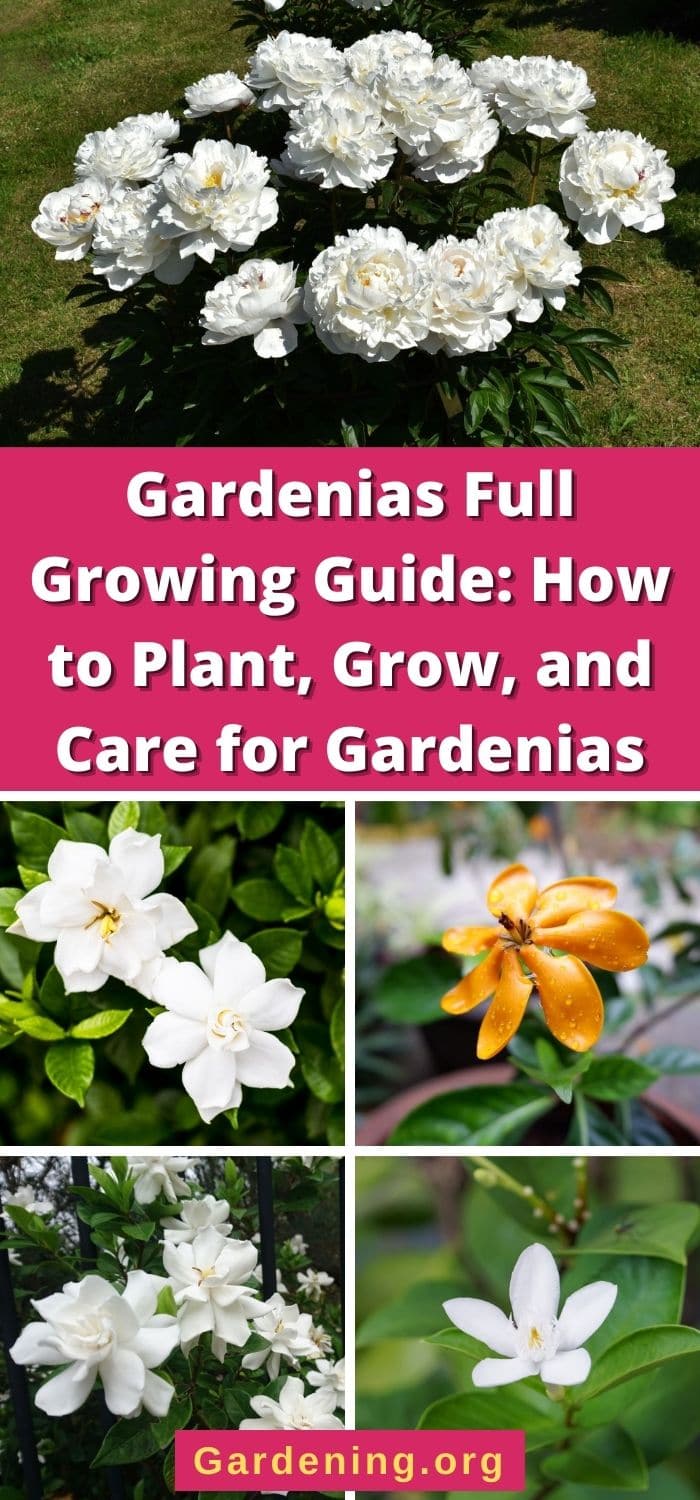
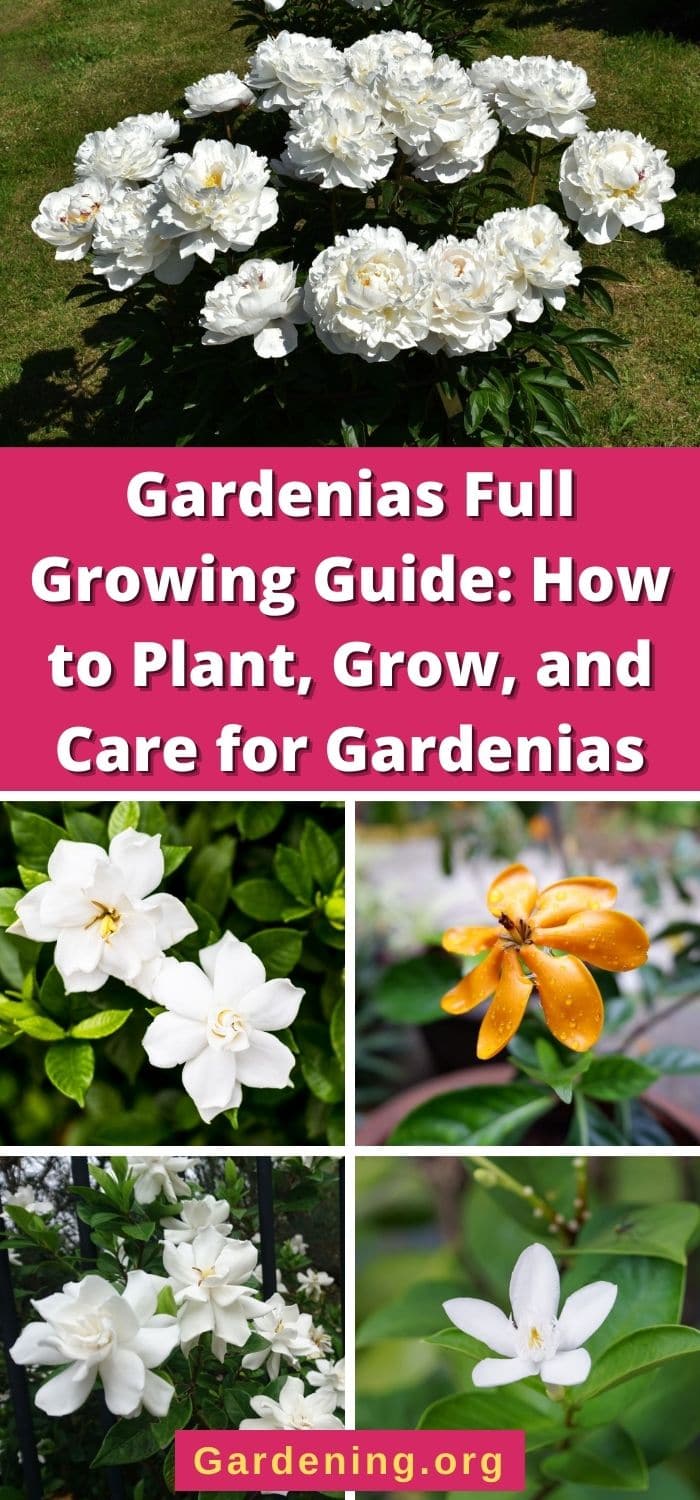
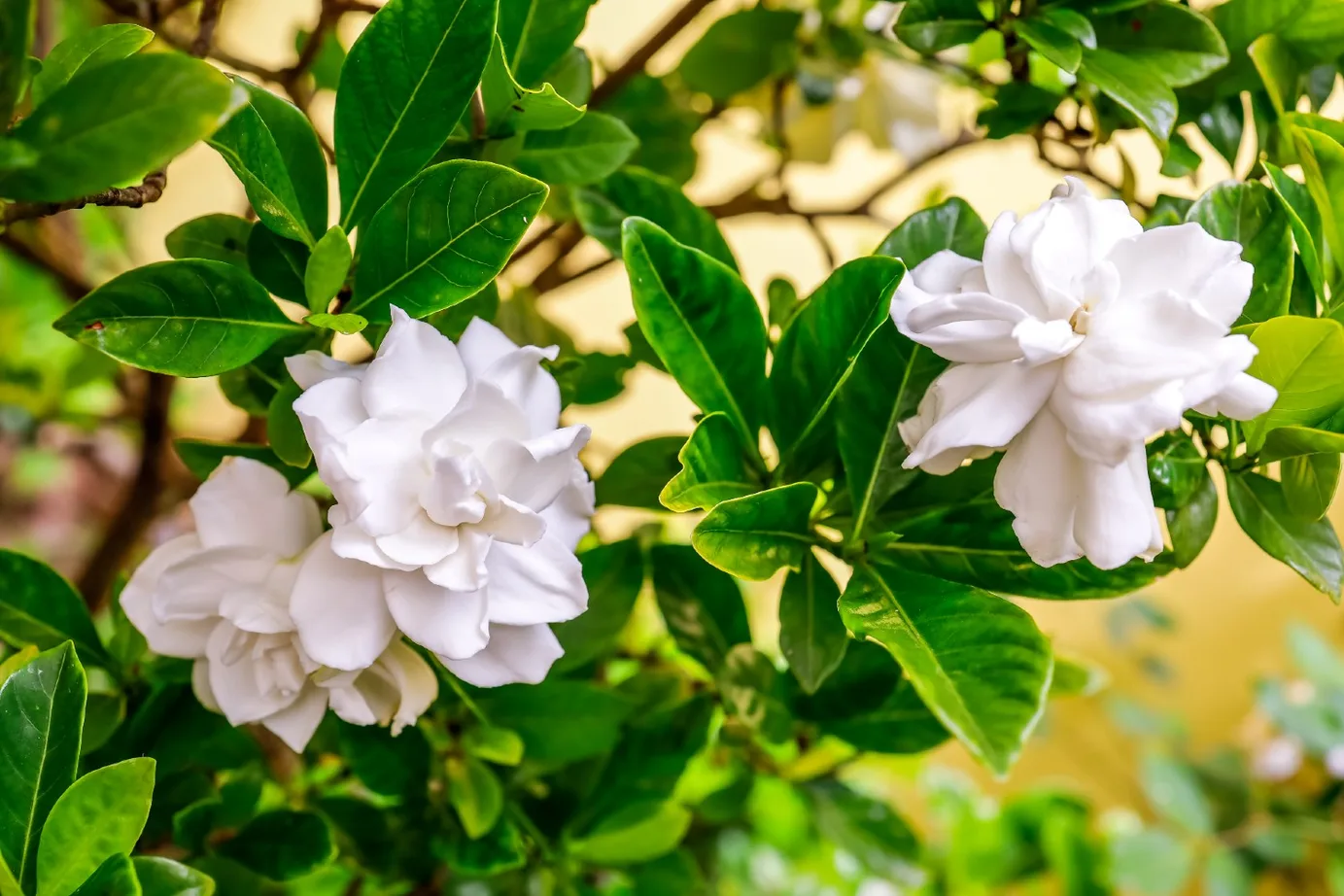
Gardenias are moderately difficult to grow. They can thrive in the right spot, but they need steady moisture, acidic soil, good drainage, and protection from harsh weather. Gardeners in warm parts of the United States often find them easier to grow outdoors than gardeners in cold regions.
Gardenias are known for their glossy green leaves and creamy white flowers with a sweet scent. In the United States, they are common choices for warm-climate yards, patios, and sheltered garden beds. Their beauty is easy to love, but their care needs can surprise new gardeners.
The main challenge is keeping their growing conditions steady. A gardenia may grow well for weeks, then develop yellow leaves or drop flower buds when the soil stays too wet, dries out, or becomes too alkaline. The plant is not impossible to grow. It simply responds poorly to sudden changes.
Gardenias are often easiest to manage in USDA plant hardiness zones 8 through 11, although the best zone depends on the species and cultivar. In colder areas, growing one in a container can make winter care easier. With the right light, soil, water, and temperature, even a beginner can give a gardenia a fair chance.
Gardenias can be harder to grow than many common shrubs because they react to changes in their surroundings. They need soil that stays slightly moist without becoming soggy. They also need enough acidity to take up nutrients, along with suitable light and warmth.
A healthy gardenia may grow steadily when these needs are met. Trouble often starts when several conditions change at once, such as moving a plant to a sunnier spot, watering it more often, and feeding it with a new fertilizer. When problems appear, check one condition at a time instead of making several changes.
Gardenias are not always difficult in the same way. An established shrub in a warm, humid Southern garden may need less attention than a small potted plant kept in a dry, heated room. The location and growing method can make a large difference.
Source: gardening.org
They need acidic soil
Gardenias generally grow best in soil with a pH around 5.0 to 6.0. When soil is too alkaline, the roots may struggle to take up iron and other nutrients, even when those nutrients are present.
They dislike soggy roots
Wet, poorly drained soil can deprive roots of oxygen and increase the risk of root damage. Gardenias need regular water, but their roots also need air.
They react to stress
Changes in temperature, moisture, light, or location may lead to yellow leaves or dropped buds. Stable conditions help the plant adjust and grow.
They need suitable winter conditions
Cold tolerance varies by cultivar. A gardenia that thrives in a sheltered Southern yard may need to spend winter indoors or in a protected space in a colder region.
Are Gardenias Suitable for Beginners?
Yes, gardenias can suit beginners who are willing to watch their plants and learn what the leaves and soil are telling them. They are less forgiving than many tough shrubs, but their care routine is manageable once the right location is chosen.
A beginner will have a better chance with a healthy nursery plant, suitable acidic soil, and a spot with bright light and good drainage. Start with one plant rather than several. That makes it easier to learn how quickly the soil dries and how the plant responds to local weather.
A good first choice
Choose a healthy plant suited to your local climate, and check its mature size before planting it.
A harder first choice
Avoid starting with a stressed plant that already has widespread yellow leaves, dry roots, or many fallen buds unless you are prepared to troubleshoot.
Where Do Gardenias Grow Best in the United States?
Gardenias usually grow best in warm areas with mild winters, good humidity, and protection from harsh cold. Parts of the Southeast, Gulf Coast, and other warm regions can provide suitable outdoor conditions. Local soil, summer heat, and winter lows still matter, even within the same state.
USDA plant hardiness zones help gardeners compare average annual extreme minimum winter temperatures. They are a useful starting point, not a guarantee that every gardenia cultivar will survive every winter. Check the hardiness information for the exact plant you plan to buy.
In colder areas, a container can offer more control. You can move the plant to a sheltered location before freezing weather arrives. However, indoor growing brings its own challenges because winter rooms can have dry air and limited sunlight.
Source: littlereddotflorist.sg
Warm coastal and Southern areas
Outdoor gardenias may grow well where winter temperatures suit the cultivar and the soil drains freely. Shelter from harsh afternoon sun can help during very hot weather.
Areas with cold winters
Choose a cold-tolerant cultivar only after checking its stated limits. Growing in a pot may make winter protection more practical.
Dry or windy locations
Wind and dry air can increase moisture loss. A sheltered position can reduce stress, though good airflow around the foliage is still useful.
Can Gardenias Grow in Containers?
Yes. Gardenias can grow in containers if the pot has drainage holes and enough room for the roots. Container growing is especially useful when winter temperatures are too low for reliable outdoor growth.
Use a potting mix formulated for acid-loving plants or another suitable, well-drained mix with an appropriate pH. Do not place the pot inside a decorative cover that traps water around the bottom. Empty any collected water after watering.
Potted plants often dry out faster than garden beds, especially in warm, sunny weather. Check the mix with your finger rather than following a rigid daily schedule. The goal is evenly moist soil, not a pot that stays soaked.
Pick a pot with drainage
Several drainage holes help excess water escape and reduce the risk of root problems.
Plan for the mature plant
A suitable pot gives the roots room to grow without leaving a small plant in an excessively large volume of wet mix.
Move it with care
When moving a gardenia between indoor and outdoor conditions, avoid sudden shifts in intense sunlight or temperature.
How Much Sunlight Do Gardenias Need?
Gardenias generally grow well in bright light with several hours of direct sun or a mix of sun and light shade, depending on the climate. In hot parts of the United States, morning sun and some afternoon shade can help protect leaves and flower buds from intense heat.
Too little light can lead to weak growth and fewer flowers. Too much harsh sun, especially when combined with dry soil and high temperatures, can scorch the leaves or stress a newly planted shrub. The best balance depends on the local climate and the amount of moisture available to the roots.
Before planting, watch the proposed spot at different times of day. A bed that looks bright in the morning may sit in deep shade for most of the afternoon. Light conditions can change with the seasons as well.
Source: completegardening.com
Signs of suitable light
The plant produces firm green leaves and steady new growth without widespread leaf scorch.
Signs of too little light
Growth may become sparse, stems may stretch toward brighter areas, and flowering may be limited.
Signs of excessive heat or sun stress
Leaf edges may turn brown, foliage may wilt during hot periods, or leaves may develop dry scorched patches.
Should Gardenias Get Full Sun?
Some gardenias can handle substantial direct sun when they are established and have enough moisture. In very hot climates, full afternoon sun can be stressful, so partial shade may be the better choice.
If a gardenia already grows in a shaded spot, move it gradually if more light is needed. A sudden move into strong sun can damage leaves that have adapted to lower light.
For hot summers
Favor morning sun and protection from the strongest afternoon rays.
For cooler summers
A sunnier position may support stronger growth and better flowering, provided the roots do not dry out.
What Soil Is Best for Gardenias?
Gardenias need acidic, well-drained soil that holds some moisture without becoming waterlogged. A pH of about 5.0 to 6.0 is a common target. Soil that is too alkaline can limit nutrient uptake and cause yellow leaves, even when you feed the plant.
Before changing the soil pH, test it. A soil test gives you a better starting point than guessing from the color of the leaves. If the soil is unsuitable, growing the plant in a raised bed or container with an appropriate mix may be more practical than trying to change a large garden bed.
Organic matter can improve the structure of many soils, but it does not replace proper drainage. Heavy clay that stays wet for long periods may need a different planting site or a raised planting area. Do not bury the root crown under extra soil or mulch.
Source: www.pinterest.com
Test the pH
Use a reliable soil test before applying products intended to lower pH. Follow the test results and local extension guidance.
Check drainage
After rain or watering, the soil should not remain saturated for long periods. Standing water near the roots is a warning sign.
Use suitable potting mix
For containers, choose an acid-friendly mix that drains well while still holding enough water for the roots.
Why Do Gardenia Leaves Turn Yellow?
Yellow leaves can result from several problems, so the pattern matters. Yellow leaves with green veins on newer growth can point to iron chlorosis, often linked to soil pH that is too high. Older leaves that turn yellow may also reflect watering stress, nutrient issues, natural leaf turnover, or root damage.
Do not assume every yellow leaf means the plant needs more fertilizer. If the roots sit in soggy soil, extra feeding will not fix the underlying problem. Check soil moisture, drainage, and pH first, then make one change at a time.
New leaves yellow, veins stay green
Check soil pH and root health. High pH can make iron harder for the plant to absorb.
Many leaves yellow and soil stays wet
Improve drainage and review watering. Persistent wet soil can damage roots.
Leaf tips turn brown
Check for dry soil, salt buildup, fertilizer excess, and hot or dry conditions before deciding on a remedy.
How Often Should You Water a Gardenia?
Water a gardenia when the upper layer of soil begins to dry, then water deeply enough to moisten the root area. The exact schedule depends on temperature, rainfall, soil type, pot size, and plant maturity. A fixed daily routine can leave the roots either too dry or too wet.
Newly planted gardenias need closer attention while their roots establish. Check the soil more often during hot, dry weather and less often during cool or rainy periods. Established plants may need less frequent watering when they grow in suitable soil and receive regular rain.
Water the soil rather than spraying the foliage every time. Keeping leaves wet for long periods can favor some plant diseases, particularly where airflow is poor. Water early in the day when practical, and make sure excess water can drain away.
Source: floristempire.com
Check before watering
Feel the soil near the root zone. If it is still wet, wait and check again later unless the plant’s condition indicates a more serious problem.
Water thoroughly
Apply water slowly so it reaches the roots rather than running off the surface.
Avoid standing water
Do not leave a container sitting in a full saucer, and do not plant gardenias in a spot that stays flooded.
Use mulch with care
A layer of organic mulch can help conserve soil moisture. Keep it away from direct contact with the stems.
Can You Overwater a Gardenia?
Yes. Gardenias need regular moisture, but their roots can suffer when the soil stays saturated. Overwatering may cause yellow leaves, weak growth, wilting despite wet soil, and root damage.
If the plant wilts while the soil is wet, do not immediately add more water. Check drainage and inspect the root area if the problem continues. Roots that are brown, soft, or foul-smelling may be damaged, and a badly affected plant may need repotting or expert diagnosis.
Wet soil and wilted leaves
Pause watering and check whether excess water can escape.
Dry soil and wilted leaves
Water thoroughly and review how quickly the soil dries in the current weather.
Do Gardenias Need High Humidity and Warm Temperatures?
Gardenias often perform well in humid conditions with mild to warm temperatures. They can struggle when dry indoor air, cold drafts, or sudden temperature changes place stress on the plant. A sheltered outdoor spot can provide a more stable environment in regions with suitable winters.
Indoor gardenias may need extra attention during winter because heating systems can lower room humidity. Dry air alone does not explain every problem, but it can add to moisture stress, especially when the root ball dries too fast.
Avoid placing a potted gardenia beside a heating vent, air conditioner, or drafty door. Keep it in a bright location with stable temperatures. If you use a humidity tray, keep the pot above the water rather than letting its base sit in it.
Source: smartgardenguide.com
Choose a sheltered location
Protect outdoor plants from cold winds and extreme temperature swings where possible.
Keep indoor air in mind
A dry room can increase water loss. Grouping plants or using a suitable humidifier may help, but neither should replace good watering and drainage.
Avoid abrupt changes
Acclimate a plant gradually when moving it between indoor and outdoor conditions.
Can Gardenias Grow Indoors?
Gardenias can grow indoors, but keeping them healthy and getting them to bloom can be challenging. They need strong natural light, a suitable temperature range, acidic potting mix, and careful watering. A bright window may work, although intense summer sun through glass can also overheat the leaves.
If a gardenia declines indoors, check the light and root conditions before adding fertilizer or misting the leaves. A plant that receives too little light may survive but produce few flowers. In some homes, a suitable grow light can help provide the light the plant lacks.
Give it bright light
Choose the brightest suitable window, while watching for signs of heat or leaf scorch.
Check moisture often
Indoor pots can dry slowly in cool rooms and quickly in warm, sunny spots. Test the mix instead of following a calendar.
Plan for pests
Inspect leaves and stems for scale insects, spider mites, and other pests, especially when the plant spends winter indoors.
How Can You Help a Gardenia Produce More Flowers?
Gardenias flower best when their basic growing needs are met. Adequate light, acidic soil, even moisture, and suitable temperatures all help support bud development. Fertilizer alone cannot make up for poor light, damaged roots, or unsuitable soil pH.
Flower buds can drop before opening when the plant experiences stress. Dry soil, overwatering, abrupt temperature changes, root disturbance, and poor growing conditions may all play a role. Check recent changes in the plant’s environment before treating the problem as a nutrient shortage.
Flowering season varies by cultivar and climate. Many gardenias bloom in late spring or summer, while some cultivars may flower at other times or produce more than one flush. A young or recently transplanted plant may need time to settle in before it blooms well.
Source: www.pinterest.com
Provide enough light
Check whether the plant gets bright light for much of the day, with protection from harsh afternoon heat where needed.
Keep moisture steady
Avoid letting the root ball dry completely or remain soaked for long periods.
Feed only when appropriate
Use a fertilizer labeled for acid-loving plants if feeding is needed, and follow the label rate and timing.
Limit root disturbance
Avoid unnecessary transplanting while buds are developing, and give a newly planted shrub time to establish.
Should You Fertilize Gardenias?
Gardenias may benefit from fertilizer made for acid-loving plants, especially when soil conditions and plant growth indicate a need. Apply it according to the product label and the growing season. Excess fertilizer can damage roots or cause leaf-edge burn, and it will not correct every cause of yellow foliage.
If a soil test shows a pH problem, correct that issue before assuming the plant needs more nutrients. Follow local extension recommendations when changing soil chemistry, because the right treatment depends on the soil and the amount of change required.
Feed during active growth
Use the product label to guide timing and amount, and avoid heavy feeding when the plant is stressed or dormant.
Do not overfeed
More fertilizer does not mean more flowers. Excess salts can harm roots and foliage.
Match the treatment to the problem
Use soil testing and symptom patterns to help separate nutrient issues from watering or root problems.
Common Gardenia Problems and How to Fix Them
The quickest way to solve a gardenia problem is to look at the whole plant and its growing conditions. Check the soil moisture, recent weather, light exposure, and any changes in care. One symptom can have several causes, so avoid treating the plant based on leaf color alone.
Inspect the undersides of leaves and the stems for pests. Look for sticky residue, fine webbing, unusual spots, or clusters of small insects. If you find a pest, identify it before choosing a treatment and follow the product label if you use a pesticide.
Make one change at a time when possible, then watch the plant’s new growth. Damaged leaves may not turn green again even after conditions improve. Fresh growth is often a better sign of recovery than the appearance of older leaves.
Source: www.pinterest.com
Yellow leaves
Check soil pH, moisture, drainage, and root health. New leaves with green veins may point to an iron-uptake problem associated with high pH.
Falling flower buds
Review recent changes in watering, temperature, light, and plant location. Avoid sudden shifts while buds develop.
Brown leaf edges
Check for dry roots, excess fertilizer, salt buildup, hot sun, and dry air. Do not assume humidity is the only cause.
Wilting
Feel the soil before watering. Dry soil may need water, while wet soil can signal poor drainage or root damage.
Sticky leaves or fine webbing
Inspect for scale insects, aphids, or spider mites. Use a treatment that matches the pest and is labeled for the plant and setting.
Few or no flowers
Review light, plant maturity, seasonal timing, pruning, and general growing conditions before changing fertilizer.
When Should You Repot or Replace a Gardenia?
Repot a container-grown gardenia when roots crowd the pot, the mix breaks down, or drainage becomes poor. Choose a container with drainage holes and a suitable acidic mix. Move up to a reasonably sized pot rather than placing a small root system in a huge volume of wet soil.
A gardenia with some yellow leaves may still recover if its roots remain healthy. If the roots are extensively rotten, the main stems are dying back, or the plant continues to decline despite correcting clear problems, ask a local extension service or experienced nursery professional for help with diagnosis. Replacing a badly damaged plant may be more practical than repeated guesswork.
Repot when needed
Use a fresh, well-drained, acid-friendly potting mix when the existing mix no longer supports healthy root growth.
Avoid repeated stress
Do not keep moving, pruning, and feeding a struggling plant all at once. Stabilize the conditions first.
A Simple Gardenia Care Routine for Beginners
A short, regular check is more useful than making frequent changes without a clear reason. Once you know how your gardenia’s soil dries and how much light it receives, care becomes easier to plan. Adjust the routine as the weather and the plant’s growth change.
The goal is to prevent stress rather than react to every leaf that changes color. A few checks each week can help you spot dry soil, standing water, pests, or new signs of growth before a small issue becomes a larger one.
Source: bhg.com.au
Check the soil
Feel the soil near the root zone and water when the upper layer begins to dry. Do not use a fixed schedule without checking conditions.
Look at new growth
Healthy new leaves and firm stems are useful signs that the plant is adjusting to its location.
Inspect for pests
Look beneath leaves and along stems for insects, sticky residue, spots, or webbing.
Review the weather
Hot spells, cold snaps, and heavy rain can change watering needs and affect a gardenia’s stress level.
Feed with care
Use suitable fertilizer only when needed, and follow the label rather than increasing the dose to encourage blooms.
How to Tell Whether Your Gardenia Is Healthy
A healthy gardenia usually has firm stems, glossy leaves, and steady new growth during its active growing season. Flowering depends on the cultivar, season, maturity, and growing conditions, so a lack of flowers does not always mean the plant is unhealthy.
Look for a pattern rather than judging one leaf. A few older leaves may yellow and fall as the plant grows, but widespread yellowing, repeated wilting, or rapid leaf loss deserves a closer check. Stable conditions and healthy roots provide the best base for long-term growth.
Good signs
Firm foliage, gradual new growth, soil that drains well, and no clear signs of pests or spreading damage.
Warning signs
Persistent wilting, widespread yellowing, soft or dark roots, falling buds, or a sudden decline after a change in care.
Frequently Asked Questions
Q
Are gardenias hard to keep alive?
Gardenias are not impossible to keep alive, but they need more careful attention than many low-maintenance shrubs. The main challenges are acidic soil, steady moisture, suitable light, and protection from damaging cold. A healthy plant in the right location is much easier to maintain than one growing in unsuitable soil or a stressful climate.
Q
How long does it take for a gardenia to grow?
Growth depends on the cultivar, climate, plant age, light, soil, and care. A young nursery plant may need a growing season or longer to settle in and build a stronger root system. Gardenias usually grow more steadily when their conditions remain stable, but there is no single timeline that applies to every plant.
Q
Do gardenias grow better in pots or in the ground?
Neither method is best for every garden. In-ground planting can work well where the climate, soil pH, and drainage suit the plant. Pots offer more control over soil and winter protection, but they dry out faster and need regular moisture checks. Choose the method that best fits your climate and available space.
Q
Why is my gardenia healthy but not flowering?
Insufficient light, plant maturity, seasonal timing, recent pruning, or stress can limit flowering. Check whether the plant receives enough bright light and whether its watering and soil conditions are suitable. Avoid adding extra fertilizer without evidence that the plant needs it.
Q
Can gardenias survive winter outdoors?
Some gardenia cultivars can survive winters in suitable warm regions, but cold tolerance varies. Check the cultivar’s hardiness information and consider local winter lows, wind exposure, and the planting site. In colder regions, a container that can be moved to a protected place may offer a better chance of survival.
Q
Are gardenias safe around pets?
Gardenias are generally listed as non-toxic to cats and dogs by major pet-poison reference resources, but eating plant material may still cause stomach upset in some animals. If a pet eats a large amount or develops symptoms, contact a veterinarian or an animal poison advice service for guidance. Do not assume that every plant sold under a common name has been identified correctly.
✦ Wrapping Up
Conclusion
So, are gardenias easy to grow? They are moderately challenging, but they can thrive when their basic needs are met. Acidic soil, good drainage, steady moisture, suitable light, and protection from harsh temperatures make the biggest difference.
Gardenias are often a practical choice for gardeners in warm parts of the United States. In colder areas, a container may make winter care easier, though indoor light and humidity can be limiting. Choose a plant suited to your climate instead of expecting every gardenia to grow well in every location.
Start by choosing the right spot and checking the soil. Then build a simple routine around moisture, light, and plant health. If yellow leaves, wilting, or dropped buds appear, look for the cause before adding fertilizer or changing several things at once.
💡 Key Takeaway
Before buying a gardenia, check its cold tolerance, find a bright spot with some protection from harsh afternoon sun, and confirm that the soil is acidic and drains well. These three steps can prevent many common growing problems.