
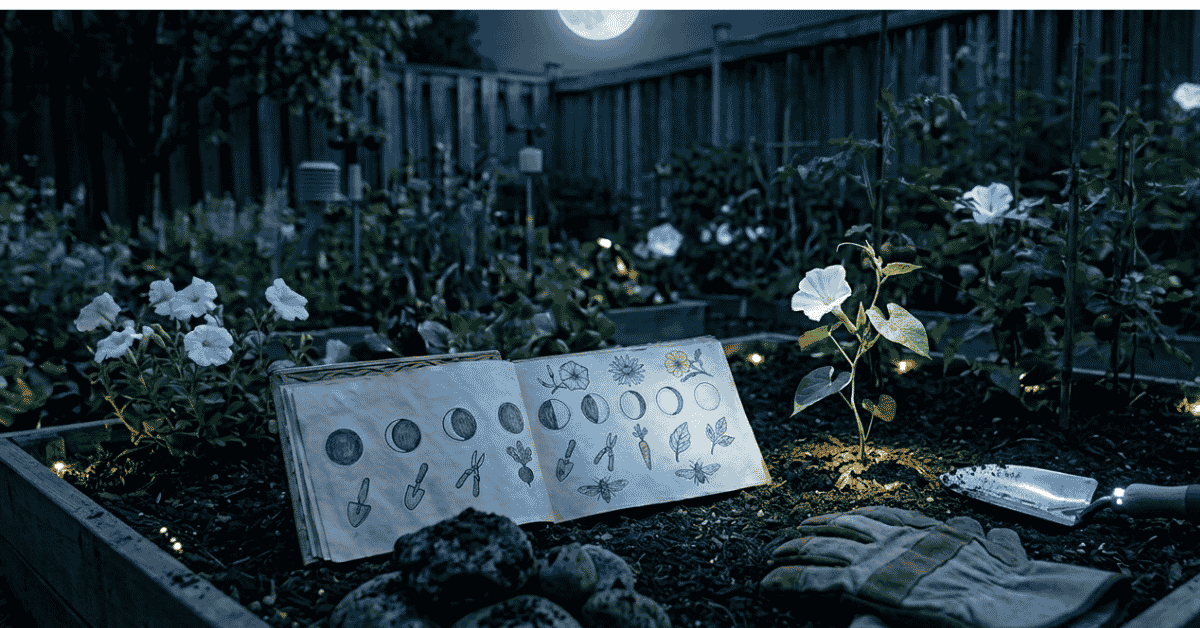
Moonlit Gardening’s Magic: 7 Secrets Revealed
There’s something truly special about tending your garden when the sun dips below the horizon. Discover the unique joys and practical tips for “gardening by moonlight” that will transform your green space.
Why Try Gardening by Moonlight?
So, you’re curious about “gardening by moonlight.” I get it. It sounds a little whimsical, maybe even a bit strange at first. But honestly, my first time trying it, I was hooked.
It was a warm summer evening, the crickets were chirping, and the moon was a big, silver disc in the sky. I’d been meaning to weed my herb garden, a task I usually dread. But under the moonlight, it felt different.
Calmer. Almost… magical.
I realized then that gardening doesn’t have to stop when the sun goes down. There are so many benefits to gardening by moonlight that you might not even consider. It’s not just about getting a chore done; it’s about a whole new experience with your plants and your outdoor space.
It offers a unique peace you can’t find during the busy daytime. Plus, some plants actually respond well to this nighttime tending. It’s a whole different world out there once darkness falls.
The Calm in the Evening Air
During the day, gardening can feel like a race. We’re often rushing, trying to fit it in between other tasks. The heat can be intense, and there are bugs everywhere.
But when you step out into the garden at night, especially under the moon, it’s a different scene. The air is cooler, softer. The world slows down.
It’s quiet. The only sounds are the gentle rustling of leaves and the hum of nature. This peace is incredibly soothing.
It helps me really connect with what I’m doing. I find myself being more observant. I notice the dew on a leaf, the scent of night-blooming jasmine, or the subtle movement of a nocturnal creature.
It’s a meditative practice in disguise.
Nocturnal Plant Preferences
Did you know some plants actually prefer being worked with in the evening? Certain herbs, like basil and mint, seem to thrive when I prune or harvest them just after dusk. I often see their leaves perk up overnight.
I’ve also noticed that plants known for their fragrance, like gardenias or moonflowers, release their sweetest scents when the air is cool. Working with them at night lets me fully appreciate this. It feels more intimate, more rewarding.
It’s like you’re sharing a secret with the plant. They are unfurling their best selves just for you in the quiet dark.
Avoiding the Sun’s Intensity
Let’s be honest, midday sun can be brutal. For sensitive plants, the harsh rays can cause wilting or even sun scorch. For us gardeners, it means sweat, sunburn, and a generally uncomfortable experience.
Gardening by moonlight completely bypasses this. The cooler temperatures mean you can work for longer without feeling drained. Delicate seedlings or plants prone to wilting will thank you.
You’re essentially giving them a break from the heat. This is especially true during sweltering summer months. It lets you continue your garden care without stressing your plants or yourself.
A Surprise Advantage: Fewer Pests
This one surprised me. While some pests are nocturnal, many of the daytime nuisplements, like certain beetles or wasps, are tucked away sleeping when the moon is out. This means fewer distractions for you and less risk of getting nipped or stung.
I find that when I’m weeding or lightly tilling the soil at night, I encounter far fewer annoying insects. It makes the whole experience much more pleasant and productive. This reduction in pests is a significant perk that encourages me to spend more time in my garden after dark.
Getting Started with Moonlit Gardening
Stepping out into a dark garden might seem daunting at first. But with a few simple preparations, you can make your moonlit gardening sessions safe and enjoyable. It’s all about setting the right mood and having the necessary tools.
Essential Tools for Nighttime Care
You don’t need a whole new set of gear, but a few things can make a big difference. First, good lighting. A headlamp is invaluable.
It keeps your hands free for gardening tasks and directs the light exactly where you need it. I prefer one with a red light setting, as it’s less disruptive to the nocturnal environment and your night vision. Second, comfortable layers.
Even on a warm day, evenings can get cool. Bring a light jacket or cardigan. Lastly, insect repellent.
Even though there are fewer pests, some still like to come out. Natural repellents are best so you don’t introduce harsh chemicals into your garden.
Setting the Ambiance
The mood is key to enjoying gardening by moonlight. Soft, gentle lighting is your friend. Besides your headlamp, consider a few solar-powered garden lights.
These add a magical glow without needing to be plugged in. You can place them along paths or around your favorite plants. Maybe even some gentle wind chimes.
The sounds of the night, combined with soft light, create a truly tranquil atmosphere. It transforms a simple task into a peaceful ritual. It’s about embracing the quiet beauty of the evening.
What to Plant (or Tend) by Moonlight
While you can perform most basic gardening tasks under the moon, some plants seem to especially enjoy this serene attention.
- Fragrant Flowers: Night-blooming jasmine, moonflowers, nicotiana, and evening primrose are obvious choices. Their blooms are often at their most potent and beautiful at night. Tending to them when they’re showing off is a real treat.
- Herbs: Basil, mint, and lemon balm are great. Harvesting them in the cool evening air seems to preserve their freshness and aroma. I always find the scent is much stronger.
- Leafy Greens: Lettuces and spinach can be harvested. The cooler air helps them stay crisp.
- Delicate Seedlings: Young plants can be transplanted or thinned with less stress in the cooler evening temperatures. You’re less likely to shock them.
I’ve found that plants that are sensitive to intense heat or direct sunlight often do better with this kind of nighttime care. It’s as if they breathe a sigh of relief when the sun’s glare is gone.
Specific Gardening Tasks Under the Moon
There are many common gardening chores that are actually quite pleasant to do by moonlight. It’s not about doing anything wildly different, but about the experience.
Harvesting Fruits and Vegetables
Picking your bounty under the moon is incredibly rewarding. The cooler air means your harvested produce will stay fresh longer. I love picking ripe tomatoes, peppers, or zucchini in the gentle moonlight.
The shapes and colors look so different, almost sculpted by the shadows. It feels like I’m gathering treasures. For root vegetables, like carrots or potatoes, gently loosening the soil with a hand fork is less strenuous in the evening.
You can see the tops of the vegetables peeking out under the moonlight. It is very satisfying.
Gentle Weeding and Cultivating
Weeding at night can be surprisingly effective. Your eyes adjust to the low light, and the soil is often softer after a day’s heat. This makes it easier to pull weeds, roots and all.
I’ve found I’m more patient when I weed by moonlight. The quiet allows me to focus. I can really get into the nooks and crannies.
I also like to do light cultivating. Gently turning the top layer of soil around plants that might need a little air can be done without disturbing them too much in the dark. It’s a peaceful way to keep things tidy.
Watering Your Plants
Watering is perhaps the most beneficial task to do by moonlight. Many plants absorb water better in cooler temperatures. Watering in the evening reduces water loss from evaporation.
This means more water reaches the roots where it’s needed most. I often use a watering can or a gentle hose nozzle. I pay attention to the base of the plants.
It’s a quiet time to really observe each plant’s needs. You can see if any seem particularly thirsty. The water glints in the moonlight, making it look quite beautiful.
I’ve noticed my plants look much healthier using this evening watering routine.
Considerations for Your Moonlit Garden
While the allure of gardening by moonlight is strong, there are a few things to keep in mind to ensure it’s a safe and effective practice.
Safety First in the Dark
Safety is paramount. Always make sure your pathways are clear of obstacles. Use a reliable light source, like a headlamp, to illuminate your work area.
If you have uneven terrain or steps, be extra cautious. I always let someone know I’ll be out in the garden, especially if it’s late. It’s also wise to be aware of your surroundings.
While peaceful, it’s still the outdoors. Wear sturdy shoes. Consider wearing gloves to protect your hands.
These simple precautions ensure your moonlit gardening remains a pleasant experience.
Respecting Nocturnal Wildlife
As much as you might enjoy the quiet, remember you’re not alone in the garden at night. Many creatures are active after dark. Owls might be hunting, or toads might be hopping about.
Try to be as unobtrusive as possible. Avoid bright, harsh lights that can startle or disorient wildlife. Keep your voice down.
If you encounter an animal, give it space. It’s about sharing the space, not disturbing its natural habitat. This respect enhances the overall tranquility.
It makes your garden a welcoming place for all.
Plant Sensitivity and Light Exposure
While some plants benefit from cooler evening temperatures, others might not. Very young or tender seedlings could potentially be shocked by the sudden transition from daylight to darkness if they are, for example, being repotted. Also, be mindful of plants that require significant direct sunlight for a set number of hours.
While moonlight isn’t intense, prolonged exposure during what should be their rest period might not be ideal for all species. Generally, for most established plants and common herbs, these concerns are minimal, but it’s good to be aware. When in doubt, observe your plants.
They’ll tell you what they need.
Frequently Asked Questions About Gardening by Moonlight
Is gardening by moonlight safe?
Yes, with proper lighting via a headlamp and clear paths, it’s a safe and peaceful activity.
What plants are best for moonlit gardening?
Fragrant flowers, herbs, and leafy greens often benefit from gentle evening care.
Do pests decrease when gardening by moonlight?
Many daytime pests are inactive at night, making it a more pleasant experience.
Can I still use my regular gardening tools at night?
Absolutely, the same tools work well, just ensure you have adequate light to see them.
Does watering by moonlight help plants grow better?
Yes, cooler temperatures reduce evaporation, allowing plants to absorb more water efficiently.