To grow gardenias inside, give your plant bright indirect light, acidic soil, steady moisture, high humidity, and warm days with cooler nights. Keep it away from heating vents and cold drafts. Good light and steady care help it grow healthy leaves and form fragrant white flowers.
Gardenias can grow indoors in homes across the United States, from sunny apartments in Florida to cooler houses in the Northeast. The main challenge is meeting their need for bright light and moist air while keeping their roots healthy. A sunny window, the right potting mix, and a steady care routine give the plant a better chance to thrive.
Gardenia jasminoides is the common gardenia grown for its glossy green leaves and sweet-smelling white flowers. It is an evergreen shrub in warm climates, but indoors it needs more attention than many easy-care houseplants. Dry air, poor drainage, low light, and sudden changes in temperature can lead to yellow leaves or buds that fall before opening.
The best approach is to get the growing conditions right before trying extra plant food or special treatments. Check the soil before watering, watch how much light reaches the leaves, and look for changes in new growth. These simple checks help you spot problems early without adding care steps the plant does not need.
Start with a healthy plant that suits the space you have. Gardenias sold as compact or dwarf forms can be easier to manage indoors than large shrubs, although size and flowering habits vary by cultivar. A small plant is not automatically suited to indoor life, so check its growing instructions before buying.
Look for firm green leaves, healthy new growth, and stems without dark, soft patches. Avoid plants with many yellow leaves, sticky residue, fine webbing, or masses of small insects. A few unopened flower buds are fine, but a plant covered in buds may be more sensitive to changes after you bring it home.
Gardenias are often sold in bloom around holidays and special occasions. These plants can make lovely indoor displays, but a plant that flowers in a greenhouse may need time to adjust to your home’s lower light and drier air. Some flowers or buds may fall during this change, even when the plant is not seriously damaged.
Source: www.pinterest.com
Compact gardenia forms
These may fit better on a plant stand or near a window. Check the mature size and the light needs of the named cultivar.
Healthy foliage
Choose a plant with firm leaves and no obvious pest activity. Slightly moist soil is fine, but avoid a pot sitting in stagnant water.
A good adjustment period
Keep the plant in a stable spot after bringing it home. Avoid immediate repotting unless the current pot has serious drainage or root problems.
Can Any Gardenia Grow Indoors?
Many gardenias can survive indoors for a time, but steady growth and repeat flowering depend on the conditions in your home. A bright room with good humidity is much more suitable than a dim room far from a window. Compact types may be easier to place, but they still need enough light and careful watering.
Check the plant label
Use the cultivar name to look up mature size, flowering habits, and growing needs. Do not assume every gardenia has the same size or cold tolerance.
Give Indoor Gardenias the Right Light
Bright light is one of the biggest factors in growing a healthy gardenia indoors. Place the plant near a bright east-facing window or near a bright south- or west-facing window where a sheer curtain can soften strong afternoon sun. The right spot depends on the season, window glass, nearby buildings, and how hot the leaves become.
Gardenias need enough light to support fresh growth and flower buds. A plant in a dim corner may stay green for a while but grow weak stems, produce fewer buds, or fail to flower. If the plant leans toward the glass, has long gaps between leaves, or makes little new growth, it may need a brighter location.
Do not move a plant from deep shade into strong direct sun all at once. Leaves that have adapted to low light can scorch when exposed to intense sun. Increase direct exposure gradually and check the leaves for pale or brown patches.
Source: artofit.org
East-facing window
Often offers gentle morning sun and bright light for much of the day.
South-facing window
Can provide strong light, but intense sun through glass may heat the leaves. Use a sheer curtain when needed.
West-facing window
Can work well, although afternoon heat and strong sun may require some shade.
North-facing window
May be too dim in many homes, especially during winter. Check the actual light level before choosing this spot.
Should You Use a Grow Light?
A grow light can help when your windows do not provide enough bright light, especially during short winter days. Choose a light made for plants and follow its instructions for distance and daily use. Keep the lamp far enough away to prevent excess heat or leaf damage.
A timer can provide a steady light schedule. Start with the manufacturer’s recommended duration and adjust based on the plant’s response. A grow light can support growth, but it will not correct waterlogged soil, poor roots, or very dry air.
Watch new growth
Firm leaves and compact new growth suggest the plant is getting useful light.
Avoid excessive heat
If leaves feel hot or develop dry pale patches near the lamp, increase the distance or reduce the intensity.
Use Acidic, Well-Draining Soil
Gardenias grow best in acidic soil, generally around pH 5.0 to 6.0. Soil pH affects how easily roots can take up nutrients, including iron. If the mix is too alkaline, the leaves may turn yellow even when the plant has been watered and fed.
For an indoor pot, choose a commercial potting mix labeled for acid-loving plants, such as a suitable mix for azaleas and camellias. The mix should hold enough moisture for the fine roots while allowing excess water to drain. Heavy garden soil is usually a poor choice because it can compact in a container and limit air around the roots.
Use a pot with drainage holes. A decorative cover pot is fine if you remove the inner pot for watering or empty any water that collects at the bottom. A layer of gravel in the bottom does not replace drainage holes and will not solve a waterlogged mix.
Source: www.youtube.com > Tropical Plant Party
Target soil pH
Aim for a mildly acidic mix, usually around pH 5.0 to 6.0, suitable for gardenias.
Good drainage
Water should pass through the mix rather than sit around the roots for long periods.
Suitable container
Choose a pot with open drainage holes and enough room for the root ball without leaving a large volume of wet soil around it.
When Should You Repot a Gardenia?
Repot when roots crowd the container, water runs through without wetting the mix well, or the potting medium has broken down. Choose a container only modestly larger than the root ball. A very large pot can stay wet for too long and raise the risk of root problems.
Handle the roots gently and keep the plant at the same soil depth. Do not bury the stem base. Water the new mix well, allow the excess to drain, and keep the plant in bright indirect light while it adjusts.
Avoid needless repotting
A healthy plant can remain in its current pot if the roots have room and the mix drains well.
Check the roots first
Healthy roots are generally firm. Dark, mushy roots with a foul smell can signal root damage and need careful attention.
Water Gardenias Without Soaking the Roots
Gardenias prefer evenly moist soil, but their roots also need air. Water when the upper part of the potting mix begins to dry, then water thoroughly until excess moisture flows from the drainage holes. Empty the saucer or cover pot afterward so the roots do not sit in standing water.
There is no single watering schedule that works for every indoor gardenia. A small pot near a sunny window may dry much faster than a large pot in a cool room. Season, indoor heat, humidity, pot material, and root size all affect how often the plant needs water.
Check the soil with a finger rather than watering by the calendar alone. If the surface is dry but the mix below is still damp, wait and check again. If the pot feels light and the root zone is dry, water thoroughly instead of giving the plant a small splash each day.
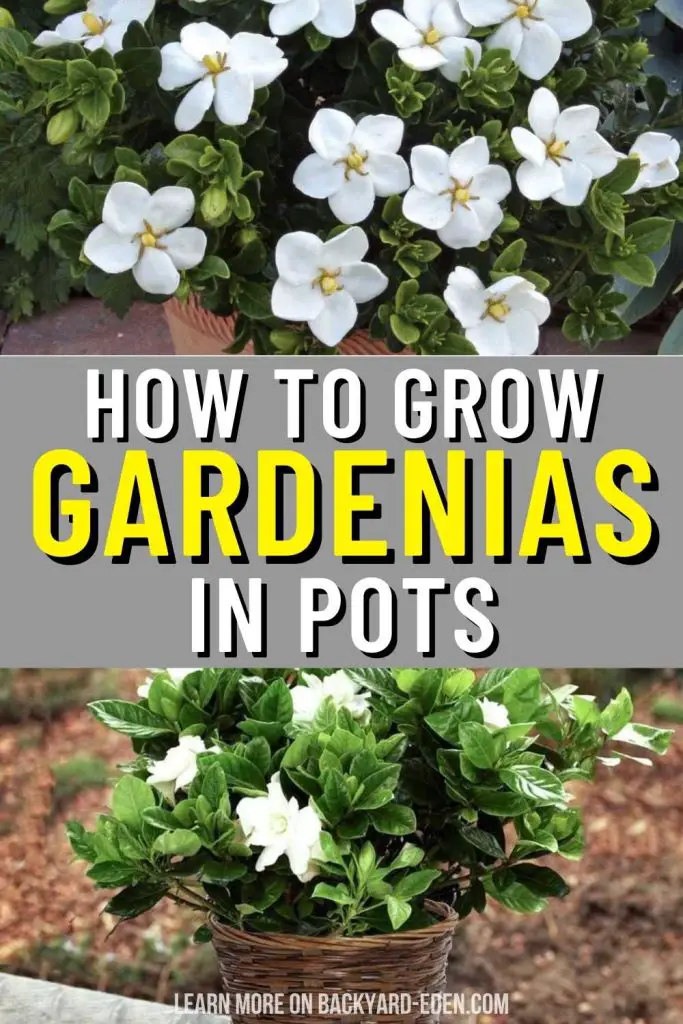
Source: backyard-eden.com
Check the top layer
Feel the upper inch or so of potting mix. Water when it begins to dry, adjusting for pot size and conditions.
Water the root zone
Apply water evenly across the surface until it drains from the bottom.
Let the pot drain
Remove collected water from the saucer or outer pot after watering.
Use room-temperature water
Water that is not very cold or hot helps avoid an unnecessary temperature shock to the roots.
Does Tap Water Harm Gardenias?
It depends on your local water supply. Some tap water contains enough minerals or alkalinity to gradually raise the pH of the potting mix. Gardenias can be sensitive to these changes, especially when they already grow in a small amount of soil.
If you see recurring yellow leaves with green veins, check the growing conditions and consider testing the water and soil pH. Rainwater or another suitable low-mineral water source may help where tap water is strongly alkaline. Do not assume that all tap water is harmful or that switching water alone will solve every yellowing problem.
Look for a pattern
Repeated leaf yellowing despite suitable light and watering may justify checking water alkalinity and soil pH.
Avoid untested acid treatments
Do not add vinegar or other acids to watering water without reliable guidance and measurements. Too much acid can harm roots.
Keep Indoor Humidity High Enough
Gardenias often struggle when indoor air is very dry. Heated rooms in winter can have low humidity, while air conditioning can dry the air in summer. Dry air may contribute to brown leaf edges, bud drop, and pest problems, although these symptoms can also have other causes.
A room humidifier is one practical way to raise humidity near the plant. Follow the device instructions, clean it as directed, and avoid making the room or leaves constantly wet. Good air movement still matters because stagnant, damp conditions can encourage fungal problems.
Grouping plants can raise the local humidity slightly, but it is not always enough in a dry room. A pebble tray may offer a small local effect, yet it should not be treated as a replacement for a humidifier when the air is very dry. Keep the pot above the water level rather than letting its base sit in water.
Source: br.pinterest.com
Use a humidity meter
A small hygrometer helps you see whether the air is dry and whether your changes make a difference.
Try a room humidifier
Raise humidity near the plant while keeping the surrounding area clean and well ventilated.
Avoid constant leaf wetness
Do not rely on frequent misting as the main humidity method. Water droplets evaporate quickly, and persistently wet foliage may encourage disease.
What Humidity Level Is Best?
Gardenias generally benefit from moderate to high humidity, often around 50 to 60 percent or somewhat higher when air movement is good. This is a practical growing target, not a guarantee of flowering. Keep an eye on both the plant and the room, since very high humidity with poor airflow can create other problems.
Balance humidity and airflow
Aim for moist air without condensation on windows, persistently wet leaves, or a damp room.
Maintain the Right Indoor Temperature
Gardenias do best with steady warmth during active growth and somewhat cooler nights. A common indoor target is about 65 to 75 degrees Fahrenheit during the day, with nights around 60 to 65 degrees Fahrenheit when practical. Cultivars vary, so use the plant label as a guide where available.
Avoid placing the pot beside a radiator, heating vent, fireplace, or air conditioner. These locations can expose the plant to sudden temperature changes or dry blasts of air. Cold glass in winter can also chill leaves that touch the window, while strong sun can heat a plant against the glass.
If you move the plant outdoors during warm weather, wait until local conditions are suitable and acclimate it slowly. Bring it back inside before cold weather threatens it. A gardenia that has been grown indoors may also need gradual adjustment to stronger outdoor light.
Source: artofit.org
Keep temperatures steady
Avoid sharp daily swings and sudden exposure to hot or cold air.
Allow cooler nights
Moderately cooler nights can support bud formation, but avoid chilling the plant.
Protect the plant from cold
Keep it away from freezing temperatures and cold drafts, particularly when moving it between indoors and outdoors.
Why Do Gardenia Buds Fall Before Opening?
Bud drop can follow a sudden change in temperature, dry soil, waterlogged roots, low humidity, or inadequate light. A plant may also shed buds while adjusting to a new location. Look for a recent change instead of assuming that one cause explains every case.
Keep the plant in a stable spot, check the root-zone moisture, and review the light and humidity. Avoid repotting, heavy pruning, and strong fertilizer treatments while the plant is stressed unless a clear root or soil problem requires action.
Check recent changes first
Review any move, heat wave, cold draft, missed watering, or change in indoor heating.
Stabilize care
Keep light, moisture, and temperature as consistent as possible while the remaining buds develop.
Feed Gardenias During Active Growth
Feed an indoor gardenia when it is actively growing, using a fertilizer labeled for gardenias or other acid-loving plants. Follow the product label for the correct rate and timing. The right amount depends on the fertilizer formula, plant size, potting mix, and season.
More fertilizer does not mean more flowers. Excess nutrients can damage roots, cause salt buildup, or lead to weak growth. If the plant is not growing because of low light, cold conditions, or root damage, fertilizer will not fix the underlying issue.
Reduce or pause feeding when growth slows in winter, especially in a cool room with limited light. Do not apply fertilizer to a badly wilted or severely stressed plant until you have checked its water and root conditions. Water the soil before feeding if the label calls for it or the mix is very dry.
Source: plantnative.org
Choose a suitable formula
Use a fertilizer intended for acid-loving plants and follow its label rather than guessing the dose.
Watch leaf color and growth
Pale leaves, poor growth, and weak stems can have several causes. Check light, moisture, roots, and soil pH before adding extra nutrients.
Prevent salt buildup
Avoid repeated heavy feeding. If the mix drains well and the plant is healthy, occasional thorough watering can help wash out excess soluble salts.
Should You Add Iron for Yellow Leaves?
Iron deficiency can cause young leaves to turn yellow while their veins remain green. This pattern is called interveinal chlorosis. It may occur when soil pH is too high and iron becomes less available to the roots, but similar symptoms can arise from root damage or other nutrient problems.
Check soil pH and drainage before adding an iron product. Use a suitable treatment only when the symptoms and growing conditions support that choice, and follow its label. Adding iron without correcting the cause may give little lasting benefit.
Check new leaves
Yellow tissue between green veins on young leaves can point toward an iron-availability problem.
Correct the cause
If the mix is too alkaline, address the pH and water conditions rather than relying on repeated supplements.
Prune and Maintain Your Indoor Gardenia
Gardenias usually need only light pruning indoors. Remove dead, damaged, or diseased growth with clean, sharp pruning shears. If the plant grows too large for its space, trim a few stems at a time instead of cutting it back heavily all at once.
Prune at a suitable point in the plant’s growth cycle and avoid removing large amounts of growth when flower buds are developing. Many gardenias form flower buds on growth produced during the preceding growing season, so the exact timing of pruning can affect the next display. Check the cultivar’s flowering habits if you need to make a major cut.
Remove spent flowers when they fade and pick up fallen leaves from the soil surface. These simple tasks keep the plant tidy and make it easier to notice pests, mold, or changes in leaf color. Do not remove healthy green leaves just because an older leaf has naturally yellowed.
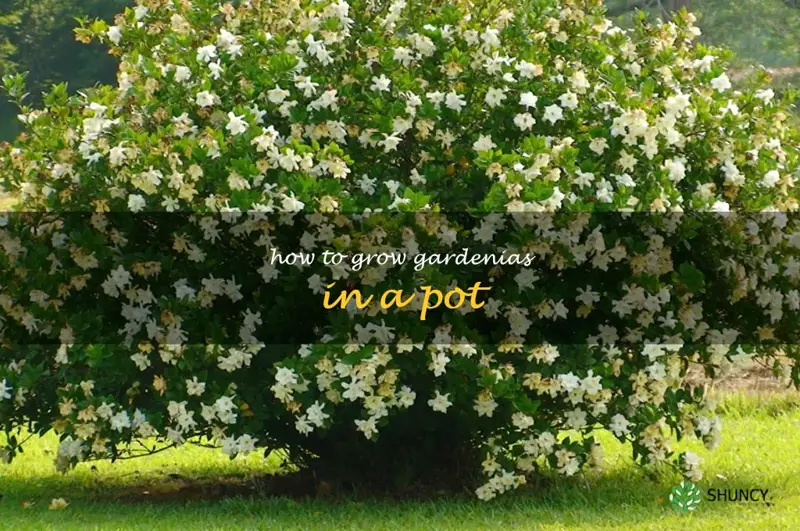
Source: shuncy.com
Use clean tools
Clean pruning blades before use and between plants when disease is suspected.
Trim with care
Remove dead tips and crowded stems without taking away more healthy growth than needed.
Keep the plant clean
Remove fallen petals and leaves, and check the undersides of leaves for pests.
How to Encourage More Flowers
Good flowering starts with enough light, healthy roots, suitable temperatures, and steady moisture. A gardenia that receives too little light may grow leaves without forming many buds. A plant that is repeatedly overwatered or allowed to dry out can also struggle to bloom.
Once flower buds appear, keep the plant in a stable location. Avoid frequent turning, sudden moves, heavy pruning, or changes in watering. A healthy plant may bloom at different times depending on its cultivar and growing conditions, so do not treat a fixed bloom date as a rule for every indoor gardenia.
Give enough light
Use a bright window or suitable grow light to support flower development.
Keep roots healthy
Use acidic, well-draining soil and water based on moisture checks.
Avoid sudden changes
Keep the plant away from drafts and avoid unnecessary moves when buds are present.
Identify and Fix Common Indoor Gardenia Problems
When an indoor gardenia looks unhealthy, check the growing conditions before treating it with fertilizer or pest products. Several problems cause similar symptoms, and treating the wrong cause can make matters worse. Start with soil moisture, drainage, light, temperature, and the newest leaves.
Inspect both sides of the leaves and look closely at stems and buds. Sticky residue may indicate sap-feeding pests, while fine webbing can point to spider mites. Yellow leaves alone do not identify a single problem, so use the whole pattern of symptoms to guide your next step.
Source: artofit.org
Yellow leaves with green veins
Possible causes include high soil pH and reduced iron availability. Check soil conditions, water quality, and root health.
Yellow leaves with wet soil
Overwatering, poor drainage, or damaged roots may be involved. Let the mix dry to a suitable level and check for root problems if the decline continues.
Brown leaf edges
Dry air, inconsistent moisture, excess fertilizer salts, or water quality may contribute. Review the full care routine before making changes.
Buds falling off
Check for temperature swings, dry soil, waterlogged roots, low humidity, and recent changes in location.
Few flowers
Low light, excessive pruning, or unsuitable growing conditions can limit bloom formation.
How to Check for Gardenia Pests
Spider mites may cause fine stippling, pale leaves, and delicate webbing. Aphids may gather on soft new growth, while scale insects can appear as small fixed bumps on stems or leaves. Whiteflies may flutter from the plant when disturbed.
If you find pests, isolate the gardenia from other houseplants. Identify the pest before choosing a treatment. For a small infestation, wiping affected leaves or rinsing them carefully may help, provided the plant can dry in a well-ventilated place.
If a pesticide is needed, use a product labeled for the specific pest and indoor ornamental plants. Follow all directions, including precautions for people and pets. Test a small area first if the label recommends it, since gardenia leaves can be sensitive to some sprays.
Inspect weekly
Look at leaf undersides, stem joints, tender shoots, and unopened buds.
Isolate affected plants
Keep the plant apart from other houseplants until the infestation is under control.
Repeat checks
Follow the product label for repeat treatments and inspect for new pests rather than assuming one treatment solved the problem.
When Root Damage Needs Attention
A gardenia that wilts while the soil remains wet may have damaged roots. Check that the drainage holes are open and that water is not trapped inside a decorative pot. If the plant continues to decline, slide it gently from the pot and inspect the root ball.
Healthy roots are generally firm, while severely damaged roots may be dark, soft, and unpleasant-smelling. Trim only clearly dead or mushy roots with clean tools, then repot in fresh, suitable mix if needed. Major root loss can take time to recover, and recovery is not guaranteed.
Do not add more water automatically
Wilting does not always mean thirst. Check the soil and roots before watering a plant that is already wet.
Use fresh potting mix when needed
Replace broken-down or persistently waterlogged mix and choose a pot with working drainage holes.
Follow a Simple Indoor Gardenia Care Routine
A short weekly check is often more useful than changing the plant’s care every few days. Look at the leaves, feel the soil, empty any standing water, and inspect the plant for pests. Make changes only when you find a reason to do so.
Seasonal care should reflect the plant’s actual growth. Bright summer conditions may cause the pot to dry faster, while winter light and growth may drop. Indoor heating can also dry the air even when the room feels comfortable to people.
Source: alderandoakplants.com
Each time you water
Check soil moisture, water thoroughly when needed, and empty excess water from the saucer.
Once a week
Inspect leaves, buds, stems, and the soil surface for pests, yellowing, or signs of poor drainage.
During active growth
Feed according to the fertilizer label, monitor new growth, and prune only when necessary.
During winter
Watch for low light, dry indoor air, and cold window drafts. Reduce feeding if growth slows.
When growth changes
Recheck light, temperature, moisture, and root health before adding treatments or moving the plant.
Indoor Gardenia Care at a Glance
Use this table as a starting point rather than a rigid schedule. The plant’s response and the conditions in your home should guide small adjustments.
Light
Bright indirect light, with some gentle direct sun when the plant is acclimated.
Temperature
About 65 to 75 degrees Fahrenheit by day and around 60 to 65 degrees at night when practical.
Humidity
Moderate to high humidity, often around 50 to 60 percent or more with good airflow.
Soil
Acidic, well-draining potting mix, generally around pH 5.0 to 6.0.
Water
Water when the upper layer begins to dry, then allow excess water to drain away.
Fertilizer
A fertilizer labeled for acid-loving plants during active growth, used as directed.
Frequently Asked Questions
Q
Can gardenias grow indoors all year?
Yes, gardenias can grow indoors all year if they receive enough light, suitable acidic soil, steady moisture, good drainage, and adequate humidity. Flowering may be limited in a dim home, and the plant may need closer attention during winter when daylight is lower and indoor heating dries the air.
Q
How often should I water an indoor gardenia?
Water when the top layer of potting mix begins to dry, then soak the root zone and let excess water drain. The interval depends on pot size, light, temperature, humidity, and root growth. Do not water on a fixed schedule without checking the soil first.
Q
Why is my indoor gardenia turning yellow?
Yellow leaves can result from overwatering, poor drainage, high soil pH, nutrient problems, low light, or normal aging of older leaves. Yellow young leaves with green veins can suggest that iron is not available to the roots. Check moisture, drainage, and light first, then test soil pH if the problem continues.
Q
How do I get my indoor gardenia to bloom?
Give the plant bright light, healthy roots, acidic soil, steady moisture, moderate to high humidity, and suitable temperatures. Avoid heavy pruning when buds are developing. If the plant grows well but does not bloom, check whether the light is strong enough before increasing fertilizer.
Q
Can I put my gardenia outside in summer?
You can move an indoor gardenia outside when the weather is warm enough and conditions suit the plant. Acclimate it gradually to outdoor light, protect it from harsh afternoon sun at first, and keep the pot draining well. Bring it indoors before cold conditions threaten it, and inspect it for pests before placing it near other houseplants.
Q
Do gardenias need a special pot?
Gardenias do not need a special brand or type of pot, but they do need working drainage holes. Choose a container that fits the root ball without leaving a large amount of unused, wet soil. Plastic, glazed ceramic, and terracotta pots can all work, although they dry at different rates.
Q
Can I mist my gardenia every day?
Daily misting is not a reliable way to maintain high humidity because the moisture on leaves evaporates quickly. A clean room humidifier is usually more effective. Keep good air movement around the plant and avoid leaving its leaves wet for long periods.
✦ Wrapping Up
Conclusion
Growing gardenias inside takes care, but the main needs are clear. Give your plant bright light, acidic soil, steady moisture, good drainage, and humid air. Keep temperatures stable, feed only when the plant is growing, and avoid sudden changes when buds appear.
If your gardenia develops yellow leaves or drops its buds, do not change everything at once. Check the soil, roots, light, humidity, and recent temperature changes. Finding the likely cause first gives you a better chance of helping the plant recover and grow well in your home.
💡 Key Takeaway
Start by placing your gardenia near a bright window, checking the pot’s drainage holes, and feeling the soil before watering. Keep these conditions steady for several weeks, then assess new growth and flower buds before making further changes.