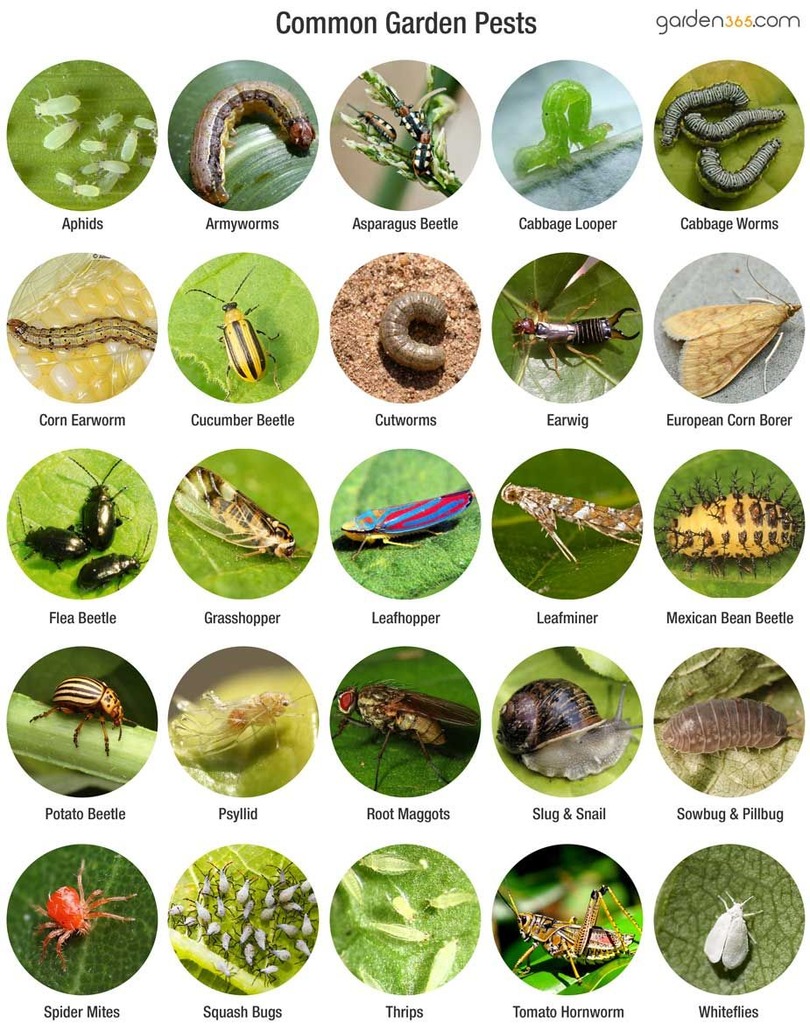
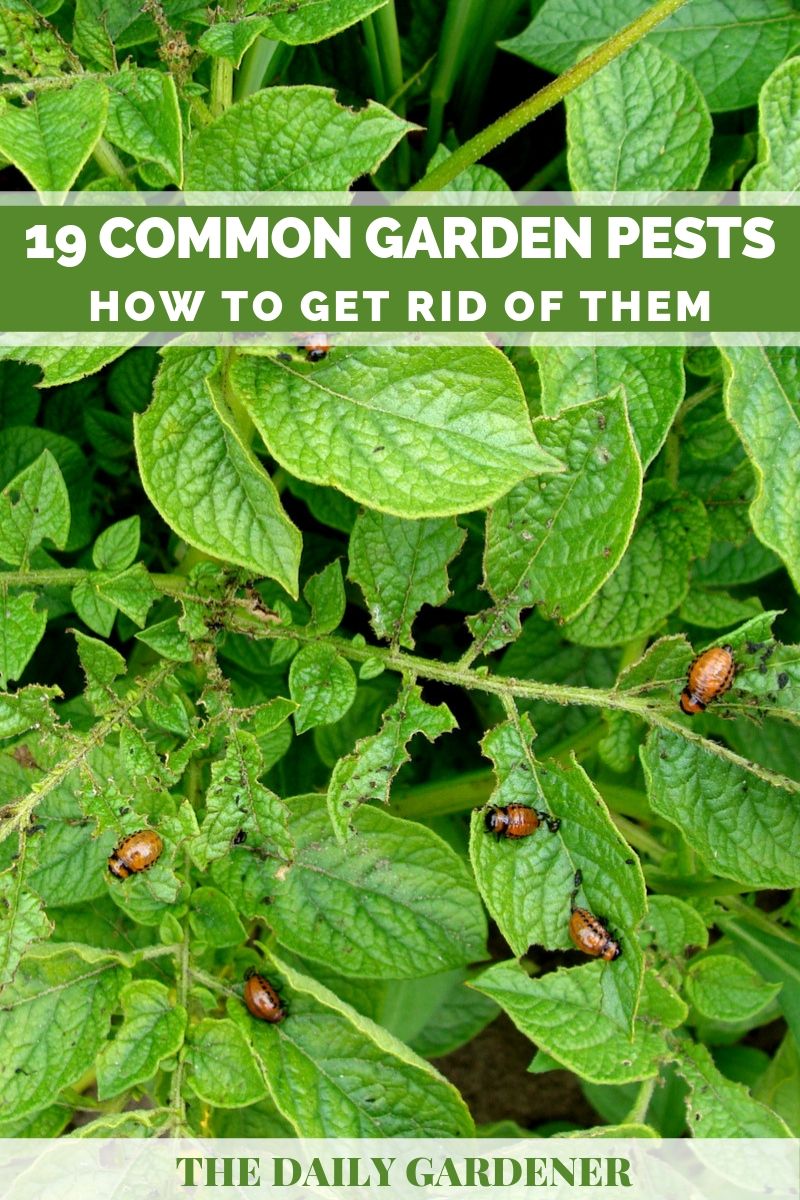
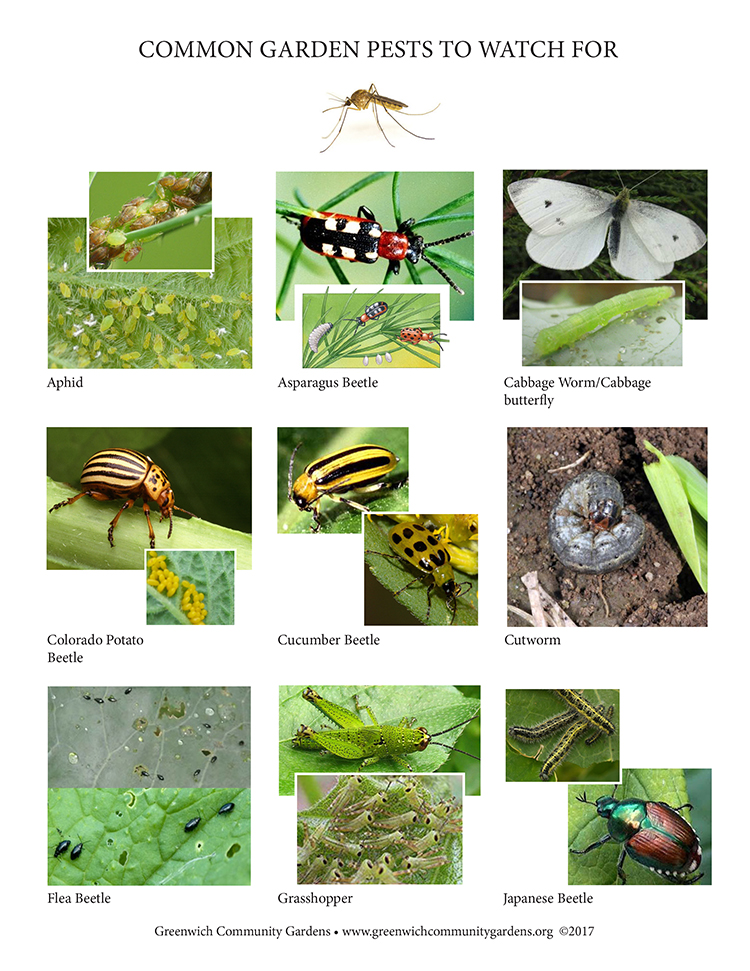
Common pests in the garden include aphids, caterpillars, Japanese beetles, slugs, snails, spider mites, whiteflies, squash bugs, and cutworms. Check leaves, stems, flowers, and soil to find the cause of damage. Start with hand removal, water sprays, barriers, and better garden care before using a pesticide.
Across the United States, garden pests can damage tomatoes, peppers, squash, roses, beans, and many other plants. The pests you find in a Maine flower bed may differ from those in a Florida vegetable patch. Weather, plant type, and the season all affect which insects and other pests become a problem.
A few holes in a leaf do not always mean your garden is in trouble. Some insects eat plants without causing lasting harm, while others can spread plant diseases or destroy young growth. The best first step is to identify the pest and check how much damage it has caused.
This guide covers common garden pests, the signs they leave behind, and practical ways to control them. It also explains when to act, which helpful insects to protect, and how to avoid treatments that can harm bees, pets, or other wildlife.
Source: www.pinterest.com
What Are the Most Common Pests in the Garden?
The most common garden pests are insects and other small animals that feed on plants or damage their roots. Some chew holes in leaves, while others suck plant sap, bore into stems, or eat young seedlings. Slugs and snails can also cause serious damage, even though they are not insects.
Your garden may have more than one pest at a time. For example, aphids may gather on new tomato growth while caterpillars chew older leaves. Look at the full pattern of damage before choosing a control method.
Source: storage.googleapis.com
Aphids
Tiny, soft-bodied insects that gather on new growth and the undersides of leaves. They may leave sticky honeydew and cause curled leaves.
Caterpillars
Larval insects that chew leaves, flowers, and fruit. Look for ragged holes, missing leaf edges, and dark droppings.
Japanese beetles
Metallic green and copper beetles that feed on many ornamental plants, fruit crops, and vegetables. Their feeding often leaves a lace-like pattern.
Slugs and snails
Moisture-loving animals that chew soft leaves and seedlings. They often leave irregular holes and shiny slime trails.
Spider mites
Tiny relatives of spiders that feed on plant cells. Fine webbing and pale speckles on leaves can signal an infestation.
Whiteflies
Small, white, winged insects that fly up when a plant is disturbed. They gather under leaves and feed on plant sap.
Squash bugs
Sap-feeding insects that attack squash, pumpkins, and related crops. Their eggs often appear in clusters on leaf undersides.
Cutworms
Caterpillars that may hide in the soil by day and cut young stems near ground level at night.
Which Garden Pests Cause the Most Damage?
The amount of damage depends on the pest, the plant, and the stage of growth. Cutworms can kill a seedling by cutting through its stem. A large group of caterpillars can strip leaves from a young plant, while a few aphids may cause little harm.
Pests that spread plant diseases can also be a concern. Some aphids and whiteflies transmit plant viruses as they feed. In these cases, early detection and removal of badly affected plants may matter more than the number of insects you see.
Watch young plants closely
Seedlings and new transplants have less leaf area and fewer stored resources than mature plants.
Check fruit and flower crops
Damage to blossoms, developing fruit, or growing tips may reduce a harvest even when much of the foliage looks healthy.
How to Identify Garden Pests by the Damage They Cause
You can often narrow down a garden pest by looking at the damage first. A chewing insect leaves a different mark from an insect that sucks sap. Root pests may cause wilting even when the leaves have no visible holes.
Check the whole plant before taking action. Look at the upper and lower leaf surfaces, new growth, flower buds, stems, and the soil around the roots. A flashlight can help you spot pests that feed after dark.
Source: www.pinterest.com
Ragged holes in leaves
Check for caterpillars, beetles, slugs, and snails. Fresh droppings, slime trails, or visible chewing insects can help narrow the cause.
Small holes or pale speckles
Spider mites and sap-feeding insects may leave tiny marks. Inspect the undersides of leaves with a hand lens if needed.
Curled or twisted new leaves
Aphids and other sap-feeding pests may cause distorted growth. Heat, herbicide injury, and watering problems can create similar symptoms.
Sticky leaves or black surface growth
Honeydew from aphids, whiteflies, or scale insects can make leaves sticky. Sooty mold may grow on the honeydew, but it does not identify the pest on its own.
Seedlings cut off at soil level
Look for cutworms and inspect the soil near the damaged stem, especially in the early morning.
Wilting despite moist soil
Root damage, stem borers, disease, and poor drainage can all cause wilting. Check the base of the plant before assuming insects are responsible.
A Simple Garden Pest Inspection Routine
Start by checking a few damaged plants and several nearby plants that still look healthy. Compare the leaf patterns and look for live pests, eggs, webbing, slime, or droppings. This helps you tell an active infestation from old damage.
Inspect in the morning and again near dusk when practical. Some pests hide during the day, while others are easier to spot when they feed. Take a clear photo of the damage and the pest if you need help with identification.
Step 1: Check the whole plant
Inspect the leaves, stems, buds, fruit, and soil surface rather than focusing on a single damaged leaf.
Step 2: Look for living pests
Search for insects, larvae, eggs, shed skins, and fresh droppings. Avoid treating based on leaf damage alone.
Step 3: Estimate the extent
Check whether the problem affects one plant, a small group, or much of the garden.
Step 4: Choose a suitable response
Use the least disruptive method likely to control the identified pest, then inspect the plant again.
Aphids, Whiteflies, and Other Sap-Feeding Pests
Sap-feeding pests pierce plant tissue and draw out fluids. Many gather on tender growth or the undersides of leaves, where they can be hard to spot. Heavy feeding may weaken plants, distort leaves, and leave sticky residue.
A small number of these pests may not need treatment. Many gardens support lady beetles, lacewings, and tiny parasitic wasps that help keep their numbers down. Check for these helpful insects before using a broad-spectrum pesticide.
Source: storage.googleapis.com
Aphids
Aphids are small insects that may be green, black, yellow, gray, or pink. They often cluster on tender stems, flower buds, and new leaves. Some plants can support a few aphids without showing much harm.
For a small infestation, crush the aphids or rinse them off with a firm but gentle stream of water. Check the plant again because some may remain hidden. Remove heavily infested tips only if doing so will not harm the plant’s shape or growth.
Look for
Curled leaves, clusters of soft-bodied insects, sticky honeydew, and ants visiting the plant.
Avoid
Spraying every insect you see. Lady beetle larvae and lacewing larvae may already be feeding on aphids.
Whiteflies
Whiteflies often hide under leaves. When you disturb the plant, the adults may rise in a small cloud. Young whiteflies stay attached to the leaf surface and feed there.
Remove badly infested leaves when practical and use a water spray to reduce some of the insects. Yellow sticky cards can help monitor adult activity, but they may also trap beneficial insects. Keep them out of reach of children and pets.
Look for
Tiny white adults, pale or yellowing leaves, and small scale-like young insects under the foliage.
Best next step
Inspect nearby plants, especially those in a greenhouse or sheltered growing area, because whiteflies can spread quickly in warm conditions.
Spider Mites
Spider mites are very small and can be difficult to see without a hand lens. Their feeding causes pale speckles that may spread across leaves. Heavy infestations can lead to bronzed foliage and fine webbing.
Hot, dry conditions often favor spider mite problems. Rinse the undersides of leaves where suitable, reduce plant stress, and avoid unnecessary broad-spectrum insecticides. Some insecticides can kill predatory mites and allow spider mite populations to rise.
Look for
Fine webbing, tiny moving specks, and many pale dots on leaf surfaces.
Best next step
Check several leaves with a hand lens and repeat the inspection after treatment to see whether live mites remain.
Caterpillars, Beetles, and Other Leaf-Eating Pests
Leaf-eating pests remove pieces of plant tissue rather than sucking sap. They may chew holes, eat leaf edges, damage flowers, or feed on fruit. Their size and feeding patterns vary, so inspect the plant closely before deciding what to remove.
Hand removal often works well in a small home garden. Wear gloves if you are unsure what a caterpillar or beetle is, and avoid handling hairy or unfamiliar larvae with bare hands. Some caterpillars can irritate the skin.
Source: artofit.org
Caterpillars and Cabbage Worms
Caterpillars are the larval stage of moths and butterflies. Some feed on cabbage, kale, broccoli, and other crops in the cabbage family. Others attack tomatoes, corn, or ornamental plants.
Check leaf undersides for eggs and young larvae. Pick off small infestations by hand and use row covers to block egg-laying adults when the crop and growing stage allow it. Row covers must be installed at the right time and may need to be removed for pollination on crops that depend on insect pollinators.
Look for
Chewed leaves, dark droppings, green or striped larvae, and small eggs under leaves.
Useful option
Bacillus thuringiensis var. kurstaki, often called Bt, can control certain young caterpillars when a product is labeled for the crop and pest. It must be eaten by susceptible larvae to work.
Japanese Beetles
Japanese beetles have metallic green bodies and copper-brown wing covers. Adults feed on the leaves and flowers of many plants, often leaving a skeleton-like pattern with the veins still visible.
On a small number of plants, hand-pick the beetles and place them in a container of soapy water. Check plants in the morning when possible. Avoid relying on a nearby Japanese beetle trap as a simple cure because traps can draw more beetles into the area.
Look for
Visible metallic beetles, clustered feeding, and leaves with much of the soft tissue eaten.
Remember
Adult beetles and their white, C-shaped grubs are different life stages. Treating lawn grubs will not directly remove beetles already feeding on garden plants.
Squash Bugs and Cucumber Beetles
Squash bugs feed on squash, pumpkins, and related plants. Their eggs often form clusters on leaf undersides, and young bugs may gather near stems. Heavy feeding can cause leaves to wilt or turn brown.
Cucumber beetles chew flowers and leaves and may damage fruit. Some species also spread bacterial wilt in cucurbits. Check plants often, remove squash bug eggs when practical, and use row covers before pests become established. Remove covers when pollinators need access to flowers.
Look for
Egg clusters, flat brown adult squash bugs, striped or spotted cucumber beetles, and sudden wilt.
Best next step
Confirm which pest is present because the best control method differs between squash bugs and cucumber beetles.
Cutworms and Seedling Damage
Cutworms are caterpillars that often hide in the soil or plant debris during the day. They may feed at night and cut young seedlings near ground level. A healthy seedling can wilt or fall over with little warning.
Clear weeds and plant debris from the bed before planting. Inspect the soil around damaged seedlings and remove cutworms if found. Cardboard collars or similar barriers can help protect stems when set around the seedling and placed slightly into the soil without injuring the roots.
Look for
Seedlings severed at the base, nearby wilted plants, and caterpillars curled in the soil.
Best next step
Inspect at dusk or early morning and protect new transplants before replacing any plants that have been cut.
Slugs, Snails, and Other Garden Visitors
Not every garden pest is an insect. Slugs and snails are mollusks, and they often feed at night or during damp weather. Rabbits, deer, and other animals may also eat leaves, stems, flowers, or young plants.
The right control depends on the animal and the type of damage. A slug barrier will not stop a rabbit, and an insecticide will not solve a deer problem. Identify the visitor before spending time or money on a treatment.
Source: fity.club
Slugs and Snails
Slugs and snails favor damp hiding places and tender plant growth. They can chew uneven holes in lettuce, hostas, seedlings, and many other plants. Their shiny slime trails are a useful clue, especially after rain or overnight watering.
Reduce hiding spots near vulnerable plants, water in the morning when suitable, and hand-pick slugs and snails during damp evenings. Copper barriers may help in some settings, but their performance depends on installation and upkeep. Keep bait products away from children, pets, and wildlife as directed by the label.
Look for
Irregular holes, damaged seedlings, and shiny trails across leaves, pots, or soil.
Avoid
Assuming all leaf holes come from caterpillars. Slugs often leave a different feeding pattern and visible slime.
Rabbits and Deer
Rabbits may clip young stems and leave neat cuts near the ground. Deer can browse higher leaves and buds, often leaving ragged edges or flattened plants. These animals may visit at dawn, dusk, or during the night.
Use a sturdy fence or a plant cage when animal damage is frequent. The needed fence height and mesh depend on the animal and site. Repellents may help in some cases, but rain, new growth, and changing food sources can reduce their effect.
Protect the plants with a barrier suited to the animal instead of treating the garden for insects.
How to Control Common Garden Pests Naturally
Natural pest control starts with prevention and careful monitoring. Many small infestations can be managed without a pesticide. Hand removal, water sprays, physical barriers, and support for beneficial insects are useful first steps in home gardening.
Natural does not always mean harmless. Some plant-based sprays and homemade mixtures can injure leaves, harm bees, or affect aquatic life. Use a method that matches the pest, the crop, and the level of damage.
Source: finlandemb.de
1. Remove Pests by Hand
Hand removal is useful when pests are easy to see and only a few plants are affected. Pick off caterpillars, beetles, and squash bug eggs when practical. Check the plants again because new pests may arrive or hidden eggs may hatch.
Works well for
Small infestations of large, visible pests on vegetables, flowers, and shrubs.
Limit
This method takes time and may not work well for tiny pests spread across many plants.
2. Use Water to Reduce Soft-Bodied Pests
A firm stream of water can dislodge aphids and some mites from sturdy plants. Aim under the leaves as well as across the top. Use enough pressure to move pests without tearing leaves or breaking stems.
Works well for
Small groups of aphids and some pests on plants that can tolerate a water spray.
Limit
Water may not reach every pest, and repeat checks are needed. Avoid keeping foliage wet overnight when that may encourage disease.
3. Add Row Covers and Physical Barriers
Row covers form a physical barrier between plants and many flying pests. Fine mesh can help protect crops from certain beetles, moths, and other insects. Install covers before pests reach the plants and secure the edges so insects cannot crawl underneath.
Barriers are not suitable for every crop at every stage. Some vegetables need access to pollinators to set fruit. Remove or open covers when needed, and check that the material does not trap excessive heat.
Works well for
Young crops that are vulnerable to known pests and do not need immediate access to pollinators.
Limit
Covers cannot fix an infestation already trapped inside, and some pests can still reach plants through gaps.
4. Protect Beneficial Insects
Lady beetles, lacewings, ground beetles, spiders, and parasitic wasps help control many garden pests. Bees and other pollinators also support food production. A healthy garden has room for these useful animals alongside a few plant-feeding insects.
Grow a range of suitable flowering plants, avoid needless spraying, and check pest numbers before acting. If you must use a pesticide, select one labeled for the pest and crop, and follow directions that protect pollinators.
Useful habit
Learn to recognize common beneficial insects and their larvae before removing them from plants.
Avoid
Spraying open flowers with a product that can harm visiting bees or applying broad-spectrum products without a clear need.
When Should You Use a Garden Pest Spray?
Use a pest spray only when you have identified the pest and the damage is serious enough to justify treatment. A few holes in mature leaves may not affect the harvest or plant health. Treating too early can kill beneficial insects and may create more pest problems later.
If a spray is needed, choose a product labeled for the exact crop or ornamental plant and the target pest. Read the full label before mixing or applying it. Follow all directions for protective clothing, application timing, reentry, harvest intervals, storage, and disposal.
Source: fity.club
Insecticidal Soap and Horticultural Oils
Insecticidal soaps can control certain soft-bodied insects when the spray reaches them directly. Horticultural oils may also control specific insects and mites by coating exposed pests. These products do not control every garden pest, and coverage matters.
Use only labeled products and follow the stated dilution and application directions. Test on a small part of a plant when the label permits, because some plants may be sensitive. Do not assume that dish soap is a safe replacement for a labeled insecticidal soap.
Best fit
A confirmed, susceptible pest that the product label lists for the plant being treated.
Main caution
Sprays can injure plants under certain conditions and may harm exposed beneficial insects. Avoid applying them in ways the label warns against.
Bacillus thuringiensis for Certain Caterpillars
Some products containing Bacillus thuringiensis, or Bt, target specific groups of insect larvae. The kurstaki strain is used against certain caterpillars. It is not a general treatment for aphids, beetles, mites, slugs, or all caterpillars.
Choose the correct strain and a product labeled for the target pest and crop. Young susceptible larvae must eat treated plant tissue, so timing and coverage affect results. Bt can also harm susceptible butterfly and moth larvae, including non-pest species that feed on treated plants.
Best fit
A confirmed caterpillar pest listed on the product label, treated while larvae are at a susceptible stage.
Main caution
Avoid treating plants used by valued butterfly larvae unless the crop damage and pest identification justify that action.
Read the Label and Protect People and Pets
In the United States, pesticide labels give directions and restrictions for the product’s approved use. A product sold for ornamental plants may not be labeled for vegetables, and a product labeled for one pest may not control another. Never exceed the stated rate or mix products unless the label permits it.
Keep pesticides in their original containers and store them as directed. Do not spray on a windy day when drift could reach people, pets, neighboring gardens, or water. If you are unsure which product is suitable, contact your local Cooperative Extension office for guidance.
Before application
Confirm the pest, crop, label directions, weather limits, required protective gear, and any restrictions around harvest or pollinators.
After application
Follow the label for reentry, cleanup, storage, and disposal. Do not assume a treated plant is safe to touch or harvest immediately.
How to Prevent Garden Pest Problems
A few steady habits can make your garden less inviting to many pests and help you catch problems early. Prevention will not stop every insect, but it can reduce the chance that a small issue grows into a major infestation.
Start with healthy plants suited to your local climate and soil. Give each plant enough space, water at the right time, and remove weeds or plant debris that shelter certain pests. Change your approach when you learn which pests affect a crop in your area.
Source: www.pinterest.com
Keep Plants Healthy
Plants under stress may be less able to tolerate pest damage. Choose varieties suited to your region, provide the right amount of light, and avoid excess fertilizer. Too much nitrogen can encourage soft, lush growth that attracts some sap-feeding pests.
Water according to the plant’s needs and local weather. Both drought stress and waterlogged soil can cause symptoms that look like pest damage. Check soil moisture before changing your watering routine.
Choose suitable plants
Use varieties recommended for your USDA hardiness zone and local growing conditions, while remembering that hardiness zones describe winter survival rather than all aspects of climate.
Avoid excess fertilizer
Apply nutrients based on plant needs and soil test results when available instead of feeding plants more in the hope of speeding growth.
Clean Up and Rotate Crops
Some pests spend part of their life cycle in plant debris or the soil near host plants. Remove badly infested material when appropriate and clear weeds that serve as hosts for certain pests. Do not place diseased or heavily infested material in a home compost pile unless the composting method can safely manage it.
Crop rotation can help reduce certain pests and diseases that persist in soil or crop residue. Move related crops to different beds when space allows. Rotation is less useful for pests that travel widely or feed on many unrelated plants.
Clean tools and pots
Remove soil and plant debris, and use suitable sanitation methods when disease or pest spread is a concern.
Rotate plant families
Avoid planting the same crop family in the same bed year after year when a recurring soil-related pest is known to affect it.
Inspect New Plants Before Adding Them
New plants can bring pests into a garden. Check leaves, stems, pot rims, and the soil surface before planting. Pay close attention to the undersides of leaves and any sticky residue or unusual spotting.
Keep a suspicious plant apart from the rest while you identify the problem. Removing an infested plant or affected leaves early may be easier than treating several beds later.
Check before planting
Look for live insects, eggs, webbing, leaf distortion, and signs of root or stem damage.
Monitor after planting
Inspect new additions regularly during the first few weeks and act if a confirmed pest begins to spread.
Use Integrated Pest Management for Better Results
Integrated pest management, often called IPM, combines pest identification, monitoring, prevention, and targeted control. It aims to keep pests at an acceptable level while reducing unnecessary risks to people, wildlife, and the environment. It does not mean that a gardener can never use a pesticide.
The method begins with observation and a clear reason to act. You choose controls based on the pest, the plant, the level of damage, and the likely effect on helpful insects. After acting, you check whether the problem has improved and change course if needed.
Source: gardenlessons.com
A Practical IPM Plan for a Home Garden
Use a short routine each week during the growing season. Walk through the garden, inspect a few plants from each crop, and record any new damage. A phone photo and a simple note can help you track whether the problem is growing or fading.
Set a clear reason for treatment before using a pesticide. For example, a few aphids on a mature flower may not justify action, while cutworms repeatedly killing new seedlings may require a barrier or another targeted method. The right response depends on the crop and the damage.
Identify
Find the likely pest and rule out watering problems, disease, nutrient issues, and weather injury.
Monitor
Check the number of affected plants and whether damage is new, spreading, or stable.
Prevent
Use crop rotation, plant covers, good sanitation, and suitable growing conditions where they help.
Control
Choose hand removal, barriers, biological control, or a labeled pesticide based on the pest and situation.
Review
Inspect again after the time needed for the chosen method to work. Follow label directions before deciding whether another application is allowed.
When to Ask for Local Help
Some pests are difficult to identify from leaf damage alone. Unusual wilting, repeated plant death, severe fruit damage, or a pest spreading across many beds may need a closer diagnosis. A local Cooperative Extension office can help identify common regional pests and recommend suitable control options.
Send clear photos of the whole plant, the damaged area, and the pest if you can safely capture it. Include the plant name, your state, the time of year, and recent watering or treatment details. This context can help narrow the possible causes.
Seek help when
The plant keeps declining despite reasonable care, the pest is unfamiliar, or treatment choices could affect food safety, pollinators, or nearby water.
Bring useful details
Share photos, the plant type, the location, when symptoms began, and any products already used.
Common Garden Pest Control Mistakes to Avoid
Many pest problems get worse when a gardener treats the wrong cause or uses a method that harms helpful insects. A careful inspection can save time and reduce the risk of damaging plants. Start small, then adjust based on what you find.
Source: www.pinterest.com
Treating damage without identifying the pest
Holes, yellow leaves, and wilting can result from disease, weather, or care problems. Look for the pest or other evidence before choosing a treatment.
Spraying too often
Repeated pesticide use may harm beneficial insects and may not solve the underlying problem. Follow the label and monitor results.
Assuming homemade mixtures are harmless
Dish soap, vinegar, essential oils, and other home mixtures may injure plants or create safety risks. Use a labeled product when chemical control is needed.
Ignoring the underside of leaves
Aphids, whiteflies, spider mites, and many pest eggs may be hidden below the leaf surface.
Using one method for every pest
A method that works for aphids may do little against slugs, cutworms, or beetles. Match the control to the pest’s biology.
Expecting instant results
Some methods reduce pests over time rather than removing every one at once. Check the expected response time and the label before repeating treatment.
Quick Garden Pest Identification Guide
Use this table to narrow down the likely cause of plant damage. These signs are clues, not a final diagnosis, because different pests and plant diseases can create similar symptoms. Confirm the pest before applying a treatment.
Source: www.pinterest.com
Match the Symptom to a Likely Pest
Start with the most visible symptom, then inspect the plant for the signs listed in the table. If the signs do not match, consider disease, watering stress, or another cause.
Ragged holes with slime trails
Likely cause: slugs or snails. Check at night or early morning and look for damp hiding spots.
Curled new leaves and sticky residue
Likely cause: aphids or another honeydew-producing pest. Inspect stems and leaf undersides.
Pale speckles and fine webbing
Likely cause: spider mites. Use a hand lens to confirm moving mites on the leaf surface.
Leaves eaten down to the veins
Likely cause: Japanese beetles or other leaf-feeding insects. Inspect for visible beetles and larvae.
Seedling stems cut at the base
Likely cause: cutworms or other stem damage. Inspect the soil and the area around the plant.
Tiny white insects flying from leaves
Likely cause: whiteflies. Check the lower leaf surface for adults and immature stages.
Squash leaves wilt with insects near stems
Possible cause: squash bugs or squash vine borers, but other causes are possible. Inspect stems and leaf undersides closely.
Frequently Asked Questions
Q
What is the most common garden pest?
Aphids, caterpillars, beetles, slugs, and snails are common pests in many home gardens, but the main pest varies by region, season, and plant type. Aphids often gather on tender growth, while caterpillars and beetles leave visible chewing damage. Inspect your plants to identify the pest rather than assuming one is responsible.
Q
How can I get rid of garden pests without chemicals?
Start by hand-picking visible pests, rinsing suitable plants with water, removing badly infested leaves when practical, and using row covers or other barriers. Keep plants healthy and protect beneficial insects that prey on pests. These methods work best when the pest is identified early and the infestation is still manageable.
Q
Are all garden bugs harmful to plants?
No. Many garden insects help pollinate flowers, break down organic matter, or eat plant-feeding pests. Lady beetles and lacewing larvae, for example, can feed on aphids. Identify unfamiliar insects before removing them, and avoid broad pesticide use when it is not needed.
Q
When is the best time to check for garden pests?
Check your garden at least once or twice a week during active growth, and inspect more often when you notice fresh damage. Early morning is useful for checking plants and soil, while dusk or nighttime can reveal slugs, snails, and some cutworms. The best time depends on the pest you suspect.
Q
Can dish soap kill garden pests?
Dish soap may harm some insects, but household detergents are not designed for use on plants and can damage leaves. Insecticidal soap is a different product formulated for specific pest-control uses. Choose a labeled product for the plant and pest, and follow its directions.
Q
How do I keep pests out of my vegetable garden?
Inspect plants often, remove weeds and infested debris when appropriate, rotate crop families where useful, and use row covers before pests arrive. Water and feed plants according to their needs, and check new plants before adding them to the garden. No single method prevents every pest, so combine prevention with regular monitoring.
Q
Are natural pesticides safe for bees and pets?
Not always. Some natural or plant-based pesticides can harm bees, other beneficial insects, pets, or aquatic life. Check the product label for the target pest, permitted plants, protective measures, and application limits. Keep people and animals away as directed, and never assume that a natural ingredient is automatically safe.
✦ Wrapping Up
Conclusion
Common pests in the garden can damage leaves, flowers, fruit, roots, and young stems, but not every sign of damage calls for treatment. Aphids, caterpillars, beetles, spider mites, whiteflies, slugs, snails, and cutworms each leave different clues. A careful inspection helps you choose the right response.
Begin with simple controls such as hand removal, water sprays, plant covers, and good garden care. Protect helpful insects and avoid spraying plants without a clear reason. If a pest is hard to identify or the damage keeps spreading, seek advice from your local Cooperative Extension office.
💡 Key Takeaway
Walk through your garden today and inspect five plants closely. Check the undersides of leaves, new growth, stems, and soil. Photograph any pest you cannot identify, choose a control that fits the problem, and check the plants again to see whether the damage has stopped.