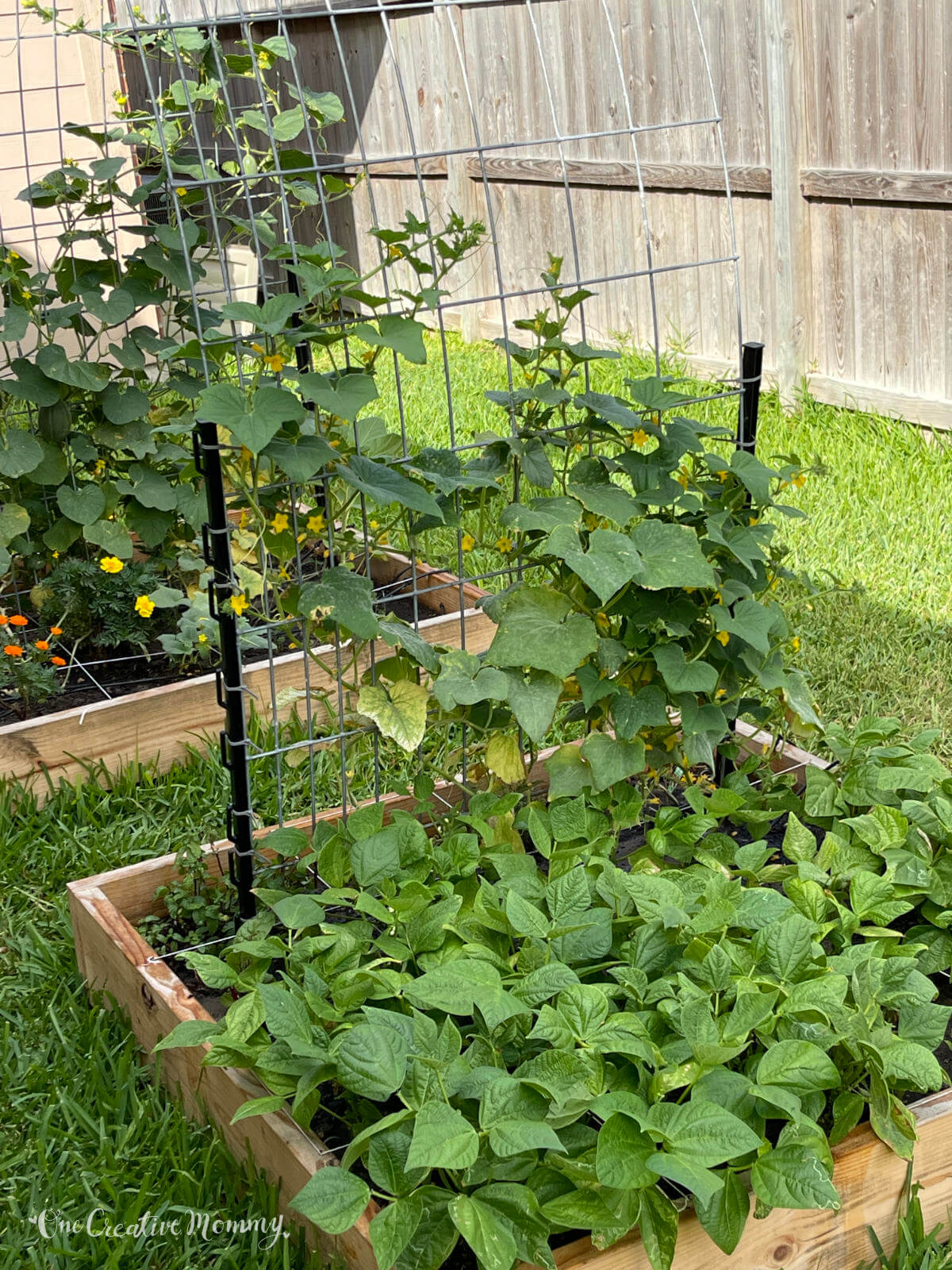
A square foot vegetable garden is a small, organized growing space divided into one-foot squares. Each square holds a set number of plants based on their mature size. This method helps US home gardeners grow more food in less space while keeping planting, watering, and harvest tasks simple.
A square foot vegetable garden can turn a small American backyard, patio, or sunny side yard into a useful food patch. You do not need acres of land or long rows of crops. A raised bed that measures 4 feet by 4 feet gives you 16 one-square-foot planting spaces, enough to grow a mix of greens, herbs, and compact vegetables.
The method works best when you match each plant to its space needs. One tomato plant needs far more room than a single radish or carrot seedling. Local growing seasons also matter, since a gardener in Minnesota faces a different planting calendar from someone in Florida or Southern California. A clear layout helps you use each square well without crowding plants or making care harder.
Source: storage.googleapis.com
What Is a Square Foot Vegetable Garden?
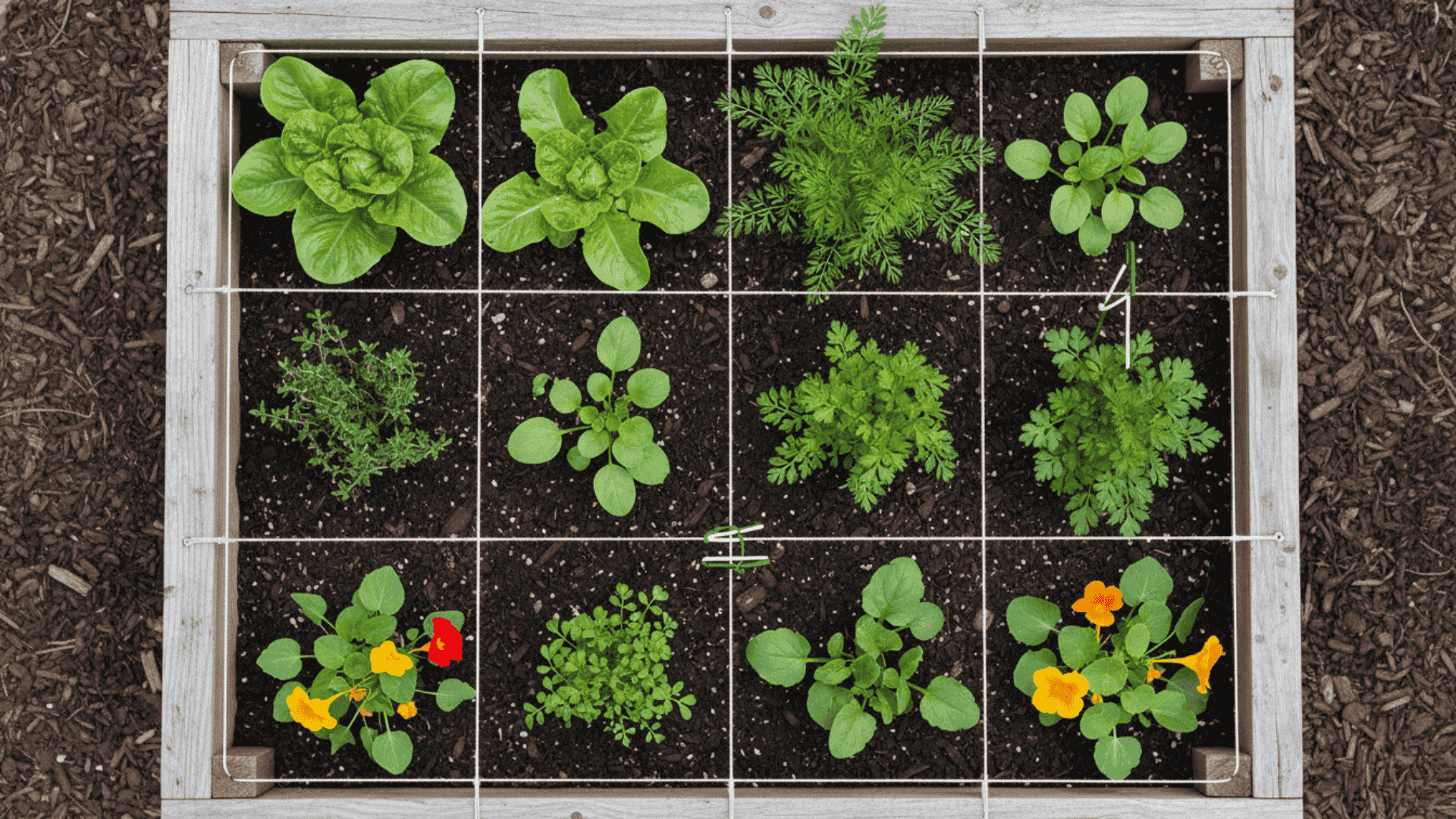
A square foot vegetable garden is a form of intensive gardening that divides a growing bed into small, marked sections. Each section measures 12 inches by 12 inches. Instead of planting in long rows, you assign a crop and plant count to each square.
The idea is to use space with care. A square of carrots may hold several plants, while a square of cabbage may hold just one. This difference comes from the room each crop needs for roots, leaves, airflow, and harvest.
Many gardeners use a raised bed that is 4 feet wide and 4 feet long. The width lets most people reach the center from the sides without stepping on the soil. A grid of string, wood strips, or other durable markers keeps the squares easy to see.
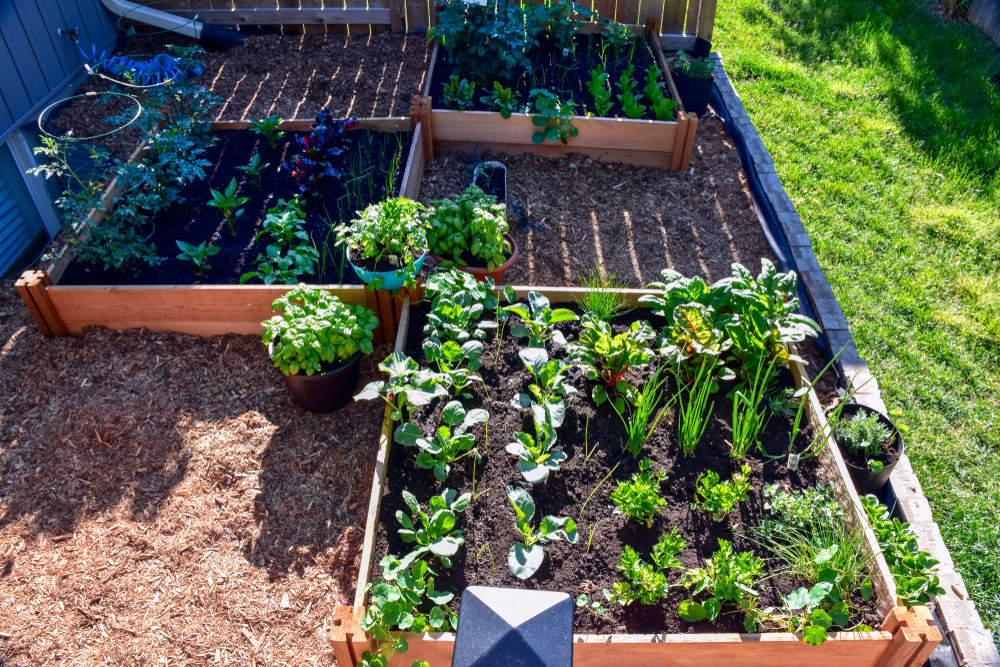
This method can work in a small backyard, a community garden plot, or a sunny area beside a house. It can also suit a larger garden when you want a tidy layout. The main limits are sunlight, water, soil depth, plant size, and the time you can give the bed.
Source: hudsonvalleyseed.com
Small planting areas
Each square gets a planned crop and plant count, which helps prevent wasted space.
Easy crop tracking
A simple map shows where each vegetable grows and when that space may be ready for another crop.
Flexible design
You can use one raised bed, several beds, or a container setup with a similar spacing plan.
How Many Squares Fit in a Raised Bed?
Divide the bed’s length and width by 1 foot to find the number of squares. A 4-by-4-foot bed has 4 rows and 4 columns, giving you 16 squares. A 4-by-8-foot bed has 32 squares.
These counts describe the layout, not the number of plants. Each square may hold one large plant, four medium plants, nine smaller plants, or up to 16 very small plants when the crop and variety allow it.
4 by 4 feet
16 square-foot sections for a compact family garden.
4 by 8 feet
32 sections for a wider crop mix or a larger harvest.
2 by 4 feet
8 sections for a patio, narrow yard, or first gardening project.
How to Plan a Square Foot Vegetable Garden
Start with sunlight, access to water, and the vegetables you eat most often. Then choose a bed size and map each square before you plant. A good plan takes less time to care for than a crowded bed that needs constant fixing.
Most fruiting vegetables, such as tomatoes, peppers, and cucumbers, grow best with at least six to eight hours of direct sun, though exact needs vary by crop and climate. Leafy greens may tolerate some partial shade, especially in hot regions. Watch the site through the day before you settle on a location.
Keep the bed close enough to a hose or water source that you will use it often. Leave room around the bed for walking, harvesting, and moving a watering can. Do not place a raised bed where roof runoff floods it or where tree roots may take much of the water.
Source: www.pinterest.com
Check the sun
Choose a bright spot and note which parts get shade from fences, trees, or buildings.
Choose your crops
List the vegetables you like and check their mature size, growing season, and sun needs.
Draw the grid
Mark the squares on paper before planting so large crops do not block smaller ones.
Plan access
Leave paths around the bed and keep the center reachable from the sides.
Pick a Bed Size That Fits Your Space
A 4-by-4-foot bed is a practical starting point for many beginners. It gives you 16 squares without taking over a small yard. A smaller bed may be easier to manage if you have limited time or only a patio.
Bed height depends on the surface below and the crops you want to grow. A deeper bed gives roots more room, but a raised bed does not have to be very tall when it sits over suitable, loosened garden soil. Check drainage before filling it.
Ground-level bed
Useful when the native soil drains well and can be improved with organic matter.
Raised bed
Useful when you need a defined growing area, easier access, or better control over the soil mix.
Container garden
Useful for small patios, but each container needs enough volume and drainage for its crop.
Build a Planting Map
Draw a square grid on paper and label every section. Put tall crops where they are less likely to shade shorter plants. In many Northern Hemisphere gardens, placing tall plants on the north side helps reduce shade across the bed, although the best arrangement also depends on the sun path and nearby structures.
Group crops by water needs where possible. Mark crops that need stakes or a trellis before they become large. Leave room for a hand to reach each square without crushing nearby leaves.
North side
Consider tall tomatoes, trellised peas, or pole beans if their shade will not harm nearby crops.
Middle squares
Use for medium crops such as bush beans, peppers, or compact leafy greens.
Outer squares
Use for crops that are easy to reach and harvest, such as lettuce, radishes, or herbs.
Prepare the Soil Before Planting
Healthy soil gives a square foot garden the best chance to grow well. Roots need air, water, nutrients, and room to spread. A bed filled with dense, compacted soil may hold too much water or make root growth hard.
For a raised bed, use a suitable garden soil or raised-bed mix from a reliable source. The mix should drain well while holding enough moisture for plant roots. Avoid filling the whole bed with pure compost, fresh manure, or heavy clay, since these materials alone may not provide a balanced growing medium.
If you are using native soil, loosen it rather than walking over the planting area. Mix in mature compost when the soil needs organic matter, and consider a soil test if you are unsure about pH or nutrient levels. Your state Cooperative Extension office can explain local soil testing options.
Source: Natural Living Ideas
Check drainage
After watering, the bed should drain without staying waterlogged for long periods.
Use mature compost
Compost can add organic matter, but it should not replace all the growing soil.
Avoid fresh manure
Fresh manure can harm plants and may introduce pathogens. Follow local food-safety guidance before using manure-based soil amendments.
Test when needed
A soil test can help you avoid adding lime or fertilizer without a clear need.
How Much Soil Does a 4-by-4-Foot Bed Need?
Measure the bed’s length, width, and fill depth to estimate the volume. For a 4-by-4-foot bed filled to 12 inches, the calculation is 4 × 4 × 1, or 16 cubic feet. That is the amount of space to fill, before allowing for settling.
For a bed filled to 6 inches, the same calculation gives 8 cubic feet. Actual needs may change with the bed’s internal dimensions and the depth needed by the crops you choose.
12-inch depth
A 4-by-4-foot bed holds about 16 cubic feet of growing mix.
6-inch depth
A 4-by-4-foot bed holds about 8 cubic feet of growing mix.
Square Foot Vegetable Garden Plant Spacing Chart
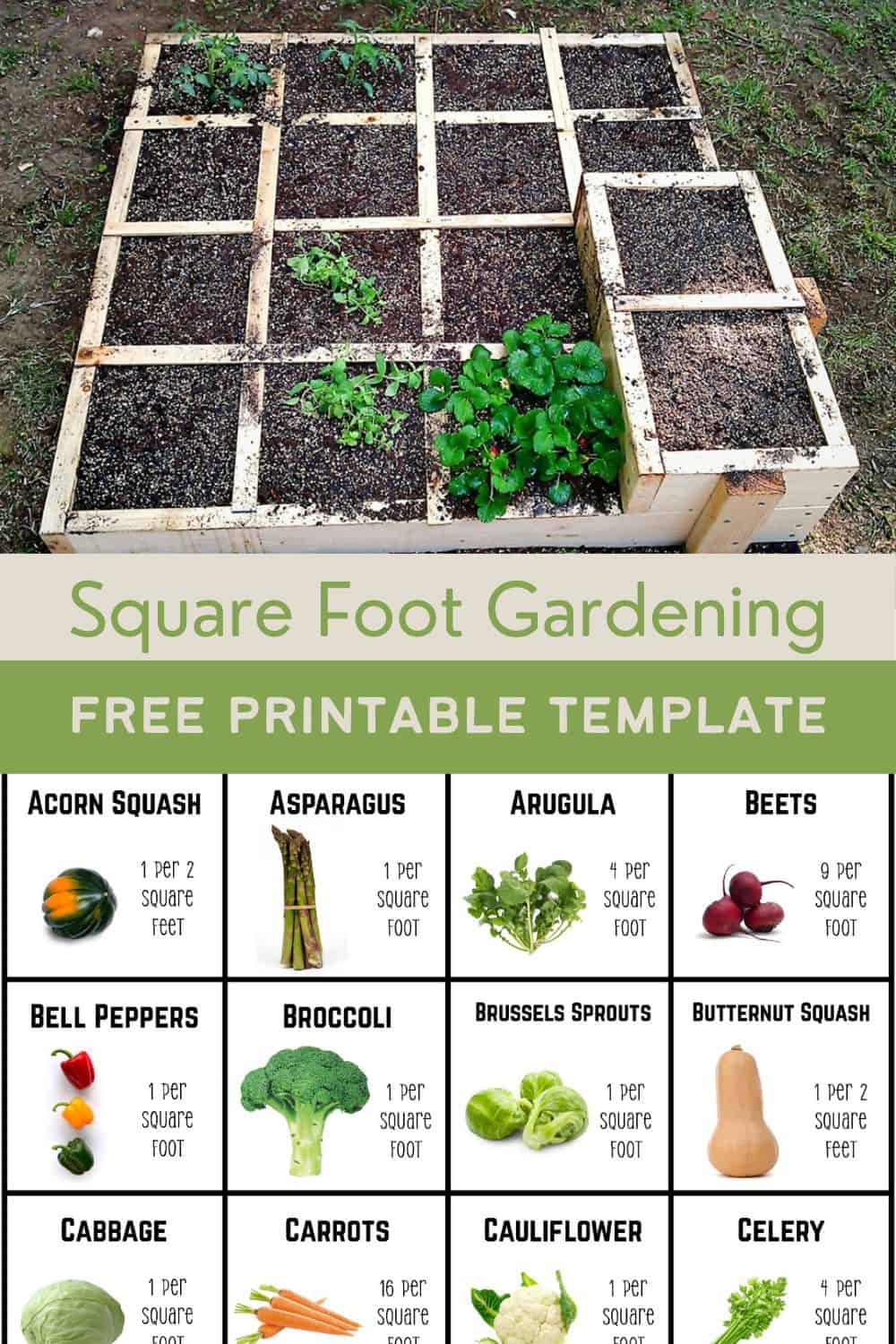
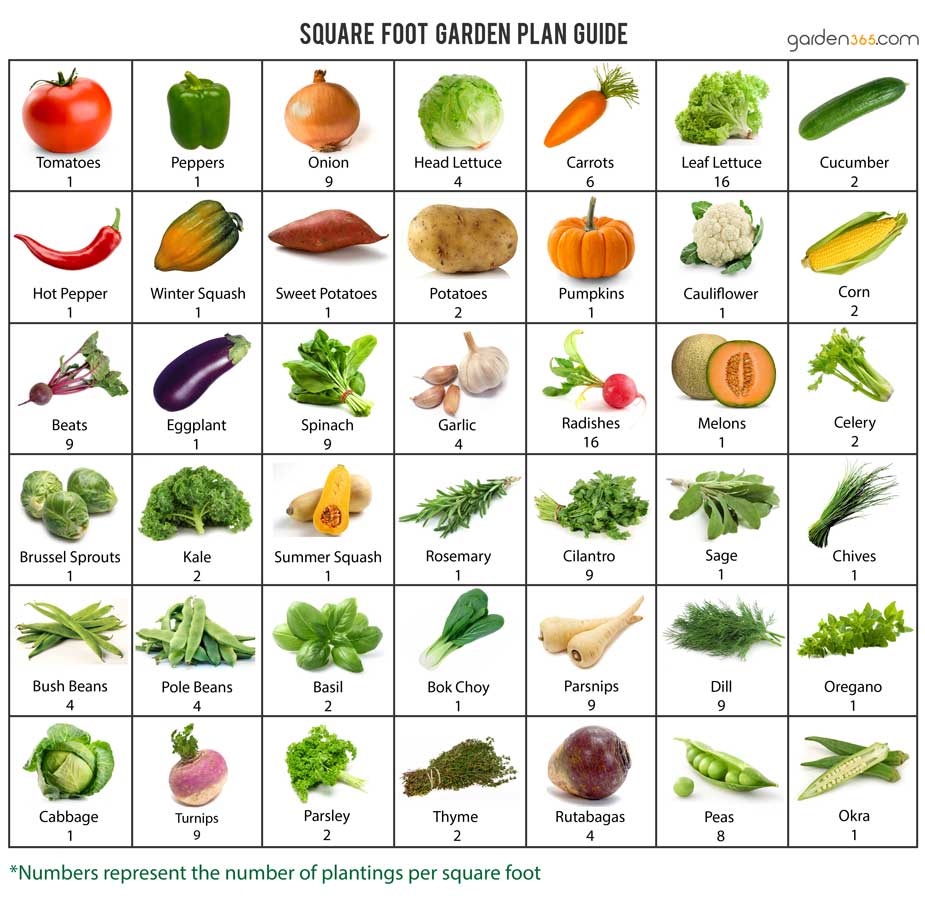
Plant count is the heart of square foot gardening. Use the crop’s mature size and the seed packet or plant label to set the final spacing. A grid does not mean every square should hold the same number of plants.
The counts below are common starting points for compact varieties. They are not fixed rules for every cultivar or climate. Thin seedlings after they emerge, and give plants more room if their leaves crowd one another or airflow becomes poor.
Source: www.gardeningknowhow.com
One plant per square
Try this for larger crops such as cabbage, broccoli, or a compact pepper plant when the variety’s spacing supports it.
Four plants per square
A useful starting point for crops such as leaf lettuce or Swiss chard, depending on variety and harvest style.
Nine plants per square
Often suitable for smaller crops such as spinach or some bush bean arrangements, with enough room for each plant to mature.
Sixteen plants per square
May suit small root crops such as radishes or closely spaced baby carrots when seed guidance supports it.
Suggested Plant Counts for Common Vegetables
Use this table as a planning aid, then check the spacing printed on your seed packet. Some crops need more room when grown for large roots or full-size heads. Baby greens and repeated harvests may allow closer planting than crops left to reach full size.
Tomatoes
Usually one plant per square only when using a compact or suitably managed variety. Large indeterminate tomatoes may need more space, strong support, and regular pruning.
Peppers
One compact pepper plant per square may work, but follow the variety’s spacing and account for the size of mature foliage.
Bush beans
Several plants can fit in one square. A count near nine is a common starting point, subject to the seed packet.
Carrots
Small carrots may be spaced closely, often with about 16 plants in a square. Larger roots need enough room to develop.
Radishes
Many small varieties can grow at about 16 plants per square. Thin crowded seedlings so roots can form.
Leaf lettuce
Four plants per square can work for larger heads, while smaller leaf types may fit more closely.
Spinach
Several plants can fit in a square. Choose spacing based on whether you want baby leaves or larger plants.
Onions
Small onions or scallions may grow at close spacing. Bulb onions need room based on the target bulb size and variety.
Cucumbers
A compact cucumber may fit in a square with a sturdy trellis. Sprawling types need more room if left on the ground.
Zucchini
A full-size zucchini plant can spread far beyond one square. Choose a compact variety, use a larger area, or grow it outside the main grid.
Why Seed Packet Spacing Still Matters
Square foot gardening is a layout method, not a replacement for crop-specific growing advice. A seed packet may call for wider spacing because the plant needs room for roots, airflow, or a large harvest. Follow that guidance when it differs from a general chart.
Crowded plants compete for light, water, and nutrients. They may also stay damp longer after rain or watering, which can favor some plant diseases. If leaves overlap heavily or roots fail to size up, reduce the plant count in future plantings.
Check the variety
Compact cultivars and full-size cultivars may need different spacing.
Thin seedlings
Remove extra seedlings at the right stage rather than allowing every seed to grow.
Watch airflow
Leave enough space for leaves to dry and for you to inspect plants.
A Simple 4-by-4 Square Foot Garden Layout
A balanced first garden should include crops that grow at different rates and offer a mix of harvests. The example below uses 16 squares in a 4-by-4-foot bed. It is a sample plan, not a universal planting schedule, so adjust it to your local frost dates and climate.
The layout combines leafy greens, root crops, herbs, beans, and a compact fruiting crop. Tall or climbing plants need support, and the tomato square should use a suitable compact variety or be moved to a larger area if the plant grows too large.
Source: fity.club
Row 1
Use one square for a compact tomato with support, one for basil, one for leaf lettuce, and one for radishes.
Row 2
Use one square for bush beans, one for carrots, one for spinach, and one for scallions.
Row 3
Use one square for a compact pepper, one for lettuce, one for radishes, and one for parsley.
Row 4
Use one square for bush beans, one for carrots, one for spinach, and one for a second round of lettuce.
Example Grid for Beginners
Picture the bed as four rows with four squares in each row. Label each square on paper before planting, then mark the actual bed with string or narrow dividers. If a large plant needs more space, combine two or more squares instead of forcing it into a small area.
Keep the plan flexible
Replace a crop that your family does not eat or that performs poorly in your local climate.
Leave room for support
Install tomato cages or trellises before roots and stems become large.
Track each planting
Write down the planting date, crop variety, and harvest notes for next season.
Choose Crops That Match Your Season
Cool-season vegetables such as lettuce, spinach, radishes, peas, and many root crops often grow best in mild weather. Warm-season crops such as tomatoes, peppers, cucumbers, and beans need warmer conditions. Exact timing depends on local temperatures, frost risk, and the crop variety.
Gardeners in northern states may plant cool-season crops early in spring and again in late summer. In hot southern areas, some greens do better in fall or winter. Coastal California and other mild regions may support a longer season, but local weather and water limits still shape the plan.
Cool-season crops
Consider lettuce, spinach, radishes, carrots, peas, and scallions when local conditions suit them.
Warm-season crops
Consider tomatoes, peppers, beans, cucumbers, and other crops after the risk of damaging frost has passed.
Use local guidance
Check your state Cooperative Extension planting calendar for dates suited to your area.
How to Plant Each Square
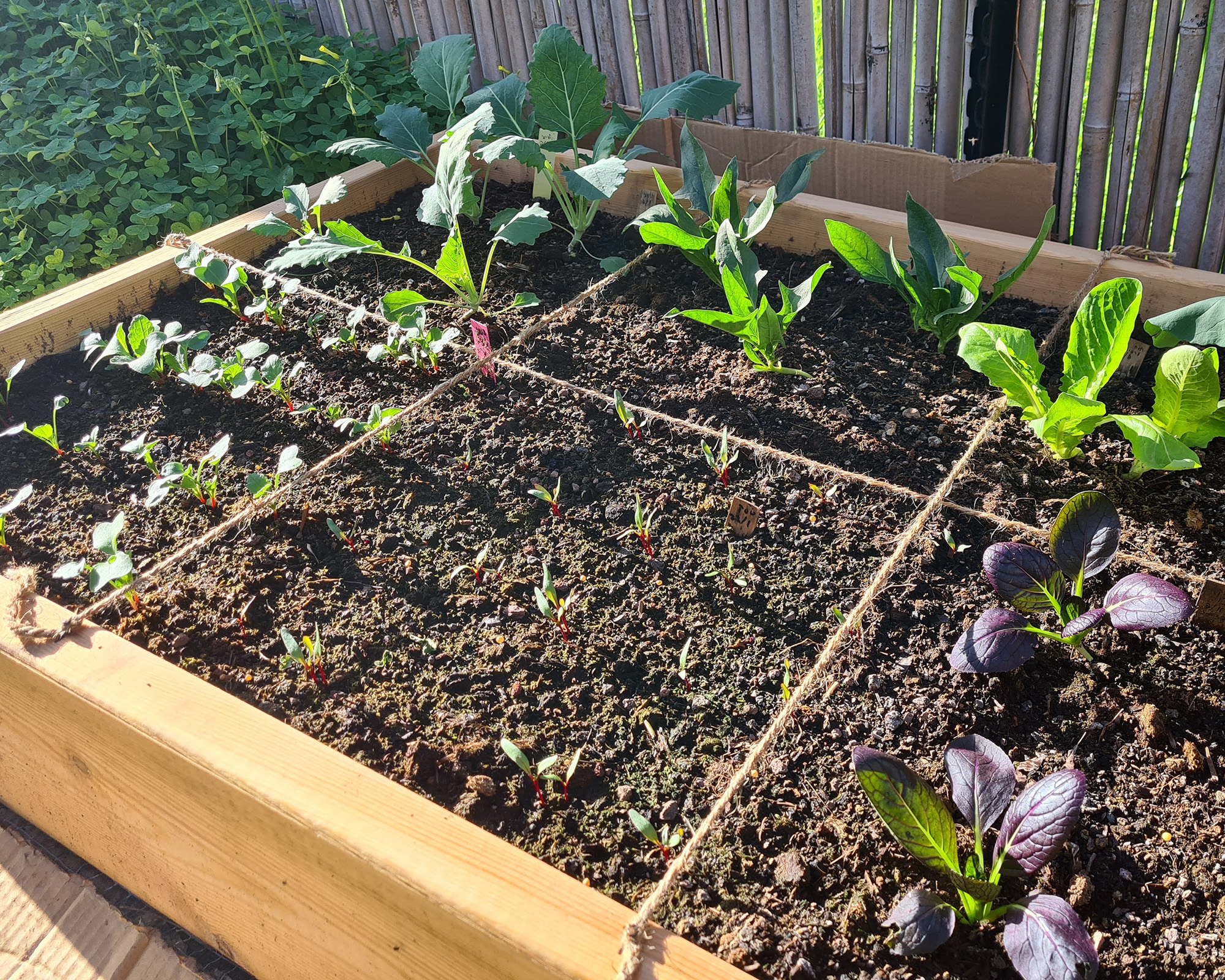
Plant each square based on whether the crop grows from seed or transplant. Small seeds are often easier to sow in a shallow line or marked pattern. Transplants need a hole large enough for the root ball, with the plant set at the depth recommended for that crop.
Water the bed before planting if the mix is dry. Sow seeds at the depth listed on the packet, cover them lightly, and keep the surface moist until they sprout. Avoid washing small seeds out of place with a strong stream of water.
Thin seedlings once they have reached the stage recommended for the crop. Keep the strongest plants and remove extras carefully. If you leave every seedling in a crowded square, the crop may produce small roots, weak leaves, or poor heads.
Source: www.pinterest.com
Read the seed packet
Use its sowing depth, spacing, germination, and thinning instructions as the main guide.
Label the square
Record the crop and variety so you can tell new seedlings apart from weeds.
Water gently
Use a fine spray or watering can to protect shallow seeds and young plants.
Thin with care
Leave the correct final number of plants for the crop and variety.
Direct Sow or Use Transplants?
Direct sowing is often simple for carrots, radishes, beans, peas, and many leafy greens. Their roots or growth habits may make transplanting less useful. Tomatoes, peppers, and some other warm-season crops are often planted as nursery transplants, especially where the warm growing season is short.
Follow local guidance for crops that are sensitive to root disturbance or heat. When using transplants, water them after planting and protect them from harsh weather while they adjust. Avoid planting a tender crop outdoors before conditions suit it.
Direct sow
Often useful for root crops and crops that establish well from seed in place.
Use transplants
Often useful for tomatoes, peppers, and other crops where a head start helps.
Watering and Feeding a Square Foot Garden
A small raised bed can dry out faster than the ground around it, especially during hot, windy weather. Check the soil near the roots rather than watering by a fixed clock. The surface may look dry while the soil below still holds enough moisture, or it may look damp while the root zone is dry.
Water deeply enough to moisten the active root zone, then allow the soil and crop needs to guide the next watering. Seedlings need steady moisture, while established plants may need less frequent but deeper watering. Rain, heat, soil mix, plant size, and container depth all affect how often you need to water.
A drip line or soaker hose can deliver water near the soil and reduce wet leaves. This can make watering easier, but the system still needs checks for clogged emitters, leaks, and uneven flow. Hand watering works well for a small bed when you take time to check each square.
Source: narodnatribuna.info
Check root-zone moisture
Feel the soil a short distance below the surface before deciding whether to water.
Water at the soil
Aim water toward the roots instead of soaking leaves late in the day.
Use mulch where suitable
A thin layer of clean organic mulch can slow water loss, but keep it from smothering seedlings.
Feed based on need
Use soil test results, crop needs, and product label directions to guide fertilizer use.
How Can You Tell if Plants Need Water?
Check the soil and the plants together. Dry soil around the roots, wilt during the cooler part of the day, or slow growth may signal a need for water. Yet wilting can also occur when roots are damaged or soil stays too wet, so check before adding more.
If the bed stays soggy, improve drainage and reduce watering. Roots need air as well as moisture. A plant that wilts in wet soil may suffer more if you keep adding water.
Soil feels dry below the surface
Water if the crop’s root zone has begun to dry and no rain is expected to meet its needs.
Leaves wilt in heat
Check soil moisture first, since temporary midday wilt does not always mean the bed is dry.
Soil stays wet
Check drainage, watering volume, and whether the bed mix is too dense.
Keep the Garden Healthy Through the Season
Regular checks help you spot problems while they are still small. Look at leaf color, new growth, soil moisture, and the underside of leaves. Remove weeds while they are young so they do not compete with vegetables for water and nutrients.
Square foot spacing can make a bed easier to inspect, but dense planting can still limit airflow. If leaves remain wet or plants overlap heavily, thin them or harvest outer leaves as appropriate. Give large crops more room when their growth exceeds the plan.
Rotate plant families between seasons when practical. Moving related crops to different beds can help reduce the buildup of some pests and diseases. A single small bed limits rotation options, so clean tools, remove diseased plant material safely, and avoid planting the same crop in the same square year after year when you have alternatives.
Source: welovehomeblog.com
Inspect plants weekly
Look for holes, spots, sticky residue, curled leaves, and unusual growth.
Remove weeds early
Pull small weeds before they set seed or spread through the bed.
Support tall crops
Tie plants loosely to supports and check ties as stems grow.
Harvest on time
Frequent picking can encourage more production in crops such as beans and many leafy greens.
What to Do When Plants Do Not Grow Well
Slow growth can have several causes, including poor light, crowded roots, unsuitable temperatures, low nutrients, or excess water. Check the simplest factors first. Review the seed packet, inspect the soil, and compare the plant’s needs with the conditions in the bed.
Yellow leaves do not always mean a lack of fertilizer. Older leaves may yellow as part of normal growth, while wet roots, pests, disease, or a nutrient imbalance can cause similar signs. Avoid adding extra fertilizer until you have a reasonable idea of the cause.
Seedlings are thin and stretched
Check for low light and crowded growth. Give plants suitable light and thin them as needed.
Roots stay small
Check plant spacing, soil texture, moisture, and the variety’s expected root size.
Leaves have holes
Inspect both sides of the leaves for insects or signs of feeding before choosing a control method.
Plants wilt in wet soil
Check drainage and root health instead of adding more water.
Succession Planting and Crop Rotation
Succession planting means sowing a new crop after an earlier crop is harvested. It helps you keep a small bed productive instead of leaving empty squares for weeks. Radishes and many leafy greens can be useful for this approach because some varieties mature relatively quickly.
For example, you may sow radishes in a square in spring, harvest them, then plant a suitable warm-season crop if the remaining growing season allows it. You can also sow small batches of lettuce at intervals rather than planting the whole bed at once. This spreads out harvests and may reduce waste.
Crop rotation means changing crop families or types in a planting area over time. Tomatoes, peppers, and eggplants belong to the same plant family, so changing from one to another is not a full rotation. When space is limited, use a simple written record and rotate what you can.
Source: hudsonvalleyseed.com
Plant in small batches
Sow only as much as you can use, then repeat when weather and crop timing allow.
Plan for the next crop
Choose a follow-up vegetable that fits the remaining season and soil conditions.
Keep a garden record
Write down crop families and locations so you can make better choices next season.
A Simple Seasonal Plan for US Gardens
In many colder US regions, cool-season crops can start in spring, followed by warm-season vegetables after frost risk has passed. A late-summer planting may then bring another round of greens or root crops. In warmer regions, the main cool-season garden may grow in fall and winter instead.
Do not rely on a single national calendar. Use local frost dates, current weather, and guidance from your state Cooperative Extension service. Heat can shorten the useful season for lettuce and spinach even when frost is not a concern.
Early season
Consider cool-season crops when soil and air conditions suit them.
Warm season
Use warm-season crops after local frost risk and temperature needs have been addressed.
Late season
Plant another crop only when it has enough time to mature before cold or heat becomes a problem.
Common Square Foot Gardening Mistakes to Avoid
The most common mistake is trying to fit too many full-size plants into a small area. A square gives you a clear boundary, but it does not limit a plant’s roots or leaves. If a crop grows beyond its space, change the layout rather than forcing it to stay small.
Another problem is choosing crops without checking the local season. A vegetable that grows well in a cool spring may struggle during a hot summer. Planting at the right time often matters more than adding more fertilizer or water.
A neat grid also cannot fix poor soil or a shaded location. Start with suitable light, drainage, and a sound growing mix. These basic conditions support stronger growth and make later problems easier to solve.
Source: fity.club
Overcrowding
Follow the crop’s final spacing and remove excess seedlings before competition becomes severe.
Ignoring mature size
Allow for spreading leaves, roots, and vines instead of planning only around small seedlings.
Using the wrong growing mix
Choose soil that drains well and holds enough moisture for the crop.
Watering by habit
Check root-zone moisture and weather rather than following a rigid daily schedule.
Skipping support
Add cages or trellises before tall crops become heavy or tangled.
Planting too much at once
Start with a few crops you enjoy eating, then add more after you learn how the bed performs.
Is Square Foot Gardening Right for Every Vegetable?
No. The method works especially well for compact crops that can grow at known spacing. It is less convenient for crops that spread widely, need deep soil, or produce large vines unless you give them extra room.
Large pumpkins, sprawling winter squash, and full-size corn plantings may be awkward in a small grid. You can still grow some of these crops beside the bed or on a trellis when the variety and structure allow it. Keep the main grid for crops that benefit most from careful spacing.
Good starting choices
Radishes, carrots, leaf lettuce, spinach, scallions, bush beans, and many herbs.
Crops needing more planning
Tomatoes, cucumbers, peppers, cabbage, broccoli, and other larger vegetables.
Often better outside the grid
Large pumpkins and sprawling squash unless you have extra ground space or a suitable support system.
Frequently Asked Questions
These answers cover common choices that can affect the size, cost, and day-to-day care of a square foot vegetable garden.
Source: www.gardeningknowhow.com
How many vegetables can you grow in a square foot garden?
The number depends on the crop and its mature size. A single square may hold one large plant, four medium plants, nine smaller plants, or about 16 tiny plants when their spacing allows it. A 4-by-4-foot bed has 16 squares, but the total plant count depends on the mix you choose.
What is the best size for a square foot vegetable garden?
A 4-by-4-foot raised bed is a useful starting size because it offers 16 squares and is easy to reach from the sides. A smaller bed may suit a patio or a beginner with limited time. Choose a size you can water, weed, and harvest without stepping on the growing soil.
What soil is best for square foot gardening?
Use a growing mix that holds moisture while draining well and giving roots room to grow. A suitable raised-bed mix with mature compost can work well. Avoid using pure compost or fresh manure as the entire growing medium, and consider a soil test when nutrient levels or pH are uncertain.
Can you grow tomatoes in a square foot garden?
Yes, if you choose a suitable variety and plan for its mature size. A compact tomato may fit within a carefully managed square, while an indeterminate tomato can grow much larger and need strong support. Give the plant enough room and airflow, even if that means using more than one square.
How often should you water a square foot garden?
There is no single schedule that suits every bed. Check soil moisture near the roots and consider heat, wind, rain, soil mix, and plant size. Water when the root zone needs it, and correct drainage problems if the soil stays wet.
Can a square foot vegetable garden work on a patio?
Yes, if the patio gets enough sun and the container has adequate depth, volume, and drainage for the chosen crops. Check the weight limit before placing a large filled planter on a balcony or elevated deck. Use a safe way to catch or direct drainage water without damaging the structure below.
When should you plant a square foot garden in the United States?
Planting dates vary by state, local climate, crop, and weather. Cool-season vegetables can often be planted during mild spring or fall weather, while warm-season crops need warmer conditions and protection from frost. Use your local Cooperative Extension planting calendar rather than relying on one date for the whole country.
✦ Wrapping Up
Conclusion
A square foot vegetable garden offers a clear way to grow fresh food in a small space. By dividing a bed into one-foot squares, you can plan plant counts, keep crops organized, and make better use of the room you have. A 4-by-4-foot bed is a useful place to start, but the right size depends on your space, time, and growing goals.
Good results depend on more than the grid. Choose a sunny site, prepare a suitable growing mix, follow crop-specific spacing, and check soil moisture often. Use local planting dates and adjust the plan when a crop grows larger than expected. Over time, your planting map and harvest notes will help you learn which vegetables do best in your own yard.
💡 Key Takeaway
Draw a 4-by-4-foot grid, list the vegetables you eat most, and assign each crop a square based on its mature size. Check your local planting calendar before sowing, then record what grows well so you can improve next season.