Bugs in your garden can be helpful insects, harmful pests, or harmless visitors. Check the bugs, the plant damage, and where the insects gather before choosing a control method. Protect helpful insects and use the least harmful treatment that solves the problem.
If you grow tomatoes in Florida, tend roses in California, or care for a small vegetable patch in Ohio, you will likely spot bugs on your plants. Some chew holes in leaves. Others suck sap from tender shoots. A few help your garden by eating pests or pollinating flowers. The trick is to tell them apart before you act.
Across the United States, garden insects vary with climate, season, soil, and plant type. A bug that damages squash in a warm Southern garden may be less common in a cool Northern yard. Start with a close look at the insect and the damage. Then decide whether your plants need help or simply need to be left alone.
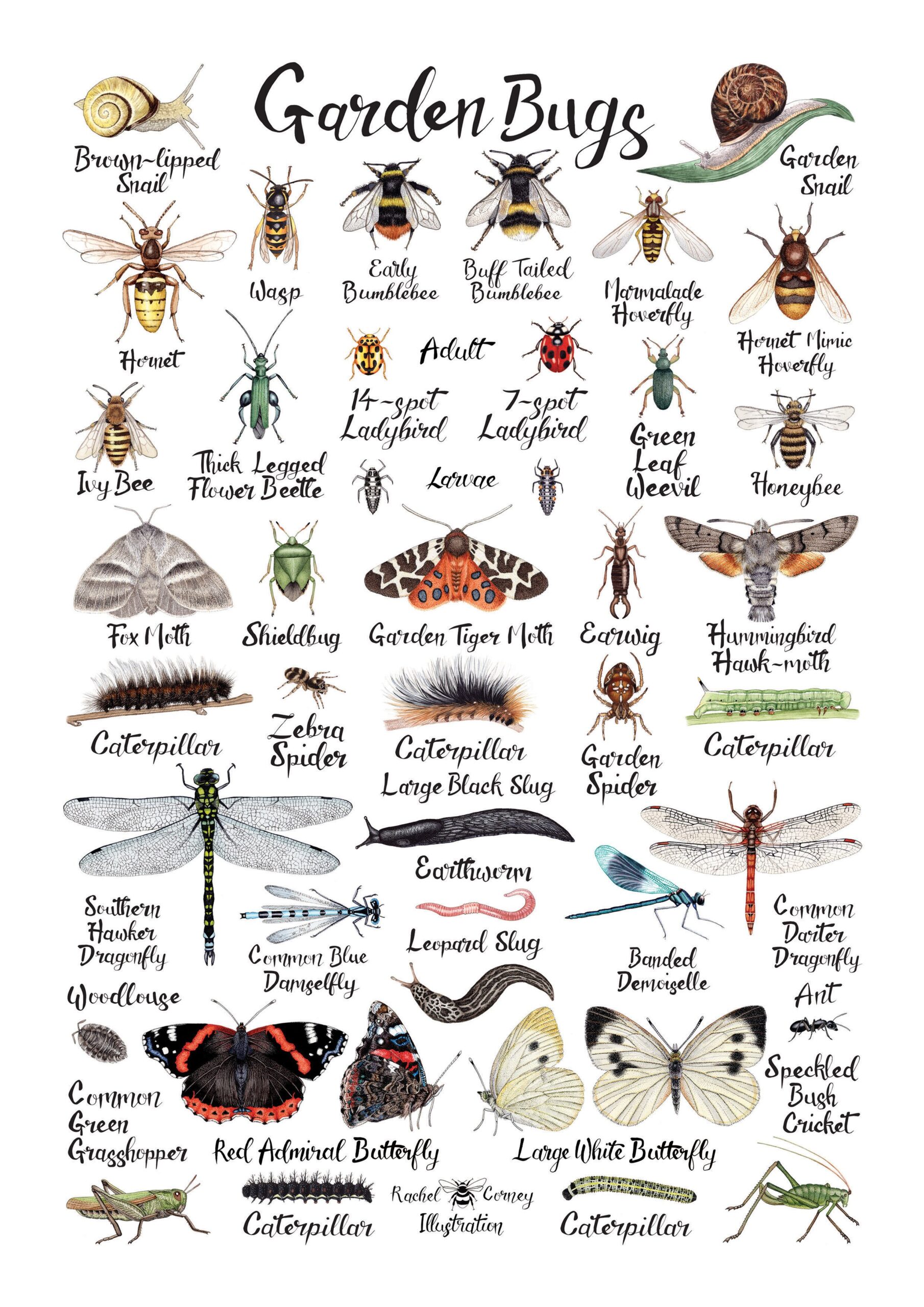
Source: field-studies-council.org
How to Identify Bugs in My Garden
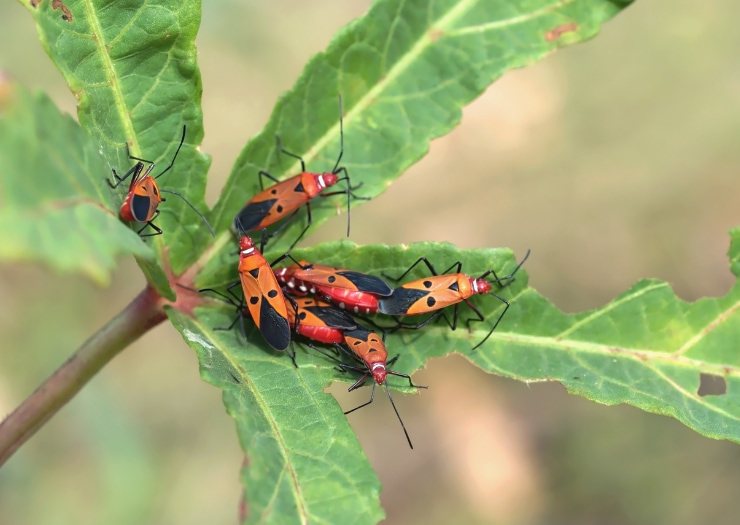
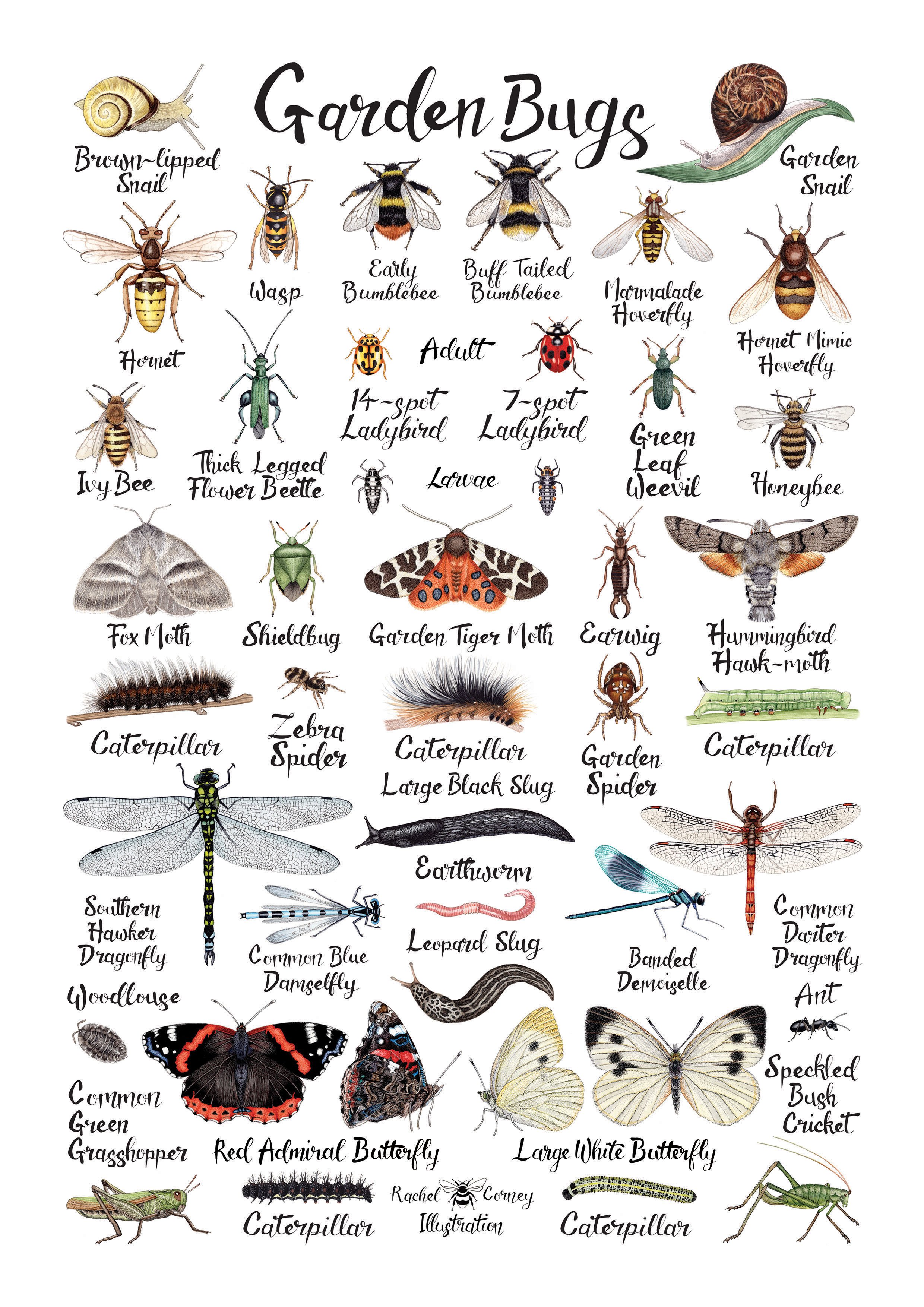
The best way to identify garden bugs is to look at their shape, color, location, and feeding marks. A tiny green insect under a leaf may be an aphid. A group of striped beetles on squash may point to a different problem. Do not rely on color alone because many insects change as they grow.
Check the whole plant before you make a choice. Look under leaves, along stems, around flower buds, and near the soil. Some pests hide during the day, while others feed at night. A clear photo can help you compare the insect with a reliable identification guide.
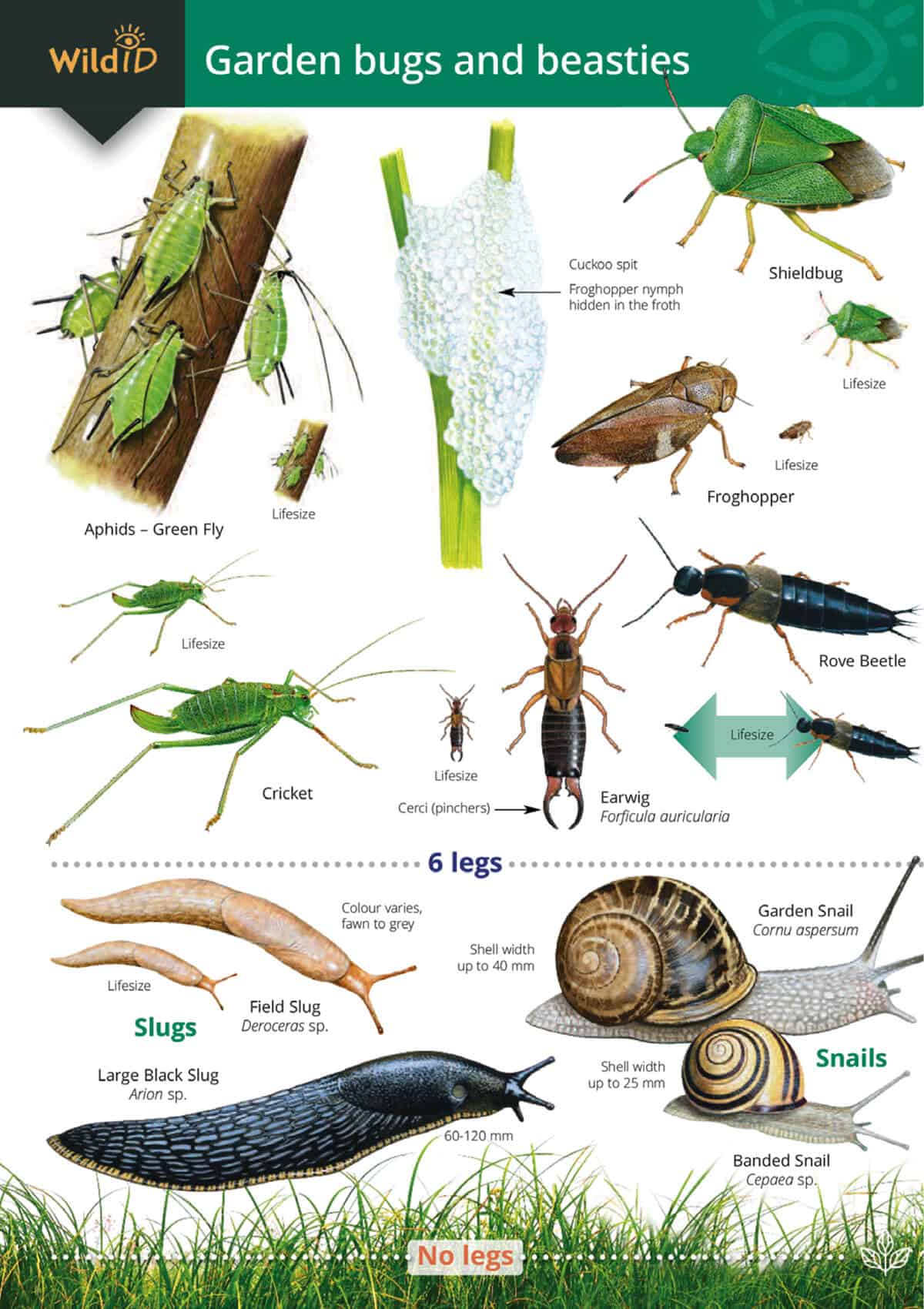
Source: i.pinimg.com
Check the size and shape
Note whether the bug is round, long, soft-bodied, hard-shelled, winged, or worm-like. These clues can narrow the list of possible insects.
Look for plant damage
Holes, curled leaves, sticky residue, yellow patches, and chewed stems can help show how a bug feeds.
Inspect where the bug lives
Check leaf undersides, new growth, flower clusters, fruit, and the soil near damaged plants.
Take a clear photo
Photograph the insect and the affected plant. Include a close view and a wider view of the damage. Compare both with trusted gardening resources.
Use Plant Damage as a Clue
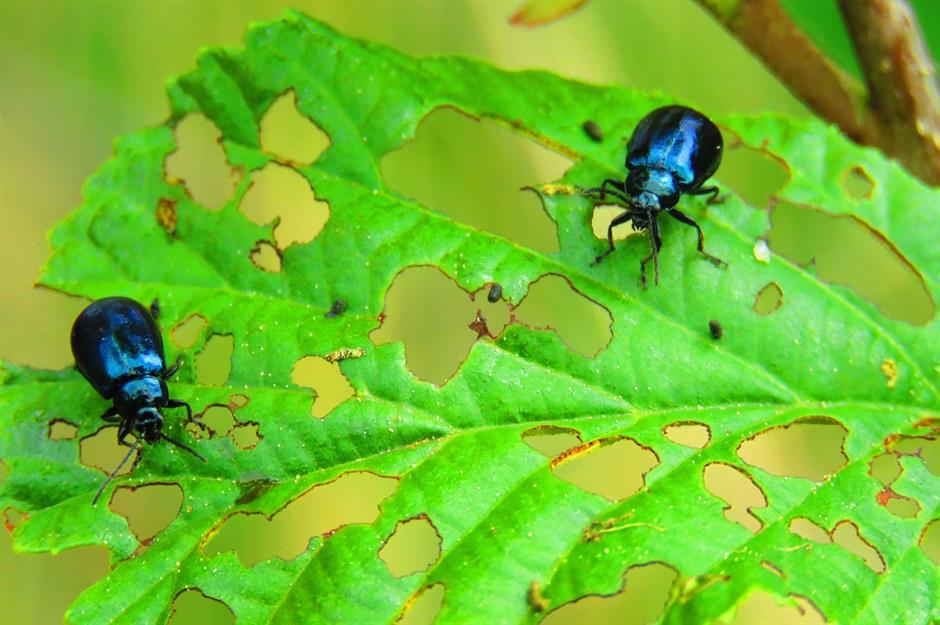
Different feeding habits leave different signs. Chewing insects often leave holes, ragged edges, or missing leaf tissue. Sap-feeding insects may cause yellow leaves, curled shoots, or sticky honeydew. Slugs and snails often leave irregular holes and shiny slime trails. These signs are clues, not proof, so look for the insect before treating the plant.
Small holes and ragged edges
Check for caterpillars, beetles, earwigs, and slugs, depending on the plant and time of day.
Sticky leaves
Look for aphids, whiteflies, or other sap-feeding insects that release honeydew.
Fine pale speckles
Inspect for spider mites, especially during hot, dry weather. Fine webbing may appear when an infestation grows.
Sudden wilting
Check stems, roots, soil moisture, and possible borers. Heat, root damage, and disease can also cause wilt.
Common Garden Bugs and What They Do
Several insects appear in home gardens across the United States. Some feed on plant sap, while others chew leaves, flowers, or fruit. The same insect may cause little harm in small numbers but become a serious problem when its population grows.
Use the signs below as a starting point. Local pest species differ, and young insects may look unlike adults. When identification is uncertain, consult your state university extension service before applying a treatment.
Source: loveincorporated.blob.core.windows.net
Aphids
These small, soft-bodied insects gather on new shoots and leaf undersides. They may curl leaves, slow growth, and leave sticky honeydew. Some species also spread plant viruses.
Caterpillars
These soft-bodied larvae chew leaves, buds, and fruit. Look for droppings, ragged holes, or missing leaf sections. Some caterpillars are butterfly or moth larvae that should be identified before removal.
Japanese beetles
Adult beetles have metallic green bodies and coppery wing covers. They can skeletonize leaves and damage flowers. Their larvae live in soil and feed on grass roots.
Squash bugs
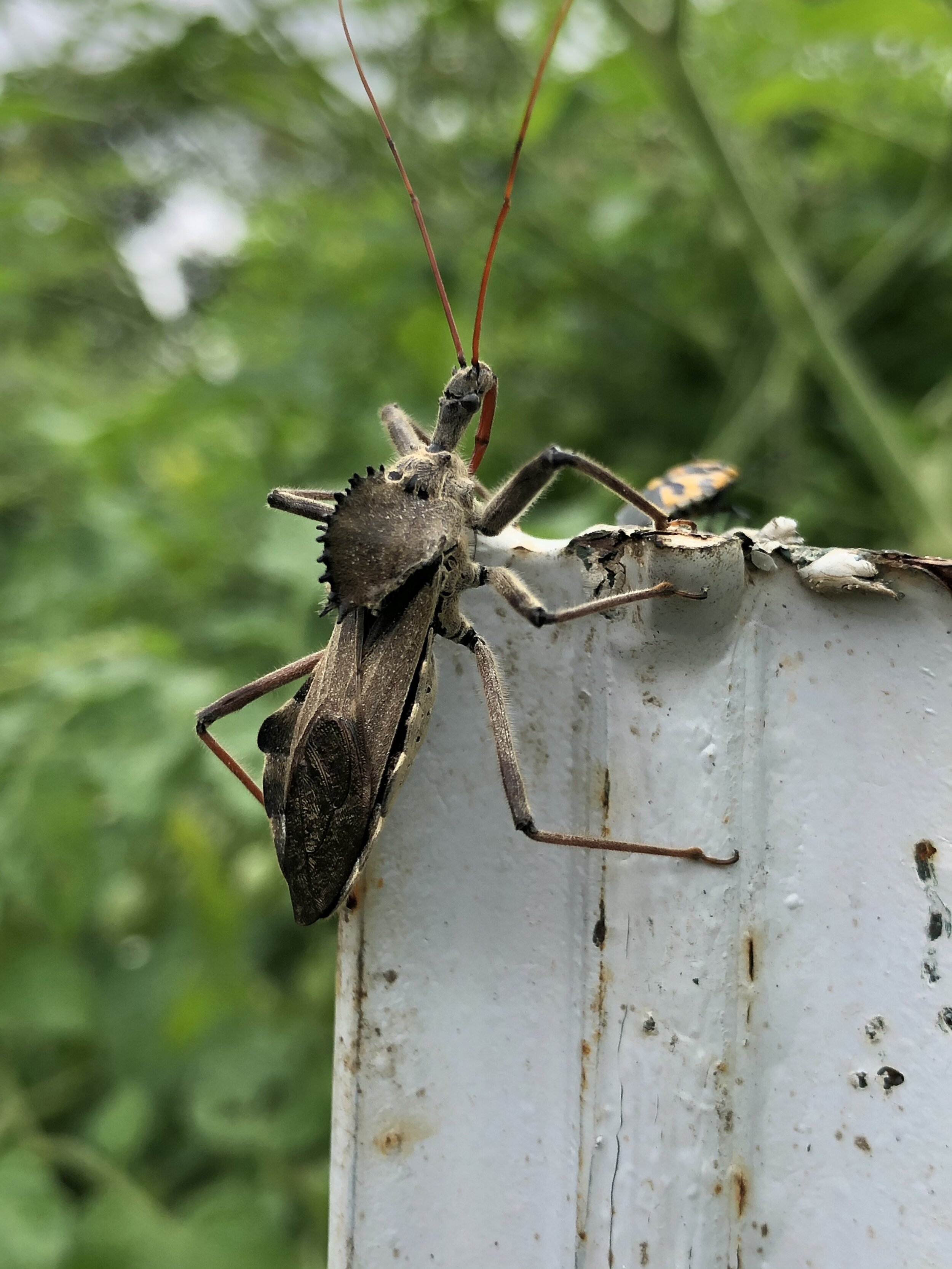
These gray-brown insects often gather on squash and pumpkin plants. Their feeding can cause yellow spots and wilting. Check leaf undersides for eggs and young insects.
Whiteflies
Tiny white insects fly up when disturbed. They gather under leaves, suck plant sap, and may leave sticky residue. Some species transmit plant viruses.
Spider mites
Spider mites are tiny relatives of spiders, not true insects. They cause pale speckles, bronzing, and sometimes fine webbing. Hot, dry conditions can help their numbers rise.
Slugs and snails
These soft-bodied garden visitors feed on seedlings, leaves, and ripe produce. Look for irregular holes and slime trails, especially in damp areas.
Cutworms
Some cutworm caterpillars feed near the soil surface and may sever young seedlings at the base. Check the soil around damaged plants after dark.
Quick Garden Pest Identification Table
This table links common symptoms with likely pests and a useful first step. Treat each match as a clue rather than a firm diagnosis because more than one problem can cause similar damage.
Curled shoots with sticky leaves
Possible cause: aphids. First step: inspect new growth and wash off small colonies with a gentle stream of water.
Leaves with large holes
Possible cause: caterpillars, beetles, slugs, or snails. First step: inspect the plant during the day and again after dark.
Leaves with fine pale speckles
Possible cause: spider mites. First step: examine the undersides of leaves closely for moving mites or fine webbing.
Squash leaves with yellow spots and wilt
Possible cause: squash bugs or another plant stress. First step: inspect leaf undersides, stems, and soil moisture.
Seedlings cut at ground level
Possible cause: cutworms or other stem-feeding pests. First step: inspect the soil near the damaged seedlings.
Good Bugs in Your Garden You Should Protect
Many bugs help your garden thrive. Bees and other pollinators help flowers form fruit and seeds. Lady beetles, lacewings, and some predatory bugs feed on pests. Ground beetles and other soil-dwelling insects also play roles in the garden food web.
Before removing an insect, ask what it is doing. A single insect on a leaf may not cause meaningful damage. Spraying every bug can kill helpful species along with pests, leaving fewer natural predators to keep future outbreaks in check.
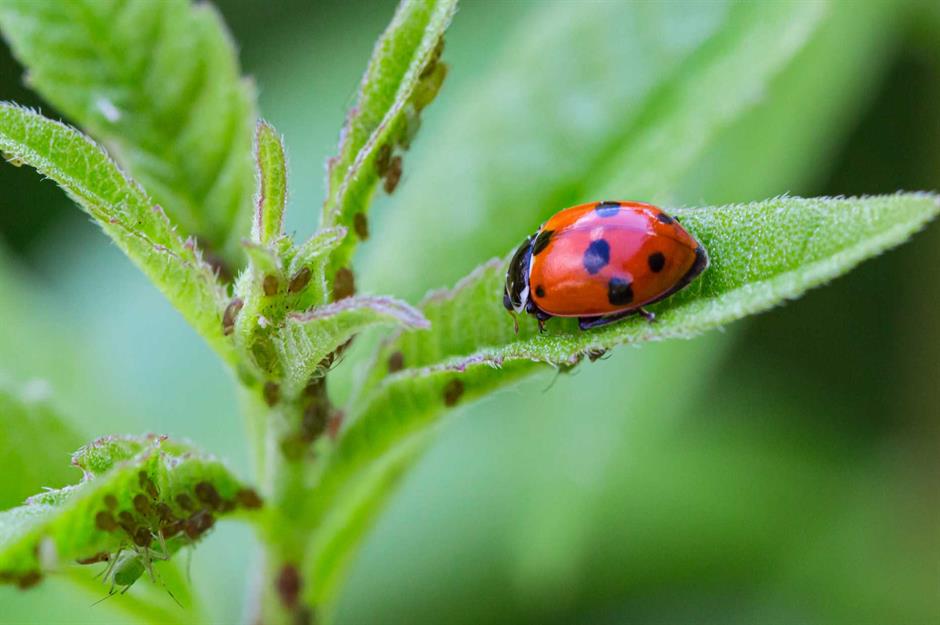
Source: fix.com
Lady beetles
Many lady beetle species eat aphids and other small pests. Both adults and larvae may help control aphid populations.
Green lacewings
Lacewing larvae prey on aphids, mites, and other small insects. Adults of many species feed on nectar, pollen, or honeydew.
Bees and flower visitors
Bees and other pollinators help many fruit, vegetable, and flowering plants reproduce.
Ground beetles
Many ground beetles hunt other small animals, including certain insect pests and their larvae.
Praying mantises
Mantises eat a range of insects, but they do not target only pests. They may also eat pollinators and other beneficial insects.
How to Attract Helpful Insects
A garden with different kinds of plants can offer food and shelter to helpful insects. Choose flowers with varied bloom times, and include native plants suited to your region. Avoid broad-spectrum insecticides when possible, since these can harm pollinators and natural predators.
Plant a range of flowers
Choose suitable native flowers and plants that bloom at different times of the growing season.
Keep some plant variety
Mix crops with flowers and other suitable plants rather than growing only one type of plant throughout the yard.
Avoid needless spraying
Monitor plants first and use targeted controls only when the damage justifies them.
Provide safe shelter
Maintain healthy soil, suitable plant cover, and a range of habitats without allowing pest problems to grow unchecked.
How to Get Rid of Harmful Garden Bugs
The safest way to control garden pests is to start with the least disruptive method that works. You do not need to eliminate every insect. Focus on protecting plant health, saving young crops, and stopping serious damage from spreading.
Integrated pest management, often called IPM, combines monitoring, prevention, physical removal, biological controls, and careful pesticide use when needed. This approach helps reduce unnecessary treatments while keeping pest damage at a manageable level.
Source: loveincorporated.blob.core.windows.net
Step 1: Confirm the pest
Identify the insect or other organism and check whether the damage is active. Do not treat a plant based only on yellow leaves or holes.
Step 2: Check how much damage exists
Look at the number of affected plants, the amount of damaged tissue, and whether new growth remains healthy. A few damaged leaves may not require treatment.
Step 3: Remove pests by hand
Pick larger insects and egg clusters from plants when practical. Drop them into a container of soapy water only when you have identified them as pests and can avoid harming beneficial species.
Step 4: Use water for small pests
A gentle stream of water can dislodge aphids and some other soft-bodied pests. Repeat as needed and avoid damaging delicate shoots or keeping foliage wet for long periods.
Step 5: Protect vulnerable plants
Use suitable insect netting or floating row covers to keep pests away from crops. Install covers before pests arrive and allow access for pollinators when the crop needs insect pollination.
Step 6: Choose targeted treatment if needed
If damage continues, select a product labeled for the exact pest and plant. Follow every label direction, including application rates, protective equipment, harvest intervals, and pollinator precautions.
When Insecticidal Soap May Help
Insecticidal soap can control certain soft-bodied pests, including aphids and whiteflies, when the product directly contacts them. It does not provide reliable control of every garden pest, and it usually has little lasting effect after the spray dries. Coverage matters, especially on leaf undersides.
Use a product specifically labeled for the plant and pest you are treating. Some plants can suffer leaf injury, particularly under heat or drought stress. Follow the label and test a small area when the directions allow. Do not assume that dish soap is a safe substitute for a formulated garden product.
Check the label first
Confirm that the crop, ornamental plant, or edible plant is listed for the intended use.
Avoid heat stress
Follow temperature and weather limits on the label. Do not spray stressed plants unless the product directions specifically allow it.
Protect pollinators
Avoid spraying bees, flowering plants visited by pollinators, and other beneficial insects. Follow all label precautions.
Why Homemade Bug Sprays Can Cause Problems
Recipes made with vinegar, concentrated soap, essential oils, or other household ingredients may injure leaves without solving the pest problem. Household mixtures are not automatically safer than registered garden products. Their strength and effects can vary, and some can harm soil organisms or helpful insects.
Skip untested mixtures and use physical controls first. If you need a spray, choose a product labeled for the intended pest and plant. Keep it away from children and pets as directed, and never mix products unless their labels explicitly permit it.
Avoid concentrated household cleaners
Bleach, strong detergents, and similar cleaners can injure plants and create hazards when mixed with other substances.
Do not assume natural means harmless
Plant oils and other natural substances can still harm insects, plants, people, or pets when misused.
Keep records
Write down the pest, treatment, date, and plant response so you can judge whether the method worked.
Prevent Garden Bugs Before They Spread
Good garden care can reduce the risk of some pest outbreaks. Healthy plants can often tolerate minor feeding better than plants under drought, nutrient stress, or root damage. Prevention will not stop every pest, but it can make problems easier to manage.
Match your routine to your region and crops. A vegetable garden in humid Georgia may face different pest pressure from a raised bed in dry Arizona. Check plants often during warm growing periods, when many insect populations can grow quickly.
Source: theoklahomahomesteader.com
Inspect new plants
Check leaves, stems, and potting mix before bringing nursery plants into the garden. Keep questionable plants separate until you can identify and address the issue.
Water at the root zone
Water soil rather than repeatedly soaking leaves when practical. Use a schedule that fits your soil, crop, and weather instead of watering by the calendar alone.
Remove badly infested material
Prune affected plant parts when appropriate and dispose of them in a way that prevents pests from spreading. Do not compost diseased or heavily infested material unless your composting system can handle it safely.
Clean garden tools
Remove soil and plant debris from pruners, shears, and other tools. Clean and disinfect tools when a plant disease or contaminated material makes it necessary.
Rotate annual crops
Move crops to different beds from year to year when possible. Rotation can help reduce certain soil-associated pests, though it will not control every insect.
Use crop covers and barriers
Install suitable row covers, collars, or mesh before the target pest reaches plants. Make sure the barrier fits the crop and does not trap unwanted heat.
Keep a Simple Weekly Pest Check
A short inspection each week can catch many problems before they spread. Check a few plants from each crop, including their newest leaves and leaf undersides. Inspect more often if you see fresh damage or if your area has a known seasonal pest problem.
Record the date
Note when you first see the bug or damage and whether the affected area grows over time.
Count affected plants
Record how many plants show signs of damage. This helps you decide whether hand removal is enough or a wider response is needed.
Recheck after treatment
Follow the product label or your control plan for the next inspection. Look for new damage and live pests rather than expecting old leaf marks to disappear.
Why Are There So Many Bugs in My Garden?
A sudden increase in garden bugs often means that food, shelter, and weather conditions favor a particular species. Warm temperatures can speed up the life cycle of some insects. New plants may bring pests into the yard, and a lack of natural predators can allow certain populations to grow.
The cause is not always poor garden care. Insects naturally move between yards, wild plants, farms, and nearby habitats. The goal is to find out why the current population is causing trouble and choose a response that fits the pest.
Source: images.squarespace-cdn.com
Warm weather
Many insects develop faster in warm conditions, although the effect varies by species and temperature.
Tender new growth
Fresh shoots and young leaves can attract aphids and other sap-feeding insects.
Wet, sheltered hiding places
Dense ground cover, damp debris, and shaded spaces can provide shelter for slugs and some other pests.
Repeated planting of one crop
Growing the same crop in the same place year after year can favor pests that rely on it, especially some soil-associated species.
Unneeded broad-spectrum sprays
Treatments that kill predators and parasitoids can reduce natural pest control and may allow some pest populations to rebound.
Do Garden Bugs Mean Your Soil Is Bad?
No. Finding insects does not automatically mean your soil is unhealthy. Soil supports many organisms, including decomposers and predators that help keep the garden ecosystem functioning. Some insects feed on living plants, while others help break down organic matter.
Judge soil health through several signs, such as soil structure, drainage, organic matter, root growth, and plant performance. If plants decline, check watering, roots, nutrients, and disease as well as insects. Do not apply a pesticide or soil treatment just because bugs are present.
Look at the whole plant
Check whether roots, stems, and leaves show signs of stress beyond the insects you can see.
Check soil moisture
Both waterlogged soil and drought can weaken plants or create conditions that favor certain pests.
Use a soil test when needed
A soil test through a suitable local service can help identify pH or nutrient issues that insects alone cannot explain.
When Garden Bugs Need Urgent Attention
Some pest problems deserve quick action, especially when seedlings are dying, an infestation is spreading, or a plant has severe damage. Fast action should still begin with identification. Using the wrong treatment can waste time and harm insects that might otherwise help.
A plant with wilted leaves may have insect damage, but it may also have root disease, heat stress, or a watering problem. Look for live pests, fresh feeding marks, and patterns across nearby plants before choosing a response.
Source: images.squarespace-cdn.com
Seedlings are being cut down
Inspect the soil and stem bases for cutworms or other pests. Protect healthy seedlings with suitable barriers and confirm the cause.
Several plants are wilting
Check soil moisture, roots, stems, and insects. If the cause is unclear or the problem spreads, contact a local extension service or qualified plant health professional.
A pest is spreading across a crop
Identify the pest, remove heavily affected plant parts where suitable, and seek region-specific guidance before choosing a treatment.
You find an unfamiliar stinging insect
Keep a safe distance and avoid handling nests. If the insect poses a risk to people, consult a qualified local pest professional for identification and control.
How to Protect Children, Pets, and Pollinators
Garden pest control should protect people and wildlife as well as plants. Read the full pesticide label before use, wear the required protective gear, and keep children and pets away for the period specified on the label. Never assume that a product is safe simply because it is sold for home gardens.
Avoid applying insecticides to blooming plants when bees or other pollinators may visit them. Do not spray in windy conditions or where runoff could reach drains, ponds, or streams. Store products in their original containers and follow local disposal instructions.
Follow the label
Use only the listed rate, application method, target pest, and approved plant site. The label gives essential directions and restrictions.
Protect edible crops
Check the crop listing and any preharvest interval. Wash produce as appropriate, but do not treat washing as a substitute for label directions.
Avoid unsafe mixtures
Never mix pesticides or household chemicals unless the product instructions explicitly allow the combination.
Get help when unsure
Contact your local Cooperative Extension office or a qualified pest professional when identification or safe treatment is uncertain.
Frequently Asked Questions
Q
Why are there tiny bugs all over my garden plants?
Tiny bugs may be aphids, whiteflies, thrips, or other small insects. Check leaf undersides, new shoots, and flowers. Look for sticky residue, curled leaves, pale speckles, or other signs of feeding. Identify the insect before treating the plant, since many small insects are harmless or beneficial.
Q
Should I kill every bug in my garden?
No. Many insects pollinate flowers, eat pests, or help break down organic matter. Remove or control insects only when you identify a real threat to your plants or people. Keeping beneficial insects in the garden can support natural pest control and reduce the need for sprays.
Q
What is the safest way to get rid of garden bugs naturally?
Start by identifying the pest, picking off larger insects, removing egg clusters, and washing suitable plants with water. Use row covers or other barriers when they fit the crop. Encourage beneficial insects and keep plants healthy. If you need a spray, use a labeled product and follow all safety directions. Natural products can still harm plants and wildlife.
Q
Can I use dish soap to kill bugs on my plants?
Dish soap is not the same as formulated insecticidal soap. Household products may contain ingredients that burn leaves or harm sensitive plants. A garden product labeled for the specific pest and plant is a better choice when a spray is needed. Follow the label and avoid spraying stressed plants or pollinators.
Q
How can I tell whether a garden bug is harmful or helpful?
Look at its shape, behavior, location, and the damage it causes. Lady beetles and lacewing larvae often eat pests, while aphids suck sap and caterpillars may chew leaves. Some insects have both helpful and harmful effects, so do not identify them by color alone. A clear photo and a local extension guide can help confirm the species.
Q
When is the best time to inspect garden bugs?
Inspect plants during regular garden care, especially when new growth appears or damage begins. Check leaf undersides during the day and look after dusk if slugs, snails, or night-feeding caterpillars may be present. The best inspection time depends on the pest, so repeat checks when signs of fresh damage appear.
✦ Wrapping Up
Conclusion
Finding bugs in your garden does not always mean trouble. Some insects damage leaves and fruit, while others pollinate flowers or feed on pests. The best response starts with careful identification, a check of the plant damage, and a clear reason to act.
Use simple controls first. Remove pests by hand when practical, wash off small colonies when suitable, protect vulnerable crops with barriers, and keep plants healthy. If you need a pesticide, choose one labeled for the exact pest and plant, then follow every safety direction. For an uncertain or serious problem, your local Cooperative Extension service can help you find a sound answer.
💡 Key Takeaway
Today, inspect three plants in your garden. Check the leaf undersides, photograph any unfamiliar bugs, note the damage, and identify the pest before you choose a control method.