The main types of plants in a garden include flowers, shrubs, trees, grasses, ground covers, vines, herbs, vegetables, and fruit plants. Each type serves a different purpose, from adding color and shade to growing food and covering bare soil.
Across the United States, a garden in sunny Florida can look quite different from one in cold Minnesota or dry Arizona. The best plants depend on local weather, soil, sunlight, water, and the space you have. Some gardens grow bright flowers, while others focus on fresh food, leafy shade, or low-care green plants.
Learning the main types of plants in a garden makes it easier to plan a space that suits your needs. You do not need to know every plant name before you begin. Start with a few plant groups, learn what each one does, and choose kinds that can grow well in your part of the country.
This guide explains the main garden plant types, how they differ, and where each one fits. It also covers annuals, perennials, native plants, and other useful groups. By the end, you will have a simple way to choose plants for a flower bed, vegetable patch, front yard, or small patio.
Garden plants can be grouped by their shape, life cycle, growing habit, and purpose. These groups help you understand what a plant can do in your yard. For example, a tree gives height and shade, while a ground cover spreads across open soil.
Some groups overlap. A rose is a flowering shrub, a tomato is a vegetable crop, and a lavender plant can serve as both an ornamental plant and a source of fragrant leaves. These labels describe different traits, so one plant can fit more than one group.
For garden planning, start with the job each plant needs to do. Then check whether the plant can thrive in your local climate and the spot where you want to grow it.
Flowering plants
Add color, scent, and flowers that can attract pollinators.
Shrubs and trees
Provide structure, height, privacy, shade, and shelter.
Grasses and ground covers
Fill open areas, soften garden edges, and cover soil.
Vines and climbers
Grow along suitable supports, fences, and trellises.
Herbs, vegetables, and fruit plants
Produce food and can make a garden useful as well as attractive.
Ferns and foliage plants
Add leaf color, texture, and greenery, including in shaded spots.
Ornamental Plants and Edible Plants
Ornamental plants are grown mainly for their flowers, leaves, shape, or seasonal color. Roses, hostas, ornamental grasses, and many shrubs fall into this group. Edible plants are grown for food and include lettuce, peppers, basil, strawberries, and fruit trees.
The two groups can share the same garden. You might place herbs along a sunny path, grow flowers beside vegetables, and use a small fruit tree as a focal point. Choose plants with similar light and water needs when planting them close together.
For appearance
Choose plants for flower color, leaf shape, fragrance, or year-round structure.
For food
Choose crops that suit your growing season, available sunlight, and kitchen needs.
1. Flowering Plants for Color and Pollinators
Flowering plants bring color to garden beds, borders, containers, and window boxes. Their blooms may last for a few weeks or appear through much of the growing season, depending on the species and local conditions. Many flowers also offer nectar or pollen to bees, butterflies, and other insects.
When choosing flowers, check their light needs and bloom time. A bed with plants that flower at different times can stay colorful for longer than one planted with a single kind. Some flowers prefer full sun, while others grow better in part shade.
Flower color is only one part of the choice. Plant height, water needs, spread, and expected mature size also affect how well flowers fit together.
Annual flowers
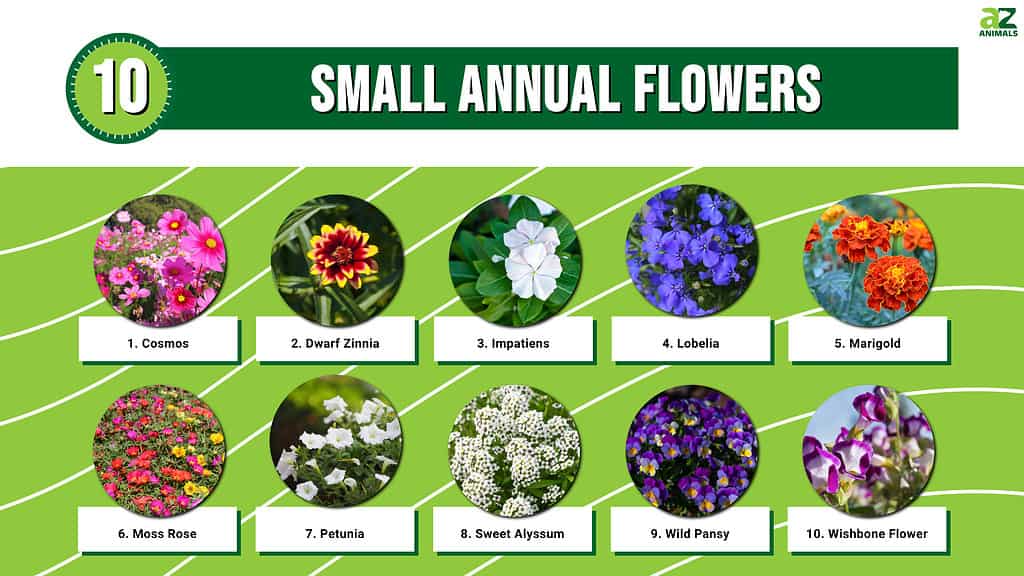
Zinnias, marigolds, cosmos, and many petunias are common choices for seasonal color. Most complete their life cycle within one growing season.
Perennial flowers
Coneflowers, black-eyed Susans, garden phlox, and many daylilies can return for several years when suited to the site.
Bulb flowers
Tulips, daffodils, and some lilies grow from bulbs. Planting depth and season depend on the type and local climate.
Wildflowers
Suitable native wildflowers can add a natural look and provide food or shelter for local wildlife.
Annual Flowers Versus Perennial Flowers
Annuals are useful when you want a fresh display each season. Many bloom for a long stretch in warm weather, but they usually need to be replanted the next year. Perennials often take time to establish and may have a shorter bloom period, yet they can return from year to year.
A mix can work well. Plant perennials as the main structure of a flower bed, then fill gaps with annuals for extra color. Remember that some plants treated as annuals in cold regions may survive as perennials in warmer parts of the United States.
Choose annuals when
You want seasonal color, flexible layouts, or a quick change in the look of a container.
Choose perennials when
You want plants that can return over several growing seasons and build a lasting garden.
How to Place Flowers in a Garden
Place taller flowers toward the back of a border or near a fence when the garden is viewed from one side. Use shorter plants near the front so they do not hide smaller blooms. In an island bed that can be viewed from all sides, taller plants often work best near the center.
Leave enough room for mature growth. Crowded flowers may receive less airflow, compete for light, and become harder to maintain. Follow the spacing guidance for each plant rather than planting by the size of a small nursery pot.
For a sunny bed
Consider zinnias, cosmos, coneflowers, or other flowers suited to your local climate.
For partial shade
Look at impatiens, begonias, or shade-tolerant perennials suited to your region.
2. Shrubs for Structure, Privacy, and Flowers
Shrubs are woody plants that often grow several stems from the base. They give a garden shape and help connect low flowers with taller trees. Depending on the species, a shrub may provide flowers, colorful leaves, berries, privacy, or a green backdrop throughout the year.
Some shrubs stay compact, while others grow wide and tall. Check the mature height and width before planting near a house, walkway, fence, or window. A shrub that looks small in a garden center may need much more room after several growing seasons.
Shrubs also differ in how much pruning they need. Some keep a tidy shape on their own, while others may need regular trimming or occasional removal of old stems.
Flowering shrubs
Hydrangeas, roses, and suitable varieties of azalea can add blooms, but each has its own soil, light, and pruning needs.
Evergreen shrubs
Many hollies, junipers, and boxwoods retain foliage through much or all of the year, depending on the species and climate.
Deciduous shrubs
These lose their leaves during a seasonal period of dormancy and may offer spring flowers or fall color.
Native shrubs
Regionally native shrubs can offer shelter and food for local wildlife when planted in suitable conditions.
Evergreen Shrubs Versus Deciduous Shrubs
Evergreen shrubs are useful when you want year-round foliage, screening, or a steady green background. They do not all keep every leaf forever, but they generally retain foliage through the main dormant season. Choose a type that can handle your winter temperatures and summer heat.
Deciduous shrubs offer seasonal change. Some bloom in spring, some produce bright berries, and others develop colorful fall leaves. Their bare winter branches may expose views that evergreen shrubs would block, so consider the purpose of the planting before choosing.
Use evergreen shrubs for
Screening, consistent greenery, and structure through different seasons.
Use deciduous shrubs for
Seasonal flowers, fall color, and a garden that changes through the year.
3. Trees for Shade, Height, and Habitat
Trees add height and long-term structure to a garden. A suitable tree can provide shade, shelter, flowers, fruit, or a place for birds to rest. Trees also influence nearby plants because their canopies reduce sunlight and their roots compete for water and nutrients.
The best tree depends on the size of your yard, your local climate, and the space available for roots and branches. A large shade tree may be a poor fit for a small front yard, especially near a building, driveway, or overhead utility line. Small ornamental trees can offer flowers or fall color without the same mature size.
Before planting, learn the tree’s expected height, canopy width, root characteristics, and water needs. Check local planting guidance for utility lines and underground services before digging.
Shade trees
Suitable oaks, maples, and other large trees can shade lawns, patios, and outdoor seating areas.
Flowering trees
Dogwoods, redbuds, and other region-appropriate species can add seasonal blooms.
Fruit trees
Apple, peach, citrus, and other fruit trees can produce food where the climate and variety are suitable.
Dwarf or small trees
Compact varieties may fit smaller yards, though they still need suitable soil, spacing, and long-term care.
Choosing a Tree for a Small Garden
In a small yard, look for a tree whose mature size fits the space rather than choosing by the size of the young plant. Consider how much shade it will cast, whether its branches will reach nearby structures, and whether fallen fruit or leaves could create extra work.
A small ornamental tree may be a better choice than a large canopy tree when the goal is spring flowers or a focal point. If shade is the main goal, choose a suitable tree with enough room to grow without repeated harsh pruning.
Check the mature canopy
Allow space for the expected spread of the branches.
Match the climate
Use a species and variety that can handle your area’s winter lows, summer heat, and rainfall pattern.
4. Ornamental Grasses and Ground Cover Plants
Ornamental grasses and ground covers fill the lower parts of a garden. They can soften the edges of paths, cover bare soil, and create contrast beside flowers and shrubs. Some ornamental grasses also add movement as their leaves and flower heads sway in the wind.
Ground covers spread along the soil surface or grow as low, dense clumps. Depending on the species, they may help limit open spaces where weeds can grow. They do not always prevent weeds completely, especially while young, so the bed may still need weeding and mulch.
Choose plants that suit the site’s light and moisture. A ground cover that spreads quickly in one region may become invasive in another, so check local recommendations before planting.
Ornamental grasses
Little bluestem and other suitable native grasses can add texture and seasonal color.
Low ground covers
Creeping thyme, sedum, and other low plants can cover sunny areas when their growing needs are met.
Shade ground covers
Some native sedges and other shade-tolerant plants can cover areas beneath trees.
Lawn alternatives
Suitable low-growing plants can replace some lawn areas where foot traffic and local conditions allow.
When Ground Covers Work Best
Ground covers are useful on borders, between suitable stepping stones, and in spaces where turf grass is hard to maintain. They are not all suitable for walking on, and some spread into nearby beds. Check the plant’s growth habit before using it near a lawn or path.
Prepare the area before planting by removing existing weeds and correcting major soil or drainage problems. Space plants according to their expected spread. Water them as they establish, then adjust care to the needs of the species and the local weather.
For dry, sunny areas
Consider drought-tolerant plants suited to your soil and region.
For moist shade
Choose shade-tolerant species that can handle the site’s moisture without suffering from poor drainage.
5. Vines and Climbing Plants
Vines grow along the ground or climb using twining stems, tendrils, or other structures. They can cover trellises, soften fences, and make use of vertical space in small gardens. Flowering vines may also bring color and fragrance to a wall or seating area.
Not every vine climbs in the same way. Some need a trellis or wire support, while others attach to surfaces. Before allowing a vine to grow on a building, check how it attaches and whether it could damage paint, mortar, siding, or other surfaces.
Some vines grow very quickly and can spread beyond the area where they were planted. Check local invasive plant guidance before buying one, and keep vigorous growers within suitable bounds.
Flowering vines
Clematis and other suitable climbing plants can add flowers to a supported garden feature.
Edible vines
Pole beans, peas, and some cucumbers can grow vertically with suitable supports.
Fragrant vines
Some honeysuckles and other climbing plants offer scent, but choose species that are appropriate for your region.
Foliage vines
Certain vines are grown mainly for leaf cover and can screen a fence or trellis.
Growing Vines in Small Spaces
A sturdy trellis can help a vine grow upward rather than spread across a bed. This approach can save ground space, but the support must be strong enough for the mature plant and its wet foliage. Edible vines may also need regular picking and training.
Place the support where the plant will receive the right amount of sun. Keep the vine away from gutters, roof edges, and other places where unchecked growth could cause problems. Prune according to the species rather than cutting every vine in the same way.
Check support strength
Use a stable trellis or frame that can carry the plant as it grows.
Control the spread
Inspect vigorous growth and remove unwanted shoots when appropriate for the plant.
6. Herbs for Fragrance and Everyday Use
Herbs are plants grown for their flavorful or fragrant leaves, stems, flowers, or seeds. Many fit well in kitchen gardens, raised beds, pots, and sunny spots near the house. A small herb patch can provide fresh ingredients without taking up much room.
Herbs do not all need the same conditions. Rosemary, thyme, and oregano often prefer well-drained soil and plenty of sun. Basil and parsley generally need more consistent moisture, although their exact needs depend on the climate and growing setup.
Grouping herbs by their water needs makes care easier. A pot of rosemary that prefers drier soil may not thrive beside an herb that needs frequent watering. Use clean containers with drainage holes and choose a pot large enough for the plant’s roots.
Basil
A warm-season herb often grown in sunny beds and containers for its aromatic leaves.
Mint
A spreading herb that is often easier to manage in a separate pot than in an open garden bed.
Rosemary
An aromatic herb that needs suitable drainage and a climate warm enough for the chosen variety.
Thyme and oregano
Useful herbs that often suit sunny areas with well-drained soil.
Parsley and chives
Common kitchen herbs that can grow in beds or containers when their light and moisture needs are met.
How to Start a Simple Herb Garden
Choose a spot that meets the needs of the herbs you want to grow. Many culinary herbs grow well with several hours of direct sunlight, but check the requirements of each type. A container garden can work well when yard space is limited.
Use a suitable potting mix for containers and make sure extra water can drain away. Harvest only as much as the plant can spare, and avoid removing so much foliage that a young plant cannot keep growing. Check the identity of an herb before eating it, especially if it was grown as an ornamental.
Keep mint contained
Grow mint in a pot to reduce the chance that its spreading roots will take over nearby beds.
Harvest with care
Use clean scissors and leave enough healthy growth for the plant to recover.
7. Vegetable Plants for a Productive Garden
Vegetable plants provide fresh produce and can grow in garden beds, raised beds, and containers. The best choices depend on your climate, growing season, sunlight, and the amount of space available. Some crops produce food in a short period, while others need a longer season or more room.
Leafy crops such as lettuce and spinach can suit smaller spaces, although heat may make some varieties bolt or turn bitter. Tomatoes and peppers often need plenty of sun and regular moisture. Root crops such as carrots and radishes need soil that allows their roots to form without too many obstructions.
Before planting, read the seed packet or plant label for sowing dates, spacing, and days to maturity. Local university extension services can help you match planting dates to your area’s frost dates and seasonal conditions.
Leafy vegetables
Lettuce, kale, and spinach provide edible leaves and can fit many raised beds.
Fruiting vegetables
Tomatoes, peppers, eggplants, and cucumbers grow edible fruits, though their growing needs differ.
Root vegetables
Carrots, radishes, and beets grow edible roots and need suitable soil depth and structure.
Legumes
Bush beans, pole beans, and peas can produce edible pods; some types need trellises or other supports.
Which Vegetables Grow Well in Small Gardens?
For a small garden, consider crops that fit containers or narrow beds. Lettuce, radishes, herbs, bush beans, and compact tomato varieties can be useful choices when the growing conditions suit them. Vertical supports can help make room for climbing crops.
Do not assume that a small plant always needs little space. Tomatoes, cucumbers, and some squash plants can spread widely as they mature. Check mature size, root depth, and support needs before deciding how many plants will fit.
For containers
Choose compact crops and containers large enough to hold the roots and moisture needed by the plant.
For raised beds
Group crops by sun and water needs, and leave enough space for air to move around the leaves.
8. Fruit Plants for Homegrown Harvests
Fruit plants range from small strawberry plants to large trees. They can provide seasonal harvests and add flowers, foliage, or attractive fruit to a garden. The amount of care required varies by crop, variety, and local climate.
Strawberries can grow in beds, hanging planters, and containers with suitable drainage. Blueberries need soil that is more acidic than many common garden plants prefer. Apples, peaches, and many other fruit trees may need suitable pollination partners, enough winter chill, or particular pruning methods.
Fruit plants also need protection from pests and weather. Before choosing a crop, check local disease concerns, likely harvest dates, and whether the variety is recommended for your region.
Berry plants
Strawberries, raspberries, blackberries, and blueberries offer different growth habits and soil needs.
Citrus plants
Lemons, oranges, and other citrus grow outdoors in suitable warm regions and may need winter protection elsewhere.
Fruit trees
Apples, pears, peaches, and plums can suit home gardens when their climate and pollination needs are met.
Grapevines
Grapes can grow along sturdy trellises or other supports and usually need a suitable sunny site.
What to Check Before Planting Fruit
Find out whether the plant needs another variety for pollination. Some fruit plants can produce fruit alone, while others set better crops with a compatible partner. The answer depends on the species and variety.
Also check mature size, pruning needs, and expected harvest conditions. A fruit tree may offer more produce than a small household needs, while a container strawberry plant may be easier to manage in a limited space.
Check pollination
Read the variety information to see whether a second compatible plant is needed.
Check local fit
Choose fruit types suited to local winter temperatures, summer heat, and disease pressure.
9. Ferns and Foliage Plants for Leaf Texture
Foliage plants are grown mainly for their leaves rather than showy flowers. They can bring contrast to a garden through leaf shape, color, size, and texture. Ferns are one group often used in shaded gardens, while hostas and some ornamental foliage plants provide broad leaves.
A shaded area does not have to look empty. The right mix of ferns, shade-tolerant perennials, and ground covers can make a layered planting beneath trees or beside a north-facing wall. However, shade plants differ in their moisture needs, and dry shade beneath tree roots can be difficult.
Look at the amount of light the area receives through the day. Bright indirect light, dappled shade, and deep shade are not the same. Select plants for the actual conditions rather than assuming every plant with large leaves will thrive in any dark spot.
Source: www.youtube.com
Ferns
Many ferns offer finely divided leaves and suit shaded, moist areas, though some tolerate drier conditions.
Hostas
These leafy perennials offer varied leaf colors and sizes but may need protection from slugs or deer in some gardens.
Heucheras
Some varieties provide colorful leaves and can fit borders or containers where conditions suit them.
Shade-tolerant ground plants
Choose suitable species for the site’s soil moisture, winter climate, and light level.
How to Make a Shady Garden Look Full
Use plants with different leaf sizes and growth heights to create depth. Broad leaves can sit beside fine fern fronds, while low plants cover the front of a bed. Repeating a few plant types can help the garden feel connected instead of crowded.
Water according to the soil and plant needs. Soil under trees may dry quickly because tree roots take up water, even when the area receives little direct sun. Check the soil before watering rather than relying on shade alone as a sign that the ground is moist.
Mix leaf textures
Combine broad, narrow, and finely divided leaves for contrast.
Respect mature size
Leave room for foliage to spread and avoid filling every gap with new plants.
10. Native Plants for a Garden That Fits Its Region
Native plants are species that occur naturally in a particular region without being introduced there by people. Their local relationships with insects, birds, and other wildlife can make them useful additions to a home garden. A plant native to one part of the United States may not be native to another.
When selected for the right site, native plants can often grow well with less extra watering or other input once established. That does not mean every native plant is low maintenance. A wetland species may struggle in dry sandy soil, and a plant from a cool region may not handle intense southern heat.
Native plants can include flowers, grasses, shrubs, vines, and trees. This means a native garden does not need to look like a wild field. You can create a neat border, a small pollinator bed, or a natural-looking planting with regionally appropriate species.
Native wildflowers
Species such as regionally suitable coneflowers and milkweeds can provide flowers and support particular pollinators.
Native grasses
Some native grasses add texture, help cover soil, and offer habitat for wildlife.
Native trees and shrubs
Locally appropriate woody plants can provide shade, nesting areas, and seasonal food sources.
How to Find Native Plants for Your Area
Start with a native plant list from a state university extension service, a local botanical garden, or a regional native plant society. Check the exact species rather than relying only on a common name, because common names can refer to different plants.
Match the plant to your garden’s sun, soil, moisture, and space. Ask a reputable nursery whether its plants were grown for the region and whether the species spreads aggressively. Avoid collecting wild plants without permission, and do not buy plants taken illegally from natural habitats.
Use regional sources
Look for plant recommendations from local extension services or native plant groups.
Check the exact species
Confirm botanical identity and local suitability before buying or planting.
How to Choose the Right Plants for Your Garden
The best way to choose garden plants is to match them to the growing conditions first, then consider color, shape, and purpose. A plant that suits the site is usually easier to care for than one that needs constant help to cope with the wrong conditions.
Walk around the garden at different times of day and note where sunlight falls. Look for spots that stay wet after rain, areas where the soil dries quickly, and places where roots or branches may compete for room. These observations help narrow the list before you buy anything.
If you are new to gardening, begin with a small group of plants with similar needs. You can add more types after you learn how the space responds to heat, rain, shade, and seasonal change.
Sunlight
Full-sun plants often need at least six hours of direct sun a day, while part-shade and shade plants need less. Exact requirements vary by species and climate.
Soil and drainage
Some plants prefer sandy, well-drained soil, while others handle heavier or consistently moist soil. Avoid planting into a site that stays waterlogged unless the plant can tolerate it.
Climate
Check winter hardiness and summer heat tolerance. Conditions in northern states differ from those in the Gulf Coast, Southwest, and Pacific Northwest.
Water needs
Group plants with similar water needs when possible. This makes irrigation easier and helps prevent some plants from staying too wet.
Mature size
Plan for the plant’s full height and spread rather than its size at purchase.
Maintenance
Consider pruning, deadheading, harvesting, leaf cleanup, and likely pest problems before choosing a plant.
A Simple Plant Selection Table
Use this table as a starting point when matching plant groups to garden goals. Individual species can have different needs, so check the plant label or a trusted regional growing guide before planting.
For color
Choose annual flowers and perennials suited to the bed’s sunlight and local growing season.
For privacy
Consider suitable evergreen shrubs or trees, with enough room for their mature size.
For food
Choose herbs, vegetables, berries, or fruit trees that match your available light and climate.
For shade
Look for trees that fit the yard, then select understory plants suited to the light and moisture beneath them.
For bare soil
Use suitable ground covers or low-growing plants that will not become invasive in your region.
A Practical Example for a Small Front Yard
A small front yard might use one compact ornamental tree as a focal point, a few shrubs for structure, and a low border of flowering perennials. Ground covers can fill suitable open spaces, while a few annual flowers add seasonal color. The exact plant choices should reflect the site’s sun, soil, and climate.
Avoid placing too many plants in the first season. Young plants often look small, but many grow wider over time. Leave space for maintenance and access to windows, paths, drains, and utility areas.
Build from large to small
Plan trees and shrubs first, then add perennials, ground covers, and seasonal flowers.
Keep the design simple
Repeat a few plant types instead of buying many unrelated plants that need different care.
Common Mistakes When Choosing Garden Plants
Many garden problems start before a plant goes into the ground. A beautiful plant can struggle if the site is too wet, too dry, too shady, or too cold. A little planning can prevent wasted money and reduce the need to replace plants later.
Another common problem is planting too closely. Nursery plants may look small at first, but roots and branches need room as they grow. Crowding can make pruning harder and reduce airflow around leaves.
Care routines also need to fit the plant. Watering every plant on the same schedule can leave some roots too wet while others dry out. Check soil moisture and adjust to the weather and plant type.
Choosing by looks alone
Check climate, light, drainage, and mature size before buying a plant.
Ignoring invasive potential
Check regional invasive plant lists, especially for fast-growing vines and ground covers.
Overwatering
Water according to soil moisture and plant needs rather than following one fixed schedule for the whole garden.
Using too much fertilizer
Test soil when useful and follow the plant’s needs and product label. More fertilizer does not always mean better growth.
Forgetting mature size
Leave enough space for the plant to grow without constant trimming or removal.
Planting at the wrong time
Follow local guidance for planting trees, shrubs, bulbs, and seasonal crops.
How to Fix a Plant That Is Struggling
Start by checking the soil moisture and recent weather. Wilting can occur when a plant lacks water, but roots damaged by excess water may also fail to supply enough moisture to the leaves. Do not assume that every wilted plant needs more water.
Next, check light, drainage, pests, and signs of disease. Look at the undersides of leaves and the base of the stems, and compare the symptoms with reliable regional plant health resources. Make one well-supported change at a time when possible so you can see whether conditions improve.
If a plant has a serious or spreading disease, seek advice from a local extension service or qualified plant health professional. Avoid applying pesticides or fungicides until you have identified a likely problem and checked that the product is labeled for the plant and intended use.
Check water first
Feel the soil below the surface and check whether the pot or bed drains properly.
Inspect leaves and stems
Look for insects, unusual spots, damaged roots, or signs of rot.
Review the plant’s needs
Confirm that the plant receives suitable light, temperature, spacing, and soil conditions.
Frequently Asked Questions
Q
What are the most common types of plants in a garden?
Common garden plant groups include flowering plants, shrubs, trees, grasses, ground covers, vines, herbs, vegetables, fruit plants, ferns, and other foliage plants. A garden can use several groups together or focus on one purpose, such as growing food or creating a flower border.
Q
Which plants are easiest for beginners to grow?
Easy plants depend on your climate and growing conditions. Zinnias and marigolds can be useful choices for sunny seasonal flower beds, while basil and some leafy crops can work well in suitable containers. Choose plants that match your light, soil, and watering routine instead of relying on a universal list of easy plants.
Q
What is the difference between annual and perennial plants?
Annual plants generally complete their life cycle in one growing season, while perennials can live for several years and regrow when conditions allow. Annuals often provide seasonal color, while perennials can form a lasting garden structure. Climate can affect how a plant grows, so a species may behave differently in different parts of the United States.
Q
How many types of plants should I grow in my garden?
There is no fixed number. A small garden can look attractive with a few well-chosen plant types, while a larger garden may support more variety. Start with the space available, the time you can spend on care, and the main purpose of the garden. Add more plants as you learn what grows well.
Q
Can flowers, vegetables, and herbs grow in the same garden?
Yes. Flowers, vegetables, and herbs can share a garden when their light, soil, spacing, and water needs are compatible. Some flowers can also provide nectar and pollen for visiting insects. Keep enough space for crops to grow, and avoid placing plants together when one will shade or crowd the other.
Q
How do I choose plants for a shady garden?
First, determine whether the site receives dappled light, part shade, or deep shade. Then choose shade-tolerant plants that match the soil moisture and local climate. Ferns, hostas, and some native ground covers may work in suitable sites, but dry shade beneath large trees can still be challenging.
Q
Are native plants better for a home garden?
Native plants can support local wildlife and may need less extra care when they are matched to the right soil, light, and moisture conditions. They are not automatically suited to every garden or maintenance-free. Choose species native to your region and avoid plants listed as invasive in your area.
✦ Wrapping Up
Conclusion
The types of plants in a garden range from colorful flowers and leafy shrubs to shade trees, ground covers, climbing vines, herbs, vegetables, and fruit plants. Each group brings a different benefit. The right mix depends on whether you want color, privacy, shade, food, wildlife habitat, or a little of everything.
Begin by studying the light, soil, drainage, climate, and available space in your garden. Then choose plants that fit those conditions and allow room for mature growth. A simple plan with compatible plants is often easier to care for than a crowded collection of plants with very different needs.
You do not need to plant everything at once. Start with a few suitable choices, watch how they grow through the season, and make changes as needed. With a clear plan and the right plant types, even a small outdoor space can become useful, welcoming, and full of life.
💡 Key Takeaway
Before buying plants, list your garden’s sunlight, soil moisture, climate, and available space. Choose one or two plant types for your main goal, check their mature size and care needs, and build the rest of the garden around them.