Garden plans zone 5 work best when they match your local frost dates, sunlight, soil, and the plants that can handle cold winters. Start with a simple layout, choose hardy plants, and leave room for growth.
Homeowners across the United States can use USDA hardiness zone 5 as a starting point for garden design. This zone includes parts of the Midwest, Northeast, Mountain West, and other regions with cold winters. The exact growing season still varies by town, elevation, and local weather.
A good plan does more than place flowers in neat rows. It shows where plants will grow, how much sun each bed gets, and how water will reach the roots. It also leaves enough space for paths, tools, and future plant growth.
Zone 5 gardeners can grow colorful perennial borders, fresh vegetables, herbs, shrubs, and small fruit crops. The key is to choose plants suited to the site rather than relying on the zone number alone. A sunny yard in Minnesota may need a different planting schedule from a similar yard in western Massachusetts.
This guide covers practical garden plans for zone 5, including flower beds, vegetable plots, small spaces, shade gardens, and mixed borders. Each plan can be adjusted to fit the shape of your yard and the time you have for care.
Source: storage.googleapis.com
What Does Zone 5 Mean for Garden Planning?
USDA hardiness zone 5 describes areas where the average annual extreme minimum winter temperature falls within a defined cold range. Zone 5 covers average annual extreme minimum temperatures from minus 20 to minus 10 degrees Fahrenheit, split into zones 5a and 5b. Zone 5a is colder than zone 5b.
This rating helps gardeners judge whether a perennial, shrub, or tree is likely to survive winter in a location. It does not tell you the exact date to sow seeds, when the last spring frost will occur, or how hot a summer will be.
A plant listed as hardy to zone 5 may survive winter but still struggle in wet soil, strong wind, or a site with little sunlight. Soil type and moisture can matter as much as the hardiness rating. Always check the needs of each plant before adding it to your plan.
Source: storage.googleapis.com
Zone 5a
This is the colder part of zone 5, with average annual extreme minimum temperatures from minus 20 to minus 15 degrees Fahrenheit.
Zone 5b
This is the warmer part of zone 5, with average annual extreme minimum temperatures from minus 15 to minus 10 degrees Fahrenheit.
Local conditions
Wind, snow cover, slope, drainage, and nearby buildings can affect how plants perform in a specific yard.
Check Your Hardiness Zone and Frost Dates
Start by checking the current USDA Plant Hardiness Zone Map for your exact location. A nearby town may have a different zone because of elevation or other local conditions. Then consult your local cooperative extension service for frost-date estimates and planting advice.
For annual vegetables, the expected last spring frost is often more useful than the hardiness zone. Tomatoes, peppers, cucumbers, and many other warm-season crops can suffer when exposed to frost. Cool-season crops such as peas and spinach can often be planted earlier, once soil and weather conditions allow.
Before spring
Review local frost dates and prepare a list of crops that tolerate cool weather.
Before summer planting
Wait until frost danger has passed and conditions suit each warm-season crop.
How to Plan a Garden in Zone 5
The easiest garden plan starts with the space you have, not a list of plants you want to buy. Measure the garden area, mark fixed features, and note where sunlight falls. A basic sketch on paper is enough for most home gardens.
Watch the site during the day before placing sun-loving flowers or vegetables. Six or more hours of direct sunlight suits many common vegetables and flowering perennials. Areas with less sun may suit leafy greens, ferns, hostas, and other shade-tolerant plants, depending on soil moisture and the amount of light.
Think about water before digging. Low spots may stay wet after rain, while raised areas may dry out quickly. Put beds where you can reach them with a hose, and avoid placing tall plants where they will block sunlight from shorter crops.
Source: storage.googleapis.com
Measure the space
Record the length and width of each bed, the location of trees, and the space available for paths.
Track sunlight
Note the hours of direct sun and any shade cast by buildings, fences, or trees.
Check drainage
Look for standing water after rain and avoid placing plants that need dry soil in wet areas.
Plan access
Leave clear paths so you can weed, harvest, prune, and carry supplies without stepping on garden soil.
Choose a Simple Shape for Your Beds
Rectangular beds are easy to measure and work well for vegetables and herbs. Curved borders suit front yards and mixed perennial gardens. Circular beds can create a focal point in an open lawn, though they may need more careful planning to keep every plant within reach.
For a first garden, use one or two bed shapes instead of many small sections. A clear layout is easier to plant and maintain. You can add more beds once you know how much time the garden needs.
Straight beds
Best for crops planted in rows, simple crop rotation, and clear walking paths.
Curved borders
Useful for softening fences, house walls, and the edges of lawns.
Raised beds
Helpful where soil drains poorly or where a defined growing area makes access easier.
Zone 5 Perennial Garden Plans for Lasting Color
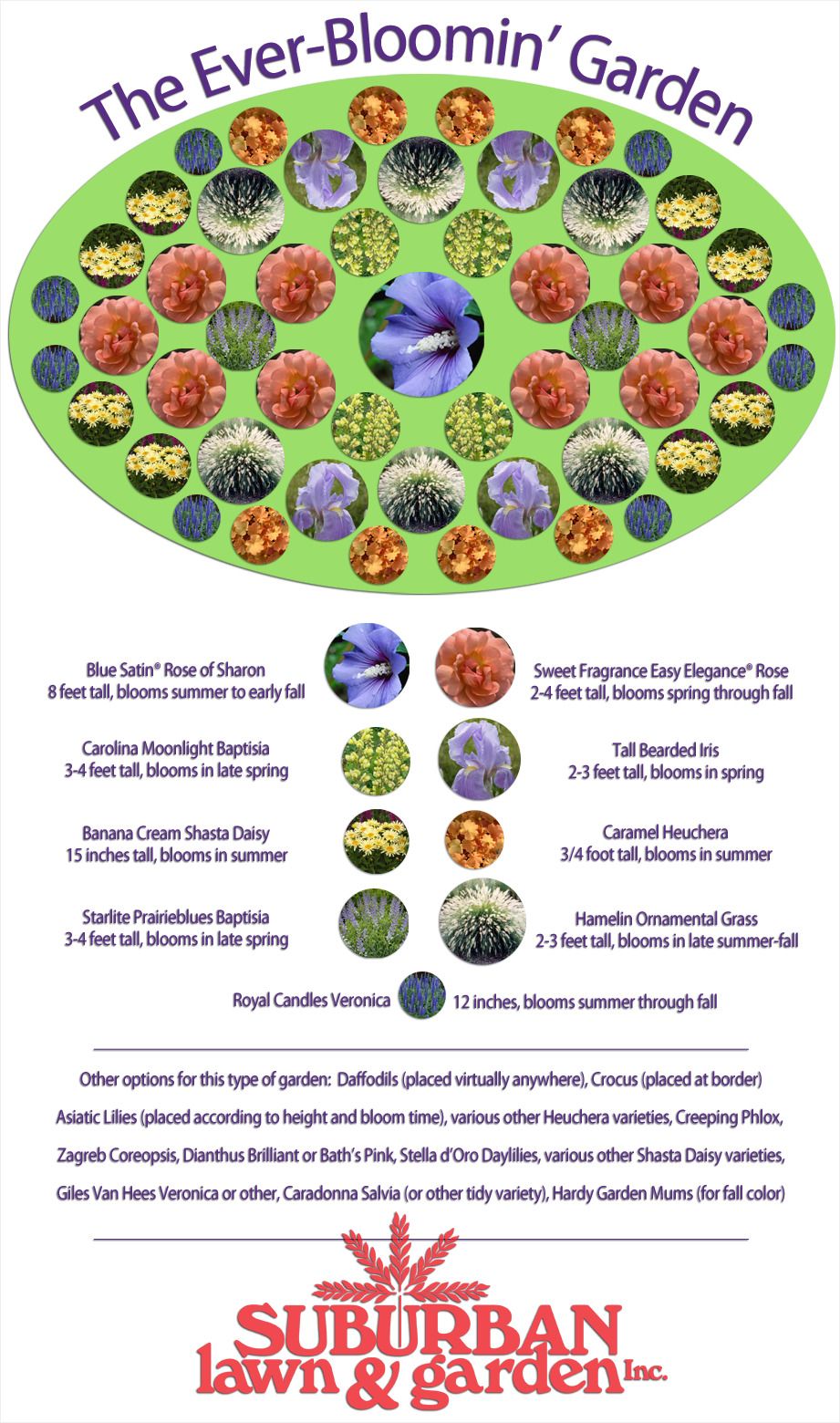
A perennial garden can return each year without the need to replant every flower. For zone 5, choose plants with suitable hardiness ratings and match them to your site’s light and soil. A mix of bloom times helps keep the bed attractive from spring through fall.
Place taller plants near the back of a border or in the center of an island bed. Put medium-height plants in the middle and low-growing flowers near the front edge. This layered layout helps most plants receive enough light and keeps the garden easy to view.
Perennials often spread or form larger clumps as they mature. Read the recommended spacing on plant labels and leave room between young plants. A new bed may look sparse at first, but filling every gap too soon can lead to crowding later.
Source: www.pinterest.com
Spring interest
Consider hardy bulbs such as daffodils, along with suitable creeping phlox or other spring-blooming perennials.
Summer color
Coneflowers, black-eyed Susans, garden phlox, and many hardy daylilies can add color in suitable growing conditions.
Late-season flowers
Hardy asters and many sedums can extend interest into fall.
Winter structure
Leave selected seed heads and sturdy stems in place when appropriate for wildlife and winter interest.
A Sample 8-by-12-Foot Perennial Border
For a hypothetical 8-by-12-foot border, place taller plants along the rear 12-foot edge. Use a few clumps of coneflowers or garden phlox as the main summer display. Add medium-height black-eyed Susans and lower edging plants in front, while reserving space for spring bulbs.
Treat this as a layout concept rather than a fixed plant count. Final spacing depends on the cultivar and its mature width. Check the plant label, and adjust the number of plants so air can move through the bed.
Back row
Use taller, hardy plants that suit the available sun and soil.
Middle row
Mix plants with different bloom periods to reduce long gaps in color.
Front edge
Use low-growing perennials or a neat mulch edge to define the border.
Full-Sun and Shade Perennial Layouts
A sunny perennial border can support many flowering plants, but the soil must still meet their moisture needs. Do not assume that every plant labeled for full sun can tolerate dry soil. Some need regular moisture during hot weather.
A shade bed can use hostas, ferns, and other plants suited to low light. The best choices depend on whether the shade is dry beneath tree roots or moist near a building. Dry shade often needs more care than a naturally moist woodland-style bed.
Sunny border
Choose plants for the actual number of sun hours and the site’s drainage.
Part-shade border
Select plants that tolerate reduced direct sunlight and avoid crowding them beneath large shrubs.
Woodland-style bed
Use shade-tolerant plants only where soil moisture and root competition allow them to establish.
Garden Plans Zone 5 for Vegetable Beds
A vegetable garden in zone 5 should make the most of the local growing season. Cool-season crops can fill beds in spring and fall, while warm-season crops take over when frost danger has passed. This approach gives one plot more than one job during the year.
Start with crops your household enjoys eating. A small bed of tomatoes, lettuce, beans, and herbs may be more useful than a large plot filled with crops that go uneaten. Plan for the mature size of each plant and leave room to harvest without damaging nearby stems.
Raised beds can be useful where native soil is compacted or drains poorly. They also give gardeners a clear planting area. However, raised beds may dry out faster than ground-level beds, so check moisture during hot and windy weather.
Source: Pinterest
Leafy greens
Lettuce, spinach, and some other greens suit cool conditions and may be planted in spring or fall.
Root crops
Radishes, carrots, and beets can fit in compact beds when soil depth and texture suit the crop.
Warm-season crops
Tomatoes, peppers, squash, and cucumbers need frost-free conditions and suitable warmth.
Kitchen herbs
Chives, parsley, and other suitable herbs can share a bed with vegetables when their light and water needs match.
A Sample 4-by-8-Foot Vegetable Garden
An 4-by-8-foot bed offers 32 square feet of growing space. For a simple example, divide the bed into four 2-by-4-foot sections. One section can hold leafy greens, one can hold carrots or radishes, one can hold bush beans, and one can support a compact tomato with suitable companion herbs.
The exact number of plants depends on the crop and the spacing listed on the seed packet. Do not plant every section at the same time if the crops need different weather. Sow cool-season crops first, then replace harvested areas with suitable summer crops.
Section one
Plant lettuce or spinach when conditions are cool enough for steady growth.
Section two
Use carrots or radishes where the soil is loose and free of large stones.
Section three
Grow bush beans after the soil warms and frost danger has passed.
Section four
Use a compact tomato variety with a sturdy support, keeping its mature spread in mind.
Use Succession Planting to Extend Harvests
Succession planting means sowing a small crop again after an earlier planting. Rather than sowing every radish or lettuce seed at once, plant a short row, wait for the next suitable window, and sow another row. This can spread harvests over more weeks.
The method works best when you track crop maturity and the expected end of the growing season. A late planting may not have enough time to mature before cold weather. Check the seed packet and local planting guidance before sowing.
Record planting dates
Write down sowing dates and expected harvest periods in a notebook or garden calendar.
Watch the weather
Use local forecasts and frost estimates to decide whether another planting is practical.
Small Garden Plans for Zone 5 Homes
A small yard can still hold flowers, vegetables, and herbs. The trick is to use space well and avoid plants that grow far beyond the area available. Compact beds are also easier to weed, water, and protect from late cold snaps.
Use the edges of a yard for narrow beds, then keep the center open for walking or play. Containers can hold herbs, salad greens, and compact flowers near a door or patio. Choose pots with drainage holes and enough soil volume for the plants you grow.
Vertical supports can make better use of limited ground space. Peas, pole beans, and some cucumbers can grow upward when given a suitable trellis. Make sure the support is stable and does not shade crops that need full sun.
Source: Pinterest
Container garden
Group pots by water needs and use containers large enough to support healthy roots.
Narrow border
Plant a slim row of herbs or compact perennials beside a path or fence.
Vertical vegetable bed
Train suitable climbing crops on a sturdy support to save ground space.
Mixed edible border
Combine compact herbs, flowers, and selected vegetables where their light and water needs match.
Container Gardening in a Cold-Winter Climate
Containers offer flexibility, but their roots can be more exposed to cold than roots in the ground. A plant that survives zone 5 winters in a garden bed may not survive the same winter in a small pot left outdoors. Container walls provide less insulation than surrounding soil.
Grow tender annuals in pots that can be moved when frost threatens. For hardy perennials, check whether the plant is suitable for outdoor container culture in your local climate. Larger pots, sheltered positions, and suitable winter protection may help, but none guarantees survival.
Choose drainage
Use pots with open drainage holes so excess water can escape.
Match pot size
Select a container that gives the mature root system enough room.
Plan for winter
Move tender plants to shelter before frost and follow suitable guidance for hardy container plants.
Front Yard Garden Plans for Zone 5
A front yard garden can add color and structure without taking over the lawn. Start by looking at the house, windows, walkways, and foundation. A good layout leaves clear access to doors and paths while giving plants enough room to reach their mature size.
Use repeated groups of the same plant to create a calm, connected look. For example, repeat a few hardy ornamental grasses or flowering perennials along a curved border. Add shrubs for year-round form when their mature width fits the available space.
Check the amount of sunlight near the house before selecting plants. Roof overhangs can create dry shade, while low areas may collect runoff. Plants should suit those conditions rather than being chosen only for their flower color.
Source: in.pinterest.com
Foundation planting
Choose shrubs and perennials that will not block windows, cover vents, or crowd walkways as they grow.
Mailbox garden
Use hardy, low-maintenance plants that can cope with local sun, wind, and road conditions.
Curved flower border
Repeat a small number of suitable plants and use varied heights to build depth.
Pollinator-friendly planting
Choose flowers suited to the site that provide nectar or pollen across more than one season.
Keep Plant Size and Snow Loads in Mind
Shrubs planted too close to a wall can become crowded and difficult to prune. Use the mature width listed for each variety when setting planting distances. Leave room for air movement and access to the building.
In snowy areas, avoid placing fragile shrubs where plowed snow will pile up. Salt from roads and sidewalks can also harm sensitive plants. A buffer of suitable ground cover or a change in bed placement may reduce some of these problems.
Check mature width
Plan the full spread of each shrub instead of using its size at purchase.
Protect access
Keep paths, utility access points, and drainage outlets clear.
Garden Plans for Zone 5 Shade and Part Shade
Shade gardens can thrive in zone 5 when plants are matched to the amount of light and the moisture in the soil. First, decide whether the site has light shade, part shade, or deep shade. These terms vary among plant labels, so use the plant’s stated needs rather than assuming all shade is the same.
Areas beneath mature trees can be hard to plant because tree roots compete for water and nutrients. Dig gently and avoid cutting large roots. Small plants that fit between existing roots may establish more easily than a large bed that needs deep excavation.
A shade plan can combine leaf shapes, textures, and a few seasonal flowers. Hostas and ferns are common options where they are hardy and the soil suits them. Check local guidance before planting species known to spread aggressively, and choose noninvasive alternatives where needed.
Source: www.pinterest.com
Hostas
Useful for leaf texture in suitable shade, with variety selection based on mature size and moisture needs.
Hardy ferns
Can add a soft, layered look in shaded beds with appropriate soil moisture.
Spring bulbs
Some bulbs can bloom before deciduous trees cast their full summer shade.
Shade-tolerant ground covers
Select varieties suited to the site and avoid plants that spread beyond the area you can manage.
Improve Soil Without Harming Tree Roots
Adding a deep layer of soil over tree roots can reduce oxygen access and harm mature trees. Instead, work with the existing grade and add organic matter in a careful, shallow layer when appropriate. Do not bury the root flare of a tree.
Water new plants as needed while their roots establish. Soil under a large tree may become dry even after rain because the canopy blocks water and the roots draw moisture from the ground. Check the soil near the new plants instead of following a fixed watering schedule.
Dig with care
Use small planting holes and avoid cutting large woody roots.
Water by soil condition
Check moisture near the roots and adjust watering to rainfall and plant needs.
Compare Garden Layouts for Zone 5
The best layout depends on what you want to grow, how much space you have, and how often you can care for the garden. A vegetable plot needs easy access for sowing and harvest, while a perennial border needs room for plants to spread over several seasons.
Use the following table to compare common designs before you sketch your yard. The dimensions are examples, not rules, and can be changed to fit the space. Check plant spacing and access needs before setting the final bed size.
Source: fity.club
Small edible bed
A compact raised bed or ground-level plot for herbs, salad greens, and a few vegetables.
Perennial border
A long bed along a fence, wall, or lawn edge with plants grouped by height and bloom time.
Mixed front yard
A curved border that combines hardy shrubs, perennials, and low-growing plants.
Which Zone 5 Garden Plan Fits Your Needs?
Choose the simplest plan that meets your main goal. If you want fresh food, give vegetables a sunny, easy-to-reach space. If you want seasonal color with less annual replanting, a perennial border may be a better fit.
A garden can also combine more than one layout. For example, a sunny vegetable bed may sit near a patio while a shade border fills the side of the house. Keep each area focused on plants with similar growing needs.
For beginners
Start with one compact bed and a small set of plants with similar needs.
For low upkeep
Use hardy plants suited to the site, group them by water needs, and limit high-maintenance annuals.
For more harvests
Use succession planting and replace finished cool-season crops with suitable warm-season crops.
Prepare Soil and Water Your Zone 5 Garden
Healthy soil supports roots, helps manage water, and gives plants room to grow. Before adding fertilizer or large amounts of compost, learn what your soil needs. A soil test from a suitable local laboratory or cooperative extension service can help identify pH and nutrient issues.
Avoid adding lime or fertilizer just because a plant looks weak. Yellow leaves, poor growth, and low yields can have several causes, including excess water, compacted soil, pests, or nutrient problems. A soil test can narrow the options before you spend money on amendments.
Water deeply enough to moisten the active root zone, then allow the soil and plant needs to guide the next watering. Newly planted roots often need closer attention than established plants. Containers and raised beds may dry more quickly than nearby ground soil.
Source: storage.googleapis.com
Test the soil
Use test results to guide pH changes and nutrient additions instead of applying products at random.
Add organic matter when needed
Use suitable compost to improve soil structure while avoiding excessive additions.
Check moisture
Feel the soil near the root zone and adjust watering for rainfall, heat, and plant type.
Mulch with care
Apply a suitable layer of mulch to help limit weeds and reduce moisture loss, keeping it away from plant crowns and tree trunks.
Fix Poor Drainage Before Planting
If water stands in a bed long after rain, check the site before adding plants that need well-drained soil. Compaction, a low position, or heavy soil may be part of the problem. Raised beds can help in some cases, but they do not correct every drainage issue.
Do not create a planting hole in heavy clay and fill it with loose potting mix without considering the surrounding soil. Water may collect in the hole rather than drain away. Improve the wider bed when suitable, or select plants that tolerate the existing conditions.
Observe after rain
Note how long water remains and where it collects.
Match plants to the site
Choose moisture-tolerant plants for damp areas and well-drained sites for plants that dislike wet roots.
Common Mistakes When Planning a Zone 5 Garden
Many garden problems begin before the first plant goes into the ground. A layout may look full and colorful on paper but fail when plants become crowded or the site does not meet their needs. A few checks at the start can save time and reduce wasted plants.
Do not treat the zone rating as a guarantee that a plant will thrive. Winter hardiness is only one part of plant selection. Light, drainage, summer heat, wind exposure, pests, and maintenance needs all affect the result.
Source: storage.googleapis.com
Planting too close
Use mature plant width to set spacing. Crowded plants may compete for light and air and become harder to maintain.
Ignoring frost dates
Check local frost guidance before sowing or transplanting tender crops outdoors.
Choosing plants by looks alone
Check hardiness, light, soil moisture, mature size, and potential spread before buying.
Overwatering
Check the root zone before watering again, especially after rain or in heavy soil.
Forgetting winter exposure
Consider wind, road salt, snow piles, and container root exposure when placing plants.
Making the first garden too large
Begin with a manageable area and expand after learning how much care it needs.
What to Do When Plants Fail to Grow
Start by checking light and soil moisture. A plant in deep shade may not flower well, while one in constantly wet soil may develop root problems. Look for damaged leaves, chewed stems, or signs of disease before adding fertilizer.
Review the plant label and compare the site’s conditions with the plant’s needs. If the problem continues, contact a local cooperative extension service or use a reliable plant diagnostic resource. Take clear photos and record recent watering, weather, and any products applied.
Check the site first
Review sunlight, drainage, planting depth, and mature spacing.
Look for a clear symptom
Note whether leaves yellow, stems wilt, roots remain wet, or pests are present.
Change one factor at a time
Make a targeted adjustment and watch the plant before adding more treatments.
Frequently Asked Questions
Q
What plants grow best in zone 5 gardens?
Many hardy perennials, cool-season vegetables, selected shrubs, and common garden herbs can grow in zone 5. Coneflowers, black-eyed Susans, hardy asters, peas, lettuce, carrots, and chives are examples to consider. The best choice depends on the cultivar, local weather, sunlight, soil, and moisture.
Check the plant’s hardiness rating and growing instructions before planting. A suitable zone rating does not guarantee success in a poorly drained or heavily shaded spot.
Q
When should I start a garden in zone 5?
You can plan beds and prepare soil before spring, but planting dates depend on the crop and your local frost conditions. Cool-season crops may go in earlier, while tomatoes, peppers, squash, and other frost-sensitive plants usually need warmer soil and frost-free weather.
Use local cooperative extension planting guidance and seed packet instructions. Do not rely on the zone number alone to set an exact date.
Q
Can I grow vegetables in raised beds in zone 5?
Yes. Raised beds can make it easier to manage soil, drainage, and access in a zone 5 garden. They work well for many vegetables when the bed has suitable depth, quality soil, and enough sunlight.
Raised beds can warm and dry more quickly than ground soil. Check moisture often in warm weather, and use local frost dates when planning spring and fall crops.
Q
Which flowers come back every year in zone 5?
Hardy perennials such as coneflowers, black-eyed Susans, many garden phlox varieties, hardy asters, and suitable daylilies can return each year in zone 5. Their success depends on the exact variety and whether the site provides the right light, drainage, and moisture.
Some perennials may die back in winter and regrow in spring. Leave appropriate plant stems or seed heads in place when they offer winter interest or food for wildlife.
Q
How do I make a zone 5 garden low maintenance?
Choose hardy plants that fit the site’s light and soil, then group them by water needs. Use mulch where appropriate, leave enough room for mature growth, and favor a simple layout with clear access.
Low maintenance does not mean no maintenance. New plants need care while they establish, and even hardy gardens may need weeding, pruning, watering, and seasonal cleanup.
Q
Can plants in zone 5 survive winter in containers?
Some can, but container roots face colder conditions than roots protected by the ground. A plant that survives outdoors in a garden bed may not survive winter in a small pot. Container size, exposure, moisture, and the plant’s hardiness all affect the outcome.
Check guidance for the specific plant and your local climate. Move tender plants to shelter before frost, and use suitable winter protection for hardy container plants when needed.
✦ Wrapping Up
Conclusion
The best garden plans zone 5 gardeners can use are simple, flexible, and based on local conditions. Start with sunlight, soil, drainage, and the space you can care for. Then choose hardy plants that suit the site and leave room for them to grow.
A perennial border can bring back color each year, while a well-planned vegetable bed can provide fresh food through several parts of the growing season. Small yards, shaded corners, and front lawns can all support useful gardens when the layout fits the space.
Keep a record of planting dates, plant names, and problems you notice. Over time, those notes will help you adjust the plan to your own yard rather than rely on a general zone guide.
💡 Key Takeaway
Measure one garden area today, note its daily sunlight and drainage, check your local zone and frost dates, and sketch a simple planting plan before buying plants.