
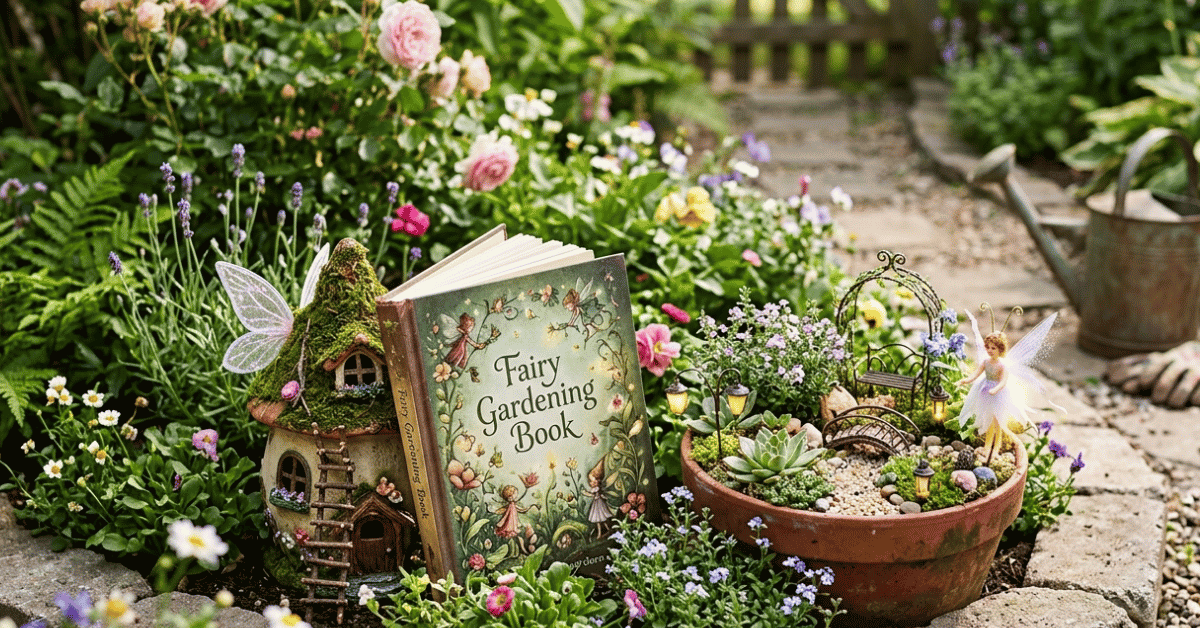
Enchanting Fairy Gardening Books: Your Magical Guide
Discover the magic of fairy gardening with a fantastic book! It’s your first step to creating tiny, whimsical worlds.
Why Do I Need a Fairy Gardening Book?
Honestly, I felt a bit lost when I first thought about fairy gardening. It sounded so sweet, but where did I even start? I remember one rainy Saturday, staring out my window, feeling the urge to create something delightful.
That’s when I grabbed my first fairy gardening book. It was like finding a treasure map! It showed me exactly what I needed.
Small plants, tiny furniture, and how to arrange them. It made a complex idea feel super simple. It gave me the confidence to just dive in.
Without that book, I probably would have just dreamed about it and never actually done it. For me, a good fairy gardening book is that essential first spark. It holds all the answers and inspiration you need to bring tiny magic to life.
What Can a Fairy Gardening Book Teach Me?
A great fairy gardening book does more than just show pretty pictures. It’s like your personal fairy garden mentor. It covers all the ins and outs.
Choosing Your Miniature Plants
This is a big one. Not all plants work for fairy gardens. They need to stay small and not grow too wild.
A book will show you which ones are best. Think tiny succulents, dwarf varieties of herbs, and small ground covers. I learned that plants like miniature hostas or small ferns create a lush, forest feel.
The book told me about plants that like sun and those that prefer shade. It helped me pick the right plants for the spot I had in mind. I even learned about seasonal flowers to add pops of color.
It’s all about finding plants that fit the scale of your tiny world.
Building Your Whimsical Landscapes
This is where the real fun begins. Books show you how to design your fairy scenes. You’ll learn about pathways made of pebbles or sand.
They’ll suggest how to use small stones for walls or fairy houses. I love using tiny moss-covered rocks to make it look ancient. Some books even give you templates for paths or miniature steps.
It’s about creating depth and interest. You can make rolling hills with a bit of soil shaping. Or a tiny pond using a small blue dish.
The book guides you on how to make your fairy world feel real, just on a much smaller scale.
Selecting Tiny Treasures and Accessories
This part is pure joy! Fairy garden books are full of ideas for accessories. Think tiny benches, miniature bird baths, or little mushroom houses.
They often show you where to find these items. Some books even guide you on how to make your own. I’ve crafted tiny fairy doors from twigs and painted pebbles to look like ladybugs.
You can find miniature furniture at craft stores. Even small garden ornaments can be repurposed. The key is finding things that are the right size.
A book helps you see how these small details bring your fairy garden to life. It’s these little touches that make it feel magical and personal.
Creating Your Fairy Garden’s Home
Where will your fairy garden live? A book will explore different options. You can use a large pot, a broken-down wheelbarrow, or even a designated spot in your yard.
Some ideas are perfect for indoors, too. Think about a shallow planter or an old wooden crate. The book will talk about drainage.
This is super important! It will also discuss how to protect your fairy garden from weather if it’s outside. I learned that grouping plants with similar water needs makes care much easier.
It shows you how to create a cozy home for your tiny inhabitants.
Comparing Popular Fairy Gardening Book Styles
When I started looking for books, I noticed they weren’t all the same. Some are very beginner-focused. Others dive deep into advanced techniques.
Here’s a little look at what you might find.
| Book Style | Focus | Best For | Example Content |
|---|---|---|---|
| Beginner’s Guide | Simple steps, easy plants, basic designs | Newcomers, quick projects | “Top 10 Easy Plants,” “First Fairy Garden Idea,” “Where to Find Miniatures” |
| Inspirational | Beautiful photos, creative ideas, artistry | Gardeners seeking beauty and vision | “Whimsical Village Design,” “Themed Gardens (e.g., Enchanted Forest),” “Artistic Arrangements” |
| DIY & Crafting | Making your own accessories, building plans | Hands-on creators, budget-conscious | “Craft Tiny Fairy Doors,” “Build a Miniature Bridge,” “DIY Fairy Furniture” |
| Advanced Design | Complex layouts, specialized plants, themes | Experienced gardeners, unique creations | “Terraced Fairy Gardens,” “Water Features for Mini Worlds,” “Sourcing Rare Plants” |
I found older books often had more detailed DIY craft projects. Newer ones tend to be more focused on curated styles and plant selection. My favorite books blend beautiful photography with practical advice.
How to Get Started with Your First Fairy Garden Book
Picking a book is exciting, but using it is even better. Here’s how I approach it to make sure I get the most out of mine.
Assess Your Space and Light
Before you even flip through the pages, think about where your fairy garden will go. Does it get sun all day? Is it shady?
This will guide your plant choices later. My first attempt was in a very sunny spot, but I picked plants that needed shade. It didn’t end well!
A good book will help you match plants to light conditions. It’s the foundation of a healthy fairy garden.
Imagine Your Fairy Tale World
What kind of feel do you want? Do you see a mystical forest? A sunny meadow?
A tiny cottage garden? Let your imagination run wild. Your fairy gardening book will have tons of ideas to spark this.
Look at the landscapes, the little houses, and the tiny creatures. What appeals to you the most? For me, I love the idea of a hidden grove.
So, I look for books with designs that have lots of greenery and moss.
Gather Your Basic Supplies
Your book will likely list them. Don’t stress about having everything at once. Start with the essentials.
You’ll need a container (if not in the ground), potting soil, and a few small plants. You’ll also need some basic tools like a small trowel or spoon. Gravel or sand for paths is also a good idea.
And of course, a few starter accessories. I always grab a small watering can, too.
Follow the Step-by-Step Guidance
This is where the book shines. For my first garden, I followed a simple layout suggested in the book. It showed me where to place the larger elements first.
Then, how to add the plants around them. It gave me a clear sequence. This prevents that “overwhelmed by options” feeling.
It’s like following a recipe. You get a delicious result without all the guesswork. Even if you want to customize later, starting with a proven method is smart.
Don’t Be Afraid to Experiment
Once you have the basics down, start playing! This is the beauty of fairy gardening. It’s meant to be fun and whimsical.
If a plant isn’t thriving, try moving it. If you find a new tiny accessory, add it to your scene. Your fairy garden can evolve.
My own has changed quite a bit since I first made it! It’s okay to swap things out. That’s how you make it truly yours.
A book gives you the launchpad, but your own creativity takes it to the stars.
Finding the Best Fairy Gardening Books for You
Choosing the right book can make all the difference. Think about your personal style and what you want to achieve.
For the Absolute Beginner
If you’ve never touched a fairy garden before, look for books with “beginner” or “easy” in the title. These often have clear, step-by-step instructions. They focus on simple arrangements and readily available plants.
They help build your confidence. Websites like gardeningtipsideas.com have great articles that can supplement a beginner book too. For instance, gardening for beginners successfully can give you a head start on plant care in general.
For the Crafty Gardener
Do you love making things? Then search for fairy gardening books that emphasize DIY projects. These books will guide you on crafting tiny furniture, houses, and decorations.
They might show you how to use natural items like twigs and stones. My personal favorite DIY book had a whole chapter on making miniature fairy doors from bark. It was so satisfying!
You might also find resources on making vegetable gardening fun and creative, which can inspire your craft ideas.
For the Creative Designer
If you’re looking for inspiration and unique design ideas, focus on books with stunning photography. These books showcase elaborate fairy gardens. They offer different themes and styles.
They can help you visualize more complex arrangements. I spend hours just looking at the pictures in some of these books. They’re like art galleries for tiny gardens.
You might also enjoy a deep dive into specific garden styles, like a review of gardening review or an ultimate encyclopedia of gardening.
For the Dedicated Enthusiast
Once you’ve got the hang of it, you might want a more comprehensive guide. Look for books that cover a wide range of topics. This could include detailed plant lore, advanced construction techniques, or troubleshooting common problems.
These books are great for expanding your knowledge and skills. A book like my best all-new gardening book review might point you towards more in-depth resources. Or perhaps something on all new square gardening.
Fairy Gardening Books: Quick Comparison
| Feature | Beginner Book | Crafting Book | Design Book | Enthusiast Book |
|---|---|---|---|---|
| Ease of Use | Very High | Moderate | Moderate | High |
| Project Focus | Basic setup | DIY Projects | Aesthetic | Deep Learning |
| Photo Quality | Good | Good | Excellent | Very Good |
| Level of Detail | Low | Medium | Medium | High |
| Inspiration | Moderate | Strong | Very Strong | Strong |
Frequently Asked Questions About Fairy Gardening Books
What if I can’t find a specific book mentioned?
Many libraries have fairy gardening books. You can also check online bookstores for great selections and used copies. Learn more about finding gardening resources.
Do I really need a book to start?
A book is super helpful for beginners. It gives direction. But your own creativity can lead the way too!
Gardening for beginners tips can help you start with just inspiration.
Can a fairy gardening book help indoor gardens?
Yes! Many books cover container gardening and indoor fairy garden ideas using small planters.
How do I choose the right plants from a book?
Look for books that specify plant needs like sun or shade. Match them to where your fairy garden will be.
Are there books focused on specific fairy garden themes?
Absolutely! Some books focus on enchanted forests, beach themes, or whimsical villages. You can find many examples.