Your Tiny Garden’s Best Friend
Want to grow your own herbs or flowers but short on space? You’ve stumbled upon the perfect solution. This guide breaks down everything about mini gardening kits.
Discover how these compact wonders can bring green joy to any home.
What’s a Mini Gardening Kit Anyway?
Honestly, I was skeptical at first. I love big gardens. But life got busy.
I moved into a smaller apartment. I thought my gardening days were over. Then I found a mini gardening kit.
It was a small box. Inside were tiny pots, special soil, and seeds. It felt like a magic trick for my windowsill.
That’s the beauty of a mini gardening kit. It’s a complete starter set. It fits anywhere.
Think kitchen counters, balconies, or even your desk. It has everything you need to grow small plants. It’s perfect for beginners or people who don’t have much room.
You get the soil, the containers, usually some seeds, and simple instructions. It’s gardening made easy.
Why the Mini Gardening Kit Craze?
People are drawn to these kits for so many good reasons. It’s more than just a trend. It’s a solution for modern living.
Many of us crave a touch of nature. We want to grow things ourselves. But our homes are getting smaller.
Outdoor space is often limited. That’s where mini gardening kits shine. They bring the joy of growing indoors.
Bringing Nature Inside
I remember feeling so disconnected in my old city apartment. The only green I saw was in fake plants. A mini kit changed that.
Suddenly, I had tiny basil sprouts peeking through. It felt so alive. Having something green grow on my desk made me happier.
It’s a small but mighty mood booster. It’s like having a little slice of the outdoors. It brightens up dull corners.
It can even purify the air a bit.
Perfect for New Gardeners
Starting gardening can feel overwhelming. You need tools, knowledge, and space. A mini kit removes all that guesswork.
Everything is included. The seeds are usually easy to grow. The instructions are clear.
It’s a no-fail way to get your hands dirty. I gave one to my nephew for his birthday. He was so excited.
He grew his own mint. He loved adding it to his water. It gave him such a sense of accomplishment.
It’s a fantastic way to learn.
Fits Anywhere, Truly Anywhere
This is the biggest draw for many. My friend lives in a tiny studio. She has no balcony.
She uses a mini gardening kit on her windowsill. She grows small flowers. They look adorable.
Another person I know keeps one on her office desk. She says it helps her focus. It’s amazing how much joy can come from something so small.
You don’t need a yard. You don’t need a lot of time. Just a little light and a bit of water.
You can have a thriving mini garden.
What’s Inside a Typical Mini Gardening Kit?
You might be wondering what you actually get. It’s pretty straightforward. Most kits have the same core components.
I’ve opened quite a few, and they are always packed with potential.
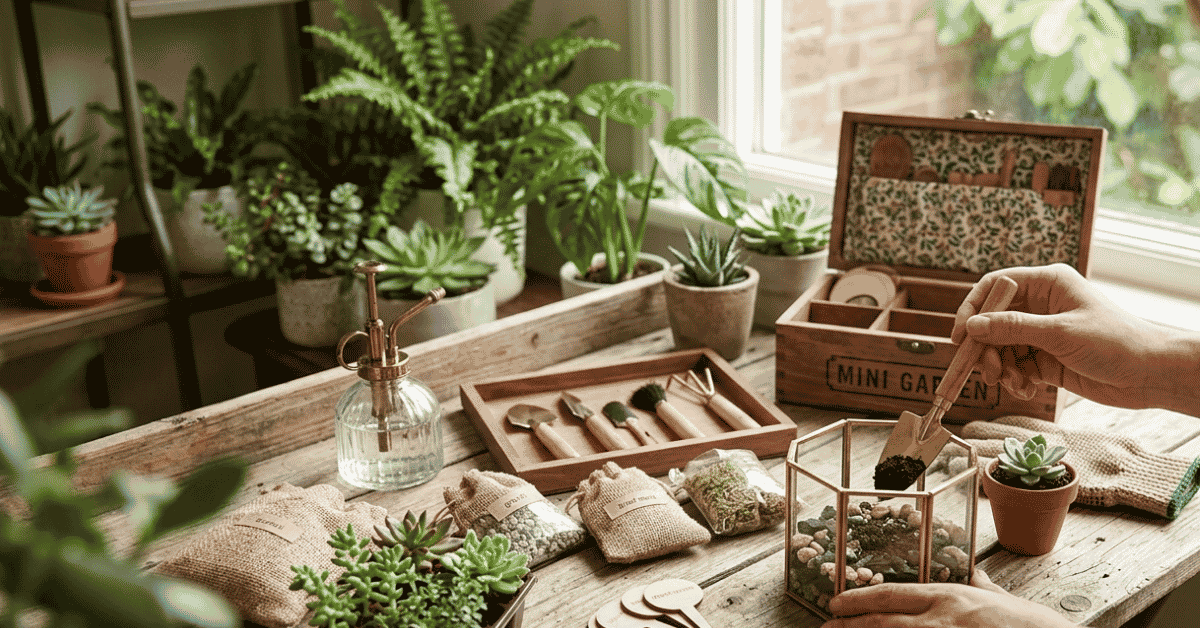
- Containers: These are usually small. They could be biodegradable pots, tiny ceramic or plastic pots, or even little fabric grow bags. Some kits use smart designs that look really sleek.
- Soil/Growing Medium: It’s not just dirt from the garden. It’s usually a special potting mix. It’s light and airy. It holds moisture well. This helps the seeds sprout faster.
- Seeds: This is the exciting part! Most kits have easy-to-grow options. Think herbs like basil, mint, or parsley. Some have small flowers like marigolds or pansies. Some even offer microgreens.
- Instructions: These are key. Good kits have very clear, simple steps. They tell you when to water. They tell you how much light your plants need.
I once bought a kit just for fun. It had tiny terracotta pots. The soil was a compressed block.
You just added water. It expanded like magic! The seeds were for chives.
I was surprised how fast they grew. It was a rewarding little project.
Popular Mini Gardening Kit Options
The market has exploded. There are kits for every taste and need. It’s fun to explore what’s out there.
I’ve tried a few different types myself.
Herb Kits
These are my personal favorites. Imagine fresh basil for your pasta. Or mint for your tea, right from your counter.
This is what herb kits deliver. They are super practical.
- Thrive: Most herbs love bright, indirect sunlight. A sunny windowsill is usually perfect.
- Harvest: You can often start snipping leaves within a few weeks. It’s so satisfying.
I have a basil plant growing on my kitchen sill from a kit. It smells amazing. It’s so much better than store-bought.
It makes cooking feel like a real treat.
Flower Kits
Want a pop of color? Flower kits are your answer. They are great for adding charm to small spaces.
- Bloom: Look for kits with small, quick-blooming flowers. Pansies, marigolds, and zinnias are common and do well.
- Decorate: These tiny blooms can truly brighten a room. They make lovely little gifts too.
My friend got a flower kit. She grew tiny sunflowers. They were only about a foot tall.
They made her whole balcony feel cheerful.
Microgreen Kits
These are super fast. Microgreens are young vegetable greens. They have packed nutrients.
- Speed: You can harvest them in about 7-10 days. It’s amazing how quick it is.
- Health: They add a healthy, fresh crunch to salads and sandwiches.
I tried a broccoli microgreen kit. The little greens were so vibrant. They tasted peppery and fresh.
It was a great way to add greens to my meals easily.
Succulent and Cactus Kits
For those who might forget to water, these are ideal. Succulents and cacti are very forgiving.
- Low Maintenance: They need very little water. They prefer bright, direct sunlight.
- Unique: They have such interesting shapes and textures. They look very modern.
A kit with small echeverias would be a great choice. They are very popular right now.
Setting Up Your Mini Garden: My Step-by-Step
Getting started is super simple. I’ve done this many times. It always feels exciting.
- Unpack Your Kit: Lay everything out. Check that you have all the pieces.
- Prepare the Soil: If it’s a compressed block, add water. Watch it expand! It’s kinda cool. If it’s loose soil, just fill your pots. Don’t pack it down too much.
- Plant the Seeds: Follow the specific instructions. Usually, you’ll make a small hole. Place a few seeds in. Then gently cover them. Don’t plant too deep.
- Water Gently: Use a light spray. You don’t want to wash the seeds away. Keep the soil moist but not soggy.
- Find a Good Spot: Most kits need light. A sunny windowsill is often best. Some plants might prefer indirect light. Check your kit’s guide.
- Be Patient: This is the hardest part for me! Seeds take time. Sprouts will appear. Then little leaves. It’s a magical process to watch.
I remember my first kit. I planted the seeds. I watered them.
Then I waited. Every morning, I’d rush to check. First, tiny green shoots.
Then, the first tiny leaves. It felt like a major victory. It really hooks you!
Caring for Your Little Green Friends
Once your plants start growing, they need a little attention. It’s not hard. It’s more about consistency.
Watering Wisdom
This is key. Too much water can kill them. Too little water will make them wilt.
- Check Daily: Stick your finger in the soil. If the top inch feels dry, it’s time to water.
- Water the Soil: Try to water the soil directly. Avoid getting the leaves too wet. This can prevent fungal issues.
- Don’t Drown Them: Small pots dry out faster. But they also fill up with water quickly. Aim for moist, not waterlogged.
My basil plant got a little sad once. The leaves drooped. I realized I’d been overwatering.
Once I adjusted, it perked right up. It’s a learning process.
Light Matters
Just like us, plants need light to live. Most mini garden kits are designed for indoor light.
- Sunny Spots: Windowsills that get direct sun for a few hours are often ideal. South-facing windows are usually the best in the Northern Hemisphere.
- Rotate: Turn your pots every few days. This helps the plants grow straight. They won’t lean all to one side.
- Not Enough Light? If plants look leggy (tall and thin with few leaves), they might need more light. Consider a small grow light. These are not very expensive.
I’ve used specialized grow lights before. They are a game-changer. They are a great addition if natural light is scarce.
You can check out how growing tool benefits can apply even in small spaces with these lights.
Feeding Your Plants (Sometimes)
Most kits have enough nutrients in the soil to last a while. You usually don’t need to fertilize right away.
- Watch for Signs: If your plants look pale or growth slows dramatically, they might need food.
- Use Diluted Fertilizer: Get a liquid fertilizer for indoor plants. Dilute it more than the package says. Small plants can be sensitive.
I rarely fertilize my mini herb gardens. The soil is usually good enough. But if I used a 5-gallon bucket for a larger project, feeding would be essential.
Mini Gardening Kits: Pros and Cons
Like anything, they have their good and not-so-good sides. It’s important to be honest.
| Pro | Con |
|---|---|
| Great for small spaces | Limited plant size/yield |
| Very beginner-friendly | Can be more expensive per plant |
| Convenient and all-in-one | Some kits are single-use |
| Boosts mood and well-being | Need careful watering |
| Quick results | May require extra light |
The biggest advantage is accessibility. You can garden anywhere. The biggest drawback might be that you won’t harvest huge amounts.
It’s not like a full vegetable garden. But for a touch of green and fresh herbs, it’s wonderful. I’ve seen some creative uses of black gardening tools that show how even small-scale gardening can be efficient.
Troubleshooting Common Mini Garden Issues
Even with kits, things can go wrong. Don’t worry. It happens to everyone.
Seeds Not Sprouting?
- Check Moisture: Were they kept too dry or too wet?
- Temperature: Are they too cold? Most seeds like warmth.
- Seed Viability: Sometimes seeds just don’t sprout. This is rare with good kits.
I had a kit once where nothing happened for two weeks. I was so disappointed. Then, one day, tiny shoots appeared.
Patience is a virtue in gardening! Sometimes a simple black gardening tool can help aerate soil if it’s too compacted for seeds.
Yellowing Leaves?
- Overwatering: This is the most common cause. Let the soil dry out slightly.
- Underwatering: If they are dry and crispy, they need water.
- Nutrient Deficiency: Less common in kits, but possible if old.
Pests?
Tiny indoor pests can happen. Look for common culprits like fungus gnats or aphids.
- Fungus Gnats: They love wet soil. Let the soil dry out more.
- Aphids: These tiny bugs suck sap. You can often wipe them off with a damp cloth. Sometimes gardening plastics can be used to create temporary mini-greenhouses to control humidity for pests.
Is a Mini Gardening Kit Worth It for You?
For me, the answer is a resounding yes. If you crave greenery but have limited space, it’s a perfect fit. If you’re new to gardening and a little nervous, it’s an excellent starting point.
It’s about the joy of nurturing something. It’s about having fresh herbs at your fingertips. It’s about adding a little life to your living space.
You don’t need a green thumb. You just need a mini gardening kit and a little bit of care.
Do you have other questions about mini gardening kits?
Are mini gardening kits suitable for children?
Yes, they are fantastic for kids. They teach responsibility and the magic of growth simply.
Can I reuse a mini gardening kit?
Many can be reused with new seeds and soil. Some biodegradable components might need replacing.
How much light do most mini gardening kits need?
They generally need bright, indirect light for several hours daily. A sunny windowsill is ideal.
What if my kit doesn’t come with seeds?
It should. Check the product description. You can always buy small seed packets separately.
Can I grow vegetables in a mini gardening kit?
Smaller vegetables like radishes or bush beans might be possible, but many kits focus on herbs and flowers for ease.