
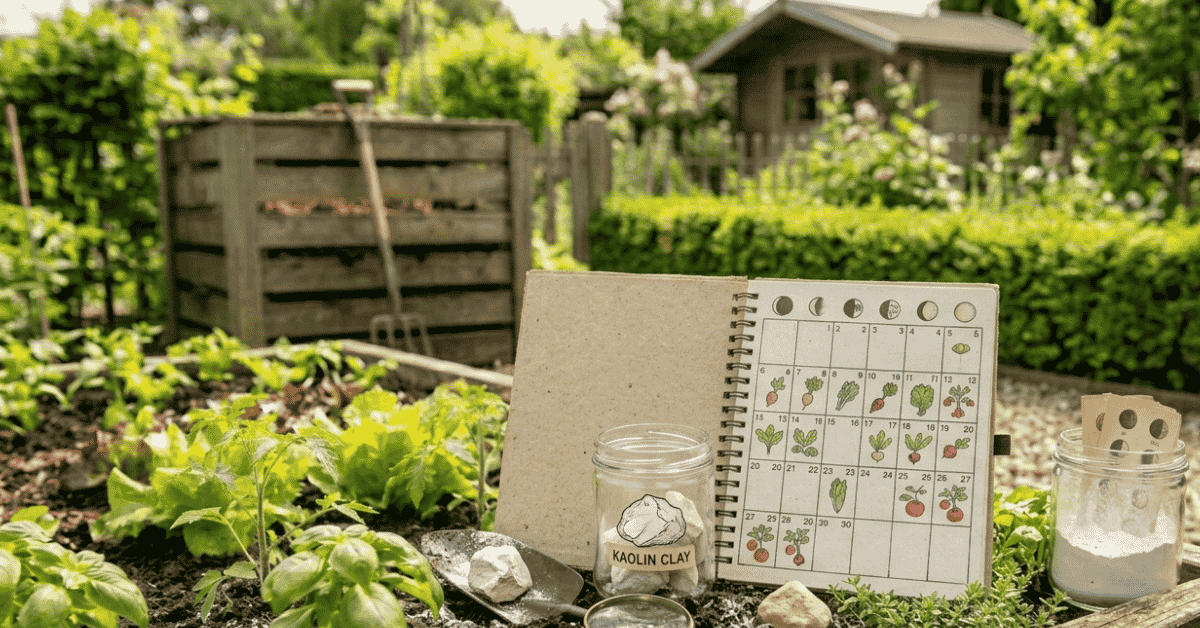
Five Ways Kaolin Clay Boosts Your Garden
I always thought gardening was about the dirt, the sun, and a bit of luck. Then, I discovered kaolin clay. It sounds a bit strange, right?
Clay in my garden? But let me tell you, this stuff is a game-changer. It’s completely changed how I grow my veggies and keep them healthy.
What Exactly Is Kaolin Clay for Gardening?
So, you’re curious about kaolin clay for your garden. I get it. It’s not your typical fertilizer or soil amendment.
I first stumbled upon it when battling some persistent pests that were munching my tomato leaves to shreds. I was desperate. I’d tried everything else.
A fellow gardener, who had the most amazing-looking vegetable patch I’d ever seen, mentioned kaolin clay. I was skeptical, but I decided to give it a go. It’s essentially a fine, white powder that’s derived from a mineral called kaolinite.
It’s super gentle and works in a really cool, natural way. Think of it as a protective shield for your plants.
How Does Kaolin Clay Help My Garden?
This is where things get really interesting for us gardeners. Kaolin clay doesn’t just sit there; it actively works to improve plant health and deter unwanted visitors. I’ve seen it with my own eyes on my plants.
Pest Protection
This is the big one for me, honestly. I used to fight off aphids and cabbage worms all season long. It was exhausting.
Kaolin clay creates a fine, powdery film on plant surfaces. When insects try to munch or lay eggs on these coated leaves, they find it unpleasant. The fine particles irritate their bodies and mouthparts.
They just don’t like the texture. It’s not a poison; it’s a physical barrier. I’ve noticed a huge drop in damage since I started using it.
My leaves look healthier, and I’m getting more produce.
Sunscald and Heat Stress Prevention
Gardening in the summer heat can be tough. My more delicate plants, especially young ones, would sometimes get scorched leaves from the intense sun. Kaolin clay reflects sunlight.
That white coating really helps bounce some of those harsh rays away. This keeps the plant’s surfaces cooler, preventing those unsightly and damaging sunburns. This was a revelation for my pepper plants, which used to suffer a lot.
Disease Management
Beyond pests, kaolin clay can also help with some fungal diseases. That protective film makes it harder for fungal spores to land and germinate on the plant. It’s not a cure-all for every disease, of course.
But for things like powdery mildew, I’ve found it makes a noticeable difference. It’s like giving my plants a natural raincoat.
Soil Improvement
While its primary use is often foliar, kaolin clay can also be mixed into the soil. It helps to improve soil structure. It can bind together loose soil, helping it retain moisture better.
For sandy soils, this is a huge benefit. It also helps clay soils become a bit more permeable, improving drainage. I’ve used it in my potting mixes, and I’ve seen a difference in how evenly the soil stays moist.
It’s another layer of conditioning for my growing medium.
Applying Kaolin Clay: My Personal Experience
Applying kaolin clay is pretty straightforward. But you need to do it right to get the best results. I’ve learned a few things through trial and error.
Preparing the Mix
You’ll usually buy kaolin clay as a powder. You need to mix it with water. The ratio is important.
Most products will tell you how much to use. For me, it’s usually about 1-2 pounds of kaolin clay per 10 gallons of water. I use a garden sprayer for this.
It’s crucial to mix it thoroughly. Sometimes I’ll add a tiny drop of liquid soap to help it stick, but often it’s not needed. I’ve found that just water works fine most of the time.
When to Apply
Timing is everything. For pest control and sun protection, I usually apply it early in the morning or late in the afternoon. This is when the plants are most receptive, and the spray can dry without evaporating too quickly.
I also reapply after heavy rain, as it can wash off. For disease prevention, a more consistent application schedule might be needed. I usually aim for every 7-14 days during peak season.
Coverage is Key
You need to coat the entire plant. And I mean the leaves, stems, and even the undersides of leaves. The insects and the sun don’t discriminate.
I make sure my sprayer has a good mist setting so I can cover everything evenly. It leaves a white coating, which looks a bit like fine dust. Don’t worry, it washes off produce easily.
Using it for Soil: A Different Approach
If I’m mixing it into the soil, say for a new raised bed or amending a specific patch, I’ll broadcast the dry powder over the area and then work it in. I’ll usually use a couple of pounds per 100 square feet. This is more of a long-term soil conditioning thing.
What Are the Downsides of Using Kaolin Clay?
No garden solution is perfect. Kaolin clay has its quirks, and I’ve encountered them.
The White Residue
Let’s be honest, your plants will look white. It’s not the prettiest look, especially if you’re aiming for Instagram-perfect photos. But for me, healthy plants with a bit of white dust are far better than plants riddled with holes.
It does wash off, so don’t fret too much.
Reapplication Needed
As I mentioned, rain can wash it off. That means you’ll need to reapply it, especially if you live in a rainy area. This takes time and effort.
I keep a close eye on the weather forecast.
Not a Magic Bullet
It won’t solve every pest or disease problem. Some super aggressive pests or stubborn diseases might need different treatments. For instance, I still keep an eye out for specific issues that might need a targeted organic spray if kaolin isn’t enough.
It’s part of a larger pest management strategy.
Application Can Be Messy
Spraying a fine white powder can be a bit messy. You want to avoid spraying it on windy days. It can easily drift onto yourself, your pathways, or even your neighbor’s pristine lawn.
I’ve learned to dress in old clothes when I apply it.
Who Should Use Kaolin Clay?
Honestly, I think most gardeners could benefit. If you’re struggling with pests like aphids, caterpillars, or flea beetles, it’s worth a try. If your plants tend to suffer from sunscald, give it a go.
It’s especially good for organic gardeners since it’s a natural product. I’ve also found it really helpful for protecting young seedlings when they are most vulnerable. It’s a simple tool that packs a punch.
If you’re looking for ways to boost your plant’s resilience naturally, this is a strong contender.
Kaolin Clay vs. Other Garden Solutions
How does kaolin clay stack up against other common garden aids? I’ve tried a bunch of things, so I can give you my perspective.
| Feature | Kaolin Clay | Neem Oil | Insecticidal Soap |
|---|---|---|---|
| Mode of Action | Physical barrier, irritant | Disrupts insect hormones, suffocates insects | Degrades insect exoskeleton |
| Pest Spectrum | Mites, aphids,thrips, beetles, caterpillars | Broad-spectrum (sects, some fungi) | Soft-bodied insects (aphids, mites) |
| Plant Protection | Sunscald, heat stress | Limited sun protection, some anti-fungal | None |
| Ease of Application | Sprayable (requires good coverage) | Sprayable (can require careful application) | Sprayable (requires good coverage) |
| Residue | White powdery film | Oily film, can leave a smell | Minimal, washes off easily |
| Organic Approval | Yes | Yes | Yes |
| Soil Benefit | Can improve structure | None | None |
I find kaolin clay to be unique because it offers both pest prevention and a degree of environmental protection for the plant itself. Neem oil is great for pests too, but it can sometimes harm beneficial insects if not used carefully. Insecticidal soap is effective but targets only soft-bodied insects and has no lasting effect once it dries.
Kaolin clay keeps working as long as it stays on the plant.
Frequently Asked Questions About Kaolin Clay
- Is kaolin clay safe for beneficial insects?
It’s generally safe. It primarily deters pests physically, and beneficials often avoid it or can easily navigate around it. Learn more about beneficial insects…
- How long does kaolin clay last on plants?
Its effectiveness lasts until it’s washed off by rain or strong winds. Reapplication is key for continuous protection. Learn more about garden pest control…
- Can I use kaolin clay on my fruit trees?
Yes, it’s very effective for protecting fruit trees from pests and sun damage, especially on tender new growth and developing fruit. Learn more about fruit tree care…
- Does kaolin clay affect soil pH?
In small amounts mixed into soil, it has a minimal impact on pH. High concentrations might slightly alter it over time. Learn more about soil amendments…
- How do I wash kaolin clay off my vegetables?
Simply rinse your produce thoroughly with water before eating or cooking. The white residue washes away easily. Learn more about harvesting vegetables…