
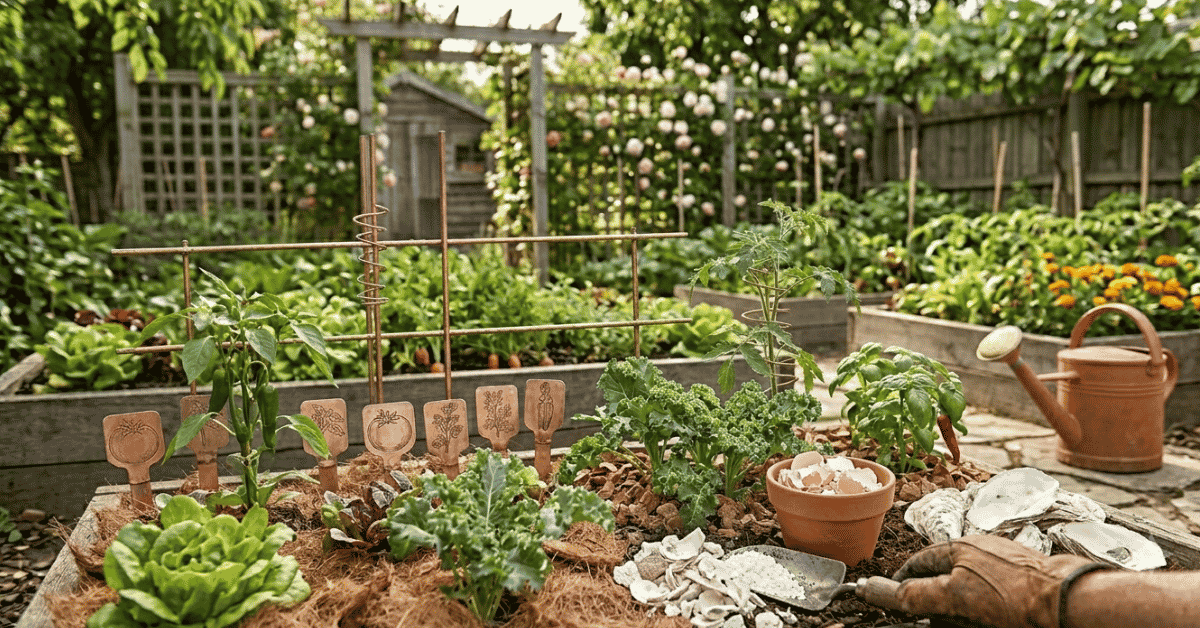
Calcium’s Garden Powerhouse
Gardens thrive with calcium, a surprisingly vital nutrient for strong plants. If your tomatoes get blossom end rot, calcium is likely the culprit! This article shows how to boost your soil and harvests.
Why Do I Need Calcium for Gardening?
Calcium is like the superhero backbone for your plants. I learned this the hard way when my prized tomato plants suffered from that dreaded blossom end rot. It was a sad sight.
The fruits looked good outside, but the bottoms were black and mushy. It turned out my soil just didn’t have enough calcium. Calcium helps build strong cell walls.
Think of it as the mortar holding the bricks of your plant together. Without enough of it, those walls get weak. This weak structure causes problems, especially in fruits and vegetables where cell integrity is crucial.
It also helps plants move water and nutrients effectively. So, it’s not just about preventing rot; it’s about overall plant health and vigor. My garden changed dramatically once I started paying attention to its calcium levels.
Signs Your Garden Needs More Calcium
How do you know if your plants are crying out for calcium? Look for these signs. They’re pretty clear if you know what to watch for.
Distorted New Growth
New leaves and shoots might appear twisted or stunted. It’s like the plant is trying to grow, but its building materials are faulty. I’ve seen this on my pepper plants.
The new leaves would curl up tightly, and some never really unfurled properly. It’s a frustrating thing to witness, knowing you can’t fix it overnight.
Blossom End Rot
This is the classic sign. It’s most common on tomatoes, peppers, and watermelons. You’ll see a dark, sunken spot on the blossom end of the fruit.
It’s not a disease; it’s a direct result of calcium deficiency. This was the first calcium issue I ever noticed, and it really opened my eyes.
Stunted Growth Overall
If your plants just aren’t growing as vigorously as they should, calcium might be the missing piece. They might look generally unhealthy, with yellowish or pale leaves. It’s not just one specific problem, but a general lack of get-up-and-go.
Poor Fruit and Seed Development
Even if you don’t see blossom end rot, calcium is crucial for good fruit set and seed formation. If your plants flower but don’t produce much fruit, or the fruits are small and misshapen, calcium could be a factor.
Sources of Calcium for Your Garden Soil
Bringing calcium into your garden is thankfully quite straightforward. There are several excellent ways to do it, and often, doing more than one is best for balanced soil health.
Agricultural Lime
This is probably the most common and effective way to add calcium. It’s essentially ground-up limestone. It also helps raise soil pH, which is great for many plants and helps some nutrients become more available.
- Types: You’ll commonly see ** dolomitic lime** and calcitic lime.
- Dolomitic lime contains both calcium and magnesium. It’s good if you suspect a magnesium deficiency too.
- Calcitic lime is pure calcium carbonate. Use this if your soil already has enough magnesium.
- Application: Spread it on the soil surface, usually in the fall. This gives it time to break down and work its magic. Follow package directions for amounts. Too much can raise pH too high.
Gypsum (Calcium Sulfate)
Gypsum is another fantastic source of calcium. Unlike lime, it doesn’t significantly change your soil’s pH. This makes it a great choice if your soil is already acidic or you’re concerned about making it too alkaline.
- Benefits: It improves soil structure, especially in clay soils. It helps heavy soils drain better and become less compacted. I’ve seen clay soil transform from a sticky mess into something workable after adding gypsum.
- Application: You can mix it into the soil at any time. It works relatively quickly. It’s also safe to apply even if your pH is ideal.
Bone Meal
This is a popular organic fertilizer. It’s made from ground animal bones. It provides calcium and phosphorus.
- Pros: It’s a slow-release nutrient source. It’s great for overall plant health.
- Cons: It can take a while to break down and become available to plants. It’s also a bit more expensive than lime or gypsum. Ensure it’s sterilized if you buy it to avoid any issues.
Eggshells
Don’t throw away those eggshells! They are a natural source of calcium carbonate.
- Preparation: Wash them well and dry them out. Then, crush them into a fine powder. The finer the powder, the faster they break down and release their calcium. A coffee grinder works wonders for this.
- Application: Sprinkle the powder onto your soil or mix it into potting mixes. It’s a gentle way to add calcium over time. I always save mine; it feels good to recycle them back into the garden.
Other Organic Matter
Compost and aged manure can contain small amounts of calcium. While they won’t drastically change your soil’s calcium levels on their own, they contribute to overall soil health, which helps plants utilize nutrients better. Think of them as a supportive role in the calcium drama.
When and How to Apply Calcium
Timing and method matter for giving your plants the calcium boost they need. Getting this right makes a big difference.
Soil Testing is Key
Before you add anything, get a soil test. This tells you your current pH and nutrient levels. It’s like going to the doctor for a check-up.
You wouldn’t take medicine you don’t need, right? A test shows you exactly what your soil is lacking. This prevents over-application, which can cause other problems.
Application Timing
- Lime: Best applied in the fall. It needs time to react with the soil. This allows it to adjust pH and release calcium slowly. If you need a quicker fix in spring, use hydrated lime cautiously, but it’s riskier.
- Gypsum: Can be applied anytime. It works without changing pH, so it’s a safe bet year-round. I often add it when I’m preparing beds or amending soil before planting.
- Bone Meal/Eggshells: These are slow-release. Incorporate them into the soil before planting so they have time to break down.
Application Methods
- Broadcasting: Spread granular materials evenly over the soil surface. Then gently work them in with a rake or tiller.
- Mixing into Soil: When planting new beds, incorporate amendments like gypsum or bone meal directly into the top 6-8 inches of soil.
- Foliar Sprays (Emergency Fix): In a pinch, you can use a calcium spray. Mix calcium chloride or calcium nitrate with water. Spray it directly onto the leaves. This offers a fast uptake for immediate relief, but it’s not a long-term solution. It’s more of a quick band-aid. I’ve used this for sudden signs of trouble, but I always follow up with soil amendments.
Calcium vs. Other Soil Amendments
It’s easy to get confused by all the things you can add to your garden. Knowing how calcium fits in helps you make smart choices.
Calcium vs. Magnesium
Both are essential plant nutrients, but they do different jobs.
- Calcium: Builds cell walls, provides structural support.
- Magnesium: A central element in chlorophyll, the molecule plants use for photosynthesis (energy from light).
If you use dolomitic lime, you get both. But if your soil test shows plenty of magnesium, stick to calcitic lime. Over-applying magnesium can interfere with calcium uptake.
Calcium vs. Other Nutrients
Calcium works hand-in-hand with other nutrients.
- Potassium: Important for water regulation and fruit development. Too much potassium can sometimes hinder calcium uptake.
- Boron: Helps with calcium utilization. A deficiency in boron can mimic a calcium deficiency.
This is why soil testing is so important. It reveals the whole picture, not just one missing piece.
Calcium and Soil pH
Lime raises soil pH, making it more alkaline. Gypsum does not affect pH. Most vegetables prefer a pH between 6.0 and 7.0.
If your soil is too acidic (low pH), lime is a good choice. It adds calcium and corrects the pH. If your soil has the right pH or is already alkaline, gypsum is a better calcium source.
Comparing Calcium Sources
Here’s a quick look at some common methods for adding calcium.
| Source | Calcium Type | pH Effect | Releases Speed | Best For |
|---|---|---|---|---|
| Calcitic Lime | Calcium Carbonate | Raises | Slow | General calcium needs, acidic soil |
| Dolomitic Lime | Calcium Carbonate + Mg | Raises | Slow | Calcium & Magnesium needs, acidic soil |
| Gypsum | Calcium Sulfate | Neutral | Medium | Improve soil structure, non-acidic soil |
| Bone Meal | Calcium Phosphate | Neutral | Slow | Organic gardening, P & Ca needs |
| Eggshells | Calcium Carbonate | Neutral | Very Slow | Gentle, ongoing calcium boost |
Common Mistakes to Avoid
Even with the best intentions, you can make calcium mistakes. I’ve made a few myself!
Over-Applying Lime
Adding too much lime can raise your soil pH too high. This can lock up other essential nutrients, making them unavailable to your plants. Always follow soil test recommendations.
My first year with a new garden bed, I went a little overboard with lime. The plants looked pale and sad, and I realized I’d overdone it.
Relying Only on Foliar Sprays
Foliar sprays are like a quick fix. They don’t address the root cause of the deficiency in the soil. They’re good for emergencies, but consistent soil amendment is crucial for long-term plant health.
Ignoring Soil Tests
Soil tests are your roadmap. Skipping them is like driving blind. You might guess right, but you’re more likely to make mistakes.
A test helps you target your efforts and save money.
Not Understanding Soil Type
Some amendments work better with certain soil types. For instance, gypsum is fantastic for clay soils. If you have sandy soil, it might not offer the same structural benefits.
Calcium and Other Garden Boosters
Calcium is a star player, but it works best when the whole team is healthy. Sometimes, other amendments can help your plants utilize calcium better or address related issues. For example, ensuring good drainage is vital.
If your soil stays waterlogged, roots can’t absorb nutrients effectively. Adding amendments like coconut coir or coarse sand can really improve drainage. Coconut coir is amazing for aeration and moisture retention without compaction.
I found that mixing it into my heavy garden soil made a huge difference. It creates tiny air pockets, allowing roots to breathe and access nutrients, including calcium.
Similarly, adding compost or other organic matter improves overall soil structure and microbial activity. Healthy soil biology helps break down amendments and make nutrients available. If you’re dealing with compact soil, looking into things like coarse sand for garden soil or coconut gardening might be beneficial beyond just calcium.
These help create a better environment for roots to thrive. And when you’re thinking about soil structure, coconut fiber for potting mix or coconut fiber for healthier plants can create a light, fluffy medium where calcium can be easily absorbed. It’s all about creating the best home for your plants.
The Takeaway on Calcium Power
Calcium is crucial for strong, healthy plants and bountiful harvests. Don’t overlook its importance. By understanding the signs of deficiency and using the right sources, you can easily boost your garden’s calcium levels.
My garden has never been happier since I started giving calcium the attention it deserves. It’s a relatively easy fix with impressive results.
How to check if your garden needs calcium?
Test your soil. Signs include distorted new growth, blossom end rot on fruits, and generally stunted plants. Learn more about diagnosing…
When is the best time to add lime to my garden?
Apply lime in the fall. It needs time to break down and adjust the soil pH for spring. Learn more about soil amendments…
Can eggshells really help my garden?
Yes, eggshells are a natural calcium source. Crush them finely for faster release into the soil. Learn more about organic gardening…
Is gypsum good for all soil types?
Gypsum is especially beneficial for clay soils. It improves structure and drainage without altering pH. Learn more about soil conditioners…
What if my tomatoes have blossom end rot?
Blossom end rot often indicates a calcium deficiency. Try adding gypsum or lime to your soil. Learn more about vegetable gardening…