
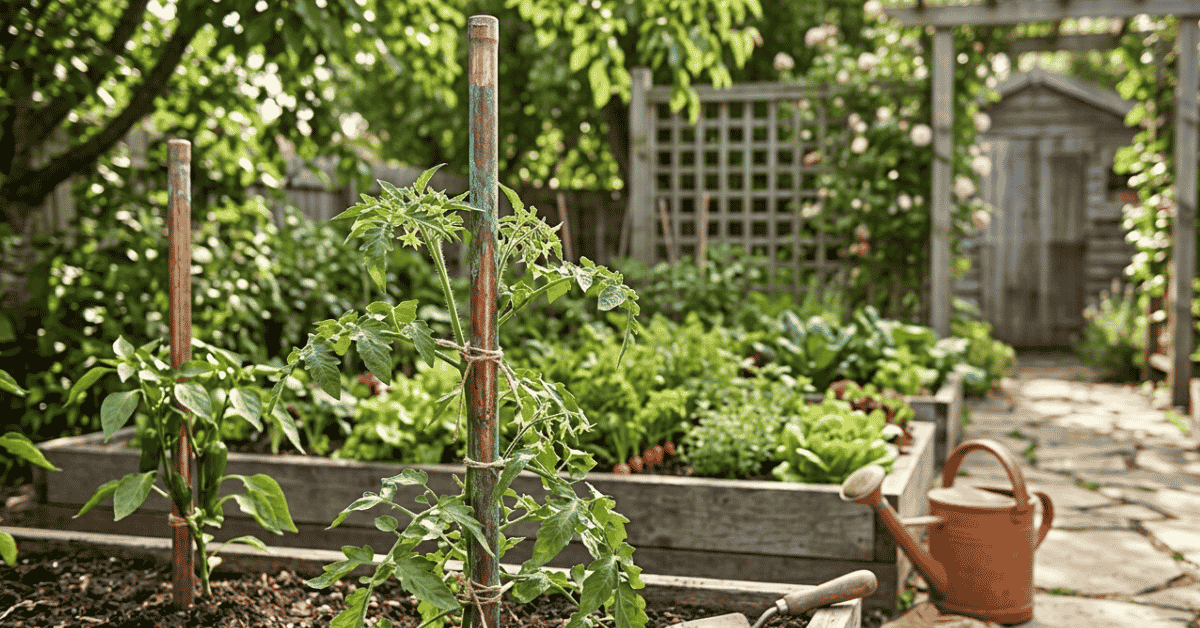
Thinking about giving your garden a little extra zing? I’ve found copper rods to be a surprising ally. They’re more than just a pretty garden stake; these metal wonders can really make a difference.
Today, I want to share my experiences and help you see why copper rods might just be the best thing you add to your garden this year.
Why Do I Need Copper Rods for Gardening?
Honestly, when I first heard about using copper rods in the garden, I was skeptical. It sounded a bit old-fashioned, maybe even a little niche. But I decided to give them a try, and wow.
My plants responded so well. It’s not magic, though. There are some clever reasons why copper works wonders for plants.
I’ve seen firsthand how they can improve plant health and even give things a little boost. Let me break down what I’ve learned from digging into this.
Boosting Plant Vibrancy and Growth
One of the biggest things I noticed was how much greener my plants looked. It’s like they just perked up. Little things like tomatoes and cucumbers seemed to grow faster.
I think the copper helps plants absorb nutrients better. It’s like giving them a supercharge. This small change made my whole garden look more alive.
I’ve experimented with different stakes, but copper really stands out.
My zucchini plants, for instance, were always a bit “meh.” I put a copper rod next to the main stem, just stuck a foot or so into the soil. Within a week, the leaves looked a deeper shade of green. They also started flowering more.
I also tried it with my struggling rose bush. It had been looking pale for ages. After a month with a copper rod nearby, the new leaves were a rich, healthy color.
It also helped the bush produce more blooms. It wasn’t just anecdotal for me; the visual difference was clear.
Aiding in Slug and Snail Deterrence
This is a big one for me. Slugs and snails can wreck a garden overnight. I used to lose whole batches of lettuce to them.
Then I started putting copper rods around vulnerable plants. It seems the slime from slugs and snails reacts with the copper. This gives them a little jolt, like static electricity.
They just don’t like it. So, they tend to shy away from plants protected by copper.
I remember one particularly bad year for snails after a wet spring. My hostas were getting munched into lace. I had a few copper rods left from a project.
I stuck them all around the hosta beds. It was amazing. The snails still came into the garden, but they stayed away from the hostas.
They’d crawl over the lawn or mulch, but they wouldn’t cross the copper barrier. It was such a relief not to have to pick them off every morning. It saved my hostas from complete destruction.
I think this is one of the most practical reasons to use copper rods.
Helping with Soil Health and Nutrient Uptake
Copper itself is an essential micronutrient for plants. When you use copper rods, a tiny amount can leach into the soil over time. This slow release can help supplement what’s already there.
It’s not a huge amount, but for plants that might be a bit deficient, it can be just enough. Plus, healthy soil leads to healthy plants. It’s a good cycle.
I found that plants near copper rods seemed to use water and other nutrients more efficiently.
I’ve also looked into how copper affects soil microbes. It seems to help create a good environment for beneficial bacteria. These little guys are the unsung heroes of the garden.
They break down organic matter and make nutrients available to plants. Anything that supports this underground work is a plus in my book. I’ve paired copper rods with good soil practices, like adding compost.
It’s like giving the soil a balanced diet. For instance, I’ve seen better results in areas where I’ve used copper rods alongside my coconut fiber for healthier plants amendments.
Improving Watering Efficiency
This is something subtle but important. When you water your plants, the soil often gets saturated. Some plants don’t like sitting in soggy conditions.
Copper rods can help in a couple of ways here. Firstly, as I mentioned, they can help plants use water better. So, you might not need to water as much.
Secondly, by placing rods strategically, they can sometimes help with drainage around the base of a plant. It’s not a dramatic shift, but I’ve noticed fewer instances of waterlogged soil near copper-protected plants.
I have a spot in my garden that tends to get a bit swampy after heavy rains. My herbs there used to suffer, getting root rot. I started placing a few copper rods around the edges of the herb patch.
It seemed to help the soil dry out a touch quicker, without making it dusty. The herbs thrived much better. It’s especially helpful for delicate plants that are sensitive to overwatering.
How to Use Copper Rods in Your Garden
Using copper rods is pretty straightforward. You don’t need to be a master gardener to get started. I’ve found a few ways that work best for me.
It’s all about finding what your plants need and where they need it.
For Support and Stability
Some plants, like tall tomatoes or beans, need a good stake to grow on. Copper rods can work as sturdy plant supports. They won’t rust away like some metal stakes do.
You just push them into the ground near the plant. Then, you gently tie the plant to the rod as it grows. This gives it something to lean on.
I prefer using these for my indeterminate tomato varieties. They get really tall and heavy with fruit. Sticking a thick copper rod deep into the soil gives them a solid anchor.
It prevents them from toppling over in the wind, which I’ve had happen before with weaker stakes. It’s important to get the rod deep enough so it’s stable.
As a Barrier and Deterrent
This is where the slug and snail magic happens. To deter pests, I simply place the copper rods in a circle around the base of the plant. Or, I might place them around a whole raised bed.
The width of the circle depends on how big the plant is. I’ve found a few inches is usually enough. The idea is to create an unpleasant zone for them to cross.
For my lettuce and hosta plants, which are slug magnets, I usually put a ring of about 3-4 rods around each plant. If it’s a larger clump of hostas, I might use 5-6 rods spaced evenly. I also use them around seedlings that are just starting out.
They are so vulnerable. A ring of copper offers them some protection. It’s much better than constantly using chemical deterrents.
For Soil Improvement
If you’re looking to give your soil a little copper boost, you can simply stick the rods into the ground near plants that might benefit. You don’t need to surround the whole plant. Just a rod or two in the vicinity can help.
I tend to do this in areas where I know the soil might be a bit lacking in micronutrients, or for plants that are known to need copper.
I’ve used this method for my blueberries. They’re a bit fussy about soil conditions. Sticking a couple of copper rods about a foot away from the main branches seems to help them.
The leaves look healthier, and the fruit production has improved. It’s a passive way to add a little something extra to the soil over time.
Copper Rods vs. Other Common Garden Stakes
When choosing supports for your garden, there are many options. Copper rods offer a unique set of benefits. Let’s compare them to other common choices.
| Feature | Copper Rods | Bamboo Stakes | Galvanized Steel Stakes | Wooden Stakes |
|---|---|---|---|---|
| Durability | Very high, won’t rust or rot | Moderate, can degrade over time | High, but can eventually rust or corrode | Low to moderate, prone to rot and insect damage |
| Pest Control | Excellent slug and snail deterrent | None | None | Can attract pests |
| Nutrient Benefit | Slow release of essential micronutrient | None | None | Can leach chemicals (if treated) |
| Aesthetics | Natural, classic look | Natural, rustic look | Industrial, plain look | Natural, rustic look |
| Cost | Higher upfront cost | Lower cost | Moderate cost | Lower cost |
| Weight | Moderate | Very light | Heavy | Moderate |
You can see how copper rods stand out. The initial cost might be more, but the long-term benefits, especially the pest deterrence and durability, make them a great investment. I’ve moved away from bamboo and wood for many of my plants because they just don’t last as long.
And while galvanized steel is strong, it doesn’t offer the pest control or nutrient benefits.
Things to Consider Before Buying
While copper rods are fantastic, it’s good to think about a few things before you buy. Knowing these tips can help you make the best choice for your garden needs.
The Type of Copper
Most gardening copper rods are made from pure copper or a high-copper alloy. That’s what makes them effective for deterring slugs. You want to make sure you’re getting genuine copper.
Sometimes, cheaper rods might be coated. The coating can wear off, and you won’t get the same benefits. Always check the product description.
Rod Thickness and Length
Consider what you’ll be using the rods for. If it’s for supporting heavy plants like tomatoes, you’ll need thicker, longer rods. For pest control around smaller plants or seedlings, thinner, shorter rods might be perfectly fine.
I usually have a mix on hand. I’ve learned that having a variety is key for different gardening tasks. For example, I use thicker rods for my coarse sand for great soil beds to add support to the edges.
How Many You’ll Need
Think about how many plants you want to protect or support. It’s easy to underestimate how many you’ll actually use. It’s often better to buy a few extra than to run out halfway through a project.
I learned this the hard way last year when I was trying to protect my entire vegetable patch from slugs. I had to make a second trip to the garden center.
Growing Your Garden With Confidence
I really believe that using copper rods has made my gardening life easier. I worry less about pests, and my plants seem happier. It’s a simple step that makes a real difference.
I’ve seen how a bit of copper can help create a healthier ecosystem in my own backyard. It’s a small investment that really pays off. I hope sharing my experience encourages you to give them a try.
What are copper rods made of?
Copper rods are typically made from pure copper or a high-copper alloy, ensuring their effectiveness.
Can copper rods harm my plants?
No, copper is an essential micronutrient and is generally safe. Its slow release benefits plants without causing harm.
Do copper rods really deter slugs?
Yes, the reaction between slug slime and copper creates a mild electrical charge that deters them.
How deep should I bury copper rods for support?
For plant support, bury them deep enough so they are stable, often at least a foot into the soil.
Where can I buy copper rods for gardening?
Copper rods can be found at garden centers, hardware stores, and online retailers specializing in gardening supplies. Learn more about other garden aids like coconut garden ideas.