
Amazing Coconut Husk: Your Garden’s New Best Friend
Coconut husk is a game-changer for your plants. Discover its amazing benefits. Get ready for healthier, happier greenery now!
(150 words)
Why Is Everyone Talking About Coconut Husk for Gardening?
Honestly, I was skeptical at first. My garden soil has always been… well, soil. But a few years back, a friend raved about using coconut husk.
She showed me her plants, they were just bursting with life! I decided to try it. My first experience was with some finicky herbs that always seemed to struggle.
I mixed some husk into their pots. Within weeks, they perked up like never before. That’s when I knew this stuff was special.
It’s not just hype; it’s a real garden booster.
The Incredible Benefits of Coconut Husk for Your Plants
Coconut husk offers a bunch of fantastic perks for your garden. It’s like giving your plants a spa day. They drink better, breathe better, and ultimately, thrive better.
It truly transformed my approach to plant care.
Amazing Water Retention
This is a huge one for me. I live in a warm climate, and watering can feel like a constant battle. Coconut husk acts like a sponge.
It holds onto moisture but doesn’t become waterlogged. This means my plants get a steady supply of water. I water less often, and my plants are happier for it.
They don’t wilt as easily on hot days. It’s a real time-saver and stress-reducer.
Excellent Aeration
Plants need air around their roots. Soggy soil suffocates them. Coconut husk creates little pockets of air within the soil.
This allows oxygen to reach the roots easily. My plants’ roots looked so much healthier when I started using it. They weren’t cramped and suffocated anymore.
This leads to stronger root systems overall.
pH Neutral Properties
Most plants like a neutral pH for their soil. Coconut husk naturally sits at a pH of around 5.2 to 6.8. This is perfect for a wide variety of plants.
It won’t aggressively alter your soil’s pH. This is great because I don’t have to worry as much about testing and adjusting. It just works.
It’s a stable base that lets nutrients be more available to your plants.
Slow Decomposition
Unlike some organic materials, coconut husk breaks down very slowly. This means its benefits last much longer in your soil or potting mix. You’re not constantly replenishing it.
It provides structure and improves drainage for months, even years. This slow breakdown also means it doesn’t consume nitrogen from the soil as it decomposes, which is a common issue with some other materials.
Sustainable and Eco-Friendly
This is a big draw for me. Coconut husk is a byproduct of the coconut industry. It’s a renewable resource.
Using it gives this material a new, useful life. It diverts waste from landfills. For anyone trying to garden more sustainably, it’s a smart choice.
It feels good to use something that’s good for the planet.
Think of it as giving your soil a lighter, fluffier texture. That’s what coconut husk does. It lightens up heavy clay soil.
It improves drainage in dense potting mixes. It’s like giving your soil a really good makeover.
How to Use Coconut Husk in Your Garden
There are several easy ways to incorporate coconut husk into your gardening routine. You can use it in so many different applications.
As a Potting Mix Component
This is where I see the biggest difference. I mix coconut husk with my regular potting soil. A ratio of about 30% husk to 70% soil works wonders for most potted plants.
For plants that prefer excellent drainage, like succulents or cacti, I bump that up to 50%. It creates a light, airy mix that roots absolutely love. My houseplants have never looked better.
They don’t get root rot from overwatering as easily.
As a Soil Amendment
If you have heavy clay soil in your garden beds, coconut husk can really help. Mix a few inches of husk into the top 6-8 inches of your soil. This improves aeration and drainage.
It makes the soil easier to work with. Over time, it also adds a bit of organic matter. It breaks up compaction beautifully.
As a Mulch
You can also use coconut husk as a top layer of mulch. It helps retain soil moisture. It also suppresses weeds.
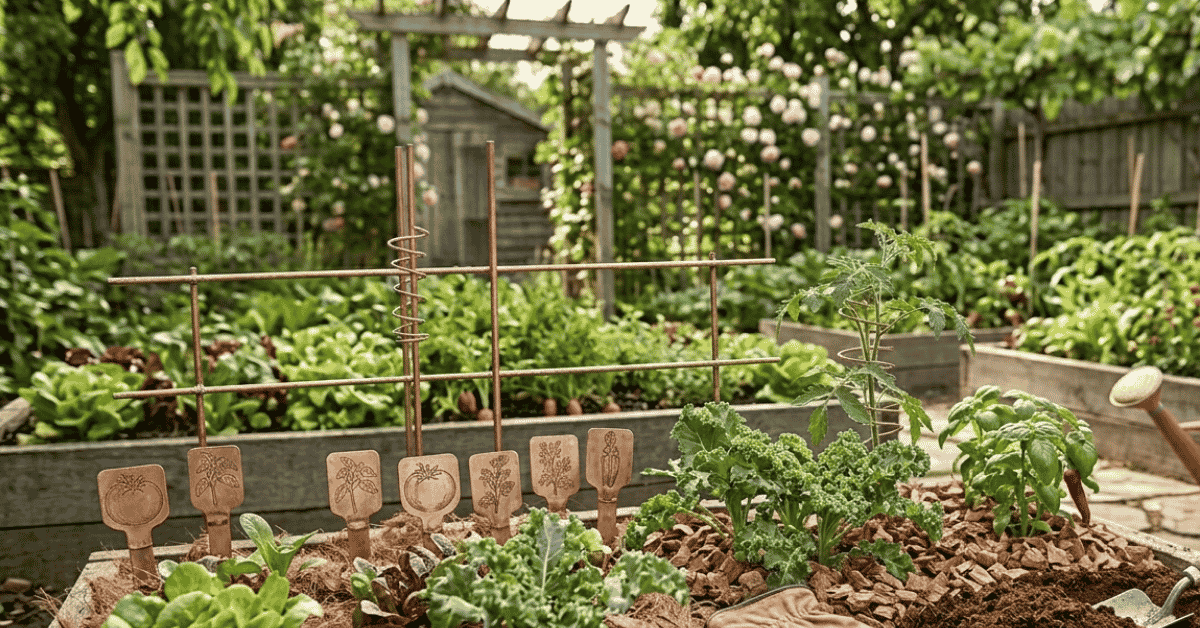
Plus, it looks quite neat and tidy. It breaks down slowly, so you don’t have to replace it constantly. It’s a natural, attractive look for garden beds and around trees.
It’s a double win: function and form.
In Seed Starting Mixes
Starting seeds can be tricky. Coconut husk provides a great environment for delicate seedlings. It’s disease-resistant and holds moisture perfectly.
It doesn’t compact, giving tiny roots room to grow. I use a fine-grade coconut husk for starting seeds. It makes transplanting easier too.
Coconut Husk vs. Other Gardening Materials
It’s helpful to see how coconut husk stacks up against other common gardening materials. Not everything works the same.
| Feature | Coconut Husk | Peat Moss | Perlite |
|---|---|---|---|
| Water Retention | Excellent | Good | Poor |
| Aeration | Very Good | Good | Excellent |
| pH | Neutral | Acidic | Neutral |
| Decomposition Rate | Slow | Moderate | Very Slow |
| Sustainability | High | Low (non-renew.) | Medium |
| Cost | Moderate | Moderate | Moderate |
Peat moss is popular, but it’s not renewable. Mining it damages bog ecosystems. I used to use it a lot, but I’ve really switched over.
Perlite is great for aeration, but it doesn’t hold water at all. Coconut husk seems to have the best of both worlds. I found that using a blend gives the most robust results.
For example, mixing some coarse sand for amending soil with coconut husk can create uniquely structured mixes for certain plants.
Types of Coconut Husk Products
You’ll find coconut husk available in a few different forms. Choosing the right one depends on your gardening needs.
Coco Coir (Fiber)
This is the fluffy, fiber-like material. It’s often sold compressed into bricks or blocks. You just add water to rehydrate them.
Coco coir is fantastic for seed starting and as a potting mix ingredient. It drains well and holds moisture. It’s very versatile.
This is what most people mean when they talk about coconut husk for gardening. My coconut fiber for healthier plants article goes into more detail if you’re curious.
Coco Chunks (Chips)
These are larger pieces of the coconut husk. They provide excellent aeration and drainage. Coco chunks are ideal for orchids, air plants, or as an additive to heavier soils.
They prevent compaction and allow for maximum airflow. I use them in my orchid pots and for some carnivorous plants. They’re perfect for plants that really don’t like wet feet.
Coco Peat
This is a finer, dustier form of coco coir. It holds a lot of water but can sometimes compact if not mixed properly. It’s often found in bulk bags.
It’s good for moisture retention but needs to be combined with chunkier material for best aeration. I tend to use the more fibrous coco coir unless I specifically need that super fine texture.
Potential Downsides to Consider
No miracle product is without its little quirks. Honestly, it’s hard to find major faults. But it’s good to be aware of a couple of things.
Initial Cost
Buying compressed coco coir bricks can seem a bit pricey upfront compared to a bag of garden soil. However, one brick expands to a large volume. So, it’s actually quite cost-effective in the long run.
You get a lot of material from a small block. When you factor in how much better your plants do, the value is there.
Nutrient Leaching
While coconut husk itself is nutrient-poor, it can sometimes hold onto nutrients applied to the soil. This can be a good thing for slow-release. But if you’re heavy-handed with fertilizer, some of it might get held back.
It’s also slightly prone to leaching some essential nutrients if overwatered constantly. I just make sure my watering is sensible. I’ve found my plants don’t need as much fertilizer when using coco coir, which is a bonus.
Some people do recommend adding calcium and magnesium to coco coir mixes, especially if using it as a hydroponic medium. For regular soil gardening, it’s less of a concern.
Salt Content
Sometimes, coconut husk can have a slightly high salt content, especially if harvested near the coast. This can be harmful to plants. Most reputable brands wash their husk thoroughly to remove excess salts.
Always buy from a trusted supplier. I learned this the hard way once with a cheap, unwashed batch. My seedlings looked terrible until I flushed the medium.
Always check your source! A good coconut coir for seedling growth is worth the investment.
My Personal Take on Coconut Husk Gardening
I’ve used coconut husk in my gardens for years now. It’s become an essential part of my potting mixes and soil amendments. I wouldn’t want to garden without it.
It’s really that good. My plants are definitely healthier and more resilient. I find myself watering less and worrying less.
That’s priceless for any gardener. It’s a simple change with huge rewards. If you haven’t tried it, I wholeheartedly encourage you to give it a go.
You might be surprised at how much your plants thank you. It’s definitely one of my favorite sustainable garden boosts. It really offers an unexpected edge, much like copper for garden pest control offers a different kind of benefit.
Your Coconut Husk Gardening Questions Answered
What is the best way to rehydrate coco coir bricks?
Submerge the brick in water. It will expand quickly. Gently break it apart as it rehydrates.
Can I use coconut husk for all types of plants?
Yes, it’s great for most plants. Adjust the mix for plants with specific needs.
Does coconut husk contain nutrients?
No, it’s naturally very low in nutrients. You will need to fertilize your plants.
How often should I add coconut husk to my garden?
You don’t need to add it frequently. It breaks down slowly. Refresh every few years as needed.
Is coconut husk better than compost?
They serve different purposes. Compost adds nutrients. Coconut husk improves structure and moisture.
Use both for best results.