
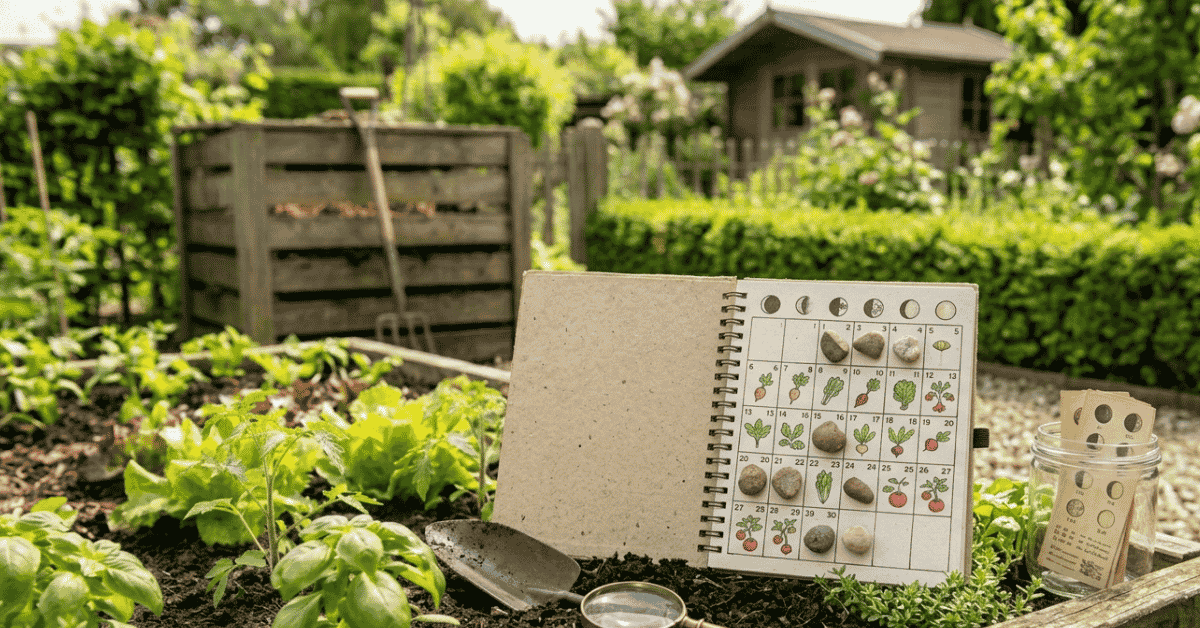
Lunar Planting: Your 7-Day Gardening Secret
My garden usually feels like a bit of a gamble. Some years, everything thrives. Other years, it’s like the plants decided to stage a protest.
I’ve tried everything, or so I thought. Then, a friend casually mentioned a lunar gardening calendar. I was skeptical, honestly.
But after trying it for a season, I saw a real, noticeable difference. It’s like aligning my planting with nature’s rhythm. If you’re curious about making your garden more productive, working with the moon just might be your game-changer.
What Exactly is a Lunar Gardening Calendar?
For me, it started as a whisper, a curiosity. My friend swore by it. “It’s all about the moon phases,” she’d explained.
“When it’s waxing, plants grow up. When it’s waning, they focus on roots.” I had to see for myself. So, I picked up a simple lunar gardening calendar for my region.
It’s basically a guide. It tells you what to plant, when to prune, and when to harvest. It aligns these garden tasks with the moon’s cycles.
Think of it like following the natural ebb and flow of tides, but for your plants. I’ve found that following its advice takes a lot of the guesswork out. Instead of just guessing the best day to plant my tomatoes, I look at the calendar.
It suggests planting them during a specific moon phase for best results. It’s not magic, but it feels pretty close sometimes.
Why Trust the Moon for Your Garden?
Honestly, I was a huge doubter. My old way was just planting when the weather felt right. This moon thing seemed a bit too… woo-woo for my practical dirt-under-the-fingernails approach.
But I kept hearing about it. Stories of bigger harvests and healthier plants. So, I decided to give it a real test.
I picked one section of my garden to follow the lunar calendar strictly. The rest? I planted like I always did.
The difference was stark. The plants guided by the moon just seemed more vigorous. The leafy greens were lusher.
The root vegetables were surprisingly bigger. It felt like I was finally unlocking some hidden potential in my soil. It’s about working with nature, not against it.
The moon’s gravity affects the ocean’s tides. Maybe it affects the sap in plants too. That’s my theory, anyway, and my garden’s yielding results.
Planting Under the New Moon and Waxing Crescent
This is where the magic of new growth really kicks in for me. The New Moon is like a quiet reset. It’s a time to prepare the soil.
I don’t usually plant much then. But right after, as the sliver of the moon starts to show (the Waxing Crescent), that’s prime time for me. The calendar says this is when energy is rising.
It’s perfect for planting anything that grows above the ground. Think leafy greens: lettuce, spinach, kale. And fast-growing things like radishes.
I remember one April, my lettuce seeds were slow to sprout in my usual patch. I checked the lunar calendar. It said to sow more seeds during the waxing crescent.
I did. Those new seeds shot up like crazy. The ones from my old timing were still laggards.
It was a clear win for the moon.
The First Quarter Moon: Strong Root Development
As the moon grows fuller, moving into the First Quarter, my focus shifts. The calendar guides me to plant things that need strong roots. This is when root vegetables truly shine.
Carrots, potatoes, beets, onions, these love this phase. I used to just plant carrots whenever I had time. Now, I wait for this specific quarter.
The difference in bulb size for my onions has been incredible. I also found that my potatoes developed way fewer disease spots. It’s like they’re just healthier from the start.
This phase is also great for transplanting. The plants are strong enough to handle the move. My fragile tomato seedlings, which usually sulk after being moved, settled in much faster when I timed their transplant to a First Quarter moon.
The Full Moon: Peak Growth and Fruiting
Ah, the Full Moon. This is the big showstopper for many gardeners. The energy is at its peak.
The calendar says this is the time for planting things that produce fruit. Tomatoes, peppers, cucumbers, squash, beans. Anything you want to yield heavily.
I’ve noticed that the fruits from plants sown or transplanted under the Full Moon seem to mature faster. They also tend to be bigger and juicier. I’ve had my best corn harvests during Full Moon planting periods.
The cobs are always fuller. My zucchini plants, sometimes I can’t keep up with the harvest! It’s a time of abundance, and my garden reflects that.
I also use this phase for heavy feeding and fertilizing. Plants can really take up nutrients then.
The Last Quarter Moon: Harvesting and Pruning
As the moon begins to shrink, entering the Last Quarter, the energy shifts downwards. The calendar indicates this is a prime time for harvesting. Why?
Because the plants are pulling their energy back into their roots, not actively growing new leaves or fruit. This means slower spoilage and better storage for root crops like potatoes and carrots. I’ve found my onions last much longer in the pantry when harvested during this phase.
The Last Quarter is also good for pruning. It encourages slower, more controlled regrowth. I’ve learned that by pruning my fruit trees then, they don’t bleed as much sap.
This seems to make them healthier heading into the next season. It’s a time for tidying up and reaping the rewards.
Working with the Moon: My Personal Experience
I’ve been using a lunar gardening calendar for about three years now. My initial skepticism has completely vanished. My yields have definitely increased.
The plants look healthier. And honestly, it’s made gardening more intuitive. I tune into the natural rhythms instead of just guessing.
For example, last year my basil was always a bit scraggly. I followed the calendar, planting new basil seeds during the waxing crescent. The plants grew much fuller and produced more leaves.
My peppers also seemed to set fruit earlier and produce more when planted under the Full Moon. It’s not just folklore; I’ve seen tangible results. This feels particularly true for root crops.
Before, my carrots were often small and misshapen. Now, they’re more uniform and satisfyingly plump. I attribute a lot of this to planting them during the First Quarter moon.
I now consult my lunar calendar before any major planting or pruning day. It helps me plan my garden tasks in advance. It feels more aligned with the natural world around me.
This approach also makes me think about soil health. When I’m preparing to plant, I focus on amending the soil. I’ve found that adding things like coconut coir for healthier plants really helps retain moisture, especially during drier periods.
Also, understanding soil texture is key; coarse sand for better drainage makes a big difference depending on what I’m planting.
Is It Worth the Effort?
For me, yes, absolutely. It’s an added layer of planning, but it pays off. It’s not about complicated charts.
A simple lunar gardening calendar is easy to understand. It gives you a framework. It makes you more mindful of when you’re doing things.
I’ve noticed that when I follow it, I’m less likely to have planting failures. The plants seem more resilient. It’s also very satisfying to see your garden respond so well.
It feels like a partnership with nature.
Lunar Gardening Calendar vs. Traditional Methods
The biggest difference is the timing. Traditional methods often focus solely on soil temperature and last frost dates. A lunar calendar adds another dimension.
It incorporates the moon’s influence on plant growth. I still pay attention to frost dates, of course. But the lunar calendar helps me pick the best day within that valid planting window.
It’s like having a cheat sheet for optimal growth. It’s not about abandoning what works. It’s about refining it for better results.
I find that when I combine traditional knowledge with lunar timing, my garden truly excels.
Key Considerations for Using a Lunar Calendar
- Location Matters: Always get a calendar specific to your hemisphere and region. The moon’s influence can vary.
- Observe Your Plants: The calendar is a guide. Always observe your plants. They’ll tell you if something’s not quite right.
- Soil is Key: A good lunar calendar won’t fix poor soil. Amending your soil with compost, or alternatives like coconut gardening boosters, is still crucial.
- Patience: Like any gardening, results take time. Don’t expect miracles overnight. Stick with it for a season.
Lunar Planting Zones and Best Practices
The general principle is that the waxing moon (New Moon to Full Moon) is best for above-ground crops (leafy greens, fruits). The waning moon (Full Moon to New Moon) is best for root crops and transplanting.
Here’s a breakdown:
| Moon Phase | Ideal for Planting | Best for Harvesting/Pruning | My Experience |
|---|---|---|---|
| New Moon | Soil preparation, cover crops | – | I use this time for cleaning up and turning compost. |
| Waxing Crescent | Leafy greens (lettuce, spinach), herbs, flowers | – | My basil and cilantro absolutely blast off when sown now. |
| First Quarter | Root vegetables (carrots, beets), transplanting | – | My best potato and onion harvests come from this phase. My tomatoes seem to tolerate transplanting much better. |
| Full Moon | Fruiting plants (tomatoes, peppers, squash, beans) | – | I get the most abundant yields of cucumbers and berries when I plant them now. |
| Waning Gibbous | Similar to First Quarter, strong root growth | – | I often put in another round of root crops here if the season allows. |
| Last Quarter | – | Root crops, herbs, bulbs | My stored onions and garlic last way longer when harvested now. |
| Waning Crescent | – | Leafy greens, fruits | I’ll harvest anything that needs to sit for a while. It feels like the flavor intensifies. |
Remember, these are guidelines. I’ve found incorporating these practices alongside good soil practices, like using coconut coir for garden beds, really elevates my garden’s performance. Sometimes, I even use copper for garden beds to help with pest control, and that seems to work well with my lunar planting schedule.
Frequently Asked Questions
Is a lunar gardening calendar necessary for success?
No, but it can greatly improve your garden’s yield and plant health.
When is the best time to plant seeds according to the moon?
Plant leafy greens and herbs during the waxing moon. Plant root vegetables during the waning moon.
Can I use any moon calendar?
It’s best to use one specific to your hemisphere and local climate for accurate guidance.
Does the moon phase affect harvesting?
Yes, harvesting root crops during the waning moon can help them store longer.
What if I miss the ideal moon phase for planting?
Don’t worry! Plant when you can. The lunar calendar is a helpful tool, not a strict rulebook.
I’ve learned so much about my garden by paying attention to the moon. It’s a subtle but powerful influence. It makes me feel more connected to the natural world.
And honestly, seeing those healthy, abundant plants? That’s the best reward.