
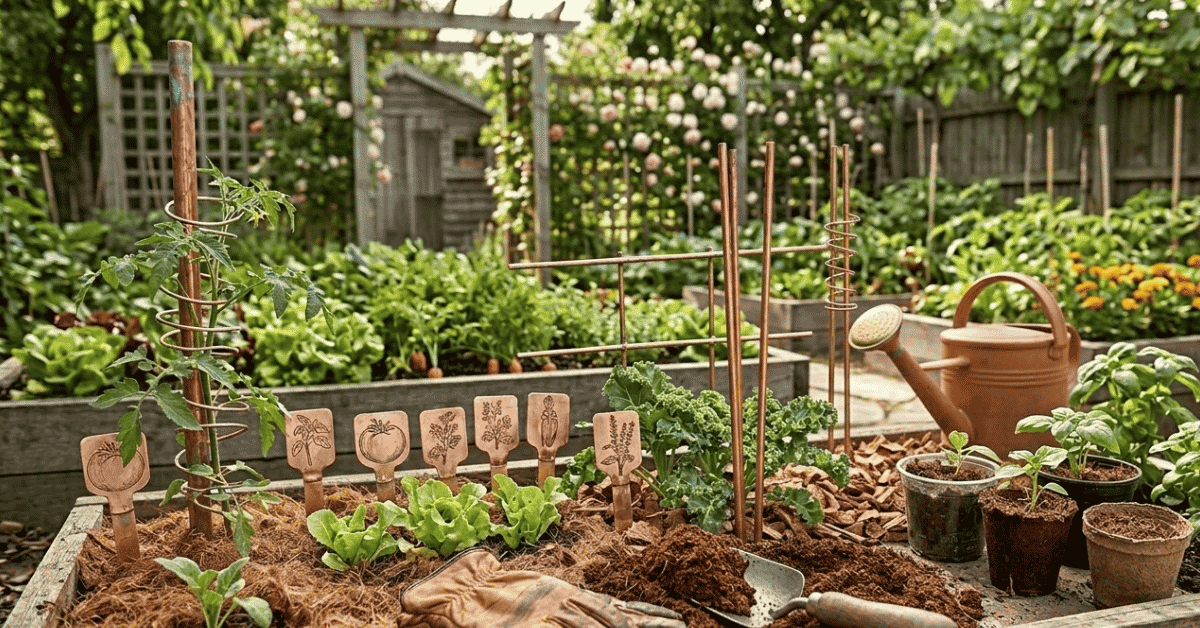
Want better plants? Discover coco gardening’s simple secrets for vibrant growth. This guide reveals how coco makes your garden thrive, from seed to harvest.
What is Coco Gardening?
You know, when I first started thinking about different ways to grow plants, coco gardening kept popping up. I was a bit skeptical at first. I mean, using coconut husks?
It sounded… odd. But then I tried it. And wow.
My plants have never looked so good. It’s a system that uses coco coir as its main growing medium. This stuff comes from coconut husks.
It holds water really well. It also lets roots breathe. That’s a huge deal for plant health.
Many people use it in pots or even hydroponic setups. It’s eco-friendly too, which I love. It’s a byproduct, so nothing goes to waste.
My peppers exploded with fruit last year. My tomatoes were the envy of the block. It’s all thanks to this simple, natural material.
I truly believe it’s a game-changer for anyone serious about their garden.
Why is Coco Coir So Great for Plants?
Let me tell you, coco coir really changes the game for your plants. It’s not just a filler. It’s an active participant in their growth.
This stuff offers a sweet spot for roots. It drains well, so no soggy feet. But it also sponges up water like nobody’s business.
This means fewer root rot issues. And your plants get water when they need it. This consistency is key.
My basil plants used to get sad if I missed a watering. Now, they’re much more forgiving. Coco coir also helps with aeration.
That means oxygen gets to the roots. Healthy roots mean healthy plants all around. Plus, it’s great for building strong structures.
Think sturdy stems and lush leaves. It’s a simple switch that pays off big time. I’ve noticed my plants grow faster too.
They just seem happier and healthier.
Better Water Retention
This is a big one. Coco coir can hold a lot of water. It’s like a sponge.
This means you don’t have to water as often. Your plants get a steady supply. This is great for those of us who are busy.
Or for those hot summer days. I remember one time I went away for a long weekend. I usually had to ask a neighbor to water.
But my plants were in coco coir. I came back, and they were still perfectly moist. No wilting at all.
It felt like a gardening miracle. This holds true even for outdoor pots. They dry out so fast in the sun.
Coco coir helps them stay hydrated much longer. It’s a real stress reliever. Knowing your plants aren’t thirsting for water is a huge comfort.
Improved Drainage and Aeration
While it holds water, coco coir is also amazing at draining. This sounds like a contradiction, right? But it’s true.
The fine fibers create air pockets. This is crucial. Roots need oxygen to breathe.
Soggy soil suffocates roots. This leads to root rot. Coco coir prevents this.
My succulents used to suffer when I used regular potting mix. They’d get yellow and mushy. Now they thrive in coco.
The airflow keeps the roots happy. They can access nutrients. They can grow strong and deep.
This leads to healthier plants overall. You’ll see better growth. You’ll see more flowers and fruits.
Better soil structure means better plants. It’s that simple.
pH Neutrality
Coco coir has a neutral pH. This is excellent for most plants. Many potting mixes can be acidic.
This can lock up nutrients. Plants can’t absorb them. Coco coir doesn’t interfere like that.
It’s like a clean slate for your roots. This means your fertilizers work better. Your plants get the nutrients they need.
No fighting against the soil. I used to struggle with nutrient deficiencies. My leaves would turn yellow.
I tried different fertilizers. Then I switched to coco coir. The problem just… vanished.
It made feeding my plants so much easier. They could actually use the food I was giving them. This pH stability is a huge benefit.
Sustainable and Renewable
One of my favorite things about coco coir is that it’s sustainable. It’s a byproduct of the coconut industry. It’s often discarded.
Using it for gardening gives it a new purpose. It’s natural and renewable. Unlike peat moss, which takes centuries to form, coco coir is readily available.
It’s a much greener choice for your garden. I feel good knowing I’m not harming the environment. I’m reusing a material that would otherwise go to waste.
This makes my gardening practices feel more responsible. It’s a small step that feels significant. And it doesn’t compromise plant health.
It actually enhances it. It’s a win-win situation.
Getting Started with Coco Gardening
Starting a coco garden is surprisingly easy. You don’t need fancy equipment. You just need the coco coir itself.
It usually comes compressed. You have to rehydrate it. It’s like magic watching it expand.
I usually soak a brick in a bucket of water. It puffs up into this fluffy, soil-like material. Then you can use it as is.
Or you can mix it with other things. Many people blend it with perlite. This adds even more drainage.
Some add compost for nutrients. It’s very versatile. You can use it for seed starting.
It’s perfect for transplanting seedlings. They don’t experience shock. Their roots are already happy in the coco.
It’s a gentle transition. My tomato seedlings love being moved into coco. They barely notice the change.
Choosing the Right Coco Coir Product
There are a few types of coco coir out there. You’ll see bricks. These are compressed.
You rehydrate them. They’re popular because they’re easy to transport. Then there are loose bags.
These are already fluffed up. They’re more convenient if you have space. Some products are washed.
This is important. It removes salts. Salts can harm plants.
Always look for low EC (electrical conductivity) coco. This means the salt content is low. It’s best for your plants.
Some coco also comes with added perlite or nutrients. These can be good. But I prefer to control the nutrients myself.
That way I know exactly what my plants are getting.
Preparing Coco Coir for Use
This part is super simple. Most coco coir comes compressed into bricks. You’ll need a container.
A large bucket works well. You’ll also need water. Just place the brick in the container.
Start adding water. The brick will absorb it and expand. It can take about 15-30 minutes.
You’ll see it fluff up. It becomes a loose, airy medium. That’s it!
You’re ready to go. If you bought loose coco, you might need to rinse it. Just to make sure any salts are gone.
I usually do a good soak. Then I gently squeeze out the excess water. You want it damp, but not dripping wet.
It should feel like a wrung-out sponge. This makes it perfect for your pots.
Mixing Coco Coir with Other Amendments
While coco coir is great on its own, mixing it can boost its performance. I often mix it with perlite. Perlite is like little volcanic rocks.
They make the mix even more airy. This improves drainage and aeration further. A 50/50 mix of coco coir and perlite is common.
It gives a fantastic balance. For plants that need more nutrients, you can add compost. Compost adds organic matter and slow-release food.
My leafy greens do really well with a bit of compost mixed in. Some people add worm castings too. They are packed with beneficial microbes.
Experiment to see what your plants love. You can even add a bit of coarse sand for some mixes. It helps with drainage and structure.
Coco Gardening for Different Plant Types
Coco coir works for a wide range of plants. From tiny herbs to big vegetables, it’s a winner. My herbs love it.
Basil, mint, rosemary, they all grow vigorously. They get consistent moisture. Their roots stay healthy and happy.
Tomatoes are another great example. They need good drainage and consistent water. Coco coir provides just that.
My tomato plants have never produced so much fruit. Peppers are similar. They thrive in this environment.
Even root vegetables can do well. Carrots and radishes can grow straight and healthy. They don’t get waterlogged.
And they don’t develop odd shapes. It’s a versatile medium for almost anything you want to grow.
Container Gardening Success
This is where coco coir truly shines. In containers, soil can become compacted. It can drain poorly.
Coco coir prevents this. It keeps the soil light and airy. Your plants in pots will thank you.
They get fewer repotting stresses. The consistent moisture helps them through dry spells. I’ve found my houseplants are much happier.
They don’t get the yellowing leaves anymore. They look greener and more vibrant. It also makes containers lighter.
This is a bonus if you move pots around. It’s easier to handle. For patio gardens or balconies, it’s perfect.
You get big plant results in small spaces.
Hydroponics Applications
Coco coir is a popular choice in hydroponics. It’s an inert medium. This means it doesn’t add anything to the nutrient solution.
It just supports the plant roots. It holds water well. It allows for good airflow.
This is crucial for hydroponic systems. It’s a great alternative to rockwool. Many gardeners prefer it because it’s natural.
You can use it in drip systems. Or in flood and drain systems. It provides a stable base for roots.
They can grow strong and healthy. This leads to faster growth. And often larger yields.
It’s a really effective hydroponic choice.
Seed Starting with Coco Coir
Starting seeds in coco coir is a dream. It’s so gentle on delicate seedlings. The fine fibers provide a soft bed.
They hold just the right amount of moisture. This means seeds germinate easily. And seedlings grow strong.
There’s less risk of damping off. This is a common fungal disease. It attacks young seedlings.
Coco coir’s aeration helps prevent it. Your little sprouts get the best start. They develop healthy root systems early on.
When you transplant them, they hardly notice. It’s a stress-free start for your plants. I use it every year for my vegetable starts.
It’s never let me down.
Coco Gardening vs. Other Mediums
Let’s compare coco coir to other common growing mediums. This will show you why it’s so special.
| Feature | Coco Coir | Peat Moss | Potting Soil |
|---|---|---|---|
| Water Retention | Excellent, like a sponge | Very good, but can compact | Varies, can become waterlogged |
| Drainage | Excellent, due to fiber structure | Good, but can decrease with compaction | Often poor, especially in cheap mixes |
| Aeration | Superior, creates air pockets | Good, but can be reduced by compaction | Varies, often limited |
| pH | Neutral (6.0-7.0) | Acidic (3.5-4.5) | Varies, often slightly acidic |
| Sustainability | Renewable byproduct | Slow to regenerate, environmental impact | Varies, can contain non-renewables |
| Nutrient Content | Minimal, inert | Low, requires amendments | Varies, often contains starter fertilizers |
When I look at this table, it’s clear. Coco coir offers a unique balance. It holds water but drains well.
Its neutral pH is a massive advantage. And it’s sustainable. Peat moss works, but I worry about its environmental cost.
And it’s acidic. Regular potting soil is so unpredictable. Some are decent, but many are just heavy and wet.
Coco coir gives me control. I know what I’m getting. And my plants respond so well.
It’s a natural choice that leads to better growth. I think it’s better than regular soil for containers. It’s definitely better than rockwool for hydroponics.
It’s just a really smart choice for gardeners.
The Case for Coco Coir Over Peat Moss
Peat moss has been a gardening staple for years. It holds moisture well. But it has major drawbacks.
It’s acidic. This affects nutrient uptake. It also takes a very long time to regenerate.
Harvesting peat moss can harm fragile bog ecosystems. Coco coir, on the other hand, is a renewable byproduct. It’s pH neutral.
This means your plants can absorb nutrients easily. It drains better too. So, while peat moss might be cheaper sometimes, coco coir offers superior performance.
And it’s much better for the planet. I made the switch and haven’t looked back. My plants are thriving.
And I feel better about my gardening impact.
Coco Coir vs. Traditional Potting Soil
Traditional potting soil mixes are convenient. But they can be a mixed bag. Some are very heavy.
They hold too much water. This leads to root rot. Others drain too quickly.
Your plants dry out fast. Coco coir gives you control. It’s lighter.
It drains predictably. It holds water without getting waterlogged. This consistency is what plants love.
You can easily mix coco coir with other things. Like perlite for extra drainage. Or compost for nutrients.
This customization is hard with standard potting soil. For container plants, coco coir is a much better foundation. It leads to healthier, happier plants.
I’ve found my plants are less stressed. They grow more vigorously.
Caring for Your Coco Garden
Coco coir is pretty low maintenance. But there are a few things to keep in mind. Since it’s inert, it doesn’t have many nutrients.
You’ll need to feed your plants. Use a good quality fertilizer. Look for ones made for coco coir.
They have the right balance of elements. I usually use a liquid feed. I apply it with watering.
It’s easy to get the dose right. Also, monitor the pH of your water and nutrient solution. Even though coco is neutral, imbalances can creep in.
A quick pH test helps. Your plants will show you if something is wrong. Yellowing leaves or slow growth are signs.
Adjust your feeding or pH as needed.
Feeding Your Plants in Coco
This is where coco coir shines. Since it’s inert, you control everything. You’re not fighting what the soil gives you.
You add exactly what your plants need. I use a balanced liquid fertilizer. I follow the instructions on the bottle.
A little goes a long way. For flowering or fruiting plants, I switch to a bloom formula. This gives them the extra phosphorus and potassium they need.
It’s important to use a fertilizer designed for coco coir. These often have extra calcium and magnesium. These are needed because coco can sometimes lock up those.
Consistent feeding is key. Your plants will thank you with amazing blooms and harvests.
Monitoring pH and EC Levels
This is an important step many gardeners overlook. Coco coir is naturally pH neutral. But the water you use might not be.
And your nutrients can affect the pH. So, checking is crucial. I use a digital pH meter.
They’re not expensive. I test my water and my nutrient solution. Most plants like a pH between 5.8 and 6.5.
If the pH is too high or too low, plants can’t absorb nutrients. EC stands for electrical conductivity. It measures the total dissolved salts in your solution.
This tells you how much fertilizer you’re adding. Too much salt can burn roots. Too little means your plants are starving.
Regular checks help maintain a perfect environment.
Common Coco Gardening Questions
Is coco coir safe for organic gardening?
Yes, coco coir is a natural and renewable material. It’s a great choice for organic growing. Learn more about…
Can I reuse coco coir?
Absolutely. You can reuse coco coir for several seasons. Just make sure to clean it thoroughly.
And amend it as needed. Learn more about…
How often should I water plants in coco coir?
Water when the top inch of coco feels slightly dry. Coco coir retains moisture well. But avoid letting it become waterlogged.
Learn more about…
What are the benefits of using coco coir for houseplants?
Coco coir improves aeration and drainage. This prevents root rot and promotes healthier growth. Houseplants thrive with consistent moisture.
Learn more about…
Is coco coir better than soil for tomatoes?
Yes, coco coir provides excellent drainage and aeration. This helps prevent common tomato diseases. And promotes robust fruit production.
Learn more about…