
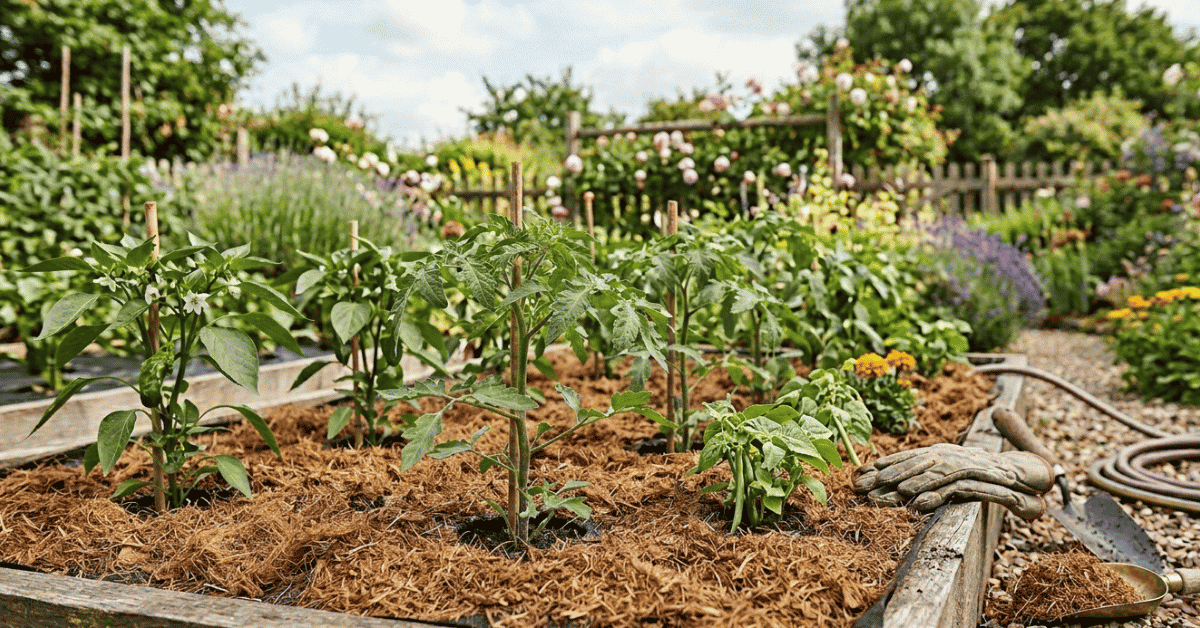
Coconut gardening helps plants hold water, grow strong roots, and thrive naturally. Learn simple ways to use coconut products today.
I first became curious about coconut gardening after a dry summer. My containers needed water almost every day. It felt endless. Then I tried a coconut-based growing mix. Within weeks, my plants looked healthier and needed less attention. Since then, I have used coconut products in raised beds, pots, and seed trays. The results have been impressive. Let me share what I learned.
Is Coconut Gardening Worth It?
Yes. In my experience, coconut gardening can improve soil, support roots, and make plant care easier.
The biggest change I noticed was moisture control. My soil stayed damp longer without becoming soggy. Plant roots also seemed healthier and stronger.
Benefits include:
- Better water retention
- Improved soil structure
- Healthier root growth
- Sustainable gardening practices
- Easier container gardening
While it is not a magic solution, it can help many gardeners achieve better results.
What Is Coconut Gardening?
Many people hear the term but feel confused about it.
Coconut gardening refers to using coconut-based products in gardening. These products come from coconut husks and fibers.
Common Coconut Gardening Products
Several coconut materials are used in gardens.
Popular options include:
- Coconut coir
- Coconut fiber
- Coir chips
- Coconut mulch
Each serves a different purpose.
I use coir most often because it works well in many situations.
Why Gardeners Choose Coconut Products
Plants need water, air, and healthy roots.
Coconut products help provide all three.
They improve:
- Moisture retention
- Drainage
- Aeration
- Soil texture
That balance makes them useful in many growing conditions.
Benefits of Coconut Gardening
The advantages go beyond simple moisture control.
Holds Moisture Longer
This was the first thing I noticed.
Before using coconut products, my containers dried out quickly.
After switching:
- Soil stayed moist longer
- Plants looked healthier
- Watering became easier
This helped greatly during hot weather.
Improves Root Development
Healthy roots support healthy plants.
Coconut materials create air pockets in the soil.
This helps roots:
- Spread freely
- Access oxygen
- Grow stronger
Better roots often mean stronger plants above ground.
Reduces Soil Compaction
Dense soil can cause problems.
Roots may struggle to grow through compacted ground.
Coconut gardening helps keep soil loose and workable.
I noticed this especially in raised beds.
Supports Sustainable Gardening
Many gardeners want environmentally friendly options.
Coconut products use materials that might otherwise go to waste.
This makes them a renewable resource.
Types of Coconut Products Used in Coconut Gardening
Different coconut products serve different needs.
Coconut Coir
This is the most common option.
Pros:
- Excellent moisture retention
- Good aeration
- Easy to use
Cons:
- Contains few nutrients
I use it in most container mixes.
Coconut Fiber
This material contains longer fibers.
Pros:
- Improves structure
- Supports drainage
- Lasts well
Cons:
- Less common
It works well when mixed into soil.
Coir Chips
These are larger pieces of coconut husk.
Pros:
- Strong drainage
- Good airflow
- Long-lasting
Cons:
- Lower moisture retention
Many orchid growers use coir chips.
Coconut Mulch
This material works on the soil surface.
Pros:
- Reduces moisture loss
- Helps suppress weeds
- Protects soil
Cons:
- May cost more than basic mulch
It gives garden beds a clean appearance.
How to Start Coconut Gardening
Getting started is easier than many people think.
Choose the Right Product
Different plants have different needs.
For example:
- Coir for containers
- Fiber for soil improvement
- Chips for orchids
- Mulch for garden beds
The right choice depends on your goal.
Prepare Coconut Coir
Compressed coir bricks need water.
My process is simple:
- Place the brick in a container.
- Add warm water.
- Wait for expansion.
- Break apart the material.
The first time I did this, I was surprised by how much it expanded.
Mix With Existing Soil
I rarely use coconut products alone.
A balanced mix often includes:
- Potting soil
- Compost
- Coconut coir
This provides both structure and nutrition.
Monitor Plant Performance
Watch how plants respond.
Look for:
- Healthy roots
- New growth
- Strong leaves
Small adjustments can improve results further.
Coconut Gardening vs Traditional Soil Amendments
Many gardeners compare coconut products with other materials.
Here is a simple comparison.
| Feature | Coconut Products | Peat Moss | Compost |
|---|---|---|---|
| Water Retention | Excellent | Excellent | Good |
| Aeration | Excellent | Good | Good |
| Renewable Source | Yes | No | Yes |
| Nutrients | Low | Low | High |
| Seed Starting | Excellent | Good | Fair |
| Soil Structure | Excellent | Good | Excellent |
I often combine coconut coir and compost for the best results.
Best Plants for Coconut Gardening
Many plants benefit from coconut-based materials.
Vegetables
Vegetables often respond very well.
Examples include:
- Tomatoes
- Peppers
- Cucumbers
- Lettuce
The improved moisture balance supports steady growth.
Herbs
Most herbs enjoy loose, airy soil.
Popular choices include:
- Basil
- Parsley
- Mint
- Dill
My herb pots nearly always contain coconut coir.
Houseplants
Indoor plants often benefit too.
Coconut gardening helps:
- Improve drainage
- Prevent compaction
- Maintain moisture
Tropical plants especially seem to enjoy it.
Seedlings
Young plants need stable conditions.
Coconut products provide:
- Consistent moisture
- Root support
- Good airflow
This helps seedlings establish quickly.
Common Mistakes in Coconut Gardening
I made some of these mistakes myself.
Avoiding them can save time and frustration.
Forgetting About Nutrients
Coconut products contain very little plant food.
Plants still need:
- Compost
- Fertilizer
- Nutrient-rich soil
Nutrition remains important.
Overwatering
Because coir holds water well, some gardeners water too often.
Always check soil moisture first.
Using Low-Quality Products
Not all coconut products are equal.
Quality materials often perform better and last longer.
Ignoring Plant Needs
Different plants prefer different soil conditions.
Always match the growing mix to the plant.
Practical Tips From My Garden
Years of use taught me a few useful lessons.
Blend Coir With Compost
This remains my favorite mix.
Benefits include:
- Better moisture control
- Improved nutrition
- Stronger growth
The combination works very well.
Use Coconut Mulch in Hot Weather
Mulch helps slow moisture loss.
This can reduce watering needs during summer.
Store Extra Material Properly
Unused coconut products store well.
Keep them:
- Dry
- Covered
- Off the ground
Good storage extends their usefulness.
Start Small
Try coconut gardening in one bed or container first.
This lets you see how plants respond before expanding.
When Coconut Gardening May Not Be the Best Choice
Coconut products work well in many situations.
Still, they are not always necessary.
You may not need them when:
- Soil already drains perfectly
- Compost solves the problem
- Plants prefer very dry conditions
Understanding your garden helps you choose wisely.
No single method works for every growing space.
FAQs
What is coconut gardening?
Coconut gardening uses coconut-based products like coir, fiber, and mulch to improve soil, support roots, and help plants grow well. Learn more about coconut growing materials.
Is coconut gardening good for vegetables?
Yes. Coconut gardening helps vegetables retain moisture and develop healthy roots. Many gardeners use it for tomatoes and peppers. Learn more about vegetable growing.
Can coconut gardening replace regular soil?
Coconut gardening products improve soil but contain few nutrients. Most gardeners mix them with compost or potting soil. Learn more about soil blends.
What is the best coconut product for gardening?
Coconut coir is often the most versatile option. It offers excellent moisture retention and aeration for many plant types. Learn more about coconut coir uses.
Does coconut gardening help with seed starting?
Yes. Coconut gardening provides a light, airy growing medium that supports root growth and stable moisture for seedlings. Learn more about seed starting techniques.