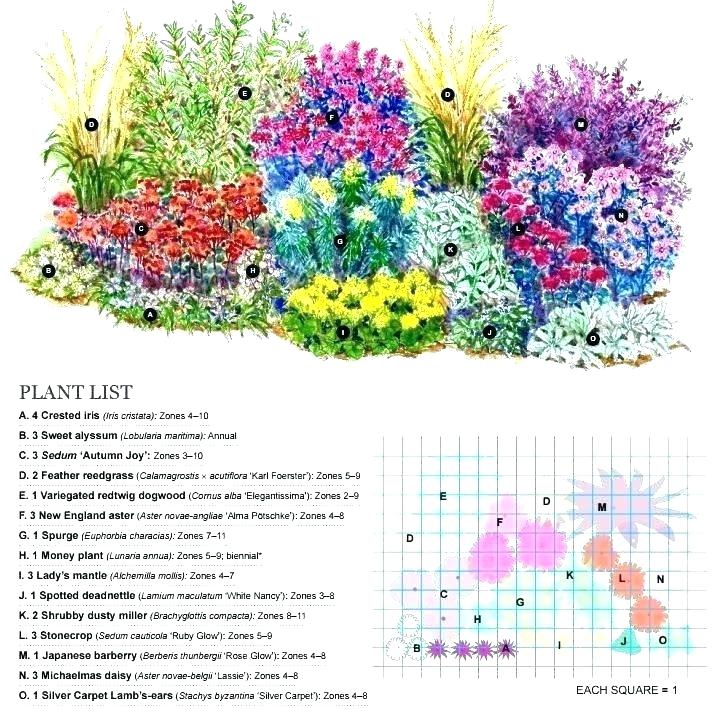
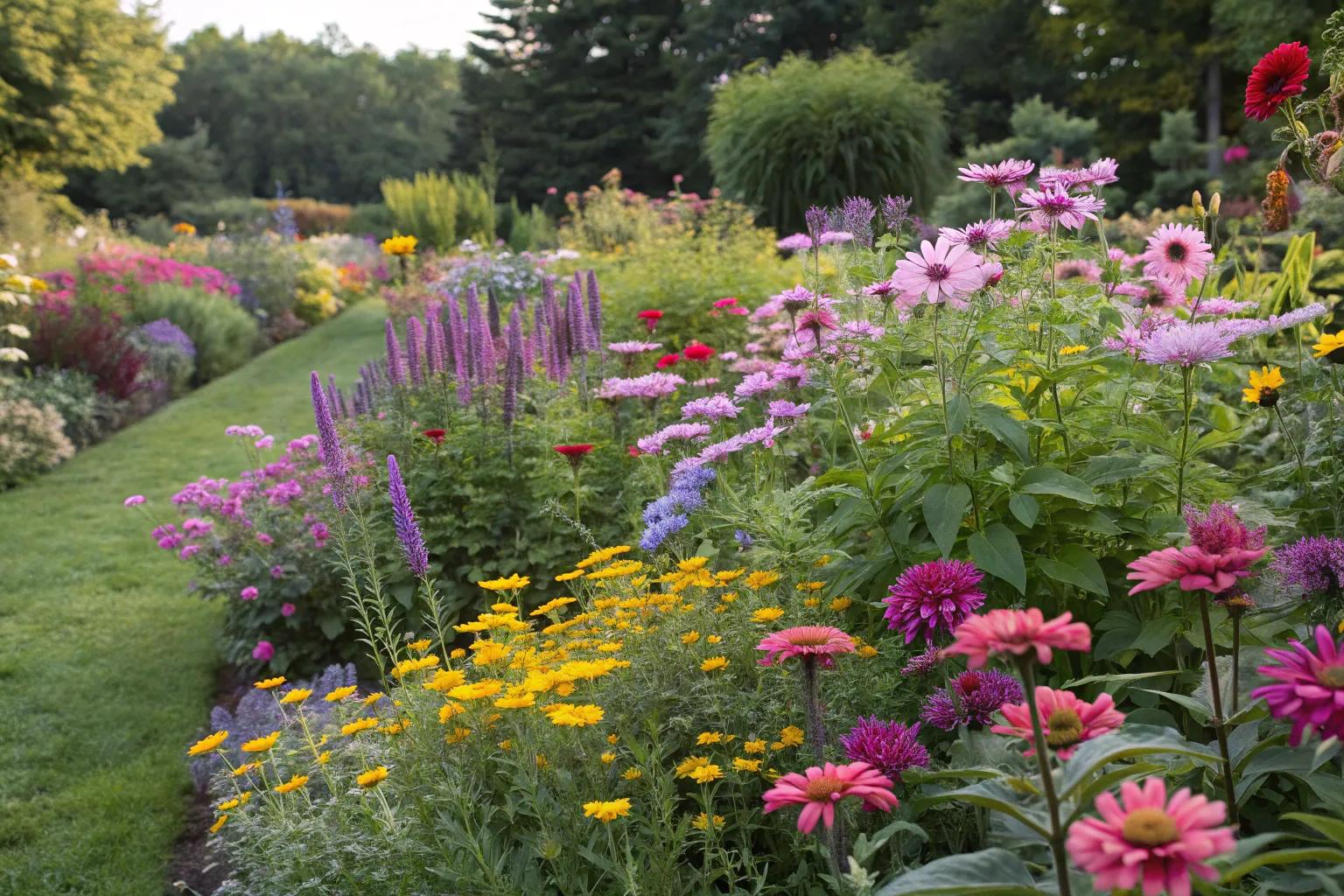
The best perennial garden ideas for Zone 4 use cold-hardy flowers, layered plant heights, and bloom times that span spring through fall. Coneflowers, black-eyed Susans, daylilies, peonies, and hardy asters can add color to many gardens across the northern United States.
Gardeners in Minnesota, Wisconsin, North Dakota, Maine, and other cold parts of the United States need plants that can handle long winters. USDA Hardiness Zone 4 has average annual extreme minimum winter temperatures of -30°F to -20°F. That range can shape which perennials survive from one year to the next. A good plan starts with hardy plants that also fit the soil, light, and moisture in your yard.
A Zone 4 perennial garden does not have to look plain or bloom for only a few weeks. Mix early flowers, summer color, fall blooms, and plants with attractive leaves or seed heads. Add a clear edge, a simple path, or a few repeated plant groups to make the bed feel planned. The result can be a garden that looks good for much of the growing season without needing a full redesign each spring.
Source: allaboutthehobby.blogspot.com
1. Start With a Simple Zone 4 Perennial Garden Plan
A clear layout makes a perennial garden easier to plant and care for. Before buying flowers, measure the space and note how much sun it gets. Watch the area during the day, since a bed beside a house may receive less light than an open lawn. Also check whether rain leaves puddles or drains away quickly.
Draw the bed on paper and mark its shape, paths, and large plants. Group plants with similar needs so you do not have to manage many different watering routines. A curved bed can soften a lawn, while a straight border may suit a fence or walkway. Both can work well in Zone 4.
Leave enough room for mature plants. A small nursery pot can hide the size a perennial will reach in a few years. Follow the plant label for spacing, and allow room for airflow and easy weeding.
Use three to five plant types in repeated groups. This keeps the design calm and avoids a crowded mix of flowers.
For a long border
Repeat the same flower groups along the bed. Repetition creates a connected look and makes it easier to spot gaps.
For a corner bed
Place the tallest plants near the back corner and step down in height toward the open sides.
Check Your USDA Hardiness Zone
USDA Zone 4 covers places with average annual extreme minimum winter temperatures from -30°F to -20°F. The exact conditions in your yard may differ from the regional map. Wind, snow cover, drainage, and winter thaw cycles can affect how well a plant survives.
Check the plant tag or a trusted regional nursery listing before buying. A plant rated for Zone 4 may survive the winter, but that does not mean it will enjoy heavy clay, dry shade, or wet soil. Match the plant to the whole site, not just the zone number.
Look beyond the zone
Check mature size, sun needs, soil moisture, and local growing advice before adding a plant to your plan.
2. Plant a Colorful Full-Sun Perennial Border
A sunny border is a strong choice for gardeners who want bold flowers and lots of pollinator activity. Many popular Zone 4 perennials grow well with at least six hours of direct sun each day. Choose plants with different flower shapes and bloom periods instead of relying on one type.
Coneflowers, black-eyed Susans, garden phlox, and hardy asters can form the main color groups. Add ornamental grasses or plants with fine leaves to break up the large flower heads. The mix gives the bed structure even when some plants are between blooms.
Full sun can also mean hot soil and faster drying. Check the bed during dry spells, especially during the first growing season. A hardy perennial still needs water while it builds a strong root system.
Source: allaboutthehobby.blogspot.com
Purple coneflower
Coneflowers add upright stems and daisy-like blooms. They often suit sunny beds with well-drained soil and can attract bees and butterflies.
Black-eyed Susan
Yellow petals and dark centers bring a bright summer look. Many types spread or self-seed, so leave room for their growth.
Garden phlox
Garden phlox adds clusters of flowers in pink, purple, white, or other shades. Give it suitable spacing and airflow to help reduce mildew problems.
Hardy asters
Asters provide late-season color when many summer flowers begin to fade. Select a variety rated for your area and check its mature height.
Example Layout for a Sunny Border
For a hypothetical bed about 6 feet deep and 12 feet long, place taller phlox and asters toward the back. Set coneflowers in groups through the middle, then use shorter edging plants along the front. Adjust the number of plants to their mature widths rather than filling every inch on planting day.
Choose one main flower color and one supporting color if you want a calm look. Purple and yellow create strong contrast, while pink, white, and soft purple make a gentler display. Green leaves connect the colors and keep the bed from looking too busy.
Keep a clear edge
Use a spade-cut edge, stone border, or other simple boundary to separate flowers from grass.
Repeat key plants
Place groups of the same perennial in more than one spot. This creates rhythm and helps the bed look planned.
3. Build a Cottage Garden With Hardy Flowers
A cottage-style perennial garden uses relaxed plant groups, soft edges, and a mix of flower shapes. It looks full without needing every plant to line up in a strict row. In Zone 4, the key is to use hardy plants rather than copy a design made for a warmer climate.
Peonies, daylilies, hardy cranesbill, and garden phlox can form a useful base. Add annual flowers if you want extra color in the first year, while slower-growing perennials fill out. Keep a narrow path or stepping stones through a large bed so you can reach the center without stepping on the soil.
A cottage bed can become messy if every plant spreads at a different speed. Use the mature width on each plant label, and divide crowded clumps when needed. Remove unwanted seedlings before they take over gaps meant for other flowers.
Source: allaboutthehobby.blogspot.com
Peonies
Peonies bring large spring flowers and leafy growth through summer. They need good drainage and should not be planted too deeply.
Daylilies
Daylilies offer a wide range of flower colors and can tolerate a range of garden conditions. Choose a hardy variety and give each clump room to grow.
Hardy cranesbill
Many hardy geraniums form low mounds of leaves and small flowers. They can soften the front edge of a bed or fill spaces around taller plants.
Make the Bed Look Full Without Overplanting
New perennial beds often look sparse because plants need time to reach their mature size. Resist the urge to pack in extra plants just to cover bare soil. A few well-spaced groups usually look better as they mature than a crowded bed that needs frequent thinning.
Mulch the open soil while the plants grow. Keep the layer away from the crowns and stems, and avoid piling mulch against woody plant bases. As the perennials spread, refresh the mulch only where bare soil remains.
Use mixed bloom times
Pair spring peonies with summer daylilies and later flowers to avoid one short burst of color.
Leave access space
Place stepping stones where you may need to weed, divide plants, or remove damaged stems.
4. Design a Shade Garden for Cool Corners
A shaded spot can still support a lush perennial garden. The best plant choices depend on how much light reaches the area and whether the soil stays moist or dries out under trees. Full shade and part shade are not the same, so check the site before choosing plants.
Hostas, hardy ferns, and astilbes are useful options for many Zone 4 shade gardens. Hostas provide broad leaves in different shades of green and blue-green. Ferns add fine texture, while astilbes can produce soft flower plumes when the moisture and light conditions suit them.
Tree roots can make shade beds dry, even when the area looks cool. Water newly planted perennials as needed, and do not dig deeply around large roots. A thin mulch layer can help hold moisture, but the bed should not stay waterlogged.
Source: allaboutthehobby.blogspot.com
Hostas
Hostas work well where their light and moisture needs are met. Slugs and deer may damage the leaves, so check local pest pressure.
Hardy ferns
Ferns add leafy texture and can suit shaded sites with suitable moisture. Choose a species that is hardy in your region.
Astilbes
Astilbes bring upright plumes in shades such as pink, red, and white. They tend to need more consistent moisture than drought-tolerant sun plants.
Use Leaf Color to Add Contrast
Shade beds often rely more on foliage than on long flower displays. Combine broad hosta leaves with the fine texture of ferns and the softer shape of ground-cover plants. A pale or gold-leaved plant can brighten a dark corner when its light needs match the site.
Keep the number of plant types modest in a small space. Repeating two or three foliage shapes can create a calm, layered effect without relying on constant bloom.
Check mature spread
Some hostas grow into large clumps. Use the plant label to avoid crowding paths or nearby plants.
5. Create a Low-Maintenance Perennial Garden
A low-maintenance garden depends on the right plant for the right place. A drought-tolerant flower may need less care in a sunny, well-drained bed than a moisture-loving plant placed in dry soil. Start by matching each perennial to the conditions you already have instead of trying to change the whole yard.
Choose a manageable range of plants with similar care needs. Repeated groups make weeding easier because you can see where each plant belongs. Clear bed edges also help keep lawn grass from creeping into the flowers.
No perennial bed is fully care-free. New plants need water while they establish, and most gardens need some weeding, pruning, and seasonal cleanup. The aim is to reduce extra work, not remove every garden task.
Source: allaboutthehobby.blogspot.com
Choose hardy, well-suited plants
Select varieties rated for Zone 4 and suited to your light, soil, and moisture. A good site match can reduce stress and replacement costs.
Use mulch with care
Apply a modest layer of organic mulch to limit weeds and slow water loss. Keep it clear of plant crowns and avoid burying low-growing stems.
Group plants by water needs
Place plants that need similar moisture together. This makes watering more direct and helps avoid keeping dry-soil plants too wet.
Limit fussy plants
Avoid filling the bed with plants that need frequent staking, special soil changes, or repeated division unless you enjoy that work.
A Simple Seasonal Care Plan
In spring, remove damaged leaves and old stems when the weather and new growth allow. Check for winter heaving, which happens when soil movement lifts roots toward the surface. Firm exposed roots back into place and add soil if needed.
During summer, water deeply when the soil and weather call for it, rather than giving every plant a light splash each day. The right schedule depends on rainfall, soil texture, heat, and plant maturity. In fall, remove diseased foliage and leave healthy seed heads where they offer winter interest or food for wildlife.
Spring
Clear debris, inspect crowns, weed the bed, and divide plants only when needed.
Summer
Check soil moisture, remove spent blooms when useful, and support tall stems if they flop.
Fall
Remove diseased material, mark plant locations, and mulch after the soil begins to cool if winter protection is needed.
6. Plan Flowers for Spring, Summer, and Fall
The easiest way to extend garden color is to choose perennials with different bloom periods. One flower does not need to bloom all season for the whole bed to look attractive. Plan overlapping displays so one group begins to flower as another fades.
In many Zone 4 gardens, peonies bloom in spring or early summer, depending on the local climate and variety. Coneflowers and daylilies often bring summer color, while hardy asters can carry flowers into fall. Exact dates vary by location, weather, cultivar, and exposure.
Flowers are only one part of the display. Leaf shape, seed heads, stems, and ornamental grasses can keep a bed interesting between blooms. This matters in northern gardens, where the growing season may be shorter than in warmer parts of the country.
Source: garden.eco
Spring interest
Use hardy peonies and other locally suited spring perennials to start the display. Add bulbs if you want flowers before the main perennial growth fills in.
Summer color
Plant coneflowers, daylilies, and suitable phlox for a mix of shapes and colors.
Fall flowers
Choose hardy asters or other locally recommended late bloomers to keep the garden active as summer flowers fade.
Example Bloom Schedule
Use this schedule as a planning guide, not a fixed calendar. In a cold spring, the first blooms may arrive later, while a warm, sunny site can move the display forward. Check local nursery advice for varieties that perform well in your area.
Spring to early summer
Peonies and other early perennials begin the season, depending on the site and variety.
Mid to late summer
Coneflowers, daylilies, and many garden phlox varieties provide the main color.
Late summer to fall
Hardy asters and other late bloomers extend the season where local conditions allow.
7. Make a Pollinator-Friendly Zone 4 Garden
A pollinator garden provides flowers that offer nectar or pollen during different parts of the growing season. In Zone 4, a mix of hardy native plants and suitable garden perennials can support bees, butterflies, and other visiting insects. Choose plants that fit the site rather than selecting flowers only for their appearance.
Coneflowers and black-eyed Susans can suit sunny beds, while native asters may offer late-season flowers. The exact plants that support local pollinators depend on the region and the insects present. Native plant societies, county extension offices, and local conservation groups can help identify suitable choices.
Avoid using broad-spectrum insecticides on blooming plants when pollinators are active. If pest control is needed, identify the pest first and use the least disruptive suitable method. A garden with a range of flower shapes and bloom times can offer more varied feeding options than a bed that blooms all at once.
Source: etsy.com
Plant in groups
Several plants of the same kind can make flowers easier to find than a bed with scattered single plants.
Include late flowers
Late-season asters and other locally suited plants can provide food when many early flowers are gone.
Leave some natural cover
Where practical, keep a small area of stems or leaf litter for wildlife. Remove diseased material and follow local guidance on pest control.
Choose Native Plants for Your Part of Zone 4
Zone 4 includes different habitats, from dry prairie areas to moist woodland edges. A plant that thrives in one region may struggle in another despite having the same hardiness rating. Use local native plant lists to narrow your choices, and avoid invasive species that can spread beyond the garden.
A pollinator bed can still look neat. Repeat flower groups, use a defined edge, and place taller plants behind shorter ones. The design can support wildlife without making the yard feel unplanned.
Check regional guidance
Use a state extension service or local native plant group to confirm species and growing conditions.
8. Use Hydrangeas and Perennials for a Layered Border
A mixed border with shrubs and perennials gives a garden more structure than flowers alone. A suitable hardy hydrangea can provide a leafy backdrop, while lower perennials add seasonal color near the front. Choose the exact hydrangea by its hardiness, mature size, flower type, and pruning needs.
Not every hydrangea is equally hardy in every Zone 4 site. Some types bloom on old wood, meaning their flower buds formed in the previous season and may be damaged by severe winter cold. Other types bloom on new growth and may be more reliable in cold climates, though cultivar and site still matter.
Place shrubs where they have room to reach their mature size. Avoid squeezing them into a narrow bed that will later block paths or crowd nearby flowers. A little planning now can prevent heavy pruning and repeated moves.
Source: etsy.com
Back layer
Use a locally hardy shrub as the main backdrop, allowing enough room for its full width.
Middle layer
Add coneflowers, daylilies, or other sun-loving perennials if the light and soil suit them.
Front layer
Use low perennials or ground-cover plants to soften the bed edge without hiding the plants behind them.
Avoid Common Hydrangea Problems
Poor flowering may result from winter bud damage, unsuitable pruning, too much shade, or other growing conditions. Identify the hydrangea type before pruning, because cutting at the wrong time can remove flower buds. Check the plant label or a reliable local growing guide for the correct method.
Yellow leaves or weak growth may point to water, drainage, or soil issues, but these symptoms do not identify one cause on their own. Check the soil before adding fertilizer or making large changes. Extra fertilizer will not fix every problem and may create new ones.
Check winter hardiness
Confirm the cultivar’s cold rating and consider exposure to wind and late spring frosts.
Prune by type
Learn whether the shrub blooms on old wood or new wood before removing stems.
Frequently Asked Questions
Q
What are the best perennial flowers for Zone 4?
Popular options include peonies, purple coneflowers, black-eyed Susans, daylilies, garden phlox, and hardy asters. Each has different light, soil, and moisture needs. Check the exact variety’s hardiness rating and choose plants that fit your yard.
Q
When should I plant perennials in Zone 4?
Spring and early fall are common planting times in many Zone 4 areas. Spring gives plants time to grow before winter, while early fall can allow roots to settle before the ground freezes. Avoid planting so late that roots have little time to establish, and follow local nursery guidance.
Q
Can perennials survive Zone 4 winters?
Many perennials can survive Zone 4 winters when they are rated for the zone and planted in suitable conditions. Drainage, wind exposure, snow cover, and freeze-thaw cycles can affect survival. A plant’s hardiness rating is useful, but it does not guarantee success in every yard.
Q
How do I keep a Zone 4 perennial garden blooming all summer?
Combine plants with different bloom periods instead of relying on one flower. Peonies can start the season, daylilies and coneflowers can add summer color, and hardy asters can extend the display into fall. Bloom times vary by cultivar, weather, and location, so use local plant information when planning.
Q
How much sun do Zone 4 perennial flowers need?
Many flowering perennials grow best with at least six hours of direct sun, but some do well in part shade. Hostas and many hardy ferns are useful for shaded beds, while coneflowers and black-eyed Susans usually prefer sunny sites. Match each plant to the light conditions listed on its label.
Q
What is the easiest way to design a low-maintenance perennial bed?
Start with a simple shape, choose a small group of hardy plants, and repeat them along the bed. Match plants to the soil and light so they need fewer corrections later. Use mulch to limit weeds, leave room for mature growth, and check moisture during the first growing season.
Q
Should I cut back all perennials before winter in Zone 4?
No. Remove diseased or badly damaged foliage, but healthy stems and seed heads can provide winter interest and food or shelter for some wildlife. Some plants benefit from spring cleanup instead of fall cutting. Follow plant-specific guidance and local advice about pests or disease.
✦ Wrapping Up
Conclusion
The best perennial garden ideas for Zone 4 begin with plants that can handle local winters. Build the design around your yard’s sunlight, soil, and drainage, then add flowers with different bloom times. Coneflowers, peonies, daylilies, black-eyed Susans, and hardy asters offer several ways to bring color to a cold-climate garden.
Keep the layout simple and leave room for plants to mature. Repeat a few key flowers, use mulch where it helps, and water new plants as their roots develop. A thoughtful plan can give you a colorful garden with less yearly work and fewer plant replacements.
💡 Key Takeaway
Measure your garden bed, check its daily sunlight, and choose three to five Zone 4-hardy perennials that suit its soil and moisture. Sketch their mature sizes before you buy.