A good partial shade garden layout groups plants by sunlight, soil moisture, mature size, and bloom time. Place tall plants near the back, medium plants in the middle, and low plants along the front. Leave enough room for growth and a clear path for care.
A shady corner can become one of the most inviting spots in an American yard. You might have a maple tree in the backyard, a fence that blocks the afternoon sun, or a porch that casts long shadows over a flower bed. These spots can support colorful flowers, leafy plants, and even some crops when you match the plants to the light.
The first step is to watch how sunlight moves across your garden. Partial shade often means about three to six hours of direct sun per day, though plant labels may use slightly different terms. Morning sun with afternoon shade can suit many flowering plants, while dappled light beneath trees calls for plants that tolerate lower light. Your local climate, soil, and summer heat also shape the best plan.
You do not need a large yard or a complex drawing to start. Measure the space, mark the sunny and shady zones, and choose a short list of plants with similar needs. A clear plan helps prevent overcrowding, makes watering easier, and gives each plant room to grow into the garden you want.
Source: www.pinterest.com
Understand What Partial Shade Means
Partial shade describes a place that receives some direct sunlight but spends part of the day in shade. Many garden guides use three to six hours of direct sun as a general range for part-sun conditions. However, the timing and strength of that light matter as much as the total hours. Six hours of cool morning sun may affect a plant differently from six hours of hot afternoon sun.
Before drawing your bed, note whether the shade comes from a tree, a building, a fence, or a covered patio. Tree shade can shift as branches grow and seasons change. A wall may reflect heat and light, while a dense evergreen tree can block much of the rain. These details help you select plants that can thrive rather than merely survive.
Source: The Old Farmers Almanac
Partial sun
Usually describes a site with several hours of direct sunlight. Many plants sold for part sun prefer the cooler hours of the day.
Partial shade
Often describes a site with some direct light and shade for the rest of the day. Many woodland perennials and shade-tolerant flowers fit this setting.
Dappled shade
Light passes through leaves or branches in shifting patches. Conditions can change with tree growth and the season.
Deep shade
Receives little direct sunlight. Choose plants suited to low light rather than expecting sun-loving flowers to bloom well.
Map Sunlight Before You Plant
Watch the garden in the morning, around midday, and late in the afternoon. Repeat the check on a clear day and note where direct sunlight reaches the soil. A simple sketch with sunny, partly shaded, and deeply shaded areas is enough to guide your design. If trees lose their leaves in winter, remember that the bed may receive more sun during the cooler months.
Record the hours
Write down when direct sun begins and ends in each part of the bed.
Check summer heat
Notice whether walls, paving, or reflected light make a spot hotter than nearby areas.
Recheck after rain
Look for wet areas, dry patches, and places where water runs off instead of soaking in.
Choose a Layout That Fits Your Yard
The best partial shade garden layout fits the shape of the yard and the way people use it. A long border beside a fence needs a different arrangement from a small island bed beneath a tree. Start with the main view, such as a kitchen window, front walk, patio, or seating area. Place the strongest shapes where they can be seen without blocking doors, paths, or useful views.
For a first garden, a simple curved bed or a rectangular border is often easiest to maintain. Curves can soften a fence or the edge of a lawn, while straight lines work well beside buildings and walkways. Keep the outline simple and repeat a few plants to make the space feel connected. Too many isolated plant types can make a small bed look busy.
Source: garden.eco
Fence-side border
Place taller shrubs or upright perennials at the back, medium plants in the center, and low edging plants near the lawn or path.
Under-tree garden
Use shallow planting pockets between major roots and favor plants that tolerate the site’s light and moisture. Avoid piling soil against the trunk.
Small patio bed
Repeat a few compact plants and keep the center of attention simple. Use containers when ground space is limited or tree roots make planting difficult.
Curved woodland border
Arrange groups of foliage plants with a few seasonal flowers and a clear edge that is easy to trim.
Use Height to Create Layers
Layering helps every plant contribute to the view. In a bed viewed from one side, taller plants usually belong toward the back, medium plants in the middle, and low plants at the front. In an island bed viewed from all sides, place the tallest plants near the center and step down toward the edges. Always check mature height, since a young plant can look small in its pot but grow much larger over time.
Back layer
Use suitable shrubs, tall ferns, or upright perennials that fit the available space.
Middle layer
Add flowering perennials and plants with strong leaf shapes to connect the tall and low layers.
Front layer
Choose compact perennials or ground covers that will not spill across paths or hide nearby plants.
Select Plants for Partial Shade
Choose plants for the actual conditions in your yard rather than relying on a shade label alone. Some plants need several hours of sun to flower well, while others grow best with filtered light and moist soil. Check the plant tag for sunlight, mature size, soil needs, and water requirements. For a garden in the United States, also check whether each plant suits your USDA hardiness zone and local summer conditions.
A useful planting plan combines foliage plants with a few flowers that bloom at different times. Leaves can carry the design when flowers fade, and changes in leaf size or color add depth. Select a limited palette of plants that share similar care needs. This makes the bed easier to water and reduces the risk of one plant needing much wetter soil than its neighbors.
Source: www.pinterest.com
Hostas
Many hostas grow well in partial to full shade and offer broad leaves in varied sizes and colors. Protect them from excessive sun and consider deer pressure where it is common.
Astilbe
Astilbe offers feathery flower plumes in suitable shaded beds. It generally performs best in moist, well-drained soil rather than dry ground beneath thirsty trees.
Heuchera
Coral bells add colorful foliage in many part-shade settings. Leaf color and sun tolerance vary by cultivar, so check the plant label.
Ferns
Ferns bring soft texture and a woodland feel. Select a species suited to your region, soil moisture, and winter conditions.
Begonias
Many bedding begonias provide color in shady containers and borders during warm weather. Their cold tolerance varies, and some are grown as annuals in cooler areas.
Impatiens
Common impatiens can add long-lasting seasonal color in shade or partial shade. Choose healthy plants and follow local disease guidance, especially where downy mildew has been a problem.
Use Foliage to Keep the Bed Interesting
Flowers may last for only a few weeks, but foliage can shape the garden for much longer. Pair large hosta leaves with narrow fern fronds or the rounded leaves of coral bells. Contrast light and dark greens, then add a limited amount of silver, gold, or burgundy foliage where those colors suit the light. Avoid using every color at once, since repeated shapes and colors usually create a calmer design.
Mix leaf shapes
Combine broad, fine, rounded, or upright leaves to make clear visual contrast.
Repeat key plants
Plant small groups of the same species in more than one place to tie the bed together.
Plan seasonal color
Combine spring bloomers, summer flowers, and plants with attractive foliage that lasts into fall.
Consider Native Plants for Your Region
Native plants can support local wildlife and may suit regional soils and weather when placed in the right habitat. The best choices depend on where you live, since a plant native to the Pacific Northwest may not suit a hot, humid Florida yard. Ask a local native plant society, cooperative extension office, or reputable native plant nursery for species suited to your county and light conditions. Avoid collecting plants from wild sites.
Check local origin
Look for plants native to your region rather than choosing a species solely because it is native somewhere in the United States.
Match the habitat
Select woodland, moist-site, or dry-shade species according to the conditions in your bed.
Create a Practical Planting Plan
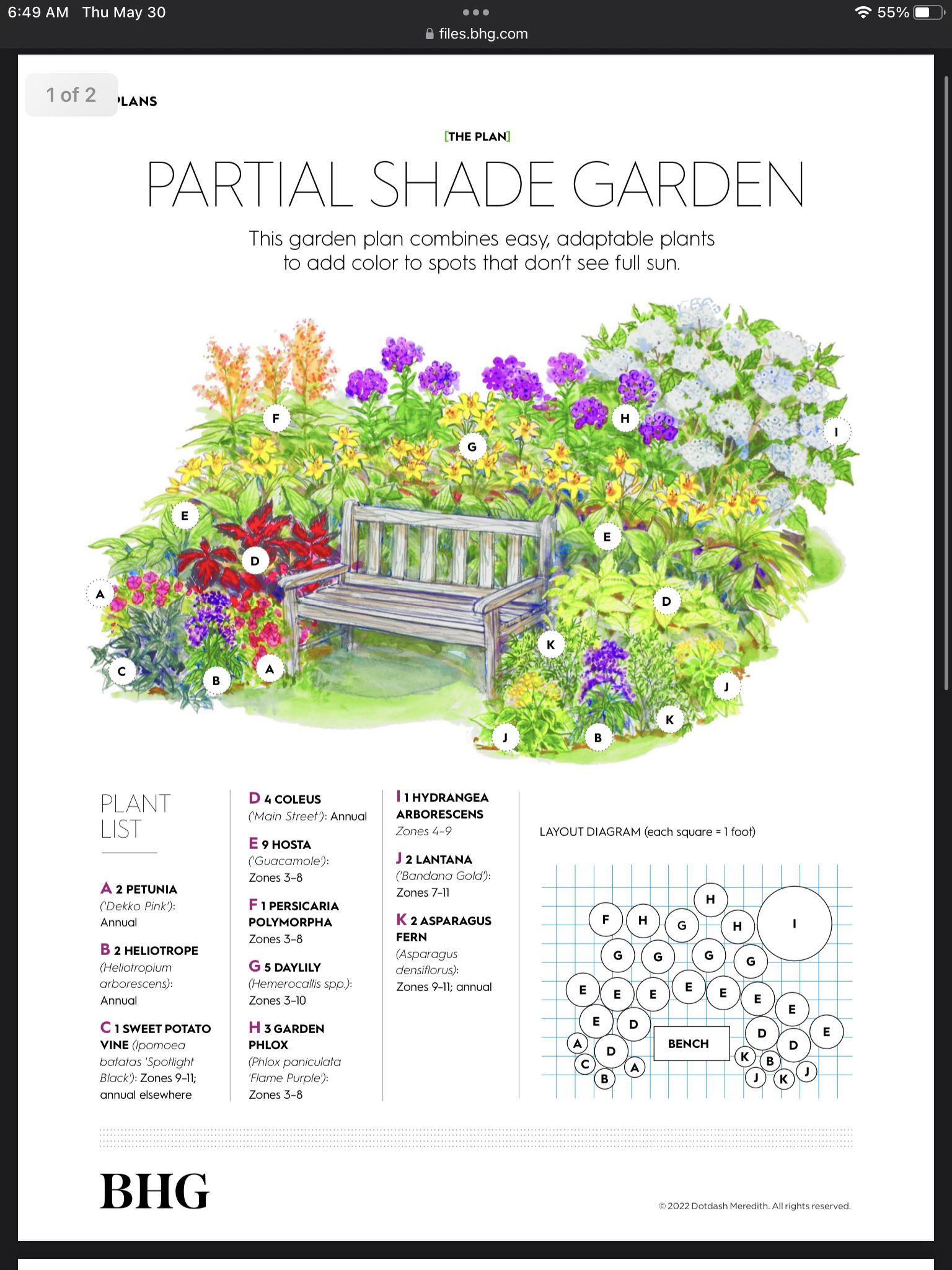
A planting plan turns your ideas into a layout you can follow outdoors. Measure the length and width of the bed, mark trees and fixed structures, and draw the areas that receive different amounts of light. Add paths, stepping stones, or access points before placing plants. This step matters because a bed that looks full on paper may leave little room to reach plants for watering or pruning.
Next, write down each plant’s expected mature width and height. Use the nursery label or a reliable regional plant guide rather than estimating from the pot size. Space plants according to their mature spread and the look you want. A dense design may fill in sooner, but tight spacing can reduce airflow and lead to crowding as plants grow.
Source: www.pinterest.com
Measure the bed
Record its length, width, outline, and distance from nearby walls, trees, and walkways.
Mark fixed features
Include tree trunks, large roots, drains, utility covers, downspouts, and places where water collects.
Group plants by need
Keep plants with similar light and water requirements together where possible.
Check spacing
Use mature plant width to plan gaps and prevent future crowding.
Example Layout for a 6-by-10-Foot Bed
Consider a hypothetical 6-by-10-foot bed along a north-facing fence that receives morning sun and afternoon shade. Put a few larger shade-tolerant plants along the fence, group medium perennials through the center, and use compact foliage plants near the front. Keep a small access gap at one end if you need to reach a hose or inspect the fence. The exact number of plants depends on their mature size and the shape of the bed.
Back row
Place two or three suitable larger plants with enough room for their mature spread. Do not plant them so close that they press against the fence.
Center groups
Use repeated groups of medium perennials, such as astilbe or suitable ferns, if the soil moisture and light fit their needs.
Front edge
Add low-growing plants such as suitable coral bells, leaving room for their leaves and flower stalks.
Open space
Leave access for watering and upkeep. A few small gaps are better than a bed that becomes impossible to maintain.
Calculate Plant Spacing
Use mature width as a starting point when deciding how far apart to plant. If a plant is expected to spread 24 inches wide, placing its neighbor 24 inches away from center to center allows their mature canopies to meet approximately at the edges. A wider gap gives more open space, while a closer gap creates a denser look but may increase the need for later thinning. Follow any species-specific spacing guidance where it differs.
For a quick fill
Use spacing near the lower end of the plant’s recommended range only when the species tolerates close planting.
For easy upkeep
Allow more space for large plants and those that need airflow or access for pruning.
Prepare the Soil and Manage Moisture
Soil conditions can make or break a partial shade garden. Areas beneath trees may look cool and damp while the soil near the roots is dry. Roof overhangs can keep rain away from beds beside a house, and compacted soil can prevent water from soaking in. Check the soil before planting and learn whether it drains well, stays moist, or dries out quickly.
Improve the soil based on its condition rather than adding large amounts of material without a plan. A layer of mature compost may help many garden beds, but the right approach depends on the soil and plants. Avoid burying tree roots or raising the soil level against tree trunks and building siding. If drainage is poor, choose plants that tolerate the conditions or correct the cause before adding species that need drier soil.
Source: Pinterest
Check drainage
After rain or watering, see how quickly the soil drains and whether puddles remain.
Test soil where useful
A soil test can help identify pH or nutrient issues before you add lime or fertilizer.
Use mulch with care
Apply a modest layer of organic mulch to help retain moisture and reduce weeds, keeping it away from stems and tree trunks.
Water at the root zone
Check moisture below the surface instead of watering by habit. Shaded soil may dry more slowly, but tree roots can make it dry faster.
Solve Dry Shade Under Trees
Dry shade is common beneath mature trees because their roots compete with garden plants for water. Start with small plants and avoid digging large holes through major roots. Select species that tolerate dry shade in your region, then water new plants carefully while they establish. Do not cut large roots or add a deep layer of soil to make planting easier without advice from a qualified arborist.
Plant between major roots
Use existing soil pockets and small planting holes where roots allow.
Water new plants deeply
Check the root zone and adjust watering to soil moisture, rainfall, and plant needs.
Avoid overplanting
Begin with a small number of suitable plants and add more after you see how they perform.
Add Paths, Edges, and Garden Features
Paths and edges help a partial shade garden look planned and stay easy to care for. A narrow bed beside a walkway may only need a clear border, while a larger woodland garden can benefit from stepping stones that let you reach plants without compacting the soil. Keep walking surfaces stable and free from loose stones or slippery buildup, especially in damp areas.
Garden features should support the plants rather than compete with them. A simple bench, a birdbath, or a small container can give the eye a place to rest. In a compact garden, one feature is often enough. Make sure it does not block access, create a standing-water problem, or crowd plants as they mature.
Source: fity.club
Define the bed edge
Use a clean cut edge, natural stone, or a suitable border to separate the bed from lawn or path.
Keep paths usable
Leave enough room to walk and carry watering tools without crushing plants.
Add a focal point
Choose one feature that fits the scale of the space, such as a pot with seasonal color.
Consider night visibility
If people use the area after dark, keep routes clear and add suitable outdoor lighting where needed.
Use Containers in Difficult Spots
Containers work well when tree roots make digging difficult or when you want to test a plant before committing to a bed. Choose pots with drainage holes and a potting mix made for containers. Remember that containers may dry faster than garden soil, even in partial shade. Their roots can also be more exposed to winter cold, so select suitable plants and protect pots when your climate requires it.
Choose a suitable pot
Make sure the container has enough room for the plant’s roots and proper drainage.
Group pots by water needs
Keep thirsty plants together and separate plants that prefer drier conditions.
Keep access clear
Place pots where they will not block steps, doors, or walking routes.
Avoid Common Partial Shade Garden Mistakes
Many garden problems begin with a plant placed in the wrong spot. A flower that needs strong sun may produce few blooms in deep shade, while a moisture-loving perennial can struggle beneath a tree with dry roots. Crowding plants to make a new bed look full can also lead to poor airflow and extra pruning later. Check the growing needs first, then adjust the layout to fit them.
Another common mistake is assuming that all shade is cool and moist. A shaded bed beside a west-facing wall may receive intense reflected heat, while a covered porch can leave plants dry even after rain. Review light, heat, soil, and water as separate factors. When a plant struggles, change the condition you can identify rather than adding fertilizer or water at random.
Source: www.pinterest.com
Planting too close
Symptoms include overlapping leaves, weak airflow, and plants that crowd paths. Check mature width and thin or move plants when needed.
Choosing plants by flower color alone
A beautiful bloom cannot compensate for unsuitable light or soil. Match the plant to the site before selecting color.
Overwatering shaded beds
Persistently wet soil can harm roots. Check soil moisture and drainage before watering again.
Ignoring mature tree roots
Large roots can limit planting space and water availability. Use small planting pockets and protect major roots.
Forgetting winter conditions
A plant that grows well in summer may not tolerate local winter temperatures. Check hardiness and seasonal care needs.
Troubleshoot Plants That Are Not Thriving
Start by observing the leaves, soil, and recent weather. Yellow leaves can have several causes, including excess water, poor drainage, or nutrient issues, so they do not point to one clear problem by themselves. Check whether the plant receives the light listed for its species and whether the root zone is too wet or too dry. If you suspect a disease or pest, identify it before using any treatment.
Few flowers
Check light levels, plant maturity, pruning timing, and whether the selected cultivar blooms well in shade.
Wilting leaves
Check soil moisture first. Wilting can occur in dry soil or in waterlogged soil where roots cannot function well.
Brown leaf edges
Look for dry soil, hot reflected light, wind exposure, or salt buildup in containers before changing care.
Slow growth
Check root competition, drainage, plant spacing, and seasonal growth habits before applying fertilizer.
Maintain the Garden Through the Seasons
A well-planned partial shade garden should become easier to manage as plants settle in. During the first growing season, check moisture often and remove weeds before they set seed. Keep an eye on new growth and note which areas stay wet or dry. These observations help you adjust the layout and care routine without making large changes all at once.
In spring, remove damaged plant material and check whether perennials need dividing. During summer, monitor watering needs and remove weeds that compete for moisture. In fall, clear diseased leaves where appropriate and leave healthy plant material that supports wildlife or protects the soil when suitable for your garden. In winter, review the layout and plan changes while the structure of the bed is easy to see.
Source: seesongdesigns.com
Spring
Clear damaged debris, check mulch depth, divide suitable perennials when needed, and inspect new growth.
Summer
Check soil moisture, watch for pests and disease, and remove spent flowers when doing so benefits the plant.
Fall
Plant suitable hardy perennials at the right time for your region, remove diseased material, and prepare tender plants for cold weather.
Winter
Review what worked, check for storm damage, and update the plan before buying new plants.
Keep a Simple Garden Record
A short garden log can save time in later seasons. Record each plant’s name, planting date, approximate light hours, and watering needs. Add notes when a plant blooms, wilts, spreads, or struggles during a heat wave. These details are more useful than trying to remember every change from one season to the next.
Track plant performance
Mark which plants thrive and which need more suitable light, soil, or space.
Record seasonal changes
Note when trees leaf out and when nearby structures cast longer shadows.
Make gradual changes
Replace poorly suited plants one area at a time instead of redesigning the whole bed without clear evidence.
Frequently Asked Questions
Q
What is the best layout for a partial shade garden?
A layered border is a useful starting point. Place taller plants at the back, medium plants in the middle, and low plants along the front. For a bed viewed from all sides, place taller plants near the center. Adjust the layout to match sunlight, soil moisture, mature plant size, and access needs.
Q
How many hours of sun does a partial shade garden need?
Partial shade often refers to about three to six hours of direct sunlight per day, but definitions vary by plant and nursery. Morning sun is generally less intense than hot afternoon sun. Check the needs of each plant and observe the light in your own yard before planting.
Q
Which plants grow well in partial shade?
Hostas, astilbe, coral bells, many ferns, impatiens, and some begonias can work in partial shade. Their needs differ, especially for moisture, heat, and direct sunlight. Select plants that suit your local climate and check the mature size and growing conditions on the plant label.
Q
Can vegetables grow in a partial shade garden?
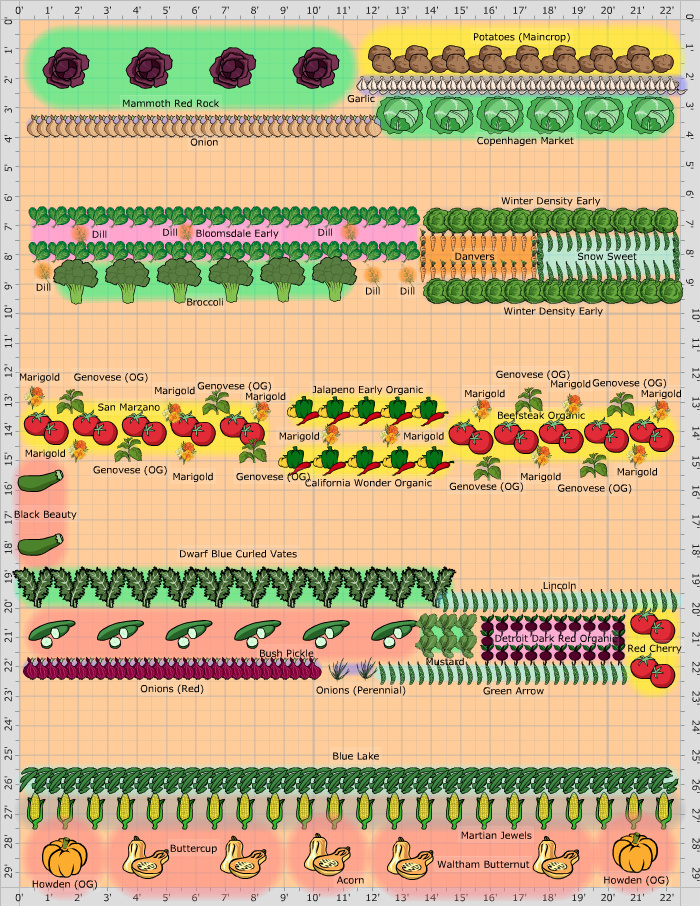
Yes. Leafy greens such as lettuce and some other cool-season crops can tolerate less sunlight than many fruiting vegetables. Crops such as tomatoes, peppers, and squash generally need more direct sun for good yields. Check the crop’s light needs and choose the brightest part of the garden for vegetables that produce fruit.
Q
How do I make a partial shade garden low maintenance?
Choose plants that fit the site’s light, soil, and moisture, and group species with similar watering needs. Allow enough room for mature growth, use suitable mulch to reduce weeds, and keep access paths clear. Native plants suited to the local habitat may also reduce some care needs once established, though no garden is maintenance-free.
Q
Can I create a partial shade garden beneath a mature tree?
Yes, but tree roots can compete with new plants for water and nutrients. Choose suitable plants, make small planting holes between major roots, and avoid cutting large roots or raising the soil level around the trunk. If the tree has large surface roots or shows signs of stress, seek advice from a qualified arborist before changing the ground around it.
✦ Wrapping Up
Conclusion
A successful partial shade garden layout starts with a close look at your yard. Track sunlight, check the soil, and choose plants that suit the conditions you have. Then arrange them by mature size, repeat a few key plants, and leave enough space for paths and routine care. These simple choices help create a garden that feels balanced rather than crowded.
You can start small with one border or a few containers and learn how the plants respond over the first season. Use their growth, bloom, and water needs to guide later changes. With a clear plan and suitable plant choices, even a shaded corner beside a fence or tree can become a calm, colorful part of your outdoor space.
💡 Key Takeaway
Measure one shaded bed today, record its sunlight at three times of day, and sketch a simple layout. Choose three to five plants that suit the light, soil, and mature space before buying anything.