
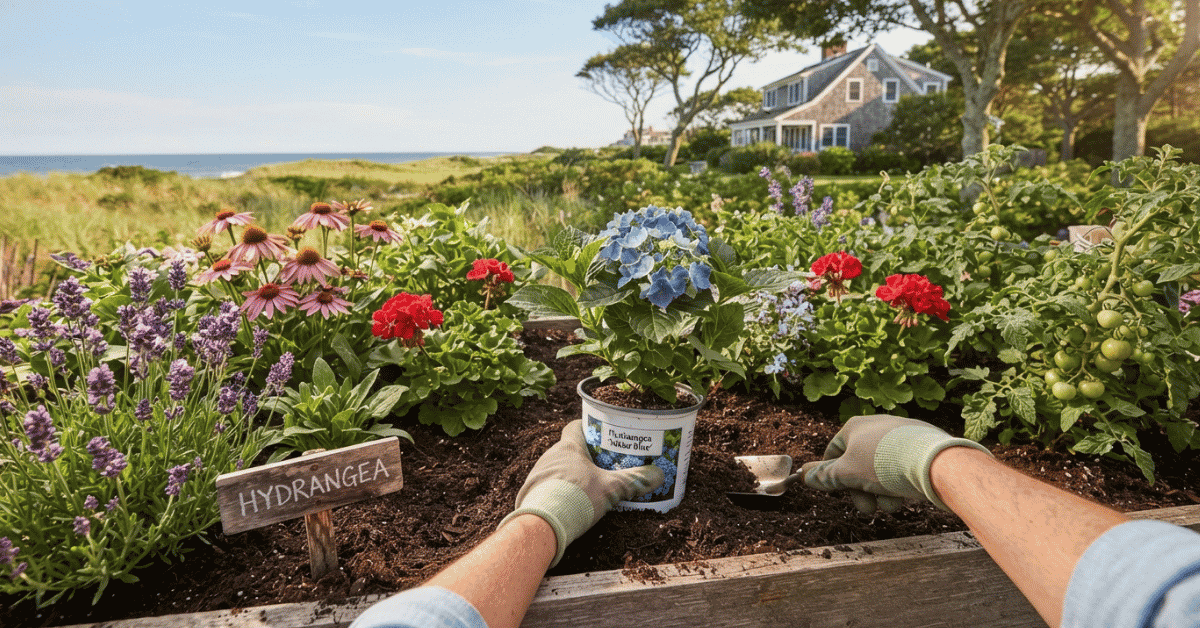
What gardening zone is Long Island? I once asked this before picking new plants. The answer can save time, cash, and stress. Most of Long Island sits in USDA Zone 7, with parts split into 7a and 7b. I use this zone as a guide, not a hard rule. In this guide, I will show what Zone 7 means. I will also cover plants, cold, soil, and local shifts.
Long Island Is Mainly USDA Zone 7
Long Island has a mild climate for New York. Cornell notes that Long Island has USDA Plant Hardiness Zone 7.
That makes the area good for many plants. Some parts can fall into Zone 7a or 7b.
The exact zone can shift by place. Your ZIP code gives a better answer than the island name alone.
Zone 7 Has Two Parts
The USDA splits each zone into two parts. These are called a and b.
Zone 7a is colder than Zone 7b. The split is based on five-degree ranges.
That small gap can matter for some plants.
What Does Zone 7 Mean for Gardeners?
Zone 7 relates to winter cold. It does not rate the whole climate.
The USDA map uses the average annual extreme low. It uses weather data from 1991 to 2020.
For Zone 7:
| Zone | Average annual extreme low | Garden meaning |
|---|---|---|
| 7a | 0°F to 5°F | Colder part |
| 7b | 5°F to 10°F | Warmer part |
| 8a | 10°F to 15°F | Warmer than most Long Island areas |
These values come from the USDA zone system.
I find this table useful when I read plant tags. It gives me a fast way to judge winter risk.
Still, the zone does not show the coldest day ever. It shows an average based on past data.
Nassau and Suffolk Can Differ
Long Island is not one flat climate zone.
Nassau County has areas shown as both 7a and 7b on Cornell’s county profile.
Suffolk also has strong local climate traits. Cornell describes Suffolk as USDA Zone 7.
This makes sense once you look at the land.
Long Island sits beside large bodies of water. Water can help soften winter swings.
Your ZIP Code Gives a Better Answer
I would not stop at “Long Island is Zone 7.”
That answer is useful, but it is broad.
The USDA map lets gardeners search by ZIP code. It can then show the zone for that spot.
For plant buying, ZIP code data is the safer choice.
Your yard may also have a small microclimate. A sunny wall can stay warm. A low spot can stay cold.
Zone 7 Plants Can Give You Many Choices
Zone 7 supports a wide range of hardy plants.
That includes many shrubs, trees, flowers, and vines.
Some common choices include:
- Rose bushes
- Hydrangeas
- Daylilies
- Black-eyed Susans
- Coneflowers
- Boxwoods
- Dogwoods
- Japanese maples
- Many fruit trees
The right choice still depends on the plant. A Zone 7 rating does not mean every plant will thrive.
I always check the full plant tag before I buy.
Check the Full Hardiness Range
A tag may say Zones 5–9. That is good news for a Zone 7 garden.
Another plant may say Zones 8–10. That plant may face more winter risk.
I see the zone range as a first filter.
Then I check sun, soil, water, and mature size.
Zone 7 Does Not Tell You Planting Dates
This point trips up many new gardeners.
Hardiness zones do not tell you the best day to plant. They mainly help with perennial plant survival.
A spring frost can still harm young plants.
Tomatoes are a good case. A Long Island garden may have the right hardiness zone. Yet a late cold snap can still hurt a young tomato plant.
So I use two separate checks.
Hardiness zone tells me about winter.
Frost dates help me plan spring planting.
That simple split makes garden planning much easier.
Long Island Soil Also Matters
Zone alone cannot explain plant success on Long Island.
Cornell notes that Suffolk County has characteristic white, sandy soils.
Sandy soil drains fast. That can help some plants. It can also dry out during hot weather.
A plant that likes rich, moist soil may need more care.
Test Your Soil Before You Guess
I would rather test soil than guess.
A soil test can show key facts about your bed. It can help guide changes before planting.
Look at:
- Soil pH
- Drainage
- Organic matter
- Nutrient levels
- Moisture needs
This is one place where local garden care matters more than the zone number.
Microclimates Can Change Your Garden
Your USDA zone covers a broad area. Your yard has its own small climate.
The USDA notes that microclimates can be too small to show on its map.
A spot near a south-facing wall may stay warm. A windy bed may act colder.
A low part of the yard may also collect cold air.
I have learned not to judge every bed by one number.
Water Can Affect Local Cold
Long Island’s location near water also matters.
The USDA explains that areas near large bodies of unfrozen water may have milder winter weather.
That helps explain some local zone shifts.
Still, water does not make every Long Island yard the same.
Your exact spot still matters.
Zone 7 Does Not Mean Every Plant Will Thrive
This is the part I wish I had learned first.
A plant can be hardy in Zone 7 and still fail.
It may dislike wet soil. It may need full sun. It may hate strong wind.
Some plants also need a long warm season.
So I use this simple checklist before buying:
- Check the zone range
- Check sun needs
- Check soil needs
- Check water needs
- Check mature size
- Check local frost timing
The zone is just one part of the choice.
Should Long Island Gardeners Use Zone 7?
Yes. I would use Zone 7 as a starting point.
It is one of the best quick tools for choosing hardy plants. The USDA calls its map a general guide for perennial plants.
But I would not use it alone.
A ZIP code check is better. A soil test can help too. Local frost dates add another layer.
That mix gives you a much clearer plan.
FAQs About Long Island Gardening Zones
Is all of Long Island in Zone 7?
Most of Long Island is Zone 7, but local areas may be 7a or 7b. Learn more with your ZIP code.
Is Long Island Zone 7a or 7b?
It can be either. The exact zone depends on the spot. Learn more with the USDA ZIP code map.
Can Zone 7 plants grow well on Long Island?
Yes, many can. Still, sun, soil, water, and frost also matter. Learn more before you plant.
Does Zone 7 tell me when to plant?
No. Zone 7 mainly shows winter cold risk. Use local frost dates for planting. Learn more before sowing.
Can my yard differ from the zone map?
Yes. Small microclimates can make a yard warmer or colder. Learn more about local garden spots.
Final Takeaway
I now see Long Island’s Zone 7 label as a helpful first clue. It helps me judge winter risk before I buy plants. Still, I check my ZIP code, soil, sun, and frost dates too. Those small steps can prevent big garden mistakes. As I finish these notes, I hear the soft sound of my keyboard. The fading light rests on the desk. That old zone number now feels much less vague.