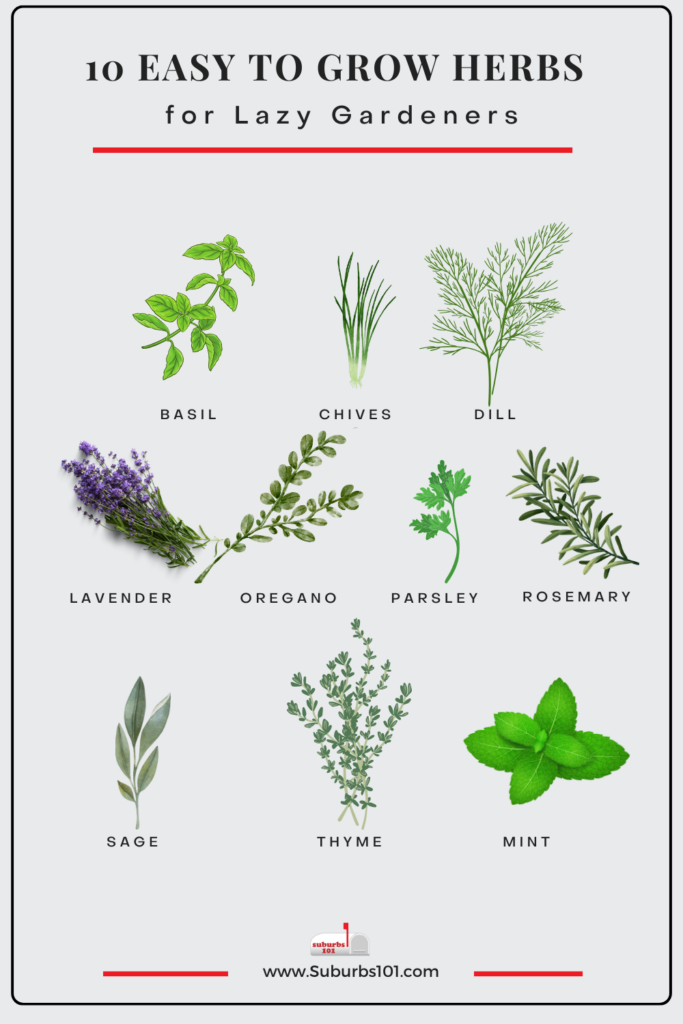
Basil, mint, chives, parsley, thyme, oregano, rosemary, cilantro, sage, and dill are some of the easiest herbs to grow at home. Most grow well in pots or garden beds when you match their light, water, and soil needs.
Growing fresh herbs at home is a simple way to add more flavor to everyday meals. In the United States, you can start a small herb garden on a sunny kitchen windowsill, apartment balcony, patio, or backyard. You do not need a large yard or costly tools. A few pots, good potting mix, and the right plants can get you started.
The best herbs for beginners depend on your space and local climate. Basil grows well in warm weather, while chives and parsley can suit cooler growing periods. Rosemary and thyme prefer well-drained soil, and mint grows best in its own container. Start with two or three herbs you use often, then add more as you learn how to care for them.
Source: i.pinimg.com
10 Easy Herbs to Grow at Home
The easiest herbs are those that match your growing space and daily cooking habits. Some grow quickly from seed, while others are simpler to start as small nursery plants. The choices below cover common needs, from fresh leaves for salads to fragrant sprigs for soups and roasted vegetables.
Light needs vary by plant, so use the table as a starting point rather than a strict rule. A sunny outdoor bed may provide more light than a window, and hot afternoon sun can stress some herbs in warm regions.
Source: lifewithdj.com
Basil
A warm-weather herb with soft, fragrant leaves. Use it in pesto, pasta, salads, and sandwiches. Give it plenty of sun, regular moisture, and warm conditions.
Mint
A vigorous herb with fresh-smelling leaves for tea, fruit, and sauces. It grows well in a pot with evenly moist soil but can spread aggressively in garden beds.
Chives
A compact perennial herb with thin green leaves and a mild onion taste. Snip the leaves into eggs, potatoes, dips, and soups.
Parsley
A leafy herb used in salads, sauces, soups, and garnishes. It can grow in containers or beds and often appreciates moisture that stays fairly even.
Thyme
A low-growing herb with small leaves and a strong savory flavor. It prefers full sun and well-drained soil, making it useful for sunny pots and borders.
Oregano
A hardy herb for tomato dishes, roasted vegetables, and sauces. It grows best with good light and soil that drains well.
Rosemary
A woody herb with needle-like leaves that suit roasted potatoes, poultry, and vegetables. It needs bright sun and excellent drainage.
Cilantro
A cool-season herb with tender leaves for salsa, tacos, soups, and salads. It tends to flower and set seed quickly in hot weather.
Sage
A woody perennial with soft, gray-green leaves and an earthy taste. It suits poultry, beans, squash, and hearty dishes.
Dill
An airy herb with fine leaves that pair well with fish, potatoes, cucumbers, and dressings. It grows from seed and develops a long taproot, so a deeper pot is useful.
Which Herbs Are Best for Absolute Beginners?
Start with basil, chives, parsley, or mint if you want a useful first herb garden. These plants offer clear uses in the kitchen and can grow in containers with suitable care. Mint is especially forgiving of slightly moist soil, though it still needs drainage.
For a sunny, dry spot, thyme and oregano may be better choices. Rosemary also suits bright locations, but it can struggle when its roots remain wet. If you are unsure, buy one small plant of each type and watch how it responds before expanding your garden.
For a sunny kitchen window
Try basil or chives if the window receives enough direct light. Rotate pots now and then so the plants grow more evenly.
For a patio or balcony
Try thyme, oregano, rosemary, and mint in separate pots. Check them more often during hot or windy weather.
For cooler spring or fall weather
Try parsley and cilantro. Their leaves often hold up better in cool conditions than in intense summer heat.
Quick Comparison of Common Kitchen Herbs
Use this comparison to match each herb to its preferred conditions. Full sun generally means about six or more hours of direct sunlight per day, although local heat and the plant’s condition can change what works best.
Basil
Light: full sun. Water: regular moisture. Best season: warm weather. Growing habit: tender annual in most US climates.
Mint
Light: sun to partial shade. Water: evenly moist soil. Best season: spring through fall. Growing habit: spreading perennial.
Chives
Light: full sun to partial shade. Water: moderate and regular. Best season: spring through fall. Growing habit: clumping perennial.
Parsley
Light: full sun to partial shade. Water: steady moisture. Best season: cool spring and fall periods. Growing habit: usually grown as a biennial.
Thyme and oregano
Light: full sun. Water: allow the upper soil to dry between waterings. Best season: warm, bright periods. Growing habit: perennial in suitable climates.
Rosemary and sage
Light: full sun. Water: avoid soggy soil. Best season: warm growing periods. Growing habit: woody perennials where winters allow.
Cilantro and dill
Light: sun in cool weather, with some afternoon shade in hot areas. Water: moderate moisture. Best season: spring and fall in many regions. Growing habit: annual herbs.
How to Choose Herbs for Your Home and Climate
Choose herbs based on sunlight, available space, local weather, and the meals you cook. A plant that thrives in a sunny backyard in Arizona may need different care on a shaded apartment balcony in the Pacific Northwest. Your growing location matters as much as the plant itself.
Before buying seeds or plants, watch the area where you plan to grow them. Note how many hours of direct sun it gets, whether wind dries the pots, and whether rain reaches the space. These simple checks can prevent many common growing problems.
Source: blogger.googleusercontent.com
Measure your sunlight
Track direct sun over a normal day. Most Mediterranean herbs, such as rosemary, thyme, and oregano, need a bright location.
Consider seasonal temperatures
Basil is sensitive to cold, while cilantro often struggles in hot summer weather. Use your local frost dates as a guide for planting outdoors.
Match plants to your space
Small pots can hold chives or compact basil plants. Mint needs room for roots but should remain contained, while dill benefits from a deeper container.
Choose herbs you will use
If you cook pasta often, start with basil and oregano. If you make salsa or fresh salads, cilantro and parsley may be more useful.
Growing Herbs Indoors
Indoor herbs need more than a warm room. Most culinary herbs grow best with strong light, and a bright window may still provide less light than they need, especially during short winter days. A south-facing window in the United States often offers strong light, but the actual amount depends on the season, nearby buildings, and window coverings.
If your herbs become tall and weak, develop pale leaves, or lean strongly toward the window, they may need more light. A suitable full-spectrum grow light can help. Keep the light at the distance and schedule recommended by its maker, and make sure the plants still have good air movement.
Use pots with drainage holes
Excess water should be able to leave the container. Empty standing water from saucers so roots do not sit in it.
Give plants breathing room
Avoid crowding pots together. Better airflow helps leaves dry and makes it easier to spot pests.
Keep herbs away from extreme heat
Do not place pots directly against hot glass, above a heating vent, or beside a stove where heat and grease may build up.
Growing Herbs Outdoors in the United States
Outdoor herbs can grow in raised beds, borders, window boxes, and patio pots. In colder parts of the country, many gardeners plant tender basil after the danger of frost has passed. In hot southern regions, herbs may need protection from harsh afternoon sun or careful watering during summer heat.
Perennial herbs do not all survive the same winter conditions. Rosemary can suffer in freezing weather, depending on the variety and local climate. Check your USDA plant hardiness zone and the plant label, but also consider drainage, wind exposure, and winter wetness before choosing a perennial.
In cold northern states
Grow tender herbs in warm weather and bring suitable container plants indoors before frost. Some perennial herbs can overwinter outdoors if the variety and site are appropriate.
In hot southern states
Watch for heat stress and dry pots. Cilantro may do better in spring or fall, while some other herbs benefit from afternoon shade.
In mild coastal areas
Many herbs can grow for a longer season, but fog, heavy rain, and damp soil can still affect sunlight and root health.
How to Start an Herb Garden Step by Step
You can start an herb garden with a few small plants, basic pots, and a suitable growing mix. Buying established plants can be easier for beginners who want to harvest leaves soon, while seeds offer more choice and can cost less. Either method works when you provide the right conditions.
Keep the first garden small. Three healthy plants are easier to manage than ten plants with different needs, especially while you learn how quickly your pots dry out.
Source: i.pinimg.com
Step 1: Pick your first herbs
Choose two or three herbs you use in meals. Basil, chives, and parsley are practical choices for a starter collection.
Step 2: Choose suitable containers
Use pots with drainage holes. Select a container large enough for the plant’s roots and mature size, following the nursery label when available.
Step 3: Fill pots with potting mix
Use a clean, suitable container mix rather than dense garden soil. For rosemary, thyme, and oregano, choose a mix and pot that drain well.
Step 4: Plant at the right depth
Follow the seed packet or plant label. Avoid burying the crown of an established herb too deeply, as this can trap moisture around the stem.
Step 5: Water the soil
Water after planting until excess water drains out. Then check soil moisture regularly instead of following a rigid daily schedule.
Step 6: Place plants in suitable light
Set sun-loving herbs in a bright spot. Move plants gradually if they need to adjust to stronger outdoor light.
Step 7: Watch for new growth
Look for healthy leaves and fresh shoots. Once plants are established, begin light harvesting when their size and condition allow.
Should You Grow Herbs From Seeds or Plants?
Seeds are useful for herbs such as cilantro and dill, which are often sown directly into their final growing spot. Basil can also grow well from seed. However, seed-grown herbs need suitable moisture, light, and time before you can harvest much.
Small nursery plants are a practical shortcut for rosemary, sage, and thyme. They give you a head start and let you choose a healthy plant with visible leaves and stems. Check for pests, damaged growth, and roots that appear badly crowded before you buy.
Choose seeds
Best when you want several plants, a specific variety, or a low-cost way to start annual herbs.
Choose young plants
Best when you want a quicker start or prefer to avoid the early stages of seed care.
Can You Grow Several Herbs in One Pot?
You can combine herbs when they have similar needs and enough space. For example, thyme and oregano often suit a sunny container with well-drained soil. Basil and parsley may also share a large pot if you can meet their light and moisture needs.
Avoid pairing mint with slower-growing herbs because it can take over the container. Rosemary may also be a poor match for herbs that prefer consistently moist soil. When in doubt, use separate pots so you can adjust watering for each plant.
Good container planning
Group herbs by water needs, sunlight needs, mature size, and growth rate.
Avoid overcrowding
Leave room for airflow and root growth. Crowded plants compete for light, water, and nutrients.
How to Water, Feed, and Prune Herbs
Good herb care starts with checking the soil rather than watering by the calendar. Small pots may dry out fast in summer, while cool indoor rooms can keep soil damp for longer. The plant, pot size, growing mix, sunlight, and weather all affect how often you need to water.
Most herbs do not need heavy feeding. Too much fertilizer can encourage soft, leafy growth and may reduce the strength of the flavor or scent in some herbs. Use a balanced fertilizer only as needed and follow its label for the rate and frequency.
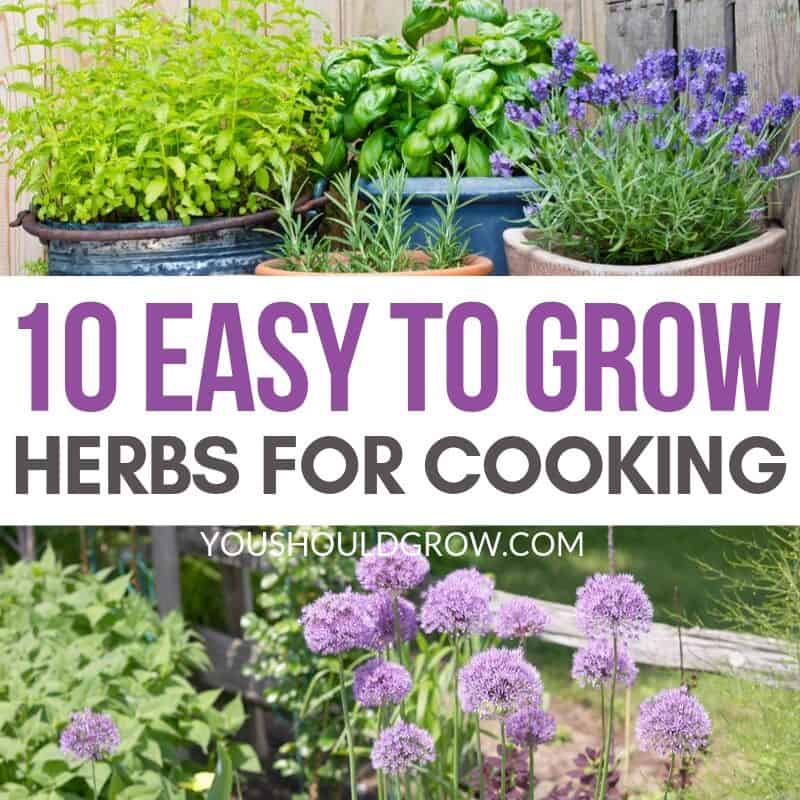
Source: youshouldgrow.com
Check moisture before watering
Feel the upper layer of soil. Water when the plant’s needs and soil condition call for it, rather than keeping every pot constantly wet.
Water at the soil line
Aim water toward the soil instead of soaking the leaves. This helps keep foliage dry and directs moisture to the roots.
Use clean pruning scissors
Clean tools make neat cuts and reduce the chance of spreading plant disease between herbs.
Remove damaged growth
Trim dead, yellow, or diseased leaves as needed. Check the rest of the plant for pests or signs of poor growing conditions.
How to Harvest Herbs Without Harming the Plant
Harvest lightly once a plant has enough healthy growth to recover. Cut leaves or stems with clean scissors, and avoid stripping a small plant bare. Regular, careful harvesting can encourage branching in herbs such as basil when you cut just above a healthy pair of leaves.
Leafy herbs and woody herbs need slightly different methods. Pinch or snip tender basil stems, cut chives near the base, and take small sprigs from thyme or rosemary. Avoid removing a large share of the plant at one time, especially when it is young or stressed.
Harvest in the morning when practical
Leaves are often crisp before the day’s heat. Use clean tools and bring harvested herbs inside promptly.
Keep some growth on the plant
Leave enough healthy leaves and stems for continued growth. Very young or weak plants need time to establish before heavy cutting.
Wash herbs before use
Rinse herbs under clean running water and dry them with a clean towel or salad spinner before cooking.
How to Keep Herbs Growing for Longer
Many annual herbs complete their life cycle in one growing season, while perennial herbs can return for several years in suitable climates. Pinching flower buds from basil may help keep the plant focused on leaf growth for longer, but flowering is a normal part of the plant’s life cycle.
If an herb becomes woody or sparse, check its light, root space, watering, and age. Some plants respond well to careful pruning, while others are better replaced with a new plant. Avoid cutting deeply into old, leafless wood unless you know the species can regrow from it.
Refresh crowded pots
Repot when roots fill the container or water passes through too quickly without wetting the mix evenly.
Adjust care by season
Reduce watering when growth slows in cool weather, but still check the soil and plant condition.
Inspect leaves each week
Look under leaves and around new shoots for aphids, mites, or other pests. Act early with a treatment labeled for the plant and intended use.
Common Herb-Growing Problems and How to Fix Them
Most beginner herb problems come from too little light, poor drainage, unsuitable temperatures, or watering mistakes. A plant with yellow leaves does not always need fertilizer, and a wilted plant does not always need more water. Check the soil and growing conditions before changing your routine.
Make one change at a time when possible. This helps you work out whether the issue is improving instead of adding water, fertilizer, and treatments all at once.
Source: i.pinimg.com
Yellow leaves
Possible causes include wet soil, poor drainage, low light, or nutrient problems. Check moisture and roots before adding fertilizer.
Wilting leaves
Dry soil can cause wilting, but damaged roots in waterlogged soil can cause similar signs. Check the soil first and inspect drainage.
Tall, weak stems
The plant may need more light. Move it to a brighter location gradually or add a suitable grow light.
Brown leaf edges
Dry air, irregular watering, root stress, or strong heat may be responsible. Check several conditions before choosing a fix.
Small or slow growth
The herb may need more light, warmer weather, root space, or time to establish. Compare its needs with the plant label.
Early flowering
Cilantro often flowers in hot weather. Sow a fresh batch in a cooler season and harvest leaves while the new plants are young.
Why Is My Indoor Herb Garden Dying?
Start by checking the roots and soil. If the mix smells sour, stays wet for days, or has roots that are dark and mushy, poor drainage or excess water may be part of the problem. Let the growing mix dry to a level suited to the herb, and make sure the pot can drain freely.
If the soil is dry and pulling away from the pot, water it thoroughly and allow excess water to escape. Then review the light level. Indoor plants often struggle when they receive only weak light for much of the day, even if the room itself looks bright to you.
First check
Inspect the soil moisture, drainage holes, leaf condition, and light exposure.
Next action
Correct the most likely cause, then watch for healthy new growth before making more changes.
How to Prevent Pests on Culinary Herbs
Aphids, spider mites, and whiteflies can affect herbs indoors and outdoors. Check new plants before bringing them inside, remove badly damaged leaves, and keep enough space between pots to inspect the foliage.
If treatment is needed, use a product labeled for the specific herb and intended edible use. Follow its directions for application and the time to wait before harvesting. Do not assume that a product is suitable for edible plants just because it is sold for general garden use.
Inspect new plants
Look at leaf undersides, stems, and growing tips before placing a new herb beside established plants.
Avoid unverified sprays
Use only appropriate products according to their labels, and follow all harvest and handling instructions.
How to Use and Store Fresh Herbs
Fresh herbs can add flavor to meals without requiring a large harvest. Add tender herbs such as basil, parsley, and cilantro near the end of cooking when you want their fresh taste to stand out. Woody herbs such as rosemary, thyme, and sage can handle longer cooking times in many soups, stews, and roasted dishes.
Use only as much as you need, then store the rest in a clean way that suits the herb. Tender leaves often keep better with gentle moisture control, while hardy sprigs may last longer when wrapped loosely and chilled. Remove slimy or spoiled leaves before use.
Source: i.pinimg.com
Basil
Add to tomato dishes, pasta, pesto, or sandwiches. Keep fresh sprigs in water at room temperature for short-term use, away from cold drafts.
Mint
Use in tea, fruit salads, sauces, and cold drinks. Rinse gently and store in the refrigerator if you need to keep it for more than a short time.
Chives
Snip over eggs, baked potatoes, and creamy dips. Keep the leaves chilled in a clean container.
Parsley and cilantro
Add to salsa, salads, soups, and grain bowls. Refrigerate clean, dry leaves in a suitable container and remove spoiled pieces.
Rosemary, thyme, oregano, and sage
Use in roasted vegetables, beans, soups, and savory sauces. Store sprigs in the refrigerator and dry extra leaves if you have more than you can use.
Can You Dry or Freeze Homegrown Herbs?
Yes. Drying works well for many herbs with firm leaves, including oregano, thyme, rosemary, and sage. Place clean herbs in a dry, well-ventilated area away from direct sunlight, or use a food dehydrator according to its instructions. Store fully dried herbs in an airtight container only after they have cooled.
Freezing is often useful for basil, parsley, and cilantro when you want to preserve their flavor for cooked dishes. Chop the leaves and freeze them in small portions, with or without a little water or oil. Frozen herbs usually work better in cooked meals than as a fresh garnish because freezing changes their texture.
Drying
Best for herbs that retain useful flavor after drying. Make sure leaves are fully dry before storage to reduce the risk of mold.
Freezing
Best for saving leafy herbs in portions for soups, sauces, and cooked meals. Label containers with the herb and date.
Frequently Asked Questions
These common questions cover the practical choices that come up after you select your first herbs.
What Is the Easiest Herb to Grow at Home?
Chives, mint, and basil are useful starting points for many beginners. Chives can return year after year in suitable climates, mint grows vigorously when contained in a pot, and basil provides fresh leaves through warm weather. The easiest choice depends on your light, climate, and watering habits.
Which Herbs Can I Grow Indoors All Year?
Basil, chives, parsley, mint, and some other culinary herbs can grow indoors if they receive enough light and proper care. A sunny window may be enough in some homes and seasons, while a grow light may be needed during winter or in dim rooms. Indoor temperatures and airflow also affect growth.
Do Herbs Need Full Sun?
Many herbs grow best with several hours of direct sun, especially rosemary, thyme, and oregano. Mint, parsley, and chives can tolerate partial shade, although growth may slow in low light. In very hot areas, some herbs benefit from shade during the strongest afternoon sun.
How Often Should I Water Potted Herbs?
There is no single watering schedule that suits every herb. Check the soil and water when the plant’s needs call for it. Small pots in hot, sunny weather may need water more often than large pots in cool indoor spaces, while rosemary and thyme generally need better drainage and less consistently wet soil than mint.
Can I Grow Herbs Without a Garden?
Yes. A windowsill, balcony, patio, or bright indoor shelf can support a small herb garden. Choose containers with drainage holes, use a suitable potting mix, and match each herb to the available light. If natural light is limited, a grow light may help.
When Should I Plant Herbs in the United States?
Planting time depends on the herb and your local climate. Many gardeners sow cilantro and parsley during cooler spring or fall periods, while basil is usually planted outdoors after frost danger has passed. Check your local frost dates and the plant or seed label before planting.
Frequently Asked Questions
Q
What Is the Easiest Herb to Grow at Home?
Chives, mint, and basil are useful choices for beginners. Chives can return each year in suitable climates, mint grows well in containers, and basil produces fresh leaves during warm weather. Pick the herb that best matches your light and space.
Q
Which Herbs Can I Grow Indoors All Year?
Basil, chives, parsley, mint, and several other culinary herbs can grow indoors with enough light, suitable temperatures, and proper watering. A sunny window may work, but a grow light can help during winter or in dim rooms.
Q
Do Herbs Need Full Sun?
Many herbs, including rosemary, thyme, and oregano, grow best with several hours of direct sunlight. Mint, parsley, and chives can tolerate partial shade. In hot climates, afternoon shade can help protect some plants from heat stress.
Q
How Often Should I Water Potted Herbs?
Check the soil before watering because needs change with the herb, pot size, light, and weather. Mint generally prefers more moisture than rosemary or thyme. Always use containers with drainage holes and avoid leaving roots in standing water.
Q
Can I Grow Herbs Without a Garden?
Yes. You can grow herbs on a sunny windowsill, balcony, patio, or indoor shelf with suitable lighting. Use pots with drainage holes and a quality potting mix, then choose herbs that fit the light and space you have.
Q
When Should I Plant Herbs in the United States?
Planting dates depend on the herb and local weather. Basil is usually planted outdoors after frost danger has passed, while cilantro and parsley often do well in cooler spring or fall weather. Check local frost dates and seed packet directions.
✦ Wrapping Up
Conclusion
Growing easy herbs at home does not require a large garden or years of practice. Basil, chives, mint, parsley, thyme, oregano, rosemary, cilantro, sage, and dill can all provide fresh flavor when their growing needs match your space. A few well-chosen pots are enough to begin.
Start small, give each herb the light and water it needs, and harvest with care. If a plant struggles, check its soil, drainage, temperature, and light before giving up on it. Your first herb garden can be simple, useful, and easy to expand as your skills grow.
💡 Key Takeaway
Choose three herbs you use most often, place them in suitable pots with drainage holes, and set them where they receive the right amount of light. Check the soil regularly and begin with small harvests once the plants are established.